Dive slate · divesites.com.au · printed 9 Nov 2026
Lee Point Wide Engineered Reef
Darwin Offshore & Artificial Reefs, Northern Territory · near Darwin
| Depth | 23–28 m |
|---|---|
| Minimum level | Advanced Open Water |
| Difficulty | Advanced |
| Access | Boat (day trip) |
| Entry | Giant stride or backward roll from the boat; descend the shot or anchor line |
| Current | Variable/Tidal |
| Visibility | 5-15 m |
| Water | summer 30-32 °C, winter 24-26 °C |
| Suit | 3 mm shorty or full lycra/stinger suit; full-length stinger suit essential October-May |
| Best season | May-October dry season on neap tides (smallest tidal range, best visibility, south-east trade winds are strongest mid-morning) |
| Bottom time | 25 min |
| Position | -12.16805, 130.78388 (GPS) |
| Permit | None required; NT recreational fishing rules apply. |
| Nearest chamber | Royal Darwin Hospital hyperbaric medicine unit (Tiwi, Darwin) |
| Emergency | 000 · DAN Asia-Pacific diving emergency 1800 088 200 |
Lee Point Wide Engineered Reef
Also known as AR1 Lee Point Wide
Purpose-built 5 m concrete reef modules installed in 2019 in 28 m of open water north of Lee Point.
Near Darwin · Darwin Offshore & Artificial Reefs, Northern Territory
- Depth
- 23–28 m
- Minimum level
- Advanced Open Water
- Access
- Boat (day trip)
- Boat ride
- —
- Water
- 30-32 °C
- Visibility
- 5-15 m
Lee Point Wide Engineered Reef23–28 m · Advanced Open Water
Dive factsDepths, conditions, location & safety
Season
Off-peak nowBest months: May, June, July, August, September, October.
May-October dry season on neap tides (smallest tidal range, best visibility, south-east trade winds are strongest mid-morning)
- Best months
- Now (November)
- Stinger suit Nov–May
Dive facts
- Depth
- 23–28 m
- Typical depth
- 27 m
- Certification
- Advanced Open Water
- Difficulty
- Advanced
- Depth tier
- Advanced Open Water (18–30 m)
- Access
- Boat (day trip)
- Dive centre needed
- Yes – boat access only
- Shore / independent
- No
- Current
- Variable/Tidal
- Visibility
- 5-15 m
- Water temp (summer)
- 30-32 °C
- Water temp (winter)
- 24-26 °C
- Water
- Tropical
- Bottom time
- 25 min
- Dive traffic
- Rarely dived (private boat/club only)
- Night dive
- No
- Snorkel friendly
- No
Exposure suit
3 mm shorty or full lycra/stinger suit; full-length stinger suit essential October-May
Location
2019 engineered reef complexes · Darwin offshore – Lee Point / Shoal Bay
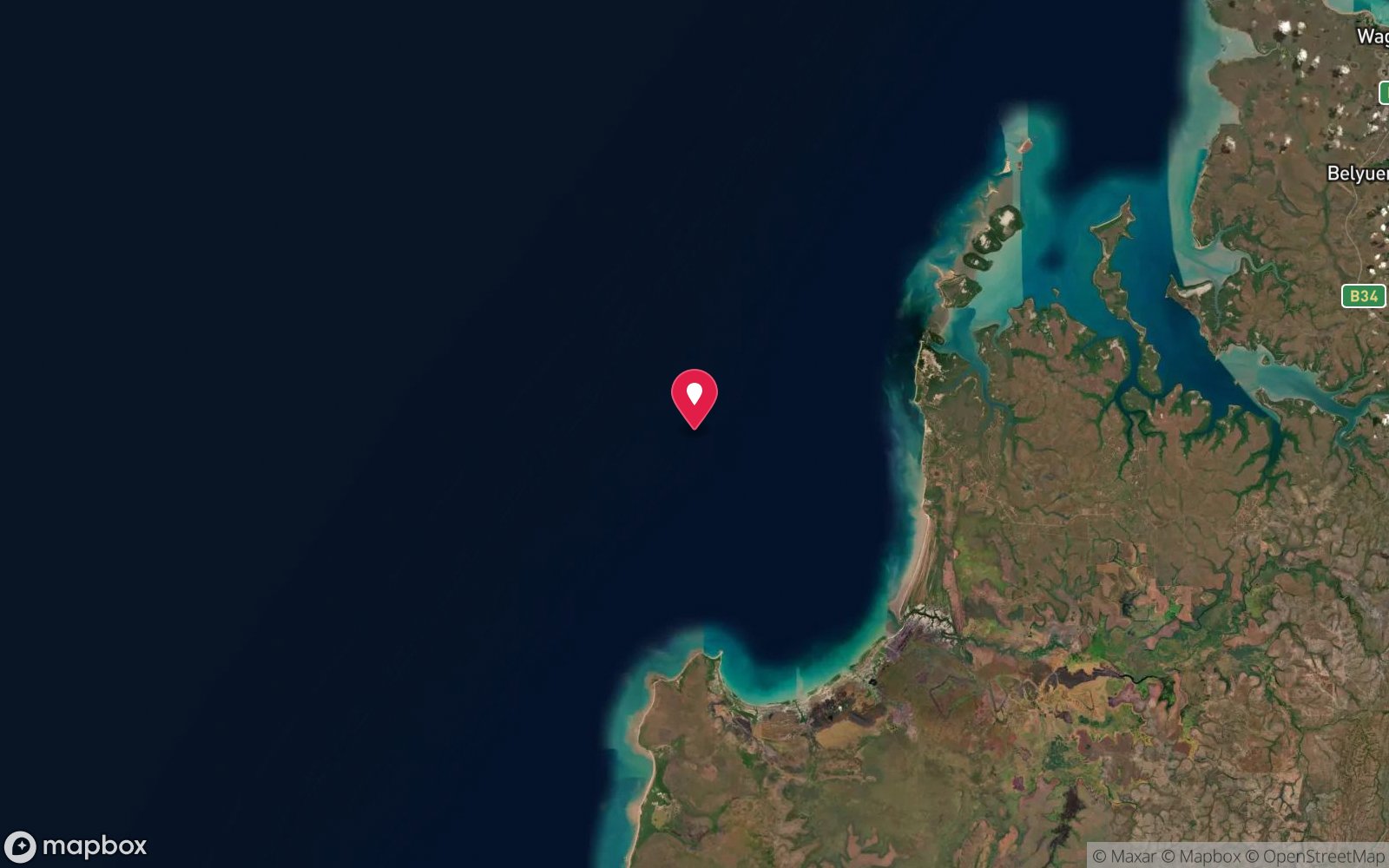
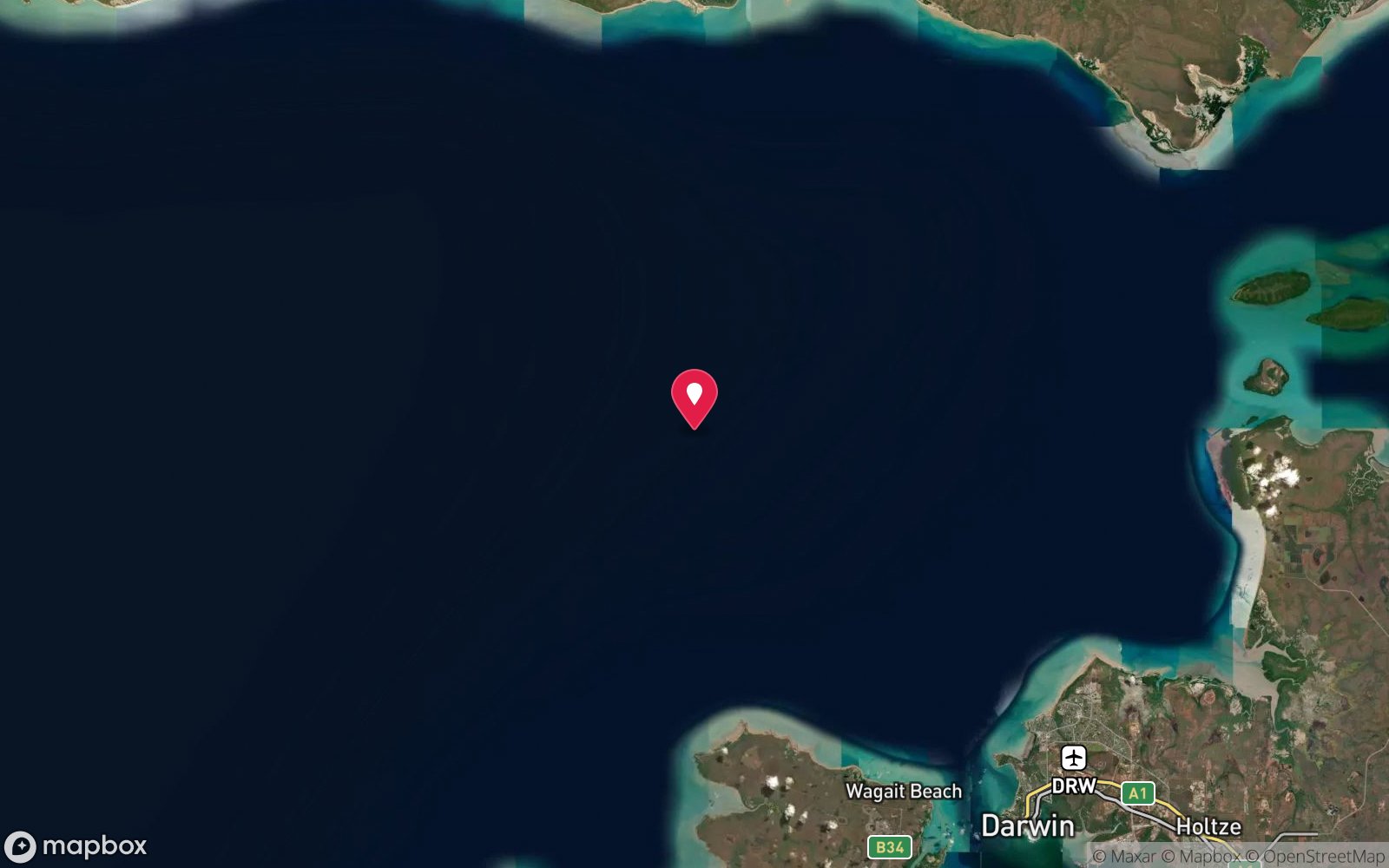
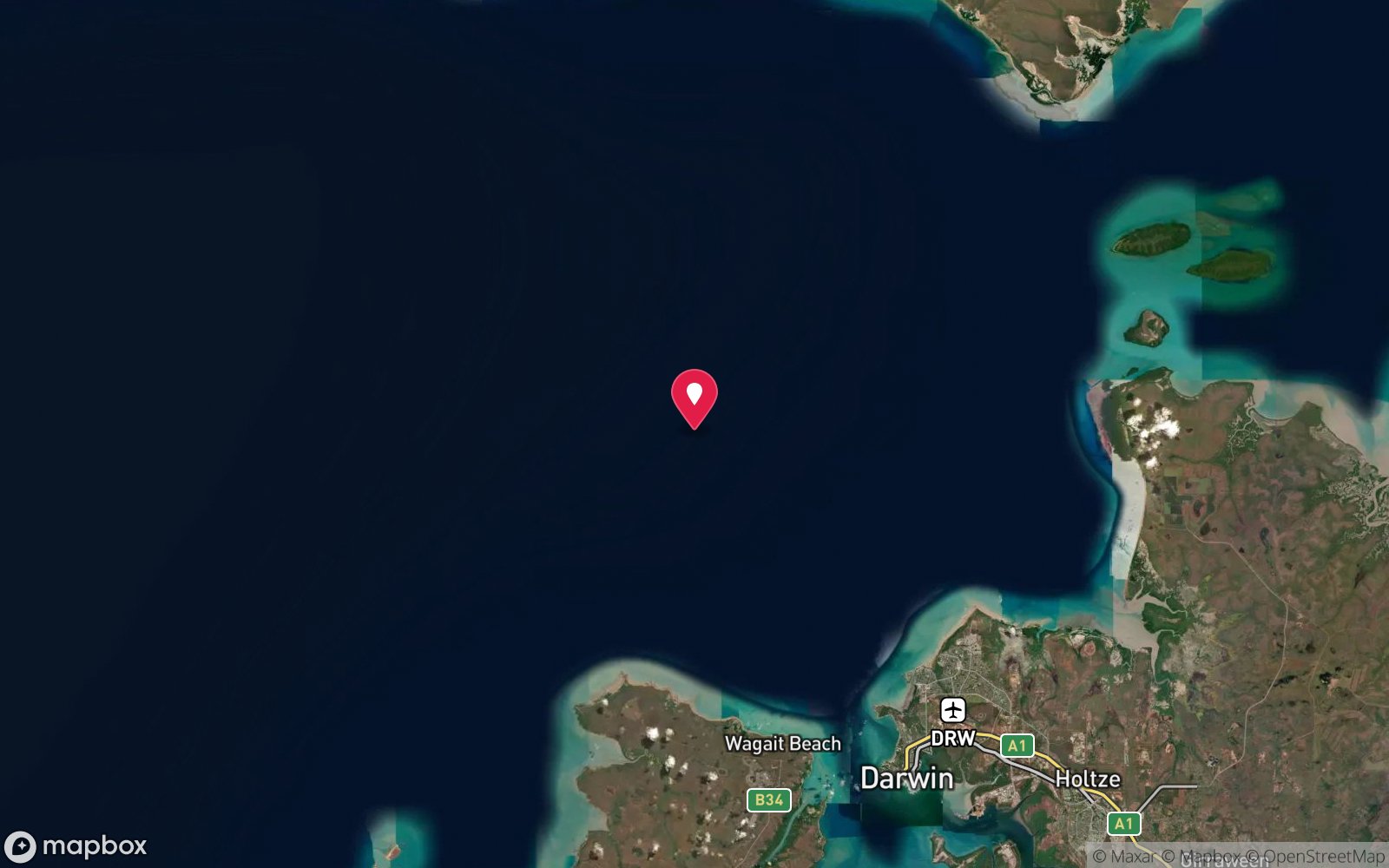
-12.16805, 130.78388
Published GPS position.
Open in Google MapsPrimary source: nt.gov.auMarine park & permits
None required; NT recreational fishing rules apply.
Nearest recompression chamber
Royal Darwin Hospital hyperbaric medicine unit (Tiwi, Darwin)
Diving emergency: call 000, then DAN AP 1800 088 200.
Trip planner
Build a trip around Lee Point Wide Engineered Reef →
A day-by-day plan for Darwin Offshore & Artificial Reefs with this site locked in.
This guide is a planning aid. Conditions change daily — confirm with a local dive centre and dive within your training. Data & safety notes.
Dive profile
How this site rates
Scores are computed from the recorded data, not opinions. How?
At a glance
Lee Point Wide Engineered Reef is a artificial reef boat dive in Darwin Offshore & Artificial Reefs, NT, 23–28 m, suited to Advanced Open Water divers, variable/tidal current.
Rated advanced because of depth beyond 18 m, tidal current that must be timed.
Why dive here
- Purpose-built 5 m concrete reef modules installed in 2019 in 28 m of open water north of Lee Point.
- Rarely dived: expect to have the site to yourself, and plan your own logistics.
Conditions to avoid
- Any time other than slack water
- Cyclone season (roughly December–April)
- Stinger season without a full suit (November–May)
About Lee Point Wide Engineered Reef
Lee Point Wide (designated AR1) is one of four engineered reef complexes the NT Government installed off the Top End coast in 2019. It sits in about 28 m of water roughly 18 km north of Lee Point, in open ground well offshore from the older, shallower Lee Point reefs built from scrap and culverts. The 2019 installation was part of an $8.3 million NT Government artificial reef project described at the time as the largest single installation of artificial reefs in the Southern Hemisphere, with a design life of well over 100 years. Each module is a purpose-built concrete structure about 5 m tall, 4 m square at the base and weighing about 24 tonnes, designed with openings and internal cells to provide shelter at several levels, and the modules are grouped into a reef complex rather than a single block.
What a diver finds is a group of tall, geometric concrete towers standing on a flat sand and shell bottom. In their first years the modules were bare; by now they carry a growing cover of sponges, hydroids, oysters, soft corals and algae, and the tallest faces attract gorgonians and sea whips. Because they stand 5 m high, the modules concentrate fish vertically: baitfish and fusiliers hang above the tops, golden snapper, saddletail snapper and fingermark sit around the mid-levels, and cod and black jewfish use the shaded interior cells. Trevally, queenfish, cobia and Spanish mackerel hunt around the complex, and big groper have been reported on similar NT modules.
Diving documentation for Lee Point Wide is sparse – it was designed for anglers and is visited by divers only occasionally. The depth, open-water position and tidal stream make it an advanced dive requiring a competent boat crew. For divers interested in how modern engineered reefs mature, it is one of the most accessible examples in northern Australia, and it offers better water clarity than the inshore reefs on a good day.
Getting there & entry
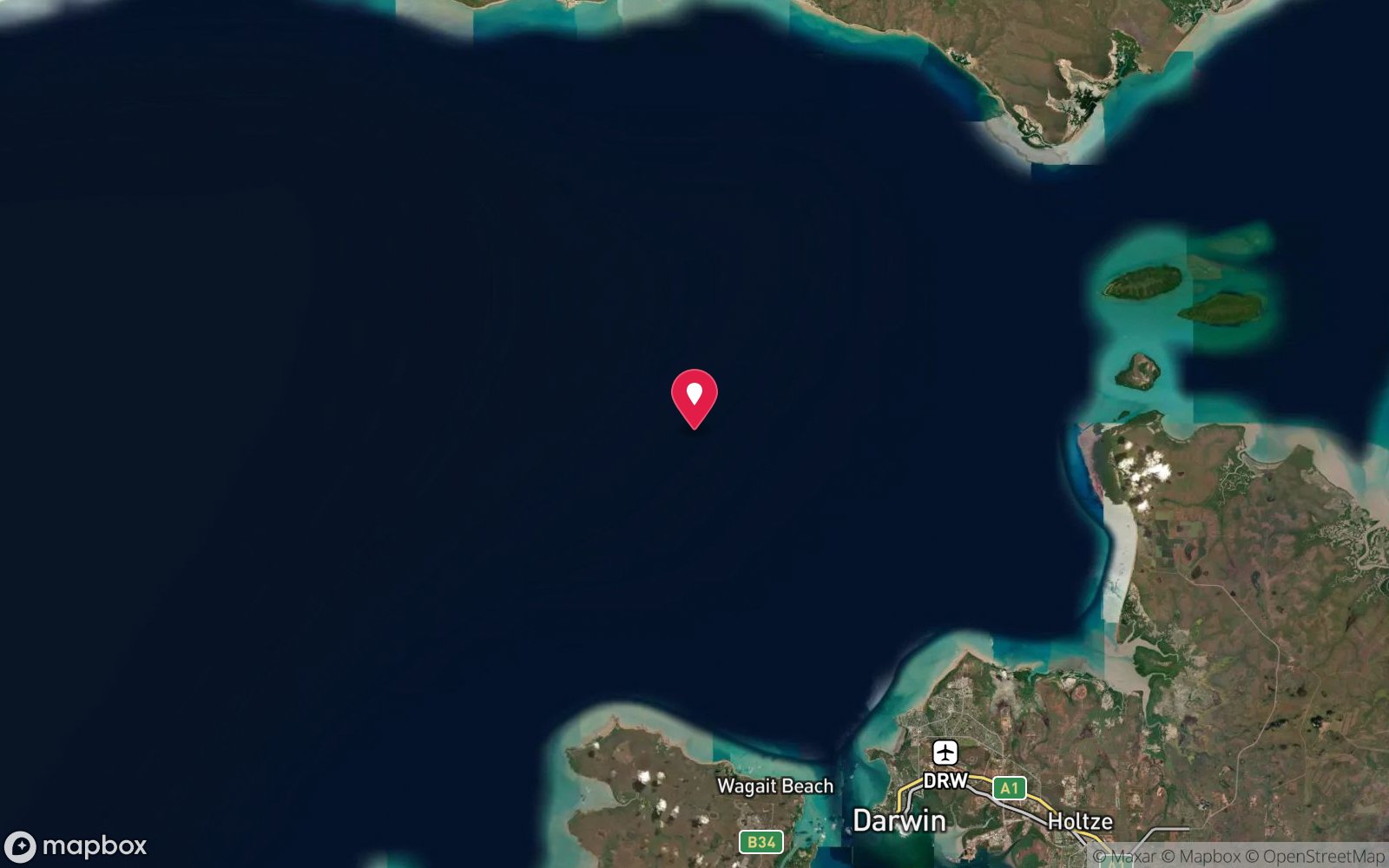
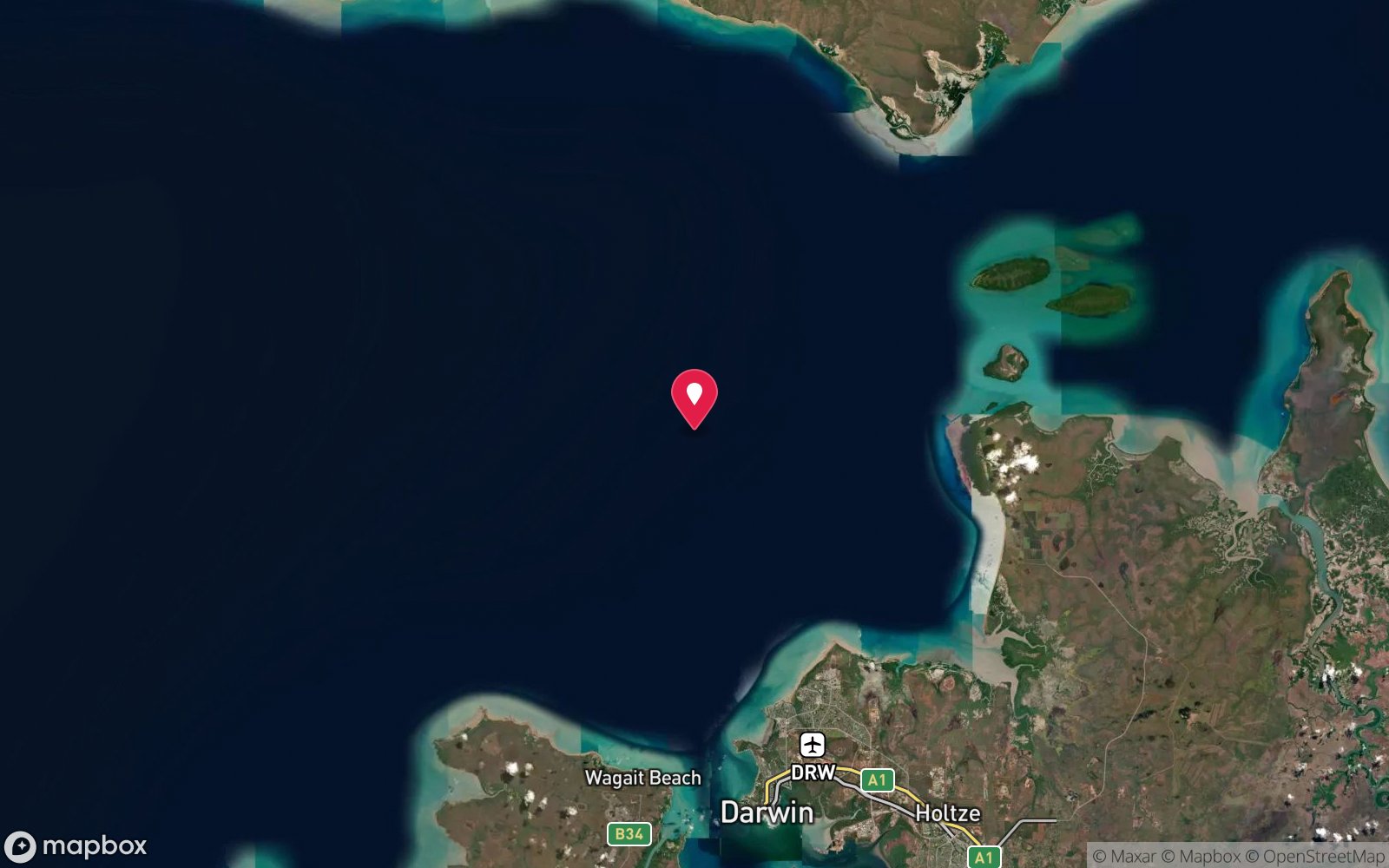
Engineered concrete reef complex about 18 km north of Lee Point in open water (12°10.083'S 130°47.033'E).
Launch at Buffalo Creek ramp (Lee Point Road, tidal) or from Cullen Bay Marina, and run north into Beagle Gulf to the published GPS mark roughly 18 km north of Lee Point, in open water well away from the coast. Allow about 30–45 minutes from Buffalo Creek in a fast trailer boat on a calm morning, more from Cullen Bay. Find the modules on the sounder – they stand 5 m proud of the bottom – and drop a shot next to the complex rather than anchoring into it.
Entry: Giant stride or backward roll from the boat; descend the shot or anchor line
Facilities: Buffalo Creek boat ramp or Cullen Bay Marina; air fills in Darwin.
Weather, swell & tides
Exposed open water: dive only on calm dry-season days (May–October) with south-easterlies under 15 knots, ideally early in the morning. Time the dive for neap-tide slack water – at 28 m in open water the tidal stream runs hard outside slack and a missed slack means a drifting ascent. Visibility is usually better here than inshore at Lee Point but is still reduced after wind or rain.
Wet season (December–April) monsoon north-westerlies, storms, cyclone risk and box jellyfish make it effectively a dry-season site.
Best season: May-October dry season on neap tides (smallest tidal range, best visibility, south-east trade winds are strongest mid-morning)
If it's blown out
Sheltered or shore sites within 25 km that often work when Lee Point Wide Engineered Reef doesn't.
- Nightcliff Reef · 25 km · Max 10 m
How the dive is usually run
Descend the shot together, locate the nearest module and hold 24–28 m. Tour the cluster module by module, keeping each in sight before leaving the last; run a reel if visibility is under 5 m. Watch no-deco time closely.
Return to the shot or ascend on an SMB when the tide starts to run, with a safety stop at 5 m.
Marine life
- Golden snapper
- saddletail snapper
- fingermark
- black jewfish
- estuary cod
- trevally
- queenfish
- cobia
- Spanish mackerel
- fusiliers
- baitfish
- sponges
- hydroids
Linked species have their own page listing every site where they are recorded. All marine life →
Training required
Beyond 18 m an Advanced certification (which includes a deep dive to 30 m) is the accepted minimum. Anything past 25 m is a deep dive in practice.
At more than 25 m this counts as a deep dive: watch no-decompression limits and gas.
Courses that help here
- Enriched Air Nitrox – Longer no-decompression time at 25 m and deeper.
Depth tiers: 0–10 m easy · to 18 m Open Water · 18–30 m Advanced (25 m+ is a deep dive) · 30–40 m Deep specialty · 40 m+ technical. All courses
Hazards & warnings
Open-water site 18 km offshore – competent skipper and live boat essential. 28 m depth with limited no-deco time. Strong tidal stream outside slack – SMB and reel mandatory. Heavy fishing pressure: line and lures on modules.
Box jellyfish and Irukandji October–May; saltwater crocodiles can occur offshore; sharks attracted by anglers' catches.
Technical notes
Modules are open concrete frames; do not enter the interior cells. Nitrox useful at 28 m sites.
Dive centres that go here
No regular dive operator. Built for recreational anglers; divers visit only by private boat or on occasional club trips (Darwin Sub Aqua Club).
Operators recorded for Lee Point Wide Engineered Reef
Dive Darwin
ProfiledDarwin · Darwin Harbour · NT
The main verified dive operation in the Northern Territory, offering recreational training through professional level alongside technical diving and a large specialty range.
divedarwin.com.au · +61 401 751 651
Darwin Sub Aqua Club
Named by sitesDarwin · Darwin Harbour · NT
Club, not a shop: official site updated August 2026 with the 2026 AGM notice; meets Thursdays at Darwin Ski Club, Fannie Bay.
dsac.com.au
Western Blue Dive Charters
Named by sitesDarwin · Darwin Offshore & Artificial Reefs · NT
The only operator found under this name is Western Blue Dive Charters at Mindarie Marina, Perth (westernbluedive.com.au); no Darwin operator by this name could be confirmed, so the Darwin attribution is doubtful.
Other dive centres in Darwin Offshore & Artificial Reefs
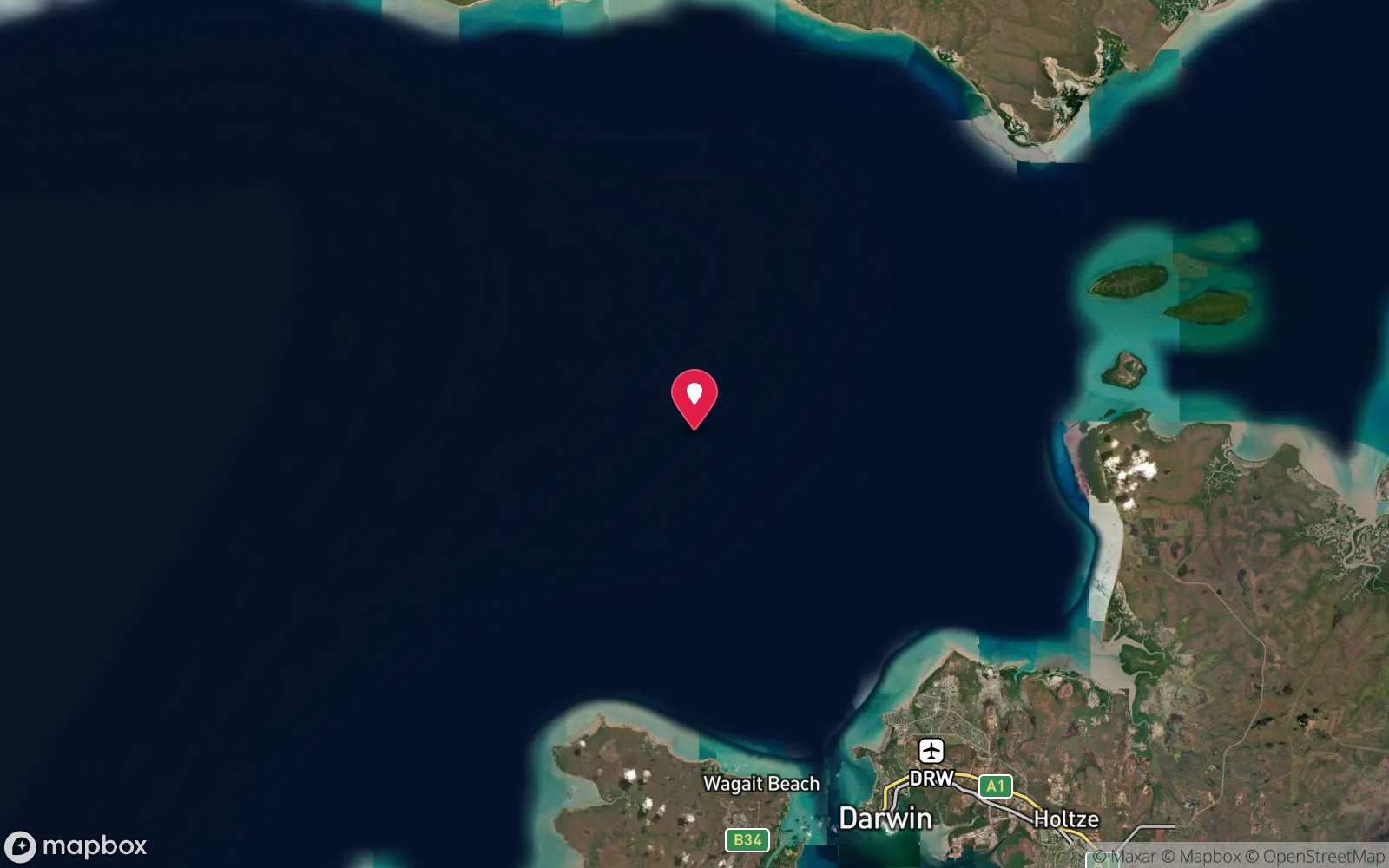
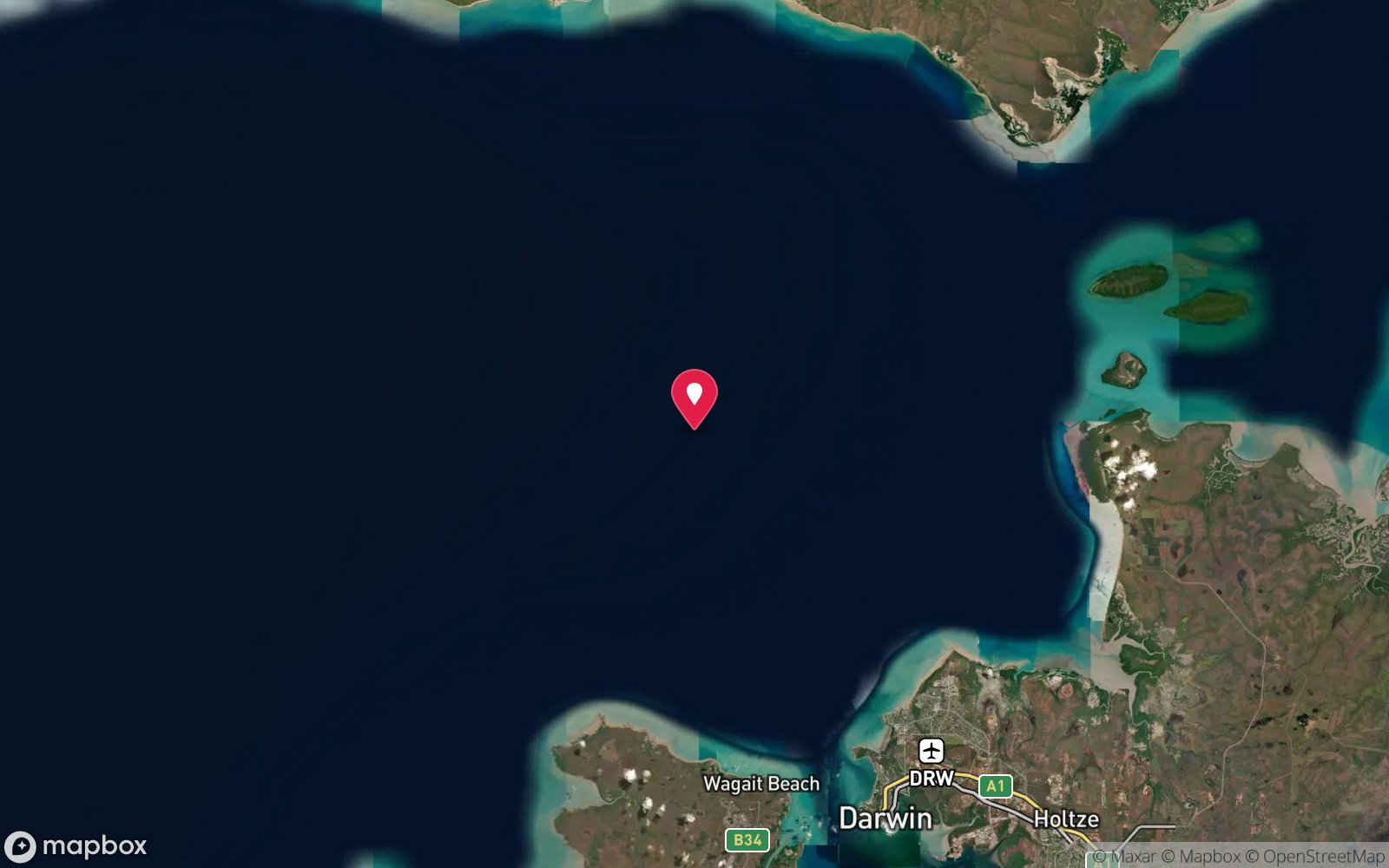
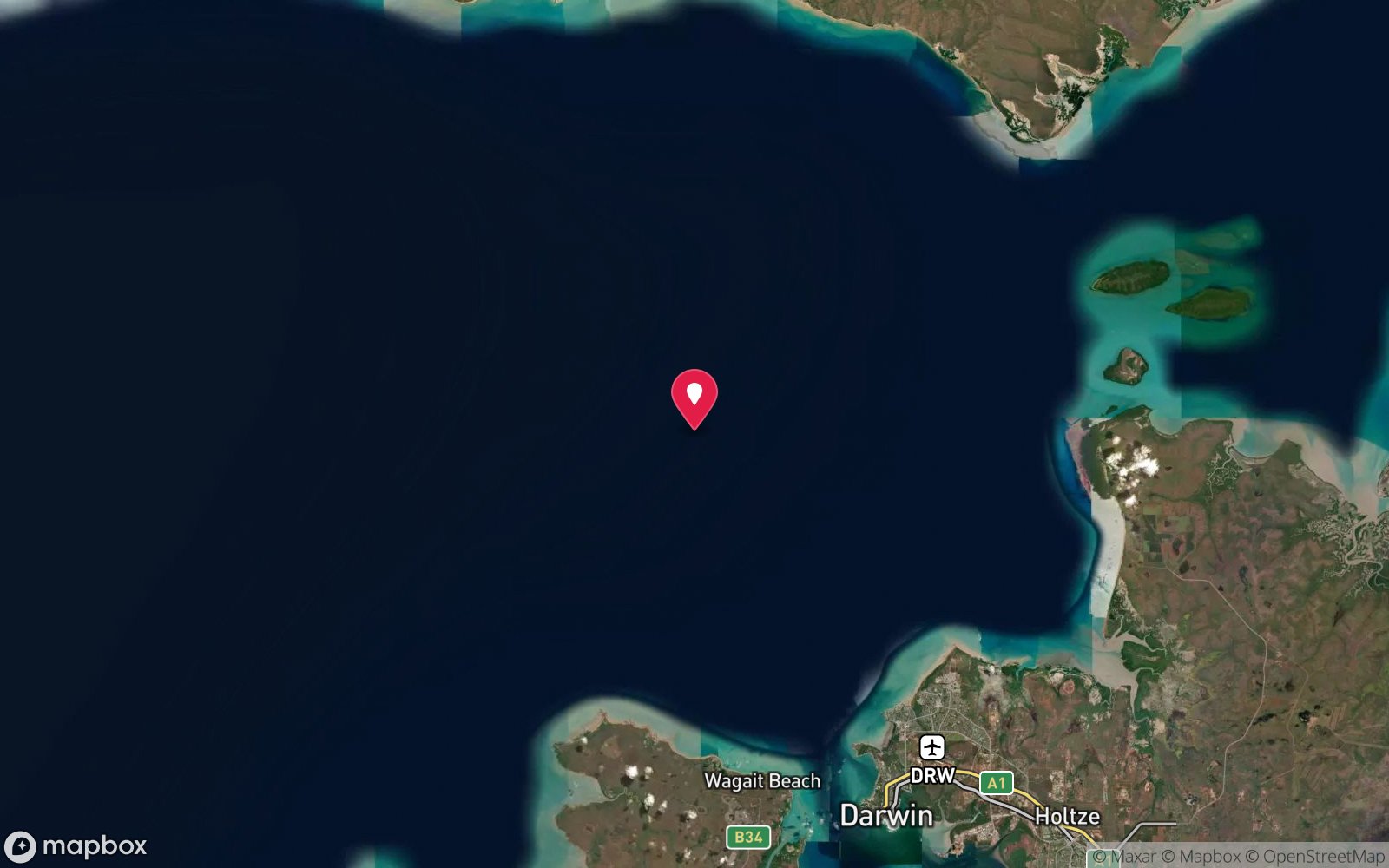
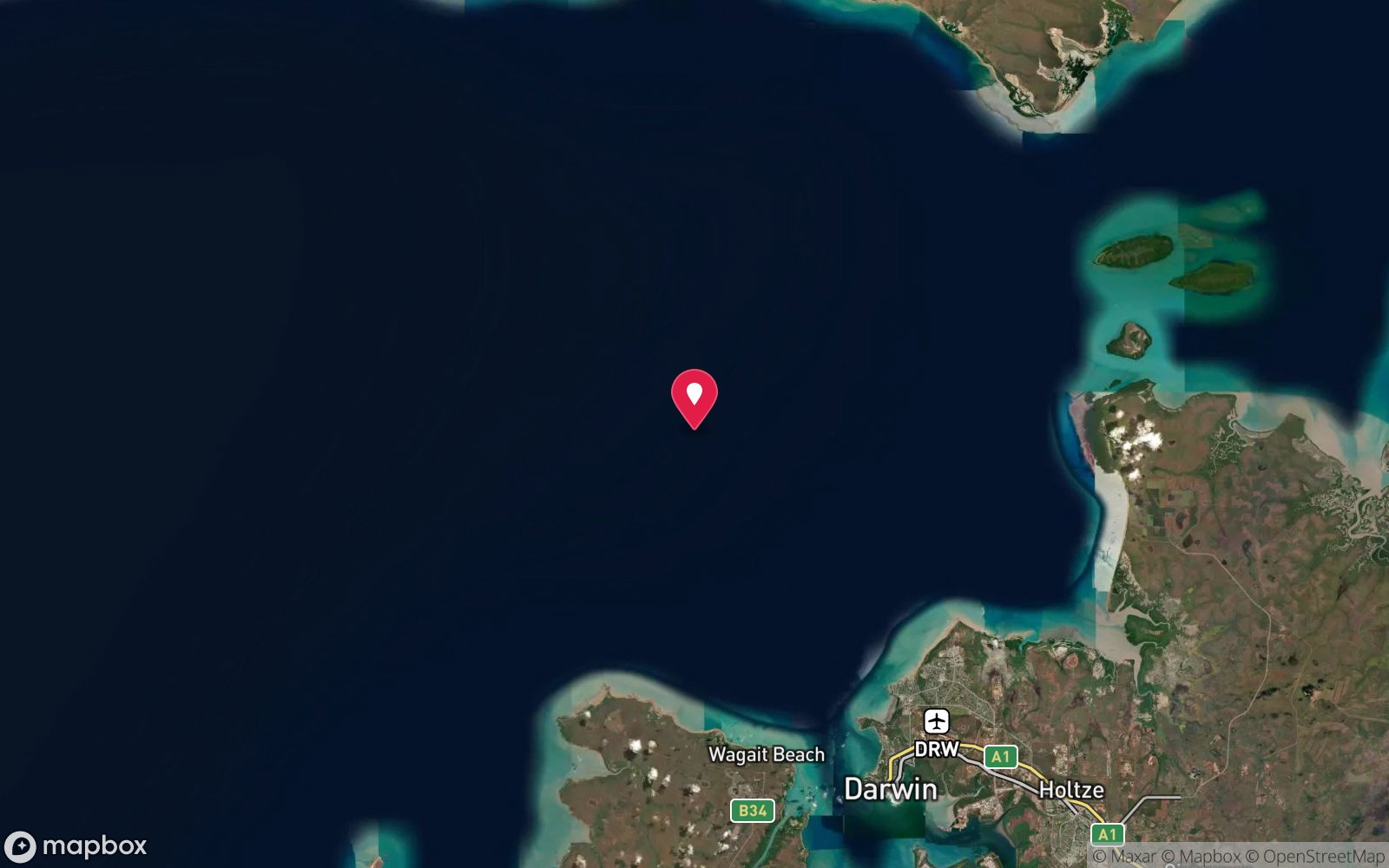
Map
7 pinned sites. Pins marked approximate on their pages show the general area only; not for navigation.
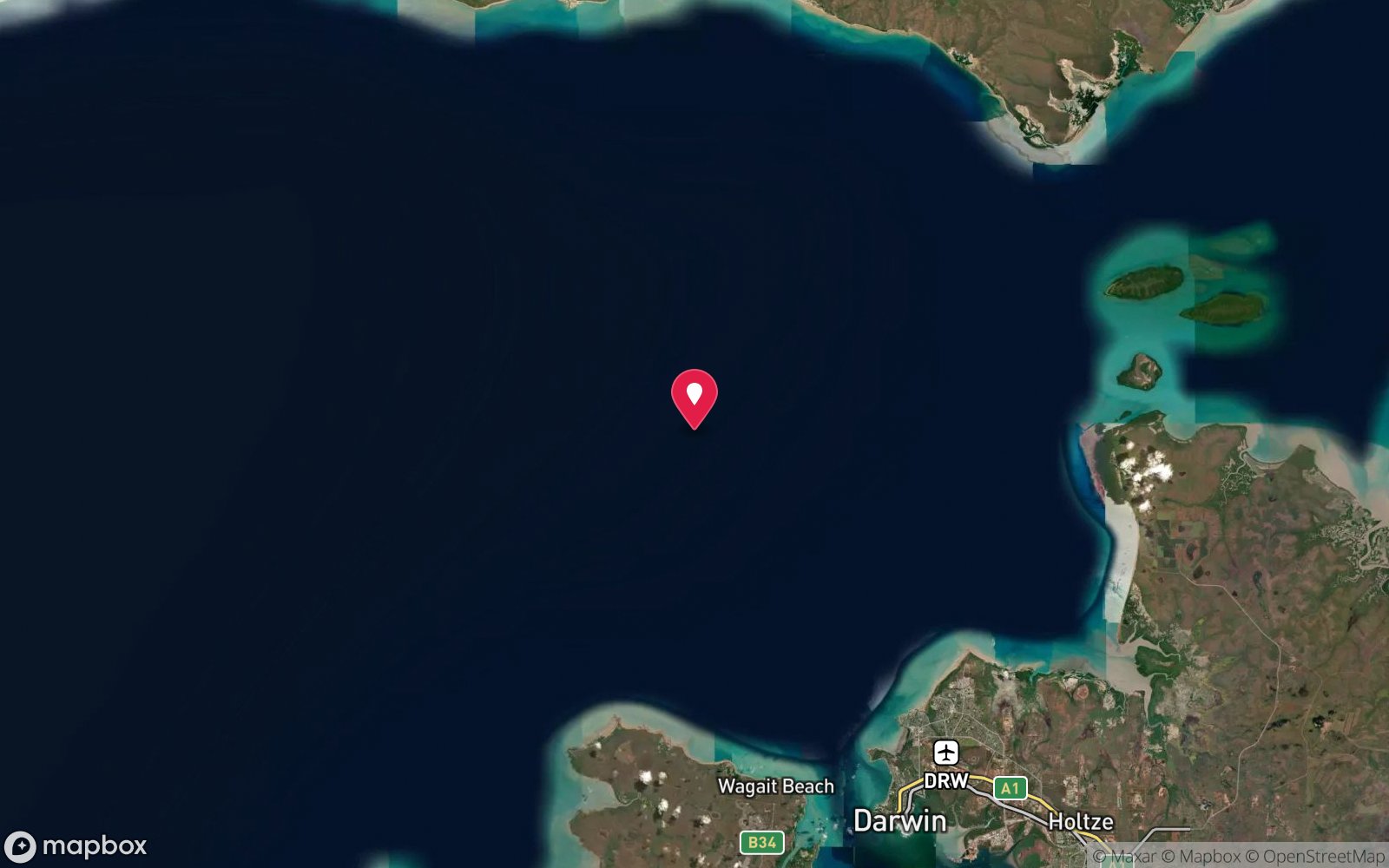
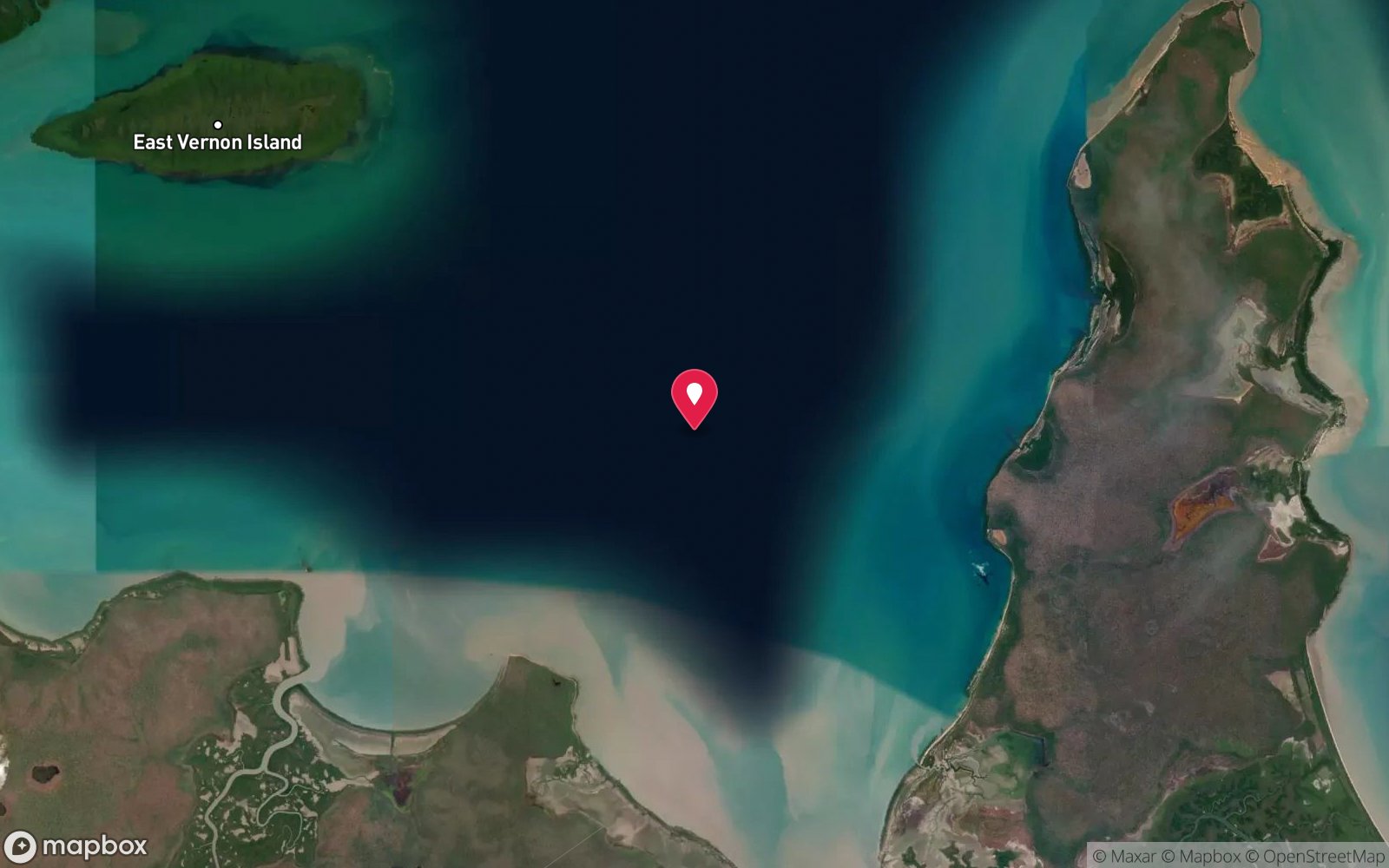
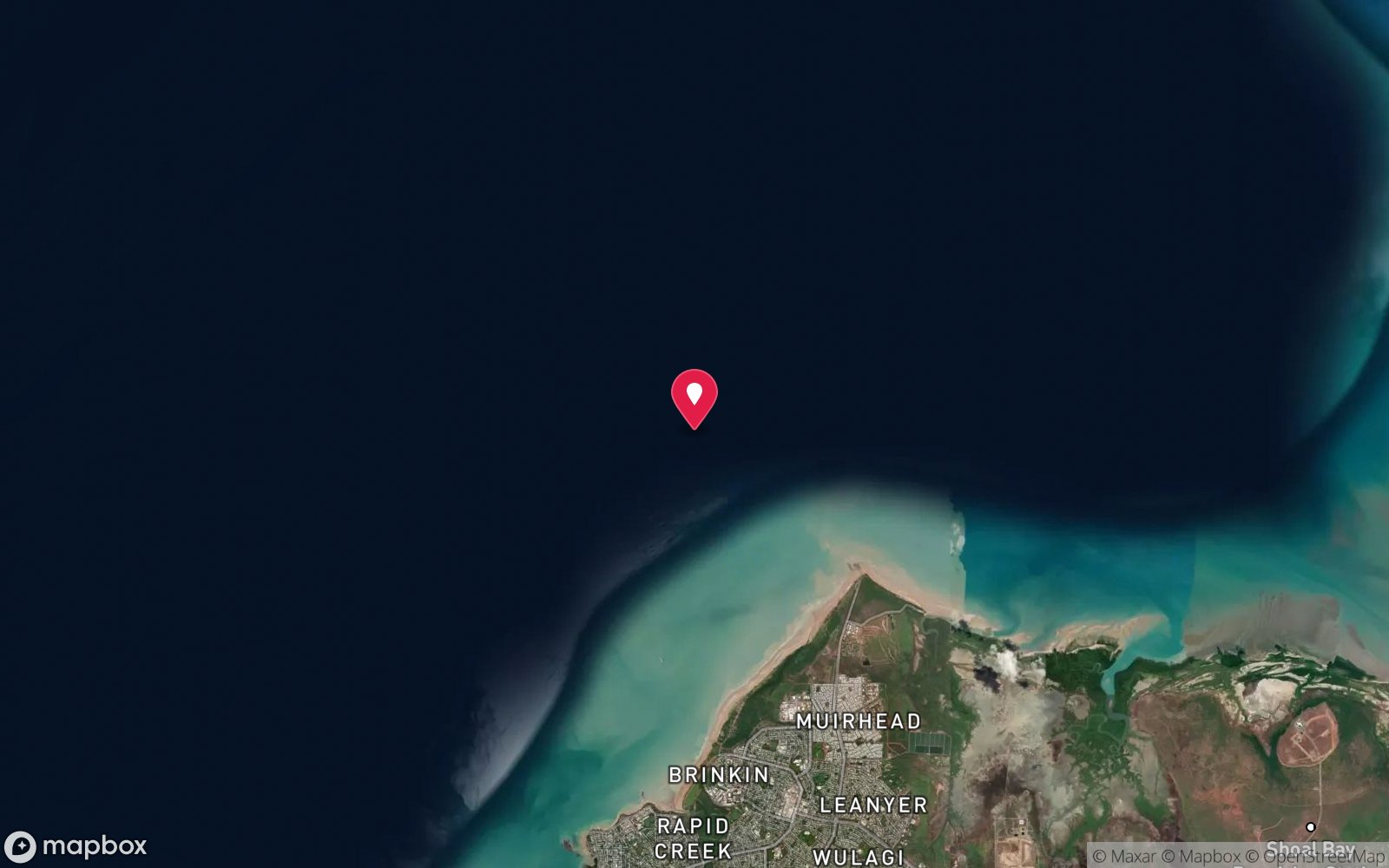
Satellite views
Lee Point Wide Engineered Reef: frequently asked questions
How deep is Lee Point Wide Engineered Reef?
Lee Point Wide Engineered Reef reaches a maximum depth of 28 m, with the shallowest part at about 23 m; most of the dive is spent around 27 m.
What certification do I need to dive Lee Point Wide Engineered Reef?
Advanced Open Water is the recommended minimum. At more than 25 m this counts as a deep dive: watch no-decompression limits and gas. Rated advanced because of depth beyond 18 m, tidal current that must be timed.
Can I shore dive Lee Point Wide Engineered Reef?
No, it is reached by boat. A dive centre is required: boat access only.
When is the best time to dive Lee Point Wide Engineered Reef?
May-October dry season on neap tides (smallest tidal range, best visibility, south-east trade winds are strongest mid-morning).
What marine life will I see at Lee Point Wide Engineered Reef?
Regularly recorded: Golden snapper, saddletail snapper, fingermark, black jewfish, estuary cod, trevally, queenfish, cobia, Spanish mackerel, fusiliers, baitfish, sponges and more.
What wetsuit do I need at Lee Point Wide Engineered Reef?
3 mm shorty or full lycra/stinger suit; full-length stinger suit essential October-May.
How cold is the water at Lee Point Wide Engineered Reef?
Typically 30-32 °C in summer and 24-26 °C in winter.
What are the main hazards at Lee Point Wide Engineered Reef?
Open-water site 18 km offshore – competent skipper and live boat essential. See the hazards section above for the full list.
Where is the nearest recompression chamber to Lee Point Wide Engineered Reef?
Royal Darwin Hospital hyperbaric medicine unit (Tiwi, Darwin). In an emergency call 000, then DAN Asia-Pacific on 1800 088 200.
Diving in Darwin Offshore & Artificial Reefs
Outside the harbour the water clears a little and a collection of post-war wrecks, artificial reefs and natural patches (the Fenton Patches, Charles Point reef and the scuttled Song Saigon and Anchorage wrecks) give Darwin divers deeper and cleaner alternatives to the harbour war graves.
Getting there: Charters from Darwin on neap tides.
All Darwin Offshore & Artificial Reefs dive sites and a suggested itinerary →
Sources
- nt.gov.au/marine/recreational-fishing/when-and-where-to-fish/artificial-reefs
- fishingworld.com.au/news/new-top-end-artificial-reef-coordinates-announced
- darwingamefishingclub.com.au/posts/artificial-reefs-and-fish-aggregating-devices
Data confidence: Low · Being verified: No published diver reports; number of modules per complex and current growth unverified. Distance offshore derived from coordinates.. Last updated September 2026. Know this site better? How to send a correction