Ranked by how many distinct species or groups are recorded for each site in this directory. It rewards the thoroughly surveyed sites, the Nelson Bay sponge gardens, the Mornington piers, Julian Rocks and the Solitary Islands, as much as the tropical reefs.
Updated daily from the directory. 30 sites listed.
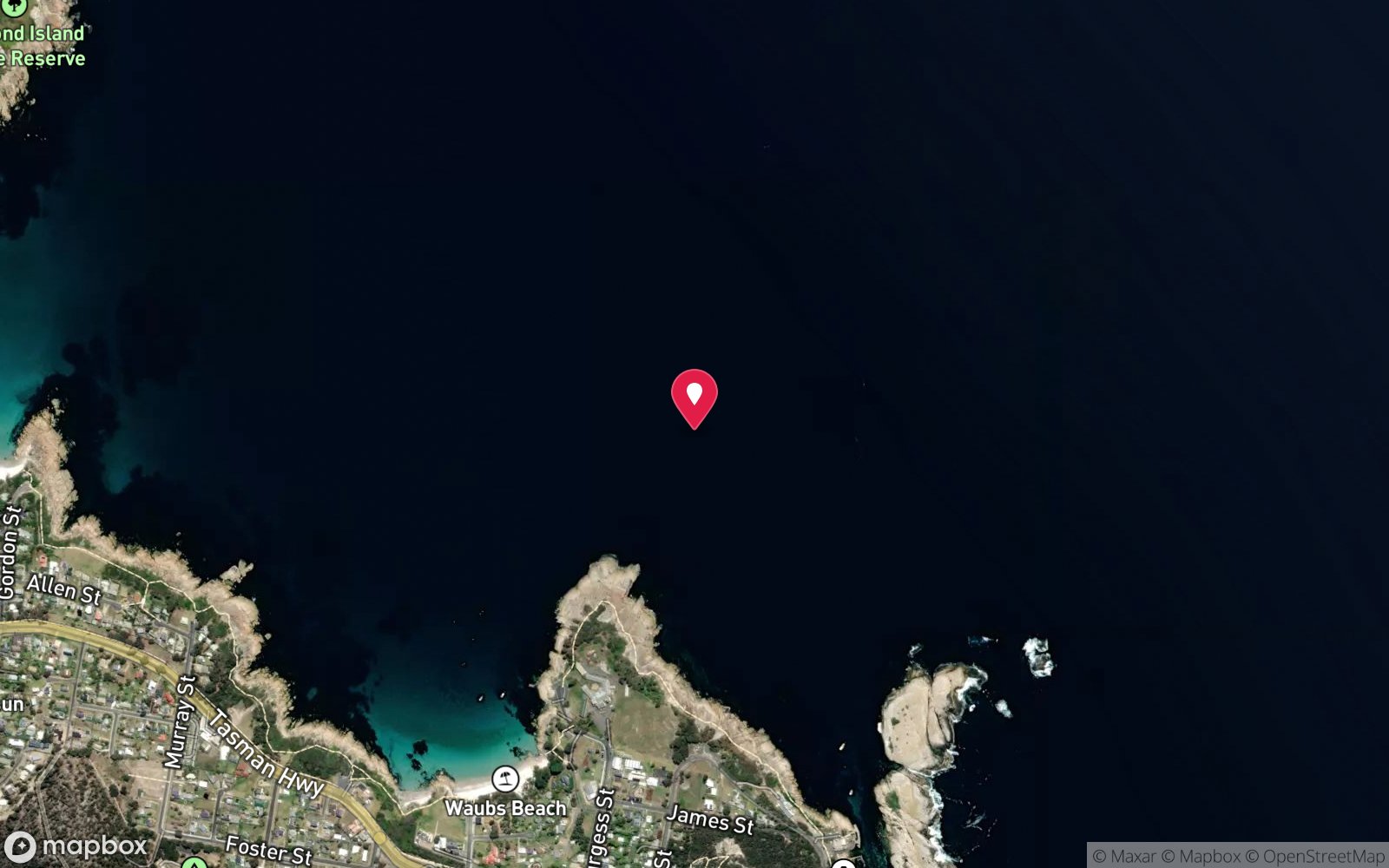
1. Tasmania East Coast · TAS
Trap Reef
17 species recorded · Kelp-lined gutters on a pinnacle just outside the harbour, with good schooling fish.
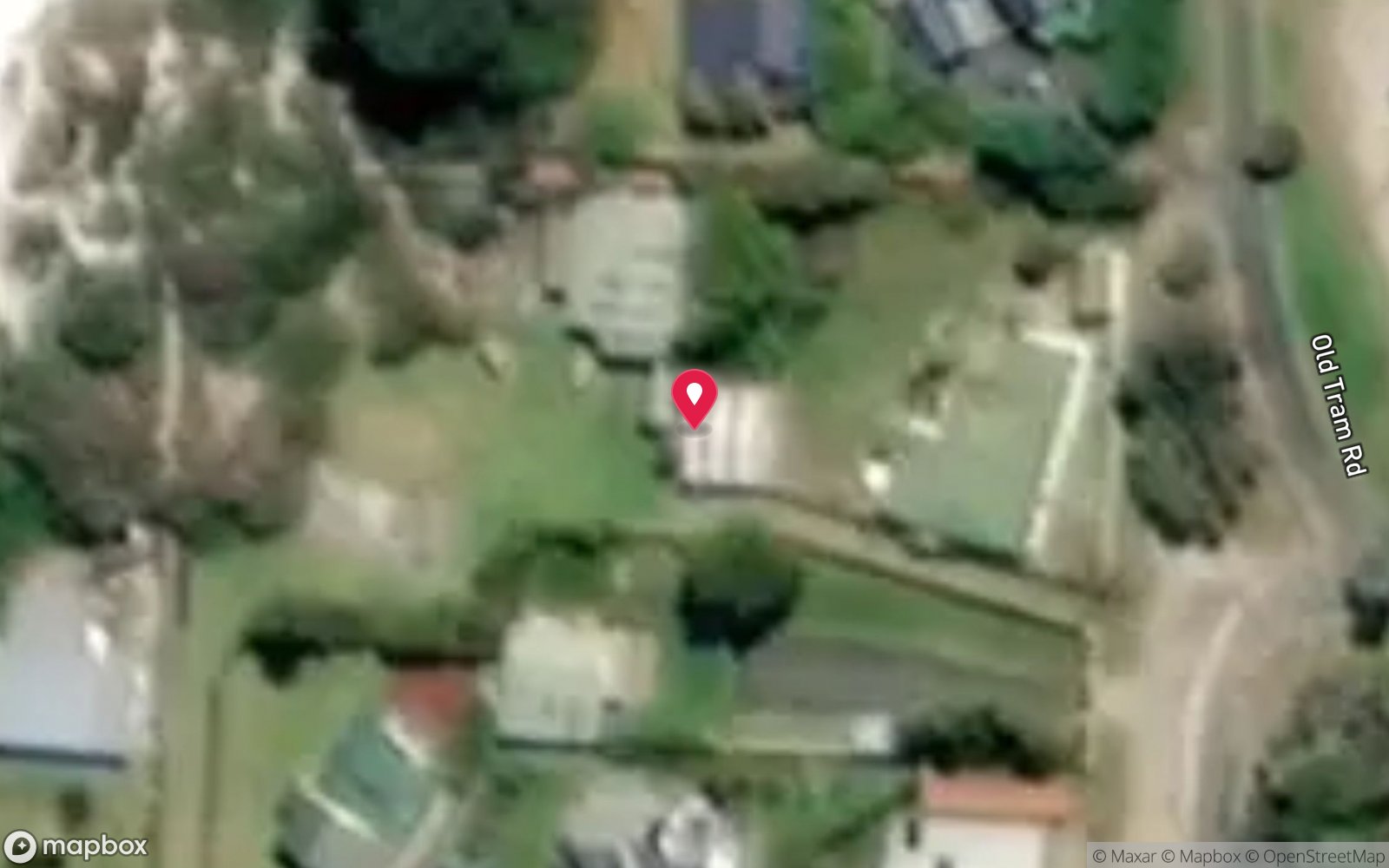
2. Tasmania East Coast · TAS
Waubs Bay
17 species recorded · Bicheno's easiest shore dive: rays on the sand edge, big seahorses in the kelp and a split bommie at 15 m.
3. Hobart & Derwent · TAS
Tinderbox Marine Reserve
16 species recorded · Hobart's shore-dive reserve with an underwater snorkel trail, weedy seadragons and easy access.
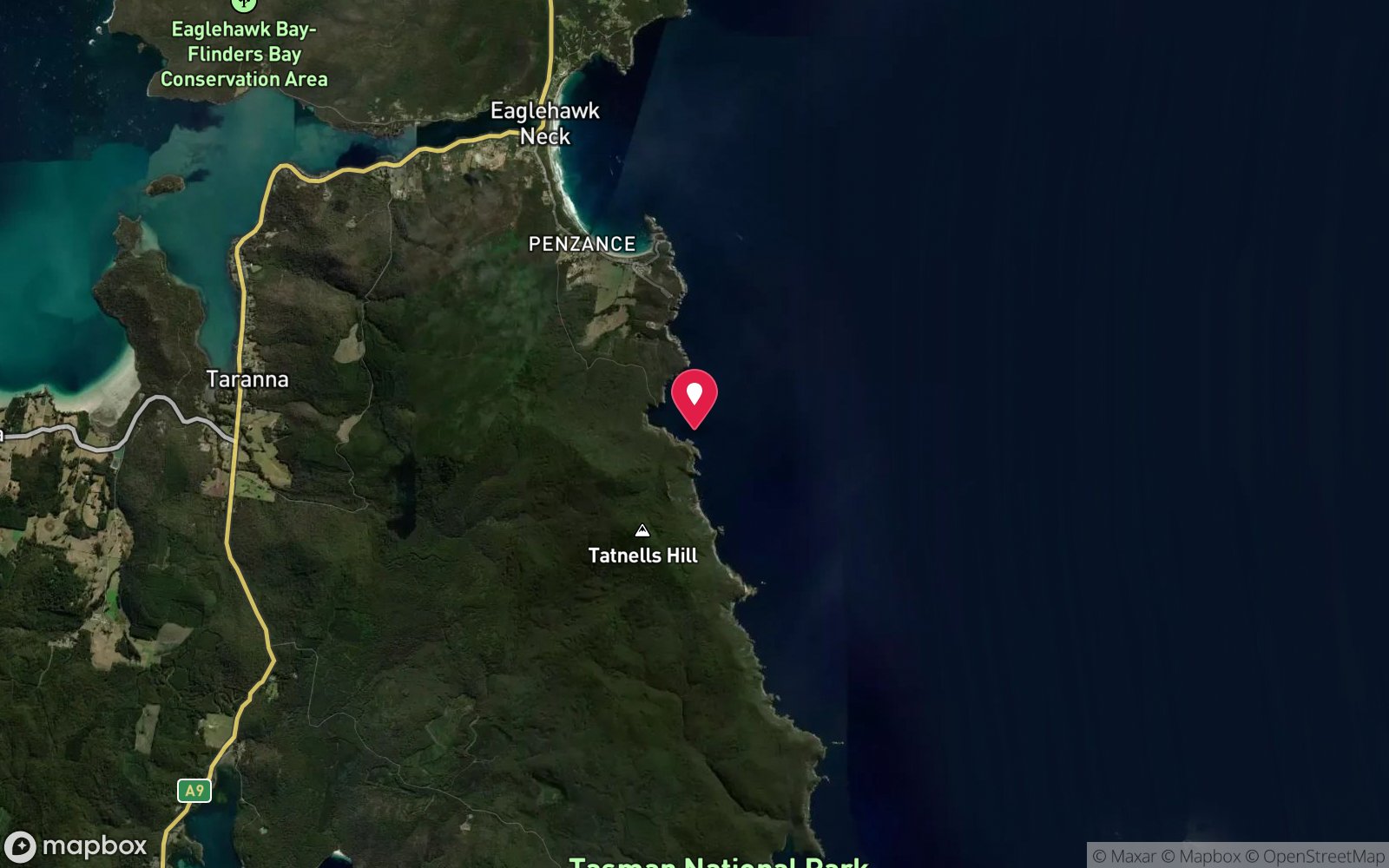
4. Tasman Peninsula · TAS
Waterfall Bay Wall
16 species recorded · The dolerite wall beneath 100 m cliffs, with kelp, sponge gardens and seals passing through.
5. Tasmania North & North-West · TAS
Rocky Cape
16 species recorded · An easy, sheltered course site with a fish-packed rock and superb night diving.
6. Tasmania East Coast · TAS
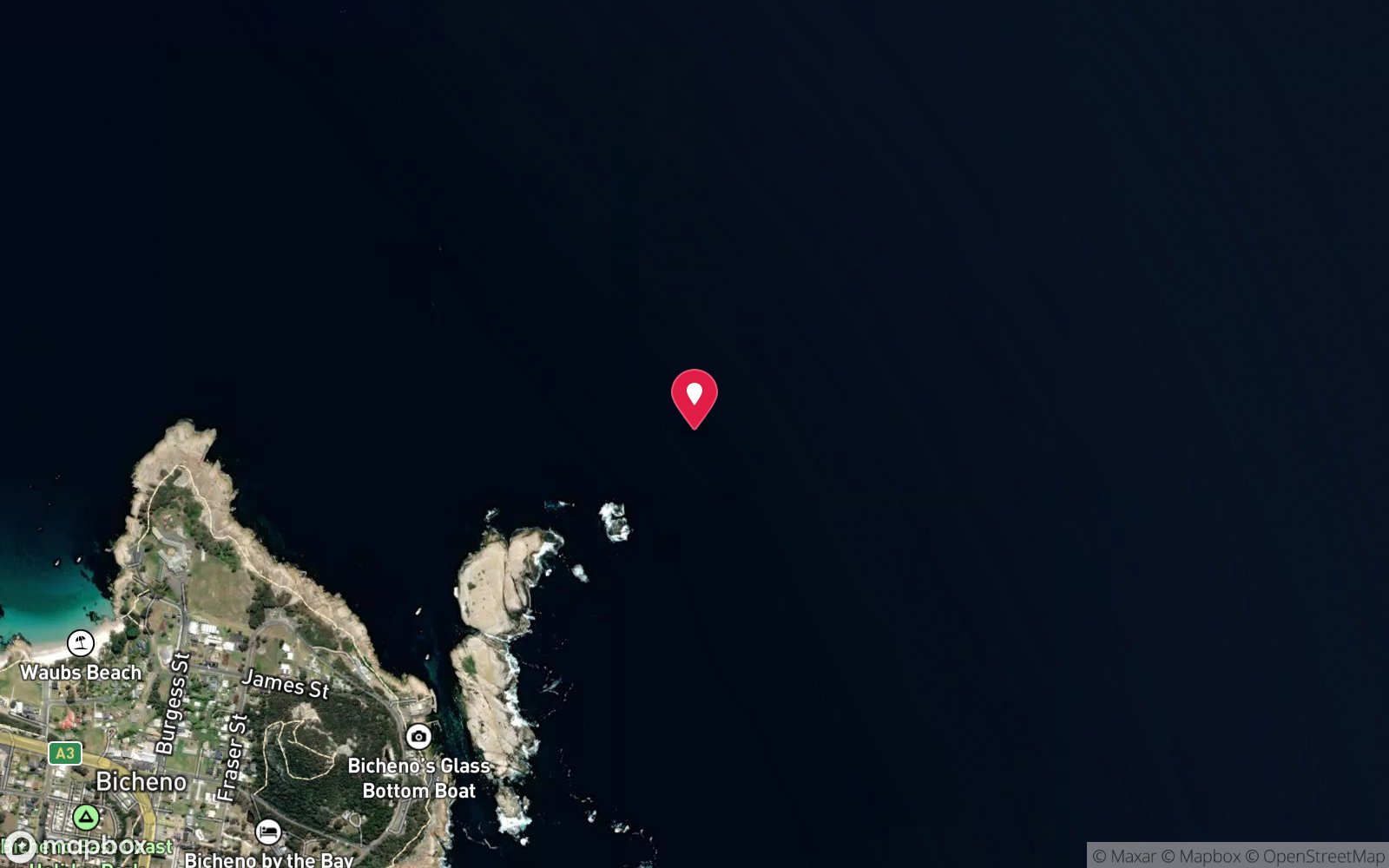
The Rose Garden (Bicheno)
16 species recorded · A 100 m-plus strip of boulders covered in every colour of sponge - one of the most photogenic invertebrate gardens in Tasmania.
7. Kent Group · TAS
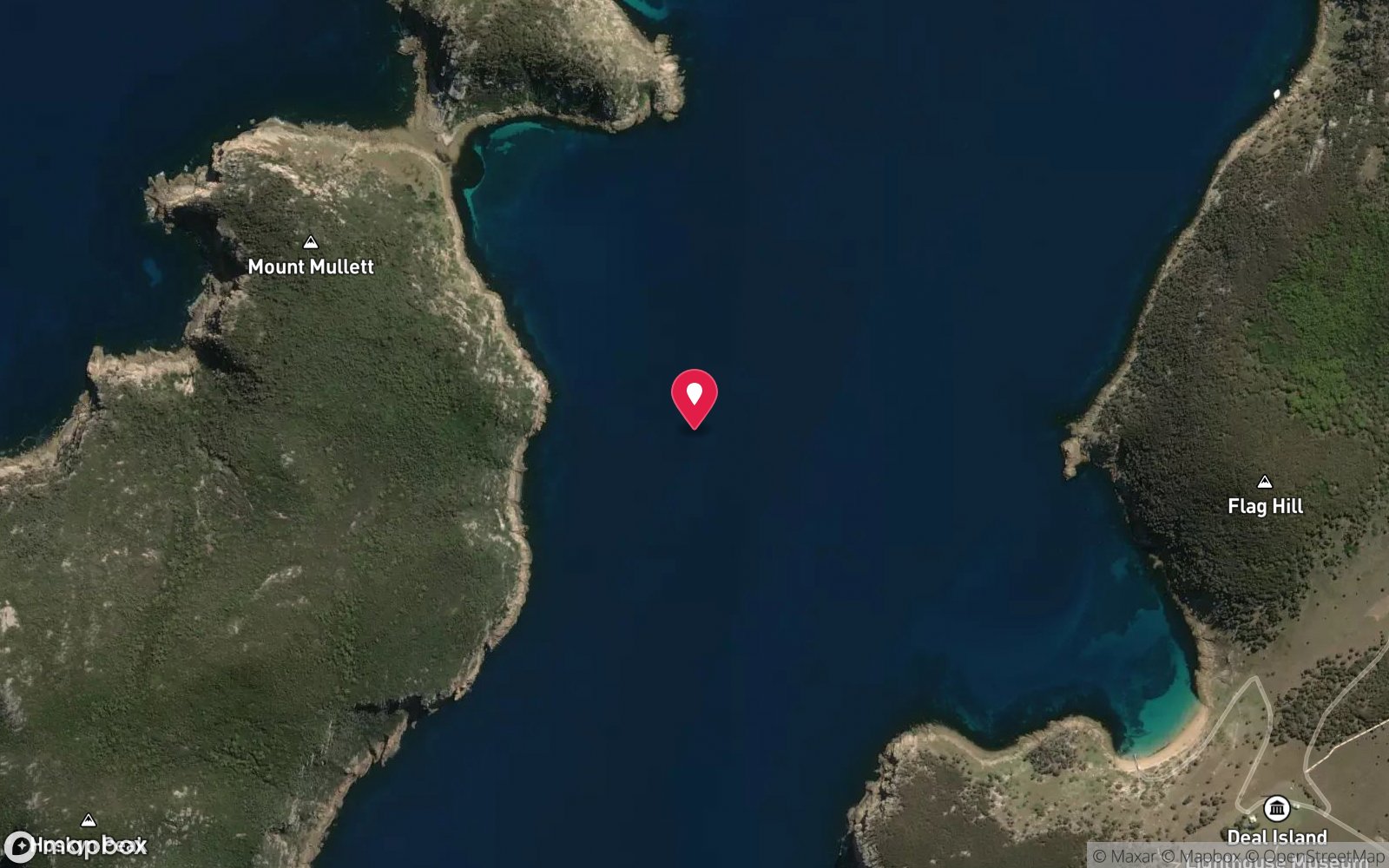
West Cove South-East Point (Deal Island)
16 species recorded · A steep, zoned slope from crayweed to sponges with a long fish list, in Murray Pass.
8. Tasmania North & North-West · TAS
Boat Harbour Point
15 species recorded · Easy, varied shore dives either side of the point at one of Tasmania's prettiest beaches.
9. Tasmania North & North-West · TAS
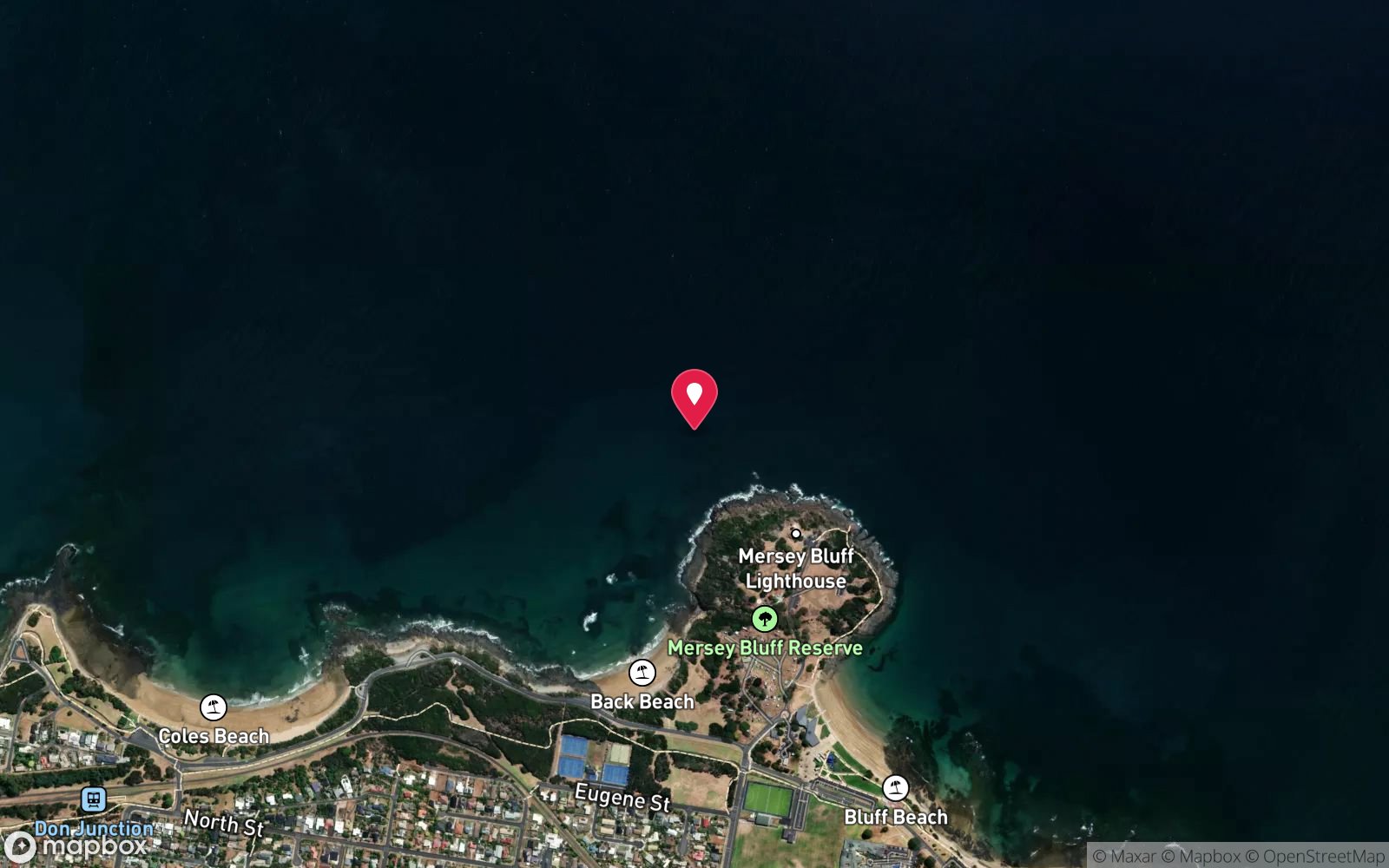
Mersey Bluff (Devonport)
15 species recorded · Devonport's easy shore dive below the Mersey Bluff lighthouse - ideal before or after the Spirit of Tasmania.
10. Tasmania East Coast · TAS
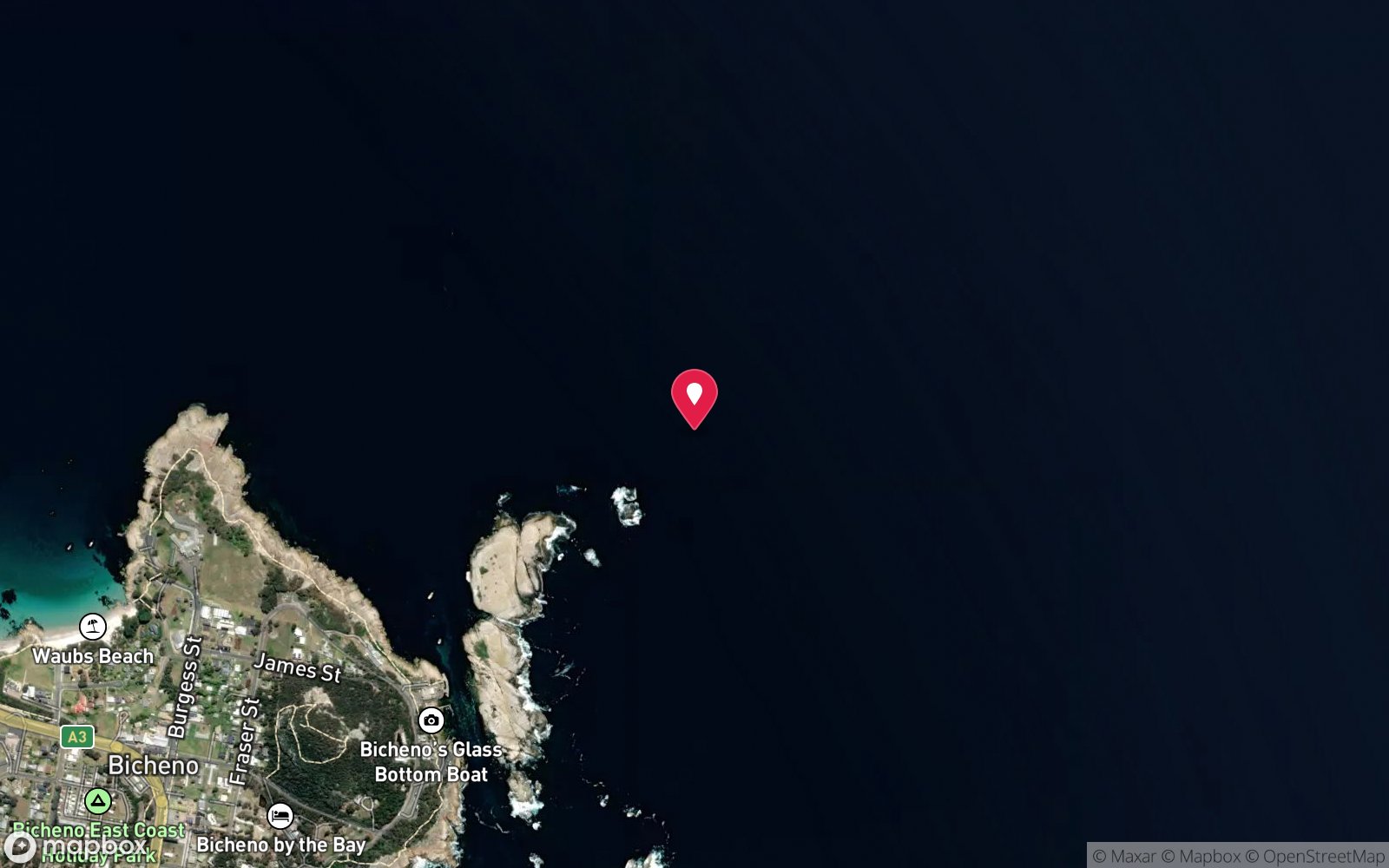
Paradise Reef
15 species recorded · A two-sided sponge and sea-whip reef that gives deep-site colour at more moderate depths.
11. Tasman Peninsula · TAS
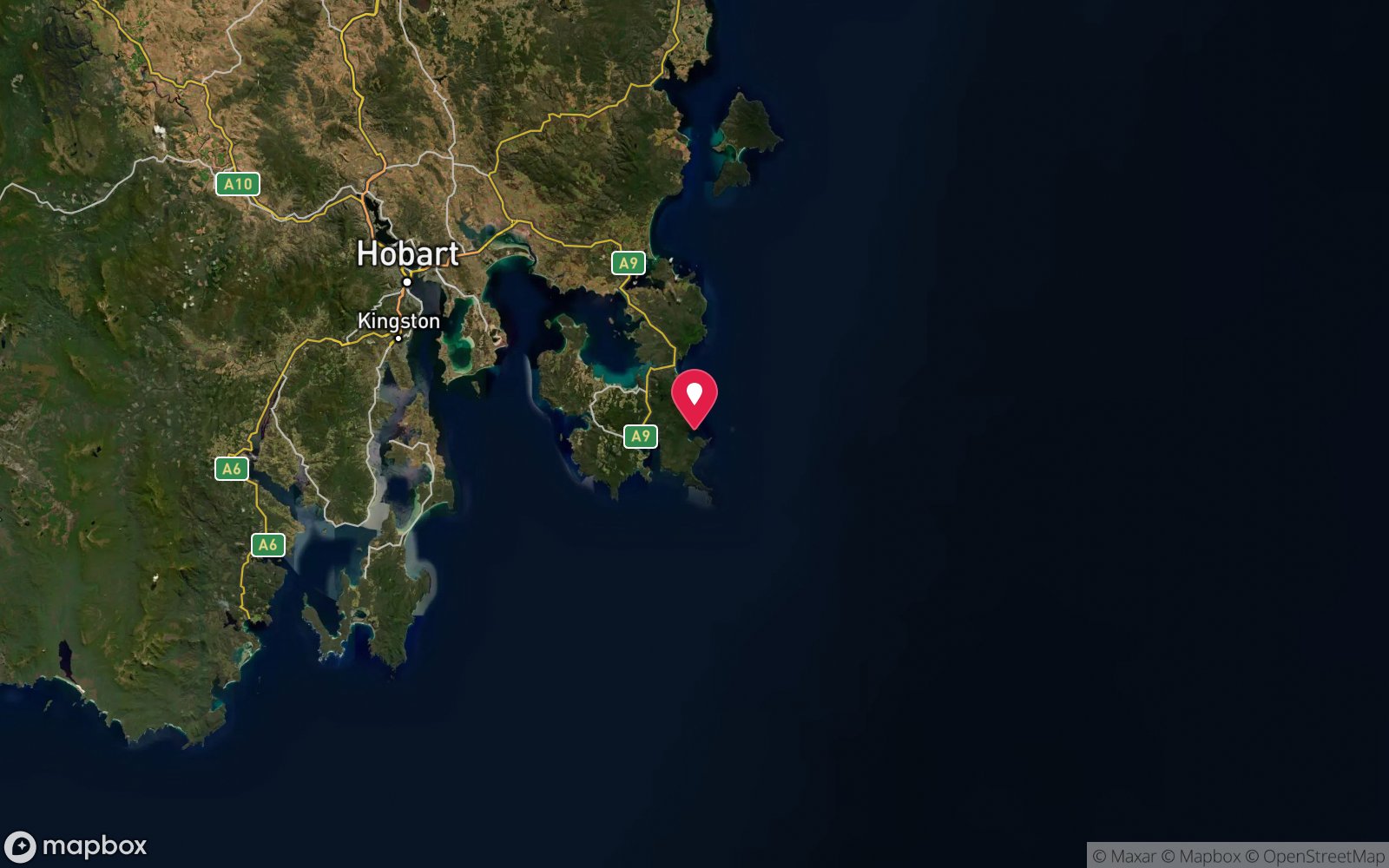
Fortescue Bay
14 species recorded · Easy shore access to one of the last giant kelp forests on the Tasman Peninsula, with camping on the beach.
12. Tasmania East Coast · TAS
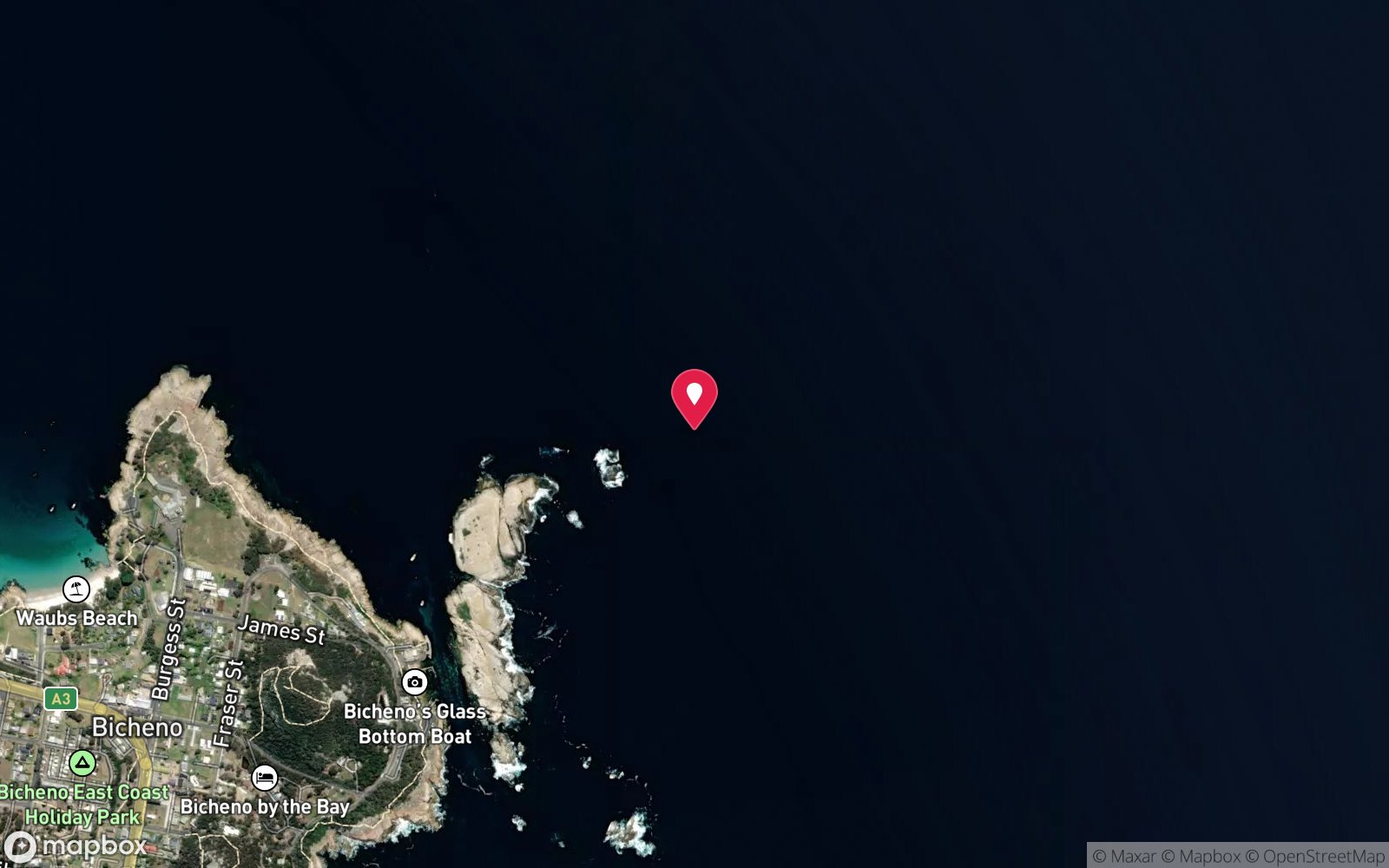
Golden Bommies
14 species recorded · Twin 10 m bommies smothered in yellow zoanthids and sea whips rising from sand at 39 m; huge schools of butterfly perch and morwong in a no-take reserve.
13. Tasmania North & North-West · TAS
Simmos Reef (Shag Rock)
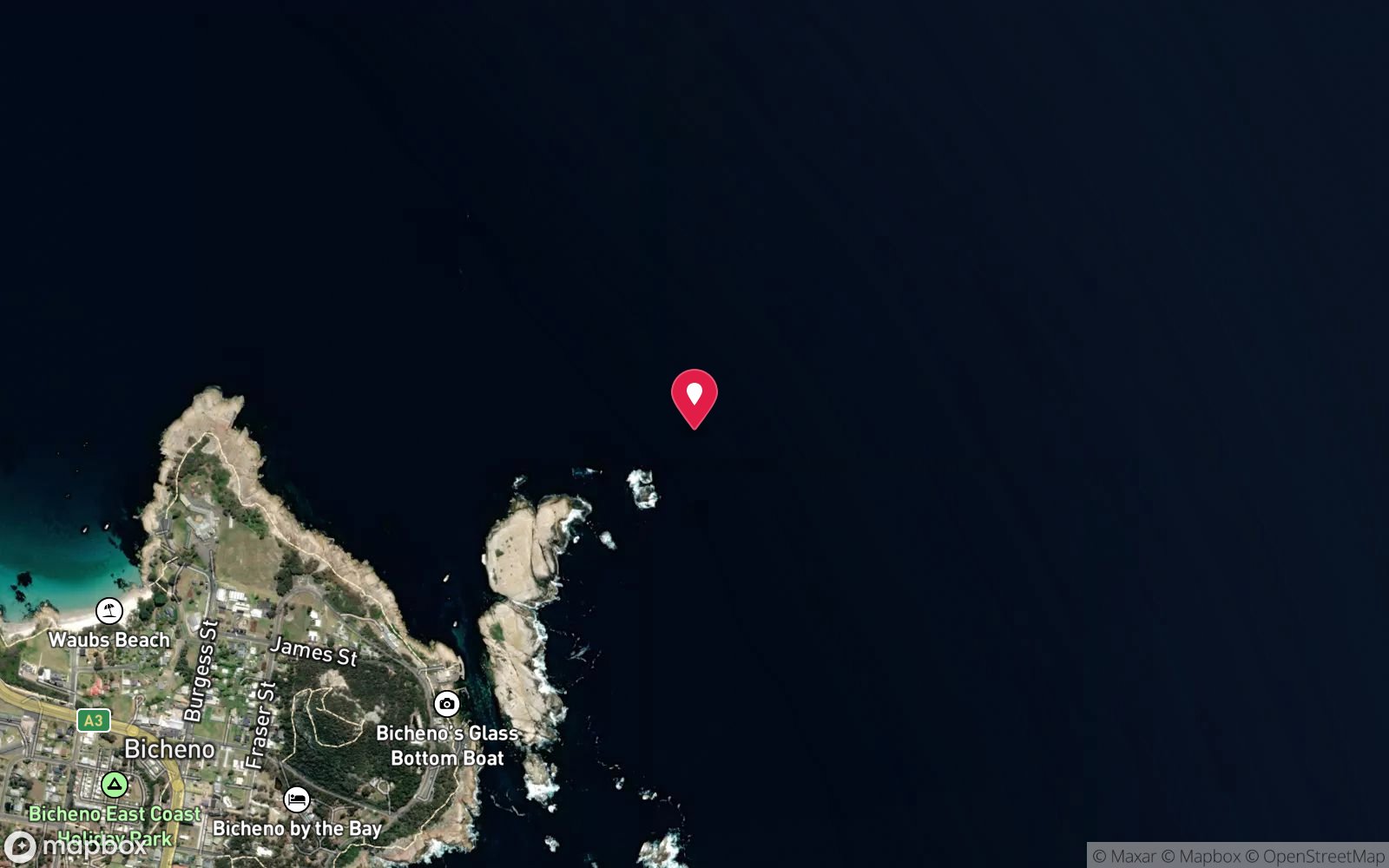
14 species recorded · A figure-6 bommie from 25 m to 4 m with sea pens, dumpling squid and 25 m visibility.
14. Tasmania East Coast · TAS
The Canyon (Bicheno)
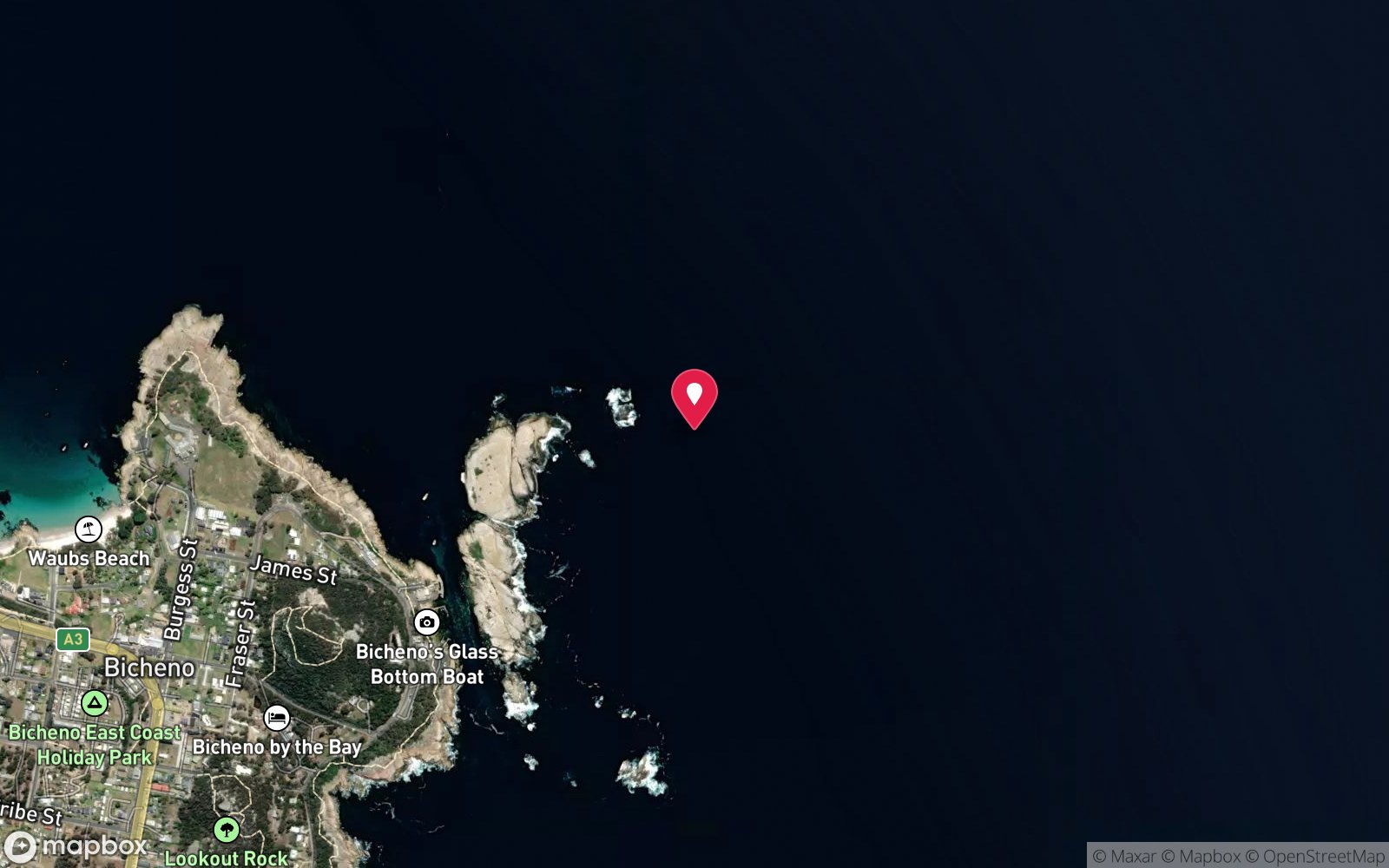
14 species recorded · A 37 m granite canyon with sea whips and schooling butterfly perch.
15. Tasmania East Coast · TAS
The Castle (Bicheno)
14 species recorded · Governor Island's deep granite tower, 40 m to the sand, covered in jewel anemones and sea whips.
16. Tasmania North & North-West · TAS
The Sponge Garden (Sisters Island)
14 species recorded · Prolific, multicoloured sponge growth on jagged bommies - best done as a drift.
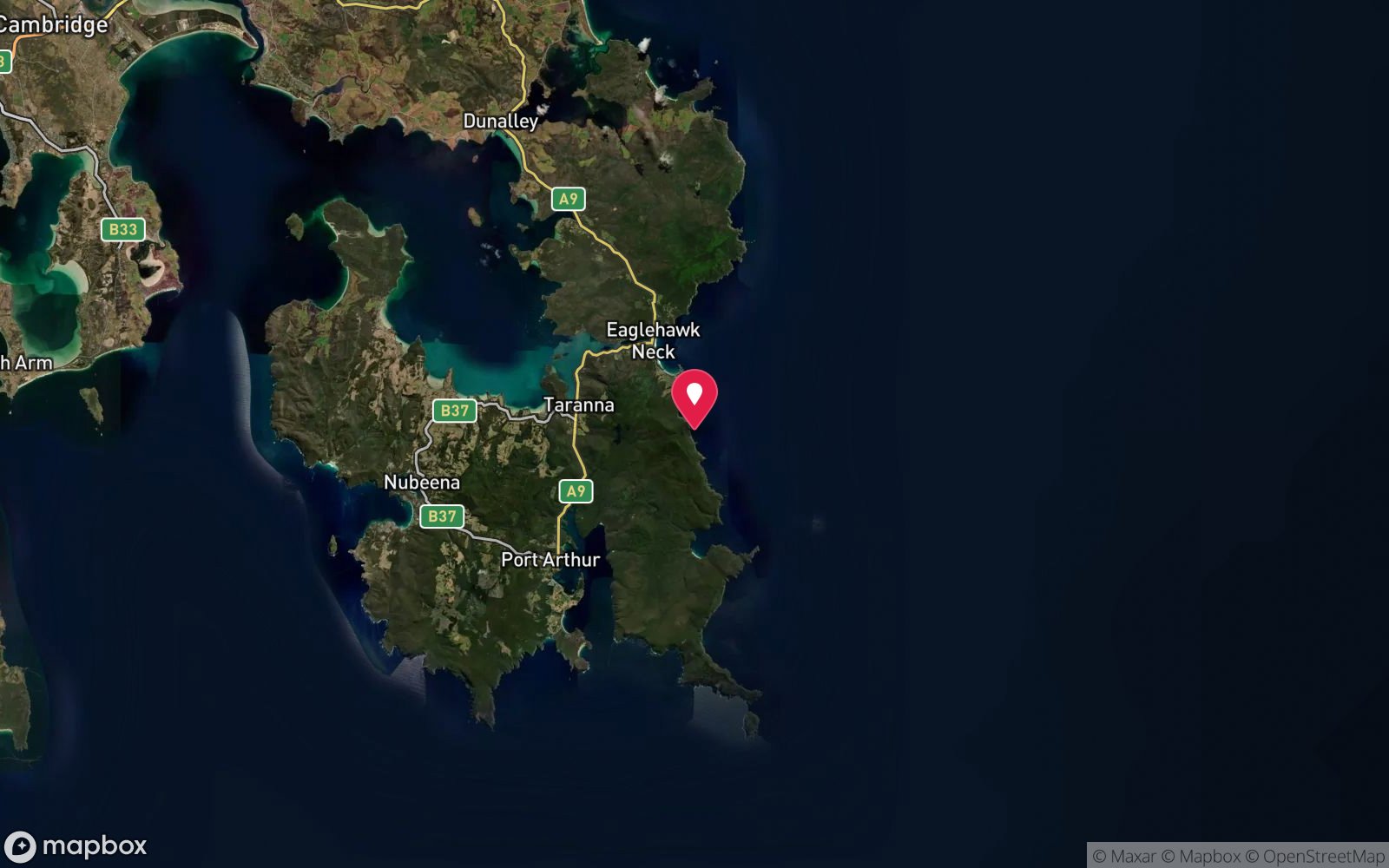
17. Tasman Peninsula · TAS
Little Waterfall Bay
13 species recorded · Caves and swim-throughs on the Tasman Peninsula in clear water.
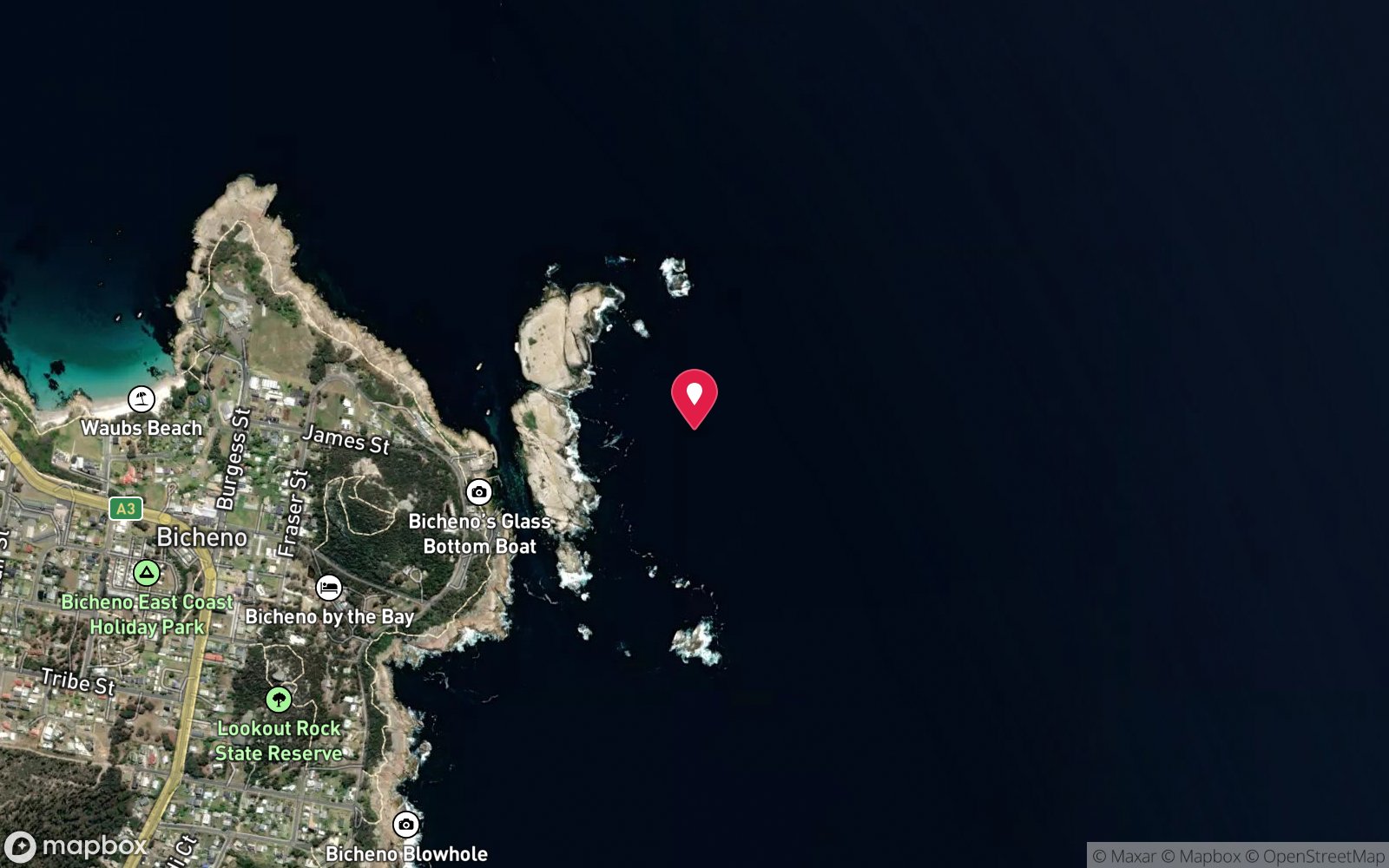
18. Tasmania East Coast · TAS
Bird Rock (Bicheno)
13 species recorded · Three named features - The Elbow, T Cave and the anemone-lined Ballroom - and some of the best nudibranch hunting at Bicheno.
19. Tasman Peninsula · TAS
Munro Bight
13 species recorded · Giant kelp and walls beneath Australia's tallest sea cliffs, with seals – often paired with the Nord.
20. Tasmania North & North-West · TAS
Sisters Island (North East Bommie)
13 species recorded · An easy bommie circumnavigation in gutters of kelp, gorgonians and nudibranchs, often in 20 m visibility.
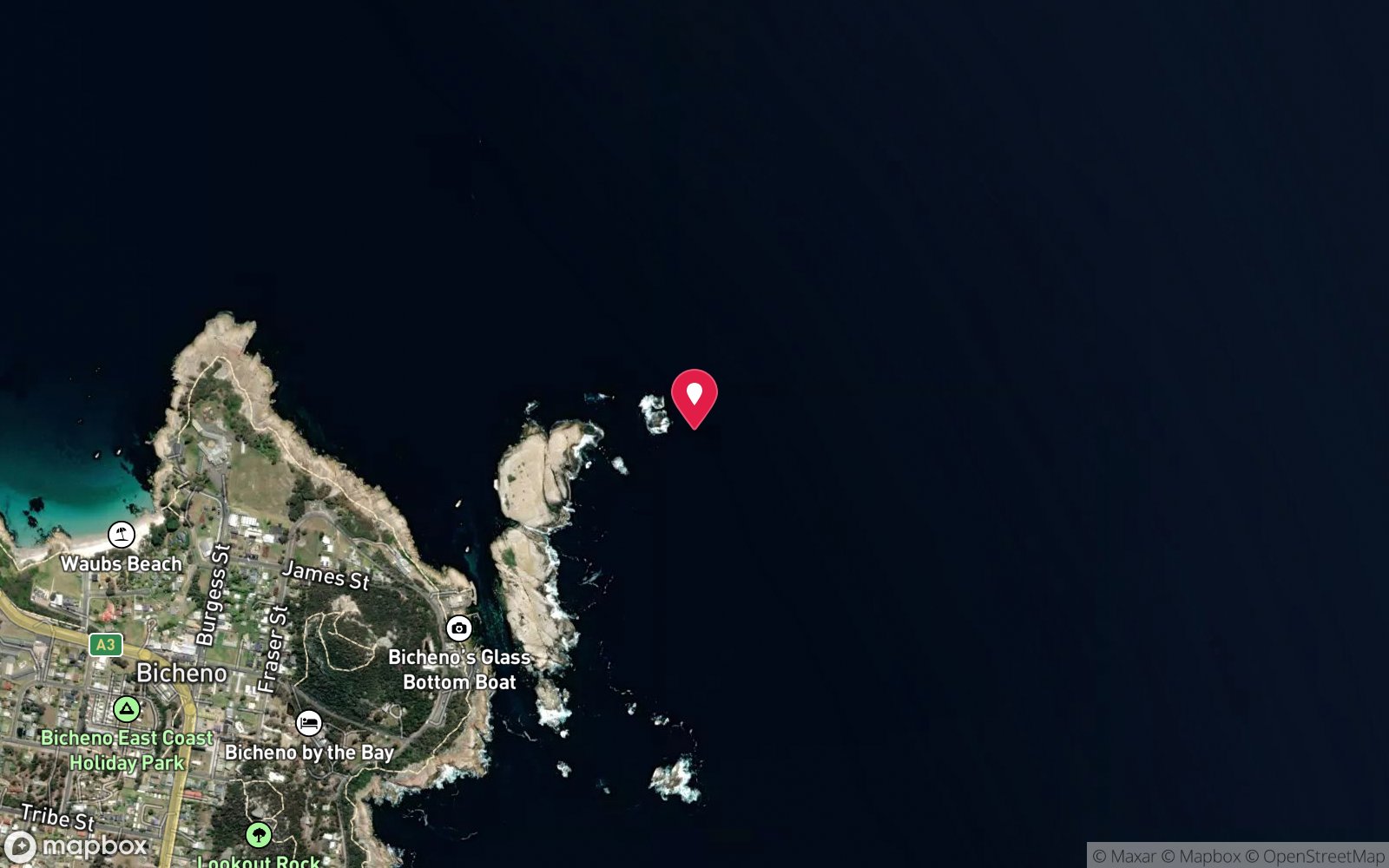
21. Tasmania East Coast · TAS
The Hairy Wall
13 species recorded · A long granite drop-off bristling with sea whips, often with the clearest water in the reserve.
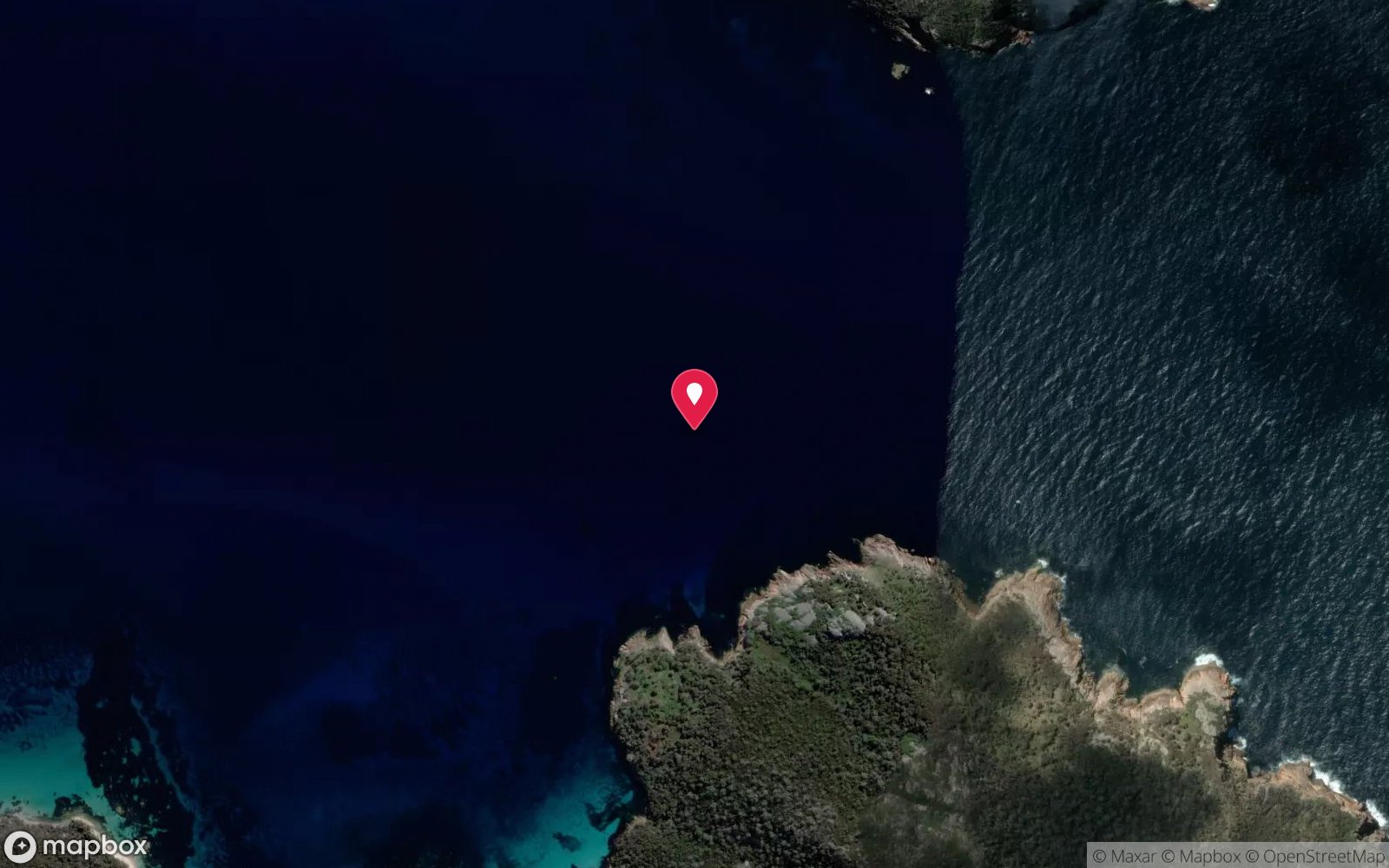
22. Tasmania East Coast · TAS
Point Geographe (Schouten Island)
13 species recorded · Shallow granite mazes and swim-throughs with huge banded morwong and often excellent visibility.
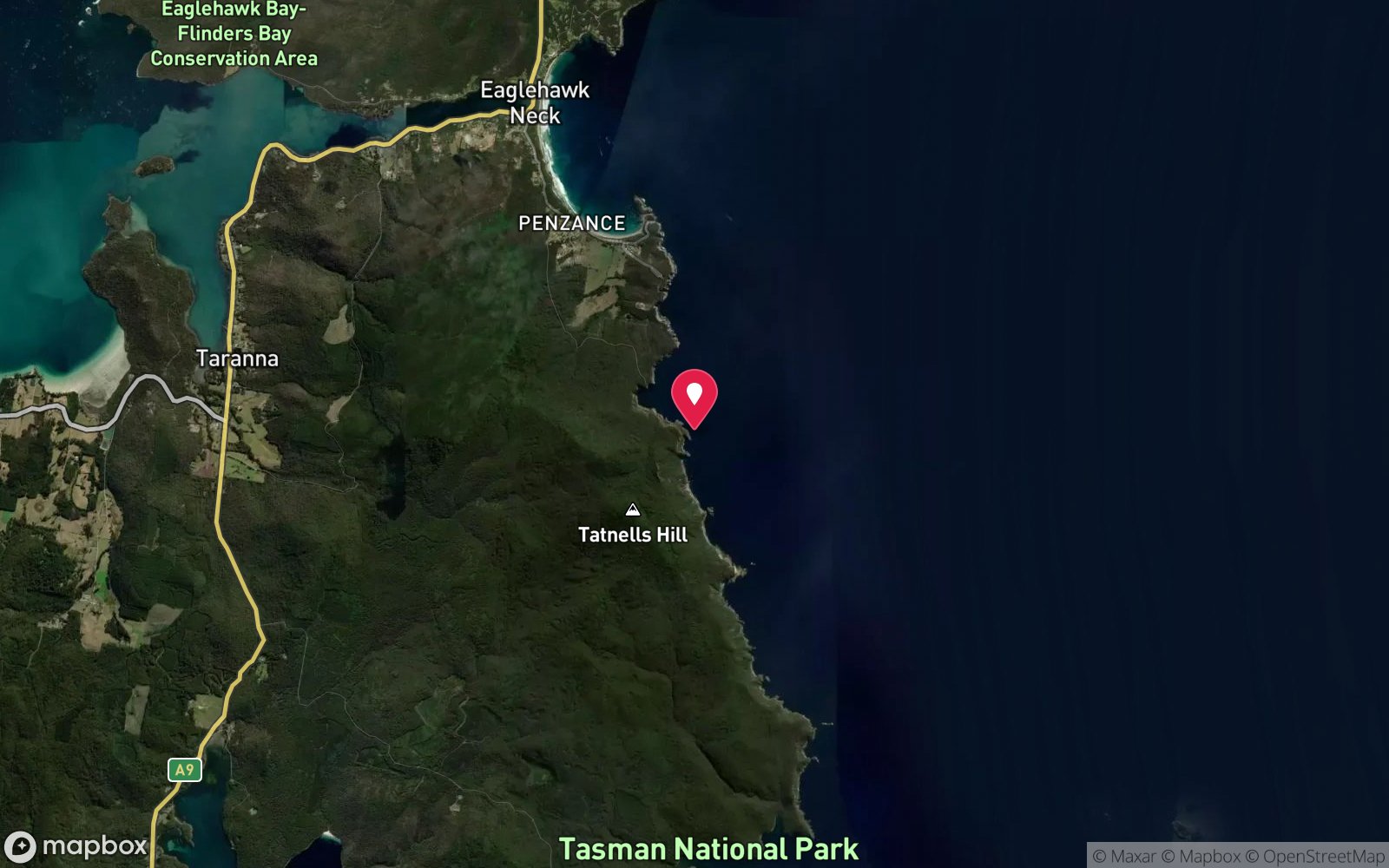
23. Tasman Peninsula · TAS
Cathedral Cave
12 species recorded · A huge sea cave system at Waterfall Bay, with chambers you can surface in and walls of colour outside.
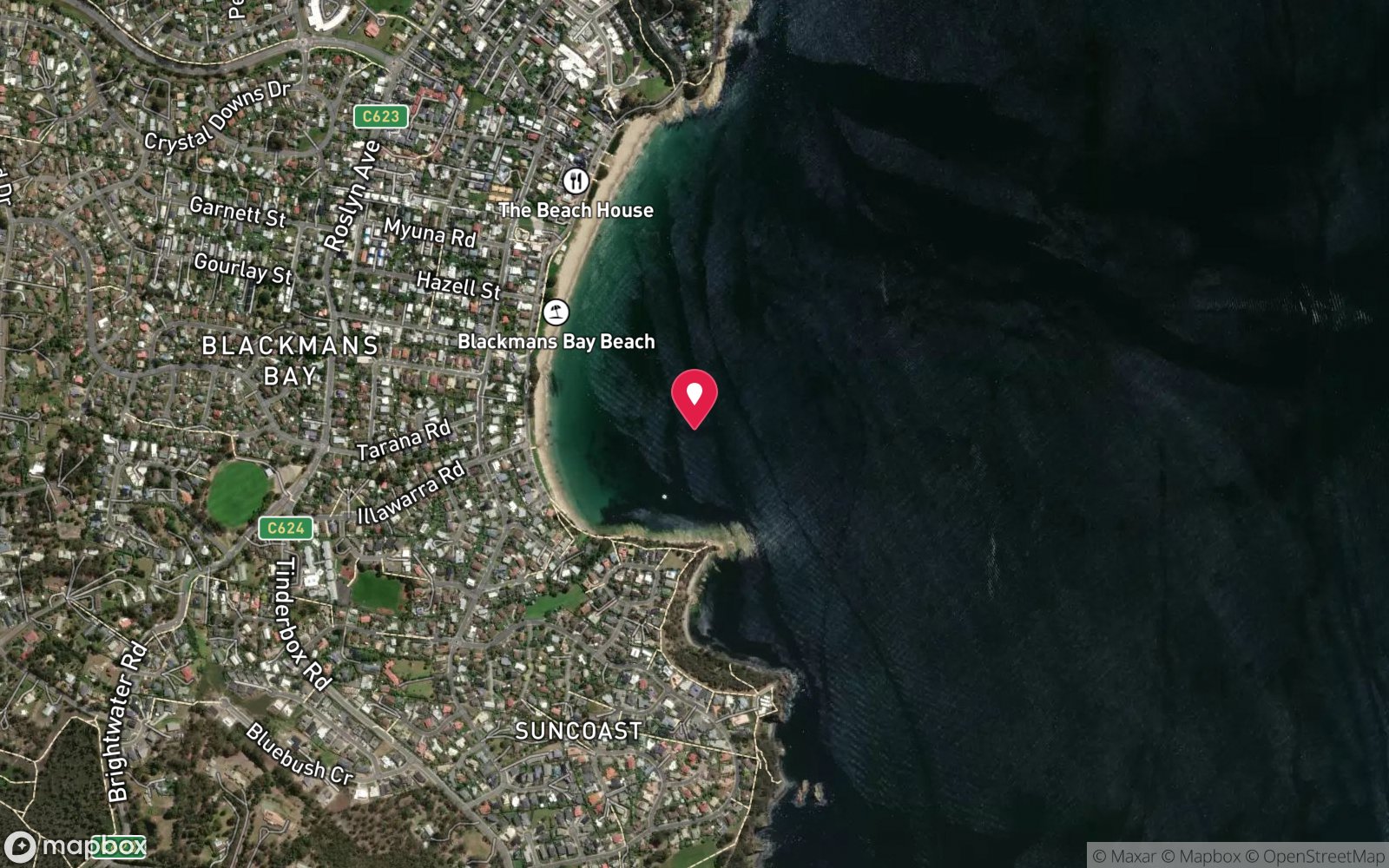
24. Hobart & Derwent · TAS
Blackmans Bay
12 species recorded · Two easy shore dives in one suburban bay – crevice-rich reef at the blowhole and a giant kelp patch at the south point.
25. Tasman Peninsula · TAS
Deep Glen Bay North Wall
12 species recorded · Colourful sponge and sea-whip wall that is the fallback when the Sisters are blown out, with seals and seadragons.
26. Hobart & Derwent · TAS
Kingston Beach (Handfish site)
12 species recorded · Easy suburban shore and night dive on the edge of the spotted handfish's Derwent range, with seahorses and sand critters.
27. Tasman Peninsula · TAS
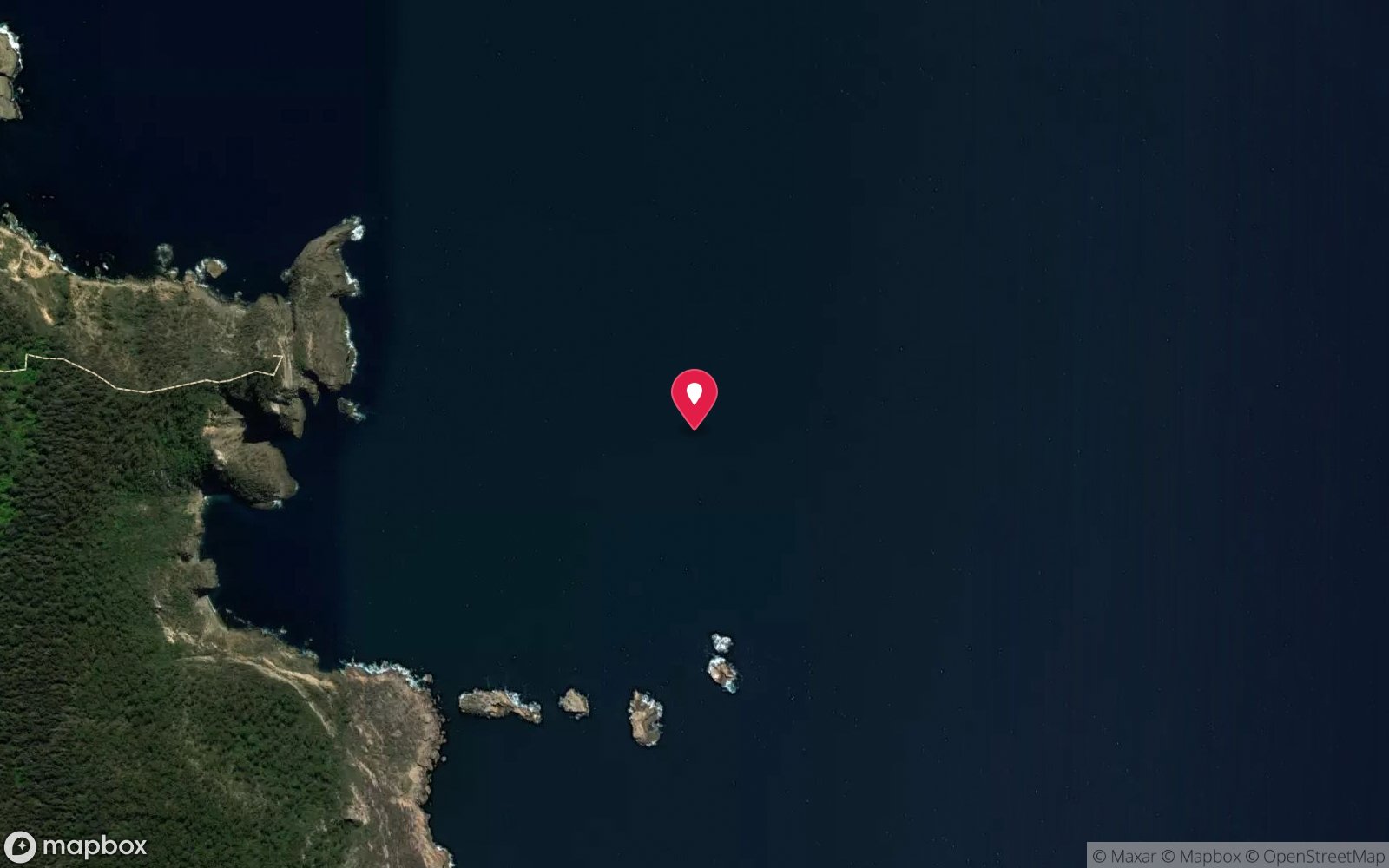
Sisters Rocks
12 species recorded · Vertical walls that bloom with sponges, sea whips and anemones below 30 m; regarded as one of Australia's best temperate wall dives.
28. Bruny Island & D'Entrecasteaux Channel · TAS
Adventure Bay (Bruny Island)
12 species recorded · Historic bay (Cook, Bligh) with sheltered shore dives and boat access to Fluted Cape, Penguin Island and Cape Connella.
29. Hobart & Derwent · TAS
Betsey Island
12 species recorded · Hobart's nearest ocean-influenced island reef, a short run from South Arm and next to the Betsey Island ships' graveyard.
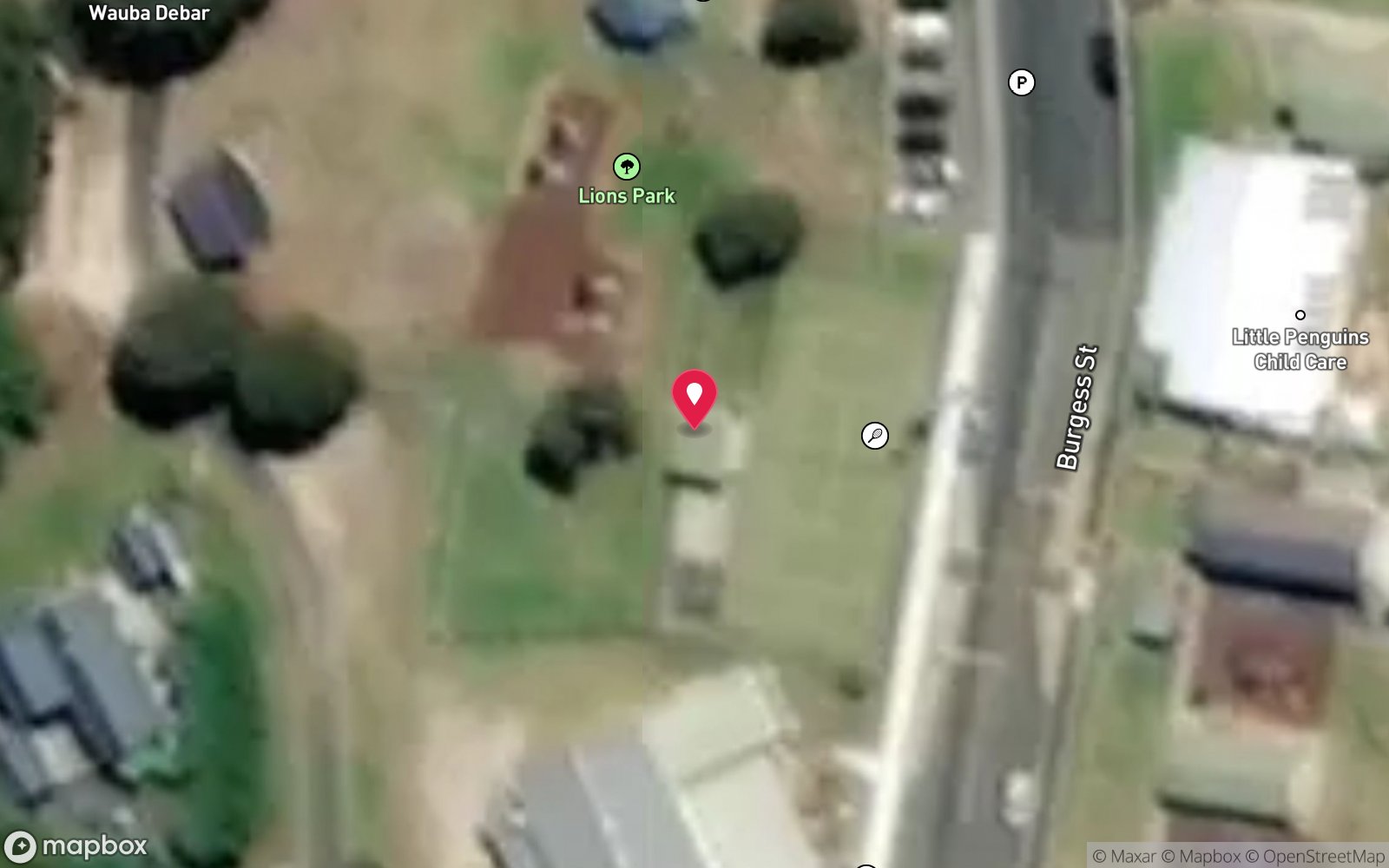
30. Tasmania East Coast · TAS
Fish Rock (Bicheno)
12 species recorded · A split granite spire a short swim from the breakwater, with seahorses and seadragons in the surrounding weed and excellent night diving.
The guide
Counting species
The ranking counts the species and groups recorded in each site's marine-life entry, which favours sites that have been surveyed and written about carefully. That is a reasonable proxy for biodiversity, and it produces a list that experienced divers will recognise: the great macro piers of Victoria and South Australia, the subtropical convergence sites of southern Queensland where tropical and temperate species overlap, and the pinnacles of the Ribbon Reefs.
It undercounts the Great Barrier Reef, where every outer-reef site has hundreds of species and the site records simply say 'reef fish, corals'. It also reflects the temperate south's real strength: southern Australia has the highest proportion of endemic marine species of any temperate coast on earth, and the sponge gardens of Port Phillip and the gulfs are where they live.
Where the overlap is
The subtropical coast from the Gold Coast to the Sunshine Coast and around to Bundaberg is the biodiversity sweet spot for a visiting diver. The East Australian Current brings tropical species south; the temperate species reach north; and structures like the Brisbane, the Seaway walls and Wonder Reef give them all somewhere to live. Winter brings grey nurse sharks and clear water, summer brings mantas and leopard sharks, and the macro life is there all year.
Editorial last reviewed September 2026. The list itself is regenerated from the directory daily.
Frequently asked questions
Which Australian dive site has the most marine life?
By recorded species, the temperate sponge-garden and pier sites (Fly Point, Blairgowrie, Edithburgh) and the subtropical islands (Julian Rocks, the Solitaries) lead, alongside the Great Barrier Reef's best bommies.
More rankings
- The 25 Deepest Dive Sites in Australia
- Australia's Most Remote Dive Sites
- The Longest Boat Rides to a Day Dive
- The Warmest Dive Sites in Australia
- The Coldest Dive Sites in Australia
- Australia's Clearest-Water Dive Sites
- The Oldest Shipwrecks You Can Dive in Australia
- WWII and Wartime Wrecks You Can Dive in Australia
- All rankings →