Dive slate · divesites.com.au · printed 7 Nov 2026
West Cove South-East Point (Deal Island)
Kent Group, Tasmania · near Deal Island (no town; nearest Whitemark, Flinders Island)
| Depth | 5–20 m |
|---|---|
| Minimum level | Advanced Open Water |
| Difficulty | Intermediate |
| Access | Boat (multi-day/liveaboard) |
| Entry | Back roll or giant stride from a small boat (live-boat drop and pick-up is the local norm) |
| Current | Moderate |
| Visibility | 15-25 m |
| Water | summer 16-18 °C, winter 12-13 °C |
| Suit | 7 mm wetsuit with hood, gloves and boots (or semi-dry); drysuit common, especially May-October |
| Best season | January-April |
| Bottom time | 45 min |
| Position | -39.46800, 147.30000 (approximate) |
| Permit | Kent Group National Park (land - landing/camping managed by Parks and Wildlife Service) and Kent Group Marine Reserve (check sanctuary zoning before any fishing). No permit needed to dive. |
| Nearest chamber | The Alfred (Melbourne) via aeromedical retrieval - likely fastest from central Bass Strait; Royal Hobart Hospital is the Tasmanian option. DAN 1800 088 200 |
| Emergency | 000 · DAN Asia-Pacific diving emergency 1800 088 200 |
West Cove South-East Point (Deal Island)
Also known as West Cove - SE Point
A steep, zoned slope from crayweed to sponges with a long fish list, in Murray Pass.
Near Deal Island (no town; nearest Whitemark, Flinders Island) · Kent Group, Tasmania
- Depth
- 5–20 m
- Minimum level
- Advanced Open Water
- Access
- Boat (multi-day/liveaboard)
- Boat ride
- ~5 min
- Water
- 16-18 °C
- Visibility
- 15-25 m
West Cove South-East Point (Deal Island)5–20 m · Advanced Open Water
Dive factsDepths, conditions, location & safety
Season
Off-peak nowBest months: January, February, March, April.
Dive facts
- Depth
- 5–20 m
- Typical depth
- 15 m
- Certification
- Advanced Open Water
- Difficulty
- Intermediate
- Depth tier
- Advanced Open Water (18–30 m)
- Access
- Boat (multi-day/liveaboard)
- Offshore
- 0.1 km
- Dive centre needed
- Yes – boat access only
- Shore / independent
- No
- Boat ride
- ~5 min
- Current
- Moderate
- Visibility
- 15-25 m
- Water temp (summer)
- 16-18 °C
- Water temp (winter)
- 12-13 °C
- Water
- Cold Temperate
- Bottom time
- 45 min
- Dive traffic
- Remote/expedition only
- Night dive
- No
- Snorkel friendly
- No
Exposure suit
7 mm wetsuit with hood, gloves and boots (or semi-dry); drysuit common, especially May-October
Location
Kent Group - Deal Island & Murray Pass · Bass Strait Islands - Kent Group
-39.46800, 147.30000
Approximate position — not for navigation.
Open in Google MapsPrimary source: marinelife.org.auMarine park & permits
Kent Group National Park (land - landing/camping managed by Parks and Wildlife Service) and Kent Group Marine Reserve (check sanctuary zoning before any fishing). No permit needed to dive.
Nearest recompression chamber
The Alfred (Melbourne) via aeromedical retrieval - likely fastest from central Bass Strait; Royal Hobart Hospital is the Tasmanian option. DAN 1800 088 200
Diving emergency: call 000, then DAN AP 1800 088 200.
Trip planner
Build a trip around West Cove South-East Point (Deal Island) →
A day-by-day plan for Kent Group with this site locked in.
This guide is a planning aid. Conditions change daily — confirm with a local dive centre and dive within your training. Data & safety notes.
Dive profile
How this site rates
Scores are computed from the recorded data, not opinions. How?
At a glance
West Cove South-East Point (Deal Island) is a wall liveaboard-only site in Kent Group, TAS, 5–20 m, suited to Advanced Open Water divers, moderate current, about 5 minutes by boat.
Rated intermediate because of depth beyond 18 m, cold water.
Why dive here
- A steep, zoned slope from crayweed to sponges with a long fish list, in Murray Pass.
- Rarely dived: expect to have the site to yourself, and plan your own logistics.
- Visibility often reaches 15-25 m.
About West Cove South-East Point (Deal Island)
The south-east point of West Cove is rated 7 out of 10 by the Marine Life Network guide as a colourful dive that appeals to all types of diver. A moderately exposed, steeply sloping bottom provides caves and crevices; crayweed (0-5 m) gives way to strapweed, red algae and then sponges at depth, with sand and paddleweed at 35 m. Butterfly perch and barber perch hang deeper; leatherjackets, wrasse, magpie perch, white-ear, sweep, southern hulafish, long-finned pike, herring cale and schools of trumpeter fill the shallows. Bryozoans, red-mouthed ascidians, gorgonians, hydroids, tube worms and sea daisies are abundant. The guide describes it as a colourful dive for every kind of diver, from photographers to naturalists. The Marine Life Network guide's descriptions are the only detailed published account, so expect some changes in the decades since and plan to explore.
The Kent Group is one of the most isolated island groups in Australian waters, protected as the Kent Group National Park on land, with the surrounding waters managed as a marine reserve. It sits in the middle of Bass Strait where warm and cool currents mix, and its granite walls and clear water support rich invertebrate growth rarely seen by divers. The historic Deal Island lighthouse (1848), once the highest in the southern hemisphere, overlooks the anchorages.
With no facilities beyond the caretakers' station and a long passage back to the mainland or Flinders Island, any diving injury is a serious emergency requiring aeromedical evacuation, most likely to Melbourne's Alfred Hospital. Diving here is for experienced, completely self-sufficient expedition divers.
Getting there & entry
A moderately exposed, steeply sloping point at West Cove, Deal Island, with caves and crevices from crayweed shallows to sponges at depth and sand at 35 m.
The Kent Group (Deal, Erith and Dover islands and outliers) lies in central Bass Strait about 55 km north-west of Flinders Island and roughly 90 km south of Wilsons Promontory. There is no scheduled transport: divers arrive on private yachts or expedition charters from Port Welshpool (Victoria), Flinders Island or north-east Tasmania, a passage of 6-12 hours depending on departure point. Murray Pass, the channel between Deal and Erith islands, offers the main anchorages (West Cove, East Cove); volunteer caretakers live on Deal Island, and landing and camping are managed by the Parks and Wildlife Service.
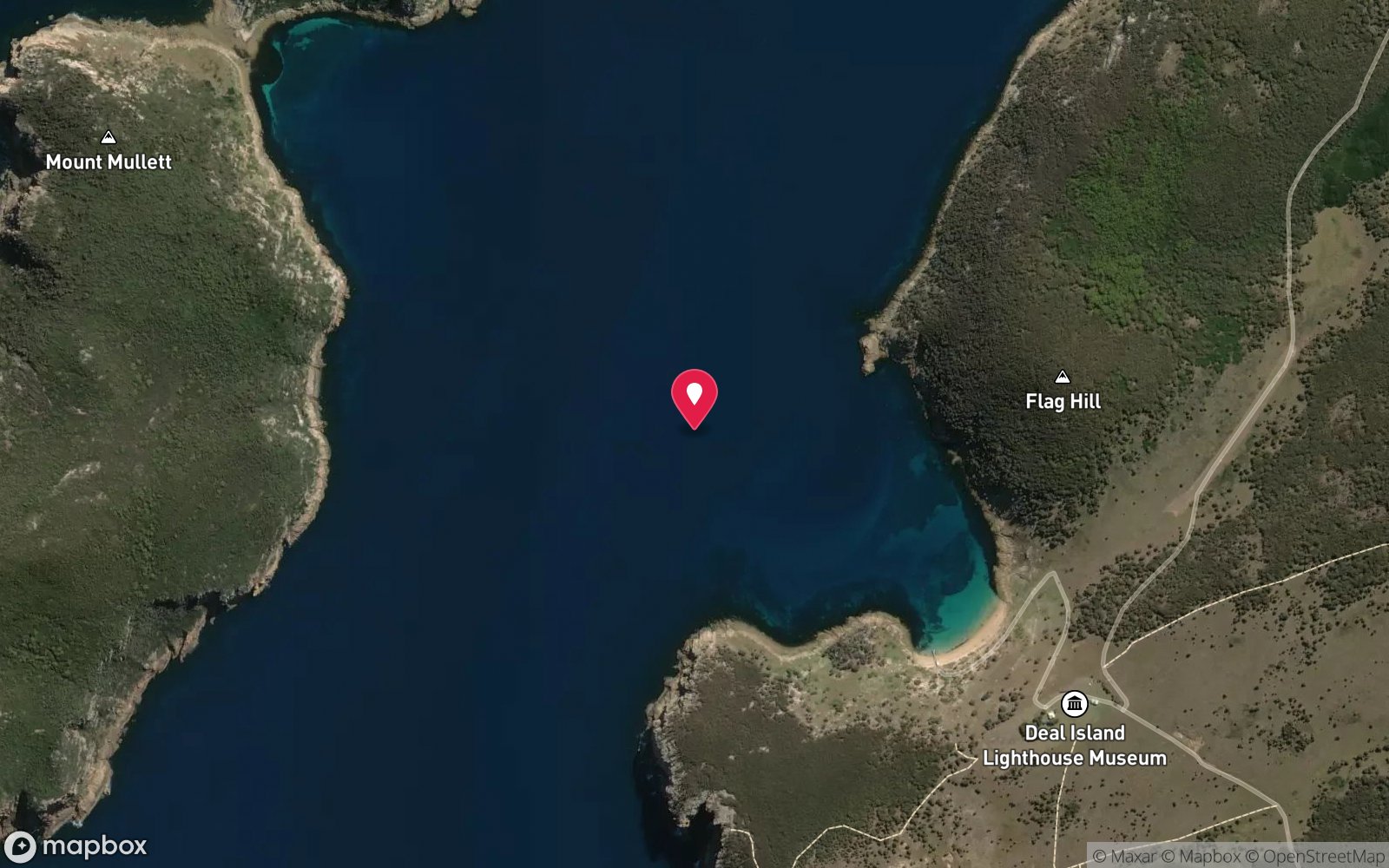
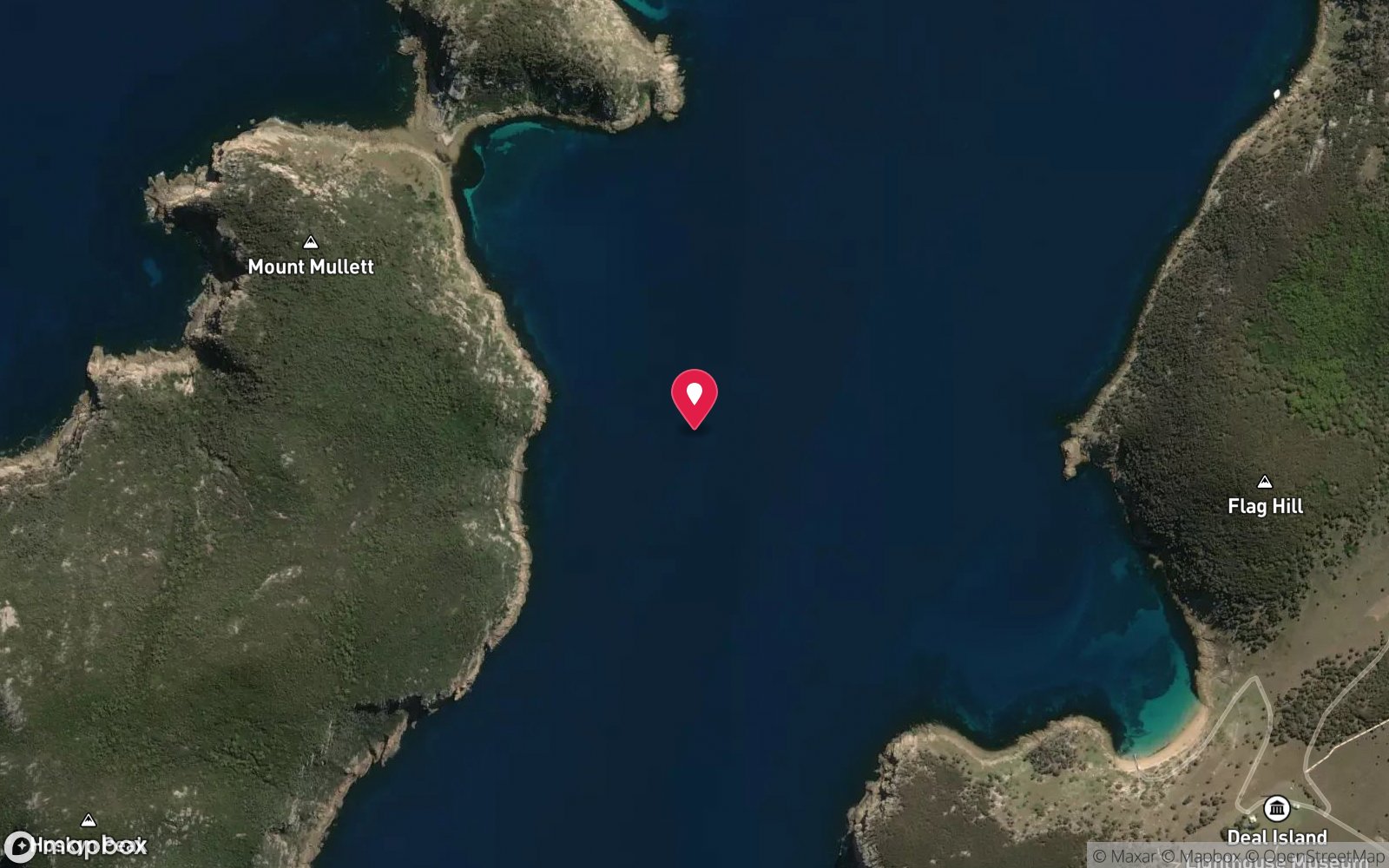
West Cove is on the western side of Murray Pass; the south-east point is a short tender ride from the West Cove anchorage.
Entry: Back roll or giant stride from a small boat (live-boat drop and pick-up is the local norm)
Facilities: None apart from the Deal Island caretakers' station; no fuel, water or supplies for visitors.
Weather, swell & tides
Central Bass Strait is notorious for sudden gales: westerly and south-westerly fronts and strong easterlies can arrive with little warning, and Murray Pass runs a strong tidal current that sweeps the headlands of West and East coves. January-April offers the most settled weather; after a gale, strong surface currents persist through the strait. Anchorages in Murray Pass give shelter from most directions except along the pass.
Moderately exposed; best in light winds.
Best season: January-April
How the dive is usually run
Descend the steep slope through the crayweed (0-5 m), strapweed and red algae into the sponge zone at 15-20 m, explore caves and crevices, and ascend slowly through the zones. Turn the dive at half gas (thirds where current or overhead sections are involved), deploy an SMB before surfacing for the live-boat pick-up, and complete a 3-minute safety stop at about 5 m where depth allows.
Marine life
- Butterfly perch
- barber perch
- leatherjackets
- wrasse
- magpie perch
- white-ear
- sweep
- southern hulafish
- long-finned pike
- herring cale
- trumpeter
- bryozoans
- red-mouthed ascidians
- gorgonians
- hydroids
- sea daisies
Linked species have their own page listing every site where they are recorded. All marine life →
Training required
Beyond 18 m an Advanced certification (which includes a deep dive to 30 m) is the accepted minimum. Anything past 25 m is a deep dive in practice.
Open Water divers can dive the shallower section (typical depth 15 m); the full site to 20 m needs Advanced Open Water. Operators often quote Open Water.
Operators' own listing: Open Water.
Courses that help here
- Cavern Diver – An overhead environment.
- Drysuit Diver – Cold water; locals dive dry for much of the year.
Depth tiers: 0–10 m easy · to 18 m Open Water · 18–30 m Advanced (25 m+ is a deep dive) · 30–40 m Deep specialty · 40 m+ technical. All courses
Hazards & warnings
Moderate exposure and current; remoteness.
Dive centres that go here
No operator. Visited only by private yachts and occasional expedition charters (typically from Port Welshpool in Victoria or from Flinders Island); full self-sufficiency required, including compressor or ample cylinders.
All dive centres in Tasmania →
Operators mentioned: None; Flinders Island Dive (Emita) is the nearest dive service
Map
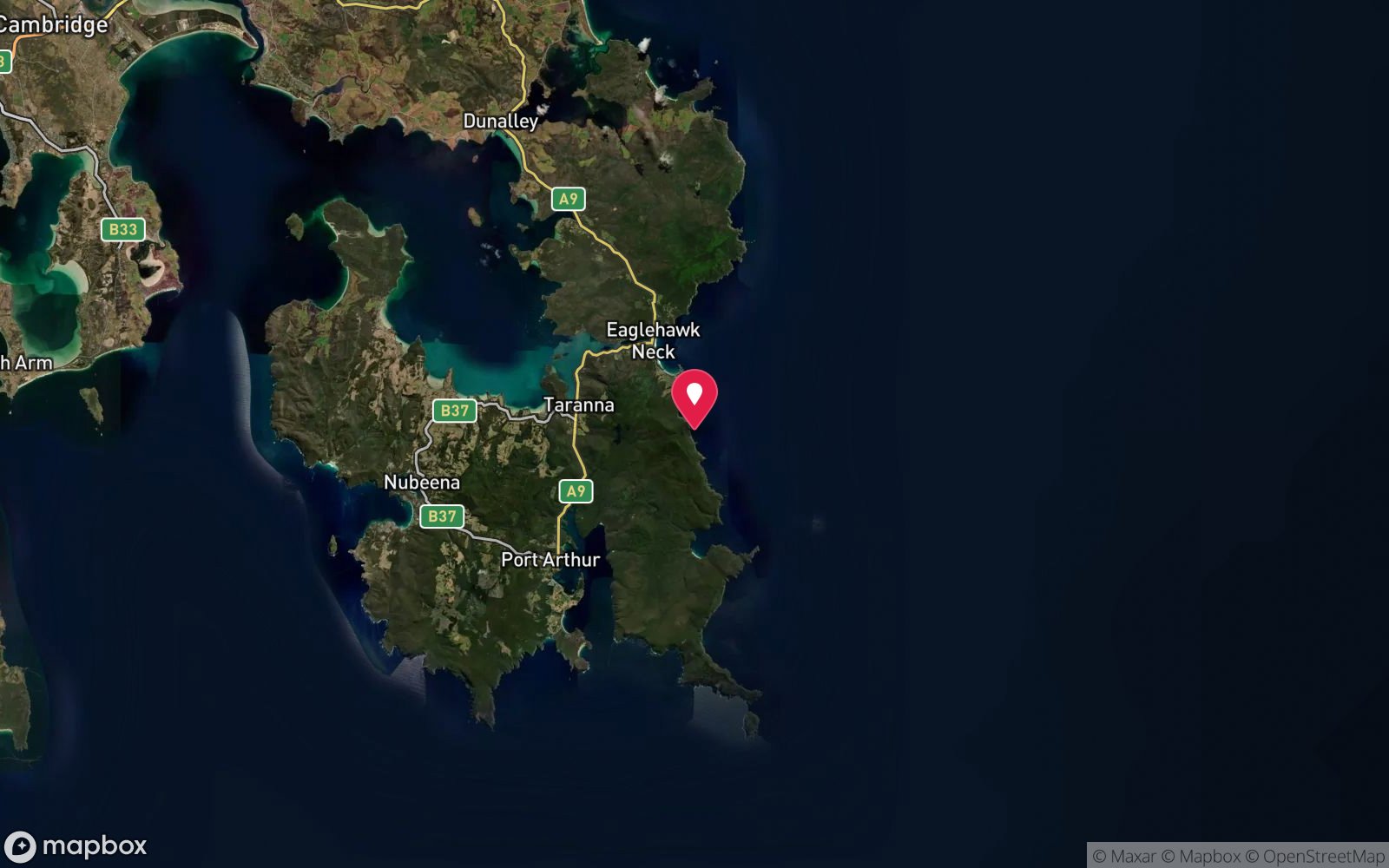
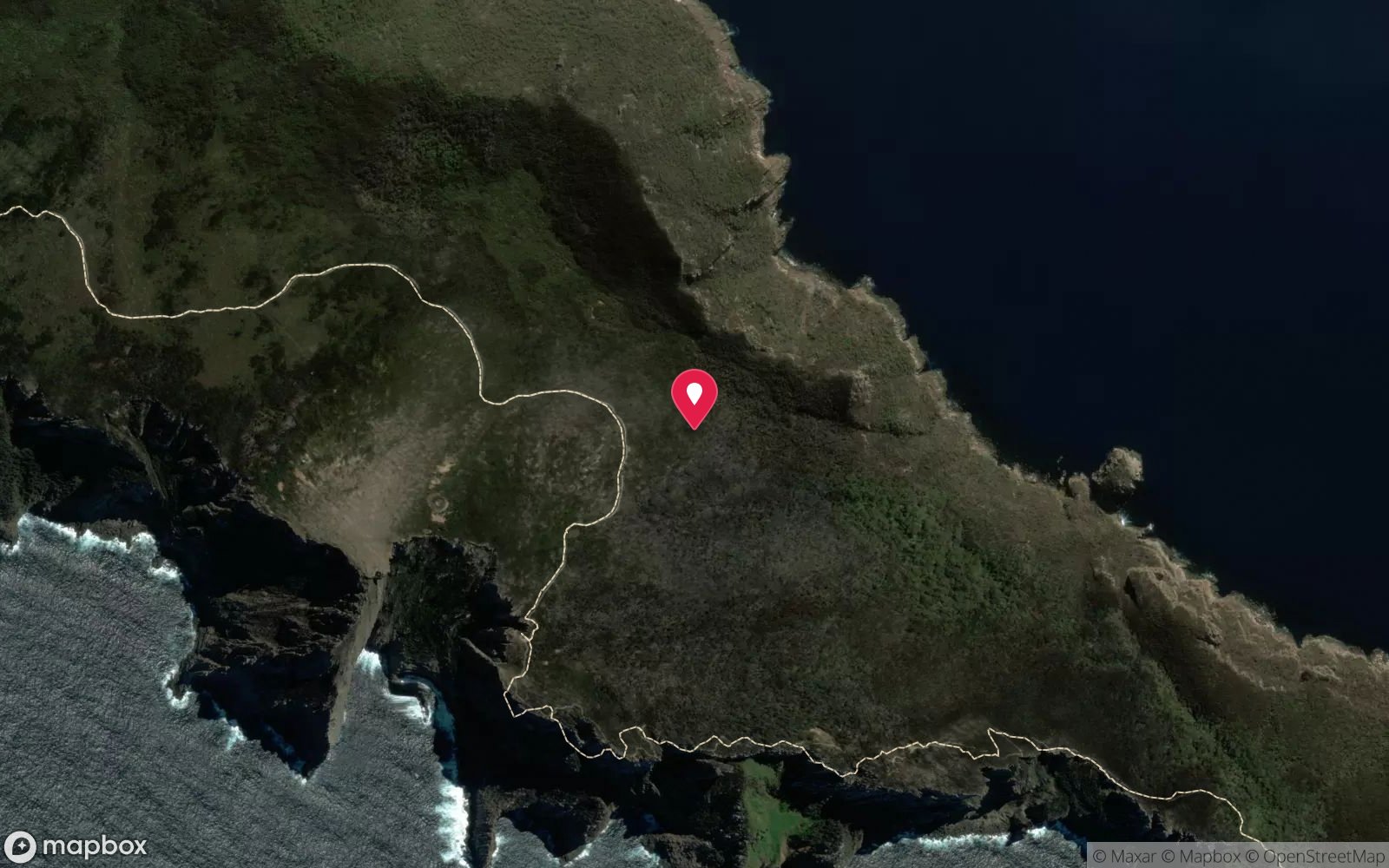
7 pinned sites. Pins marked approximate on their pages show the general area only; not for navigation.
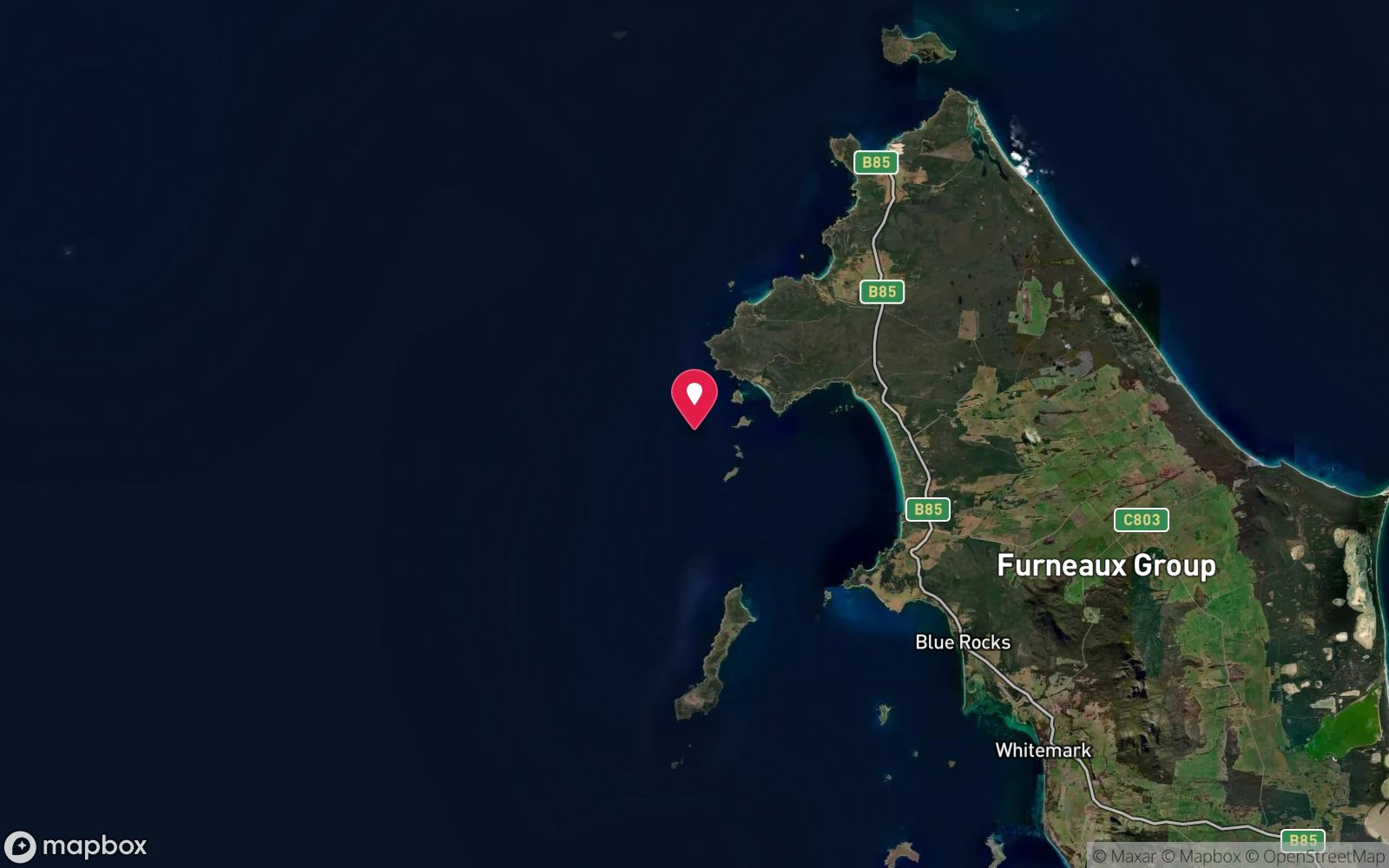
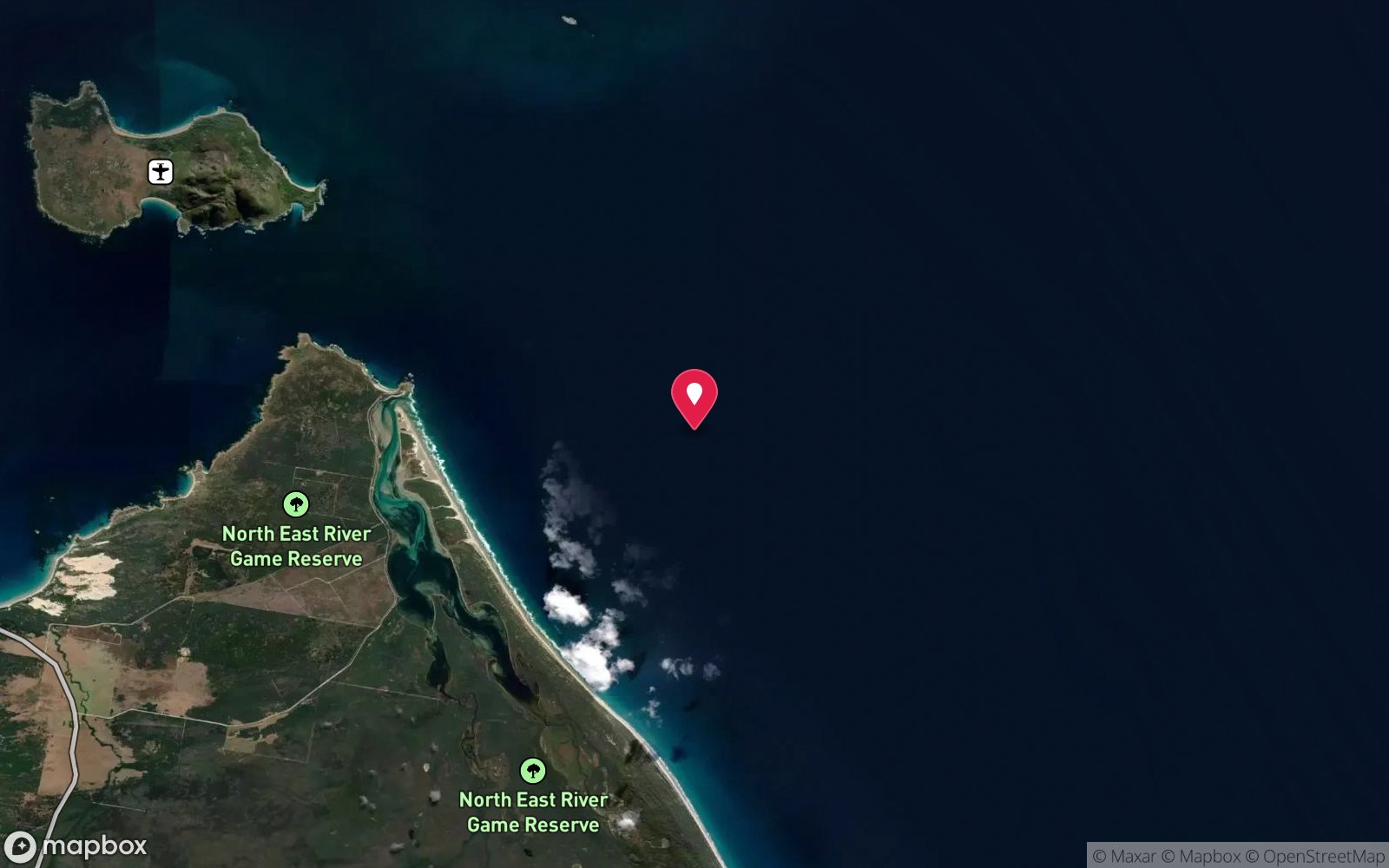
Satellite views
West Cove South-East Point (Deal Island): frequently asked questions
How deep is West Cove South-East Point (Deal Island)?
West Cove South-East Point (Deal Island) reaches a maximum depth of 20 m, with the shallowest part at about 5 m; most of the dive is spent around 15 m.
What certification do I need to dive West Cove South-East Point (Deal Island)?
Advanced Open Water is the recommended minimum. Open Water divers can dive the shallower section (typical depth 15 m); the full site to 20 m needs Advanced Open Water. Operators often quote Open Water. Rated intermediate because of depth beyond 18 m, cold water.
Can I shore dive West Cove South-East Point (Deal Island)?
No, it is reached by boat (about 5 minutes). A dive centre is required: boat access only.
When is the best time to dive West Cove South-East Point (Deal Island)?
January-April.
What marine life will I see at West Cove South-East Point (Deal Island)?
Regularly recorded: Butterfly perch, barber perch, leatherjackets, wrasse, magpie perch, white-ear, sweep, southern hulafish, long-finned pike, herring cale, trumpeter, bryozoans and more.
What wetsuit do I need at West Cove South-East Point (Deal Island)?
7 mm wetsuit with hood, gloves and boots (or semi-dry); drysuit common, especially May-October.
How cold is the water at West Cove South-East Point (Deal Island)?
Typically 16-18 °C in summer and 12-13 °C in winter.
What are the main hazards at West Cove South-East Point (Deal Island)?
Moderate exposure and current; remoteness. See the hazards section above for the full list.
Where is the nearest recompression chamber to West Cove South-East Point (Deal Island)?
The Alfred (Melbourne) via aeromedical retrieval - likely fastest from central Bass Strait; Royal Hobart Hospital is the Tasmanian option. DAN 1800 088 200. In an emergency call 000, then DAN Asia-Pacific on 1800 088 200.
Diving in Kent Group
Deal, Erith and Dover islands in the middle of Bass Strait form Tasmania's most remote marine reserve, with kelp forests, sea caves, seals and clear water. It is visited by yachts and expedition boats.
Getting there: Private boat or expedition charter from Flinders Island or Victoria.
Sources
Data confidence: Low · Being verified: Coordinates approximate; marine reserve zoning should be checked.. Last updated September 2026. Know this site better? How to send a correction