Ranked by how many distinct species or groups are recorded for each site in this directory. It rewards the thoroughly surveyed sites, the Nelson Bay sponge gardens, the Mornington piers, Julian Rocks and the Solitary Islands, as much as the tropical reefs.
Updated daily from the directory. 30 sites listed.
1. Ningaloo – Exmouth · WA
Exmouth Navy Pier
20 species recorded · A working naval pier that shelters more fish per square metre than almost any site in Australia: grey nurse sharks, wobbegongs, giant gropers and frogfish.
2. Perth · WA
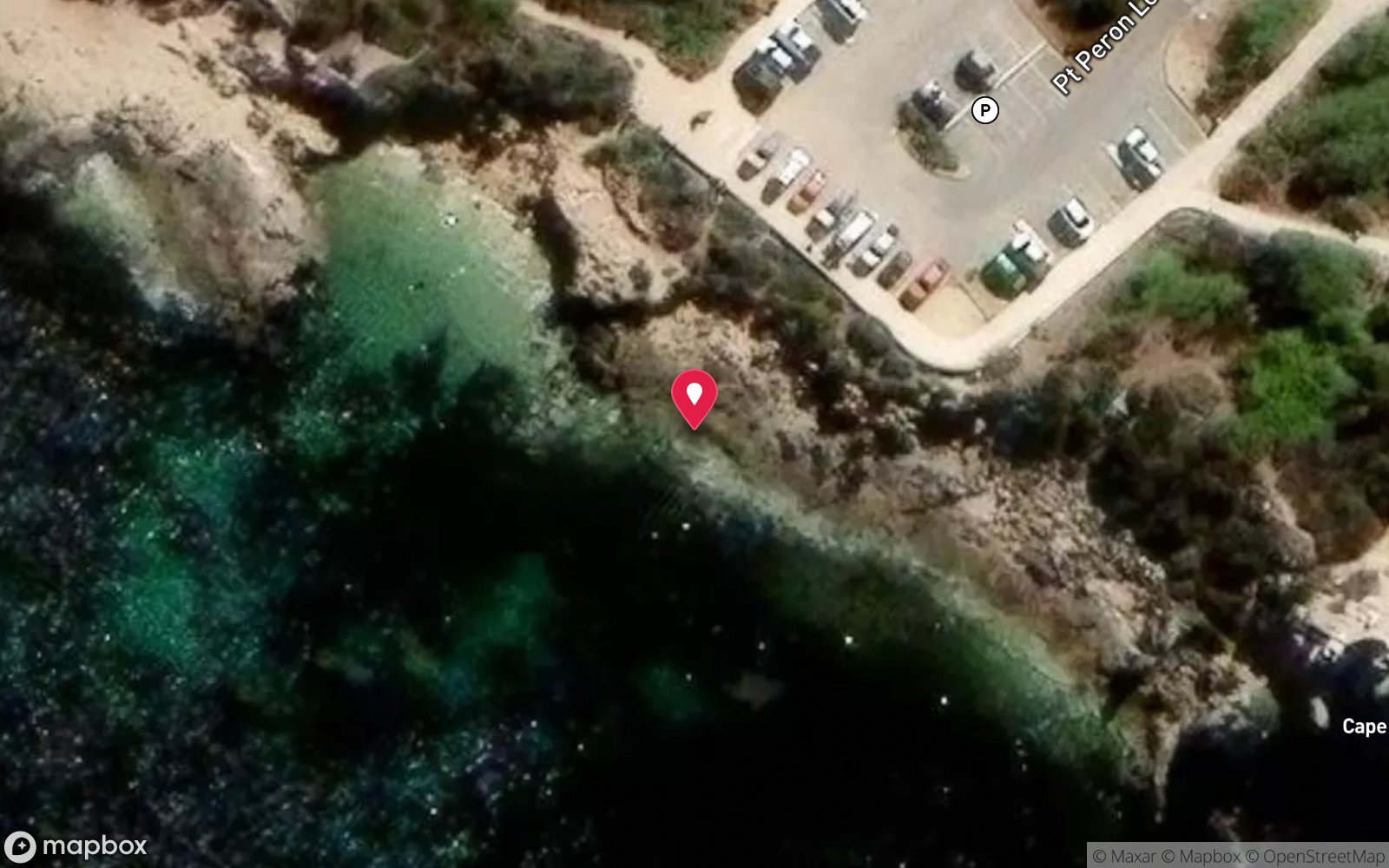
Point Peron
20 species recorded · Perth's best natural shore dive in the south: limestone pinnacles, arches, caves and swim-throughs in 3–10 m, with sheltered seagrass on the eastern side for beginners.
3. Perth · WA
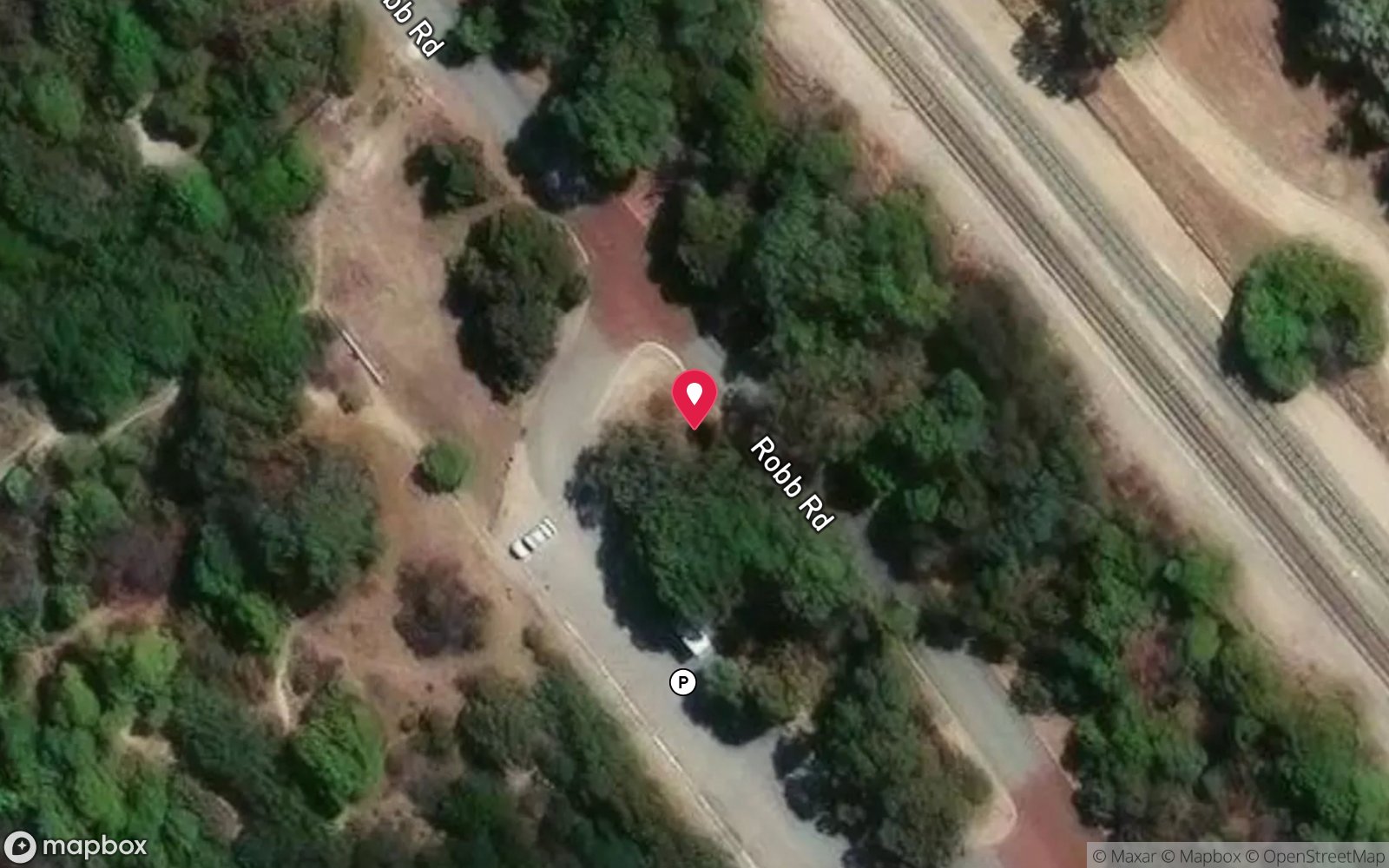
Robb Jetty
20 species recorded · A quiet line of historic jetty pylons in 5–8 m off the CY O'Connor statue, with good macro life, seagrass edges and better average visibility than Ammo Jetty.
4. Albany & Great Southern · WA
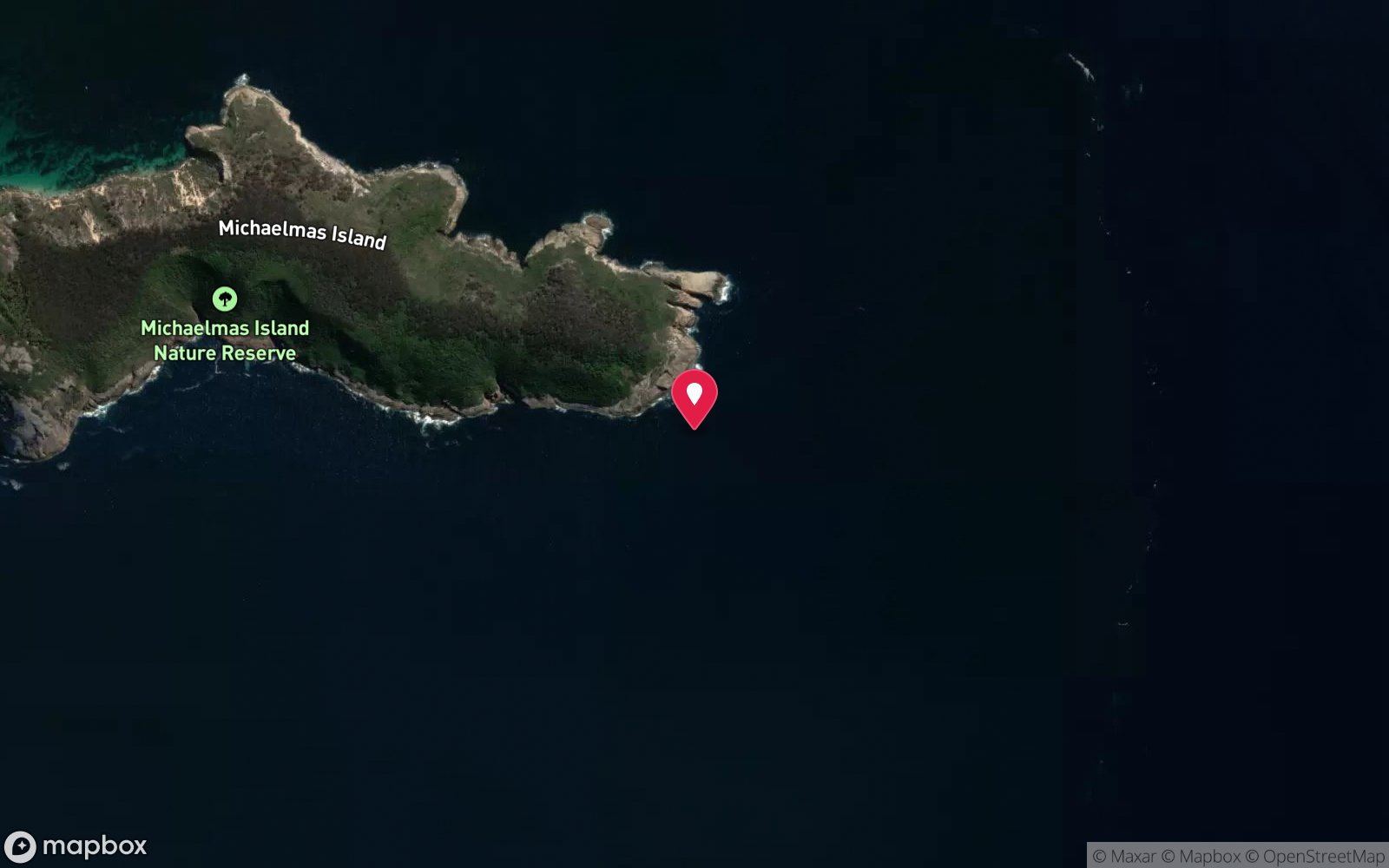
Michaelmas Island Eastern End & Fingers
19 species recorded · Big gorgonian fans and black coral on a granite wall, granite fingers to 30 m, and the surge-driven 'Grinding Rock' caves.
5. Perth · WA
Ammo Jetty
18 species recorded · Perth's classic easy shore and night dive: century-old pylons encrusted with sponges and corals that hold excellent macro life, in a sheltered bay that is diveable when most other sites are not.
6. Perth · WA
Kwinana Grain Terminal Jetty
17 species recorded · An 800 m working jetty whose pylons are densely encrusted and full of macro life, with deeper, fish-filled structure at the T-head.
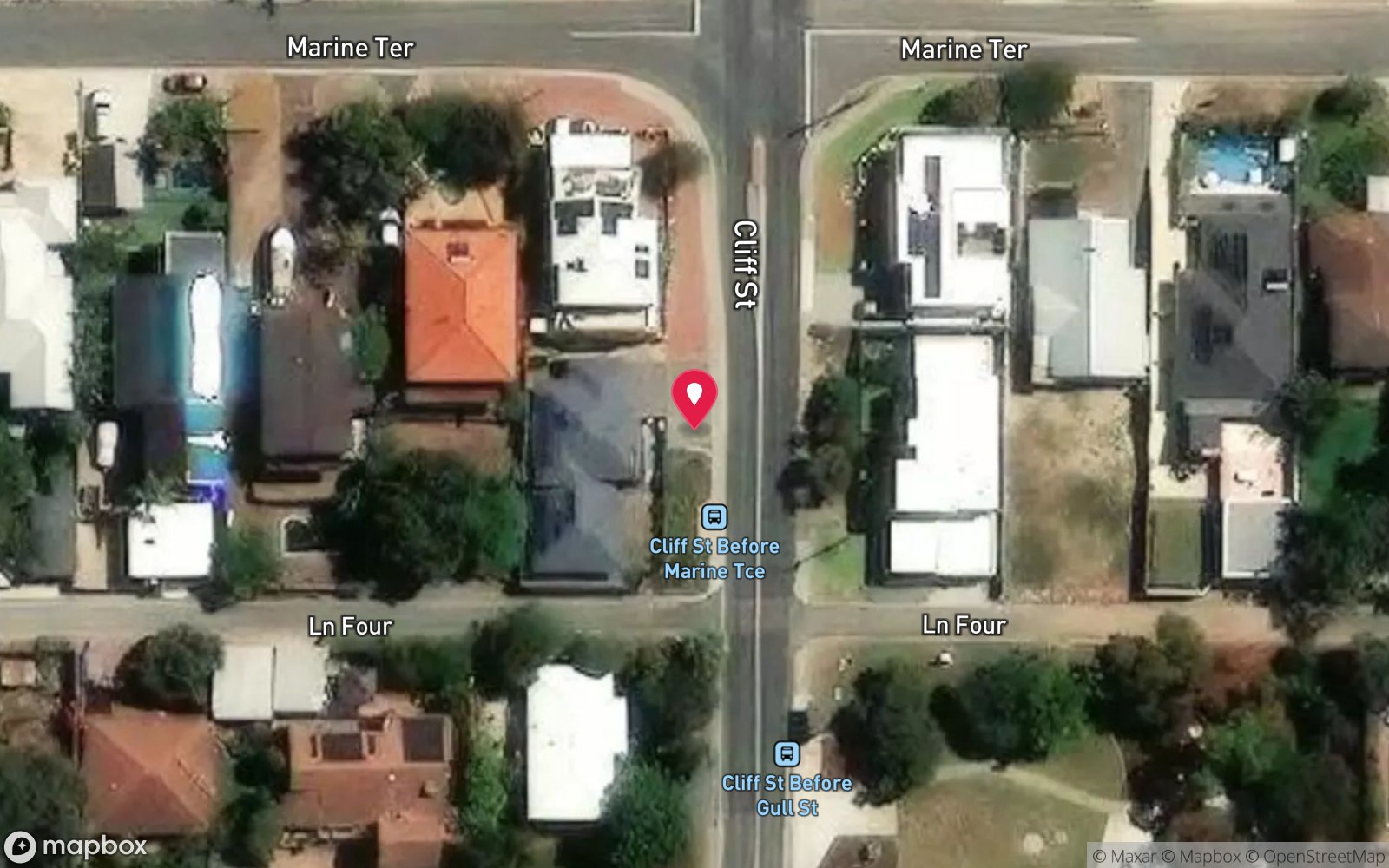
7. Perth · WA
MAAC Dive and Snorkel Trail
17 species recorded · A 400 m interpretive underwater trail with about 20 plinths, weedy seadragons and a wheelchair-accessible entry.
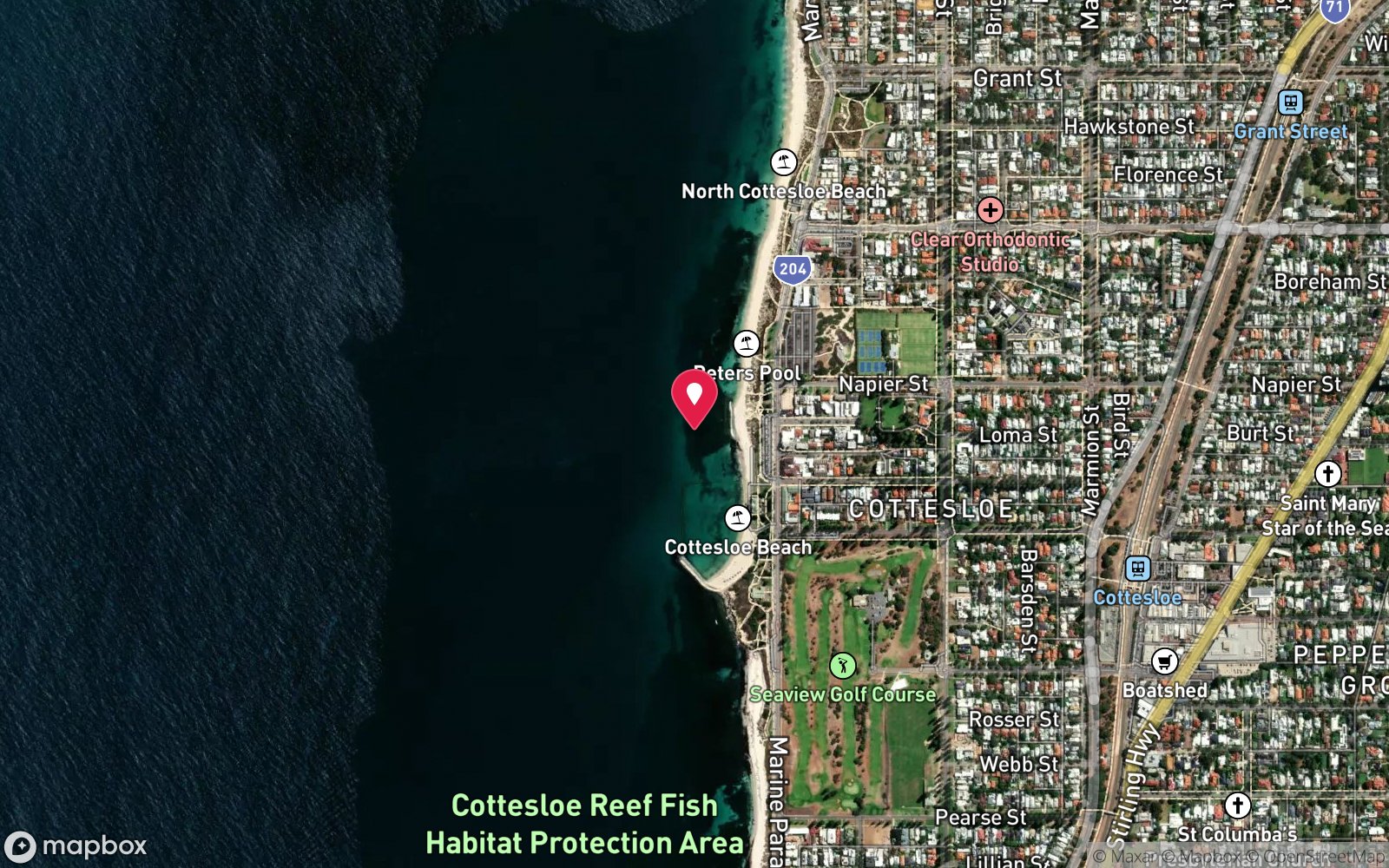
8. Perth · WA
Cottesloe Reef
17 species recorded · A protected reef system right off Perth's most famous beach, easy to reach by car or train and good for snorkelling on calm mornings.
9. Perth · WA
Boyinaboat Reef
16 species recorded · A compact sanctuary-zone reef with passages, ledges and an underwater plaque trail, 100 m off the Hillarys Boat Harbour wall.
10. Ningaloo – Exmouth · WA
Blizzard Ridge
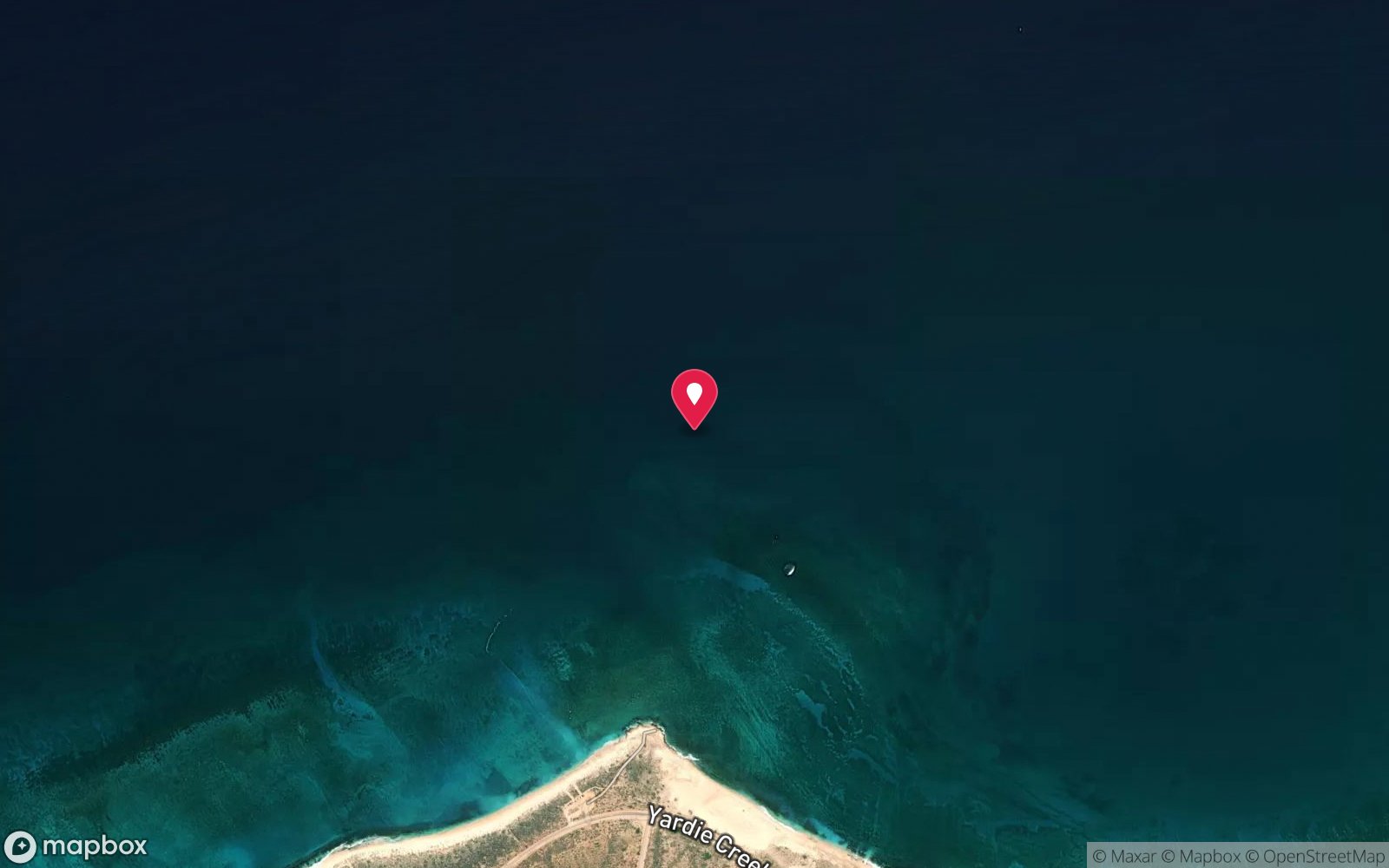
16 species recorded · Lighthouse Bay's standout site: a simple reef crack swarming with fish, with turtles, sharks and a manta cleaning station.
11. Albany & Great Southern · WA
Cheynes III Wreck
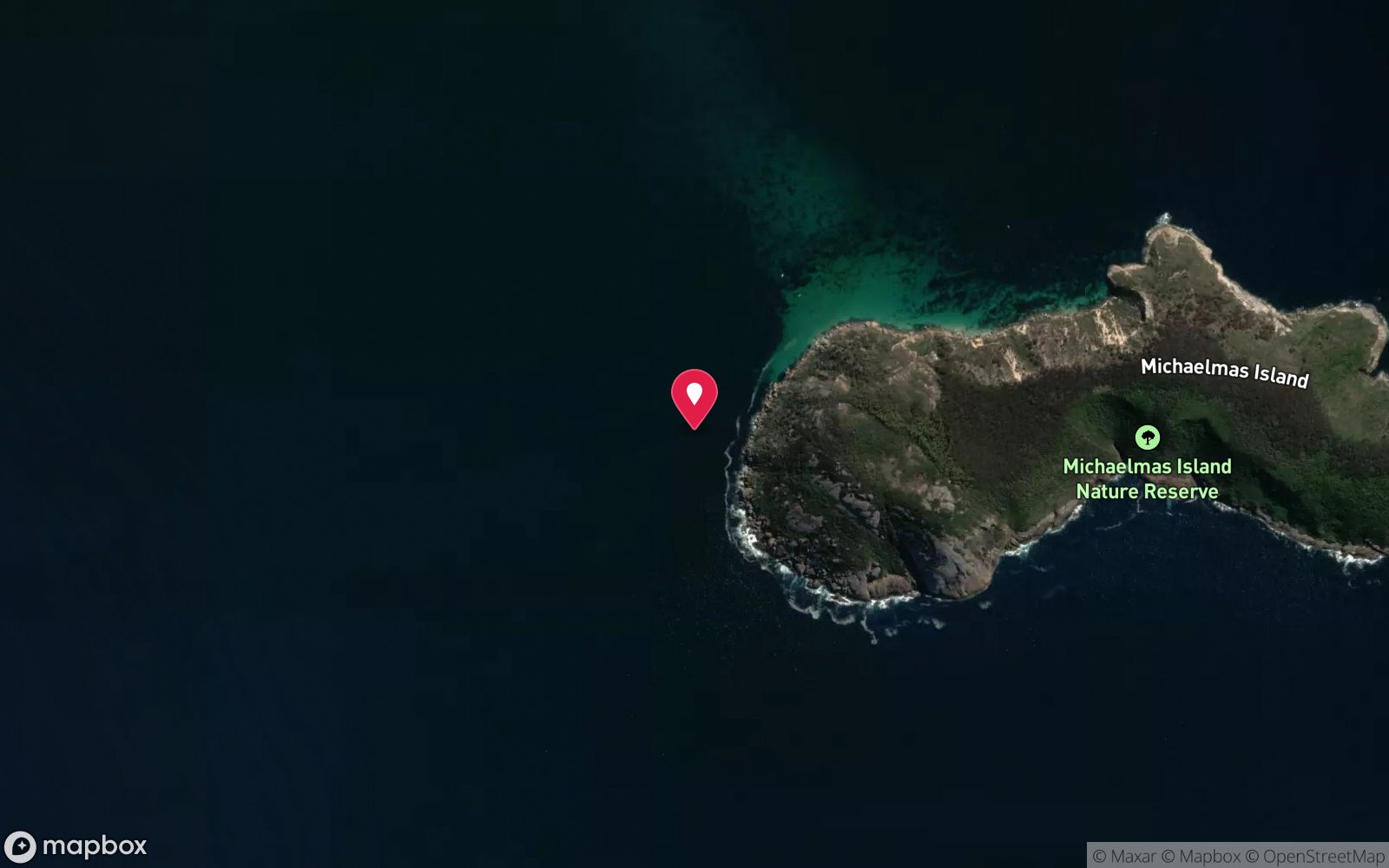
16 species recorded · Reputedly the first purpose-sunk dive wreck in the southern hemisphere – a 1943 whale chaser from Australia's last whaling station, now a fish-packed artificial reef.
12. Rottnest Island · WA
Crystal Palace
16 species recorded · Rottnest's signature cavern reef: hundreds of metres of limestone chambers and swim-throughs lit by light shafts and full of schooling fish.
13. Albany & Great Southern · WA
HMAS Perth Wreck
16 species recorded · Albany's 133 m guided-missile destroyer in cold, clear water, scuttled in 2001.
14. Albany & Great Southern · WA
Little Boat Harbour Dive Trail (Bremer Bay)
16 species recorded · WA's premier leafy seadragon shore dive, with weedy seadragons, cuttlefish and nudibranchs in under 10 m.
15. Albany & Great Southern · WA
Michaelmas Reef
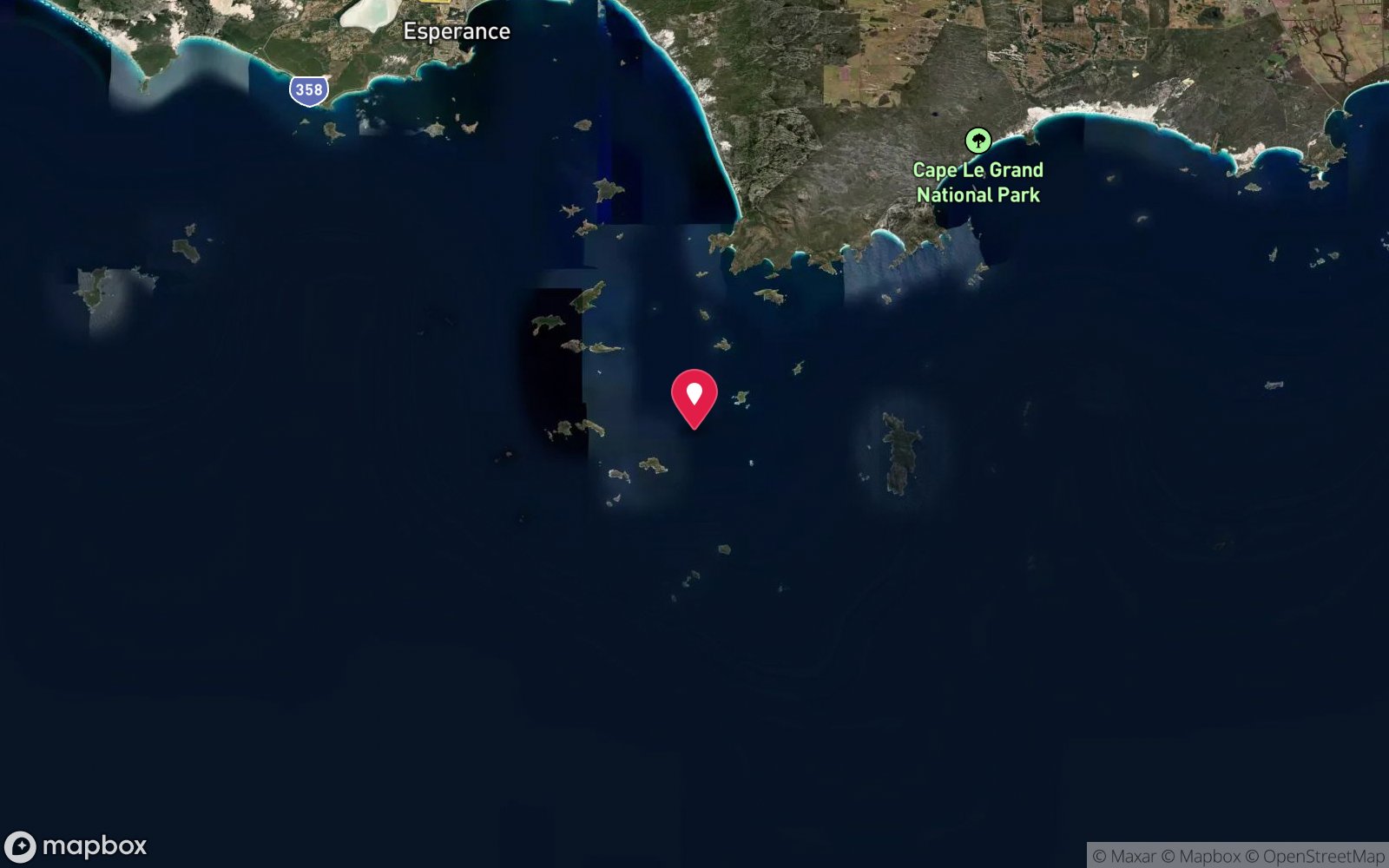
16 species recorded · Broad, shallow limestone reef with kelp tops and sponge-lined ledges – a macro photographer's site in the middle of the sound.
16. Esperance & Recherche Archipelago · WA
Sanko Harvest Wreck
16 species recorded · Australia's largest wreck dive – a 174 m bulk carrier broken into giant sections in 13-44 m, protected by a 500 m no-take zone.
17. Perth · WA
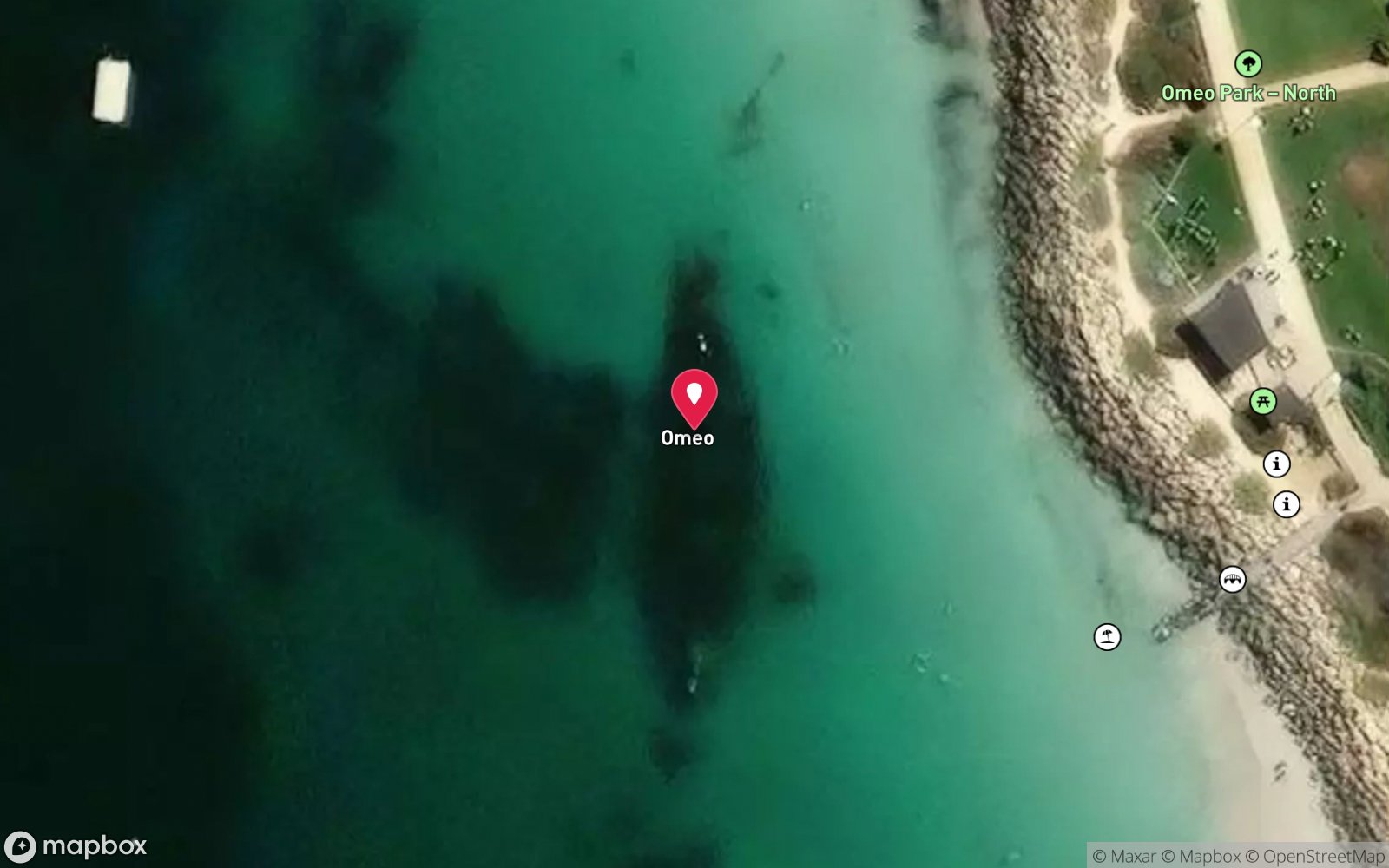
Omeo Wreck & Coogee Maritime Trail
15 species recorded · A 1858 iron steamer lying 25 m off the beach in 3 m of water, with a 200 m trail of reef modules and sculptures running seaward from it: one of the best-developed underwater trails in WA.
18. Albany & Great Southern · WA
Breaksea Island
15 species recorded · Granite boulders, gutters and caves with gorgonians and plate corals, seals at the NE haul-out, and a sheltered site for most wind directions.
19. Ningaloo – Exmouth · WA
Ranger's Bommies
15 species recorded · Healthy Porites bommies with stingrays wedged underneath and leopard sharks on the sand.
20. Perth · WA
Little Island (Marmion)
14 species recorded · A sea lion haul-out island in a sanctuary zone off Hillarys, with shallow protected reef and clearer water than the inshore sites.
21. Perth · WA
Three Mile Reef (Marmion)
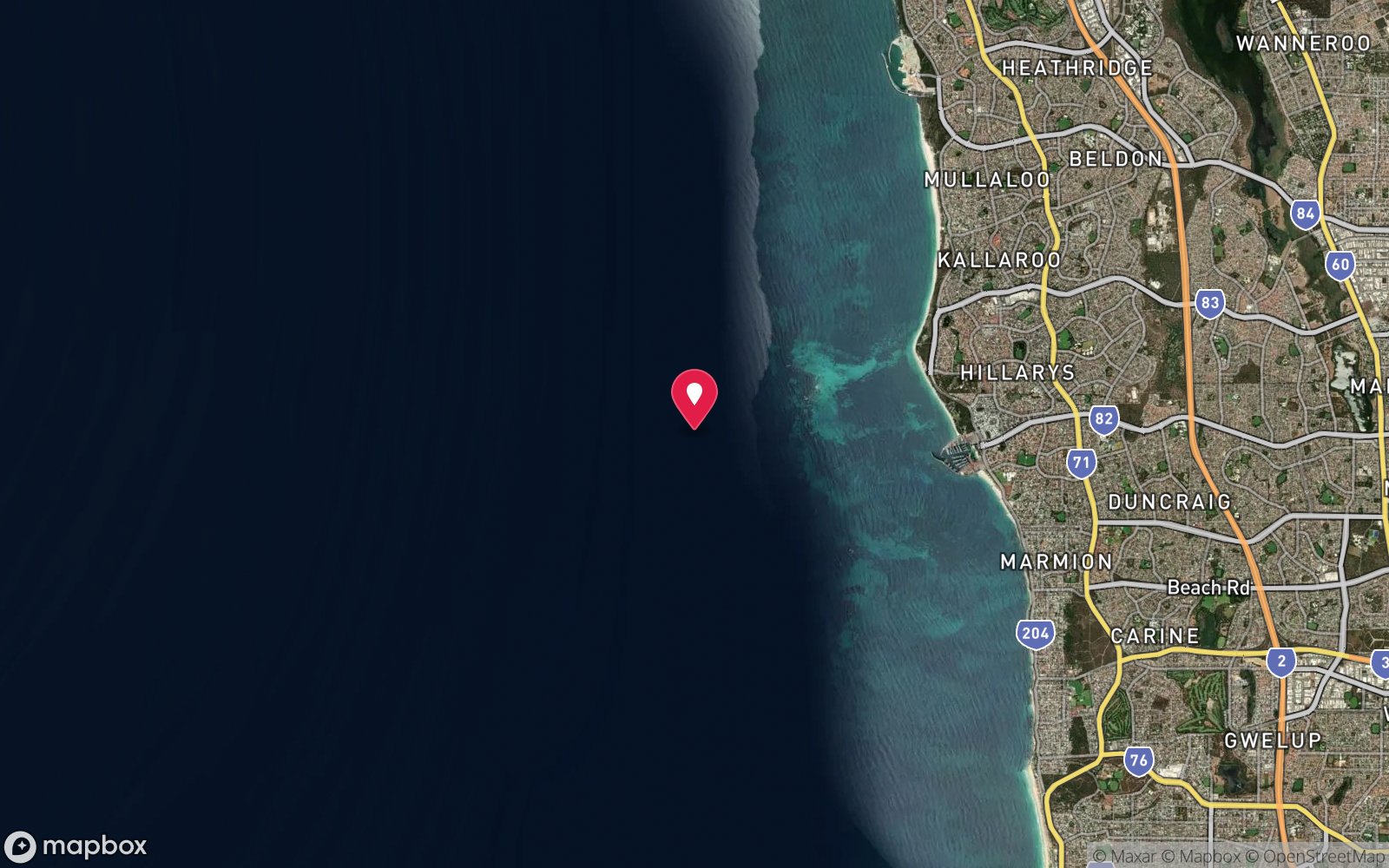
14 species recorded · The outermost reef of Marmion Marine Park, with ledges and caves and usually the clearest water in the park.
22. Esperance & Recherche Archipelago · WA
Lucky Bay (Cape Le Grand)
14 species recorded · An iconic white-sand bay with kangaroos on the beach, calm water and granite reef at its western end.
Shore/Rock PlatformMax 10 mBeginnerSnorkel/AnyShore accessMore in Esperance & Recherche Archipelago →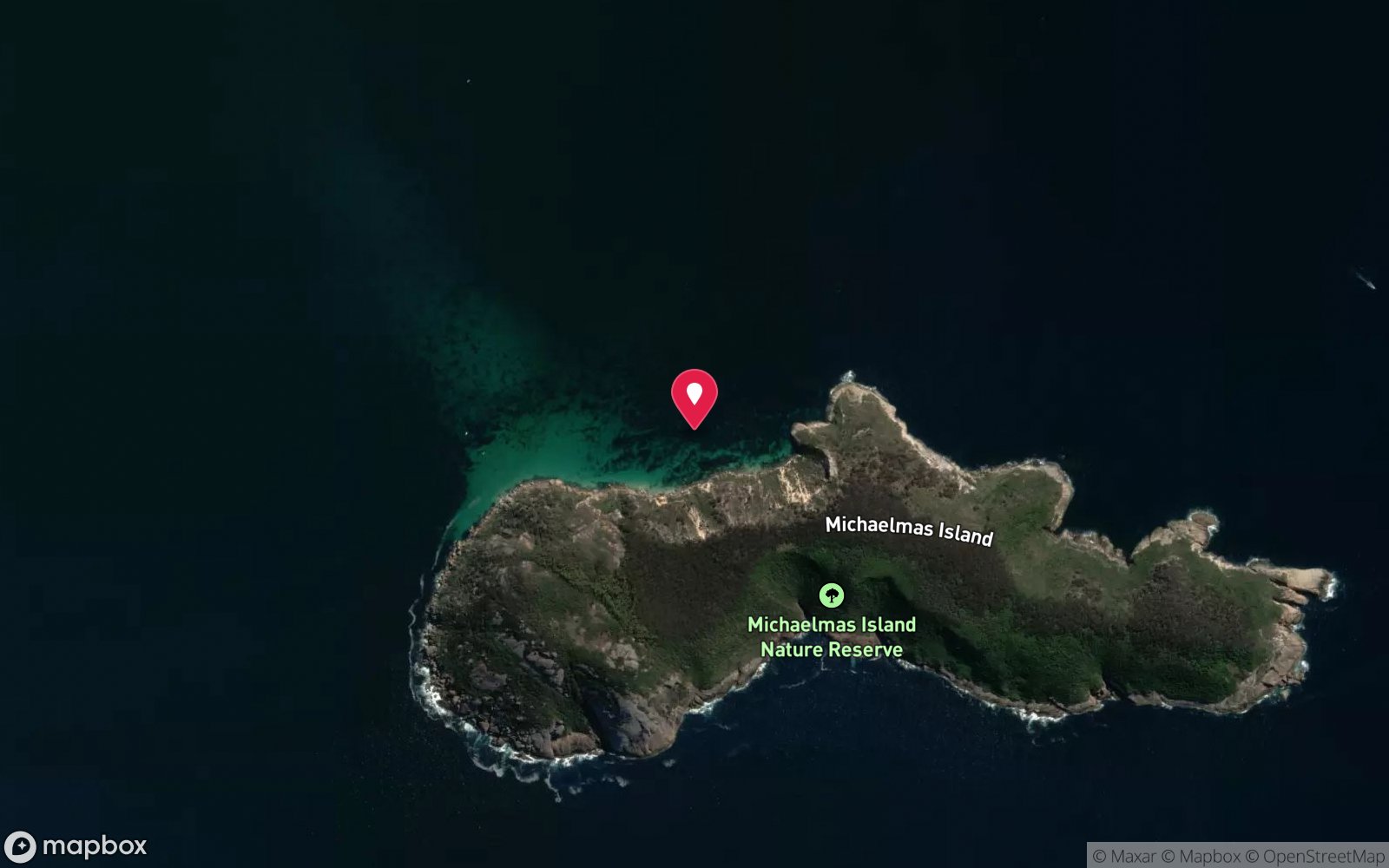
23. Albany & Great Southern · WA
North Michaelmas Island
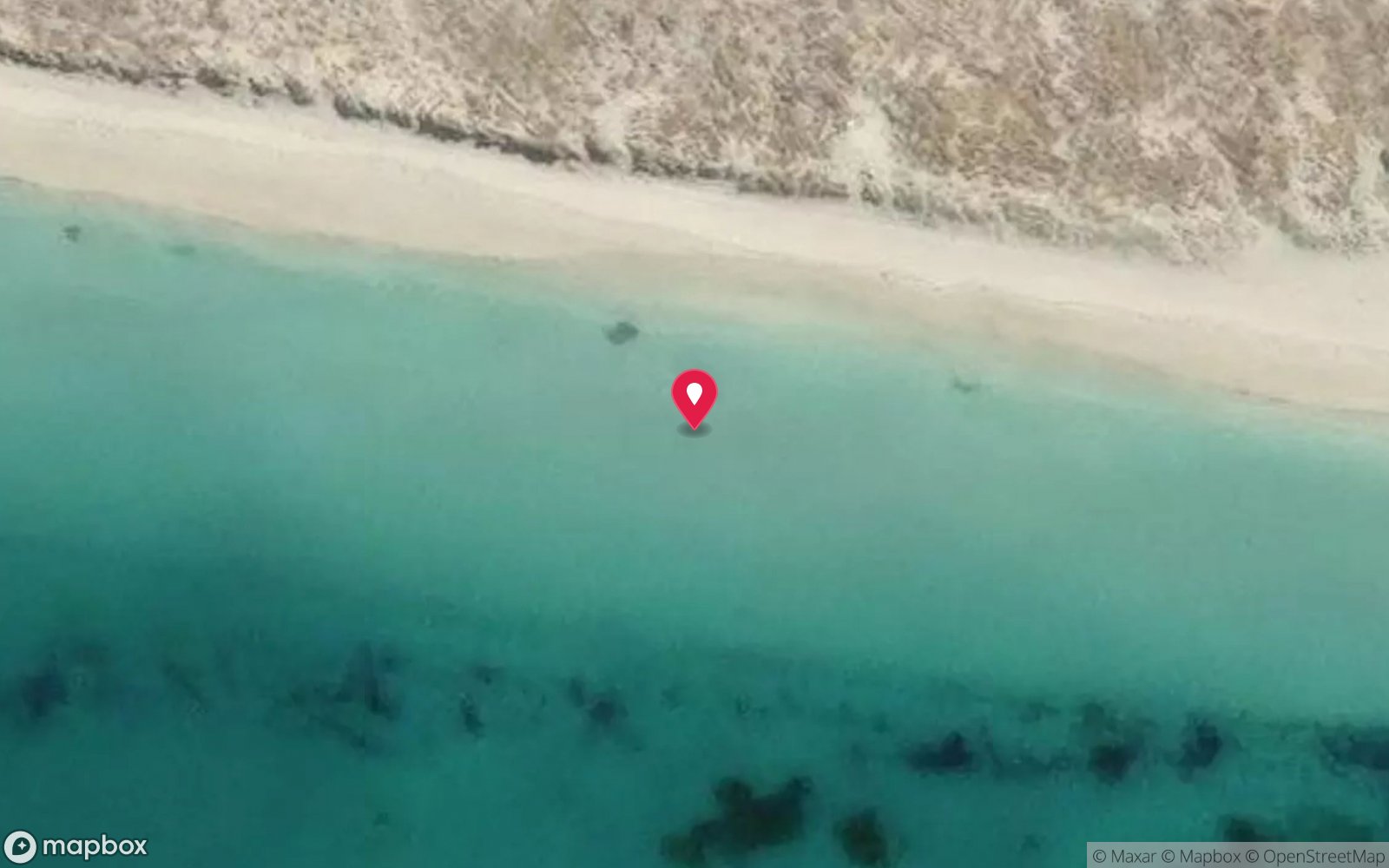
14 species recorded · Sheltered granite walls and small caves with gorgonians and plate corals, diveable in most winds, next door to the Cheynes III wreck.
24. Perth · WA
Woodman Point Groyne
14 species recorded · A sheltered boulder-wall dive with a choice of sides for the wind, useful as a second dive after Ammo Jetty or as an easy night dive.
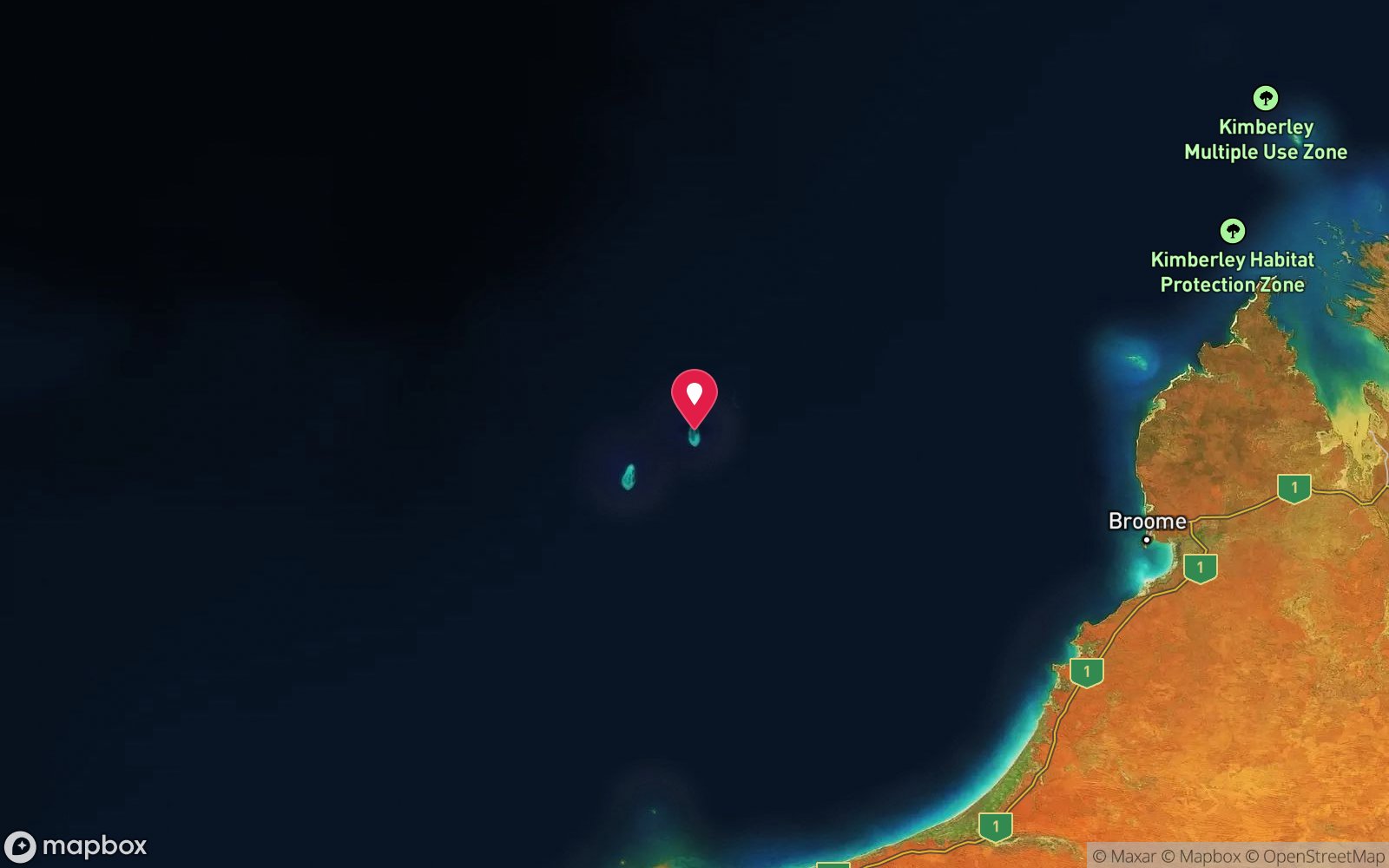
25. Rowley Shoals · WA
Blue Lagoon (Clerke Reef)
14 species recorded · Sheltered lagoons with walls, coral heads and 40 m visibility — the Rowleys' easy classic.
26. Albany & Great Southern · WA
Bremer Bay – Fishery Beach & Glasse Island
14 species recorded · Granite coves and islands around Bremer Bay's entrance with sponge gardens, seadragons and sea lions.
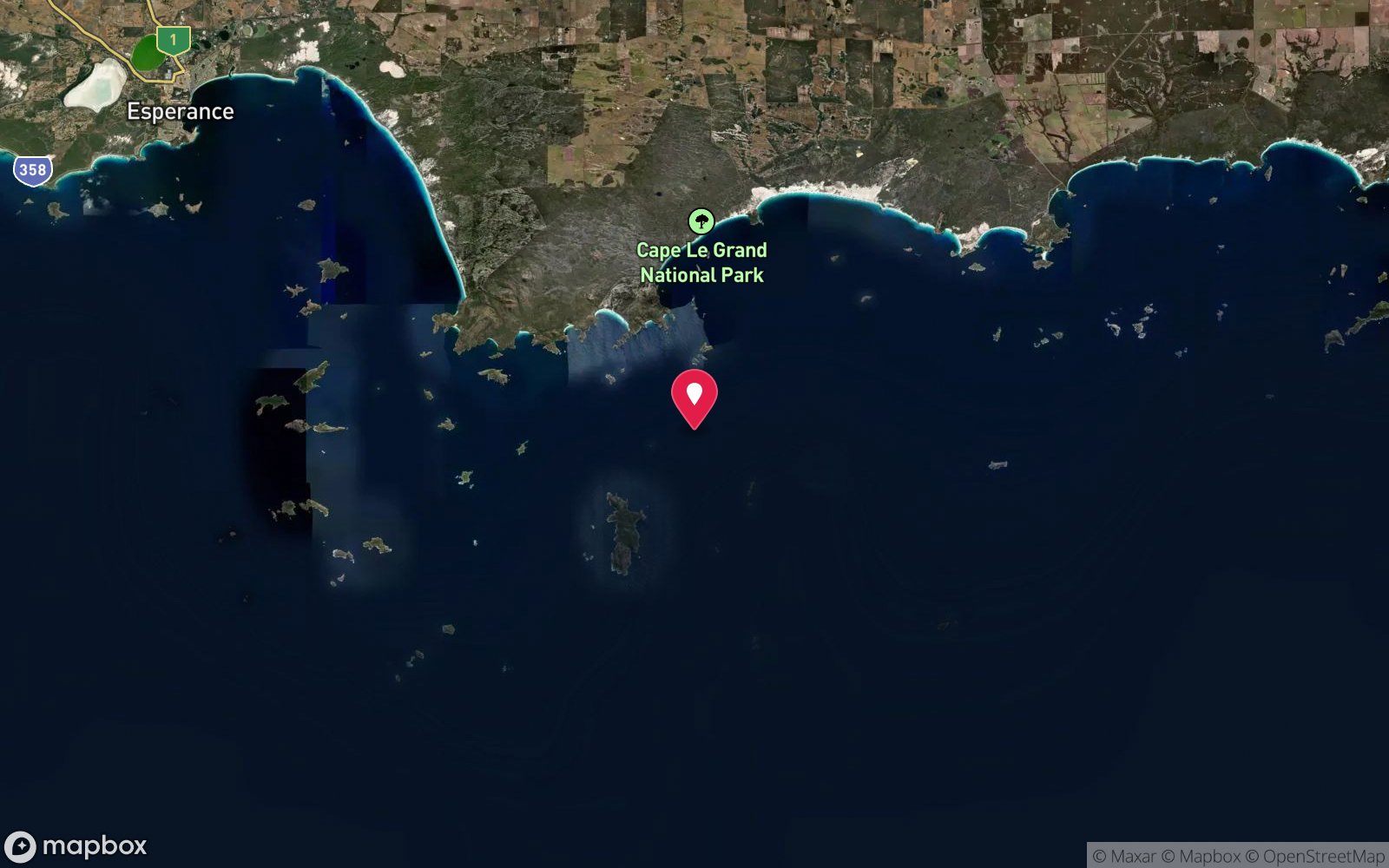
27. Esperance & Recherche Archipelago · WA
Remark Island & Frederick Island
14 species recorded · Sheltered granite with seals on Remark's north side, a 50 m sponge and black coral wall on its south, and Frederick Island's granite dome.
28. Albany & Great Southern · WA
Two Peoples Bay
14 species recorded · Easy, uncrowded shore diving on granite reef and seagrass inside a scenic nature reserve, with leafy sea dragons and good night diving.
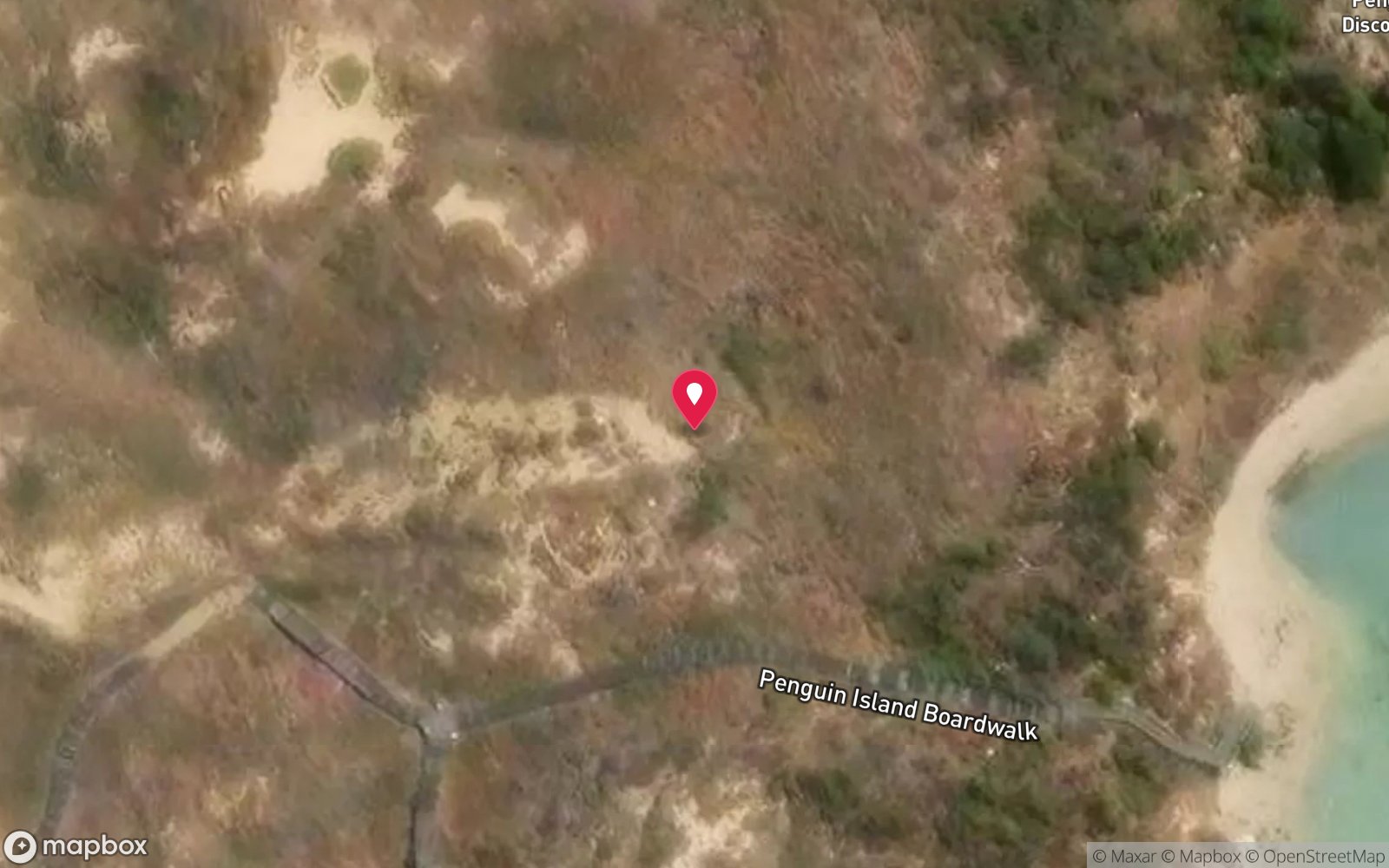
29. Perth · WA
Penguin Island
13 species recorded · A snorkel trail and low limestone reefs around WA's largest little penguin colony, with sea lions and dolphins regularly nearby.
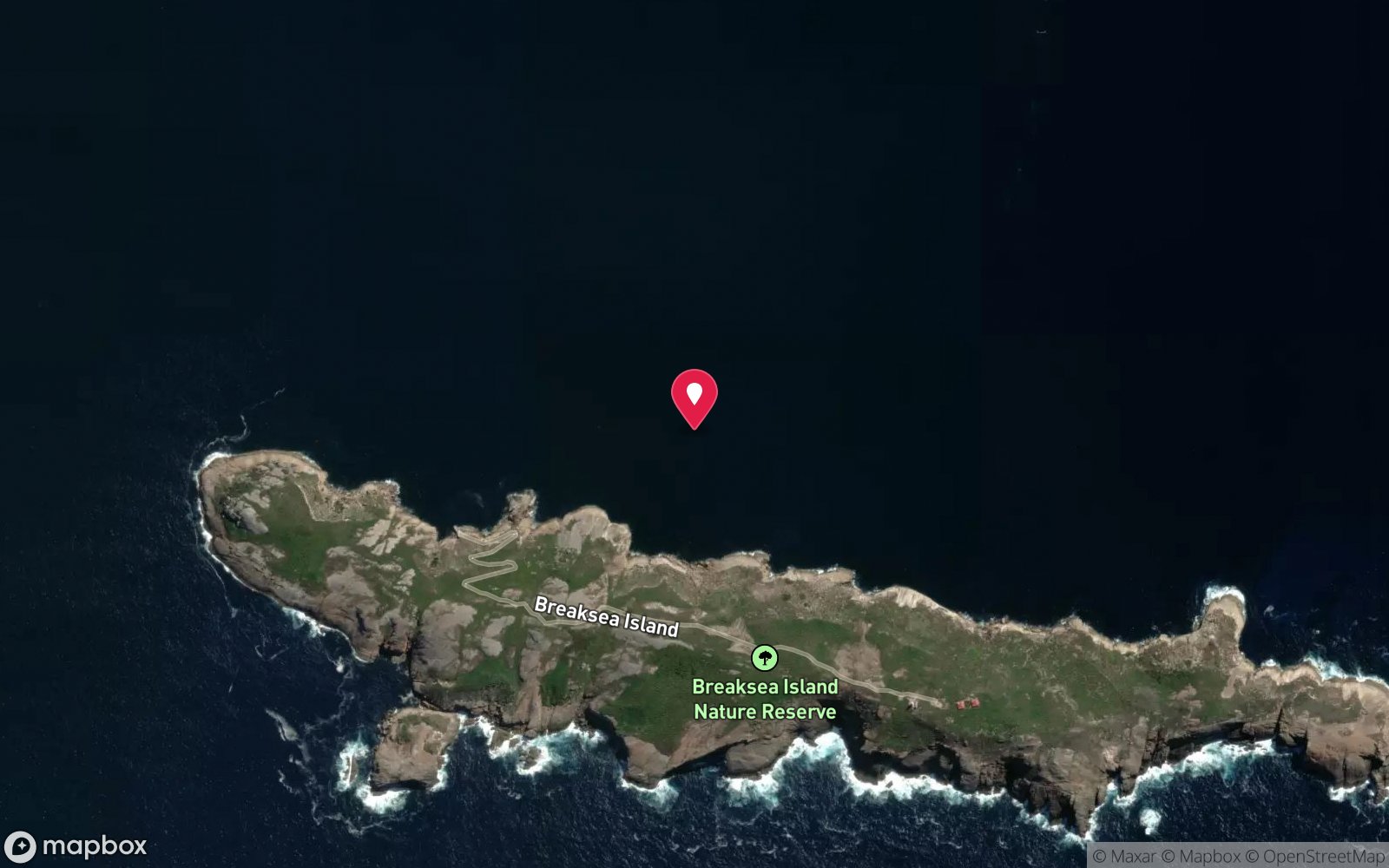
30. Albany & Great Southern · WA
The Cables (Breaksea Island)
13 species recorded · Tall granite bommies with large fans and plate corals under Breaksea lighthouse, with resident big blue groper.
The guide
Counting species
The ranking counts the species and groups recorded in each site's marine-life entry, which favours sites that have been surveyed and written about carefully. That is a reasonable proxy for biodiversity, and it produces a list that experienced divers will recognise: the great macro piers of Victoria and South Australia, the subtropical convergence sites of southern Queensland where tropical and temperate species overlap, and the pinnacles of the Ribbon Reefs.
It undercounts the Great Barrier Reef, where every outer-reef site has hundreds of species and the site records simply say 'reef fish, corals'. It also reflects the temperate south's real strength: southern Australia has the highest proportion of endemic marine species of any temperate coast on earth, and the sponge gardens of Port Phillip and the gulfs are where they live.
Where the overlap is
The subtropical coast from the Gold Coast to the Sunshine Coast and around to Bundaberg is the biodiversity sweet spot for a visiting diver. The East Australian Current brings tropical species south; the temperate species reach north; and structures like the Brisbane, the Seaway walls and Wonder Reef give them all somewhere to live. Winter brings grey nurse sharks and clear water, summer brings mantas and leopard sharks, and the macro life is there all year.
Editorial last reviewed September 2026. The list itself is regenerated from the directory daily.
Frequently asked questions
Which Australian dive site has the most marine life?
By recorded species, the temperate sponge-garden and pier sites (Fly Point, Blairgowrie, Edithburgh) and the subtropical islands (Julian Rocks, the Solitaries) lead, alongside the Great Barrier Reef's best bommies.
More rankings
- The 25 Deepest Dive Sites in Australia
- Australia's Most Remote Dive Sites
- The Longest Boat Rides to a Day Dive
- The Warmest Dive Sites in Australia
- The Coldest Dive Sites in Australia
- Australia's Clearest-Water Dive Sites
- The Oldest Shipwrecks You Can Dive in Australia
- WWII and Wartime Wrecks You Can Dive in Australia
- All rankings →