Dive slate · divesites.com.au · printed 7 Nov 2026
Lucky Bay (Cape Le Grand)
Esperance & Recherche Archipelago, Western Australia · near Esperance
| Depth | 1–10 m |
|---|---|
| Minimum level | Snorkel/Any |
| Difficulty | Beginner |
| Access | Shore |
| Entry | Beach entry (2WD beach driving possible at the western end) |
| Current | Mild |
| Visibility | 10-20 m |
| Water | summer 19-21 °C, winter 15-16 °C |
| Suit | 5-7 mm wetsuit |
| Best season | Summer and autumn (December-May) |
| Bottom time | 50 min |
| Position | -33.99300, 122.23000 (approximate) |
| Permit | Cape Le Grand National Park – park entry fee; no marine park zoning. |
| Nearest chamber | Fiona Stanley Hospital Hyperbaric Medicine Unit (Murdoch, Perth) – about 720 km; aeromedical evacuation (RFDS) from Esperance Hospital |
| Emergency | 000 · DAN Asia-Pacific diving emergency 1800 088 200 |
Lucky Bay (Cape Le Grand)
Also known as Lucky Bay Esperance
An iconic white-sand bay with kangaroos on the beach, calm water and granite reef at its western end.
Near Esperance · Esperance & Recherche Archipelago, Western Australia
- Depth
- 1–10 m
- Minimum level
- Snorkel/Any
- Access
- Shore
- Boat ride
- Shore entry
- Water
- 19-21 °C
- Visibility
- 10-20 m
Lucky Bay (Cape Le Grand)1–10 m · Snorkel/Any · Shore
Dive factsDepths, conditions, location & safety
Season
Off-peak nowBest months: January, February, March, April, May, December.
Dive facts
- Depth
- 1–10 m
- Typical depth
- 4 m
- Certification
- Snorkel/Any
- Difficulty
- Beginner
- Depth tier
- Easy (0–10 m)
- Access
- Shore
- Dive centre needed
- No – independently diveable
- Shore / independent
- Yes
- Current
- Mild
- Visibility
- 10-20 m
- Water temp (summer)
- 19-21 °C
- Water temp (winter)
- 15-16 °C
- Water
- Temperate
- Bottom time
- 50 min
- Dive traffic
- Moderate (occasional charters/club dives)
- Night dive
- No
- Snorkel friendly
- Yes
Exposure suit
5-7 mm wetsuit
Location
Cape Le Grand National Park · Esperance – Cape Le Grand & East
-33.99300, 122.23000
Approximate position — not for navigation.
Open in Google MapsPrimary source: exploreparks.dbca.wa.gov.auMarine park & permits
Cape Le Grand National Park – park entry fee; no marine park zoning.
Nearest recompression chamber
Fiona Stanley Hospital Hyperbaric Medicine Unit (Murdoch, Perth) – about 720 km; aeromedical evacuation (RFDS) from Esperance Hospital
Diving emergency: call 000, then DAN AP 1800 088 200.
Trip planner
Build a trip around Lucky Bay (Cape Le Grand) →
A day-by-day plan for Esperance & Recherche Archipelago with this site locked in.
This guide is a planning aid. Conditions change daily — confirm with a local dive centre and dive within your training. Data & safety notes.
Dive profile
How this site rates
Scores are computed from the recorded data, not opinions. How?
At a glance
Lucky Bay (Cape Le Grand) is a shore / rock platform shore dive you can do independently in Esperance & Recherche Archipelago, WA, 1–10 m, suitable for snorkellers and first-time divers.
Rated beginner: sheltered, shallow and manageable for a newly certified diver on a normal day.
Why dive here
- An iconic white-sand bay with kangaroos on the beach, calm water and granite reef at its western end.
- Snorkel-friendly, so non-diving companions can join at the surface.
- Visibility often reaches 10-20 m.
Conditions to avoid
- Strong southerly or south-east swell and wind
- Strong westerlies
About Lucky Bay (Cape Le Grand)
Lucky Bay is one of Australia's most photographed beaches – a 5 km sweep of very fine white sand and turquoise water in Cape Le Grand National Park, about an hour east of Esperance, where western grey kangaroos regularly laze on the beach. Matthew Flinders named it in 1802 after finding shelter here from a storm while charting the Recherche Archipelago in HMS Investigator.
The bay is sheltered and generally calm, which makes it good for swimming and snorkelling, and for launching small boats to explore nearby islands. The underwater interest is concentrated at the western end, where the granite headland continues underwater as boulders and ledges with kelp, sponges and coralline algae. Herring, sweep, old wives, wrasse, scalyfin and leatherjackets are common, with stingrays, eagle rays and schools of Australian salmon over the sand in autumn, and dolphins frequently cruise the bay. The broad sand and seagrass areas are good for spotting rays, flathead and cuttlefish.
For scuba divers, Lucky Bay is a relaxed shore dive rather than a destination site – depths are modest and the reef is limited – but it is an excellent option for divers camping in the national park who want an easy dive or snorkel close to camp. The DBCA campground has hot showers and toilets and is very popular, so book ahead.
The park has several other bays within a short drive: Thistle Cove, a granite-framed cove with sheltered snorkelling; Hellfire Bay, with its striking granite and picnic facilities; and Le Grand Beach. On calm days, divers with boats can explore the Recherche islands just offshore.
Getting there & entry
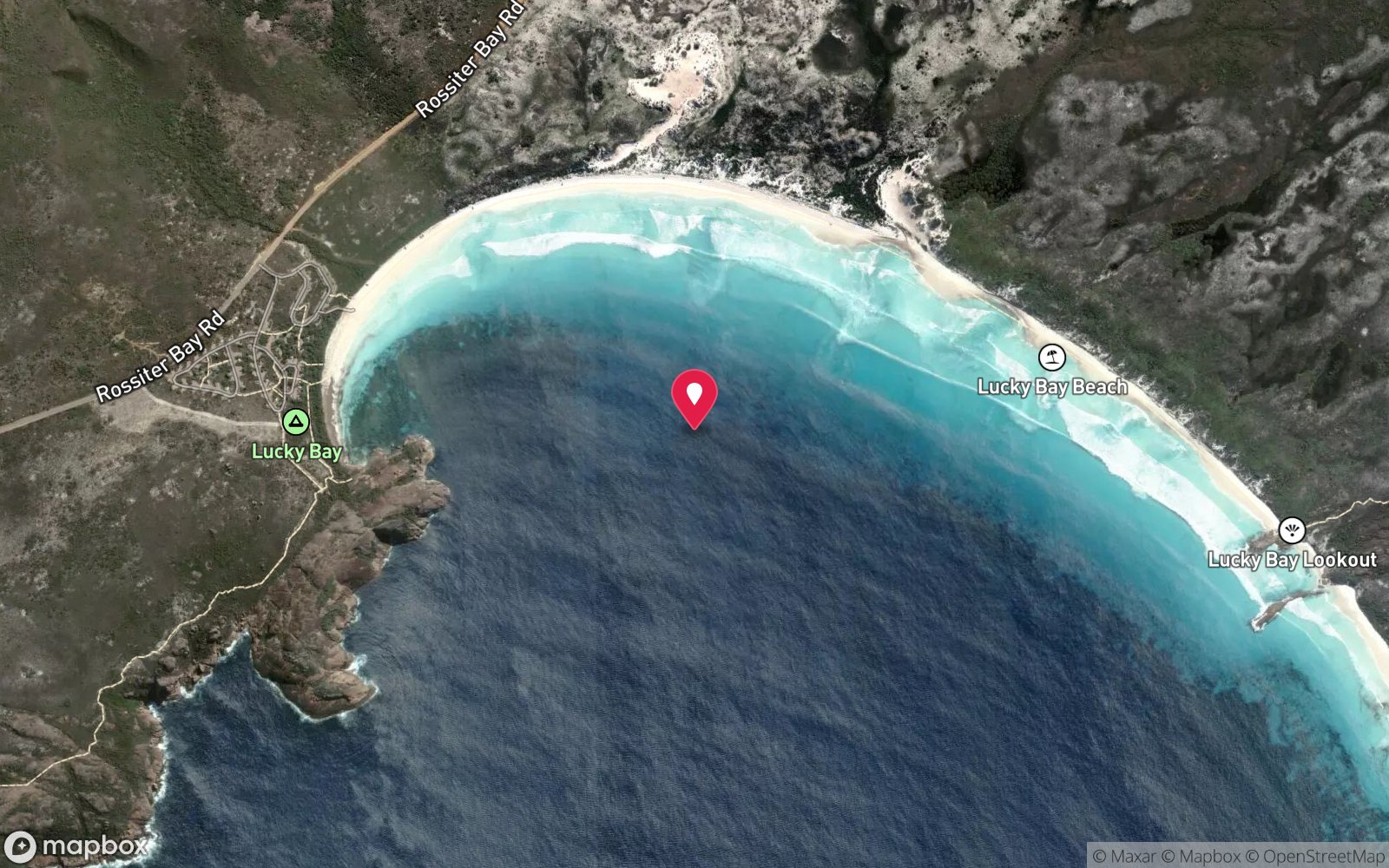
Five-kilometre crescent of white sand in Cape Le Grand National Park, 60 km east of Esperance, famous for kangaroos on the beach; sheltered water with granite reef at the western end.
From Esperance drive east on Fisheries Road and Merivale Road, then turn onto Cape Le Grand Road into Cape Le Grand National Park (about 55-65 km, 50-60 minutes, all sealed). Park entry fees apply (DBCA pass or day fee at the entry station). Follow the park road to Lucky Bay, about 64 km from Esperance.
The campground and day-use area are at the western end, with parking beside the beach; 2WD vehicles can drive on the firm beach sand here, but check conditions with rangers – vehicles bog easily elsewhere. Enter from the beach near the campground and snorkel toward the granite at the western end of the bay. Small boats can be launched off the beach.
Entry: Beach entry (2WD beach driving possible at the western end)
Facilities: DBCA campground (bookable) with hot showers, toilets, gas barbecues and camp kitchen; day-use parking; small-boat beach launching; kiosk/van in season. Park fees apply. Nearest air fills in Esperance (64 km).
Weather, swell & tides
Cape Le Grand's bays face south and east toward the Recherche islands, which break some of the Southern Ocean swell. Westerly and north-westerly winds are offshore and calm the bays; strong south-easterly sea breezes (most summer afternoons) and the 'Esperance Doctor' easterlies make them choppy and cloudy. Winter south-westerly swells produce surf in the more exposed bays.
Lucky Bay faces south-east and is described by DBCA as a sheltered bay ideal for swimming and small-boat launching; it is calmest in westerly weather and early mornings. South-easterly winds bring chop onto the beach. The bay was named by Matthew Flinders in 1802 after he sheltered here in a storm.
Best season: Summer and autumn (December-May)
If it's blown out
Sheltered or shore sites within 25 km that often work when Lucky Bay (Cape Le Grand) doesn't.
- Thistle Cove (Cape Le Grand) · 2 km · Max 8 m
- Hellfire Bay (Cape Le Grand) · 7 km · Max 8 m
- Woody Island (Recherche Archipelago) · 20 km · Max 10 m
How the dive is usually run
Enter from the beach near the campground, snorkel or dive out to the granite boulders at the western end, follow the reef edge where it meets the sand at 4-10 m, then return along the shallows.
Marine life
- Herring
- sweep
- old wives
- wrasse
- scalyfin
- leatherjackets
- stingrays
- eagle rays
- Australian salmon (autumn)
- dolphins
- cuttlefish →
- flathead
- kelp
- seagrass
Linked species have their own page listing every site where they are recorded. All marine life →
Training required
Shallow enough for snorkellers and for a first dive under supervision. Any certified diver can dive it.
Depth tiers: 0–10 m easy · to 18 m Open Water · 18–30 m Advanced (25 m+ is a deep dive) · 30–40 m Deep specialty · 40 m+ technical. All courses
Hazards & warnings
Vehicles bog easily on the beach – check with rangers; 1080 baiting – no pets; exposed to south-easterly winds; unpatrolled; remote – carry a PLB.
Dive centres that go here
No dive operator; independent snorkelling and diving. Esperance Diving & Fishing (Esperance) provides air and advice.
Operators recorded for Lucky Bay (Cape Le Grand)
Other dive centres in Esperance & Recherche Archipelago
Perth Scuba
ProfiledCanning Vale · Perth · WA
One of the most fully documented operations in Western Australia, covering recreational, professional, technical and freediving training alongside substantial equipment facilities.
perthscuba.com · (08) 9455 4448
Woody Island Eco Tours
Named by sitesEsperance · Esperance & Recherche Archipelago · WA
Island eco tours/ferry and camping; not a dive shop.
woodyisland.com.au · 0484 327 580
Map
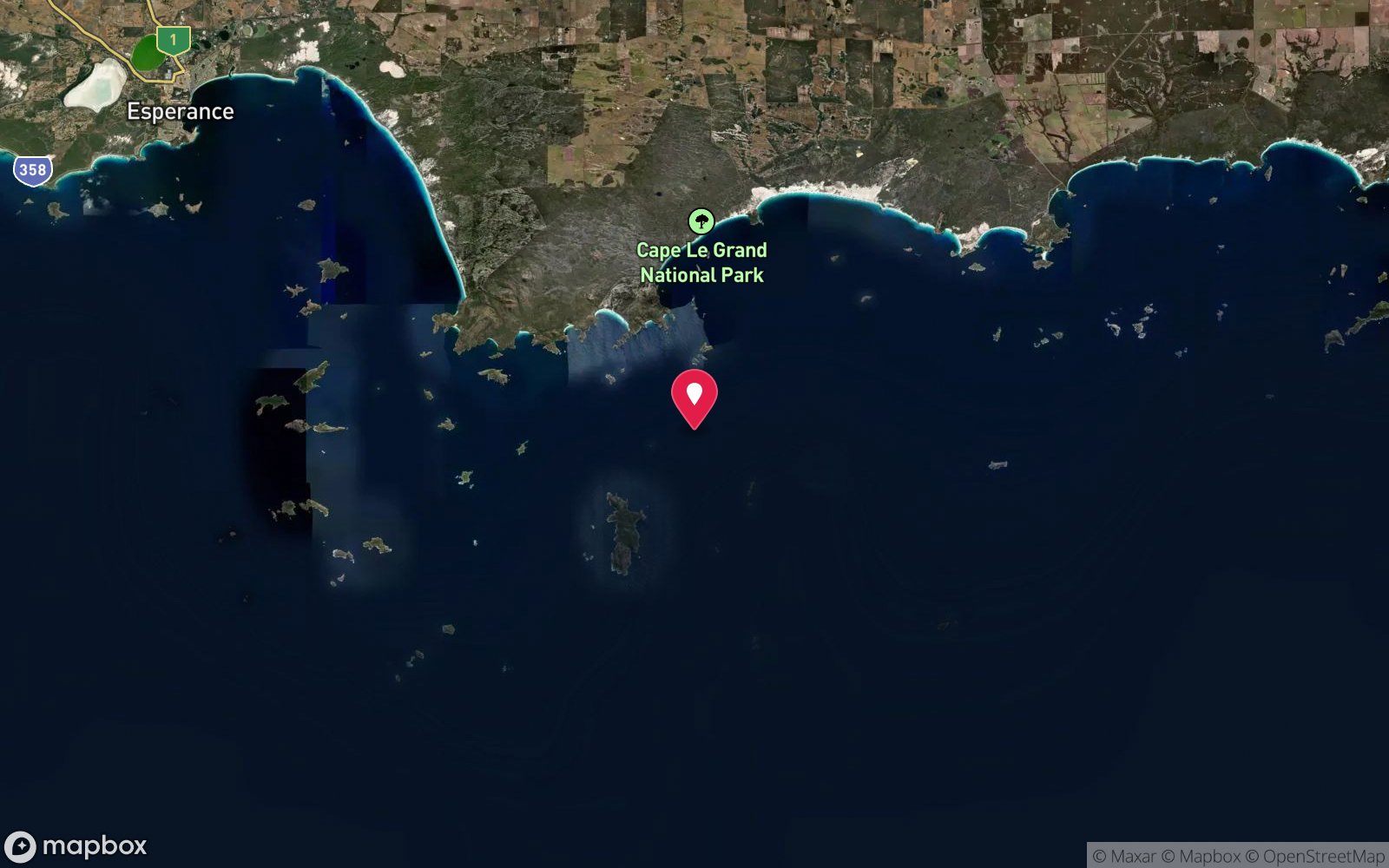
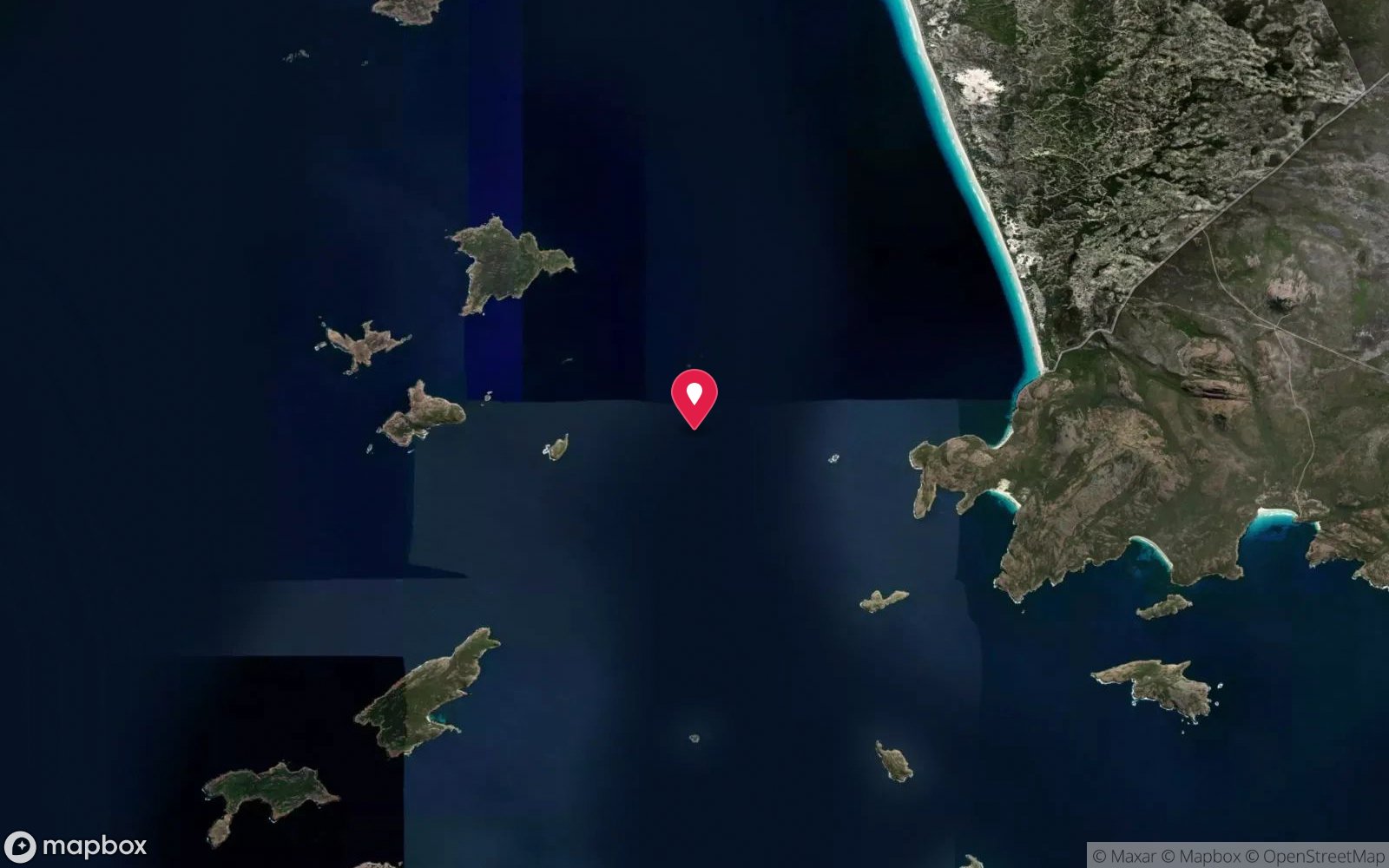
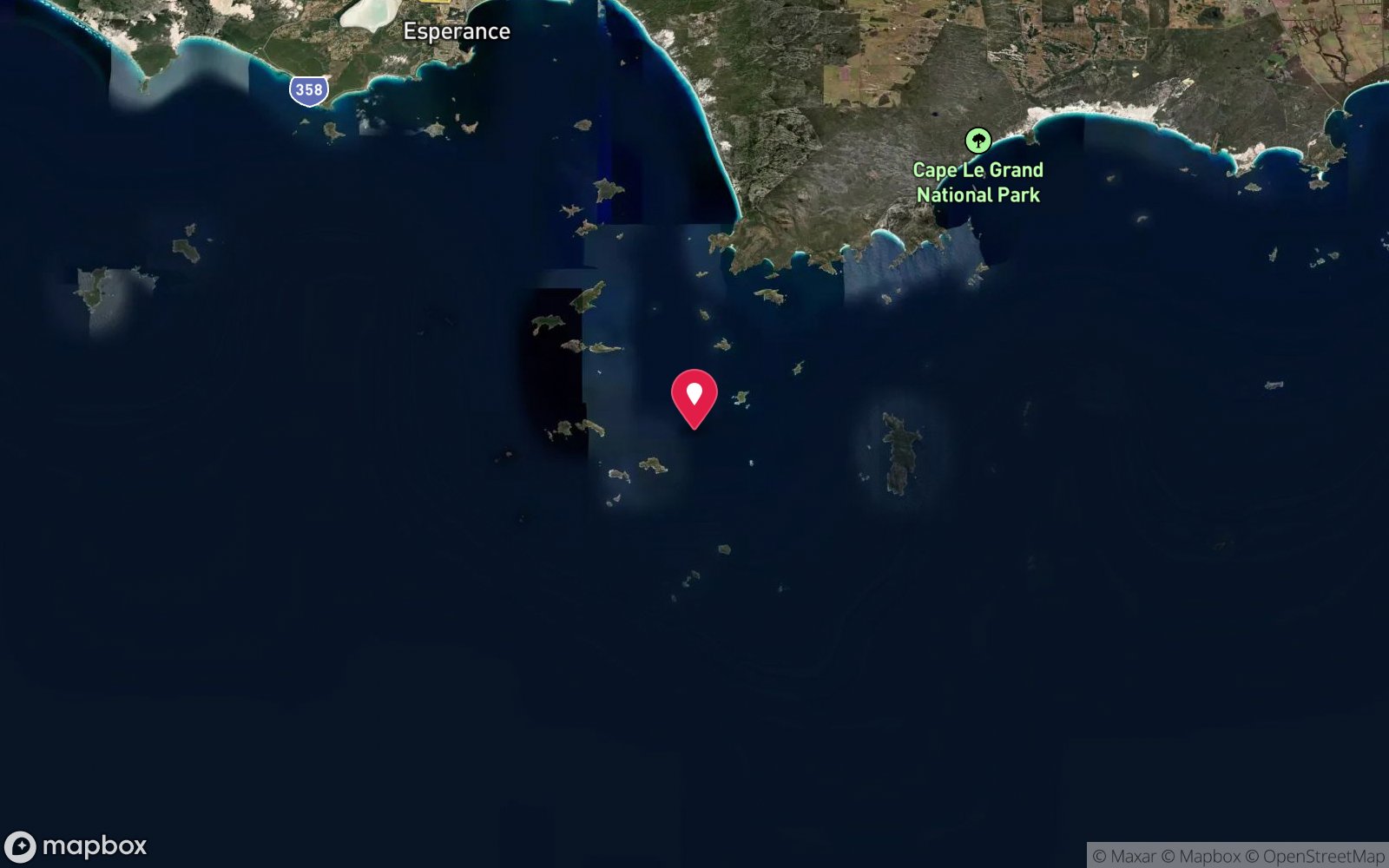
7 pinned sites. Pins marked approximate on their pages show the general area only; not for navigation.
Satellite views
Lucky Bay (Cape Le Grand): frequently asked questions
How deep is Lucky Bay (Cape Le Grand)?
Lucky Bay (Cape Le Grand) reaches a maximum depth of 10 m, with the shallowest part at about 1 m; most of the dive is spent around 4 m.
What certification do I need to dive Lucky Bay (Cape Le Grand)?
No certification is needed to snorkel it, and it suits introductory dives. Rated beginner: sheltered, shallow and manageable for a newly certified diver on a normal day.
Can I shore dive Lucky Bay (Cape Le Grand)?
Yes. Lucky Bay (Cape Le Grand) is a shore dive that can be done independently: beach entry (2WD beach driving possible at the western end).
When is the best time to dive Lucky Bay (Cape Le Grand)?
Summer and autumn (December-May).
What marine life will I see at Lucky Bay (Cape Le Grand)?
Regularly recorded: Herring, sweep, old wives, wrasse, scalyfin, leatherjackets, stingrays, eagle rays, Australian salmon (autumn), dolphins, cuttlefish, flathead and more.
What wetsuit do I need at Lucky Bay (Cape Le Grand)?
5-7 mm wetsuit.
How cold is the water at Lucky Bay (Cape Le Grand)?
Typically 19-21 °C in summer and 15-16 °C in winter.
What are the main hazards at Lucky Bay (Cape Le Grand)?
Vehicles bog easily on the beach – check with rangers; 1080 baiting – no pets; exposed to south-easterly winds; unpatrolled; remote – carry a PLB. See the hazards section above for the full list.
Where is the nearest recompression chamber to Lucky Bay (Cape Le Grand)?
Fiona Stanley Hospital Hyperbaric Medicine Unit (Murdoch, Perth) – about 720 km; aeromedical evacuation (RFDS) from Esperance Hospital. In an emergency call 000, then DAN Asia-Pacific on 1800 088 200.
Diving in Esperance & Recherche Archipelago
Esperance's Recherche Archipelago has more than 100 granite islands in clear Southern Ocean water: sea lions, fur seals, leafy seadragons, kelp and the Sanko Harvest wreck, the largest diveable wreck in Australia, in 12–40 m. It is spectacular and dived by very few.
Getting there: Eight hours from Perth or a flight to Esperance. Local charters when demand allows; the town beaches and Woody Island have shore diving.
All Esperance & Recherche Archipelago dive sites and a suggested itinerary →
Sources
Data confidence: Medium · Being verified: Flinders naming history from general knowledge; confirm.. Last updated September 2026. Know this site better? How to send a correction
Nearby dive sites
More shore dives in Western Australia
Explore more
This region
Similar dives