Ranked by how many distinct species or groups are recorded for each site in this directory. It rewards the thoroughly surveyed sites, the Nelson Bay sponge gardens, the Mornington piers, Julian Rocks and the Solitary Islands, as much as the tropical reefs.
Updated daily from the directory. 30 sites listed.
1. Sydney South & Botany Bay · NSW
North Bondi (Ben Buckler Point)
21 species recorded · Reliable weedy seadragons on the sand edge and a protected boat-ramp exit, under Sydney's most famous headland.
Shore/Rock PlatformMax 21 mBeginnerAdvanced Open WaterShore accessMore in Sydney South & Botany Bay →
2. Merimbula · NSW
Merimbula Wharf
20 species recorded · Easy shore dive with an exceptional critter list – sea dragons, seahorses, angel sharks and cuttlefish – beside an historic wharf.
3. Sydney South & Botany Bay · NSW
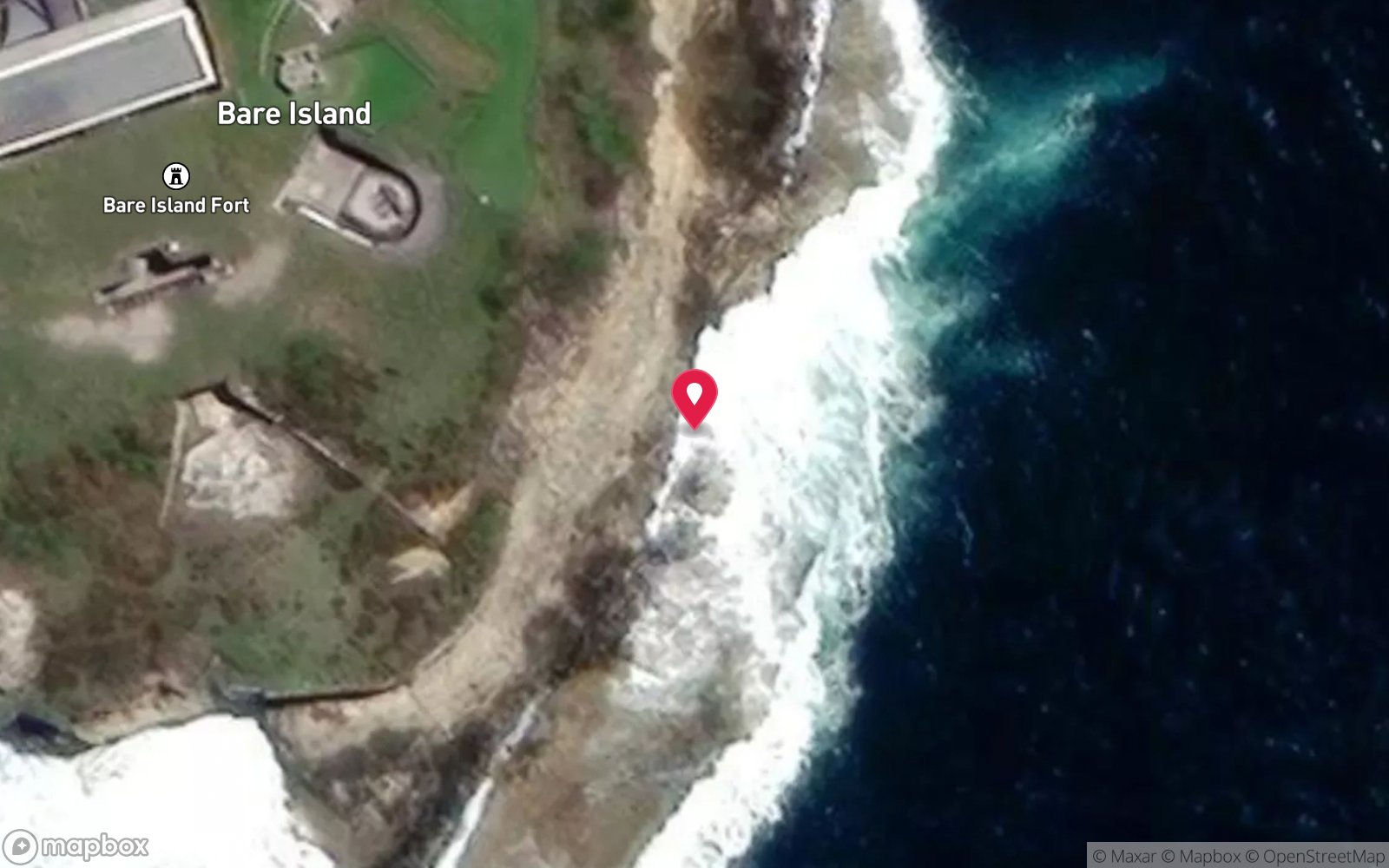
Bare Island
19 species recorded · Botany Bay's most-dived site: red Indianfish, pygmy pipehorses and sea dragons on the western side.
4. Sydney South & Botany Bay · NSW
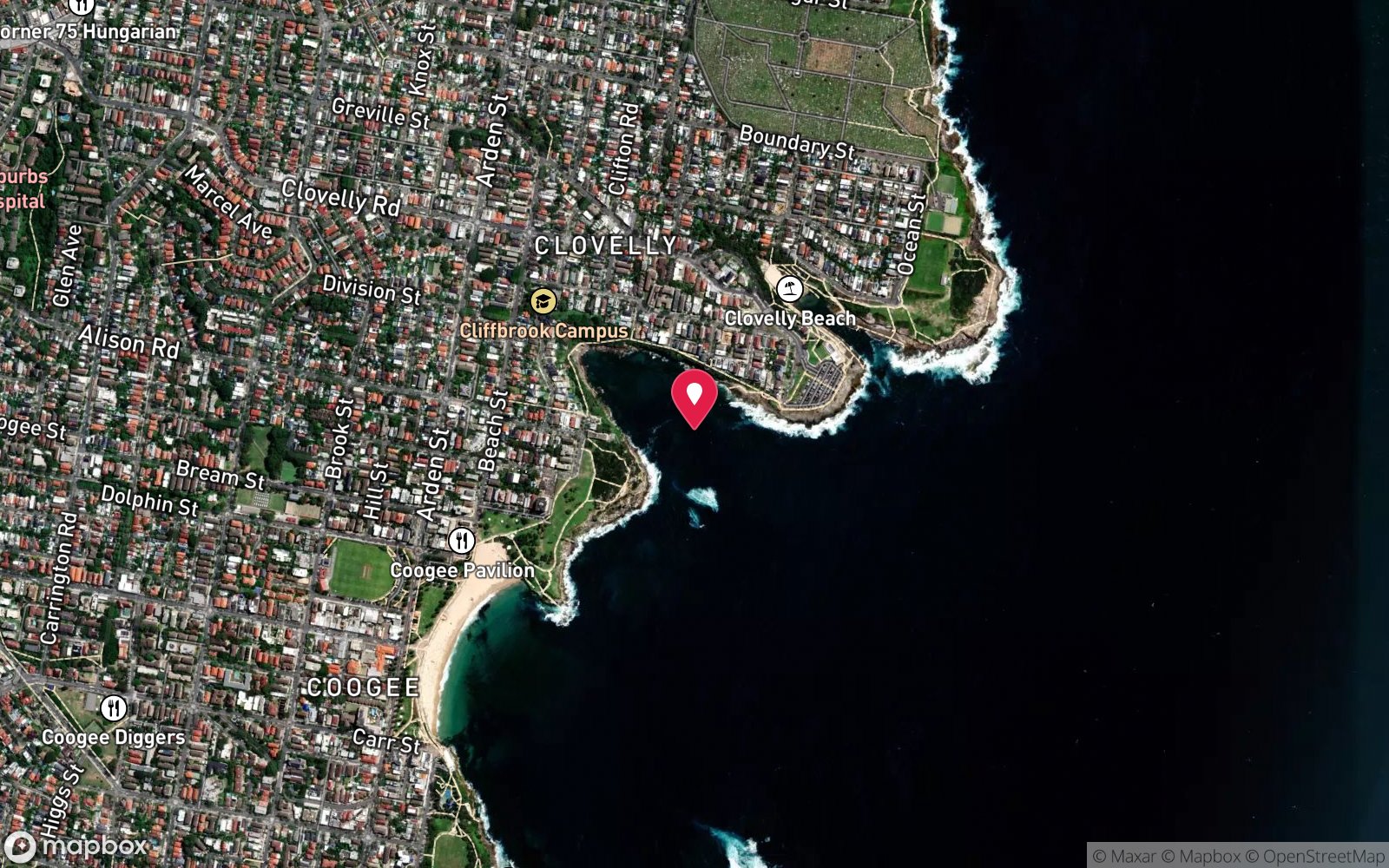
Gordons Bay
19 species recorded · Australia's first underwater nature trail – a 620 m chain loop around a sheltered bay that makes a foolproof training or night dive.
5. Sydney South & Botany Bay · NSW
The Steps (Kurnell)
19 species recorded · Sydney's definitive weedy seadragon dive – a sand edge at 10–15 m below superb boulder sponge gardens, opposite Bare Island.
6. Narooma & Montague Island · NSW
Narooma Bar Beach
19 species recorded · Sheltered, easy snorkel and dive with seahorses on the swimming net, diveable in almost any weather.
7. Sydney South & Botany Bay · NSW
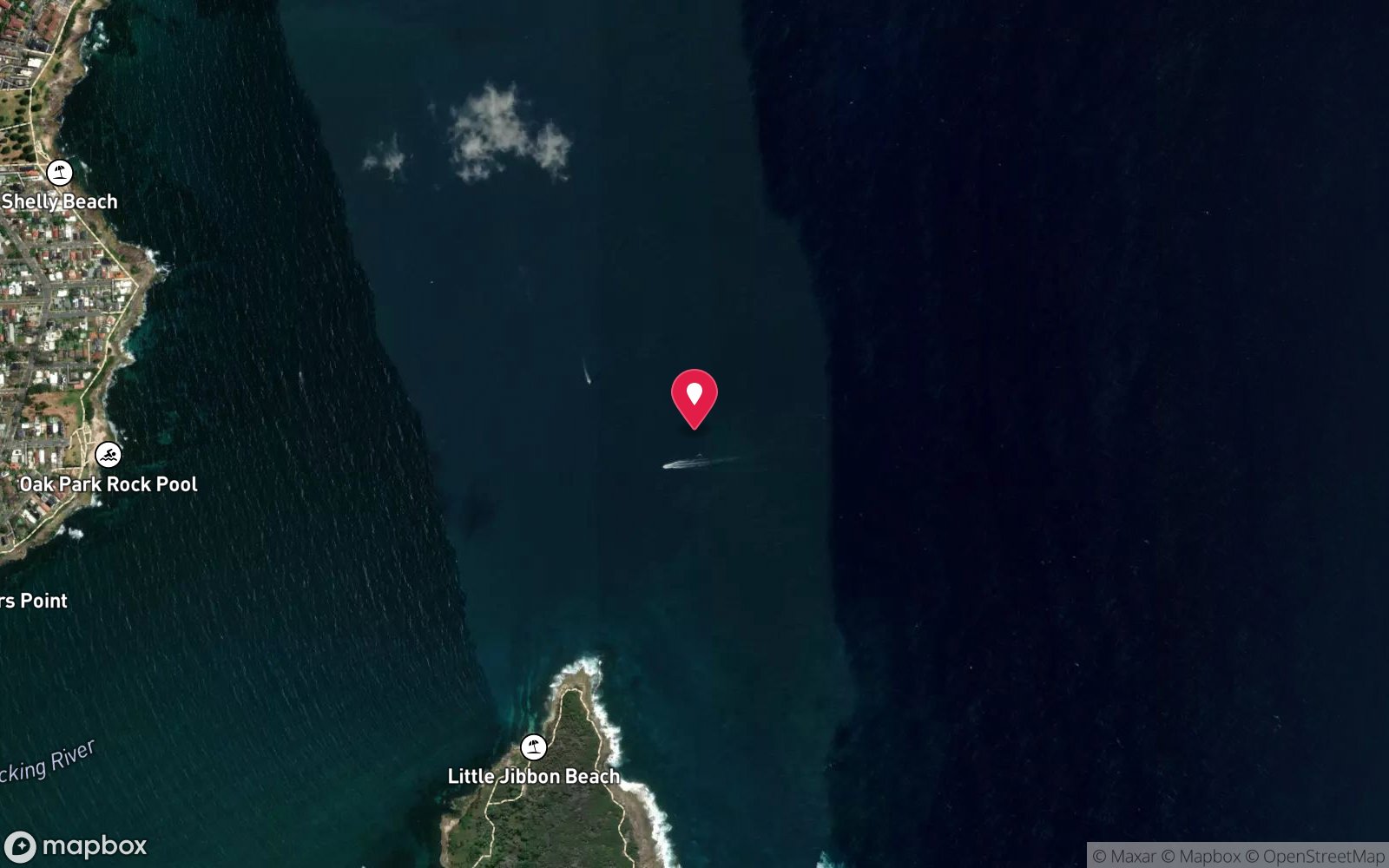
Six Fathom Reef (Port Hacking)
19 species recorded · Sheltered bad-weather reef at the mouth of Port Hacking with stepped walls and huge schools of pomfret and bullseyes.
8. Wollongong & Kiama · NSW
Bushrangers Bay
18 species recorded · Protected amphitheatre bay with sea dragons, pygmy pipehorses, cuttlefish and seasonal grey nurse sharks – a no-take aquatic reserve.
9. Sydney Harbour · NSW
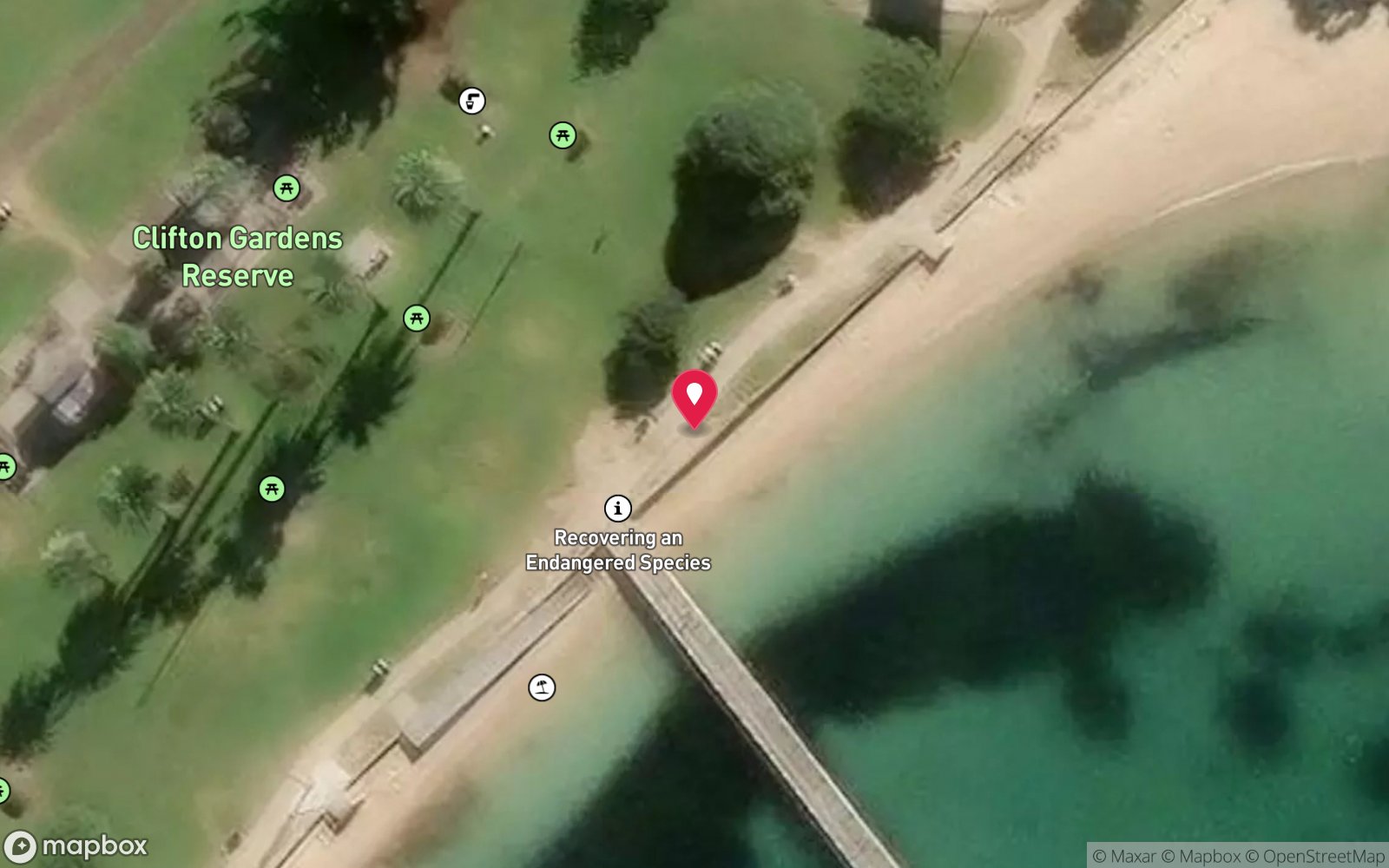
Chowder Bay / Clifton Gardens
18 species recorded · Seahorses, anglerfish and decorator crabs on every pile and net – Sydney's definitive muck and night dive, with a car park that is free after 8 pm.
10. Sydney Northern Beaches · NSW
Old Man's Hat (North Head)
18 species recorded · Sydney's finest sea-fan and sponge gardens with swim-throughs and canyons under North Head's hat-shaped rock, diveable when everything else is blown out.
11. Sydney South & Botany Bay · NSW
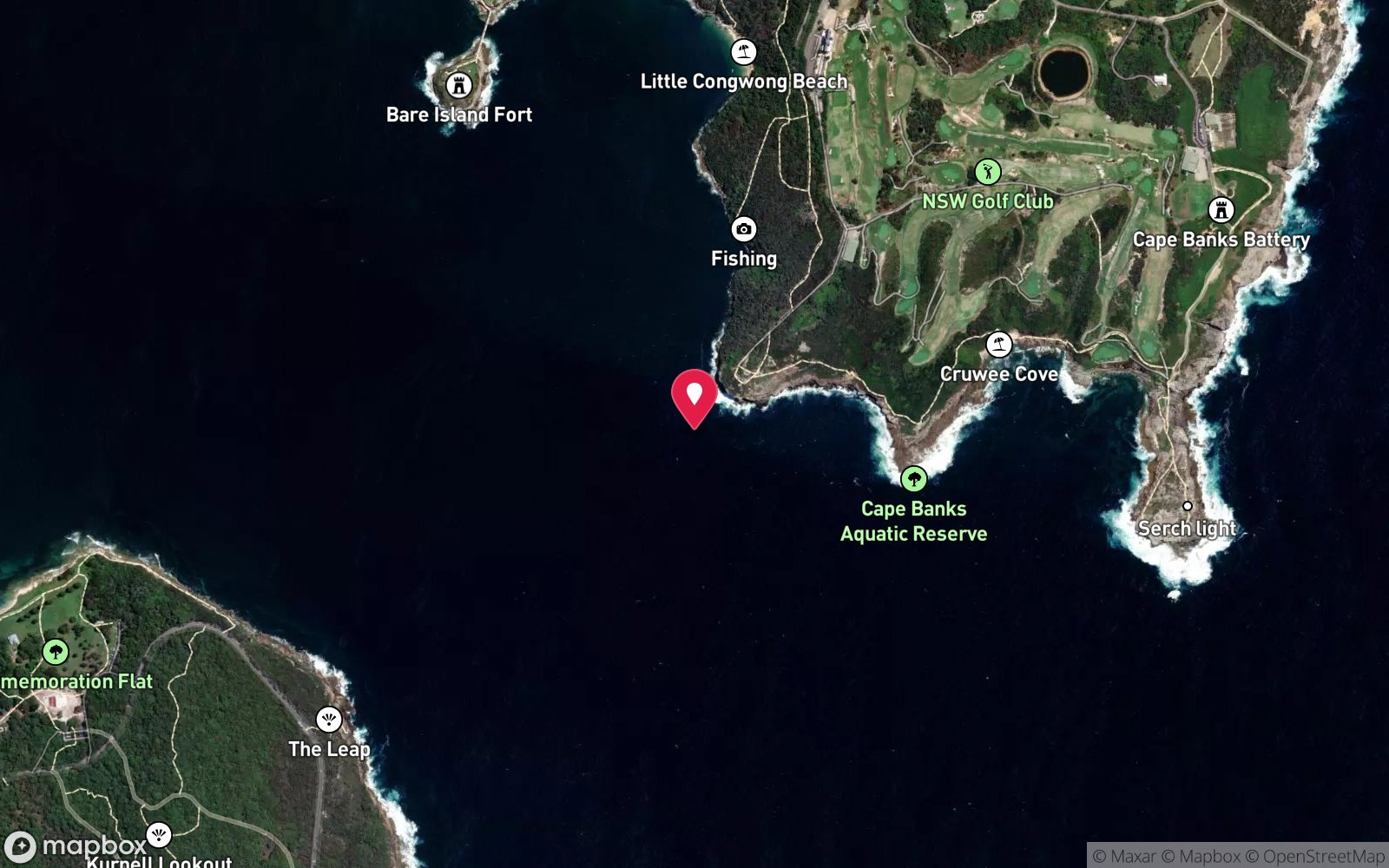
Henry Head (Botany Bay)
18 species recorded · Boulders, ledges and swim-throughs under some of Sydney's best sponge gardens, sheltered in a north-easterly and only 1 km from Bare Island.
12. Lord Howe Island · NSW
Rupert's Reef
18 species recorded · Compact pinnacle packed with Lord Howe endemics – doubleheaders, McCulloch's anemonefish – plus a resident green turtle.
13. Sydney South & Botany Bay · NSW
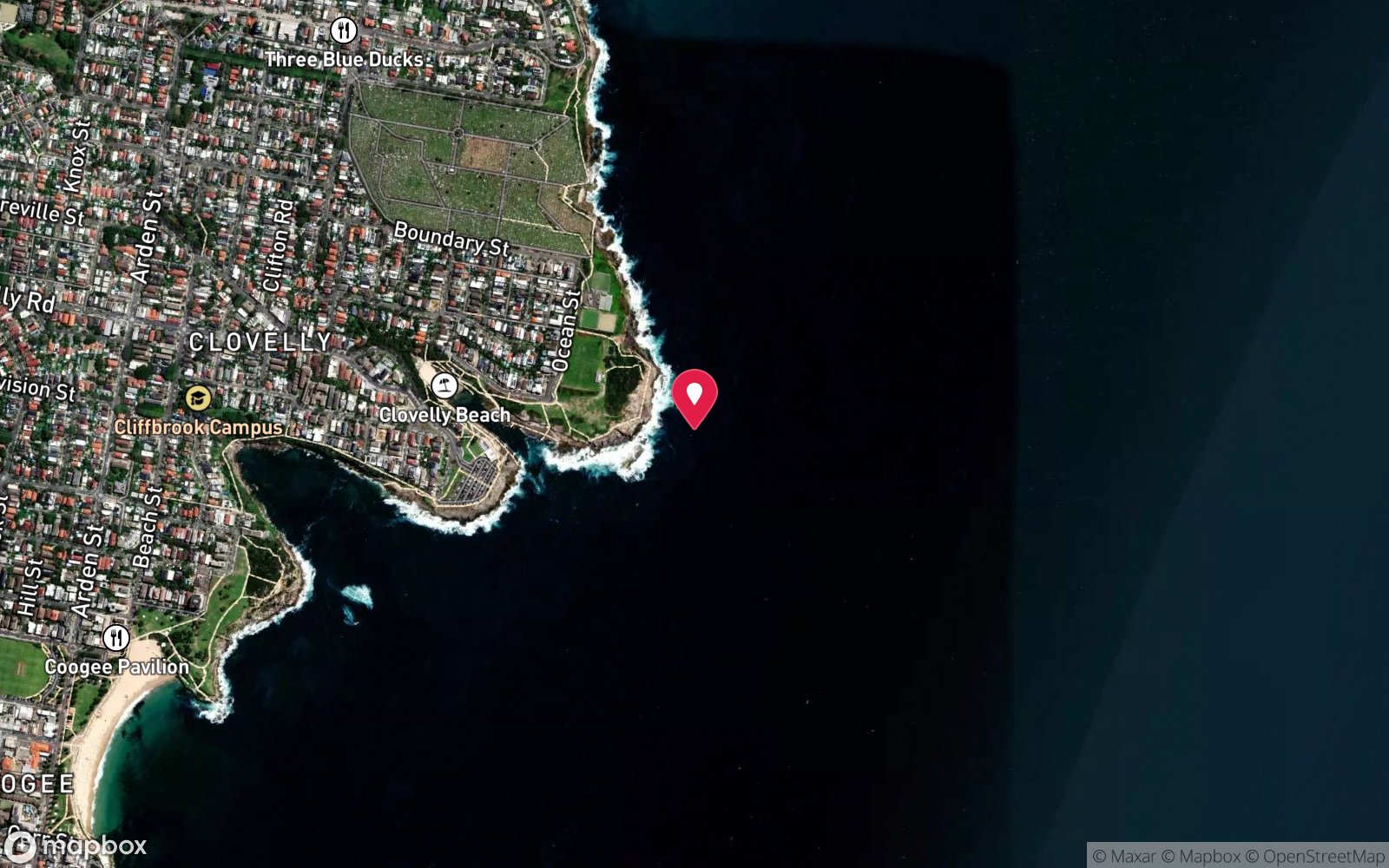
Shark Point (Clovelly)
18 species recorded · Boulder field, walls and a 26 m reef edge dense with sponge life, blue devils and seadragons – the best shore dive in the Bronte–Coogee reserve.
Shore/Rock PlatformMax 26 mAdvancedAdvanced Open WaterShore accessMore in Sydney South & Botany Bay →
14. Bermagui & Tathra · NSW
Tathra Wharf
18 species recorded · Thousands of colourful gorgonians on the reef north of an 1878 ocean wharf – regarded as the best gorgonian display south of the Great Barrier Reef.
15. Lord Howe Island · NSW
Balls Pyramid – Observatory Rock
18 species recorded · Drift through 5–8 m rock stacks and caves packed with lobsters, with Galapagos sharks circling on the safety stop and a chance of the rare Ballina angelfish.
16. Sydney South & Botany Bay · NSW
South Maroubra
18 species recorded · Belbowrie wreckage and old bottles among a boulder maze with more than fifty fish species, including Sydney's biggest dusky flathead.
17. Central Coast · NSW
5 Mile Reef (Terrigal)
18 species recorded · A deep offshore reef with sea whip gardens and clearer blue water, well away from the crowds.
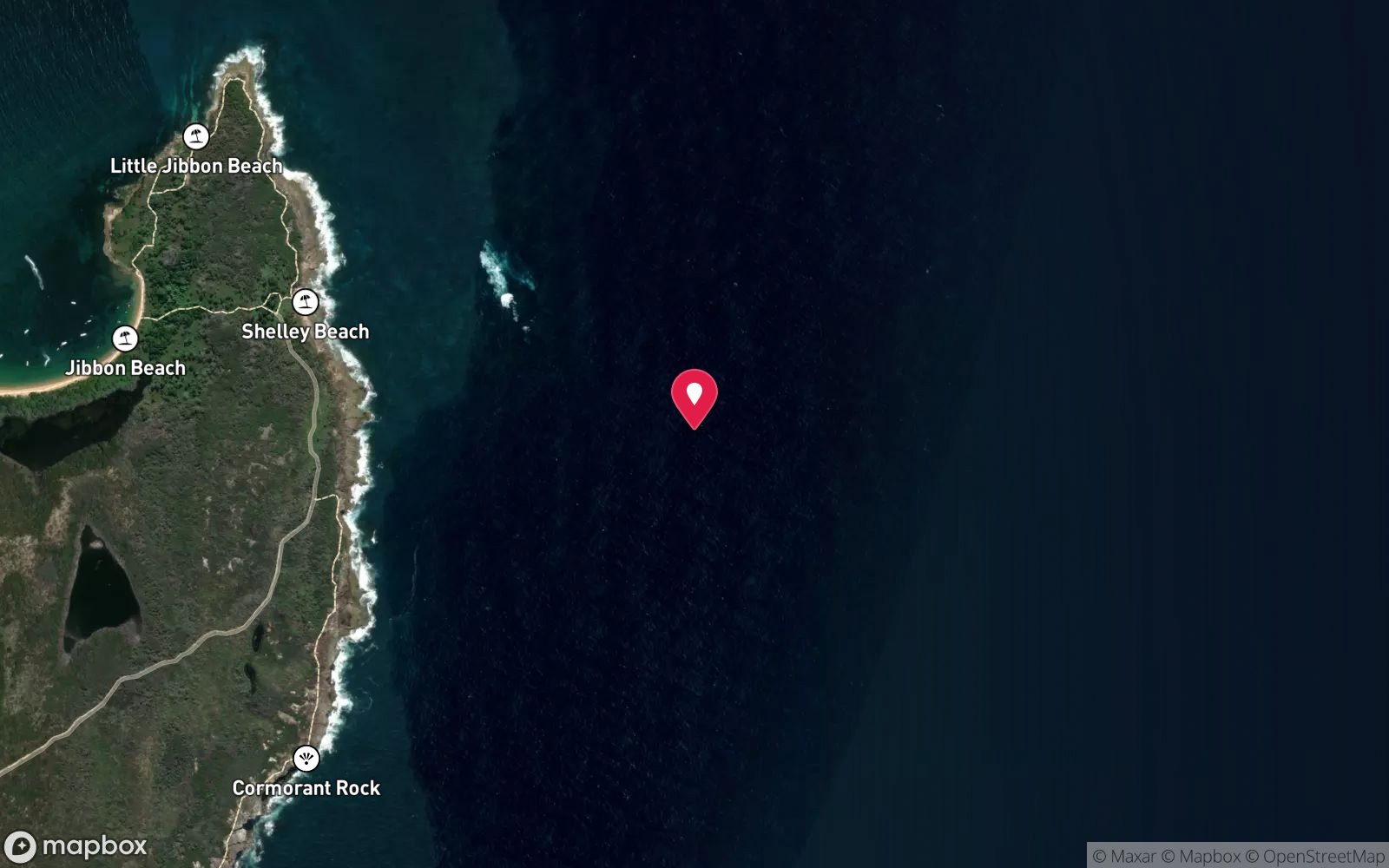
18. Sydney South & Botany Bay · NSW
Pizza Reef (Jibbon)
18 species recorded · The original 'fast-food' reef: a round figure-8 reef with overhangs all round, a central gully, colourful gorgonians and humpback whale bones.
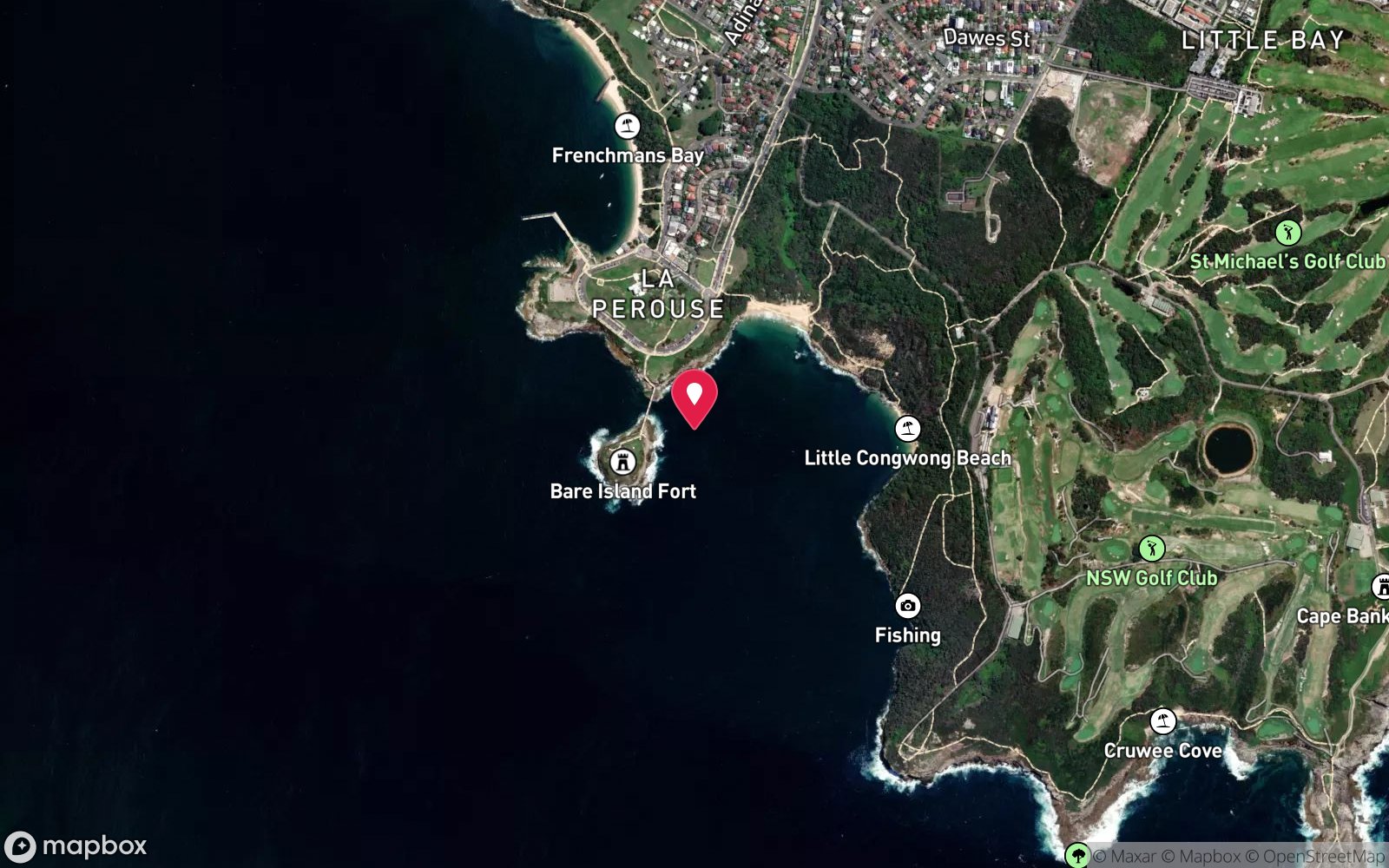
19. Sydney South & Botany Bay · NSW
Bare Island – Left (Eastern Side)
17 species recorded · The easiest Bare Island route – a 6–12 m reef edge with a canyon and cave, seadragons and pygmy pipehorses, ideal for training and night dives.
20. Sydney Northern Beaches · NSW
Bluefish Point
17 species recorded · A sponge-covered vertical wall from 5 to 22 m with cuttlefish, sea dragons, kingfish and seasonal grey nurse sharks, 15 minutes from Manly.
21. Lord Howe Island · NSW
Comet's Hole
17 species recorded · The easiest introduction to Lord Howe's fish – a coral-walled lagoon hole packed with endemics.
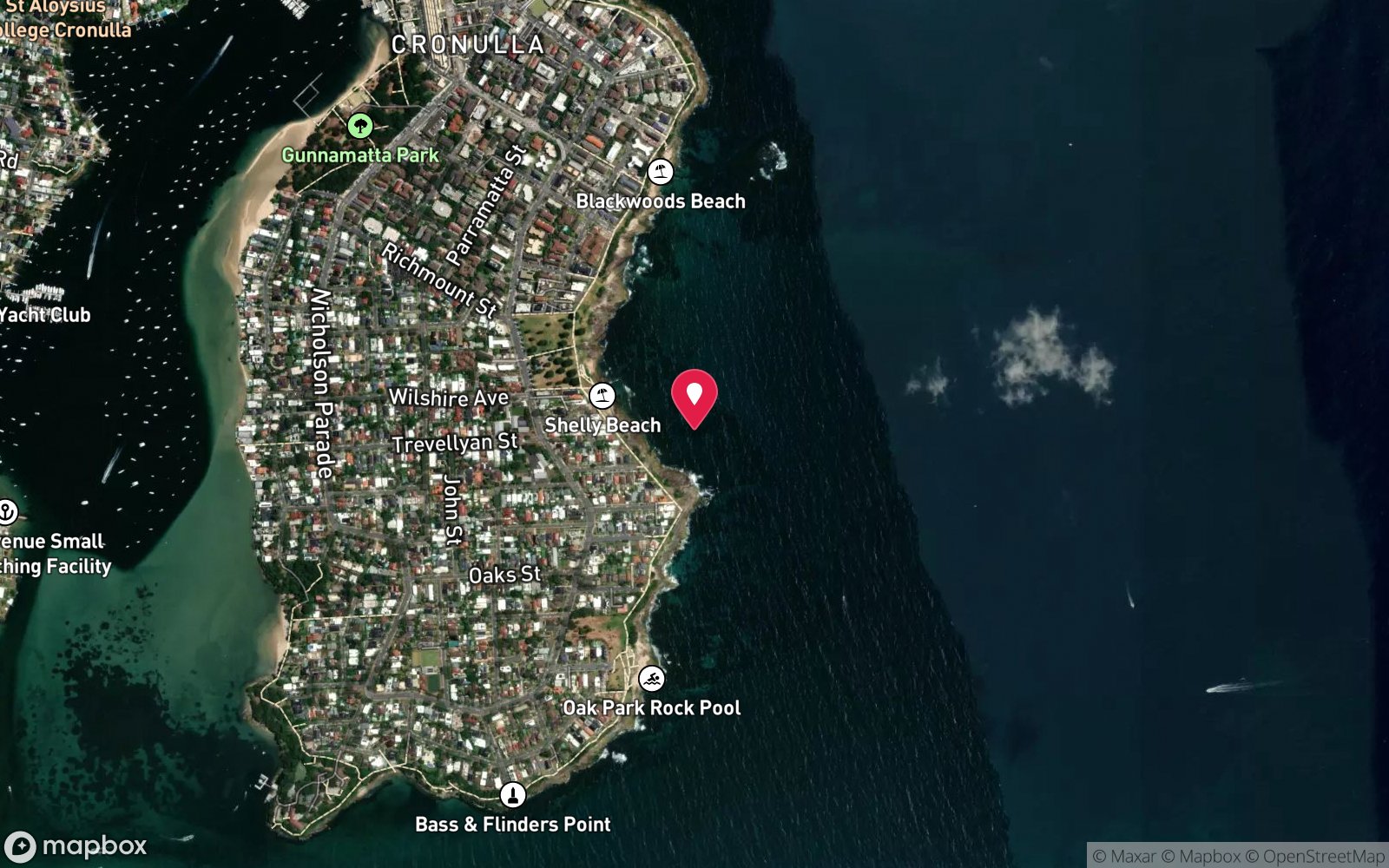
22. Sydney South & Botany Bay · NSW
Windy Point (Cronulla)
17 species recorded · Convoluted kelp reef with swim-throughs and a cave, plenty of sea dragons and rays, and an optional drift to Oak Park.
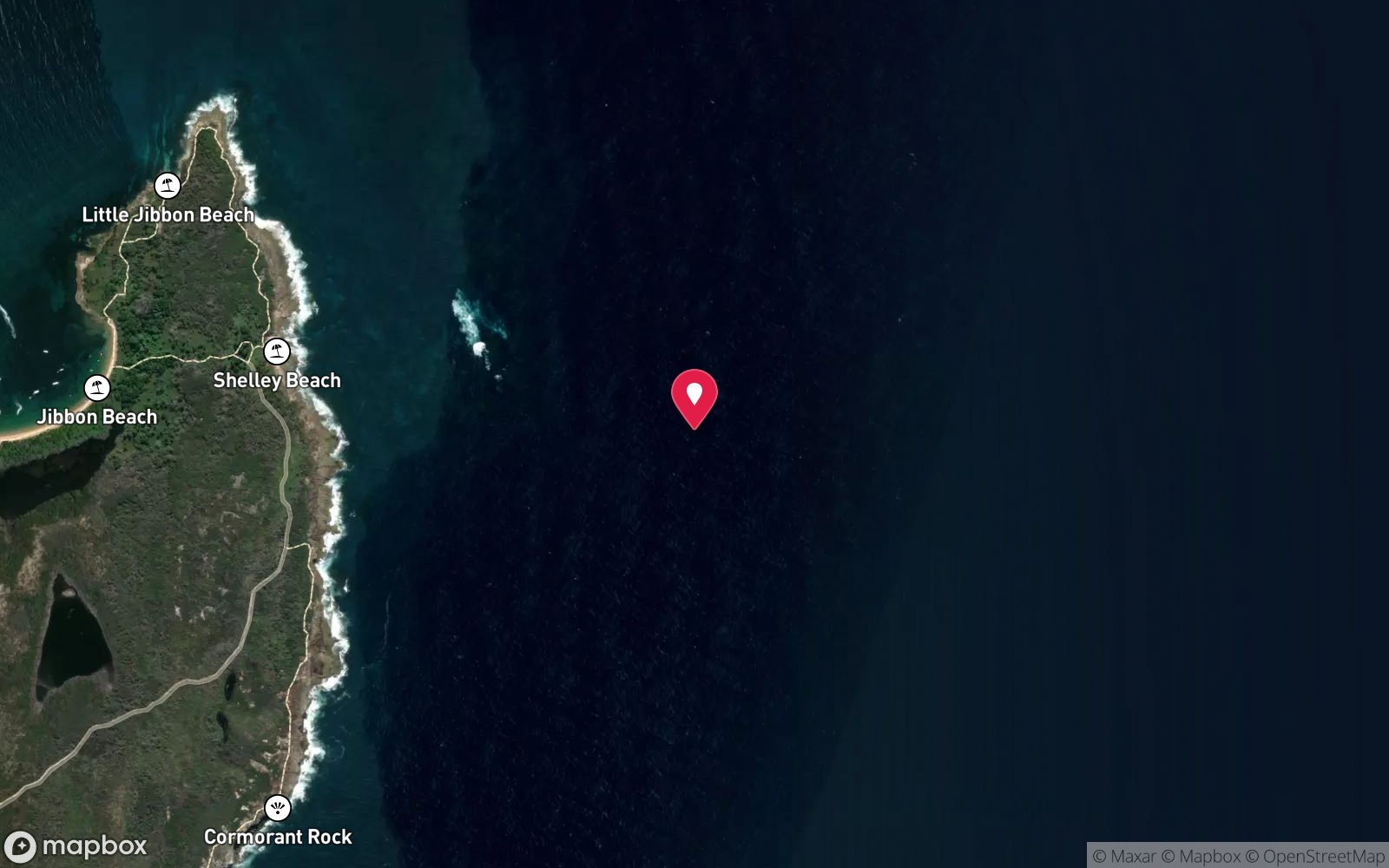
23. Sydney South & Botany Bay · NSW
Maccas Reef (Jibbon)
17 species recorded · Rated by McFadyen among his best-ever Sydney dives: a multi-directional wall covered in huge sponges with prolific schooling fish and seals.
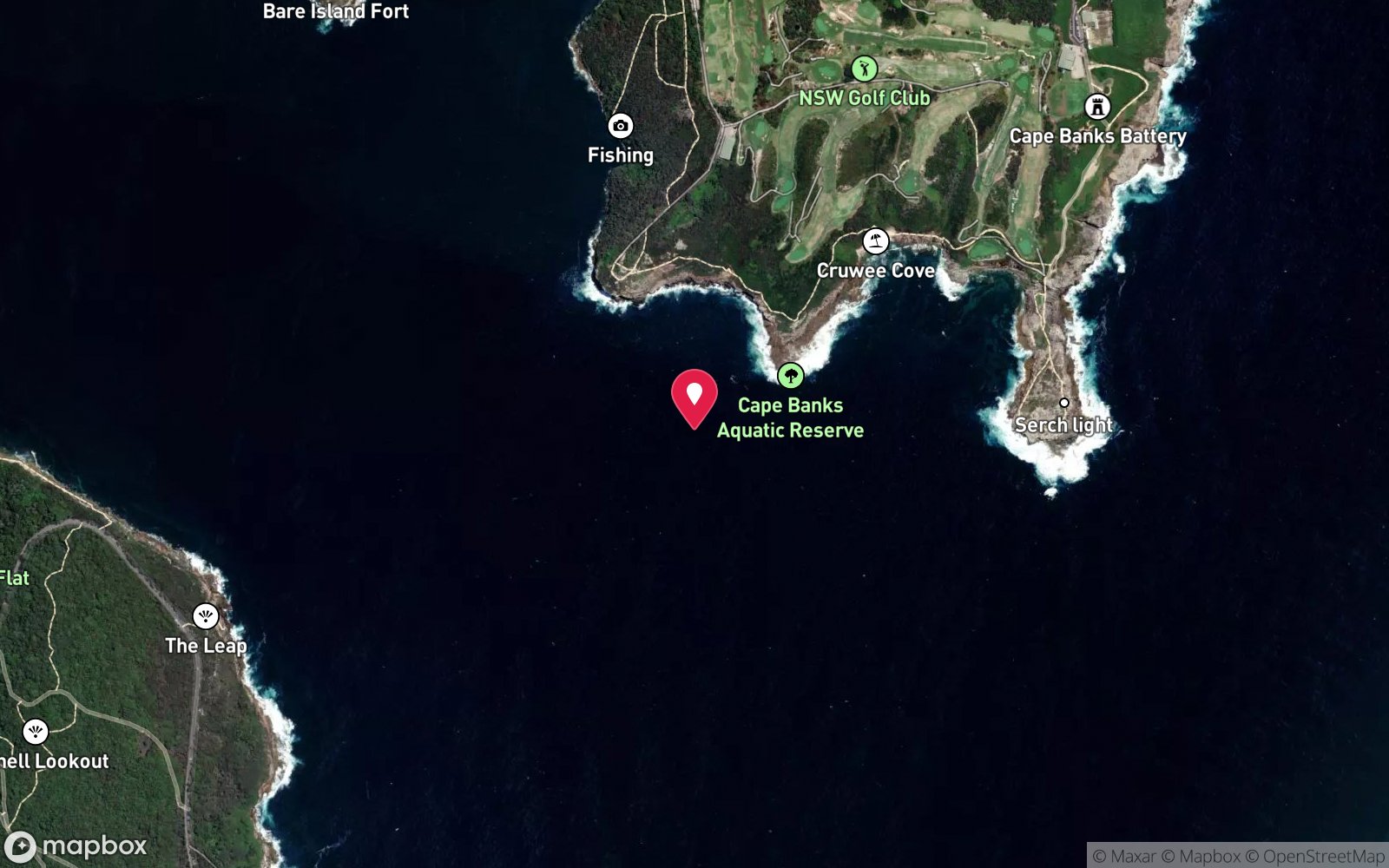
24. Sydney South & Botany Bay · NSW
Pink Floyd (Botany Bay)
17 species recorded · A sheer 17–26 m wall in the Botany Bay entrance dense with pink invertebrates, pipefish and pygmy pipehorses – found in 2025 and still almost undived.
25. Sydney Harbour · NSW
Camp Cove
16 species recorded · Seahorses in the kelp, squid hunting under torchlight and 1788 history on a sheltered beach inside South Head – the eastern suburbs' classic night dive.
26. Sydney Harbour · NSW
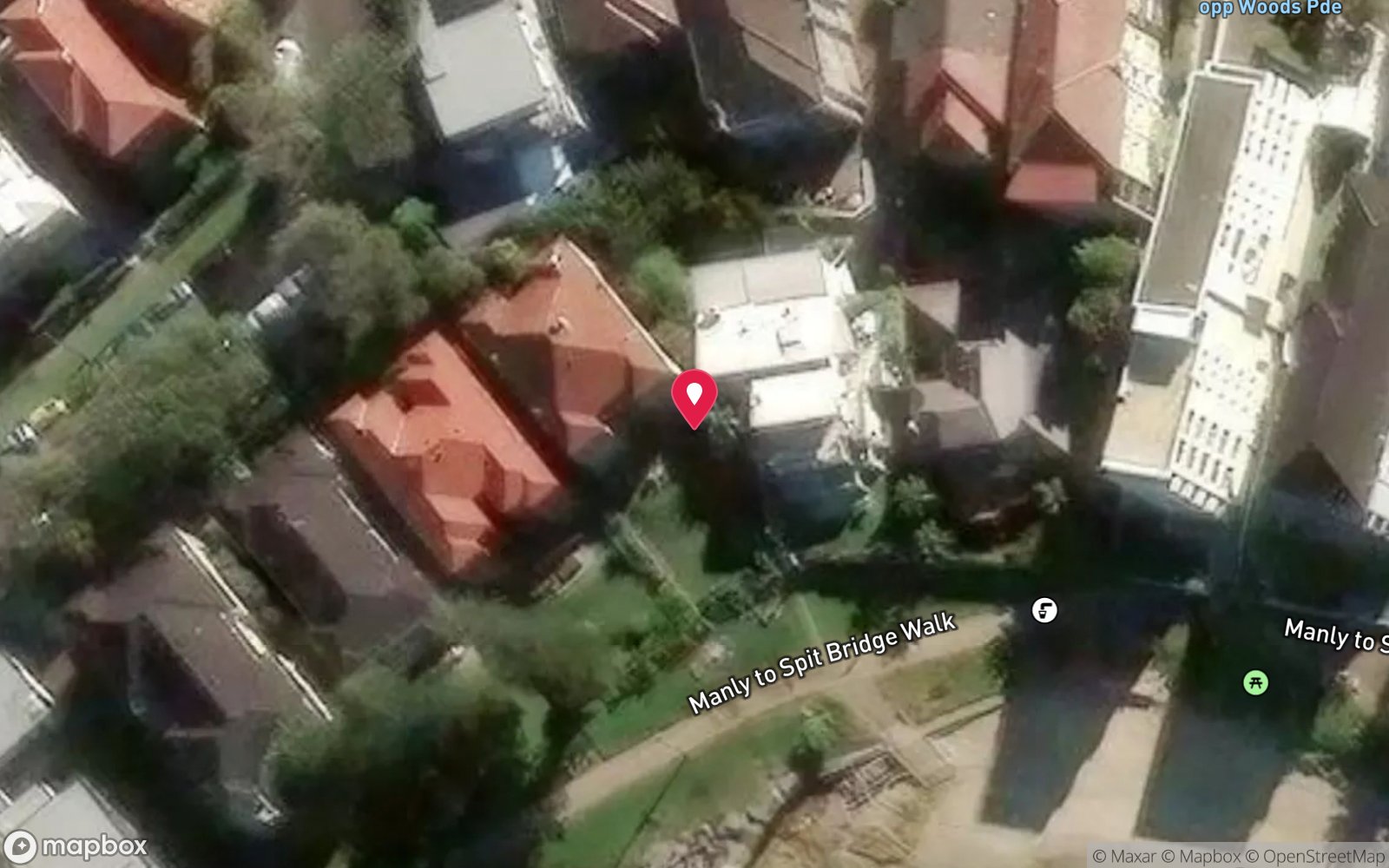
Fairlight
16 species recorded · A sheltered harbour wall with two small boat wrecks, soft corals and winter PJ sharks – Manly's all-weather training and night-dive site.
27. Sydney Northern Beaches · NSW
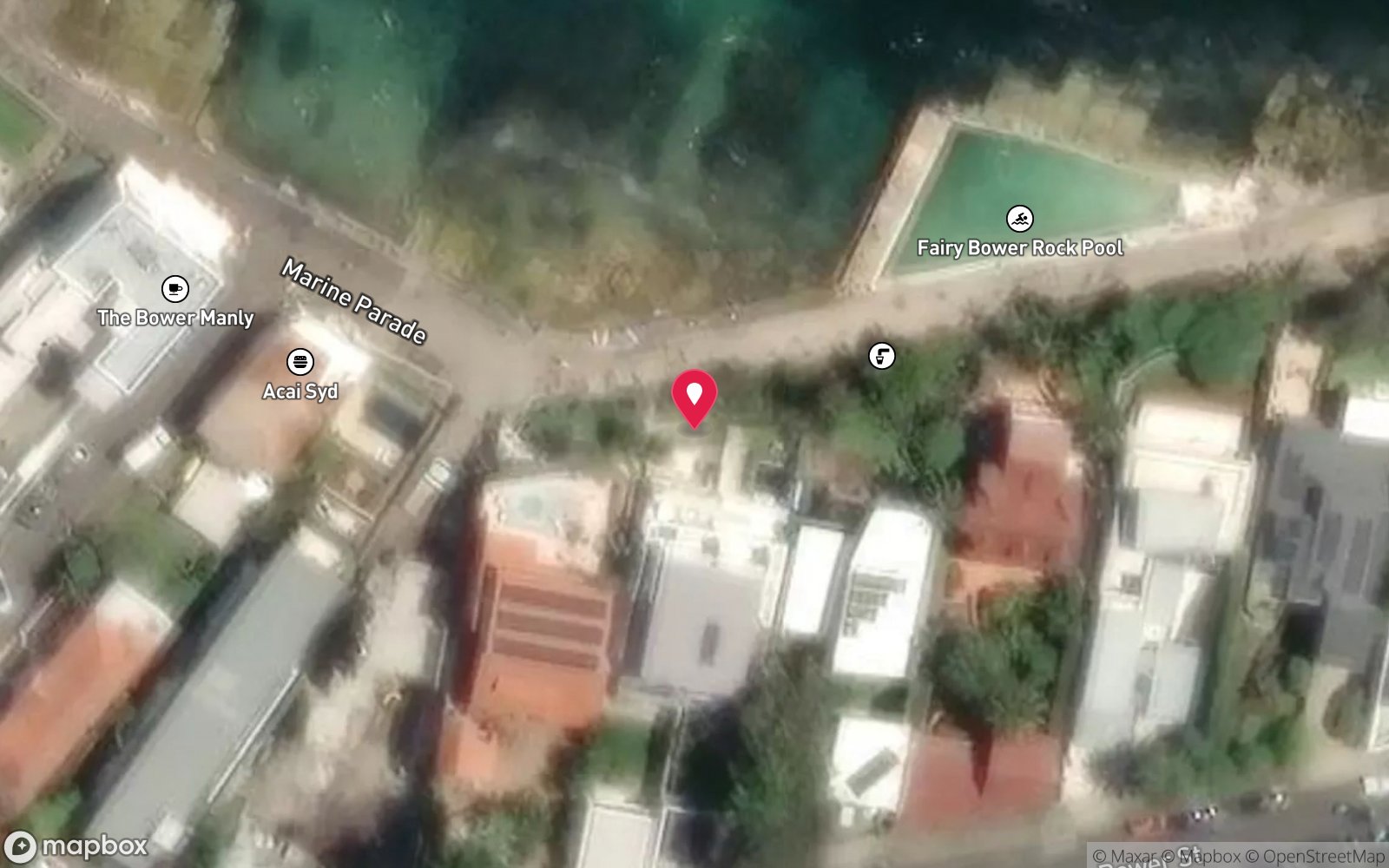
Fairy Bower
16 species recorded · The dusky whaler side of Cabbage Tree Bay – a quiet, shallow wall-and-kelp reef along the Manly promenade that comes alive at night.
28. Sydney South & Botany Bay · NSW
The Leap (Kurnell)
16 species recorded · Leap off the rocks, drop to a 22 m wall and drift the flood tide west over sponge gardens and seadragons to The Steps – Sydney's classic committing shore dive.
Shore/Rock PlatformMax 22 mAdvancedAdvanced Open WaterShore accessMore in Sydney South & Botany Bay →
29. Sydney South & Botany Bay · NSW
The Monument / Sutherland Point (Kurnell)
16 species recorded · Sydney's most southerly-proof shore dive – a 3 m wall of sponge gardens and overhangs with breeding seadragons, dived as a gentle drift on the flood.
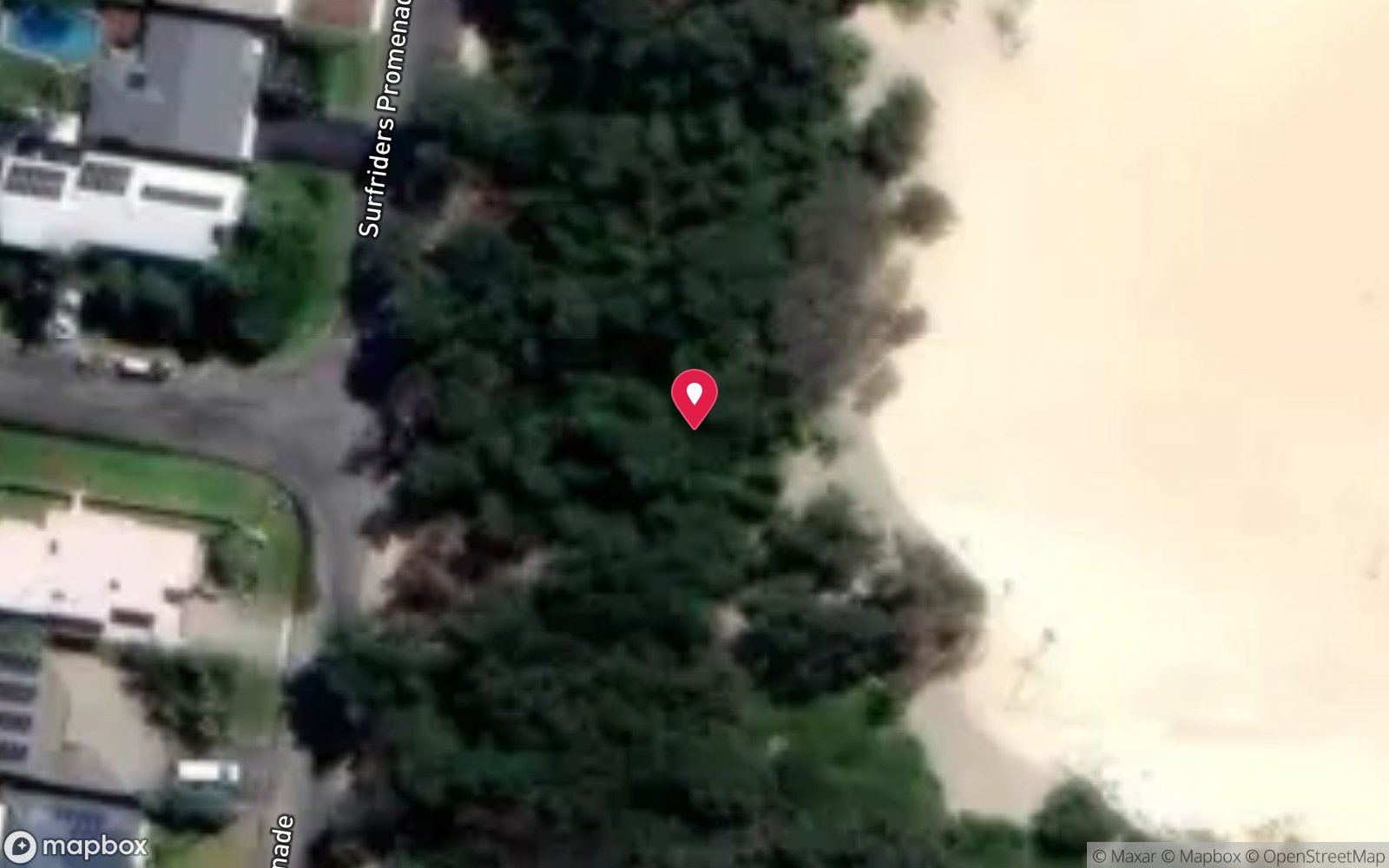
30. Forster & Seal Rocks · NSW
Bennett's Head Bommie
16 species recorded · A shallow, isolated bommie with a small cave, excellent visibility and an unusually dense and varied small-scale marine life list.
The guide
Counting species
The ranking counts the species and groups recorded in each site's marine-life entry, which favours sites that have been surveyed and written about carefully. That is a reasonable proxy for biodiversity, and it produces a list that experienced divers will recognise: the great macro piers of Victoria and South Australia, the subtropical convergence sites of southern Queensland where tropical and temperate species overlap, and the pinnacles of the Ribbon Reefs.
It undercounts the Great Barrier Reef, where every outer-reef site has hundreds of species and the site records simply say 'reef fish, corals'. It also reflects the temperate south's real strength: southern Australia has the highest proportion of endemic marine species of any temperate coast on earth, and the sponge gardens of Port Phillip and the gulfs are where they live.
Where the overlap is
The subtropical coast from the Gold Coast to the Sunshine Coast and around to Bundaberg is the biodiversity sweet spot for a visiting diver. The East Australian Current brings tropical species south; the temperate species reach north; and structures like the Brisbane, the Seaway walls and Wonder Reef give them all somewhere to live. Winter brings grey nurse sharks and clear water, summer brings mantas and leopard sharks, and the macro life is there all year.
Editorial last reviewed September 2026. The list itself is regenerated from the directory daily.
Frequently asked questions
Which Australian dive site has the most marine life?
By recorded species, the temperate sponge-garden and pier sites (Fly Point, Blairgowrie, Edithburgh) and the subtropical islands (Julian Rocks, the Solitaries) lead, alongside the Great Barrier Reef's best bommies.
More rankings
- The 25 Deepest Dive Sites in Australia
- Australia's Most Remote Dive Sites
- The Longest Boat Rides to a Day Dive
- The Warmest Dive Sites in Australia
- The Coldest Dive Sites in Australia
- Australia's Clearest-Water Dive Sites
- The Oldest Shipwrecks You Can Dive in Australia
- WWII and Wartime Wrecks You Can Dive in Australia
- All rankings →