Dive slate · divesites.com.au · printed 9 Nov 2026
Shark Point (Clovelly)
Sydney South & Botany Bay, New South Wales · near Clovelly
| Depth | 8–26 m |
|---|---|
| Minimum level | Advanced Open Water |
| Difficulty | Advanced |
| Access | Shore or Boat |
| Entry | Rock platform entry at the point (calm seas) or via the fissure to the east (very calm); emergency exit via Clovelly Pool |
| Current | Mild |
| Visibility | 10–15 m (20 m at times) m |
| Water | summer 21–24 °C °C, winter 15–18 °C °C |
| Suit | 7 mm wetsuit or semi-dry year round; 5 mm adequate Jan–Apr; hood and gloves in winter; drysuit optional Jul–Oct |
| Best season | Autumn–winter westerlies; any flat day |
| Bottom time | 40 min |
| Position | -33.91452, 151.27254 (GPS) |
| Permit | Bronte–Coogee Aquatic Reserve – no take of invertebrates or marine vegetation; no permit needed to dive |
| Nearest chamber | Prince of Wales Hospital Hyperbaric Unit (Randwick, Sydney) |
| Emergency | 000 · DAN Asia-Pacific diving emergency 1800 088 200 |
Shark Point (Clovelly)
Also known as Shark Point Fissure
Boulder field, walls and a 26 m reef edge dense with sponge life, blue devils and seadragons – the best shore dive in the Bronte–Coogee reserve.
Near Clovelly · Sydney South & Botany Bay, New South Wales
- Depth
- 8–26 m
- Minimum level
- Advanced Open Water
- Access
- Shore or Boat
- Boat ride
- —
- Water
- 21–24 °C
- Visibility
- 10–15 m (20 m at times)
Shark Point (Clovelly)8–26 m · Advanced Open Water · Shore
Dive factsDepths, conditions, location & safety
Season
Off-peak nowBest months: March, April, May, June, July, August.
Dive facts
- Depth
- 8–26 m
- Typical depth
- 16 m
- Certification
- Advanced Open Water
- Difficulty
- Advanced
- Depth tier
- Advanced Open Water (18–30 m)
- Access
- Shore or Boat
- Dive centre needed
- Recommended
- Shore / independent
- Possible (experienced only)
- Current
- Mild
- Visibility
- 10–15 m (20 m at times)
- Water temp (summer)
- 21–24 °C
- Water temp (winter)
- 15–18 °C
- Water
- Temperate
- Bottom time
- 40 min
- Dive traffic
- Popular (weekly charters)
- Night dive
- Possible
- Snorkel friendly
- No
Exposure suit
7 mm wetsuit or semi-dry year round; 5 mm adequate Jan–Apr; hood and gloves in winter; drysuit optional Jul–Oct
Location
Eastern Suburbs (Clovelly to Maroubra) · Sydney South
-33.91452, 151.27254
Published GPS position.
Open in Google MapsPrimary source: michaelmcfadyenscuba.infoMarine park & permits
Bronte–Coogee Aquatic Reserve – no take of invertebrates or marine vegetation; no permit needed to dive
Nearest recompression chamber
Prince of Wales Hospital Hyperbaric Unit (Randwick, Sydney)
Diving emergency: call 000, then DAN AP 1800 088 200.
Trip planner
Build a trip around Shark Point (Clovelly) →
A day-by-day plan for Sydney South & Botany Bay with this site locked in.
This guide is a planning aid. Conditions change daily — confirm with a local dive centre and dive within your training. Data & safety notes.
Dive profile
How this site rates
Scores are computed from the recorded data, not opinions. How?
At a glance
Shark Point (Clovelly) is a shore / rock platform shore dive for experienced divers in Sydney South & Botany Bay, NSW, 8–26 m, suited to Advanced Open Water divers.
Rated advanced because of depth beyond 18 m, cold water.
Why dive here
- Boulder field, walls and a 26 m reef edge dense with sponge life, blue devils and seadragons – the best shore dive in the Bronte–Coogee reserve.
- Visibility often reaches 10–15 m (20 m at times).
Conditions to avoid
- Strong southerly or south-east swell and wind
- Outgoing tide or run-off after rain (poor visibility)
About Shark Point (Clovelly)
Shark Point is the serious shore dive of the Bronte–Coogee Aquatic Reserve, a wave-cut sandstone platform on the northern side of Clovelly Bay that drops quickly into some of the best reef on the Eastern Suburbs coast. From the point a kelp bed slopes off to a first drop at 10 m and a second at 13 m, below which lies a field of rounded boulders with swim-throughs and overhangs that continues out to the sand at 20 m. Everything below 15 m is thick with sponges and sea squirts, and the overhangs hold wobbegongs, cuttlefish and bullseyes.
Out on the sand edge the reef keeps going: a wall running south-west along the edge with ledges and indents, a deeper reef section at 26 m, and on the return a series of steep walls at 19 m and a prominent crack that leads back up into the shallows. The fish list is long for a shore site – blue groper, bream, snapper, kingfish, giant boarfish, longfin bannerfish in summer, firefish, roughies, angelsharks and shovelnose rays on the sand – and the reef is one of the better places in Sydney to find eastern blue devilfish under ledges and pygmy pipehorses and weedy seadragons in the weed. A grey nurse shark was seen in 2021 and a seal in 2005, and the odd bronze whaler passes offshore.
The point's name comes from the shark-net era rather than any current danger. It is a deep, long dive by shore standards and demands a genuinely calm sea for the entry and, more importantly, the exit; McFadyen's advice that it should never be dived by inexperienced divers without experienced supervision is sound. Strong swimmers and advanced divers with local knowledge get one of Sydney's best shore dives; everyone else should do it with a guide or from a boat.
Getting there & entry
Exposed rock platform forming the northern headland of Clovelly Bay, within the Bronte–Coogee Aquatic Reserve; kelp, drop-offs and a boulder field down to sand at 20 m and a deeper reef edge at 26 m.
Drive to the bottom of Ocean Street or Eastbourne Avenue, Clovelly (near the bus terminus) and park on the street above the northern headland of Clovelly Bay; parking is hard on summer weekends. Walk 100–150 m across the grass and down onto the rock platform at the point. Enter off the point in calm seas, or from the fissure in the platform to the east in very calm seas.
Exit is back at the point, or in an emergency inside Clovelly Pool – but note the outflow over the pool wall on an ebbing tide. By boat, anchor north of the fissure in about 18 m.
Entry: Rock platform entry at the point (calm seas) or via the fissure to the east (very calm); emergency exit via Clovelly Pool
Facilities: Street parking, toilets and kiosk at Clovelly Beach (300 m), cafés on Clovelly Road, air at Pro Dive Coogee and Abyss.
Weather, swell & tides
Only in relatively calm seas – the point takes the full force of southerly and easterly swell and the entry becomes a wave-swept platform in anything above about 1 m. The fissure entry needs flatter water again. Several helicopter rescues and lifesaver interventions have happened here, almost always to divers who entered in marginal swell or got caught by a rising sea on the exit.
Ebb tides create a dangerous outflow over the Clovelly Pool wall if you use it as an exit. A gentle current from the north is normal over the deep reef. Best in westerly winds in autumn and winter when visibility can reach 20 m; poor after heavy rain.
Best season: Autumn–winter westerlies; any flat day
If it's blown out
Sheltered or shore sites within 25 km that often work when Shark Point (Clovelly) doesn't.
- Clovelly Pool / Clovelly Bay · 0 km · Max 11 m
- Gordons Bay · 1 km · Max 12 m
- Camp Cove · 8 km · Max 8 m
- Chowder Bay / Clifton Gardens · 9 km · Max 10 m
How the dive is usually run
From the point head south-east down through the kelp and the 10 m and 13 m drop-offs into the boulder field, reaching the sand at 20 m. Follow the reef edge north then east past the overhangs to the 26 m section, turn at a third of your air, and come back west over the steep walls at 19 m, using the prominent crack to ascend into the kelp for the swim back to the point. The fissure route drops straight to 25 m sand and follows the edge north for 24–27 minutes before returning south-west.
Marine life
- Eastern blue devilfish →
- weedy seadragon →
- pygmy pipehorse →
- blue groper →
- giant boarfish
- longfin bannerfish
- angelshark
- shovelnose ray
- wobbegong →
- cuttlefish →
- kingfish
- snapper
- bream
- firefish
- roughies
- bullseyes
- flathead; occasional grey nurse shark →
- seal →
Linked species have their own page listing every site where they are recorded. All marine life →
Training required
Beyond 18 m an Advanced certification (which includes a deep dive to 30 m) is the accepted minimum. Anything past 25 m is a deep dive in practice.
At more than 25 m this counts as a deep dive: watch no-decompression limits and gas.
Courses that help here
- Enriched Air Nitrox – Longer no-decompression time at 25 m and deeper.
- Drysuit Diver – Cold water; locals dive dry for much of the year.
Depth tiers: 0–10 m easy · to 18 m Open Water · 18–30 m Advanced (25 m+ is a deep dive) · 30–40 m Deep specialty · 40 m+ technical. All courses
Hazards & warnings
Dangerous entry and exit in any southerly/easterly swell – history of helicopter rescues; ebb-tide outflow over Clovelly Pool wall; depth to 26 m and long swim back; mild northerly current; rock fishers' lines on the point. Bronte–Coogee Aquatic Reserve – no collecting.
Dive centres that go here
Pro Dive Coogee, Abyss Scuba Diving and Dive Centre Bondi run guided shore dives here in calm conditions; Pro Dive Coogee also drops boat divers on the outer reef. Frequently dived by experienced independent divers.
Operators recorded for Shark Point (Clovelly)
Abyss Scuba Diving
ProfiledRamsgate · Sydney South & Botany Bay · NSW
A Sydney operation associated with training across recreational and technical levels, boat diving and equipment services.
abyss.com.au · +61 2 9583 9662
Frog Dive Sydney
ProfiledGladesville · Sydney South & Botany Bay · NSW
A Willoughby PADI 5 Star IDC founded in 1985, teaching recreational through Trimix and rebreather courses with PADI, SDI and TDI, and testing cylinders in-store.
frogdive.com.au · (02) 9958 5699
Pro Dive Sydney
ProfiledSt Peters · Sydney South & Botany Bay · NSW
Pro Dive's inner-Sydney training centre at Alexandria, close to Camp Cove, Clovelly, Gordons Bay and Bare Island, with courses to Divemaster, hire and servicing.
prodive.com.au · (02) 9665 6333
Dive Centre Bondi
ProfiledBondi · Sydney South & Botany Bay · NSW
An Eastern Suburbs PADI 5 Star IDC on Bondi Road teaching through Instructor and technical levels, with air, Nitrox and Trimix fills and manufacturer-approved servicing.
divebondi.com.au · +61 2 9369 3855
Other dive centres in Sydney South & Botany Bay
Dive Centre Manly
ProfiledManly · Sydney South & Botany Bay · NSW
A Northern Beaches operation with a long-standing presence at Shelly Beach, offering recreational training, boat diving and technical pathways.
divesydney.com.au · (02) 9977 4355
Pro Dive Brookvale
ProfiledBrookvale · Sydney South & Botany Bay · NSW
Pro Dive's Northern Beaches centre at Brookvale, running the 43-foot dive boat Sea Life V alongside courses, hire, air fills and servicing.
prodive.com.au · (02) 9977 5966
ADRENO Sydney
ProfiledAlexandria · Sydney South & Botany Bay · NSW
The Sydney branch of Adreno, an 850-square-metre spearfishing, freediving and scuba store in Alexandria that also runs SSI scuba courses.
adreno.com.au · (02) 9669 6214
Geo Divers
ProfiledClyde · Sydney South & Botany Bay · NSW
A Sydney PADI 5 Star Instructor Development Centre running small-group courses with two PADI professionals, from Discover Scuba through Instructor training.
geodivers.com.au · (02) 9689 1389
Scuba Warehouse
ListedClyde · Sydney South & Botany Bay · NSW
A Sydney equipment retailer. Whether training and in-house servicing are offered requires verification.
scubawarehouse.com.au · (02) 9689 1389
Wilderness Sea n' Ski
ListedLiverpool · Sydney South & Botany Bay · NSW
A far south coast business providing equipment and dive services. Range and training availability require verification.
wilderness.net.au · (02) 9822 4112
Map
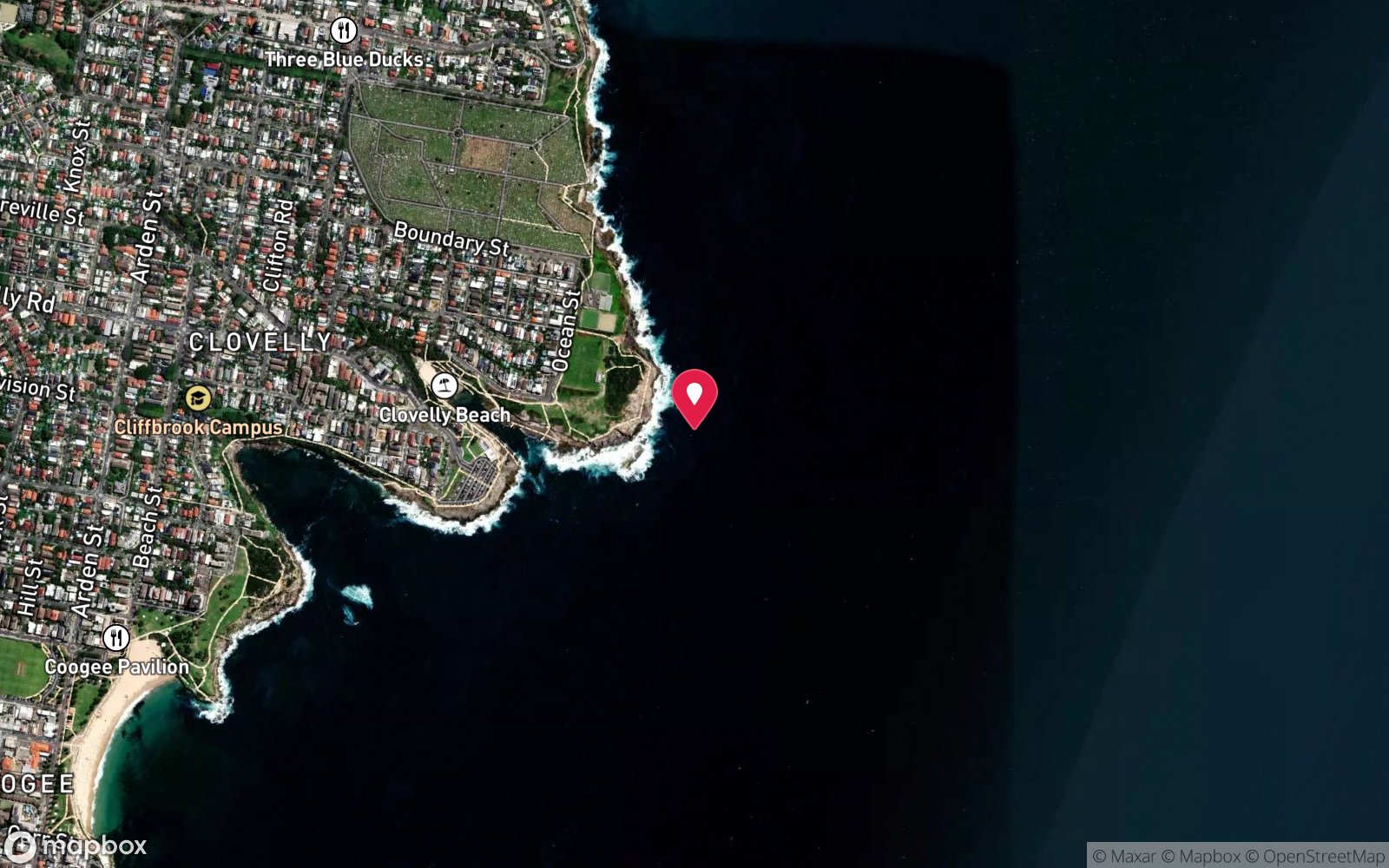
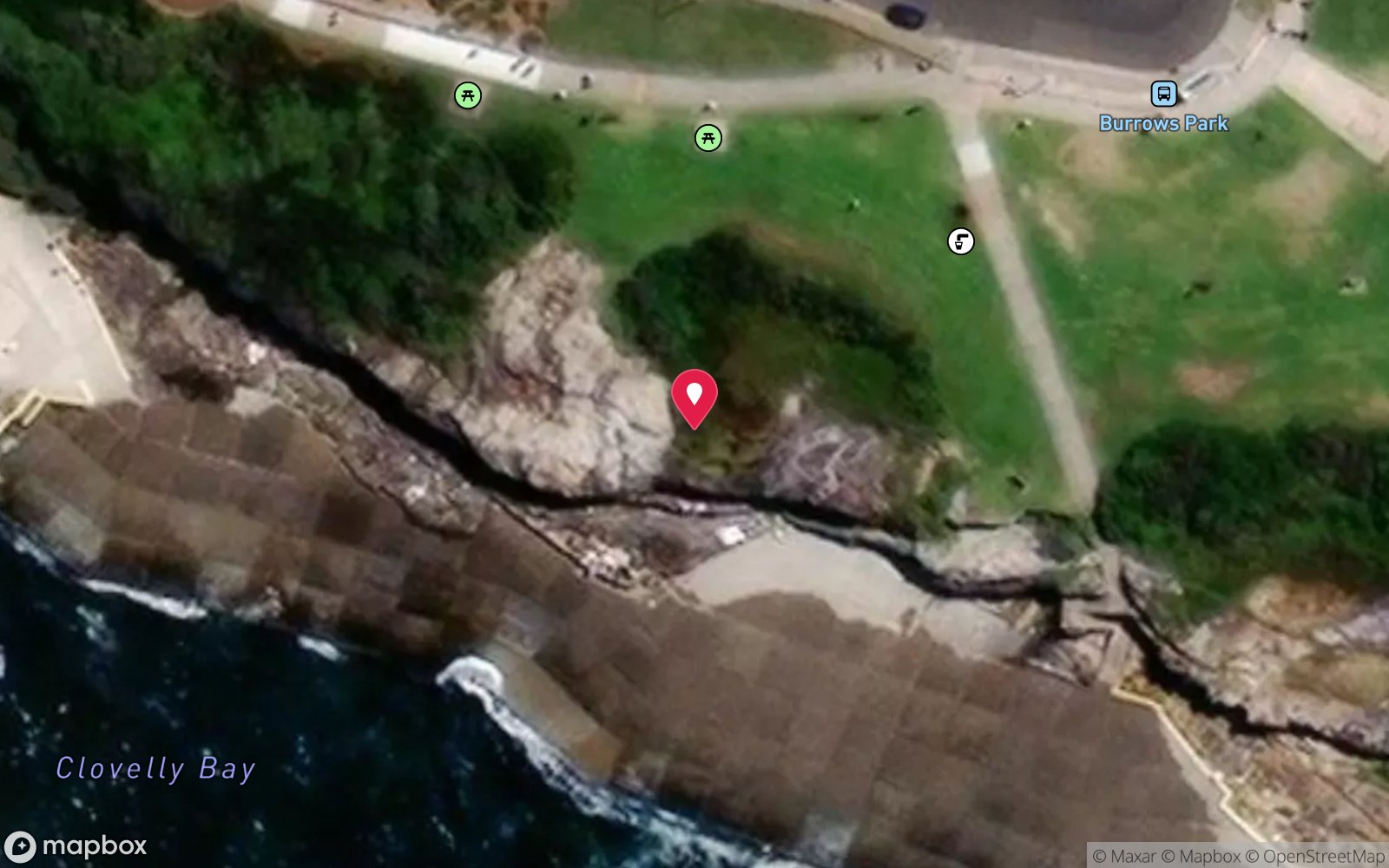
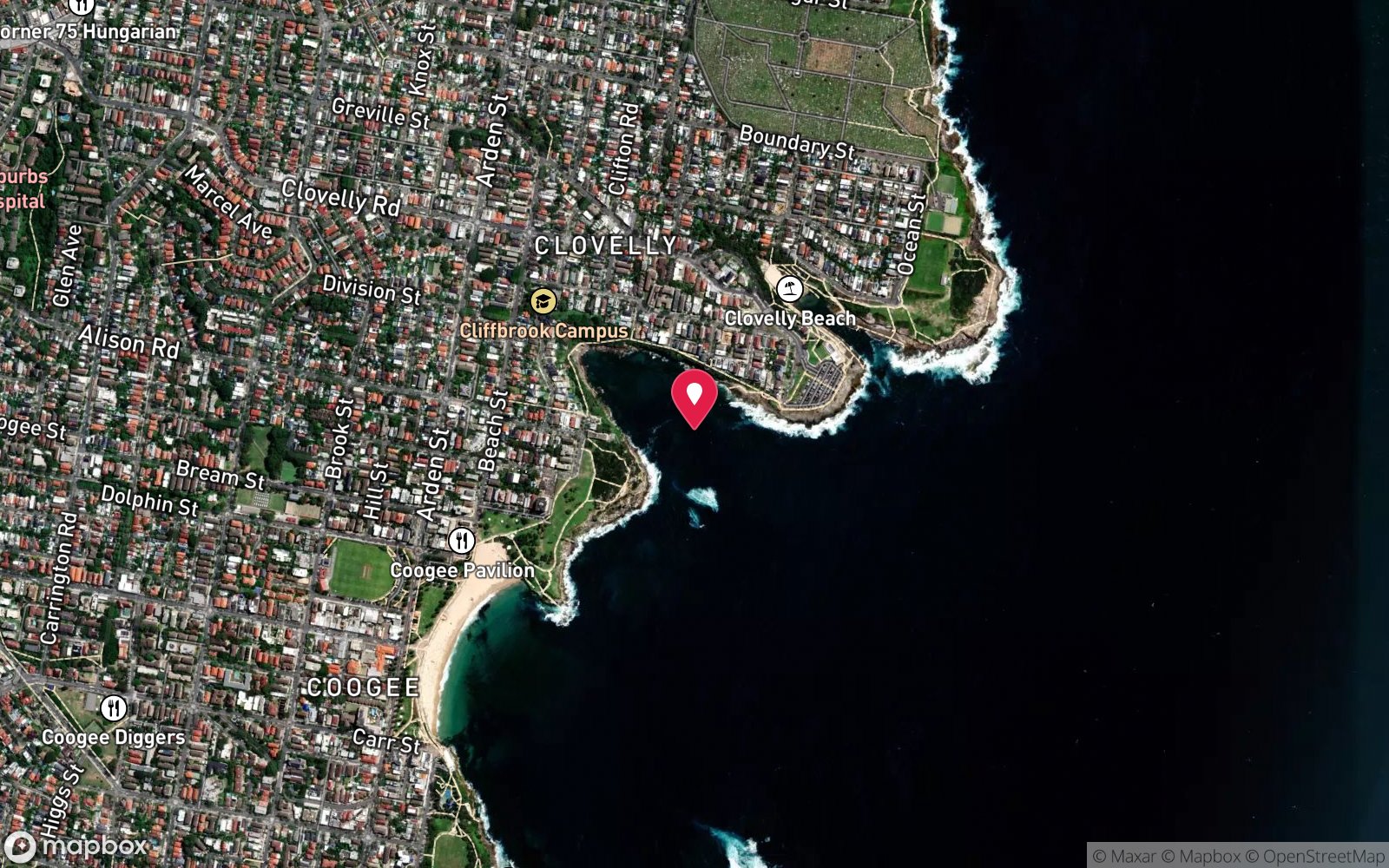
7 pinned sites. Pins marked approximate on their pages show the general area only; not for navigation.
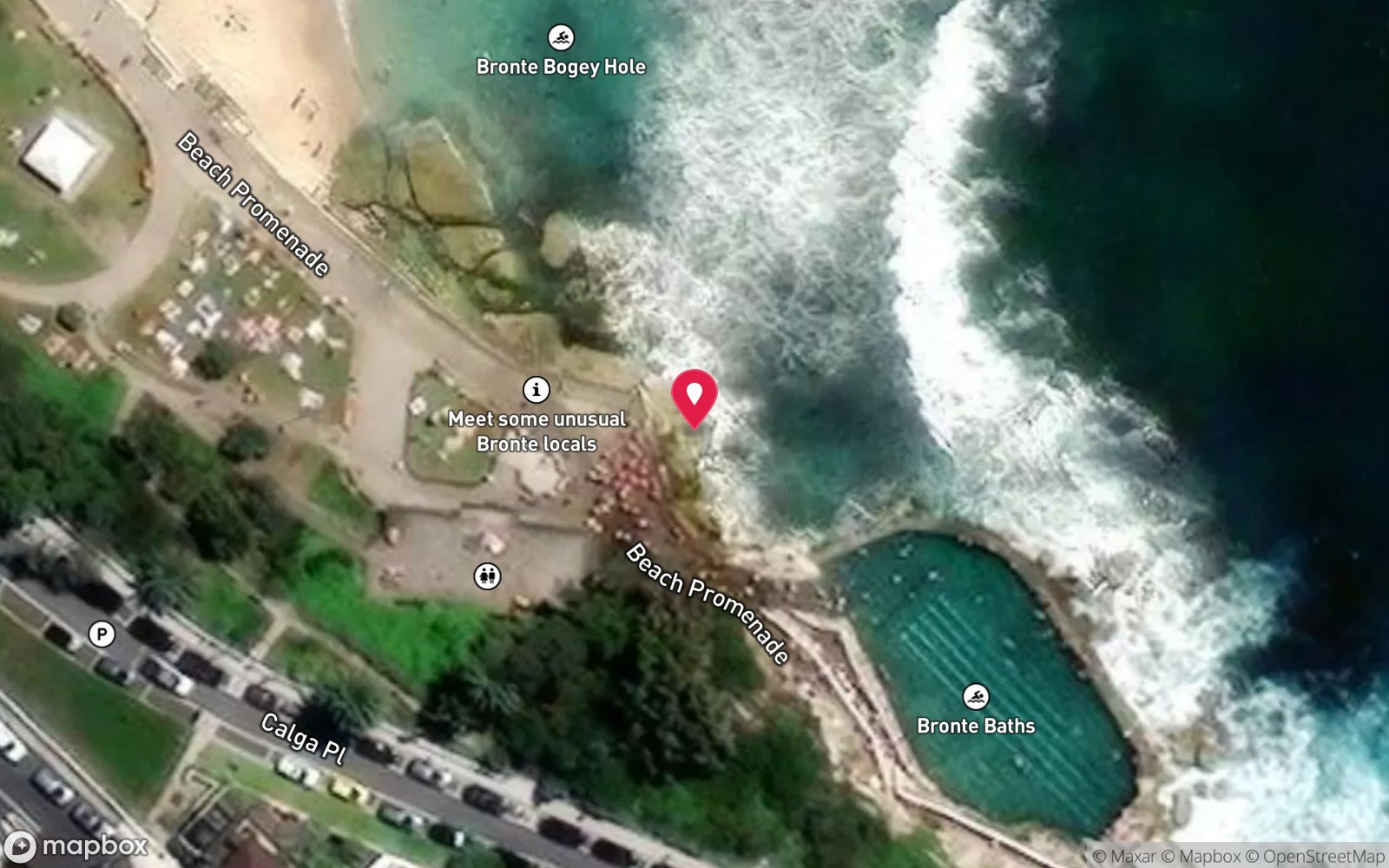
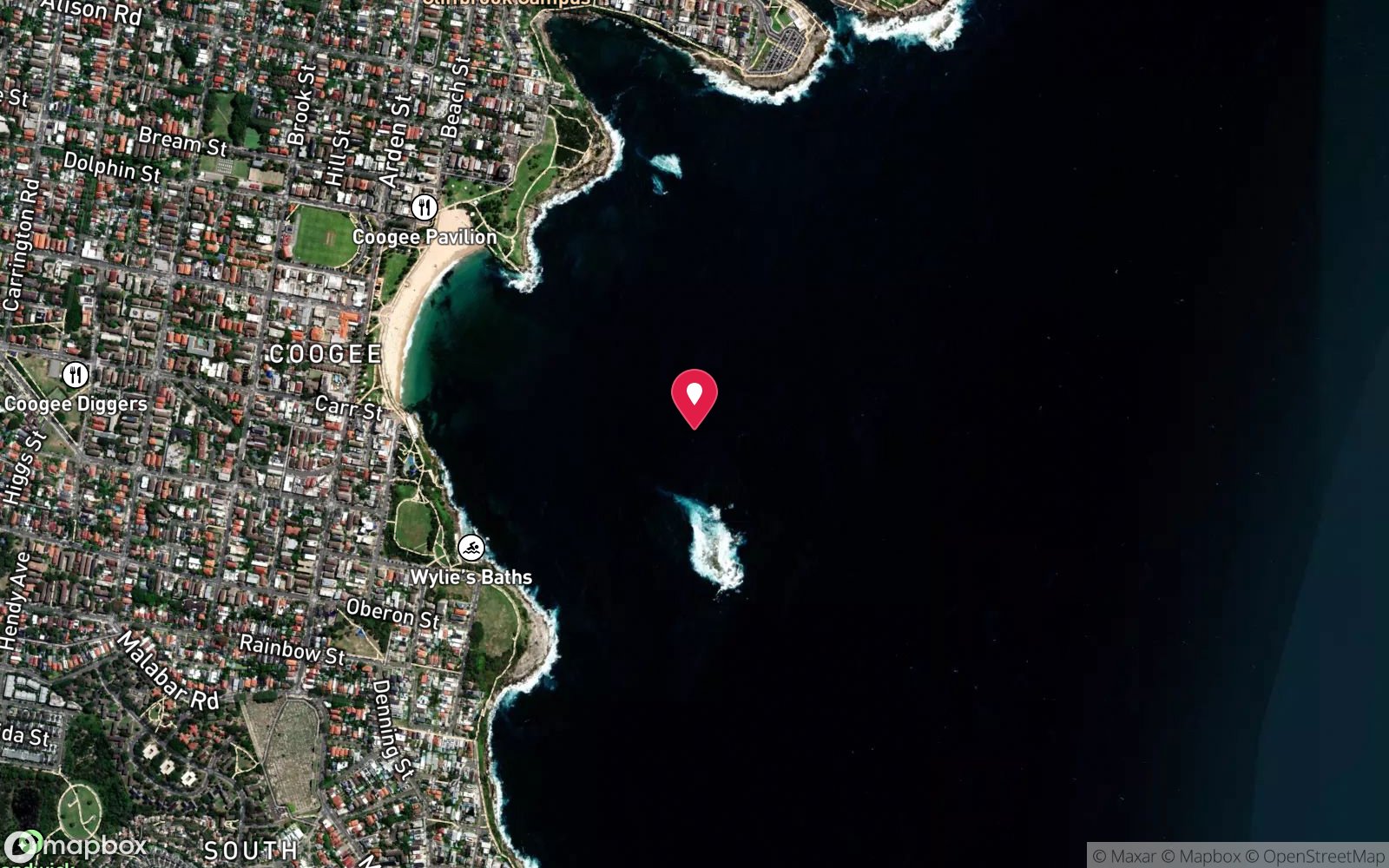
Satellite views
Shark Point (Clovelly): frequently asked questions
How deep is Shark Point (Clovelly)?
Shark Point (Clovelly) reaches a maximum depth of 26 m, with the shallowest part at about 8 m; most of the dive is spent around 16 m.
What certification do I need to dive Shark Point (Clovelly)?
Advanced Open Water is the recommended minimum. At more than 25 m this counts as a deep dive: watch no-decompression limits and gas. Rated advanced because of depth beyond 18 m, cold water.
Can I shore dive Shark Point (Clovelly)?
Experienced divers do dive Shark Point (Clovelly) from the shore, but the entry or conditions make it unsuitable for newer divers without local guidance. Entry: Rock platform entry at the point (calm seas) or via the fissure to the east (very calm); emergency exit via Clovelly Pool.
When is the best time to dive Shark Point (Clovelly)?
Autumn–winter westerlies; any flat day.
What marine life will I see at Shark Point (Clovelly)?
Regularly recorded: Eastern blue devilfish, weedy seadragon, pygmy pipehorse, blue groper, giant boarfish, longfin bannerfish, angelshark, shovelnose ray, wobbegong, cuttlefish, kingfish, snapper and more.
What wetsuit do I need at Shark Point (Clovelly)?
7 mm wetsuit or semi-dry year round; 5 mm adequate Jan–Apr; hood and gloves in winter; drysuit optional Jul–Oct.
How cold is the water at Shark Point (Clovelly)?
Typically 21–24 °C in summer and 15–18 °C in winter.
What are the main hazards at Shark Point (Clovelly)?
Dangerous entry and exit in any southerly/easterly swell – history of helicopter rescues; ebb-tide outflow over Clovelly Pool wall; depth to 26 m and long swim back; mild northerly current; rock fishers' lines on the point. See the hazards section above for the full list.
Where is the nearest recompression chamber to Shark Point (Clovelly)?
Prince of Wales Hospital Hyperbaric Unit (Randwick, Sydney). In an emergency call 000, then DAN Asia-Pacific on 1800 088 200.
Diving in Sydney South & Botany Bay
Sydney's southern beaches and Botany Bay hold the city's biggest cluster of dive sites, and most of them are shore dives. Bare Island, on the northern side of Botany Bay, is the most-dived site in the state, with a dozen named reefs around one small island; Kurnell's Steps and Monument on the southern side are famous for weedy seadragons and sea horses. Magic Point at Maroubra has resident grey nurse sharks, and the offshore reefs off Coogee and Cronulla have wrecks and sponge gardens in 20–40 m.
Getting there: All the shore sites are within 30 minutes of the CBD with car parks and beach or rock entries. Boat charters leave from Botany Bay, Rose Bay and Cronulla for the offshore reefs and Magic Point.
All Sydney South & Botany Bay dive sites and a suggested itinerary →
Sources
Nearby dive sites
More shore/rock platform dives in New South Wales
Explore more
This region
Marine life