Dive slate · divesites.com.au · printed 8 Nov 2026
Haystack Reef
Yorke Peninsula, South Australia · near Stenhouse Bay / Marion Bay
| Depth | 10–22 m |
|---|---|
| Minimum level | Advanced Open Water |
| Difficulty | Advanced |
| Access | Boat |
| Entry | Giant stride or back-roll from a boat; descend on a shot to the sand at the wall base |
| Current | Strong |
| Visibility | 10-20 m |
| Water | summer 20-24 °C, winter 12-14 °C |
| Suit | 5-7 mm full wetsuit with hood in summer/autumn; 7 mm semi-dry or drysuit in winter |
| Best season | Late summer and autumn with low swell and light winds |
| Bottom time | 40 min |
| Position | -35.31800, 136.90500 (approximate) |
| Permit | Southern Spencer Gulf Marine Park (habitat protection zone around Haystack Island) |
| Nearest chamber | Royal Adelaide Hospital hyperbaric medicine unit (Adelaide) |
| Emergency | 000 · DAN Asia-Pacific diving emergency 1800 088 200 |
Haystack Reef
Also known as Haystacks Island Reef, Haystack Island Reef
A kilometre-long wall from 22 m to 10 m, riddled with caves and swim-throughs and carpeted in red, yellow and orange sponges – about ten dives' worth of reef.
Near Stenhouse Bay / Marion Bay · Yorke Peninsula, South Australia
- Depth
- 10–22 m
- Minimum level
- Advanced Open Water
- Access
- Boat
- Boat ride
- ~30 min
- Water
- 20-24 °C
- Visibility
- 10-20 m
Haystack Reef10–22 m · Advanced Open Water
Dive factsDepths, conditions, location & safety
Season
Off-peak nowBest months: January, February, March, April, May, December.
Late summer and autumn with low swell and light winds
- Best months
- Now (November)
Dive facts
- Depth
- 10–22 m
- Typical depth
- 16 m
- Certification
- Advanced Open Water
- Difficulty
- Advanced
- Depth tier
- Advanced Open Water (18–30 m)
- Access
- Boat
- Offshore
- 3.5 km
- Dive centre needed
- Yes – boat access only
- Shore / independent
- No
- Boat ride
- ~30 min
- Current
- Strong
- Visibility
- 10-20 m
- Water temp (summer)
- 20-24 °C
- Water temp (winter)
- 12-14 °C
- Water
- Temperate
- Bottom time
- 40 min
- Dive traffic
- Moderate (occasional charters/club dives)
- Night dive
- No
- Snorkel friendly
- No
Exposure suit
5-7 mm full wetsuit with hood in summer/autumn; 7 mm semi-dry or drysuit in winter
Location
Althorpe Islands · Yorke Peninsula – Innes National Park / Southern Tip
-35.31800, 136.90500
Approximate position — not for navigation.
Open in Google MapsPrimary source: sdfsa.netMarine park & permits
Southern Spencer Gulf Marine Park (habitat protection zone around Haystack Island)
Nearest recompression chamber
Royal Adelaide Hospital hyperbaric medicine unit (Adelaide)
Diving emergency: call 000, then DAN AP 1800 088 200.
Trip planner
Build a trip around Haystack Reef →
A day-by-day plan for Yorke Peninsula with this site locked in.
This guide is a planning aid. Conditions change daily — confirm with a local dive centre and dive within your training. Data & safety notes.
Dive profile
How this site rates
Scores are computed from the recorded data, not opinions. How?
At a glance
Haystack Reef is a wall boat dive in Yorke Peninsula, SA, 10–22 m, suited to Advanced Open Water divers, strong current, about 30 minutes by boat.
Rated advanced because of depth beyond 18 m, strong current, an overhead environment, boat traffic overhead, cold water.
Why dive here
- A kilometre-long wall from 22 m to 10 m, riddled with caves and swim-throughs and carpeted in red, yellow and orange sponges – about ten dives' worth of reef.
- Visibility often reaches 10-20 m.
Conditions to avoid
- Strong southerly or south-east swell and wind
- Afternoon north-easterlies
- Strong westerlies
- Strong northerlies
About Haystack Reef
Haystack Reef is one of the classic advanced dives of Yorke Peninsula. About 500 m off Haystack Island and running parallel to it for more than a kilometre, a limestone reef rises from sand at around 22 m to a top at about 10 m. The SDFSA describes a big wall running the length of the island with caves everywhere, swim-throughs, chasms and gorges, and The Dive Shack says it is enough for about ten distinct dives.
The wall is the colour highlight of the region. The SDFSA describes sponge and soft coral life so colourful – red, yellow and orange everywhere – that it rivals anything in the state, and gorgonian fans, ascidians and zoanthids crowd the vertical faces and cave roofs. Crayfish are abundant in the cracks, and the fish life is prolific: big schools of sweep, bullseyes and trevally, western blue groper, blue devils, boarfish and magpie perch.
Rays rest on the sand at the base, and seals from nearby colonies sometimes swoop along the wall. The topography rewards careful planning. The deeper sections at the wall base give the most dramatic structure and caves, while the reef top is ideal for the second half of the dive and a relaxed ascent.
Current is the main complication: it can run strongly along the reef, and operators insist on controlled ascents on a line or SMB. Haystack Reef is the logical step up for divers who have done the Innes shore sites and want a big, colourful wall. It suits Advanced Open Water divers with experience in current, and it is one of the dives that justifies the 3.5-hour drive from Adelaide.
Getting there & entry
Reef wall about 1 km long running parallel to Haystack Island roughly 500 m offshore, rising from sand at about 22 m to 10 m, riddled with caves, swim-throughs, chasms and gorges.
From Adelaide drive about 300 km (3.5 hours) via Port Wakefield, Minlaton and Warooka to Marion Bay; Dhilba Guuranda-Innes National Park begins just west of the township (vehicle entry fee, pay online or at the Stenhouse Bay visitor centre). Launch at Marion Bay and run about 12 km west-south-west to Haystack Island (25-30 minutes); the reef lies about 500 m off the island and parallel to it. Find the wall with a sounder – it rises sharply from 22 m to about 10 m – and drop a shot on the sand.
The Dive Shack warns against free-water ascents because of current: ascend on a line or with an SMB and a tender.
Entry: Giant stride or back-roll from a boat; descend on a shot to the sand at the wall base
Facilities: None; Marion Bay ramp and services.
Weather, swell & tides
The southern tip of Yorke Peninsula faces the open Southern Ocean and Investigator Strait, so south-westerly and southerly swell is the controlling factor: most exposed sites need swell under about 1.5 m and are best after several days of northerly or north-easterly winds, which blow offshore along this coast. Winter cold fronts bring big south-westerly swell and strong winds and can close the area for days. Summer afternoon south-easterly sea breezes make boat runs rough, so launch early.
Visibility is typically 10-20 m in settled conditions but drops sharply with swell-driven surge. Currents along the reef can be strong at times; aim for neap tides and plan for drift pick-ups.
Best season: Late summer and autumn with low swell and light winds
If it's blown out
Sheltered or shore sites within 25 km that often work when Haystack Reef doesn't.
- Cape Spencer · 3 km · Max 12 m
- SS Marion Wreck · 4 km · Max 12 m
- Hougomont Wreck · 5 km · Max 10 m
- Stenhouse Bay Jetty · 6 km · Max 10 m
How the dive is usually run
Descend the shot to the sand at 20-22 m, then follow the wall with it on one shoulder, exploring caves, chasms and swim-throughs between 12 and 20 m. Turn on gas or current, rise to the top of the wall at 10 m for the last part of the dive, and ascend on the shot or an SMB – no free ascents in current.
Marine life
- Southern rock lobster (abundant)
- sweep
- bullseyes
- trevally
- western blue groper →
- southern blue devils →
- boarfish
- magpie perch
- rays
- seals →
- red/yellow/orange sponges
- soft corals
- gorgonians
- zoanthids
Linked species have their own page listing every site where they are recorded. All marine life →
Training required
Beyond 18 m an Advanced certification (which includes a deep dive to 30 m) is the accepted minimum. Anything past 25 m is a deep dive in practice.
Courses that help here
- Cavern Diver – An overhead environment.
- Drift Diver – Current is a feature of the dive.
- Drysuit Diver – Cold water; locals dive dry for much of the year.
Depth tiers: 0–10 m easy · to 18 m Open Water · 18–30 m Advanced (25 m+ is a deep dive) · 30–40 m Deep specialty · 40 m+ technical. All courses
Hazards & warnings
Strong currents – no free-water ascents; depth to 22 m; overhead environments in caves; exposed to swell; boat traffic; white sharks occur in the region.
Technical notes
Nitrox (EAN28-32) extends bottom time on the deeper wall base.
Dive centres that go here
Adelaide shops (The Dive Shack, Diving Adelaide) and clubs include Haystack Reef on Innes boat weekends; private boats from Marion Bay. The Dive Shack notes it offers about ten distinct dives.
Operators recorded for Haystack Reef
Diving Adelaide
ListedMarleston · Adelaide Metro · SA
An Adelaide training and guided diving operation serving local sites and organised trips.
divingadelaide.com.au · (08) 8122 5003
The Dive Shack
ListedGlenelg · Adelaide Metro · SA
An Adelaide business combining retail, servicing and training for South Australian divers.
thediveshack.com.au
Other dive centres in Yorke Peninsula
Map
7 pinned sites. Pins marked approximate on their pages show the general area only; not for navigation.
Satellite views
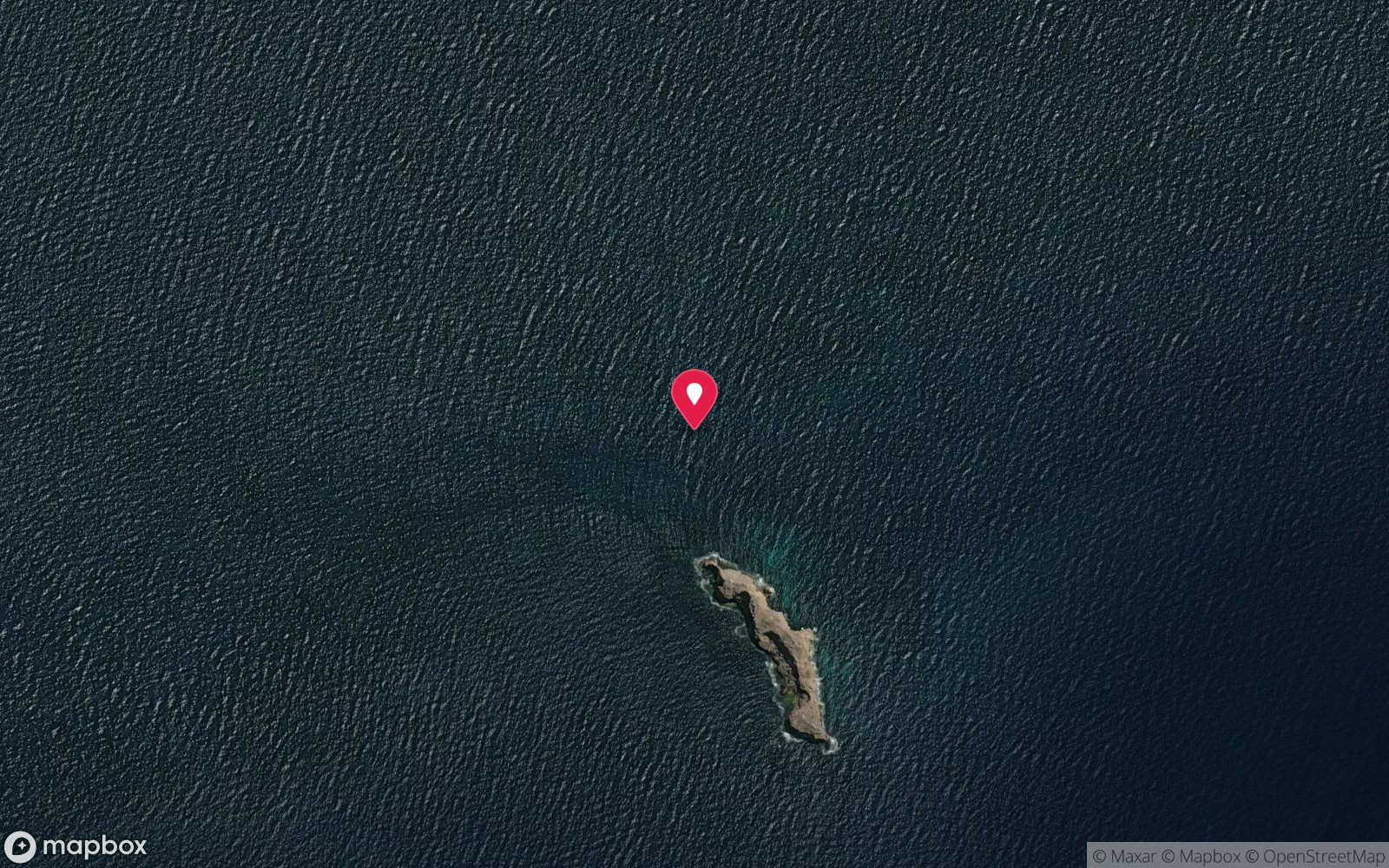
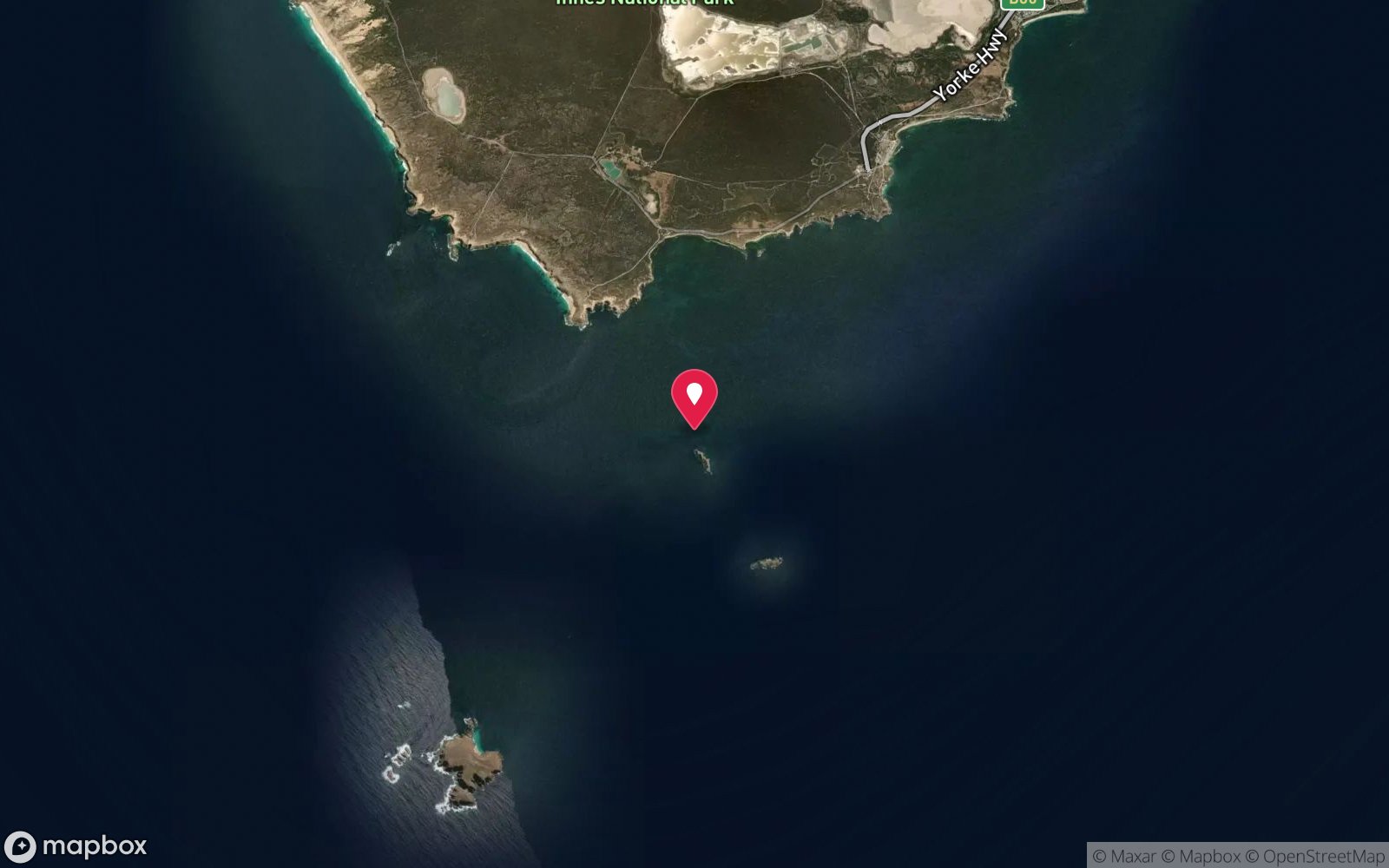
Haystack Reef: frequently asked questions
How deep is Haystack Reef?
Haystack Reef reaches a maximum depth of 22 m, with the shallowest part at about 10 m; most of the dive is spent around 16 m.
What certification do I need to dive Haystack Reef?
Advanced Open Water is the recommended minimum. Rated advanced because of depth beyond 18 m, strong current, an overhead environment, boat traffic overhead, cold water.
Can I shore dive Haystack Reef?
No, it is reached by boat (about 30 minutes). A dive centre is required: boat access only.
When is the best time to dive Haystack Reef?
Late summer and autumn with low swell and light winds.
What marine life will I see at Haystack Reef?
Regularly recorded: Southern rock lobster (abundant), sweep, bullseyes, trevally, western blue groper, southern blue devils, boarfish, magpie perch, rays, seals, red/yellow/orange sponges, soft corals and more.
What wetsuit do I need at Haystack Reef?
5-7 mm full wetsuit with hood in summer/autumn; 7 mm semi-dry or drysuit in winter.
How cold is the water at Haystack Reef?
Typically 20-24 °C in summer and 12-14 °C in winter.
What are the main hazards at Haystack Reef?
Strong currents – no free-water ascents; depth to 22 m; overhead environments in caves; exposed to swell; boat traffic; white sharks occur in the region. See the hazards section above for the full list.
Where is the nearest recompression chamber to Haystack Reef?
Royal Adelaide Hospital hyperbaric medicine unit (Adelaide). In an emergency call 000, then DAN Asia-Pacific on 1800 088 200.
Diving in Yorke Peninsula
The Yorke Peninsula is jetty country. Edithburgh, Port Hughes, Wool Bay, Stenhouse Bay and Port Victoria have some of the richest macro diving in Australia under their pylons: blue devils, pyjama squid, seahorses, tasselled anglerfish, leafy seadragons and carpets of sponges in 5–12 m. Marion Bay and Innes National Park at the southern tip add wrecks, sea lions and clearer open-coast water.
Getting there: Two to four hours west of Adelaide. All the jetties are walk-in shore dives with ladders or beach entries; Innes National Park sites need a park pass.
Sources
- sdfsa.net/sa-dive-sites/yorke-peninsula
- thediveshack.com.au/dive-sites/local-dive-sites-yorke-peninsula
- marinelife.org.au/?page_id=122
- visityorkepeninsula.com.au/places-to-dive-and-snorkel
Data confidence: Medium · Being verified: No published GPS for the reef; coordinates estimated 500 m off Haystack Island.. Last updated September 2026. Know this site better? How to send a correction
Nearby dive sites
More wall dives in South Australia
Explore more
This region
Marine life