Dive slate · divesites.com.au · printed 8 Nov 2026
AV Ulonga Wreck
Fleurieu Peninsula & Victor Harbor, South Australia · near Wirrina Cove
| Depth | 32–39 m |
|---|---|
| Minimum level | Technical (decompression) |
| Difficulty | Expert/Technical |
| Access | Boat (day trip) |
| Entry | Back roll or giant stride from private or charter boat |
| Current | Strong |
| Visibility | 5-15 m |
| Water | summer 19-23 °C, winter 12-14 °C |
| Suit | 7 mm wetsuit with hood year-round; drysuit popular in winter (June-September) |
| Best season | Late summer to autumn (February-May) for the calmest mornings and best visibility; winter can be clear on easterly days |
| Bottom time | 15 min |
| Position | -35.42388, 138.06267 (GPS) |
| Permit | No permit required to dive; protected historic shipwreck (no disturbance or removal) |
| Nearest chamber | Royal Adelaide Hospital Hyperbaric Medicine Unit (Adelaide CBD); DAN emergency hotline 1800 088 200 |
| Emergency | 000 · DAN Asia-Pacific diving emergency 1800 088 200 |
AV Ulonga Wreck
Also known as Ulonga, PS Ulonga
A 1910 Murray paddle steamer turned coastal schooner, lost in 1976, sitting upright in 38 m with a Chrysler Valiant beside her.
Near Wirrina Cove · Fleurieu Peninsula & Victor Harbor, South Australia
- Depth
- 32–39 m
- Minimum level
- Technical (decompression)
- Access
- Boat (day trip)
- Boat ride
- ~20 min
- Water
- 19-23 °C
- Visibility
- 5-15 m
AV Ulonga Wreck32–39 m · Technical (decompression)
Dive factsDepths, conditions, location & safety
Season
Off-peak nowBest months: January, February, March, April, May, June, July, August, December.
Late summer to autumn (February-May) for the calmest mornings and best visibility; winter can be clear on easterly days
- Best months
- Now (November)
Dive facts
- Depth
- 32–39 m
- Typical depth
- 37 m
- Certification
- Technical (decompression)
- Difficulty
- Expert/Technical
- Depth tier
- Deep / Advanced + experience (30–40 m)
- Access
- Boat (day trip)
- Offshore
- 16.5 km
- Dive centre needed
- Yes – boat access only
- Shore / independent
- No
- Boat ride
- ~20 min
- Current
- Strong
- Visibility
- 5-15 m
- Water temp (summer)
- 19-23 °C
- Water temp (winter)
- 12-14 °C
- Water
- Temperate
- Bottom time
- 15 min
- Dive traffic
- Remote/expedition only
- Night dive
- No
- Snorkel friendly
- No
Exposure suit
7 mm wetsuit with hood year-round; drysuit popular in winter (June-September)
Location
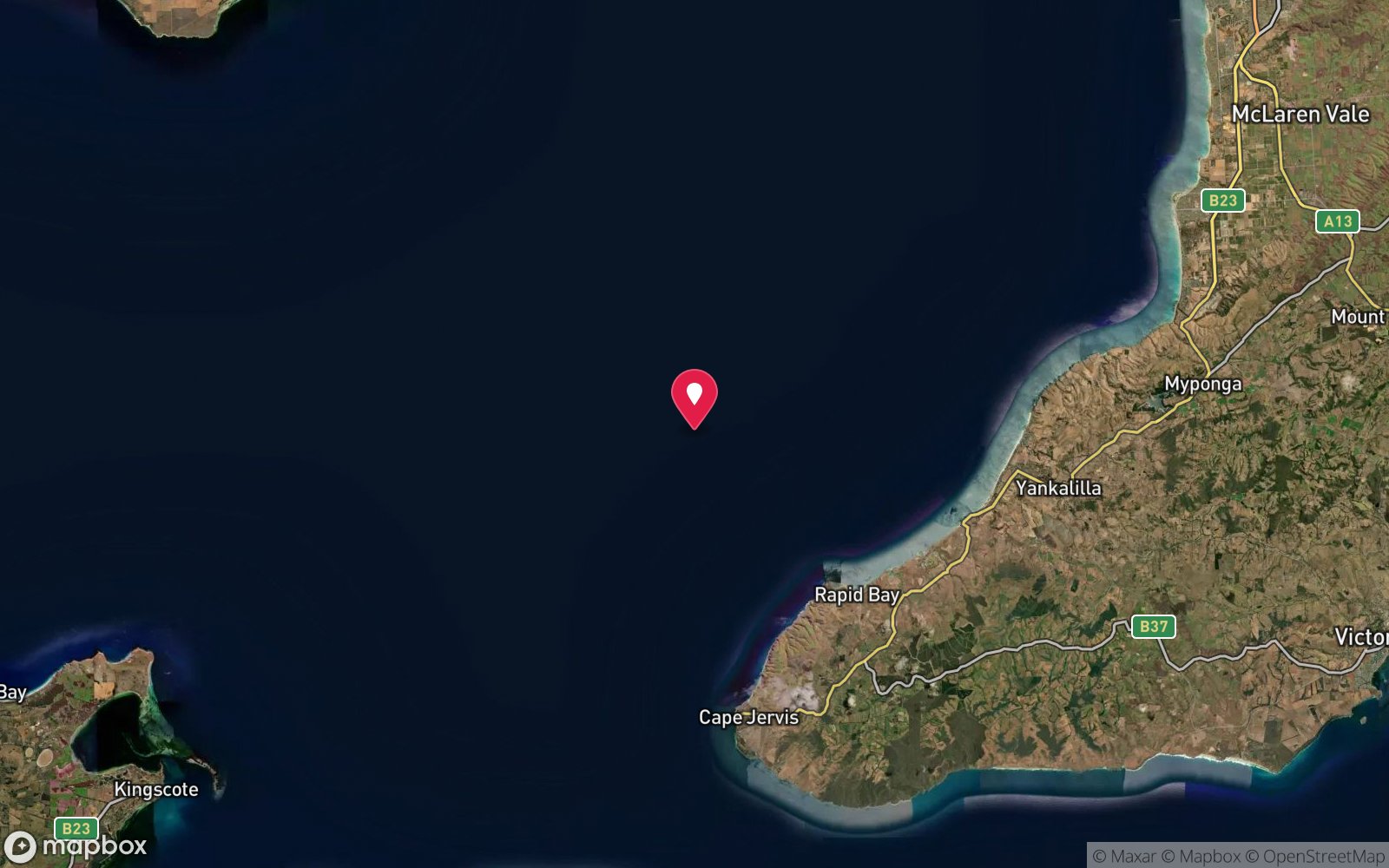
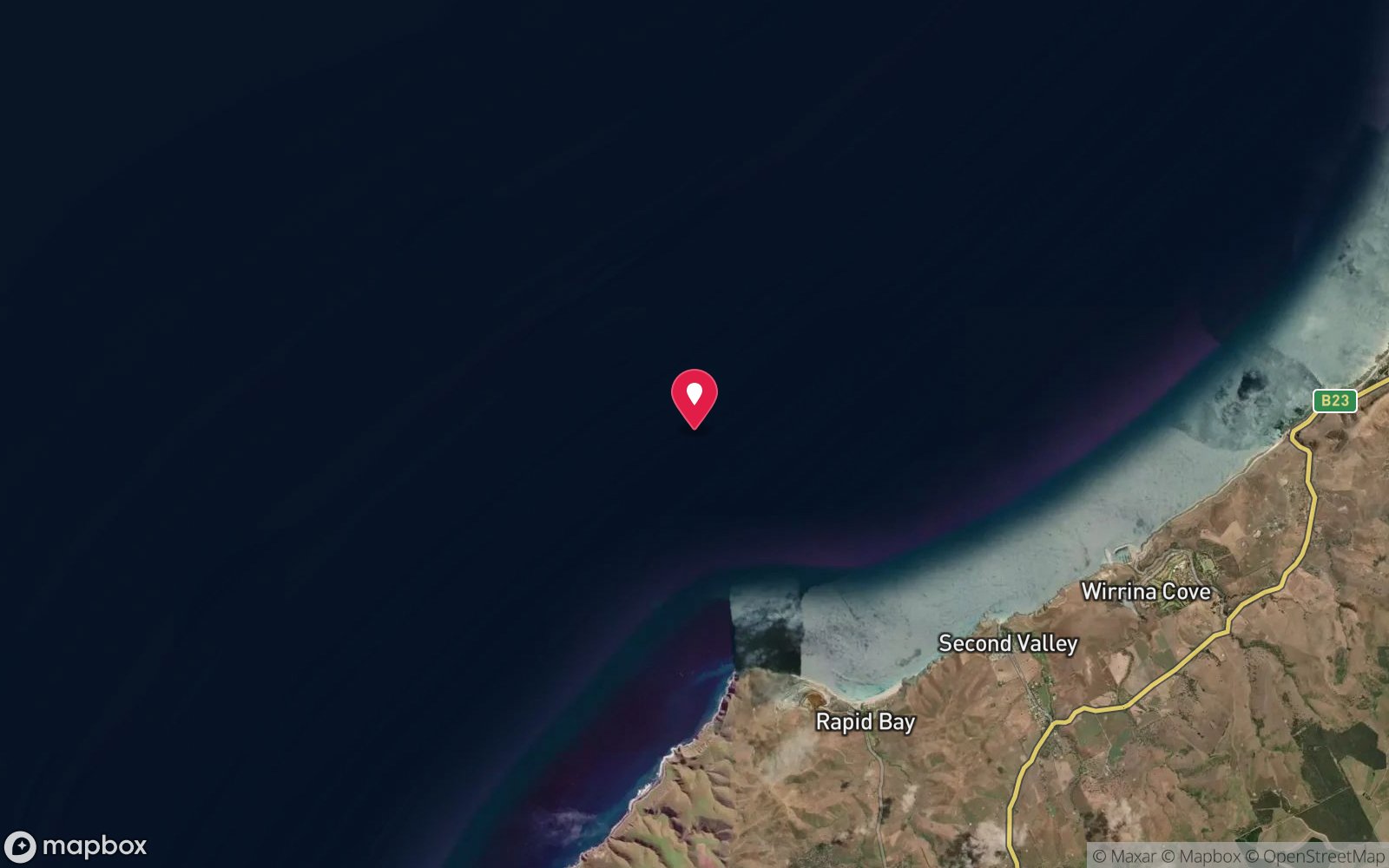
Yankalilla Bay – Backstairs approaches · Fleurieu Peninsula
-35.42388, 138.06267
Published GPS position.
Open in Google MapsPrimary source: mlssa.org.auMarine park & permits
No permit required to dive; protected historic shipwreck (no disturbance or removal)
Nearest recompression chamber
Royal Adelaide Hospital Hyperbaric Medicine Unit (Adelaide CBD); DAN emergency hotline 1800 088 200
Diving emergency: call 000, then DAN AP 1800 088 200.
Trip planner
Build a trip around AV Ulonga Wreck →
A day-by-day plan for Fleurieu Peninsula & Victor Harbor with this site locked in.
This guide is a planning aid. Conditions change daily — confirm with a local dive centre and dive within your training. Data & safety notes.
Dive profile
How this site rates
Scores are computed from the recorded data, not opinions. How?
At a glance
AV Ulonga Wreck is a wreck boat dive in Fleurieu Peninsula & Victor Harbor, SA, 32–39 m, suited to Technical (decompression) divers, strong current, about 20 minutes by boat.
Rated expert/technical because of depth to 39 m, strong current, cold water.
Why dive here
- A 1910 Murray paddle steamer turned coastal schooner, lost in 1976, sitting upright in 38 m with a Chrysler Valiant beside her.
- Sunk in 1976.
- Rarely dived: expect to have the site to yourself, and plan your own logistics.
Conditions to avoid
- Strong southerly or south-east swell and wind
- Any time other than slack water
About AV Ulonga Wreck
The AV Ulonga is the deepest and most challenging wreck in this region, a historic vessel lying in 37-39 m far out in the gulf west of Rapid Head. According to the Marine Life Society of SA, she was built in 1910 by Permewan, Wright and Co. at Moama, New South Wales, as the iron-hulled paddle steamer PS Ulonga, a Murray River trader. In 1948 she was rebuilt as a three-masted schooner with auxiliary twin screws, 110.7 ft long with a 22 ft beam, and worked the coastal trade carrying gypsum, wool and superphosphate between Port Adelaide and Kangaroo Island.
On 6 July 1976, sailing from American River back to Port Adelaide, she foundered at about 6 pm. Her crew of five were rescued by the SS Star Lily and transferred to a prawn boat. One theory is that her seams were sprung by the expanding gypsum cargo.
The wreck lay undiscovered until divers found it around the mid-1990s to 2001. She sits upright, oriented roughly north-east to south-west with her bow toward Kangaroo Island. Divers have reported crates of soft drink bottles, deck fittings and portholes, and a Chrysler Valiant that has slipped off the deck onto the seabed, while an enormous wobbegong has taken up residence in the wheelhouse.
Snapper and trevally school around the hull. The Marine Life Network notes the wreck is covered in anchors, fishing lines and heavy silt. This is a dive for technical divers only: at 37-39 m, no-decompression time on air is minimal, narcosis is significant, and currents are fierce.
With suitable gas, planning and boat support, it offers a rare, rarely visited historic wreck.
Wreck details
Iron-hulled paddle steamer built 1910 (Moama, NSW), rebuilt 1948 as three-masted auxiliary schooner; 33.7 m (110.7 ft) x 6.7 m (22 ft) · Sunk 1976
Era: post-war. Oldest wrecks · Wartime wrecks · Scuttled warships
Other wrecks of the same era
- Moorara Wreck · Max 4 m · Yorke Peninsula
- Degei Wreck · Max 11 m · Eyre Peninsula
- MV Yatala Reef Wreck · Max 12 m · Yorke Peninsula
- Mylor Star Wreck · Max 15 m · Yorke Peninsula
- Glenelg Barge · Max 20 m · Adelaide Metro
- Ardrossan Barge · Max 20 m · Yorke Peninsula
Getting there & entry
Former paddle steamer rebuilt as a three-masted auxiliary schooner, sunk in 1976, lying upright in 37-39 m about 16.5 km west of Rapid Head in Gulf St Vincent.
Boat access only. Launch at Wirrina Cove (Marina St Vincent) and run west-north-west for about 20 minutes to the GPS mark, roughly 26.5 km due west of Haycock Point or 16.5 km from Rapid Head. There are no moorings: shot the wreck and have a boat attendant follow divers, as current is strong.
This is an exposed open-water location that needs a settled forecast.
Entry: Back roll or giant stride from private or charter boat
Facilities: Wirrina Cove (Marina St Vincent) boat ramp and fuel.
Weather, swell & tides
Divers describe the current here as nothing short of ferocious. Dive only at slack water on neap dodge tides, with a shot line and live-boat pickup. The site is exposed to wind from all directions; a calm day with light easterly or southerly winds is essential.
Visibility varies with the current and sediment. Summer to autumn gives the most settled weather windows.
Best season: Late summer to autumn (February-May) for the calmest mornings and best visibility; winter can be clear on easterly days
If it's blown out
Sheltered or shore sites within 25 km that often work when AV Ulonga Wreck doesn't.
- Rapid Bay Jetty · 16 km · Max 10 m
- Second Valley · 17 km · Max 9 m
- Second Valley Jetty · 17 km · Max 5 m
- Rapid Head · 15 km · Max 12 m
How the dive is usually run
Shot the wreck at slack water, descend the line directly to the deck at about 35 m, explore the wheelhouse and deck (the Valiant car lies alongside), and begin the ascent on the shot before the current returns. Plan decompression on the line or a drifting deco station with the boat following.
Marine life
- Wobbegong (resident in wheelhouse) →
- snapper
- trevally
- bullseyes
- sponges
Linked species have their own page listing every site where they are recorded. All marine life →
Training required
The recreational limit. Operators expect a Deep Diver specialty or Advanced plus a log of similar dives, and most recommend nitrox.
This is a deep dive: plan gas, bottom time and a safety stop accordingly, and consider nitrox.
Courses that help here
- Enriched Air Nitrox – Longer no-decompression time at 25 m and deeper.
- Deep Diver – The site reaches 39 m.
- Drift Diver – Current is a feature of the dive.
- Drysuit Diver – Cold water; locals dive dry for much of the year.
Depth tiers: 0–10 m easy · to 18 m Open Water · 18–30 m Advanced (25 m+ is a deep dive) · 30–40 m Deep specialty · 40 m+ technical. All courses
Hazards & warnings
Depth 37-39 m – decompression likely, narcosis; ferocious tidal current – slack water only; fishing line and anchors entangled on the wreck; heavy silt; remote exposed site; protected historic shipwreck.
Technical notes
Technical dive: trimix or at least EANx deco gases recommended; plan deco on the shot or a drifting station; line cutters essential due to fishing line; live-boat pickup required.
Dive centres that go here
No regular operator – private boats and technical diving groups only, occasionally Marine Life Society of SA members.
Other dive centres in Fleurieu Peninsula & Victor Harbor
Adelaide Scuba
ListedGlenelg North · Adelaide Metro · SA
An Adelaide business providing training, equipment and local diving support, located near Glenelg.
adelaidescuba.com.au · (08) 8294 7744
Diving Adelaide
ListedMarleston · Adelaide Metro · SA
An Adelaide training and guided diving operation serving local sites and organised trips.
divingadelaide.com.au · (08) 8122 5003
Underwater Sports
ListedHolden Hill · Adelaide Metro · SA
An Adelaide equipment and service business. Retail range and servicing capability require verification.
underwatersports.com.au · (08) 8263 3337
The Dive Shack
ListedGlenelg · Adelaide Metro · SA
An Adelaide business combining retail, servicing and training for South Australian divers.
thediveshack.com.au
Divers Delight
ListedStepney · Adelaide Metro · SA
An Adelaide dive business. Retail range, servicing and training availability require verification.
diversdelight.com.au · (08) 8363 7518
Adelaide Technical Diving
ListedPark Holme · Adelaide Metro · SA
An Adelaide operation specialising in technical diving training, relevant to divers preparing for deep, decompression or cave diving in South Australia.
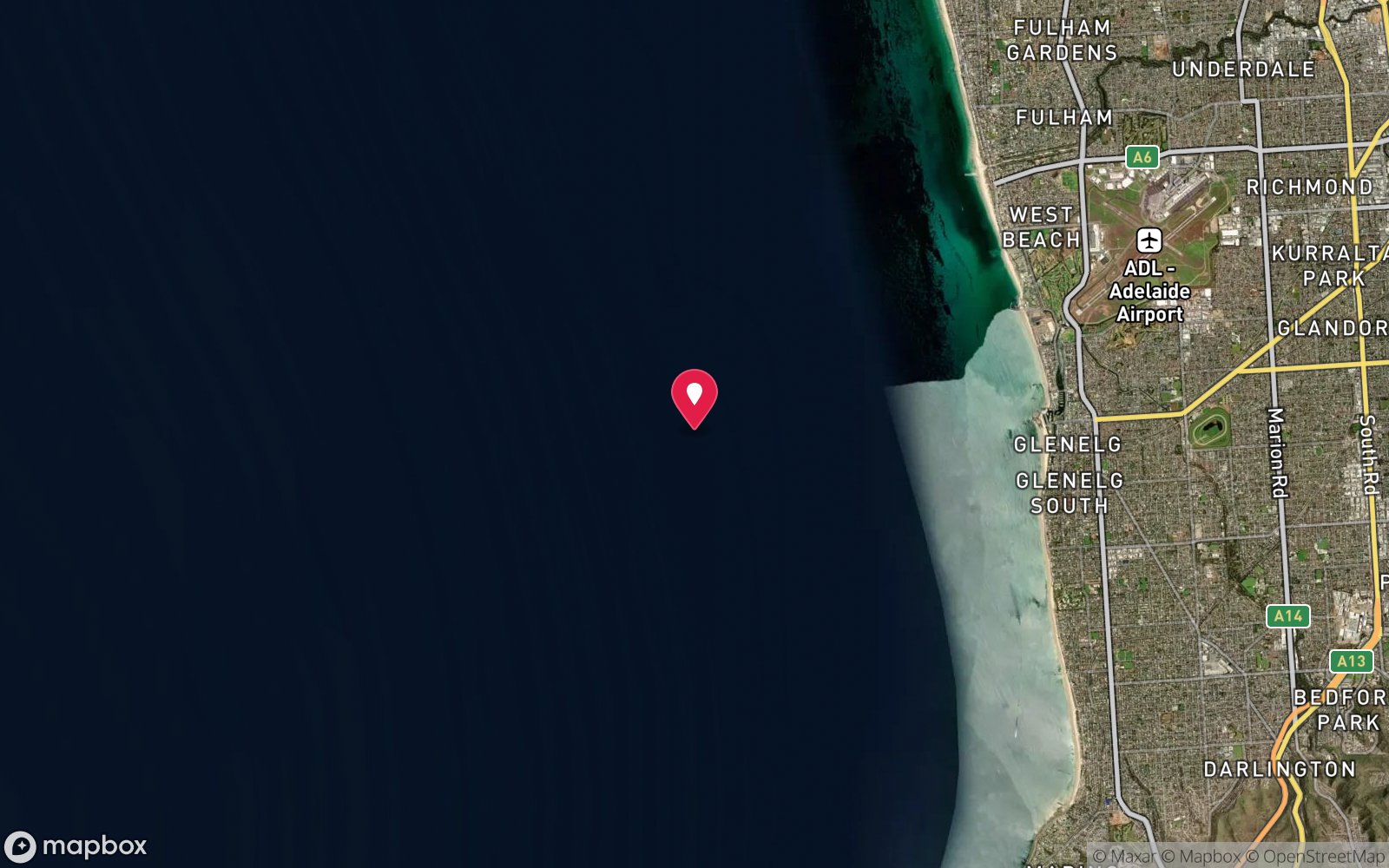
Map
7 pinned sites. Pins marked approximate on their pages show the general area only; not for navigation.
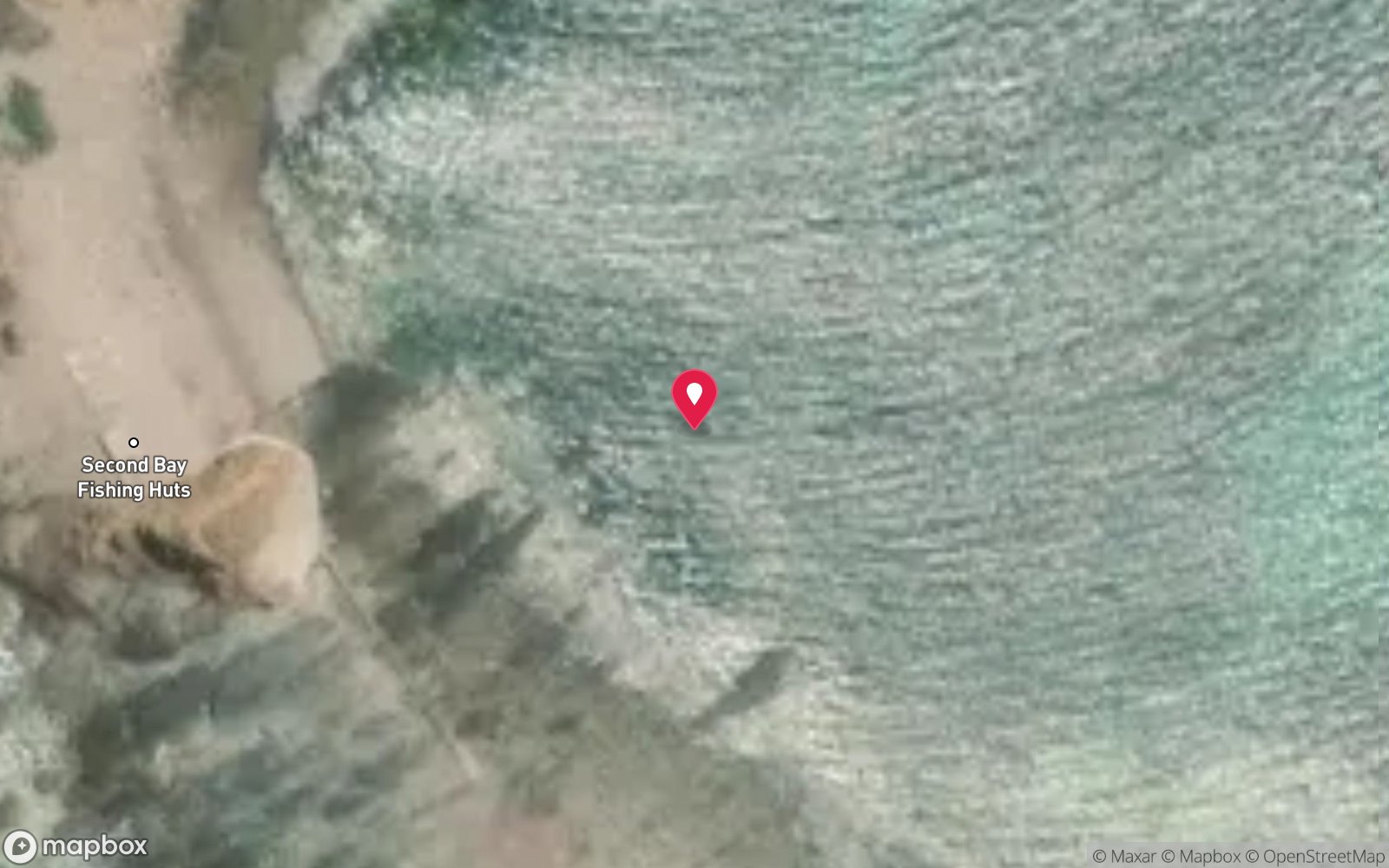
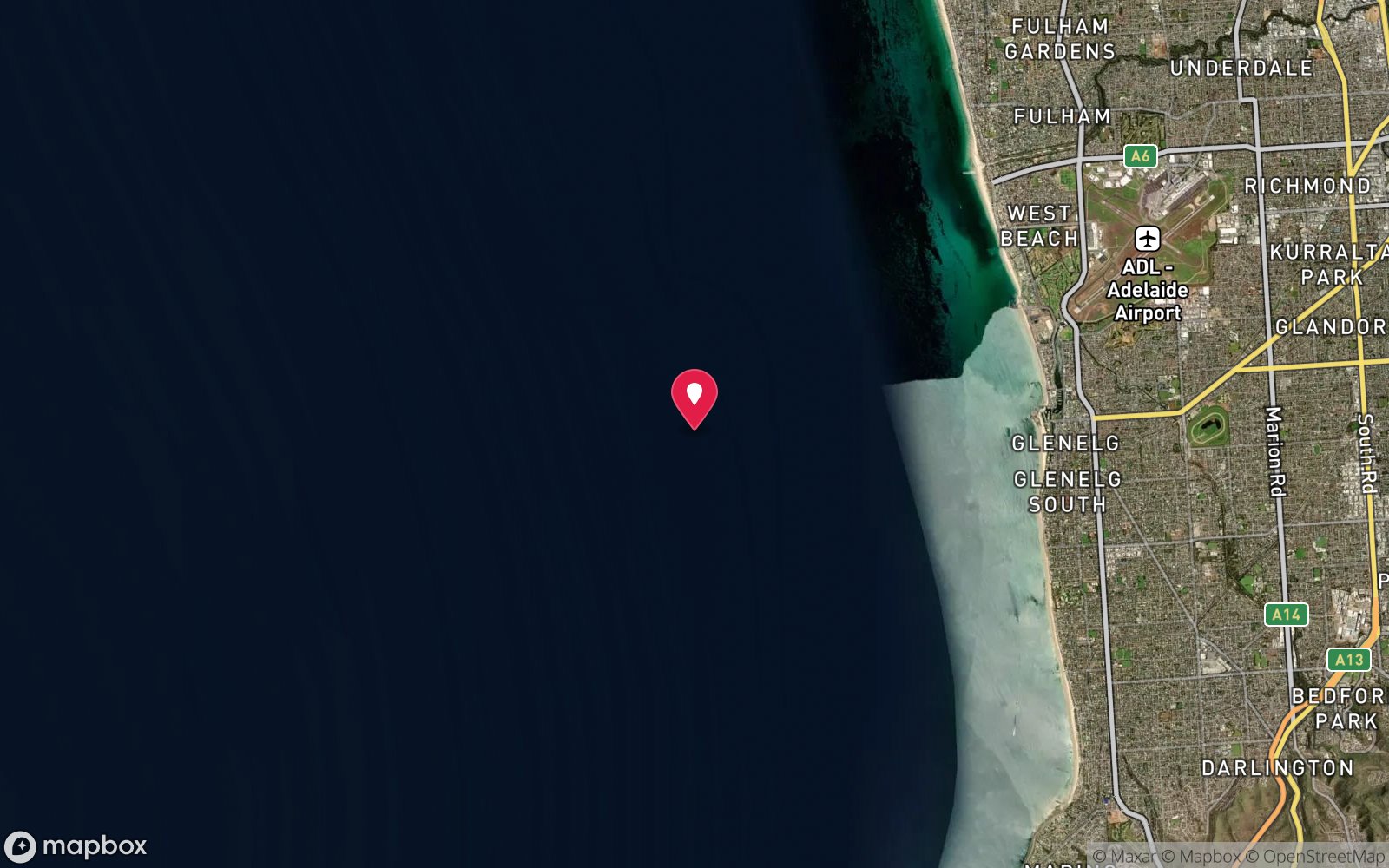
Satellite views
AV Ulonga Wreck: frequently asked questions
How deep is AV Ulonga Wreck?
AV Ulonga Wreck reaches a maximum depth of 39 m, with the shallowest part at about 32 m; most of the dive is spent around 37 m.
What certification do I need to dive AV Ulonga Wreck?
Technical (decompression) is the recommended minimum. This is a deep dive: plan gas, bottom time and a safety stop accordingly, and consider nitrox. Rated expert/technical because of depth to 39 m, strong current, cold water.
Can I shore dive AV Ulonga Wreck?
No, it is reached by boat (about 20 minutes). A dive centre is required: boat access only.
When is the best time to dive AV Ulonga Wreck?
Late summer to autumn (February-May) for the calmest mornings and best visibility; winter can be clear on easterly days.
What marine life will I see at AV Ulonga Wreck?
Regularly recorded: Wobbegong (resident in wheelhouse), snapper, trevally, bullseyes, sponges.
What wetsuit do I need at AV Ulonga Wreck?
7 mm wetsuit with hood year-round; drysuit popular in winter (June-September).
How cold is the water at AV Ulonga Wreck?
Typically 19-23 °C in summer and 12-14 °C in winter.
What are the main hazards at AV Ulonga Wreck?
Depth 37-39 m – decompression likely, narcosis; ferocious tidal current – slack water only; fishing line and anchors entangled on the wreck; heavy silt; remote exposed site; protected historic shipwreck. See the hazards section above for the full list.
Where is the nearest recompression chamber to AV Ulonga Wreck?
Royal Adelaide Hospital Hyperbaric Medicine Unit (Adelaide CBD); DAN emergency hotline 1800 088 200. In an emergency call 000, then DAN Asia-Pacific on 1800 088 200.
Diving in Fleurieu Peninsula & Victor Harbor
The Fleurieu is where you go to see a leafy seadragon. Rapid Bay Jetty is the most reliable site anywhere, and Second Valley, the Bluff at Victor Harbor and Port Noarlunga are close behind. The ex-HMAS Hobart, a 133 m destroyer scuttled off Yankalilla in 2002, is the region's flagship boat dive, and the granite coves of Second Valley and Carrickalinga are easy shore dives.
Getting there: An hour or two south of Adelaide. Rapid Bay and Second Valley are walk-in shore dives; the Hobart is a charter from Wirrina Cove or Adelaide.
All Fleurieu Peninsula & Victor Harbor dive sites and a suggested itinerary →
Sources
- mlssa.org.au/2017/04/13/update-on-the-wreck-of-the-av-ulonga
- marinelife.org.au/?page_id=130
- en.wikivoyage.org/wiki/Diving_in_South_Australia
- divedb.net/sites/av-ulonga
Data confidence: High · Being verified: Discovery date differs (mid-1990s vs 2001).. Last updated September 2026. Know this site better? How to send a correction
Nearby dive sites
More wrecks in South Australia
Explore more
This region
Similar dives
Marine life