Dive slate · divesites.com.au · printed 9 Nov 2026
SS Orungal
Surf Coast & Great Ocean Road, Victoria · near Barwon Heads
| Depth | 3–10 m |
|---|---|
| Minimum level | Open Water |
| Difficulty | Intermediate |
| Access | Shore or Boat |
| Entry | Boat from the Barwon Heads river ramp (preferred) anchored on sand beside the reef; or a 700 m shore swim from Barwon Bluff on a flat day |
| Current | Mild |
| Visibility | 5-12 m |
| Water | summer 16-19 °C, winter 11-13 °C |
| Suit | 7 mm semi-dry with hood in summer; drysuit in winter |
| Best season | Summer and autumn on flat days with little wind and no swell |
| Bottom time | 45 min |
| Position | -38.28778, 144.51010 (GPS) |
| Permit | No marine park. Historic shipwreck protected under the Victorian Heritage Act 2017 and Commonwealth Underwater Cultural Heritage Act 2018 – look but do not touch, no artefact removal, no anchoring into the wreck. No dive permit required. Adjacent to the Barwon Bluff Marine Sanctuary – check boundaries; no take in the sanctuary. |
| Nearest chamber | The Alfred (Melbourne) |
| Emergency | 000 · DAN Asia-Pacific diving emergency 1800 088 200 |
SS Orungal
Also known as Orungal, Fezara, Formby Reef wreck
A 119 m interstate liner wrecked on Formby Reef in 1940 and picked over by Whelan the Wrecker – two Scotch boilers awash at low tide and a wide field of plating, winches and shaft in 3–10 m; a fine flat-day dive and snorkel.
Near Barwon Heads · Surf Coast & Great Ocean Road, Victoria
- Depth
- 3–10 m
- Minimum level
- Open Water
- Access
- Shore or Boat
- Boat ride
- ~10 min
- Water
- 16-19 °C
- Visibility
- 5-12 m
SS Orungal3–10 m · Open Water · Shore
Dive factsDepths, conditions, location & safety
Season
Off-peak nowBest months: January, February, March, April, May, December.
Summer and autumn on flat days with little wind and no swell
- Best months
- Now (November)
Dive facts
- Depth
- 3–10 m
- Typical depth
- 8 m
- Certification
- Open Water
- Difficulty
- Intermediate
- Depth tier
- Easy (0–10 m)
- Access
- Shore or Boat
- Offshore
- 0.7 km
- Dive centre needed
- No – independently diveable
- Shore / independent
- Possible (experienced only)
- Boat ride
- ~10 min
- Current
- Mild
- Visibility
- 5-12 m
- Water temp (summer)
- 16-19 °C
- Water temp (winter)
- 11-13 °C
- Water
- Cold Temperate
- Bottom time
- 45 min
- Dive traffic
- Moderate (occasional charters/club dives)
- Night dive
- Possible
- Snorkel friendly
- Yes
Exposure suit
7 mm semi-dry with hood in summer; drysuit in winter
Location
Barwon Heads – Formby Reef · Surf Coast
-38.28778, 144.51010
Published GPS position.
Open in Google MapsPrimary source: scubadoctor.com.auMarine park & permits
No marine park. Historic shipwreck protected under the Victorian Heritage Act 2017 and Commonwealth Underwater Cultural Heritage Act 2018 – look but do not touch, no artefact removal, no anchoring into the wreck. No dive permit required. Adjacent to the Barwon Bluff Marine Sanctuary – check boundaries; no take in the sanctuary.
Nearest recompression chamber
The Alfred (Melbourne)
Diving emergency: call 000, then DAN AP 1800 088 200.
Trip planner
Build a trip around SS Orungal →
A day-by-day plan for Surf Coast & Great Ocean Road with this site locked in.
This guide is a planning aid. Conditions change daily — confirm with a local dive centre and dive within your training. Data & safety notes.
Dive profile
How this site rates
Scores are computed from the recorded data, not opinions. How?
At a glance
SS Orungal is a wreck shore dive for experienced divers in Surf Coast & Great Ocean Road, VIC, 3–10 m, suited to Open Water divers, about 10 minutes by boat.
Rated intermediate because of surge on the entry or in the shallows, cold water.
Why dive here
- A 119 m interstate liner wrecked on Formby Reef in 1940 and picked over by Whelan the Wrecker – two Scotch boilers awash at low tide and a wide field of plating, winches and shaft in 3–10 m; a fine flat-day dive and snorkel.
- Sunk in 1940 (Steel passenger/cargo steamer, 119 m (390 ft), about 8,000 t); protected as underwater cultural heritage, so look but do not touch.
- Snorkel-friendly, so non-diving companions can join at the surface.
About SS Orungal
Orungal was an 8,000-ton, 119 m (390 ft) passenger and cargo steamer built by Alexander Stephen and Sons at Linthouse, Glasgow, in 1923 as the Fezara for Egyptian owners' Mediterranean service. In 1927 she was chartered, renamed Orungal and put on the Australian interstate passenger run by the Australasian United Steam Navigation Company (later the Adelaide Steamship Company), with 240 single-class berths, sailing between Sydney, Melbourne, Adelaide and Fremantle for thirteen years. On the night of 20 November 1940, inbound from Sydney with 16 passengers and 1,200 tons of cargo, she ran onto Formby Reef off Barwon Heads in a gale at about 10.30 pm; everyone was landed safely.
Salvage attempts were ended on 13 December 1940 when fire, probably from spontaneous combustion in the cargo, swept the ship and the magazine exploded. Whelan the Wrecker bought the rights and over the following years methodically dismantled everything worth taking. What remains is a wide, shallow scatter that is the most accessible large wreck on the Bellarine coast.
Two big Scotch boilers stand upright and break the surface at low tide, giving the mark; around them, in 3–10 m across the reef, lie large sections of steel hull plating and framing, masts and booms, deck winches, the propeller shaft and a flywheel, all encrusted and full of life. Sweep, wrasse, zebrafish, magpie perch and leatherjackets school over the plates, crayfish live under them, and seals from the Barwon Bluff area drop in. It is a flat-day dive: the reef is open to Bass Strait and surge is severe in any swell, but on a glassy summer morning it is an easy 10 m dive or an outstanding snorkel with real scale to it.
It suits Open Water divers and snorkellers who pick their day, and it is a good shallow second dive for Queenscliff and Barwon Heads boats after the Canberra or the subs. Whelan's salvage and eighty years of storms mean nothing is intact, but the boilers alone are worth the trip.
Wreck details
Steel passenger/cargo steamer, 119 m (390 ft), about 8,000 t · Sunk 1940 · Protected historic shipwreck
Era: Second World War. Oldest wrecks · Wartime wrecks · Scuttled warships
Other wrecks of the same era
- City of Rayville · Max 82 m · Surf Coast & Great Ocean Road
- HMAS Goorangai · Max 15 m · Port Phillip Heads
- SS Kakariki · Max 10 m · Melbourne & Port Phillip Bay
- Batman · Max 46 m · Port Phillip Heads
- Burke · Max 50 m · Port Phillip Heads
- Fawkner · Max 46 m · Port Phillip Heads
Getting there & entry
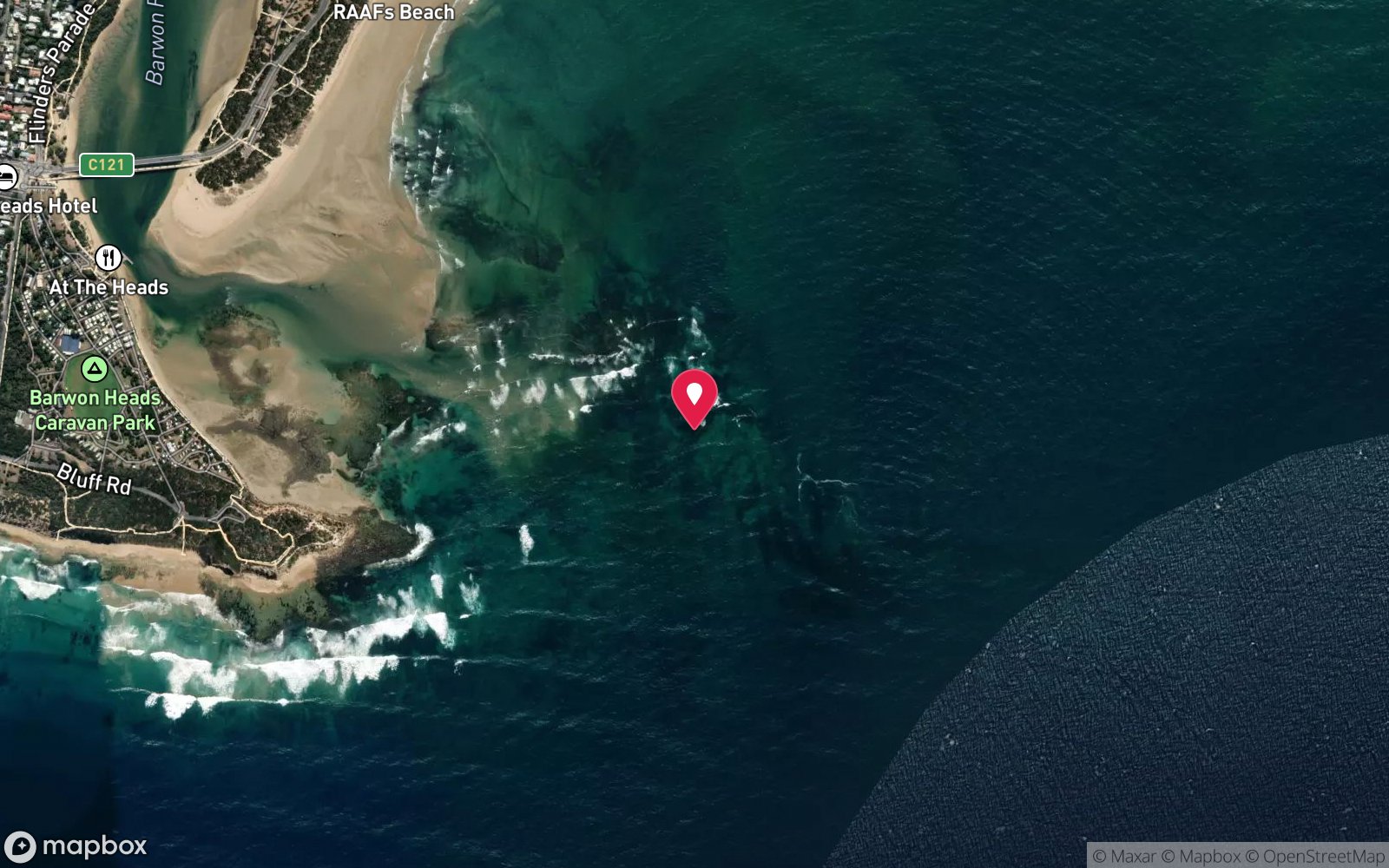
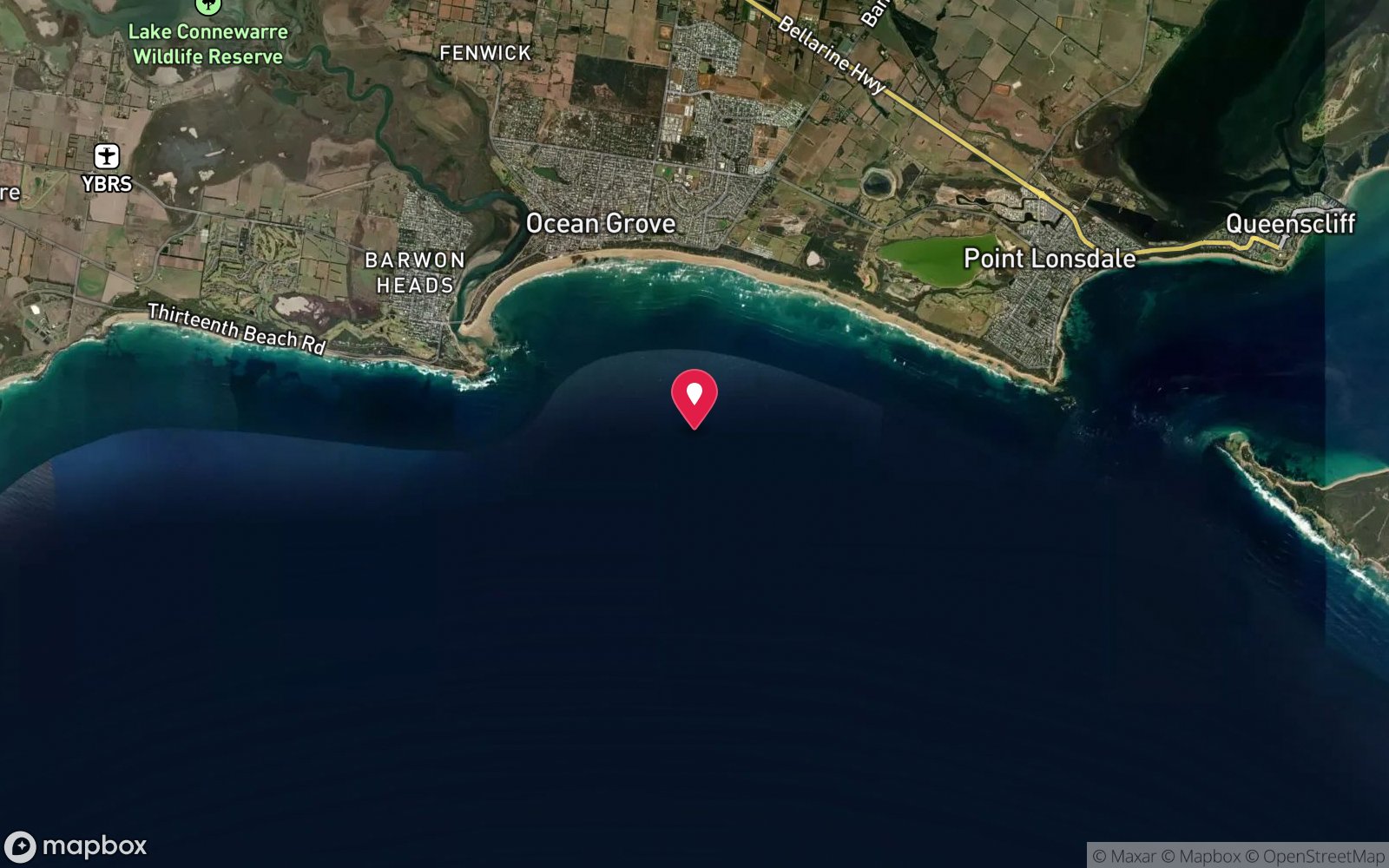
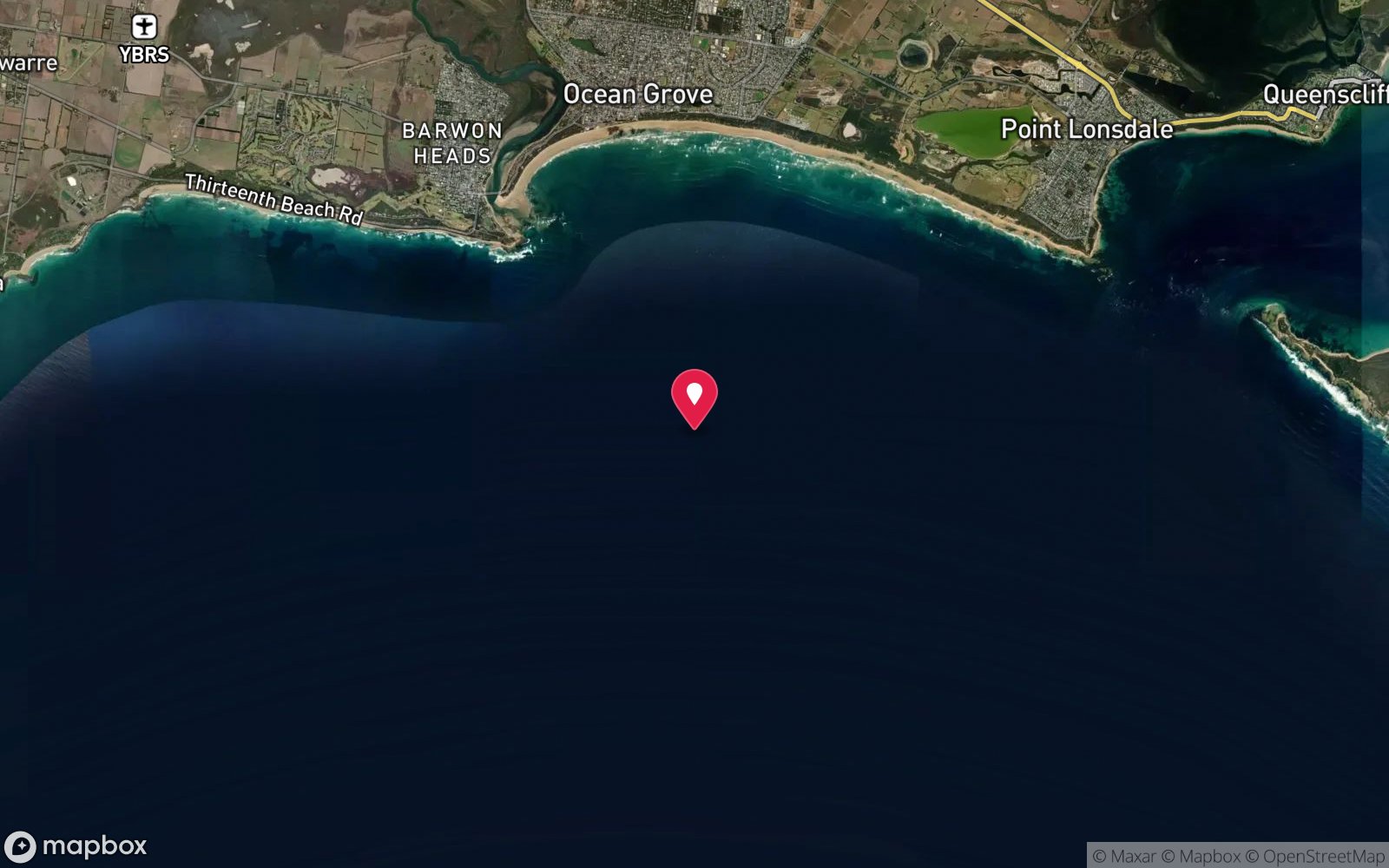
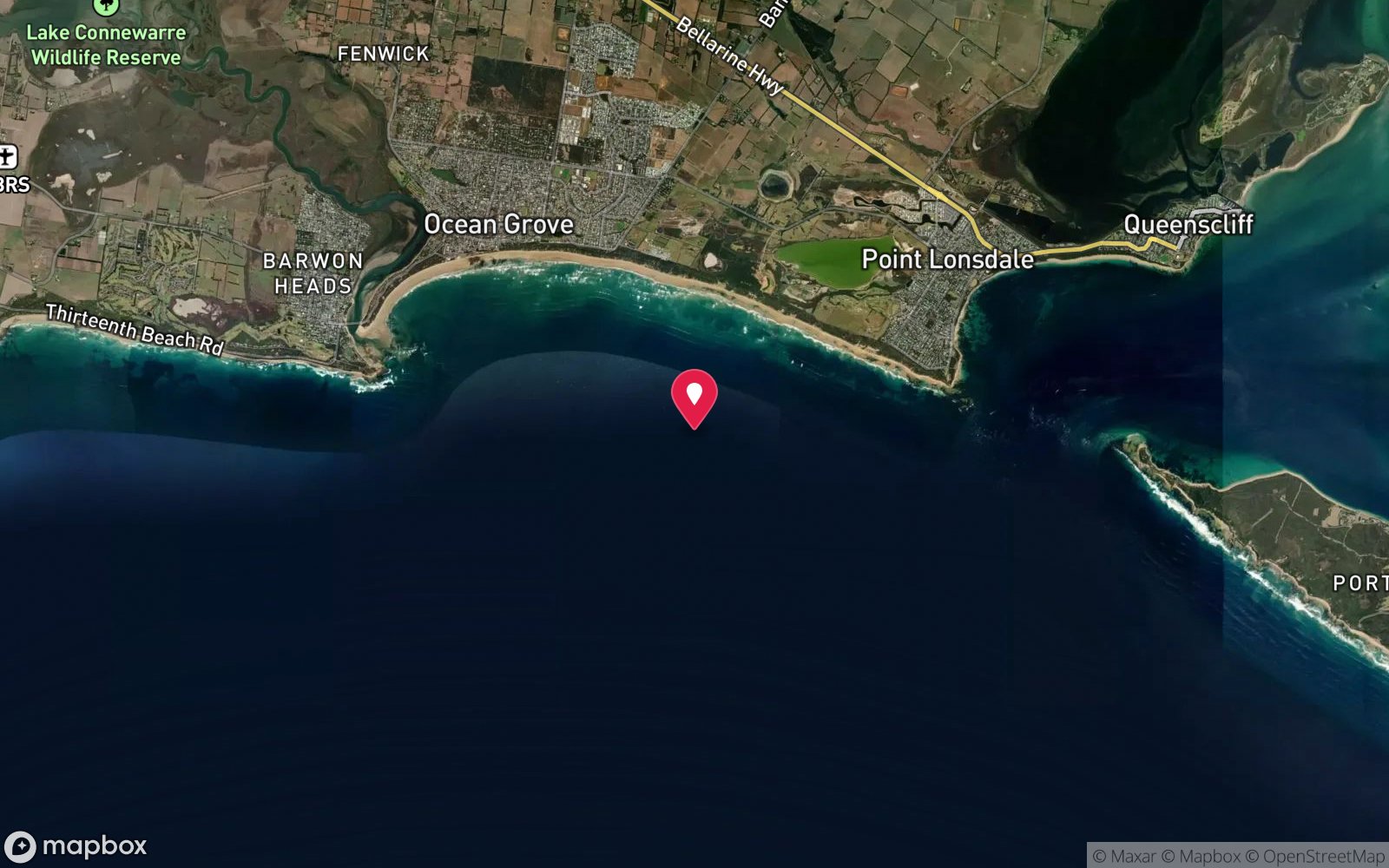
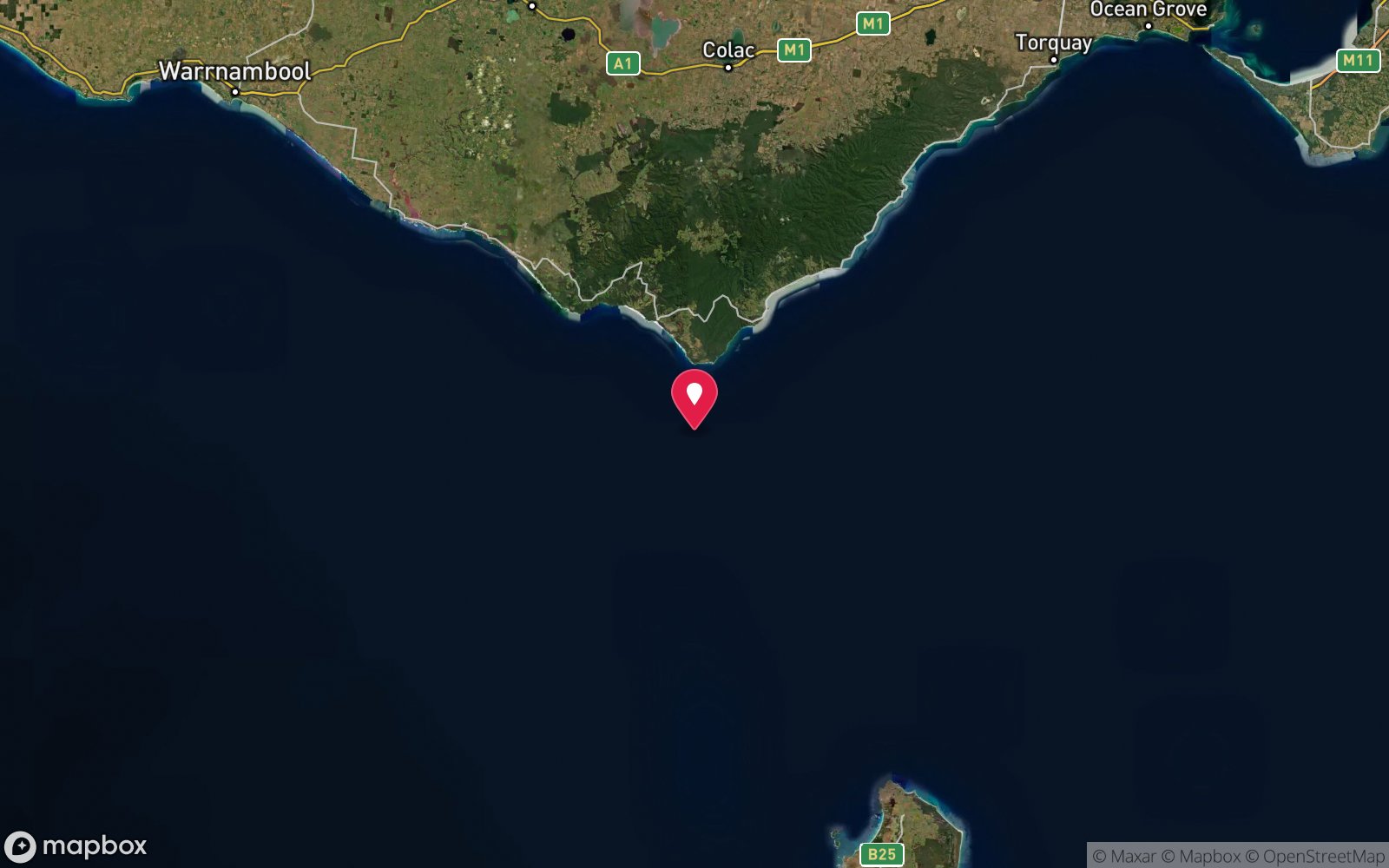
On Formby Reef off Barwon Bluff (Point Flinders) at Barwon Heads, about 700 m offshore in 10 m, on the Bass Strait side of the Barwon River mouth.
Drive Melbourne–Barwon Heads via the Geelong Ring Road and Barwon Heads Road (about 1 h 30 min). For a boat dive launch at the Barwon Heads river ramp on Ewing Blyth Drive (parking, toilets) and cross the river bar – only in low swell – then run 1–2 km south-west to the reef; Queenscliff ramp is 20 km by sea. For the shore option park at the Barwon Bluff car park at the end of Flinders Parade, walk down to the rock platform on the northern side of Point Flinders and swim about 700 m out to the reef – the Scuba Doctor notes that for most divers the Orungal is better done as a boat dive.
The two boilers show at low tide and give the mark.
Entry: Boat from the Barwon Heads river ramp (preferred) anchored on sand beside the reef; or a 700 m shore swim from Barwon Bluff on a flat day
Facilities: Barwon Heads river boat ramp (parking, toilets); Barwon Bluff car park; cafes in Barwon Heads and Ocean Grove; fills at Ocean Grove/Queenscliff dive shops
Weather, swell & tides
Formby Reef is a shallow reef on an open Bass Strait coast and the wreck is subject to waves and surge; the Scuba Doctor says dive it only on flat calm days with little wind, flat seas and no swell, and recommends it for experienced divers and snorkellers only. South-westerly swell over about 0.5–1 m breaks over the boilers; northerly winds and a settled high give the necessary glassy conditions, typically a few days a month in summer and autumn. The Barwon River bar is only crossable in low swell, which conveniently coincides with diveable conditions on the wreck.
Visibility of 5–12 m collapses for weeks after the Barwon floods. Low tide exposes the boilers and makes the reef easy to find.
Best season: Summer and autumn on flat days with little wind and no swell
If it's blown out
Sheltered or shore sites within 25 km that often work when SS Orungal doesn't.
- Portsea Pier · 18 km · Max 7 m
- Chinamans Hat · 19 km · Max 12 m
- Blairgowrie Pier · 24 km · Max 7 m
- Nepean Bay · 13 km · Max 12 m
How the dive is usually run
Anchor on sand beside the reef on a flat day, descend and locate the two upright Scotch boilers, then work outwards through the scatter of hull plating, framing, masts, booms, deck winches, the propeller shaft and the flywheel across the reef in 3–10 m, using the boilers as the reference point. Snorkellers can cover the boiler area from the surface. 45 minutes.
Marine life
- Sweep
- wrasse
- zebrafish
- magpie perch
- leatherjackets
- southern rock lobster
- Australian fur seals →
- sponges
- kelp
- sea urchins
Linked species have their own page listing every site where they are recorded. All marine life →
Training required
Shallow enough for snorkellers and for a first dive under supervision. Any certified diver can dive it.
Courses that help here
- Drysuit Diver – Cold water; locals dive dry for much of the year.
Depth tiers: 0–10 m easy · to 18 m Open Water · 18–30 m Advanced (25 m+ is a deep dive) · 30–40 m Deep specialty · 40 m+ technical. All courses
Hazards & warnings
Open Bass Strait reef – waves and surge, flat days only; Barwon River bar crossing for boats; 700 m swim from shore; sharp steel; visibility drops after river floods; historic shipwreck – no artefact removal.
Dive centres that go here
No regular charter; Dive Victoria Group, Red Boats and Geelong Dive Centre run the Orungal occasionally as a shallow second dive or snorkel on flat days, and Barwon Heads/Ocean Grove locals dive it from small boats and kayaks. Frequently snorkelled in summer when flat.
Operators recorded for SS Orungal
Divein2Scuba (Geelong Dive Centre)
ListedGeelong · Geelong & Bellarine · VIC
A Geelong business providing training, equipment and local diving support.
divein2scuba.com · (03) 5221 3342
Scubabo Dive Victoria (Dive Victoria Group)
Named by sitesQueenscliff · Port Phillip Heads · VIC
Rebranded as Scubabo Dive Victoria, Queenscliff; dive.scubabo.com is live for 2026 with active charter bookings.
dive.scubabo.com · (03) 5258 1188
Red Boats
Reported closedPortsea · Port Phillip Heads · VIC
TripAdvisor marks RedBoats Portsea as permanently closed (last review November 2021) and the domain is now an unrelated boating blog.
Other dive centres in Surf Coast & Great Ocean Road
The Scuba Doctor
ProfiledRye · Melbourne & Port Phillip Bay · VIC
A Victorian equipment and service business with an extensive retail presence, located to serve both Melbourne and Mornington Peninsula divers.
scubadoctor.com.au · (03) 5985 3322
Bay City Scuba
ListedEast Geelong · Melbourne & Port Phillip Bay · VIC
A Victorian business associated with recreational and technical training alongside equipment and gas services.
baycityscuba.com · (03) 5248 1488
Warrnambool Diving
Named by sitesWarrnambool · Shipwreck Coast & Warrnambool · VIC
Trades as Warrnambool Diving & Firearms.
divingandfirearms.com.au · (03) 5562 1685
Map
7 pinned sites. Pins marked approximate on their pages show the general area only; not for navigation.
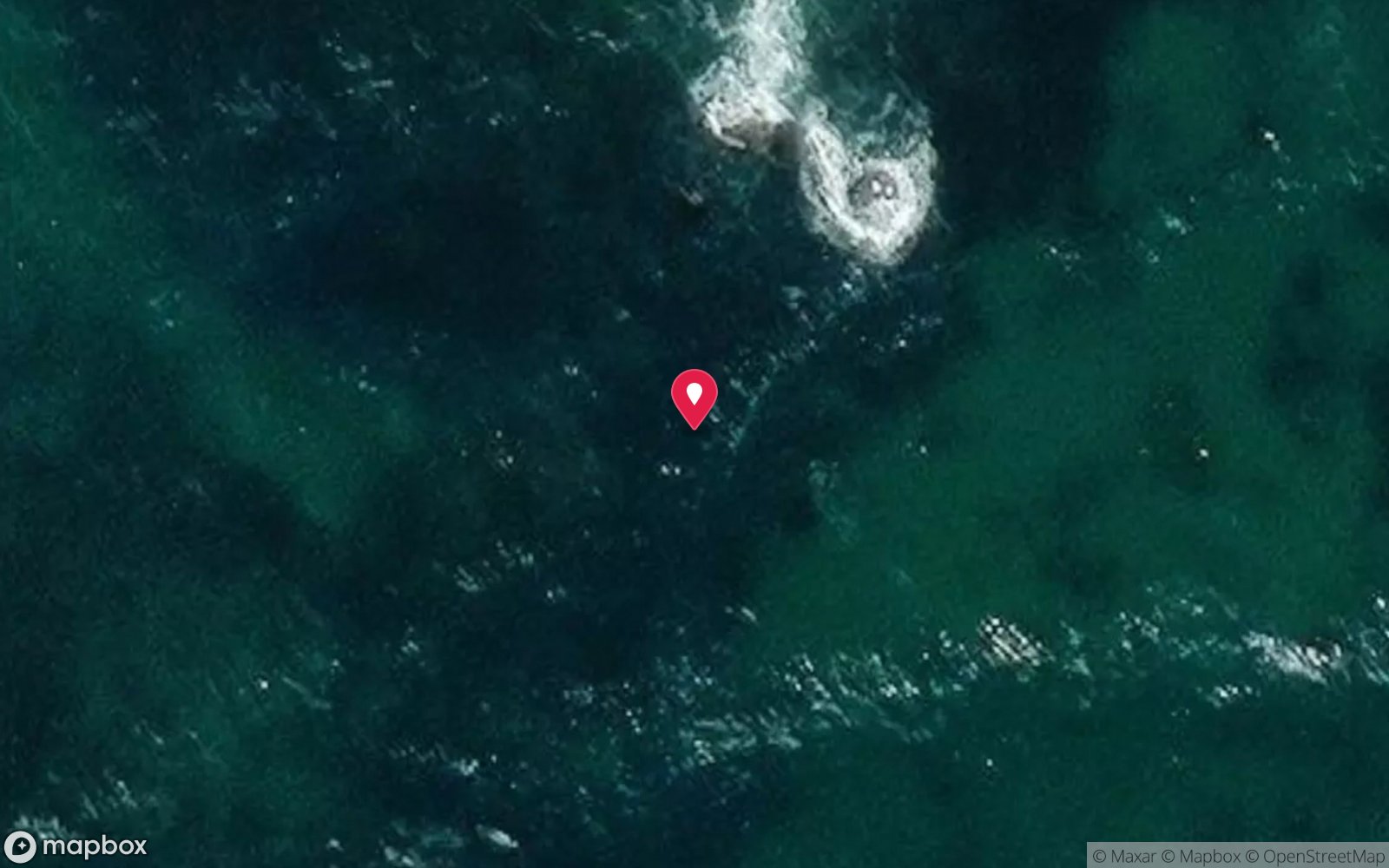
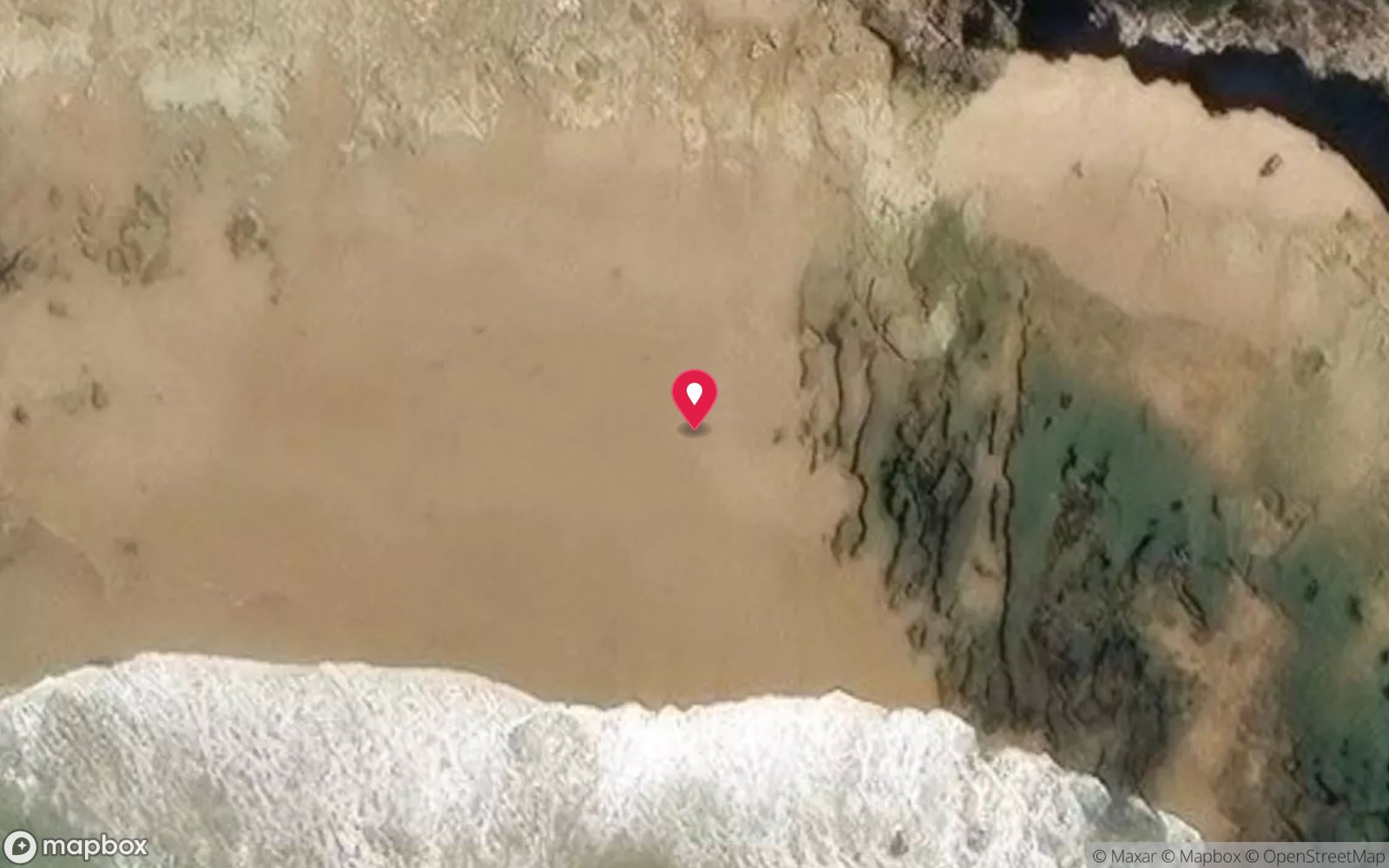
Satellite views
SS Orungal: frequently asked questions
How deep is SS Orungal?
SS Orungal reaches a maximum depth of 10 m, with the shallowest part at about 3 m; most of the dive is spent around 8 m.
What certification do I need to dive SS Orungal?
Open Water is the recommended minimum. Rated intermediate because of surge on the entry or in the shallows, cold water.
Can I shore dive SS Orungal?
Experienced divers do dive SS Orungal from the shore, but the entry or conditions make it unsuitable for newer divers without local guidance. Entry: Boat from the Barwon Heads river ramp (preferred) anchored on sand beside the reef; or a 700 m shore swim from Barwon Bluff on a flat day.
When is the best time to dive SS Orungal?
Summer and autumn on flat days with little wind and no swell.
What marine life will I see at SS Orungal?
Regularly recorded: Sweep, wrasse, zebrafish, magpie perch, leatherjackets, southern rock lobster, Australian fur seals, sponges, kelp, sea urchins.
What wetsuit do I need at SS Orungal?
7 mm semi-dry with hood in summer; drysuit in winter.
How cold is the water at SS Orungal?
Typically 16-19 °C in summer and 11-13 °C in winter.
What are the main hazards at SS Orungal?
Open Bass Strait reef – waves and surge, flat days only; Barwon River bar crossing for boats; 700 m swim from shore; sharp steel; visibility drops after river floods; historic shipwreck – no artefact removal. See the hazards section above for the full list.
Where is the nearest recompression chamber to SS Orungal?
The Alfred (Melbourne). In an emergency call 000, then DAN Asia-Pacific on 1800 088 200.
Diving in Surf Coast & Great Ocean Road
Torquay, Anglesea, Lorne and Apollo Bay face the Southern Ocean, and diving is limited to flat days at the piers and reefs (Lorne Pier, Apollo Bay harbour, Point Addis). The deep offshore wrecks of the SS Casino and others suit technical divers with a boat.
Getting there: Ninety minutes to three hours from Melbourne along the Great Ocean Road. Pier and harbour shore dives; occasional charters from Apollo Bay.
All Surf Coast & Great Ocean Road dive sites and a suggested itinerary →
Sources
- scubadoctor.com.au/divesite.htm?site=Orungal
- torquayhistory.com/shipwrecks-toquay-history
- scubadoctor.com.au/victoria-wreck-dives.htm
Data confidence: High · Being verified: Tonnage from general references. Last updated September 2026. Know this site better? How to send a correction
Nearby dive sites
More wrecks in Victoria
Explore more
This region
Similar dives
Marine life