Dive slate · divesites.com.au · printed 6 Nov 2026
SS Kakariki
Melbourne & Port Phillip Bay, Victoria · near Williamstown
| Depth | 6–10 m |
|---|---|
| Minimum level | Open Water |
| Difficulty | Intermediate |
| Access | Boat (day trip) |
| Entry | Giant stride from a small boat anchored beside the debris; descend the anchor line |
| Current | Mild |
| Visibility | 1-5 m |
| Water | summer 18-21 °C, winter 10-13 °C |
| Suit | 7 mm wetsuit or semi-dry with hood in summer; drysuit in winter |
| Best season | Autumn and winter after a long dry spell; avoid after rain |
| Bottom time | 40 min |
| Position | -37.87465, 144.87040 (GPS) |
| Permit | No marine park. Historic shipwreck protected under the Victorian Heritage Act 2017 and Commonwealth Underwater Cultural Heritage Act 2018 – look but do not touch, no artefact removal, no anchoring into the wreck. No dive permit required. |
| Nearest chamber | The Alfred (Melbourne) |
| Emergency | 000 · DAN Asia-Pacific diving emergency 1800 088 200 |
SS Kakariki
Also known as Kakariki, Kakariki wreck Williamstown
Salvaged remains of a 1926 steamer lost in the port of Melbourne's worst collision (1937, five dead), dumped off Williamstown in 10 m – a rarely dived historic scatter.
Near Williamstown · Melbourne & Port Phillip Bay, Victoria
- Depth
- 6–10 m
- Minimum level
- Open Water
- Access
- Boat (day trip)
- Boat ride
- ~10 min
- Water
- 18-21 °C
- Visibility
- 1-5 m
SS Kakariki6–10 m · Open Water
Dive factsDepths, conditions, location & safety
Season
Off-peak nowBest months: March, April, May, June, July, August, September, October.
Autumn and winter after a long dry spell; avoid after rain
- Best months
- Now (November)
Dive facts
- Depth
- 6–10 m
- Typical depth
- 8 m
- Certification
- Open Water
- Difficulty
- Intermediate
- Depth tier
- Easy (0–10 m)
- Access
- Boat (day trip)
- Offshore
- 1 km
- Dive centre needed
- Yes – boat access only
- Shore / independent
- No
- Boat ride
- ~10 min
- Current
- Mild
- Visibility
- 1-5 m
- Water temp (summer)
- 18-21 °C
- Water temp (winter)
- 10-13 °C
- Water
- Cold Temperate
- Bottom time
- 40 min
- Dive traffic
- Rarely dived (private boat/club only)
- Night dive
- No
- Snorkel friendly
- No
Exposure suit
7 mm wetsuit or semi-dry with hood in summer; drysuit in winter
Location
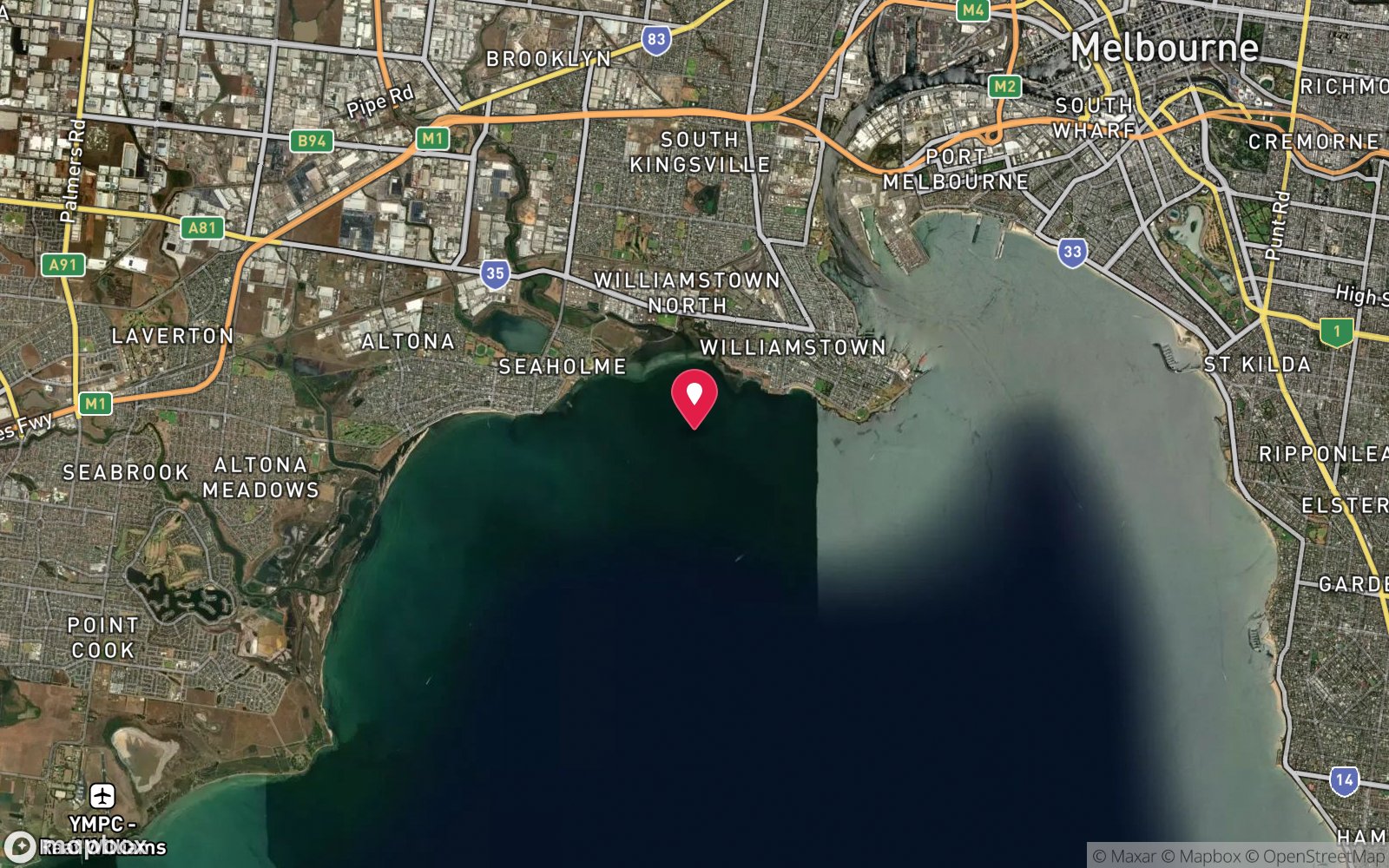
Hobsons Bay – Williamstown · Port Phillip Bay
-37.87465, 144.87040
Published GPS position.
Open in Google MapsDive site map (external) →Primary source: scubadoctor.com.auMarine park & permits
No marine park. Historic shipwreck protected under the Victorian Heritage Act 2017 and Commonwealth Underwater Cultural Heritage Act 2018 – look but do not touch, no artefact removal, no anchoring into the wreck. No dive permit required.
Nearest recompression chamber
The Alfred (Melbourne)
Diving emergency: call 000, then DAN AP 1800 088 200.
Trip planner
Build a trip around SS Kakariki →
A day-by-day plan for Melbourne & Port Phillip Bay with this site locked in.
This guide is a planning aid. Conditions change daily — confirm with a local dive centre and dive within your training. Data & safety notes.
Dive profile
How this site rates
Scores are computed from the recorded data, not opinions. How?
At a glance
SS Kakariki is a wreck boat dive in Melbourne & Port Phillip Bay, VIC, 6–10 m, suited to Open Water divers, about 10 minutes by boat.
Rated intermediate because of boat traffic overhead, cold water.
Why dive here
- Salvaged remains of a 1926 steamer lost in the port of Melbourne's worst collision (1937, five dead), dumped off Williamstown in 10 m – a rarely dived historic scatter.
- Sunk in 1937 (Steel screw steamer, 58 m (190 ft), 1,887 dwt); protected as underwater cultural heritage, so look but do not touch.
- Rarely dived: expect to have the site to yourself, and plan your own logistics.
Conditions to avoid
- Strong southerly or south-east swell and wind
- Strong westerlies
- Outgoing tide or run-off after rain (poor visibility)
About SS Kakariki
Kakariki was a steel interstate trader of 1,887 dwt built by Cochrane and Sons at Selby, Yorkshire, in 1926, 58 m (190 ft) long, one of a class of small steamers that carried timber, ore and general cargo around the Tasmanian and Victorian coasts. On 29 January 1937 she was inbound from Strahan on Tasmania's west coast with timber and ore when, in the fairway off Williamstown, she collided with the steamer Caradale. The Caradale struck her on the starboard side between the forecastle and the mess room and tore a hole 28 feet wide; the Kakariki sank in three minutes and five of her crew died.
The wreck lay in the main channel until 1945, when what was left after salvage was moved in pieces and dumped in deeper water off Point Gellibrand. What survives is a scatter rather than a ship. Parts of the mast, the bridge structure and the bow lie on a muddy bottom in 8–10 m in two debris fields about 80 m apart, festooned with mussels and sponges and home to the fish of the northern bay – snapper in season, flathead on the mud, leatherjackets and small wrasse in the steel.
Visibility is usually one to five metres and a reel from the anchor is the only sensible way to explore. It is dived rarely, by Williamstown and inner-Melbourne divers with their own boats, and is not on any charter schedule. The Kakariki matters more for what she represents than for what she offers underwater: she is the port of Melbourne's worst peacetime collision, a grave for five seamen and the reason a section of channel was cleared in 1945.
Divers who want a quick, unusual historic wreck fifteen minutes from the West Gate Bridge will find her worth one visit on a clear flood tide; anyone after structure and visibility should go to the Uralba or the Heads.
Wreck details
Steel screw steamer, 58 m (190 ft), 1,887 dwt · Sunk 1937 · Protected historic shipwreck
Era: early 20th century. Oldest wrecks · Wartime wrecks · Scuttled warships
Getting there & entry
Salvaged remains dumped in 1945 in about 10 m of water off Williamstown near the Gellibrand Pile Light, at the top of Port Phillip; a second debris field lies 80 m to the east.
Boat only. Launch at Williamstown (the public ramp beside the Williamstown Sailing Club on The Strand, or Altona ramp) and run a short distance south-east into the outer anchorage off Point Gellibrand – a few minutes from Williamstown, 20 minutes from Altona; St Kilda ramp is an alternative from the east. Drive Melbourne CBD–Williamstown via the West Gate Freeway, about 25 minutes.
The wreck lies just outside the main Melbourne shipping channel and anchorage, so watch for ship movements and tugs and keep a lookout on the boat at all times. No charter runs the site; it is a private-boat dive using the Scuba Doctor GPS, with the second debris field at -37.875067, 144.871217. Gear up at the ramp.
Entry: Giant stride from a small boat anchored beside the debris; descend the anchor line
Facilities: Williamstown and Altona public boat ramps (parking, toilets); fills at inner-west dive shops.
Weather, swell & tides
Sheltered from swell at the top of the bay but exposed to southerly and south-westerly winds that raise a steep chop off Williamstown and stir the muddy bottom. Northerlies flatten the water. Visibility is the limiting factor – the Yarra plume and Hobsons Bay silt keep it at 1–5 m most of the year, worst after rain and on the ebb when river water spreads across the anchorage; a flood tide after a fortnight of dry weather is the best bet.
The site is beside the port's main channel and anchorage, so ship, tug and ferry wash is constant and diving is only sensible on a quiet weekday with a boat keeping watch.
Best season: Autumn and winter after a long dry spell; avoid after rain
If it's blown out
Sheltered or shore sites within 25 km that often work when SS Kakariki doesn't.
- McGregor Rock, Quiet Corner · 18 km · Max 5 m
- Banksia Point, Ricketts Point · 18 km · Max 3 m
- Tea House Reef, Ricketts Point · 19 km · Max 5 m
- Ricketts Point Marine Sanctuary · 19 km · Max 8 m
How the dive is usually run
Anchor on the main debris field, descend and use a reel from the anchor to search the pieces of mast, bridge structure and bow section in 8–10 m, keeping the line tight in the low visibility; then move the boat 80 m east to the second field. Forty minutes is plenty; ascend the anchor line with a flag on the boat.
Marine life
- Snapper
- flathead
- leatherjackets
- wrasse
- mussels
- sponges
- sea stars
- stingarees
Linked species have their own page listing every site where they are recorded. All marine life →
Training required
Shallow enough for snorkellers and for a first dive under supervision. Any certified diver can dive it.
Courses that help here
- Drysuit Diver – Cold water; locals dive dry for much of the year.
- Peak Performance Buoyancy – Silt and low visibility punish poor trim.
Depth tiers: 0–10 m easy · to 18 m Open Water · 18–30 m Advanced (25 m+ is a deep dive) · 30–40 m Deep specialty · 40 m+ technical. All courses
Hazards & warnings
Very low visibility and silt; shipping, tug and ferry traffic beside the main channel – keep a lookout on the boat; entanglement in debris and fishing line; avoid after rain.
Dive centres that go here
No regular operator – private boats and occasional Melbourne club dives only. Dive Victoria Group and Geelong Dive Centre list it but do not schedule it.
Operators recorded for SS Kakariki
Divein2Scuba (Geelong Dive Centre)
ListedGeelong · Geelong & Bellarine · VIC
A Geelong business providing training, equipment and local diving support.
divein2scuba.com · (03) 5221 3342
Scubabo Dive Victoria (Dive Victoria Group)
Named by sitesQueenscliff · Port Phillip Heads · VIC
Rebranded as Scubabo Dive Victoria, Queenscliff; dive.scubabo.com is live for 2026 with active charter bookings.
dive.scubabo.com · (03) 5258 1188
Other dive centres in Melbourne & Port Phillip Bay
The Scuba Doctor
ProfiledRye · Melbourne & Port Phillip Bay · VIC
A Victorian equipment and service business with an extensive retail presence, located to serve both Melbourne and Mornington Peninsula divers.
scubadoctor.com.au · (03) 5985 3322
Diveline Scuba Centre
ListedFrankston · Melbourne & Port Phillip Bay · VIC
A Victorian business associated with technical training and gas support alongside recreational courses.
diveline.com.au · (03) 9783 7166
Aquability
ListedMordialloc · Melbourne & Port Phillip Bay · VIC
A Victorian operation associated with technical diving training. Exact agency, course levels and gas support require verification.
aquability.com.au · (03) 9587 1811
Bay City Scuba
ListedEast Geelong · Melbourne & Port Phillip Bay · VIC
A Victorian business associated with recreational and technical training alongside equipment and gas services.
baycityscuba.com · (03) 5248 1488
Scuba Culture
ListedBurwood · Melbourne & Port Phillip Bay · VIC
A Melbourne business providing training and equipment support for local divers.
scubaculture.com.au · (03) 9808 0033
Ocean Divers
ListedBentleigh East · Melbourne & Port Phillip Bay · VIC
A Victorian operation associated with recreational and technical training and access to Port Phillip diving.
oceandivers.com.au · (03) 9579 2600
Map
7 pinned sites. Pins marked approximate on their pages show the general area only; not for navigation.
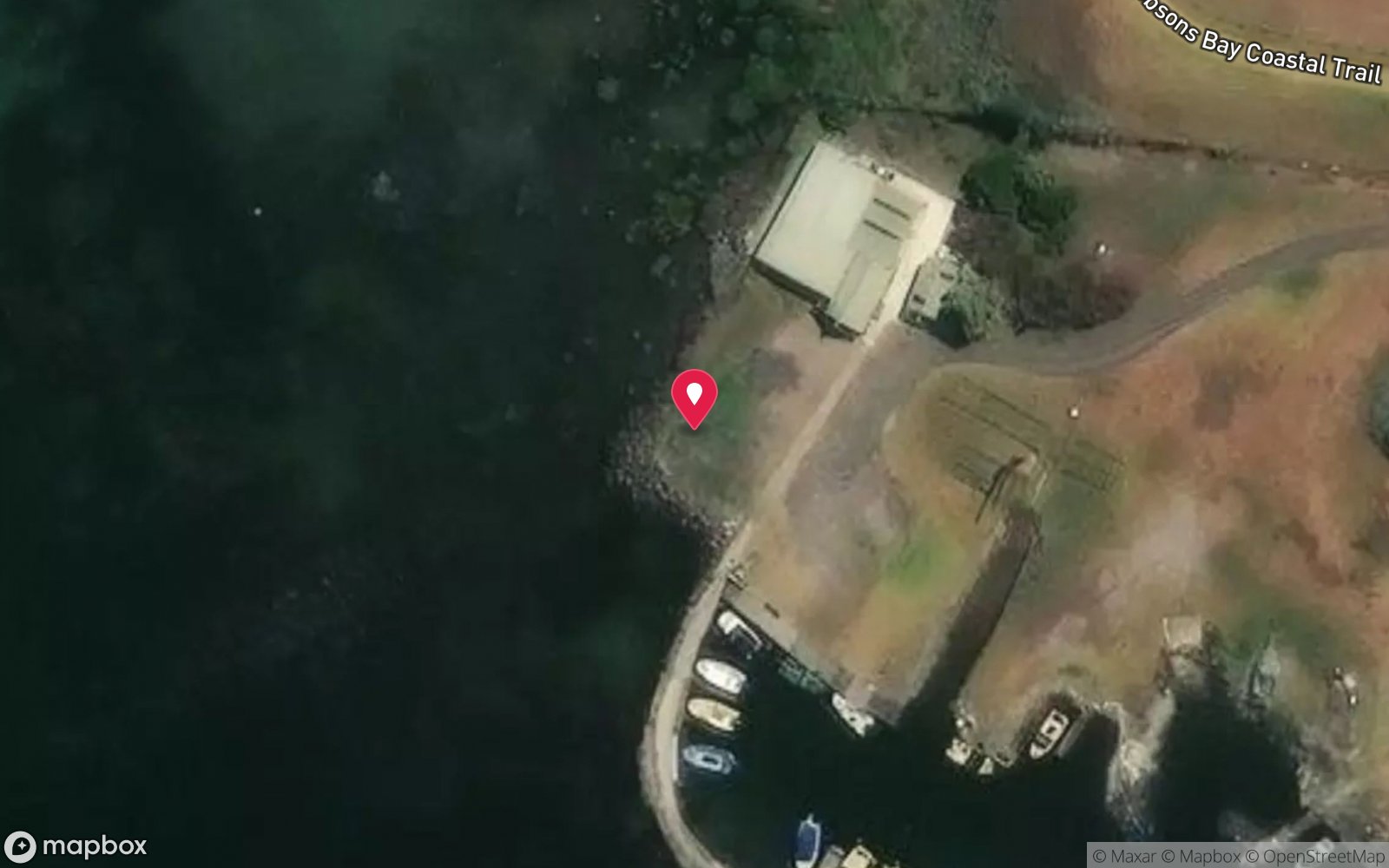
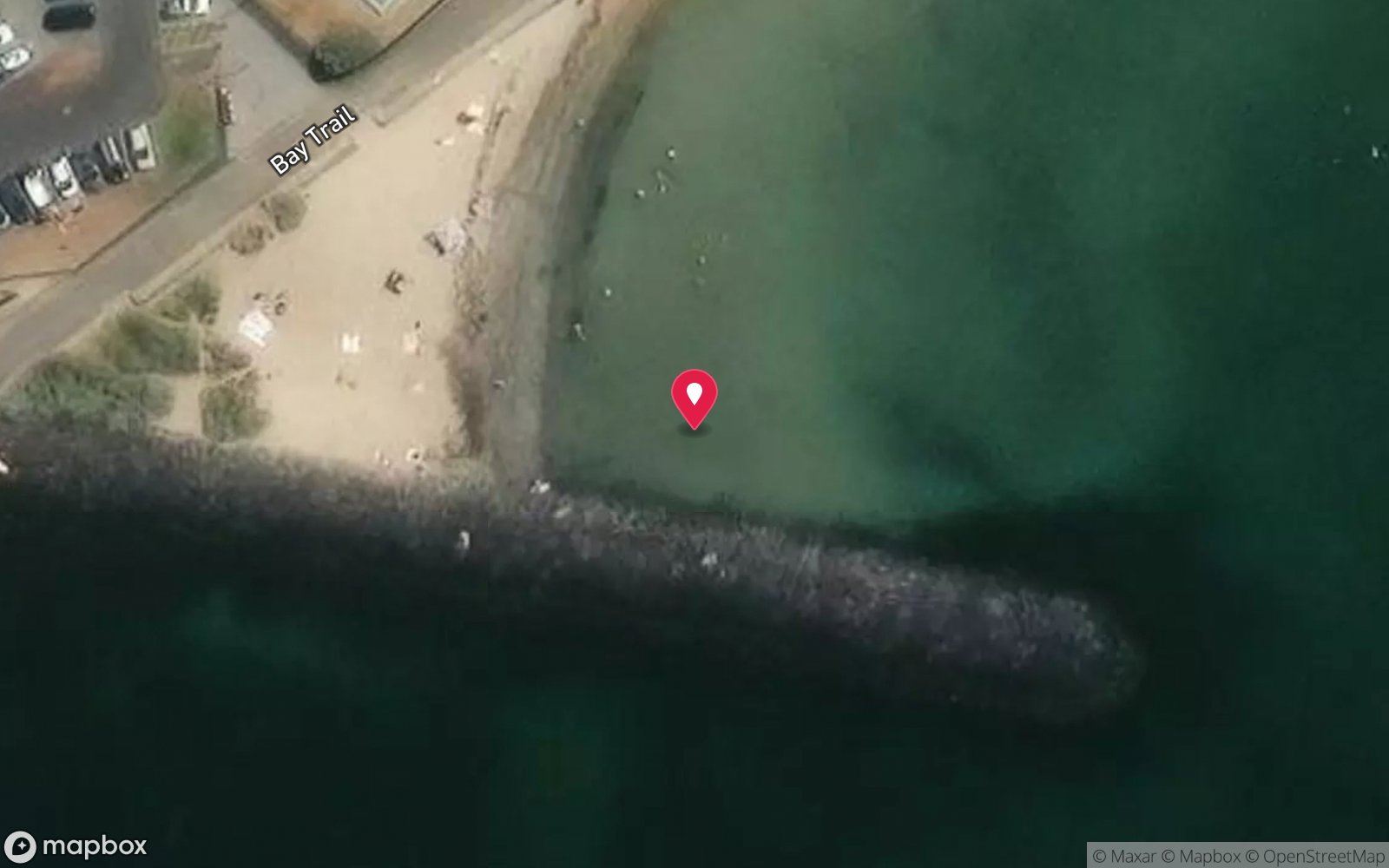
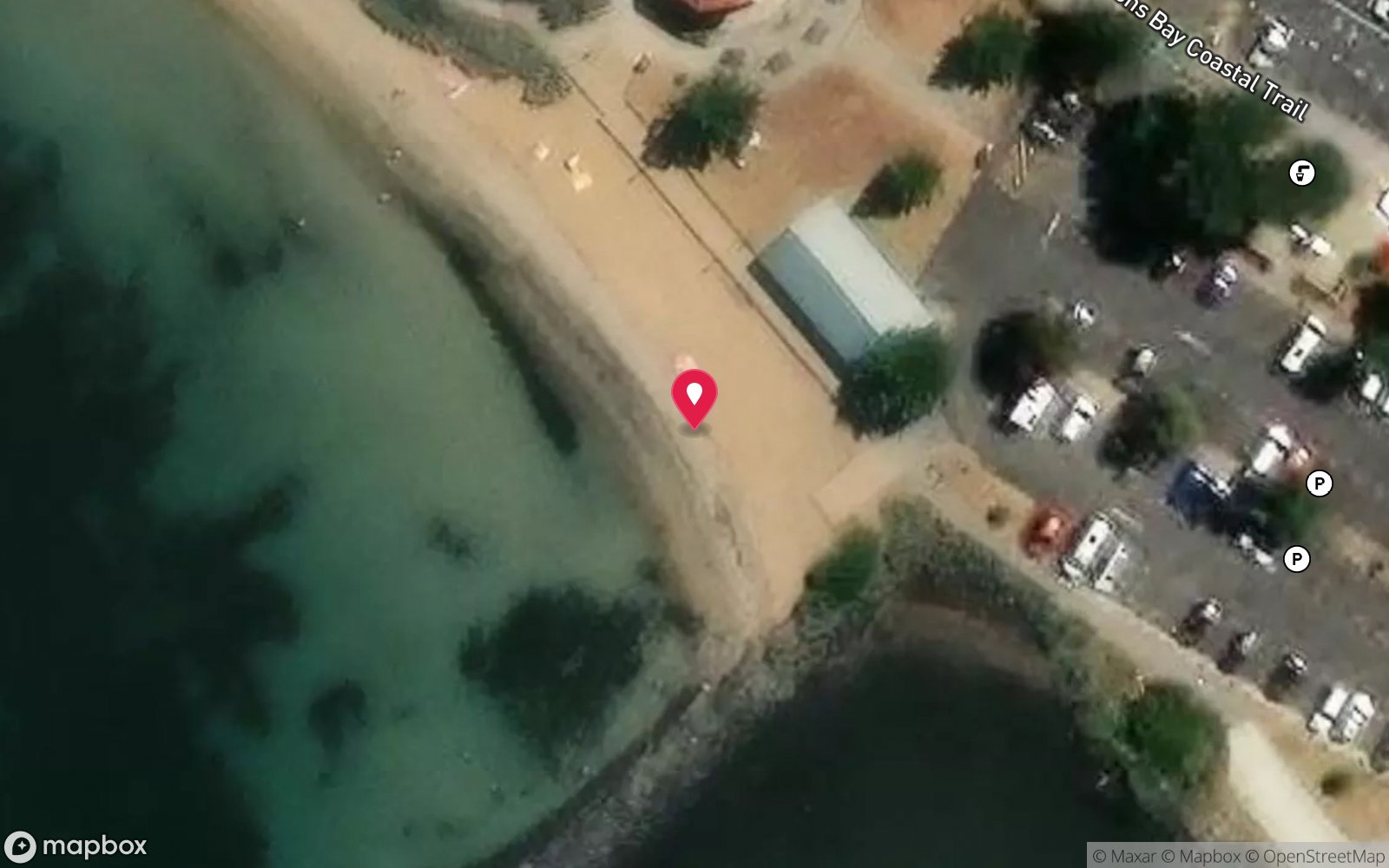
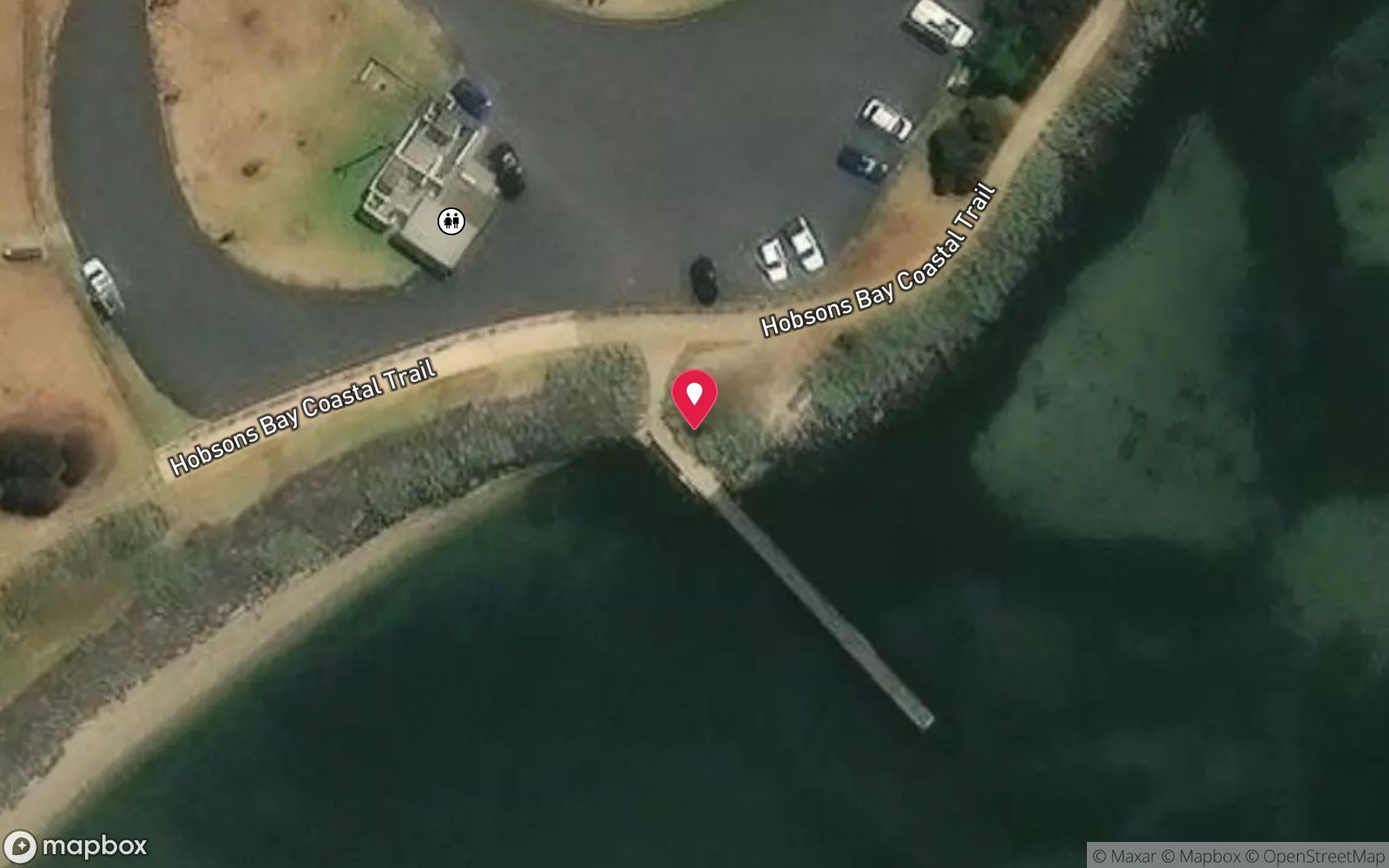
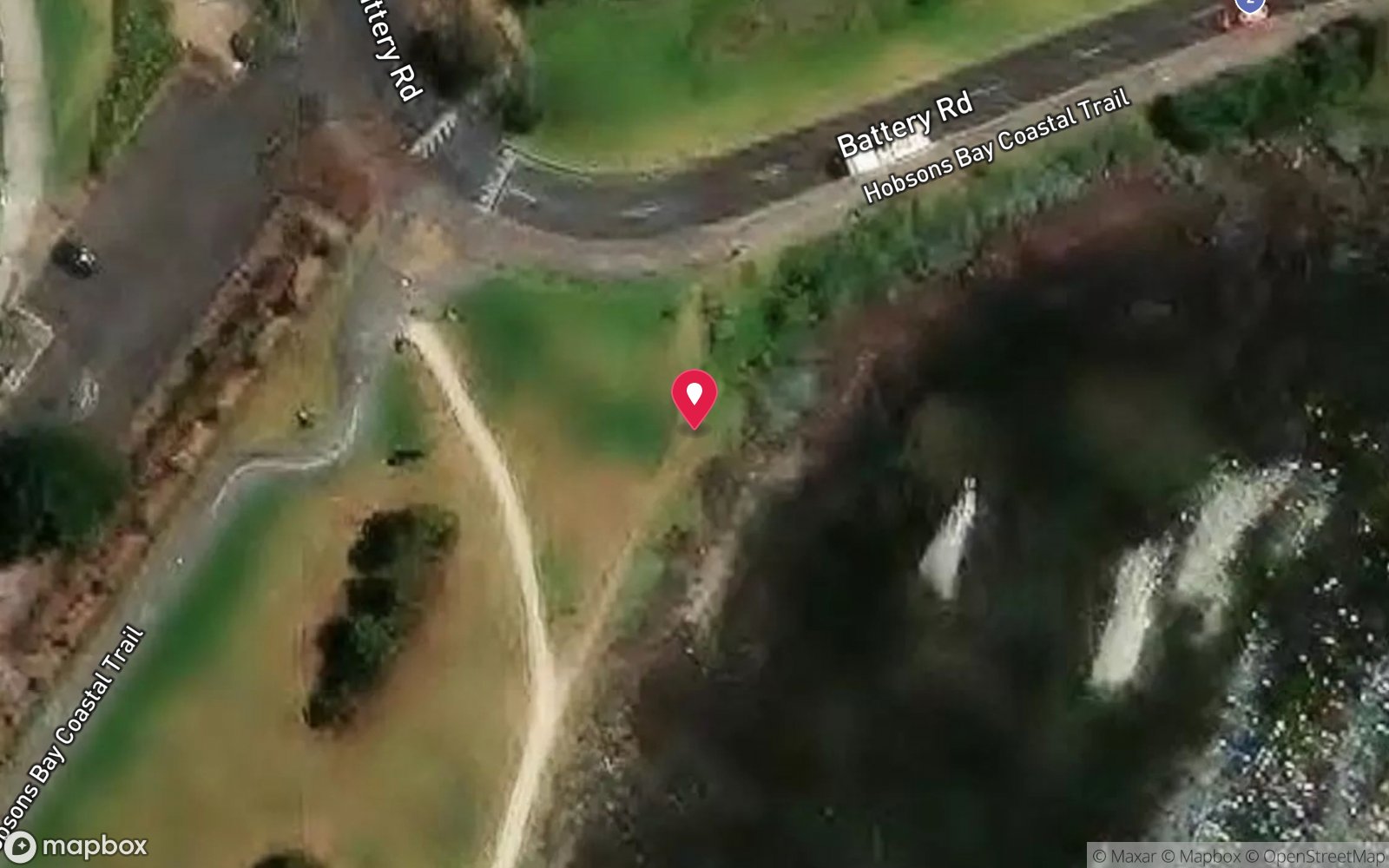
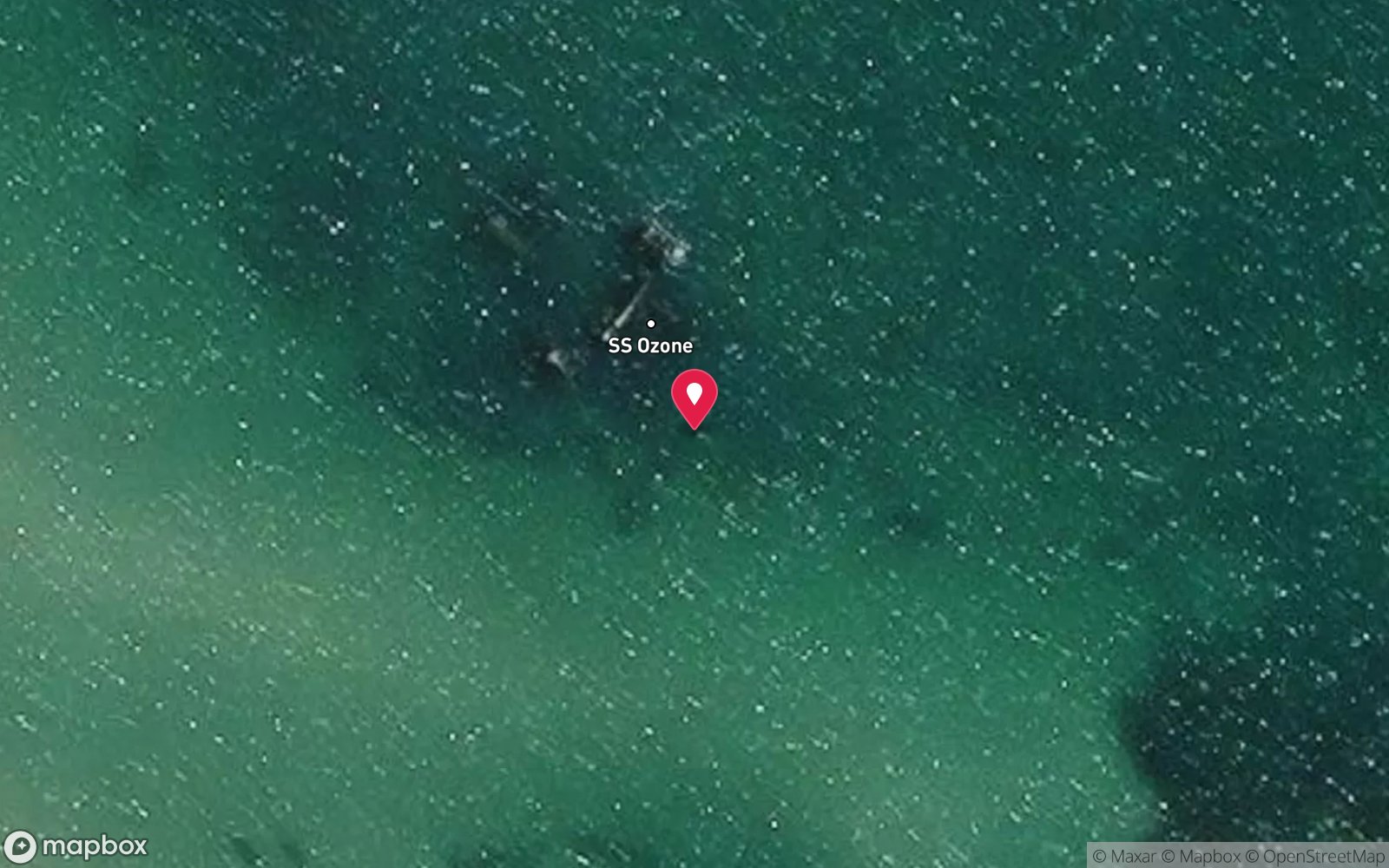
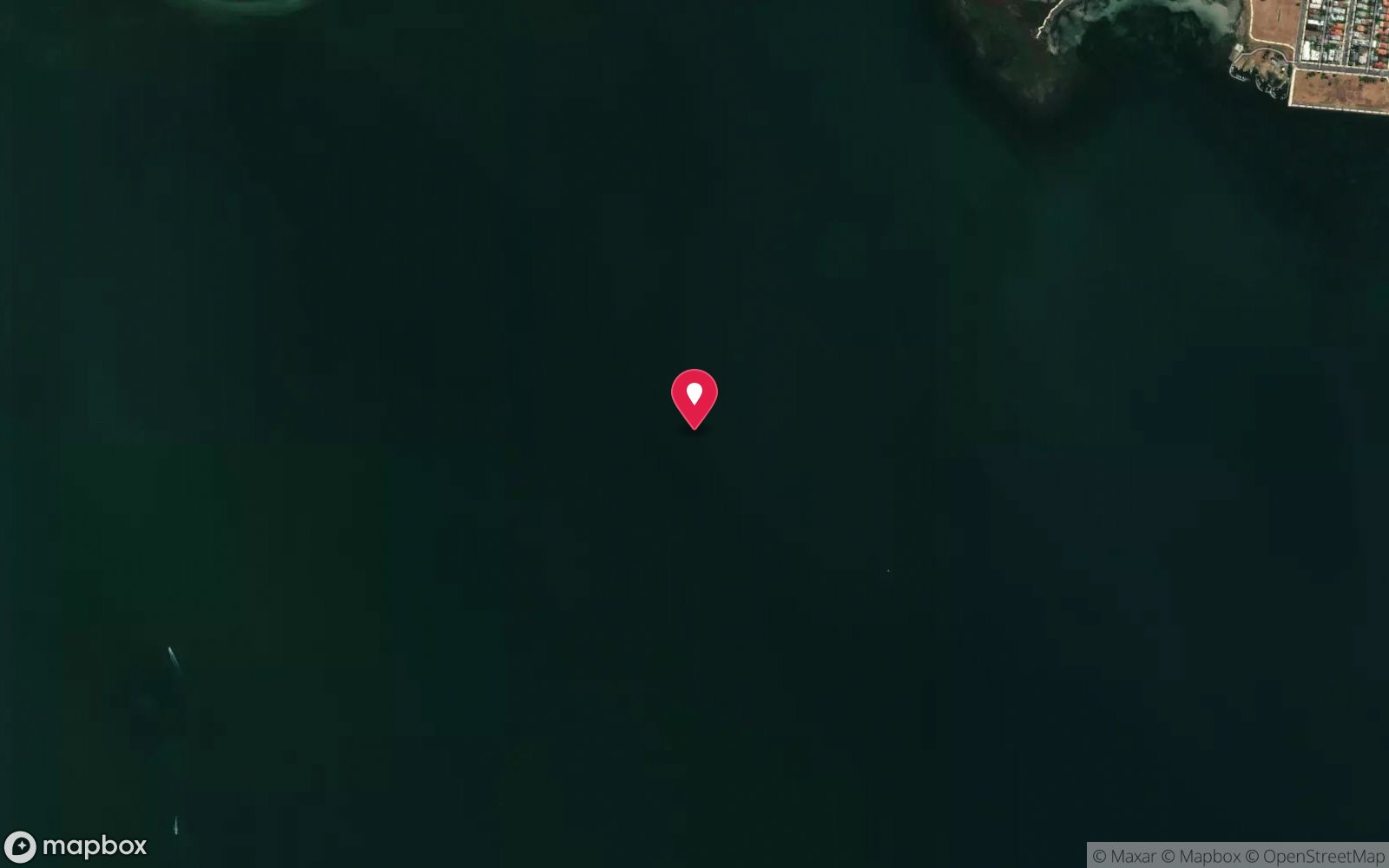
Satellite views
SS Kakariki: frequently asked questions
How deep is SS Kakariki?
SS Kakariki reaches a maximum depth of 10 m, with the shallowest part at about 6 m; most of the dive is spent around 8 m.
What certification do I need to dive SS Kakariki?
Open Water is the recommended minimum. Rated intermediate because of boat traffic overhead, cold water.
Can I shore dive SS Kakariki?
No, it is reached by boat (about 10 minutes). A dive centre is required: boat access only.
When is the best time to dive SS Kakariki?
Autumn and winter after a long dry spell; avoid after rain.
What marine life will I see at SS Kakariki?
Regularly recorded: Snapper, flathead, leatherjackets, wrasse, mussels, sponges, sea stars, stingarees.
What wetsuit do I need at SS Kakariki?
7 mm wetsuit or semi-dry with hood in summer; drysuit in winter.
How cold is the water at SS Kakariki?
Typically 18-21 °C in summer and 10-13 °C in winter.
What are the main hazards at SS Kakariki?
Very low visibility and silt; shipping, tug and ferry traffic beside the main channel – keep a lookout on the boat; entanglement in debris and fishing line; avoid after rain. See the hazards section above for the full list.
Where is the nearest recompression chamber to SS Kakariki?
The Alfred (Melbourne). In an emergency call 000, then DAN Asia-Pacific on 1800 088 200.
Diving in Melbourne & Port Phillip Bay
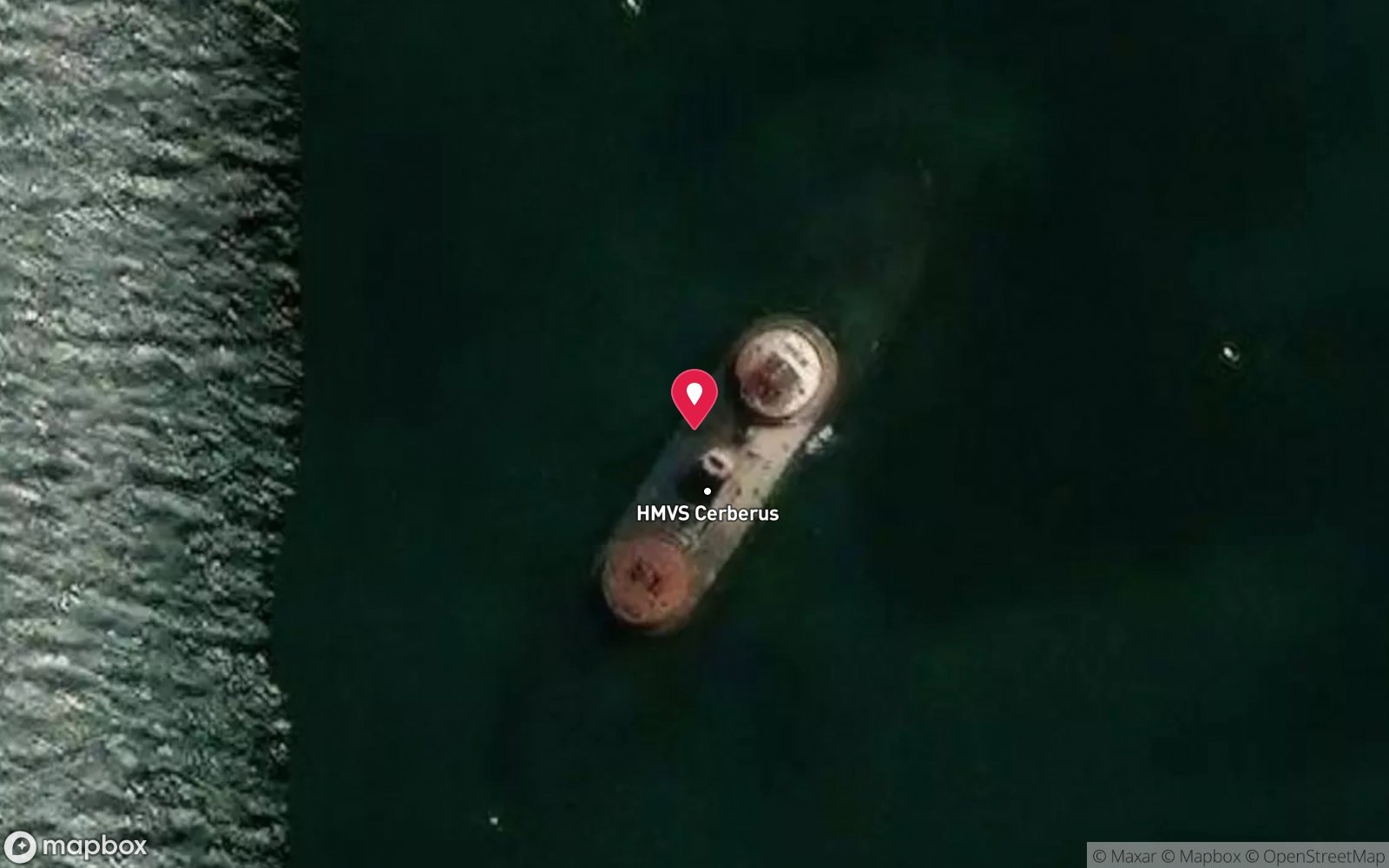
Melbourne's bayside suburbs, from Williamstown around to Frankston, have shallow, easy shore dives: Ricketts Point Marine Sanctuary, Black Rock, Half Moon Bay and the Cerberus wreck, Frankston pier, and the artificial reefs and scuttled boats off St Kilda and Mordialloc. Visibility is modest but the life, especially at night, is good.
Getting there: Suburban shore dives with parking; charters from St Kilda and Mordialloc for the bay wrecks.
All Melbourne & Port Phillip Bay dive sites and a suggested itinerary →
Sources
Data confidence: Medium · Being verified: v1 location (Point Cook) corrected to Williamstown per Scuba Doctor; year salvaged remains dumped 1945. Last updated September 2026. Know this site better? How to send a correction