Dive slate · divesites.com.au · printed 8 Nov 2026
Barwon Heads Bluff
Geelong & Bellarine, Victoria · near Barwon Heads
| Depth | 1–9 m |
|---|---|
| Minimum level | Open Water |
| Difficulty | Intermediate |
| Access | Shore |
| Entry | Rock-shelf entry from the beach below the Bluff, reached by stairs from the Bluff Road car parks (27W and 28W) |
| Current | Mild |
| Visibility | 5-12 m |
| Water | summer 17-19 °C, winter 12-14 °C |
| Suit | 7 mm semi-dry with hood and gloves in summer; drysuit recommended in winter (water 12-14 °C) |
| Best season | Autumn and early winter (March-June) for the calmest seas and clearest water; any flat day after several days of northerlies |
| Bottom time | 45 min |
| Position | -38.29000, 144.50000 (approximate) |
| Permit | Barwon Bluff Marine Sanctuary – no take of any marine life, no collecting; National Parks Act applies |
| Nearest chamber | The Alfred Hospital Hyperbaric Service (Melbourne) |
| Emergency | 000 · DAN Asia-Pacific diving emergency 1800 088 200 |
Barwon Heads Bluff
Also known as Barwon Bluff Marine Sanctuary, The Bluff, Point Flinders
The Bellarine's main ocean shore dive: kelp forests, sandstone arches and sponge gardens around a marine-sanctuary headland at the Barwon River mouth, with blue groper and big rays.
Near Barwon Heads · Geelong & Bellarine, Victoria
- Depth
- 1–9 m
- Minimum level
- Open Water
- Access
- Shore
- Boat ride
- —
- Water
- 17-19 °C
- Visibility
- 5-12 m
Barwon Heads Bluff1–9 m · Open Water · Shore
Dive factsDepths, conditions, location & safety
Season
Off-peak nowBest months: March, April, May, June, July, August.
Autumn and early winter (March-June) for the calmest seas and clearest water; any flat day after several days of northerlies
- Best months
- Now (November)
Dive facts
- Depth
- 1–9 m
- Typical depth
- 5 m
- Certification
- Open Water
- Difficulty
- Intermediate
- Depth tier
- Easy (0–10 m)
- Access
- Shore
- Offshore
- 0 km
- Dive centre needed
- No – independently diveable
- Shore / independent
- Possible (experienced only)
- Current
- Mild
- Visibility
- 5-12 m
- Water temp (summer)
- 17-19 °C
- Water temp (winter)
- 12-14 °C
- Water
- Temperate
- Bottom time
- 45 min
- Dive traffic
- Moderate (occasional charters/club dives)
- Night dive
- Yes
- Snorkel friendly
- Yes
Exposure suit
7 mm semi-dry with hood and gloves in summer; drysuit recommended in winter (water 12-14 °C)
Location
Barwon Bluff Marine Sanctuary · Bellarine Peninsula – Bass Strait
-38.29000, 144.50000
Approximate position — not for navigation.
Open in Google MapsDive site map (external) →Primary source: parks.vic.gov.auMarine park & permits
Barwon Bluff Marine Sanctuary – no take of any marine life, no collecting; National Parks Act applies
Nearest recompression chamber
The Alfred Hospital Hyperbaric Service (Melbourne)
Diving emergency: call 000, then DAN AP 1800 088 200.
Trip planner
Build a trip around Barwon Heads Bluff →
A day-by-day plan for Geelong & Bellarine with this site locked in.
This guide is a planning aid. Conditions change daily — confirm with a local dive centre and dive within your training. Data & safety notes.
Dive profile
How this site rates
Scores are computed from the recorded data, not opinions. How?
At a glance
Barwon Heads Bluff is a shore / rock platform shore dive for experienced divers in Geelong & Bellarine, VIC, 1–9 m, suited to Open Water divers.
Rated intermediate because of surge on the entry or in the shallows, boat traffic overhead, cold water.
Why dive here
- The Bellarine's main ocean shore dive: kelp forests, sandstone arches and sponge gardens around a marine-sanctuary headland at the Barwon River mouth, with blue groper and big rays.
- Commonly dived at night, when octopus, cuttlefish and crustaceans are out.
- Snorkel-friendly, so non-diving companions can join at the surface.
Conditions to avoid
- Strong southerly or south-east swell and wind
- Afternoon north-easterlies
- Outgoing tide or run-off after rain (poor visibility)
About Barwon Heads Bluff
The Bluff at Barwon Heads is the headland that closes the mouth of the Barwon River, a ridge of basalt and older sandstone that pushes out into Bass Strait as Point Flinders and shelters the river town behind it. Its waters were declared the Barwon Bluff Marine Sanctuary in 2002, 17 hectares of reef and sea life that Parks Victoria describes in terms of kelp forests, sandstone arches and colourful sponge gardens, and it is the Bellarine's principal ocean shore dive. The geology splits the site in two.
The eastern half, facing the river, is basalt reef washed by river flow and gives the calmer, shallower dive; the western half, facing the ocean, is old sandstone eroded into ledges, gutters, overhangs and small arches and carries the richest life. Between the reef pincers at the tip of Point Flinders is a small bay with a floor of sand and rock. Kelp forests of crayweed, bull kelp and giant kelp cover the outer reef, and beneath them are sponge gardens, feather stars, sea tulips, barnacles, mussels and sea slugs in numbers.
Fish are those of the open Victorian coast rather than the bay: Western blue groper, horseshoe and six-spined leatherjackets, magpie perch, boarfish, herring cale, zebrafish, Port Jackson sharks, smooth stingrays and, on the sand, large rays. The wreck of the SS Orungal (1940) lies about 700 m off the northern side and the Earl of Charlemont (1853) is buried off the southern side; both are documented separately. The dive is a step up from the bay piers: a rock-shelf entry, Bass Strait surge, kelp and a real requirement to read the swell, and The Scuba Doctor notes that it is better with little or no swell but that for the experienced the swell adds to the challenge and beauty.
Rockfalls from the cliffs are a documented hazard on land, and high tides cut the beach off below them. The Bluff is also the staging town for the ex-HMAS Canberra, 3 km east, and the two make a natural weekend.
Getting there & entry
17 ha marine sanctuary around the Bluff (Point Flinders) at the mouth of the Barwon River, Barwon Heads, on the Bass Strait coast of the Bellarine Peninsula; basalt reef on the eastern (river) side and sandstone reef with kelp forests, arches and sponge gardens on the western (ocean) side.
Barwon Heads is 20 km south-east of Geelong via the Barwon Heads Road (25 minutes) or 100 km from Melbourne. Drive through the village and up Bluff Road to the two car parks on the headland; the first suits dives on the southern (ocean) side and the second, larger one suits the northern (river) side. Stairs lead down to the beach at beach markers 27W and 28W, a carry of 150-250 m including the steps.
Walk onto the rock shelf and enter from its edge where the swell allows. Before gearing up, walk over the crest of the Bluff and look at the sea. Exit at the same shelf.
The two sides are documented in detail as Barwon Bluff North and Barwon Bluff South.
Entry: Rock-shelf entry from the beach below the Bluff, reached by stairs from the Bluff Road car parks (27W and 28W)
Facilities: Two free car parks on Bluff Road; public toilets at the Bluff and in the village; cafes and shops in Hitchcock Avenue, Barwon Heads; nearest air fills Bay City Scuba (Geelong) or Dive Victoria Group (Queenscliff)
Weather, swell & tides
A Bass Strait shore dive: diveable only with little or no swell (under about 1 m at the Bluff) and light winds, ideally northerly to north-easterly; any south-westerly swell or southerly wind breaks over the rock shelf and makes the entry dangerous and the water surgy and murky. Autumn and early winter give the most flat days. Avoid the eastern (river) side after rain, when the Barwon River discharges brown water and visibility collapses; the western side clears sooner.
Check the sea from the lookout on the Bluff before gearing up; if there is white water on the shelf, do not dive. Dive around high tide for depth over the shelf, but be aware that high tides cut off the beach below the cliffs.
Best season: Autumn and early winter (March-June) for the calmest seas and clearest water; any flat day after several days of northerlies
If it's blown out
Sheltered or shore sites within 25 km that often work when Barwon Heads Bluff doesn't.
- Portsea Pier · 19 km · Max 7 m
- Chinamans Hat · 20 km · Max 12 m
- Nepean Bay · 14 km · Max 12 m
- Queenscliff Pier · 15 km · Max 8 m
How the dive is usually run
Choose the side by the swell and the river: in clean water with a small swell enter from the shelf on the southern side, swim toward Point Flinders and the kelp beds at 4-8 m, work the sandstone ledges and arches, turn at half gas and return along the shelf; in a north-westerly or with river colour, use the northern side and the small sandy bay between the reef pincers instead. Ascend in the lee of the shelf.
Marine life
- Western blue groper →
- horseshoe and six-spined leatherjackets
- magpie perch
- boarfish
- herring cale
- zebrafish
- Port Jackson sharks →
- smooth stingrays
- giant rays
- sea slugs
- feather stars
- sea tulips
- sponges; crayweed
- bull kelp and giant kelp
Linked species have their own page listing every site where they are recorded. All marine life →
Training required
Shallow enough for snorkellers and for a first dive under supervision. Any certified diver can dive it.
Courses that help here
- Night Diver – Commonly dived at night.
- Drysuit Diver – Cold water; locals dive dry for much of the year.
Depth tiers: 0–10 m easy · to 18 m Open Water · 18–30 m Advanced (25 m+ is a deep dive) · 30–40 m Deep specialty · 40 m+ technical. All courses
Hazards & warnings
Bass Strait swell and surge over the rock shelf; rips at the river mouth; rockfalls from the cliffs; high tide cuts off the beach; river discharge after rain; kelp entanglement; boat traffic at the river entrance; no take; exit at the shelf via the stairs
Dive centres that go here
No regular commercial operator – dived independently and by Geelong and Melbourne clubs; Bay City Scuba (Geelong) and Dive Victoria Group (Queenscliff) are the nearest shops. Parks Victoria licensed operators and the Barwon Coast volunteers run summer rock-pool rambles and snorkels.
Operators recorded for Barwon Heads Bluff
The Scuba Doctor
ProfiledRye · Melbourne & Port Phillip Bay · VIC
A Victorian equipment and service business with an extensive retail presence, located to serve both Melbourne and Mornington Peninsula divers.
scubadoctor.com.au · (03) 5985 3322
Bay City Scuba
ListedEast Geelong · Melbourne & Port Phillip Bay · VIC
A Victorian business associated with recreational and technical training alongside equipment and gas services.
baycityscuba.com · (03) 5248 1488
Scubabo Dive Victoria (Queenscliff)
ListedQueenscliff · Geelong & Bellarine · VIC
A Queenscliff operation, strategically located for access toward Port Phillip Heads.
dive.scubabo.com · (03) 5258 1188
Scubabo Dive Victoria (Dive Victoria Group)
Named by sitesQueenscliff · Port Phillip Heads · VIC
Rebranded as Scubabo Dive Victoria, Queenscliff; dive.scubabo.com is live for 2026 with active charter bookings.
dive.scubabo.com · (03) 5258 1188
Other dive centres in Geelong & Bellarine
Divein2Scuba (Geelong Dive Centre)
ListedGeelong · Geelong & Bellarine · VIC
A Geelong business providing training, equipment and local diving support.
divein2scuba.com · (03) 5221 3342
Australian Diving Instruction
ListedNorlane · Geelong & Bellarine · VIC
A Geelong-region operation associated with technical training and access toward Port Phillip Heads.
adigeelong.com · (03) 9016 9003
Map
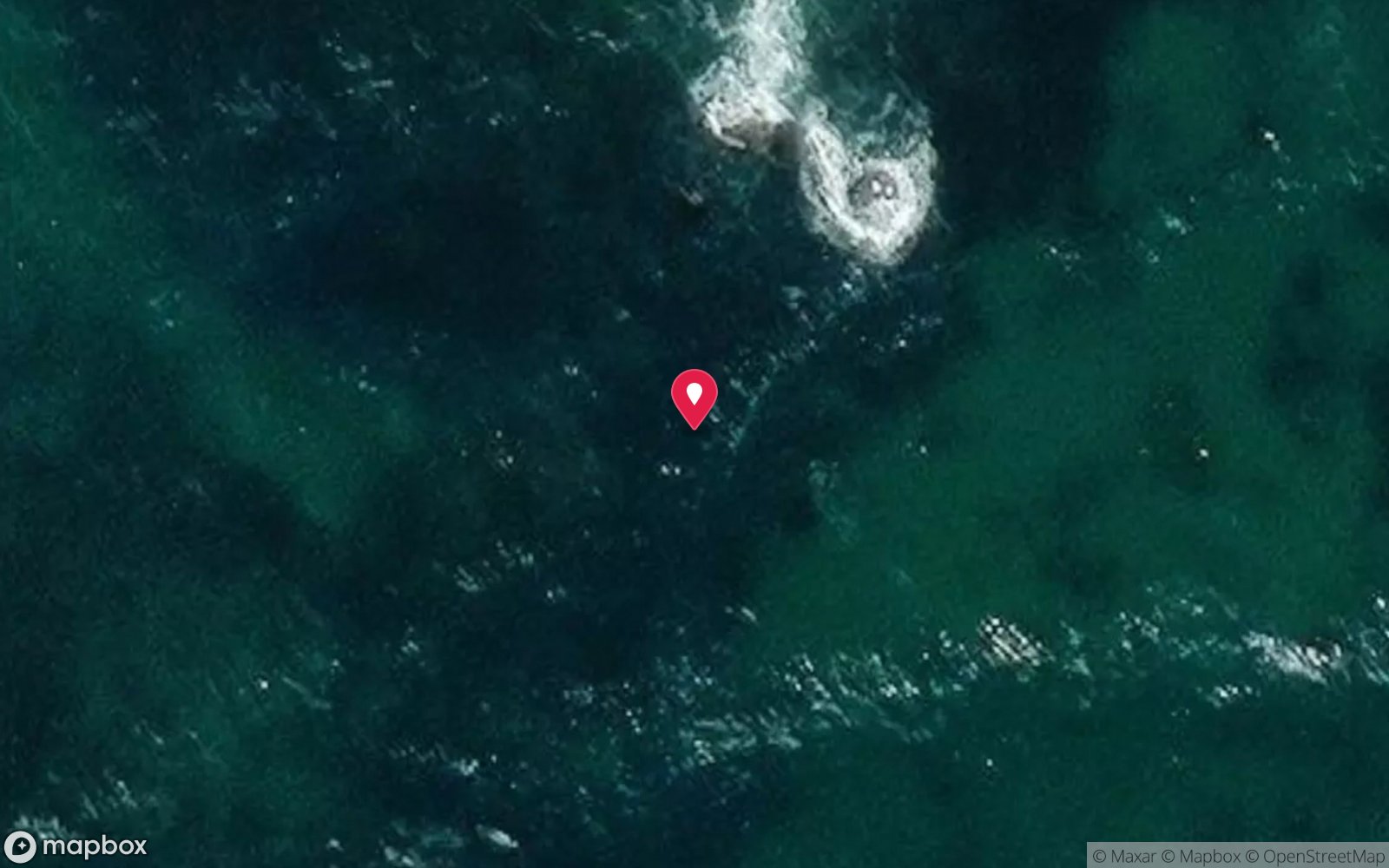
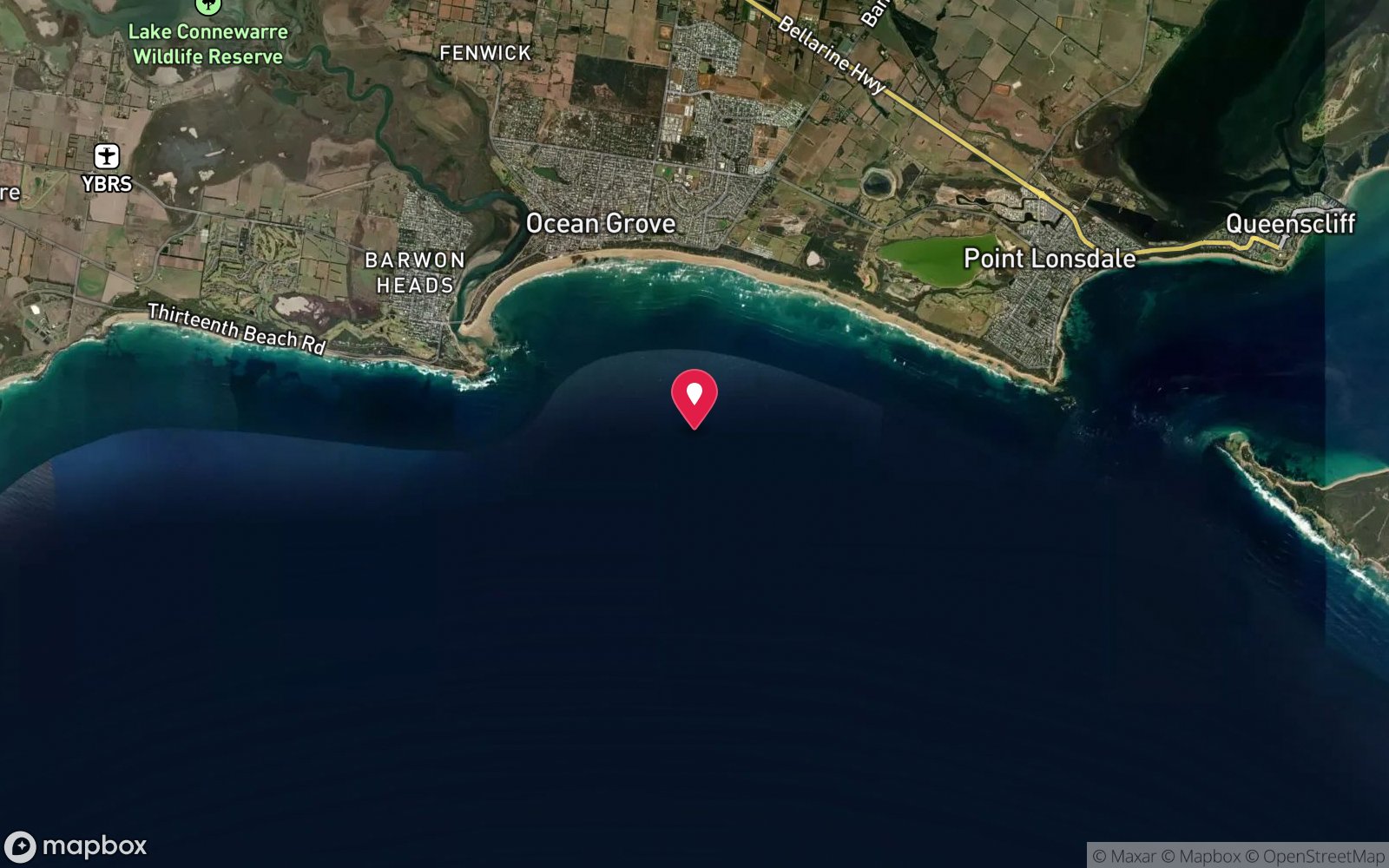
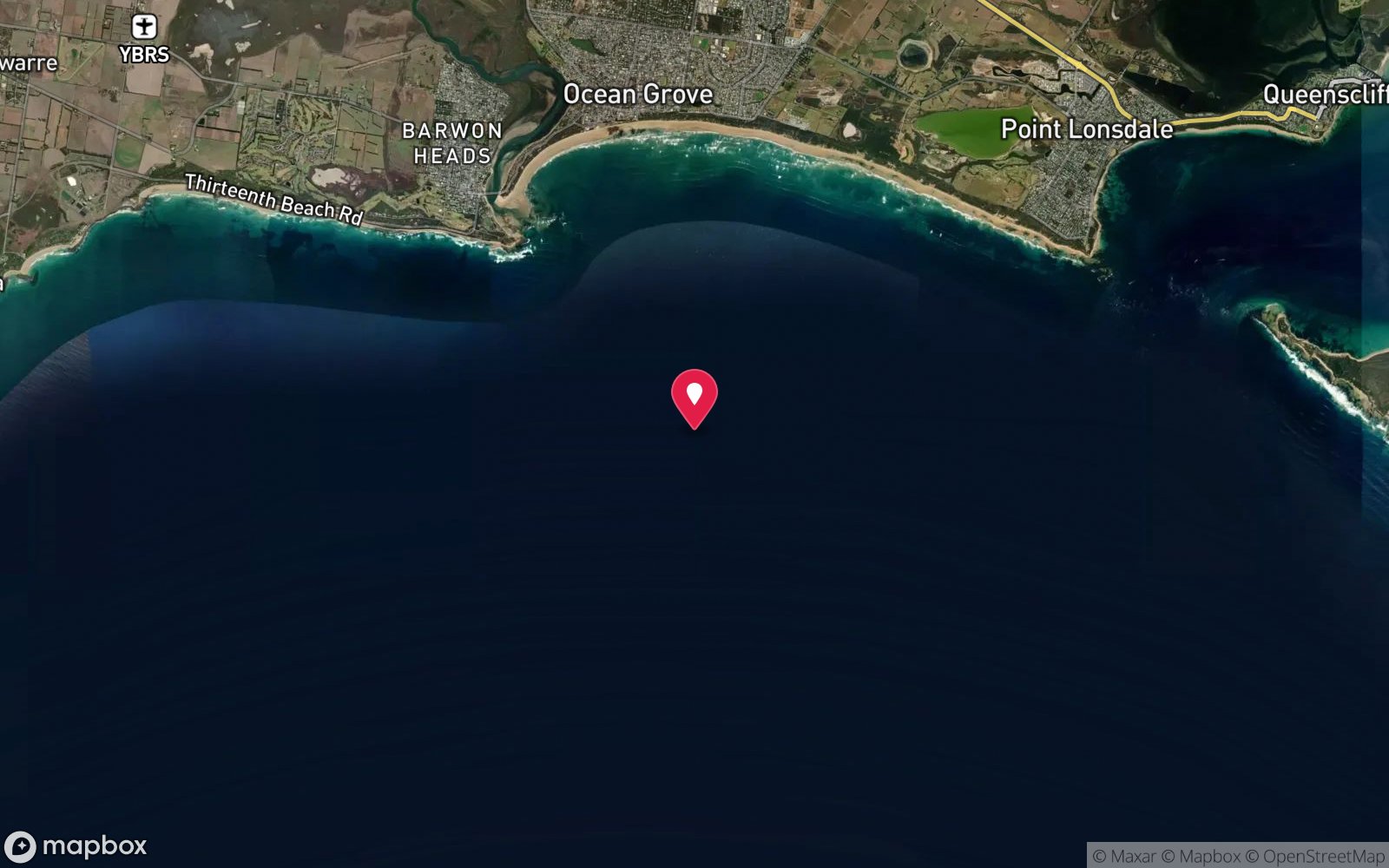
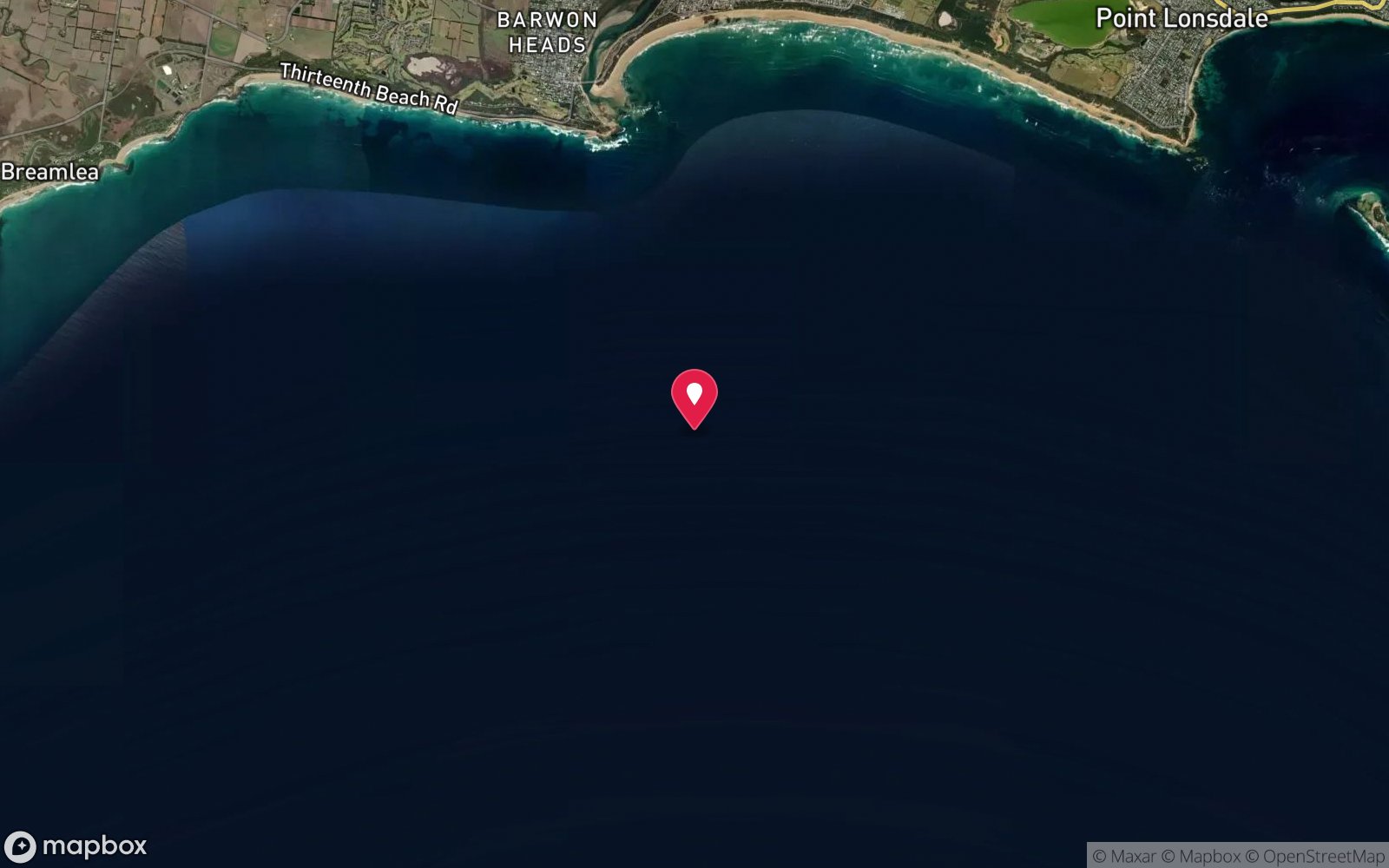
7 pinned sites. Pins marked approximate on their pages show the general area only; not for navigation.
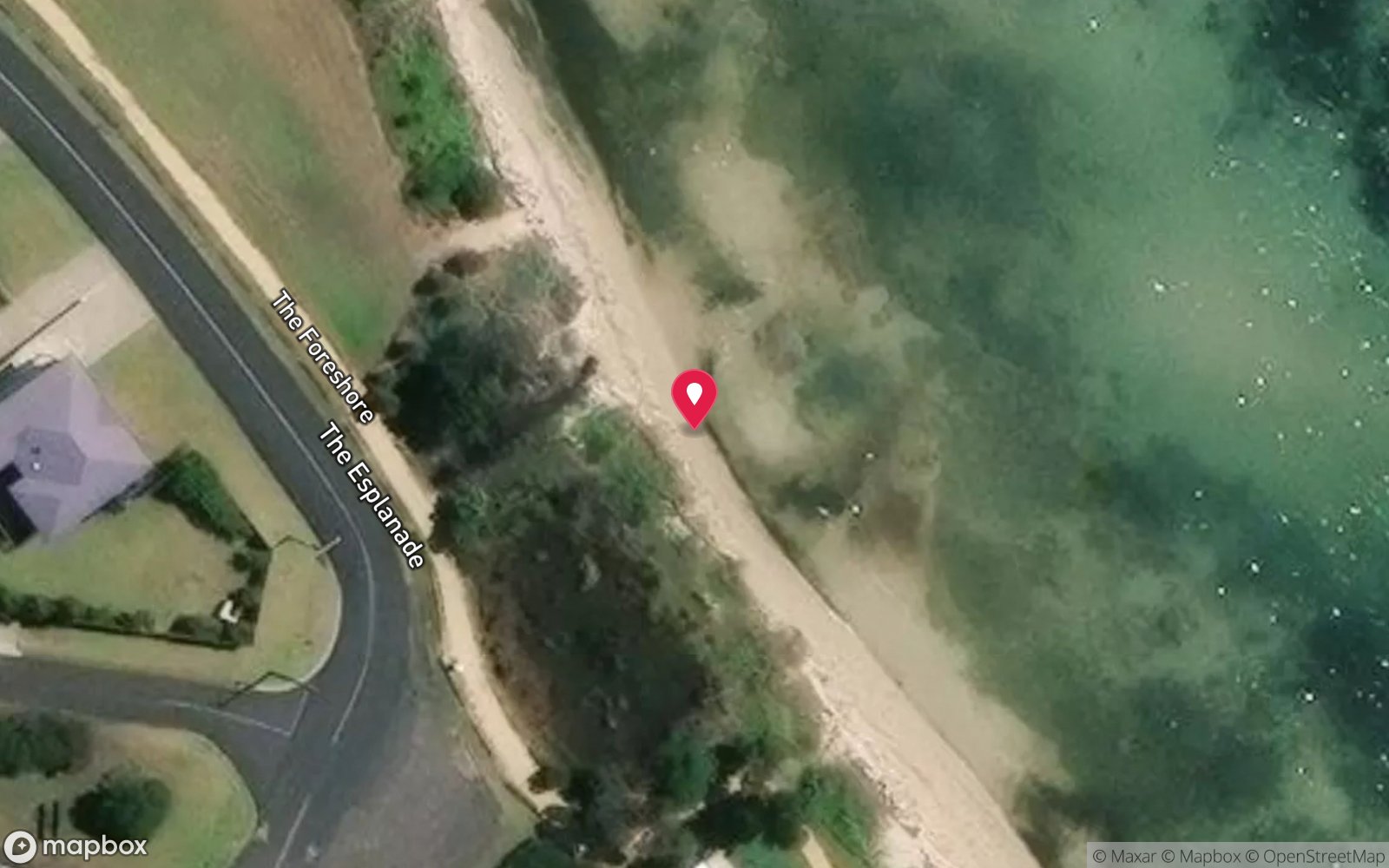
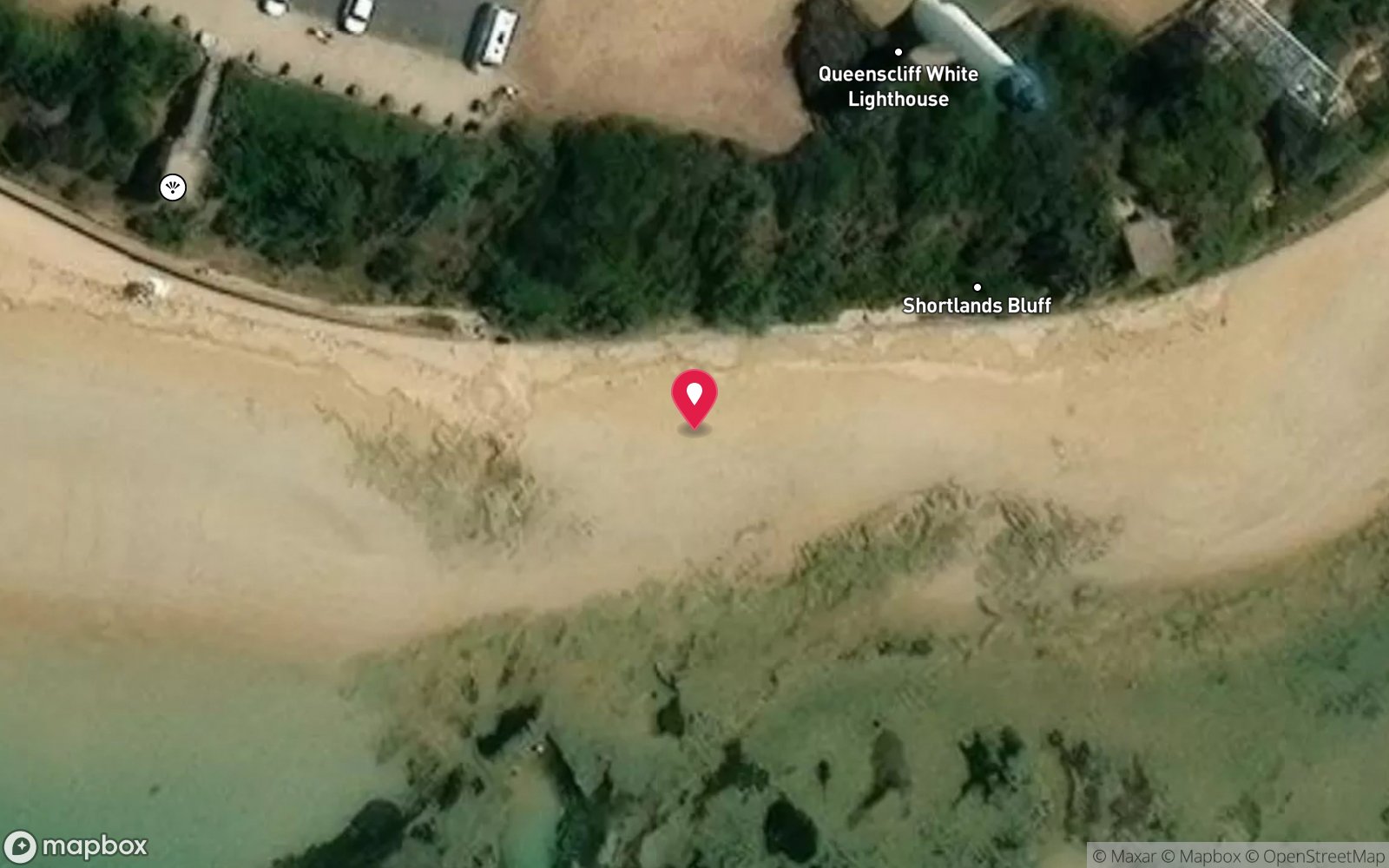
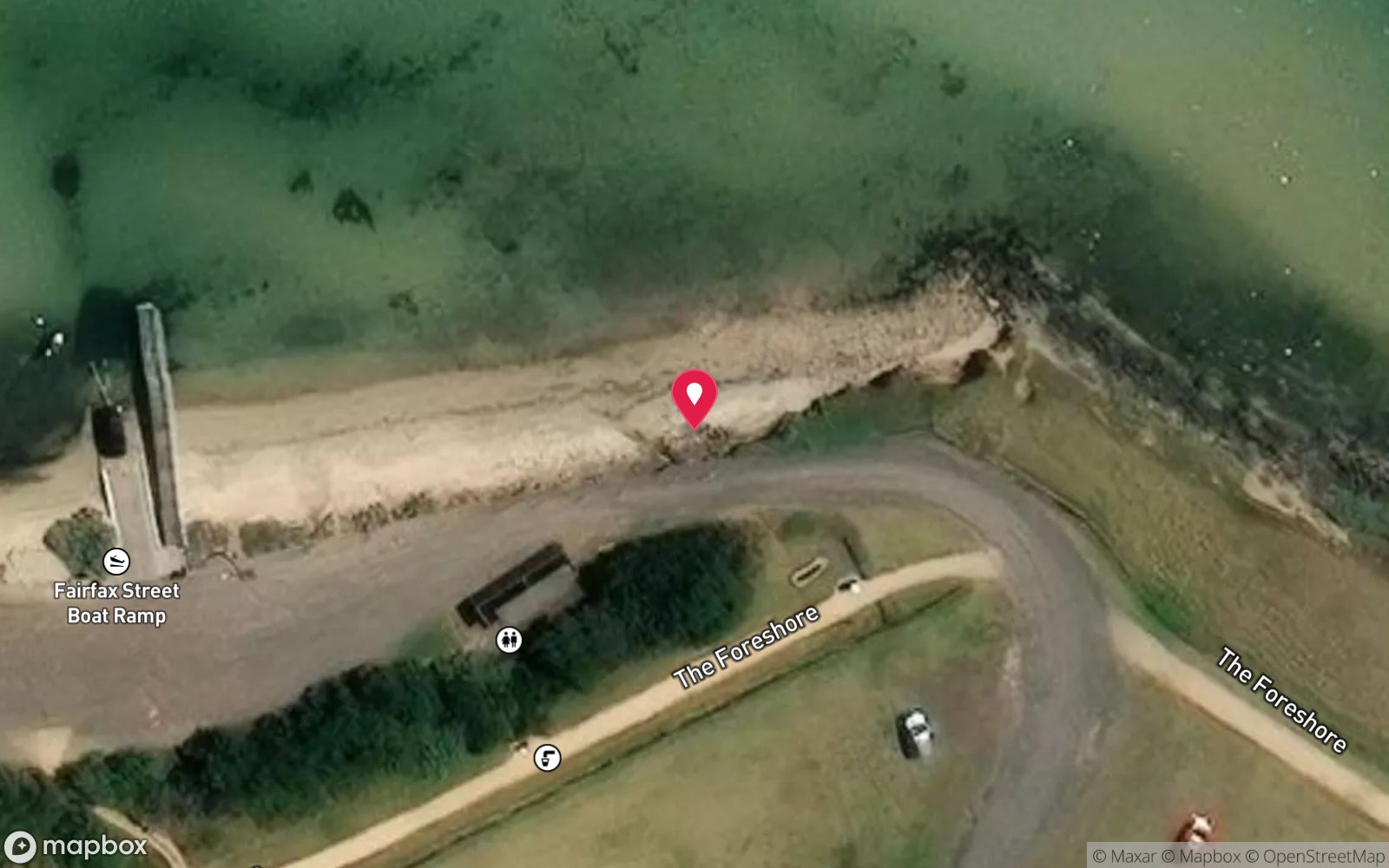
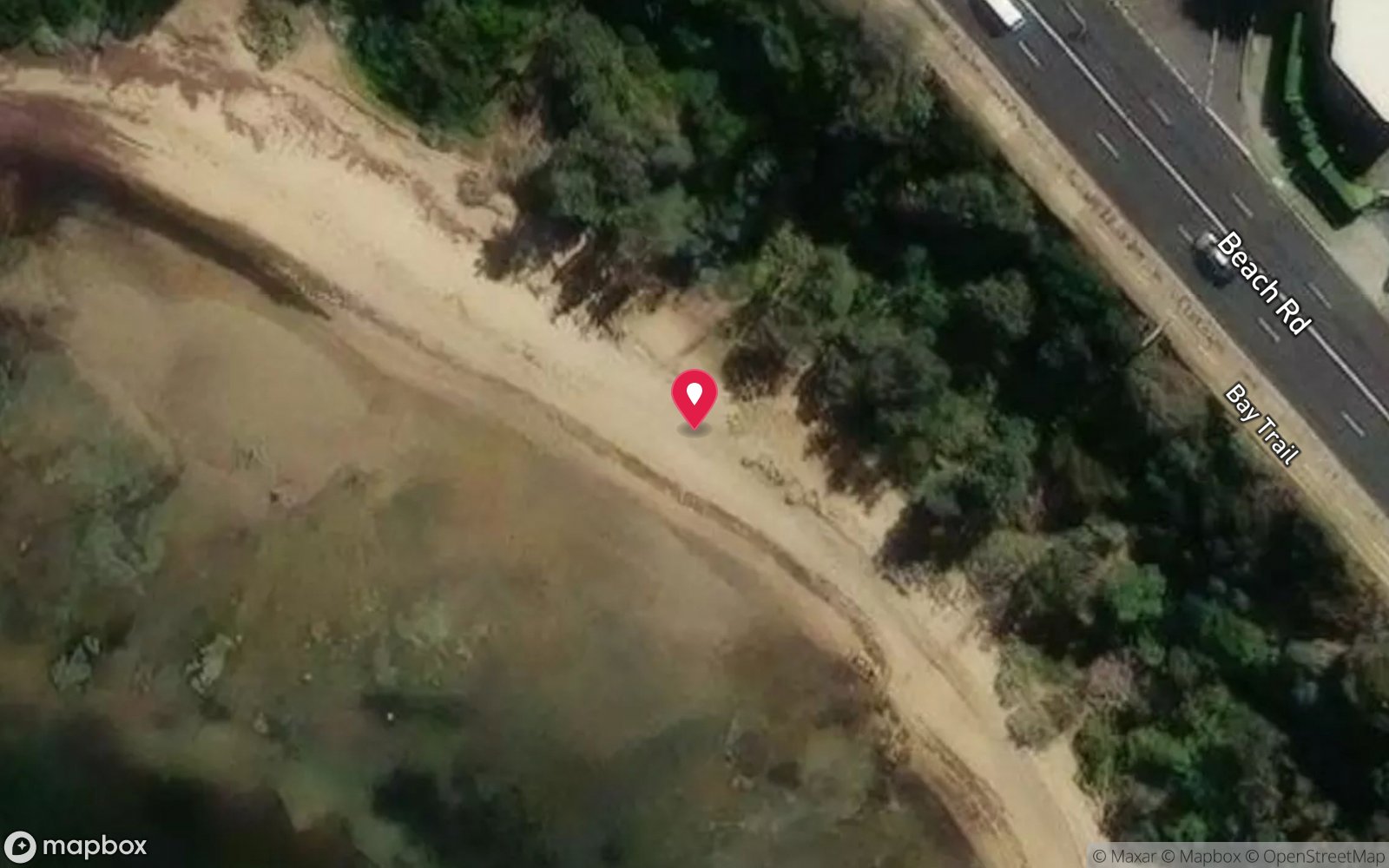
Satellite views
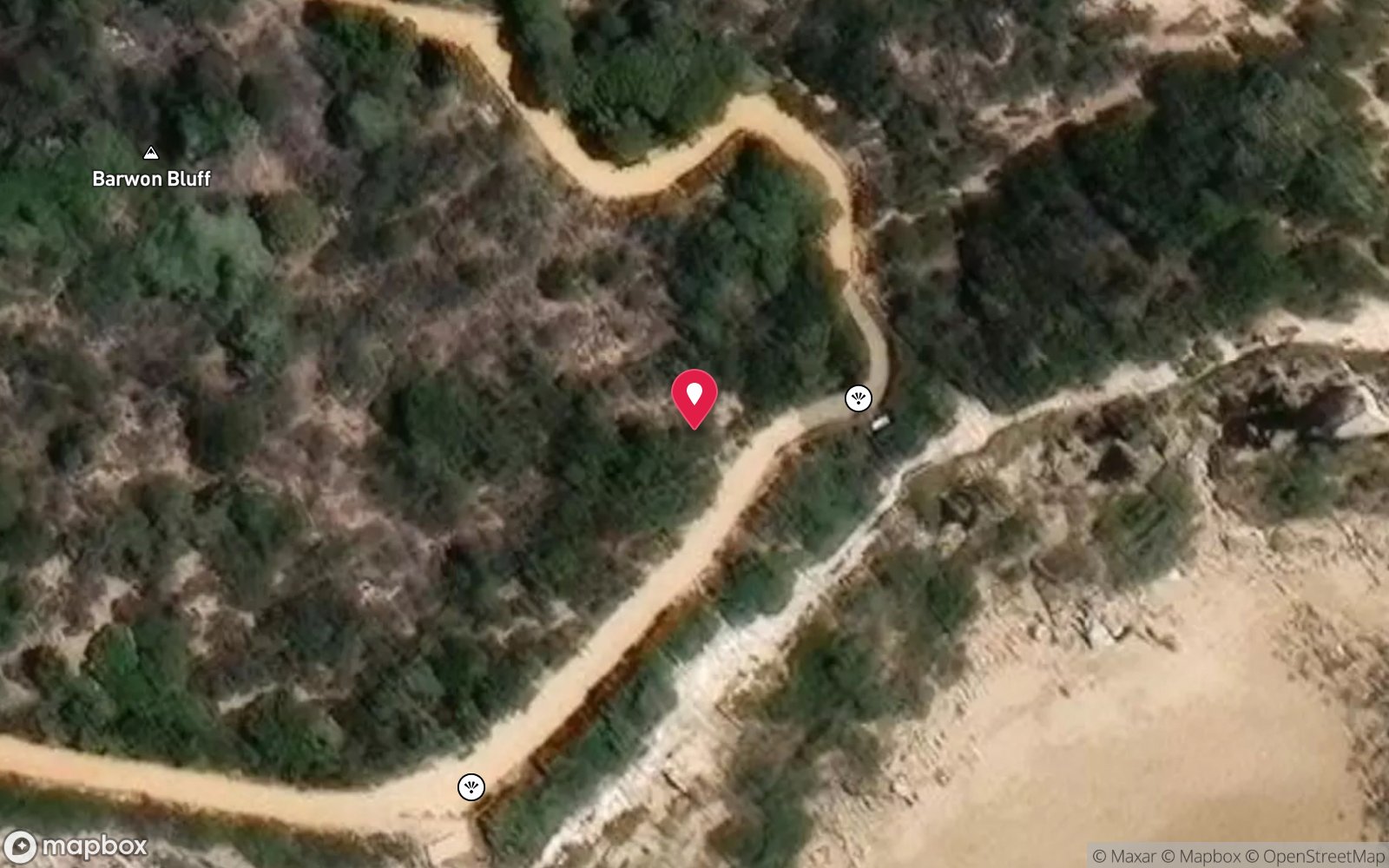
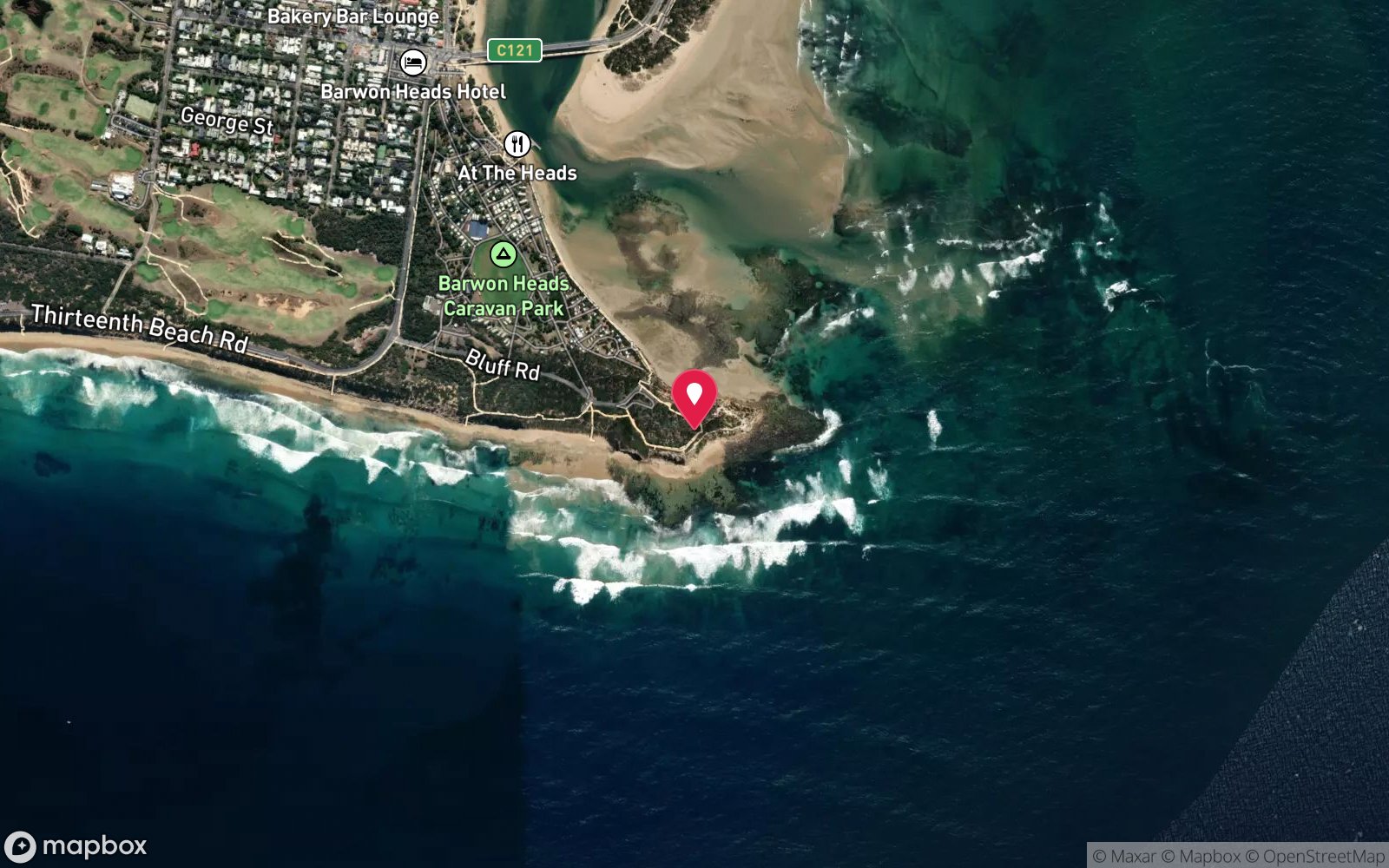
Barwon Heads Bluff: frequently asked questions
How deep is Barwon Heads Bluff?
Barwon Heads Bluff reaches a maximum depth of 9 m, with the shallowest part at about 1 m; most of the dive is spent around 5 m.
What certification do I need to dive Barwon Heads Bluff?
Open Water is the recommended minimum. Rated intermediate because of surge on the entry or in the shallows, boat traffic overhead, cold water.
Can I shore dive Barwon Heads Bluff?
Experienced divers do dive Barwon Heads Bluff from the shore, but the entry or conditions make it unsuitable for newer divers without local guidance. Entry: Rock-shelf entry from the beach below the Bluff, reached by stairs from the Bluff Road car parks (27W and 28W).
When is the best time to dive Barwon Heads Bluff?
Autumn and early winter (March-June) for the calmest seas and clearest water; any flat day after several days of northerlies.
What marine life will I see at Barwon Heads Bluff?
Regularly recorded: Western blue groper, horseshoe and six-spined leatherjackets, magpie perch, boarfish, herring cale, zebrafish, Port Jackson sharks, smooth stingrays, giant rays, sea slugs, feather stars, sea tulips and more.
What wetsuit do I need at Barwon Heads Bluff?
7 mm semi-dry with hood and gloves in summer; drysuit recommended in winter (water 12-14 °C).
How cold is the water at Barwon Heads Bluff?
Typically 17-19 °C in summer and 12-14 °C in winter.
What are the main hazards at Barwon Heads Bluff?
Bass Strait swell and surge over the rock shelf; rips at the river mouth; rockfalls from the cliffs; high tide cuts off the beach; river discharge after rain; kelp entanglement; boat traffic at the river entrance; no take; exit at the shelf via the stairs. See the hazards section above for the full list.
Can you night dive Barwon Heads Bluff?
Yes, Barwon Heads Bluff is commonly dived at night.
Diving in Geelong & Bellarine
The Bellarine side of Port Phillip has Queenscliff and the Heads charters on its doorstep, plus gentler shore diving at Portarlington, St Leonards and Clifton Springs piers, Point Lonsdale's reefs and the Ozone paddle steamer wreck off Indented Head.
Getting there: An hour from Melbourne. Pier shore dives with parking; charters from Queenscliff.
All Geelong & Bellarine dive sites and a suggested itinerary →
Sources
Nearby dive sites
More shore/rock platform dives in Victoria
Explore more
This region
Similar dives