Dive slate · divesites.com.au · printed 7 Nov 2026
SS Buninyong
Port Phillip Heads, Victoria · near Queenscliff
| Depth | 44–54 m |
|---|---|
| Minimum level | Technical (decompression) |
| Difficulty | Expert/Technical |
| Access | Boat (day trip) |
| Entry | Giant stride or backward roll from charter boat, descent on a shot line |
| Current | Mild |
| Visibility | 10-25 m |
| Water | summer 17-20 °C, winter 11-13 °C |
| Suit | Drysuit recommended year-round; 7 mm semi-dry with hood and gloves in summer only |
| Best season | Late summer to autumn (Feb–May) for settled seas and best visibility; diveable year-round in weather windows |
| Bottom time | 20 min |
| Position | -38.33707, 144.51734 (GPS) |
| Permit | No marine park. Historic shipwreck protected under the Victorian Heritage Act 2017 and Commonwealth Underwater Cultural Heritage Act 2018 – look but do not touch, no artefact removal, no anchoring into the wreck. No dive permit required. |
| Nearest chamber | The Alfred (Melbourne) |
| Emergency | 000 · DAN Asia-Pacific diving emergency 1800 088 200 |
SS Buninyong
Also known as Buninyong
Second-largest wreck in the Graveyard – intact bridge with an exhaust stack across it and three boilers in 50–54 m; a trimix favourite.
Near Queenscliff · Port Phillip Heads, Victoria
- Depth
- 44–54 m
- Minimum level
- Technical (decompression)
- Access
- Boat (day trip)
- Boat ride
- ~40 min
- Water
- 17-20 °C
- Visibility
- 10-25 m
SS Buninyong44–54 m · Technical (decompression)
Dive factsDepths, conditions, location & safety
Season
Off-peak nowBest months: January, February, March, April, May, December.
Late summer to autumn (Feb–May) for settled seas and best visibility; diveable year-round in weather windows
- Best months
- Now (November)
Dive facts
- Depth
- 44–54 m
- Typical depth
- 50 m
- Certification
- Technical (decompression)
- Difficulty
- Expert/Technical
- Depth tier
- Technical (40 m +)
- Access
- Boat (day trip)
- Offshore
- 9 km
- Dive centre needed
- Yes – boat access only
- Shore / independent
- No
- Boat ride
- ~40 min
- Current
- Mild
- Visibility
- 10-25 m
- Water temp (summer)
- 17-20 °C
- Water temp (winter)
- 11-13 °C
- Water
- Cold Temperate
- Bottom time
- 20 min
- Dive traffic
- Rarely dived (private boat/club only)
- Night dive
- No
- Snorkel friendly
- No
Exposure suit
Drysuit recommended year-round; 7 mm semi-dry with hood and gloves in summer only
Location
Ships' Graveyard · Port Phillip Heads & Bass Strait
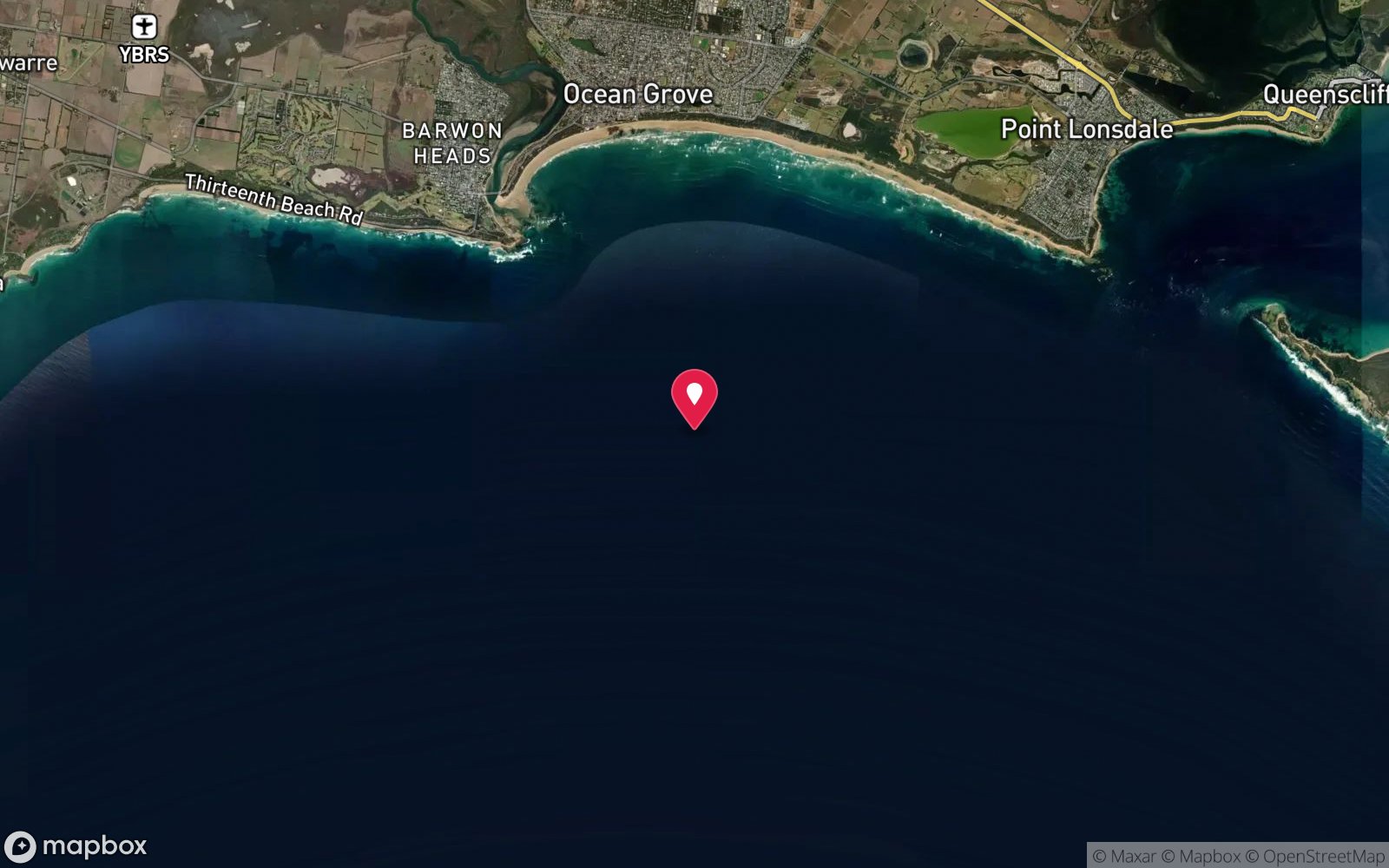
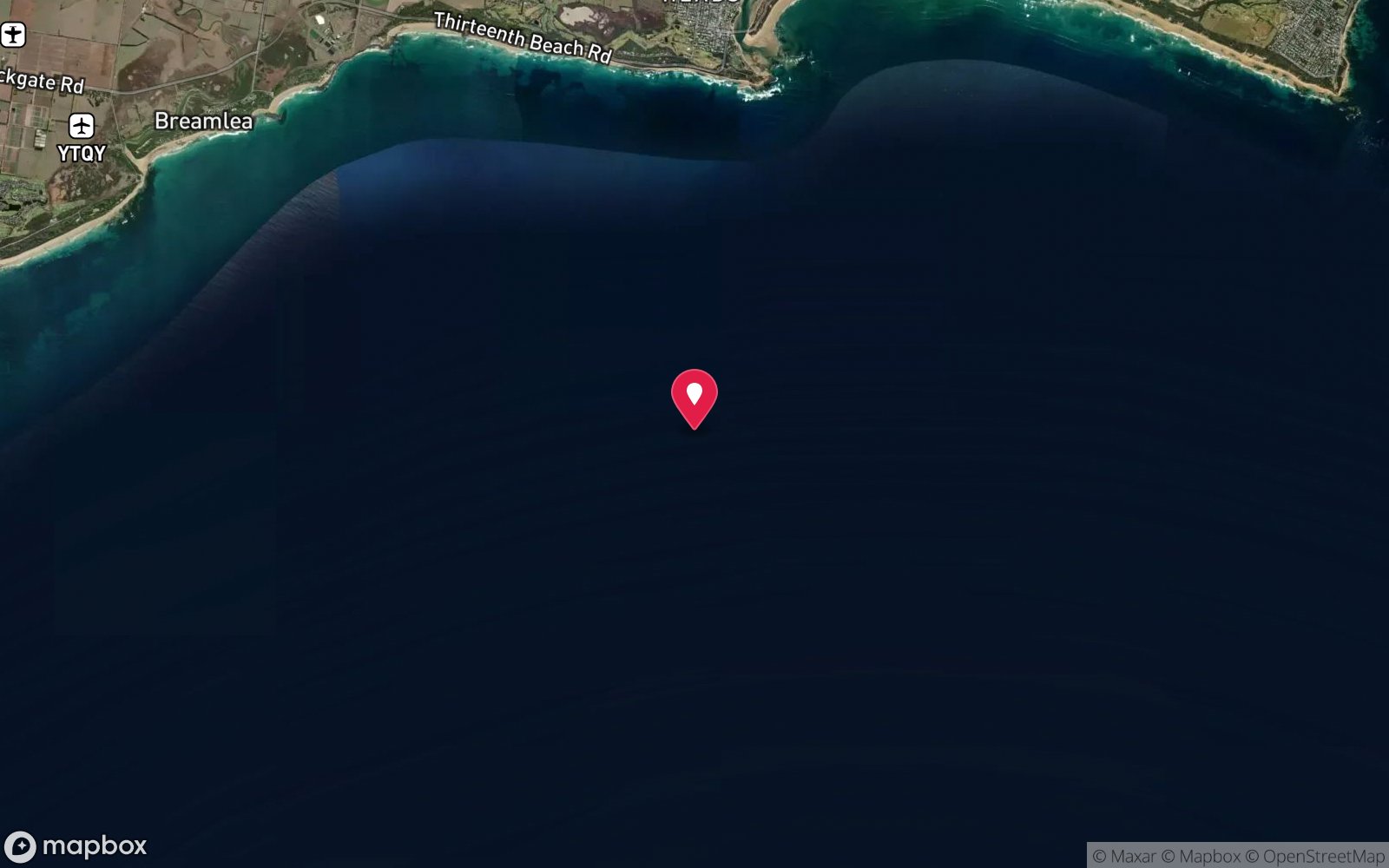
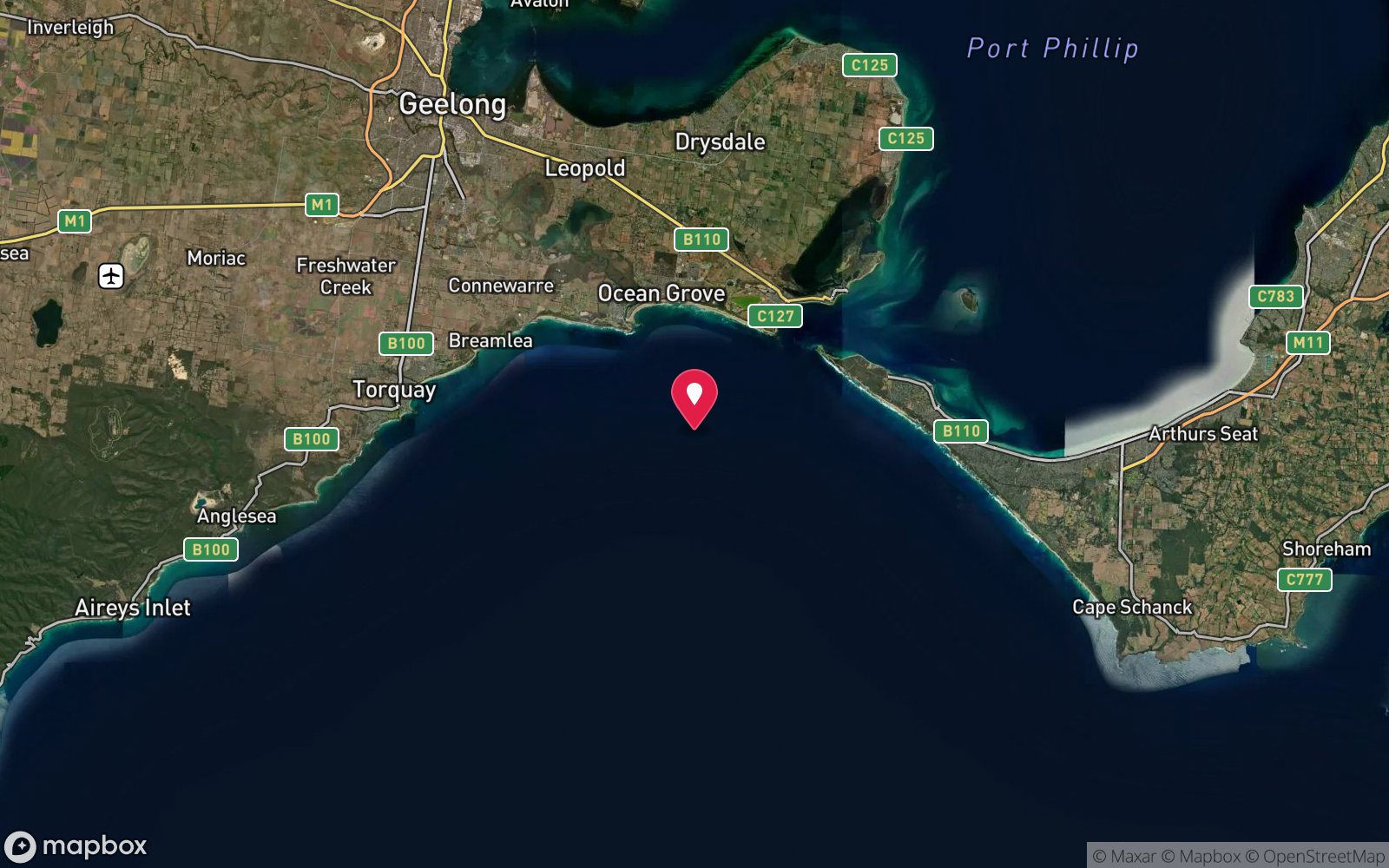
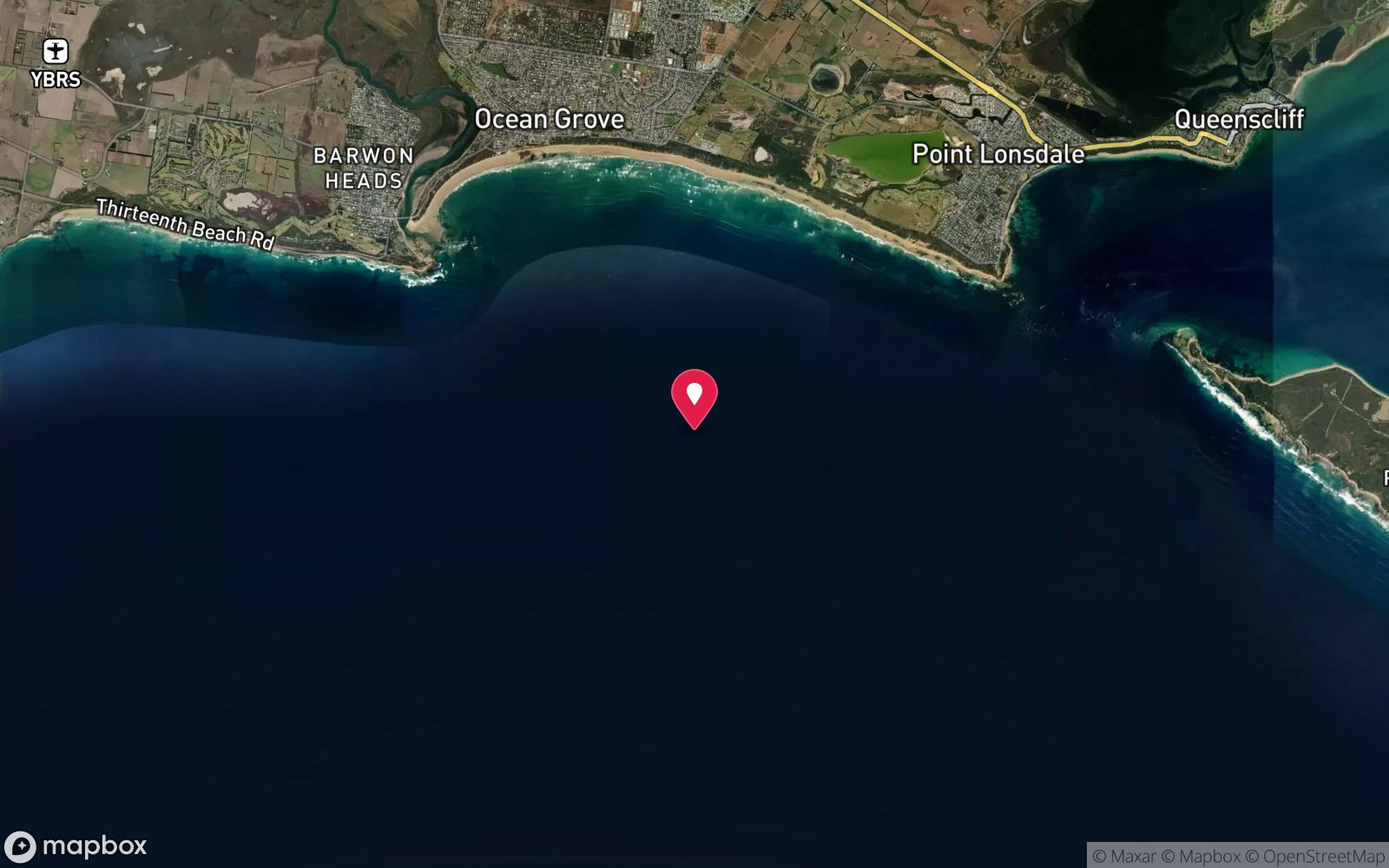
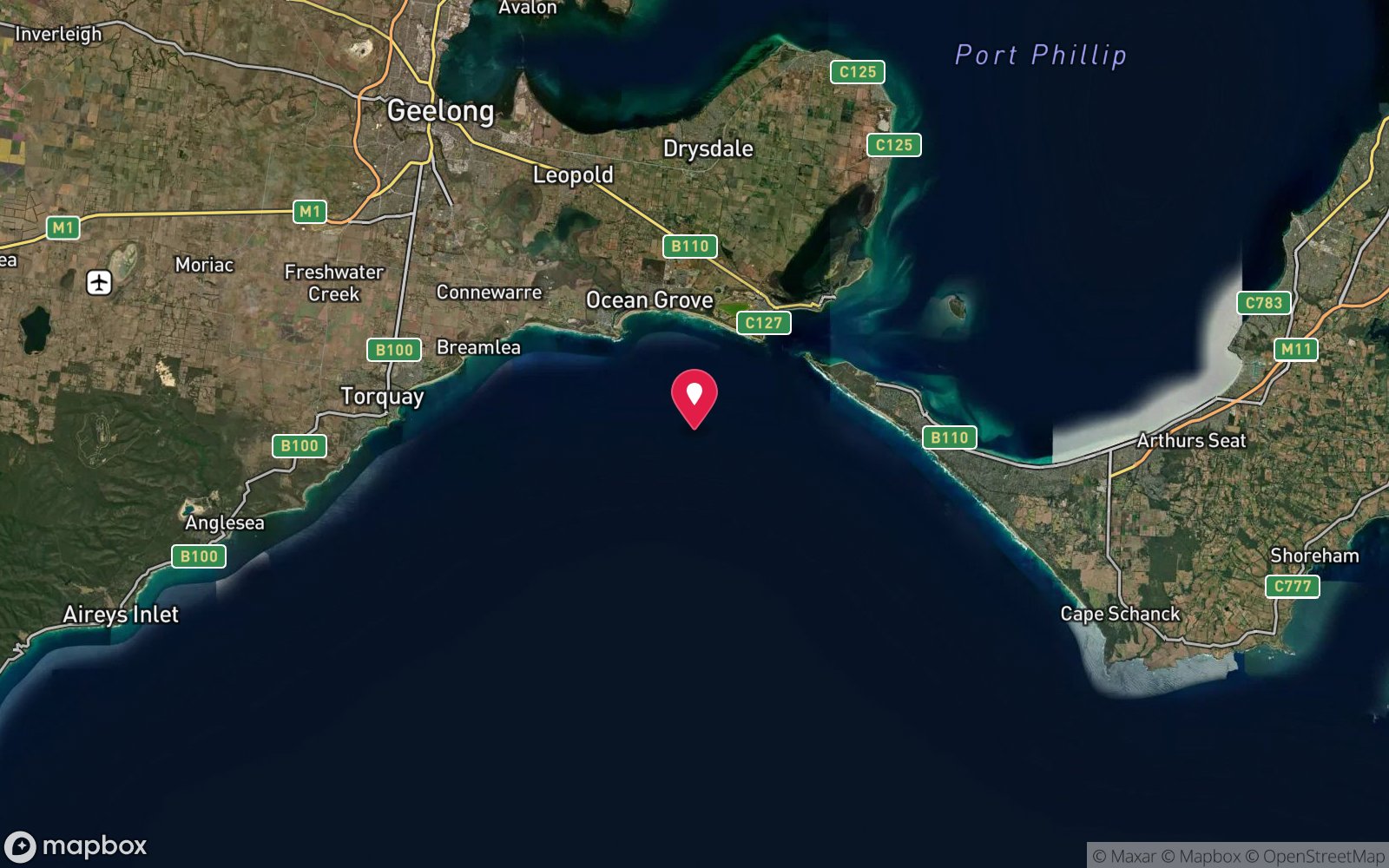
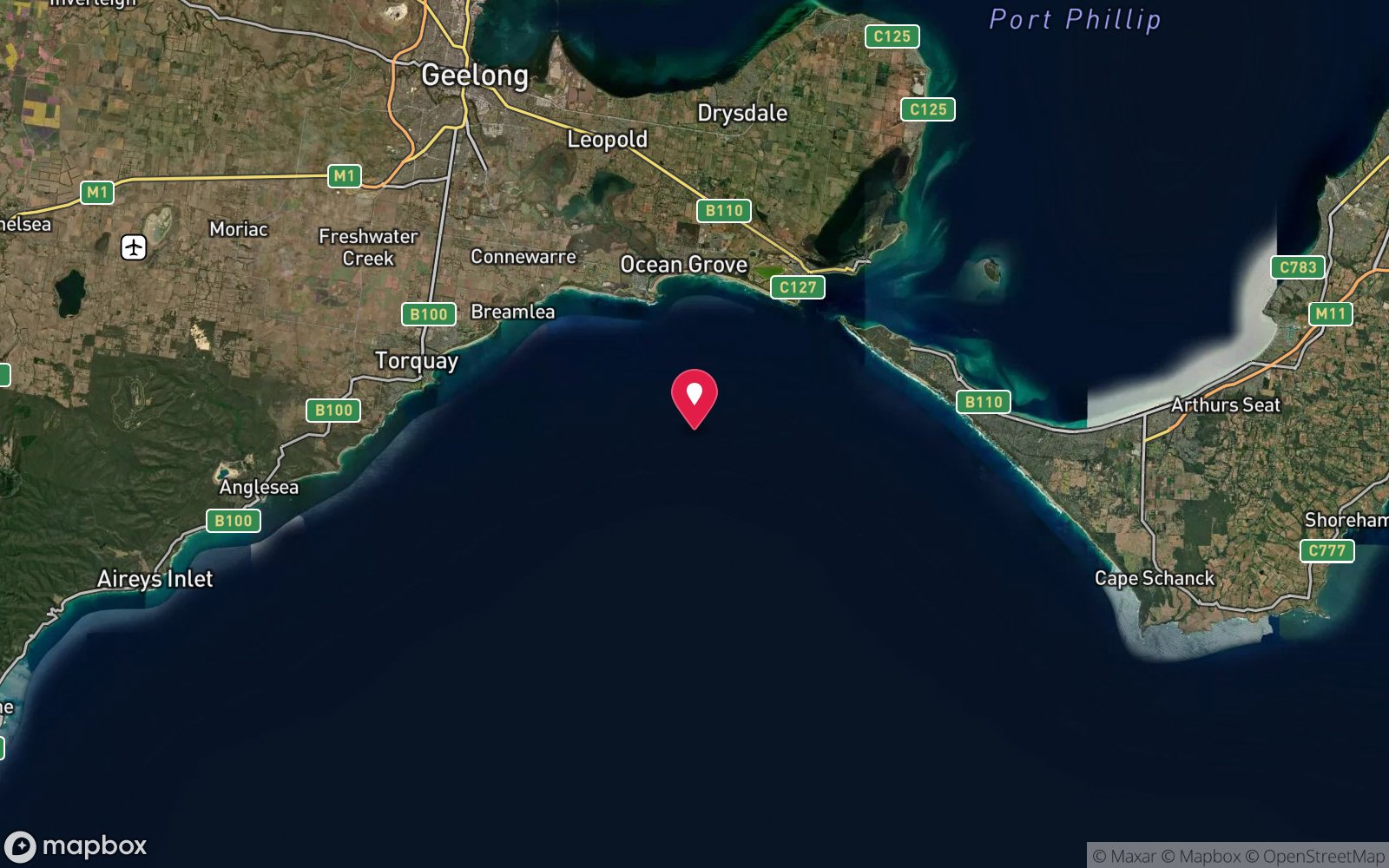
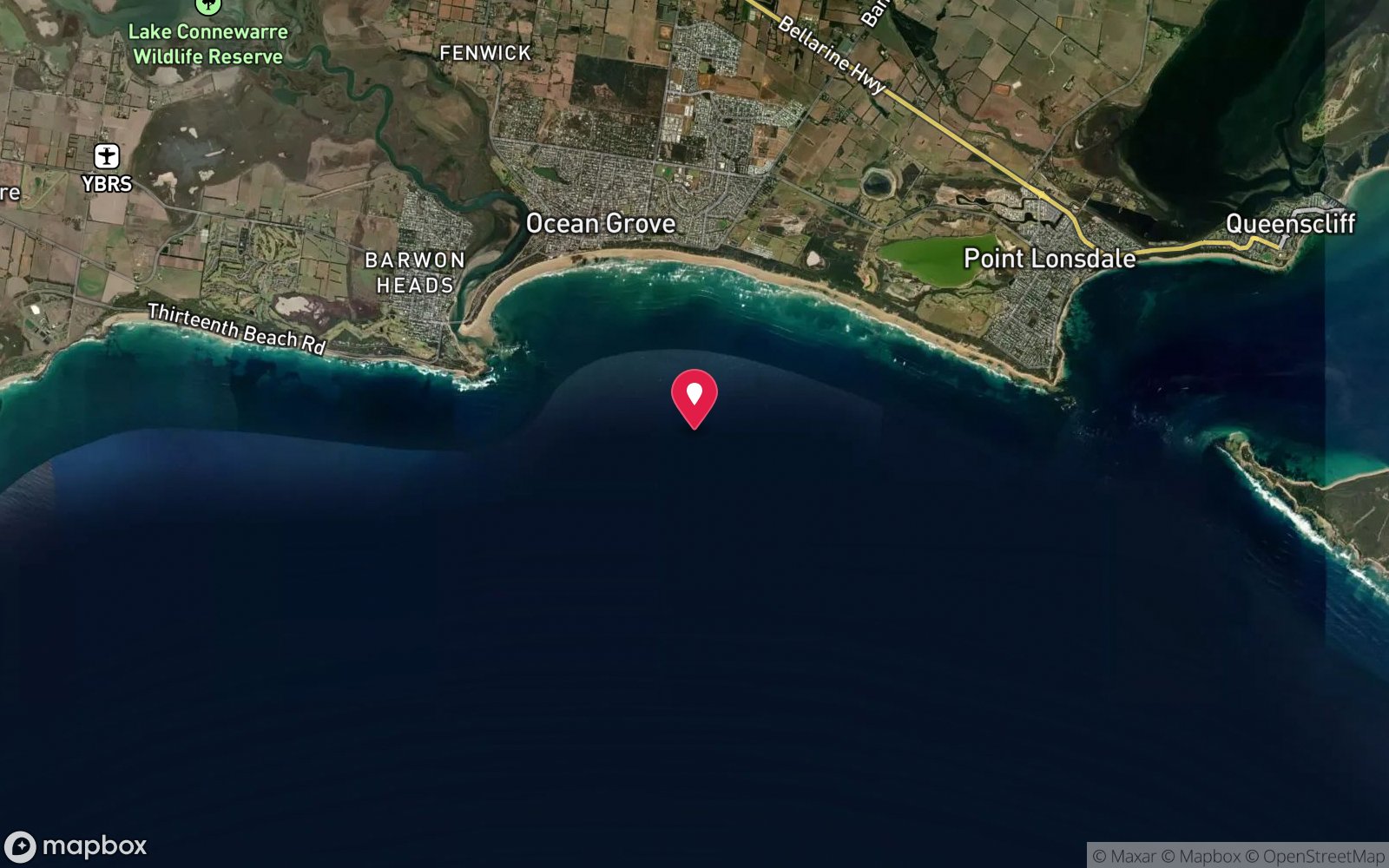
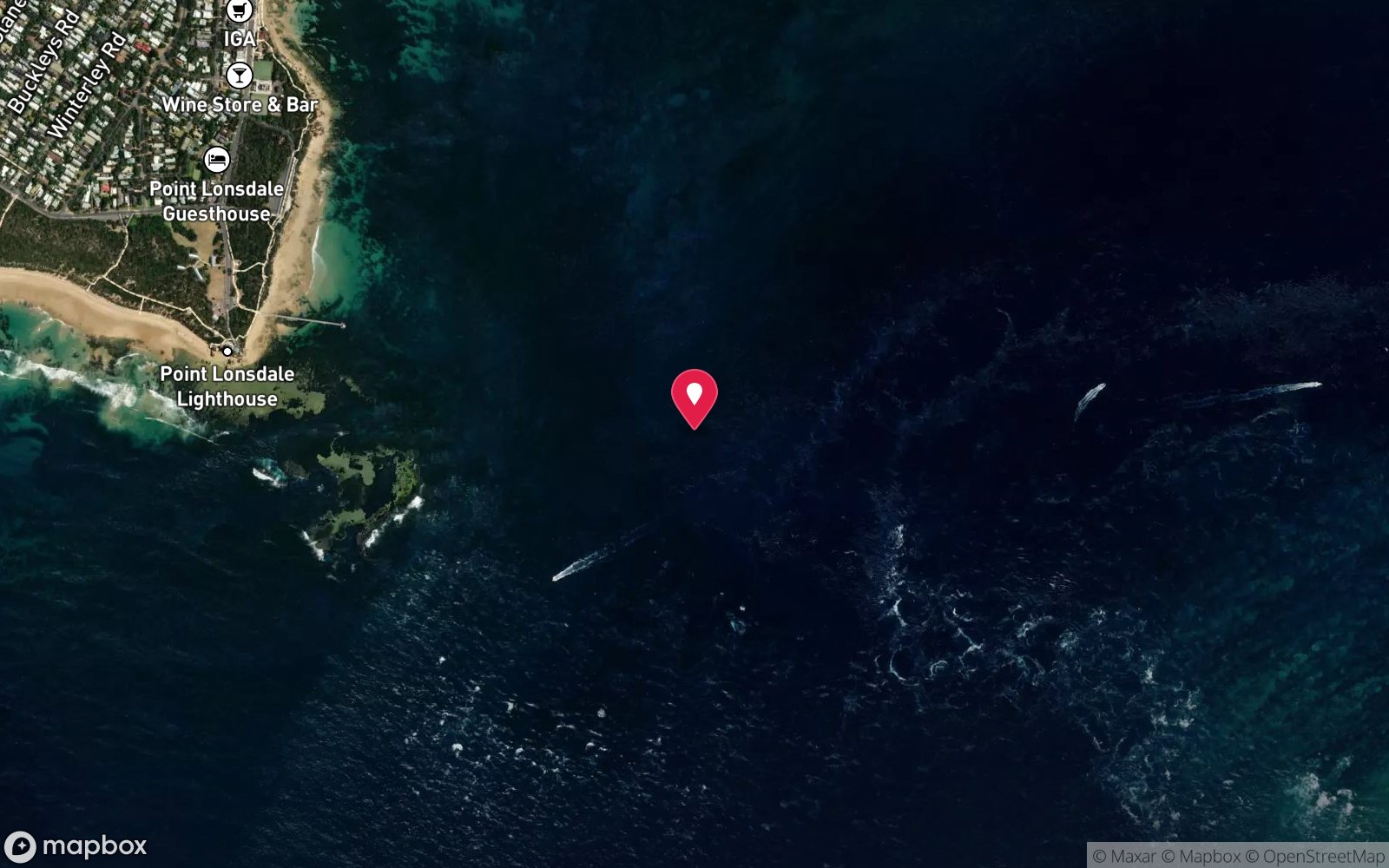
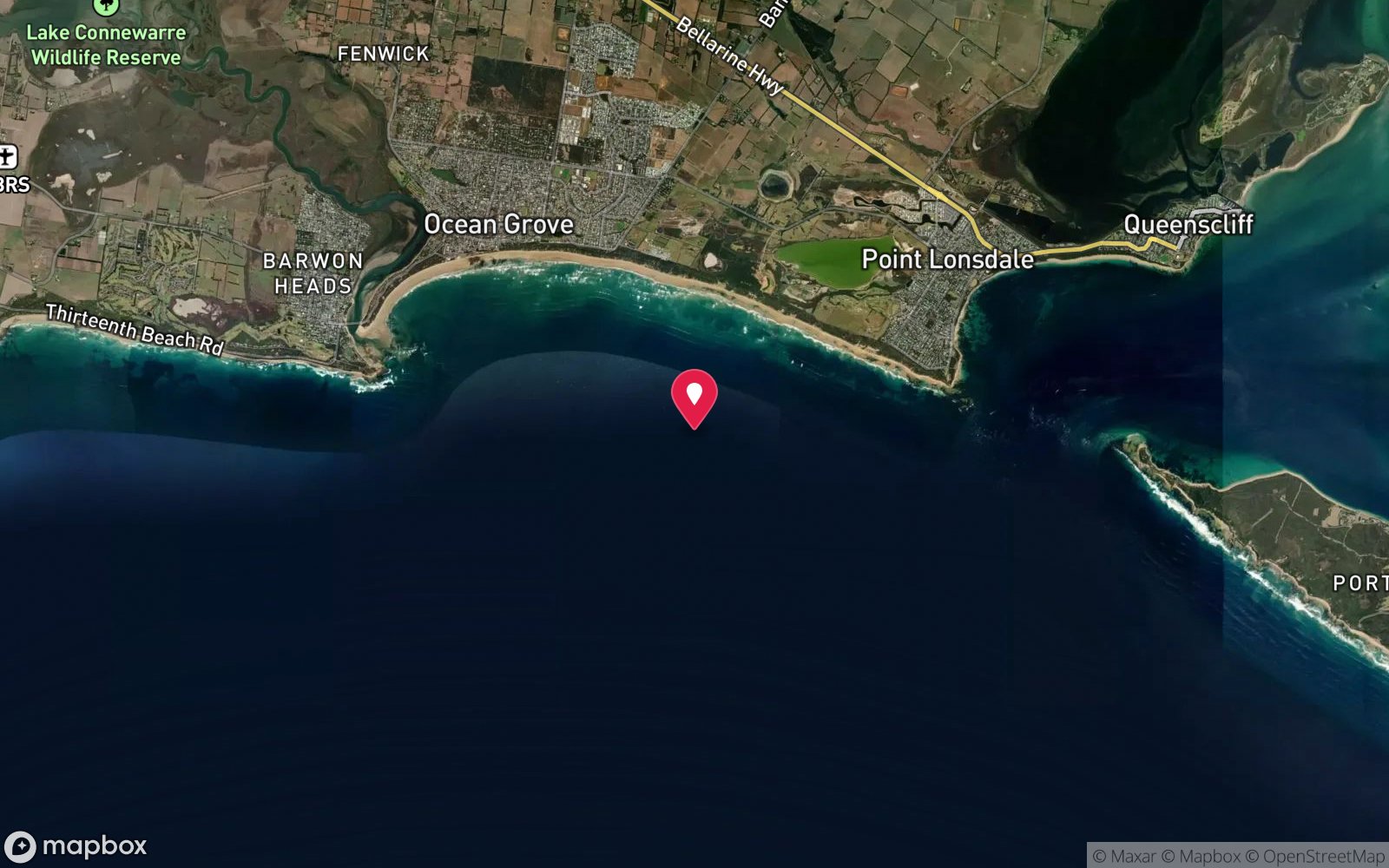
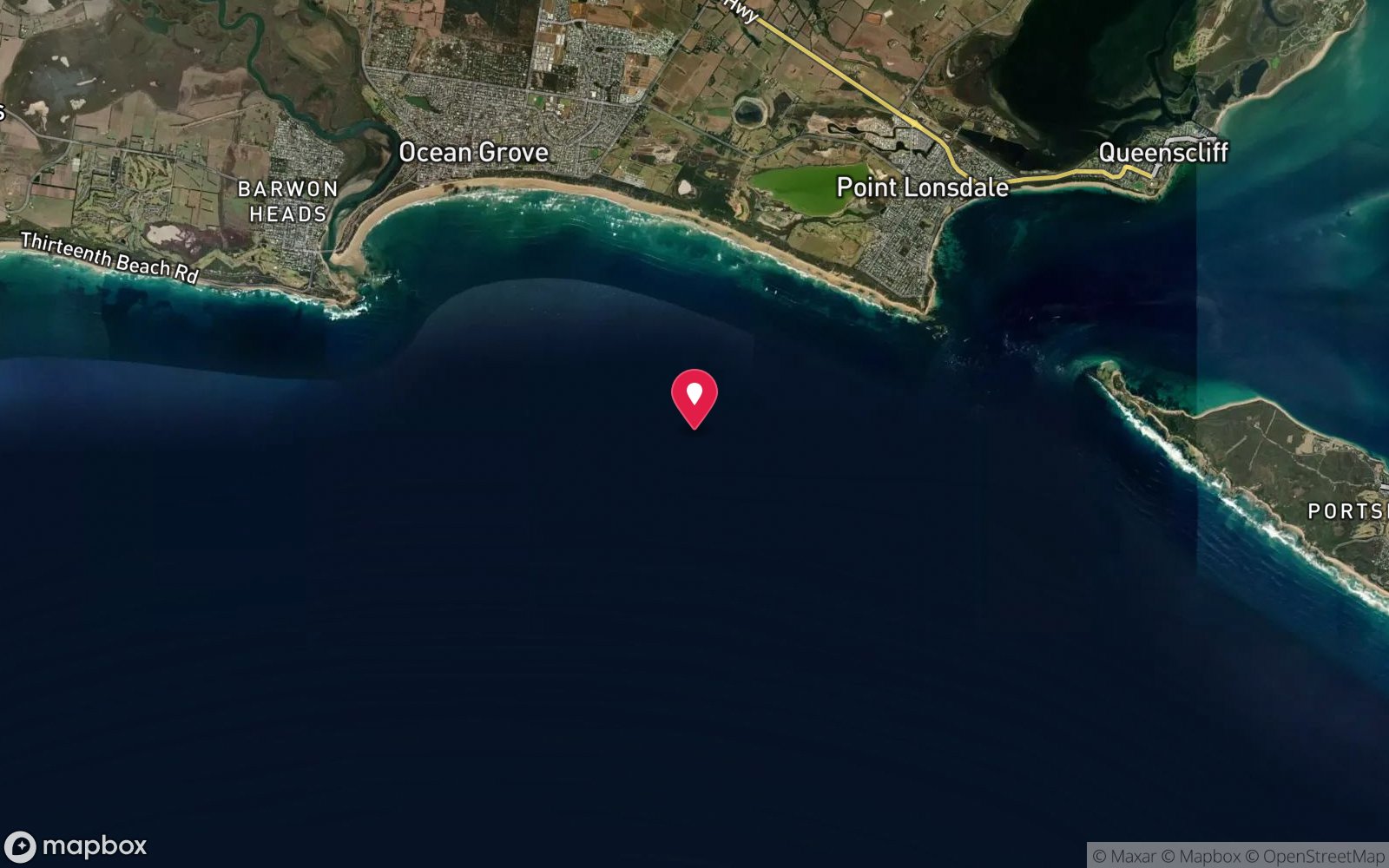
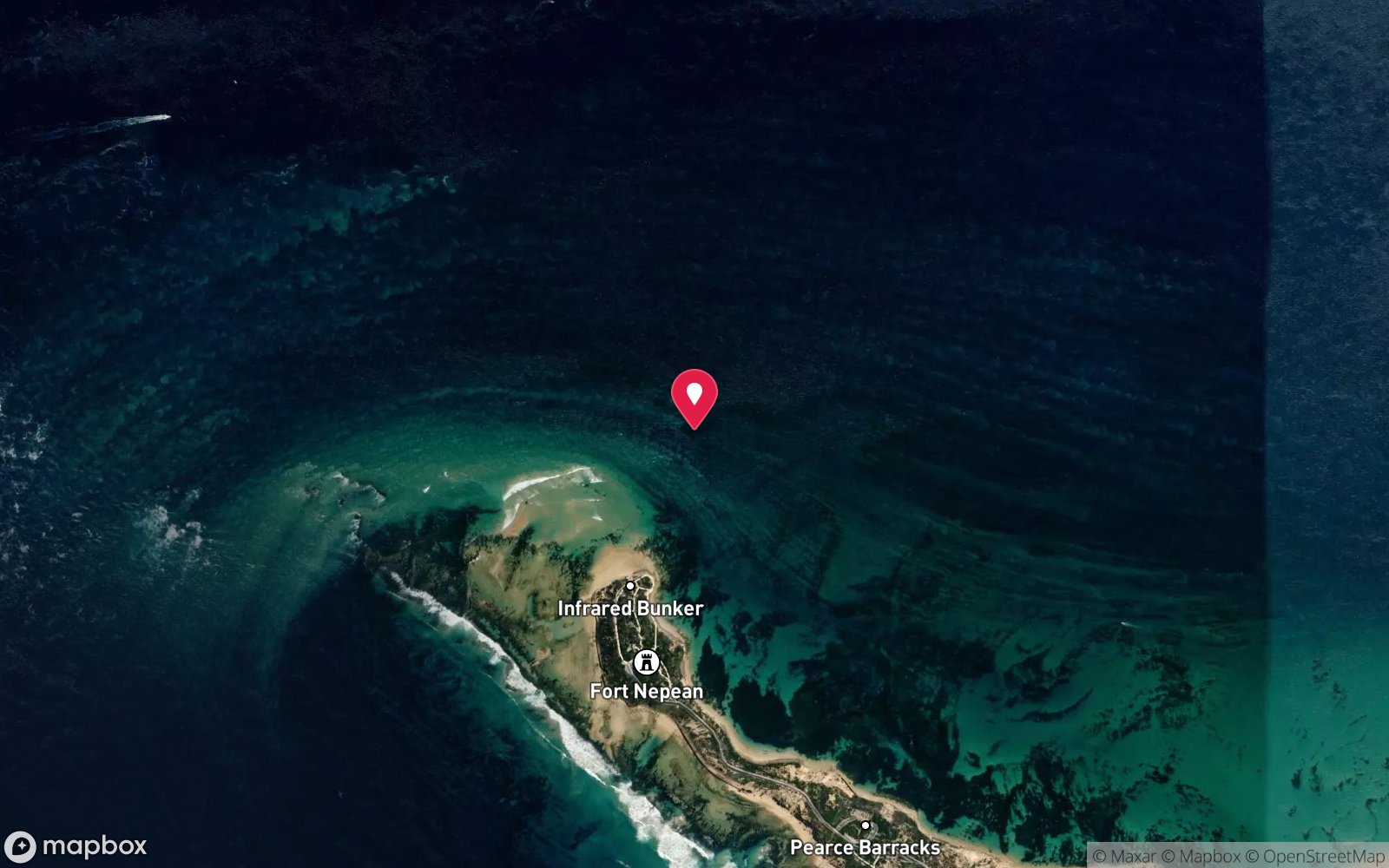
-38.33707, 144.51734
Published GPS position.
Open in Google MapsDive site map (external) →Primary source: scubadoctor.com.auMarine park & permits
No marine park. Historic shipwreck protected under the Victorian Heritage Act 2017 and Commonwealth Underwater Cultural Heritage Act 2018 – look but do not touch, no artefact removal, no anchoring into the wreck. No dive permit required.
Nearest recompression chamber
The Alfred (Melbourne)
Diving emergency: call 000, then DAN AP 1800 088 200.
Trip planner
Build a trip around SS Buninyong →
A day-by-day plan for Port Phillip Heads with this site locked in.
This guide is a planning aid. Conditions change daily — confirm with a local dive centre and dive within your training. Data & safety notes.
Dive profile
How this site rates
Scores are computed from the recorded data, not opinions. How?
At a glance
SS Buninyong is a wreck boat dive in Port Phillip Heads, VIC, 44–54 m, suited to Technical (decompression) divers, about 40 minutes by boat.
Rated expert/technical because of depth to 54 m, surge on the entry or in the shallows, boat traffic overhead, cold water.
Why dive here
- Second-largest wreck in the Graveyard – intact bridge with an exhaust stack across it and three boilers in 50–54 m; a trimix favourite.
- Sunk in 1926; protected as underwater cultural heritage, so look but do not touch.
- Rarely dived: expect to have the site to yourself, and plan your own logistics.
- Visibility often reaches 10-25 m.
Conditions to avoid
- Swell above about 1 m
- Afternoon north-easterlies
- Strong westerlies
- Any time other than slack water
About SS Buninyong
Buninyong was built by Laird, Purdie and Co at Barrow-in-Furness in 1883 as a 2,076-ton, 85 m (280 ft) passenger and cargo steamer for the intercolonial trade between Melbourne, Sydney and Adelaide, one of a generation of steel liners that made the coastal passage comfortable for the first time. Passenger fashions moved on; in 1913 she was refitted as a collier and worked the Newcastle coal run until she was worn out. She was scuttled in the Graveyard on 11 February 1926, one of the earliest of the officially recorded dumpings.
The wreck lies in 50–54 m with the bow facing Barwon Heads at the deepest point. It is the second-largest vessel in the Graveyard after the Milora and a proper ship to explore: the bridge is still intact, with an exhaust stack fallen across it, and three boilers remain in place – two large units amidships and a smaller one towards the stern. The hull has opened out in the usual Bass Strait way but there is still height and a recognisable ship shape, and the boilers and bridge give shelter to ling, boarfish, bullseyes and crayfish.
Sponge growth is good because the site is well clear of the Barwon plume, and visibility of 15 m or more is common in autumn. This is a mixed-gas dive: the Scuba Doctor notes it is favoured by trimix divers, and there is nothing worthwhile shallower than about 44 m. It is visited only a few times a year by technical charters and private boats, so expect an unshotted, unbuoyed wreck and plan to find it with a sounder and a weighted shot.
For technical divers who have done Milora and the Batman group, Buninyong is the logical next step in scale and depth, offering a genuine sense of an intact liner rather than a debris field.
Wreck details
Steel passenger liner converted to collier, 85 m (280 ft), 2,076 t · Sunk 1926 · Protected historic shipwreck
Era: early 20th century. Oldest wrecks · Wartime wrecks · Scuttled warships
Other wrecks of the same era
- J5 Submarine · Max 36 m · Port Phillip Heads
- HMVS Cerberus · Max 7 m · Melbourne & Port Phillip Bay
- J1 Submarine · Max 38 m · Port Phillip Heads
- J2 Submarine · Max 39 m · Port Phillip Heads
- J3 Submarine (Swan Island) · Max 8 m · Melbourne & Port Phillip Bay
- J4 Submarine · Max 28 m · Port Phillip Heads
Getting there & entry
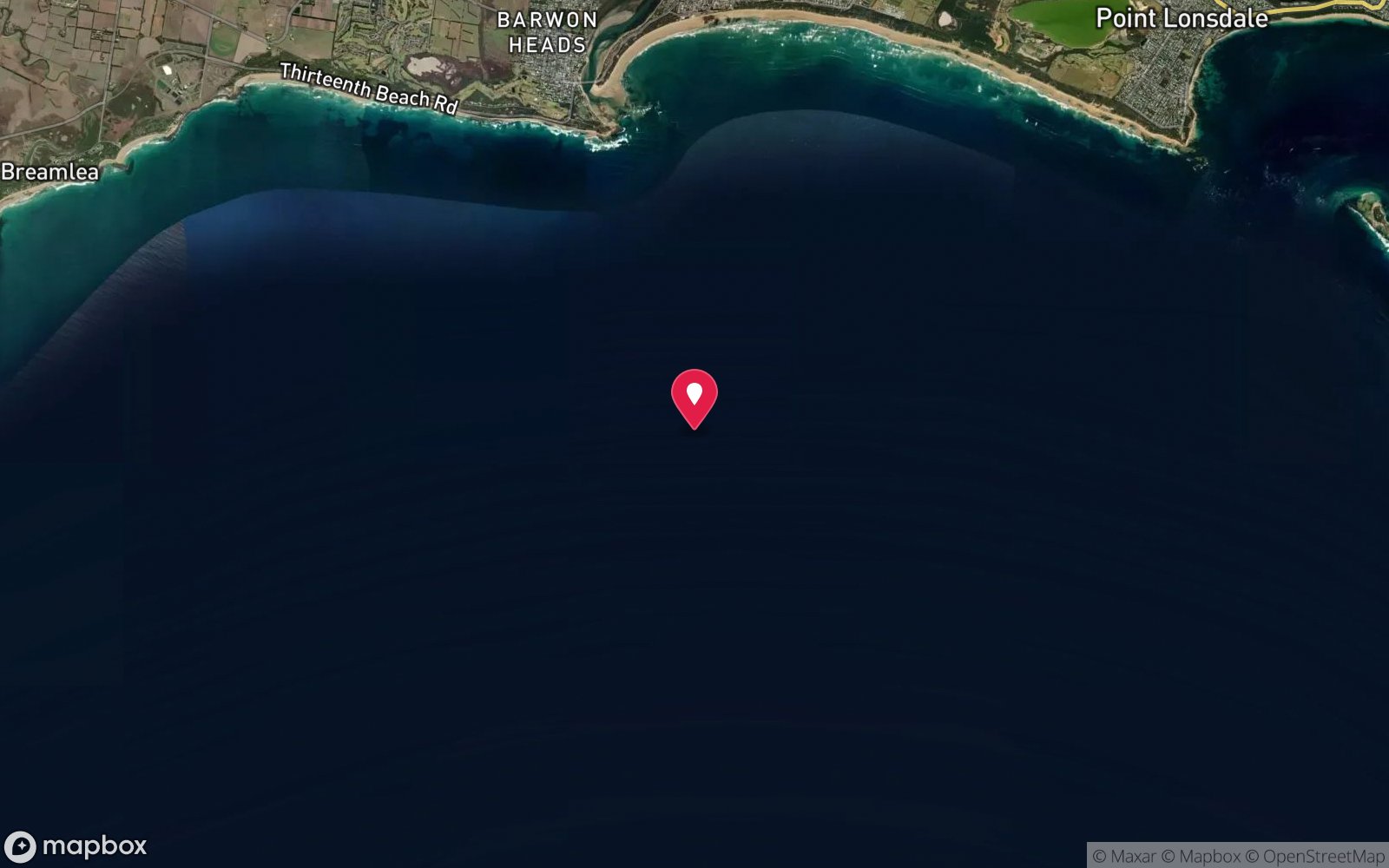
Ships' Graveyard about 11 km (6 nautical miles) south-west of Point Lonsdale, between the eastern and western groups.
Boat only. Charters leave from Queenscliff Harbour (Red Boats, Dive Victoria Group) or Portsea Pier (Dive Victoria Group, Bayplay); drive Melbourne–Queenscliff via the Geelong Ring Road and Bellarine Highway (about 1 h 40 min) or Melbourne–Portsea down the Mornington Peninsula Freeway (about 1 h 45 min). Private boats launch at Queenscliff (Larkin Parade) or Sorrento ramps; the wreck lies a few kilometres outside The Rip, so time the run through the Heads for slack or a following tide.
Boat time from Queenscliff is roughly 20–30 minutes and from Portsea 30–40 minutes in a fast RIB, longer in a displacement charter boat. Gear is loaded at the harbour; there is parking at Queenscliff Harbour and along Point Nepean Road at Portsea.
Entry: Giant stride or backward roll from charter boat, descent on a shot line
Facilities: Departure from Queenscliff Harbour (parking, toilets, cafes, fills at Dive Victoria/Queenscliff Dive Centre) or Portsea Pier (parking on Point Nepean Road, toilets, cafes).
Weather, swell & tides
Fully exposed Bass Strait. South-westerly swell is the killer: most charters will not run on a forecast over about 1.5 m, and anything from the south or west over 2 m makes the site undiveable and the passage through The Rip dangerous. Northerly and north-easterly winds flatten the sea; a calm morning after several settled days gives the best visibility (often 15–25 m in autumn and winter).
Surge is felt on the wreck in any swell over 1 m. Tidal streams outside The Heads are weaker than inside but still run; charters aim for slack water at Port Phillip Heads or a favourable tide for the transit. Winter westerlies close the site for weeks at a time.
The wreck sits in or near the shipping approach and pilot boarding ground, so a shot line, surface cover and a delayed SMB are mandatory.
Best season: Late summer to autumn (Feb–May) for settled seas and best visibility; diveable year-round in weather windows
If it's blown out
Sheltered or shore sites within 25 km that often work when SS Buninyong doesn't.
- Portsea Pier · 17 km · Max 7 m
- Chinamans Hat · 19 km · Max 12 m
- Blairgowrie Pier · 22 km · Max 7 m
- Nepean Bay · 13 km · Max 12 m
How the dive is usually run
Shot onto the bridge/boiler area. Inspect the intact bridge with its exhaust stack lying across it, then move forward over the two large boilers to the bow, which points towards Barwon Heads at maximum depth (54 m). Return past the smaller third boiler toward the stern if time allows, but with 20 minutes at 50 m most teams cover the midships only.
Ascend the shot with staged deco.
Marine life
- Ling
- boarfish
- bullseyes
- butterfly perch
- southern rock lobster
- sponges
- zoanthids
- gorgonian sea fans
Linked species have their own page listing every site where they are recorded. All marine life →
Training required
Beyond recreational limits: decompression, mixed gas or full cave/wreck training is required.
Courses that help here
- Enriched Air Nitrox – Longer no-decompression time at 25 m and deeper.
- Drysuit Diver – Cold water; locals dive dry for much of the year.
- Peak Performance Buoyancy – Silt and low visibility punish poor trim.
Depth tiers: 0–10 m easy · to 18 m Open Water · 18–30 m Advanced (25 m+ is a deep dive) · 30–40 m Deep specialty · 40 m+ technical. All courses
Hazards & warnings
Exposed Bass Strait swell and surge; depth and mandatory decompression planning; shipping channel and pilot boarding ground – ascend on the shot with a DSMB; cold water; silt inside the hull; jagged steel and entanglement in trawl net or fishing line; long boat run and limited weather windows. 54 m – trimix depth; rarely buoyed.
Technical notes
Technical (decompression) dive. Trimix only (18/45 or 15/55) with EAN50 and oxygen deco; a 20 min bottom time typically needs 45–60 min of staged decompression. CCR-friendly with a bailout plan sized for the full ascent.
Drop a weighted shot on the wreck, use a delayed SMB from the wreck or a decompression trapeze under the boat; the site is in a shipping approach so free-drifting deco is discouraged.
Dive centres that go here
No scheduled recreational charters. Red Boats (Queenscliff) and Dive Victoria Group run technical charters to the deep Graveyard wrecks on request or a few times a season for Melbourne technical clubs; otherwise private technical boats only. Expect the wreck to see only a handful of dives a year.
Operators recorded for SS Buninyong
Scubabo Dive Victoria (Dive Victoria Group)
Named by sitesQueenscliff · Port Phillip Heads · VIC
Rebranded as Scubabo Dive Victoria, Queenscliff; dive.scubabo.com is live for 2026 with active charter bookings.
dive.scubabo.com · (03) 5258 1188
Red Boats
Reported closedPortsea · Port Phillip Heads · VIC
TripAdvisor marks RedBoats Portsea as permanently closed (last review November 2021) and the domain is now an unrelated boating blog.
Other dive centres in Port Phillip Heads
The Scuba Doctor
ProfiledRye · Melbourne & Port Phillip Bay · VIC
A Victorian equipment and service business with an extensive retail presence, located to serve both Melbourne and Mornington Peninsula divers.
scubadoctor.com.au · (03) 5985 3322
Diveline Scuba Centre
ListedFrankston · Melbourne & Port Phillip Bay · VIC
A Victorian business associated with technical training and gas support alongside recreational courses.
diveline.com.au · (03) 9783 7166
Aquability
ListedMordialloc · Melbourne & Port Phillip Bay · VIC
A Victorian operation associated with technical diving training. Exact agency, course levels and gas support require verification.
aquability.com.au · (03) 9587 1811
Bay City Scuba
ListedEast Geelong · Melbourne & Port Phillip Bay · VIC
A Victorian business associated with recreational and technical training alongside equipment and gas services.
baycityscuba.com · (03) 5248 1488
Scuba Culture
ListedBurwood · Melbourne & Port Phillip Bay · VIC
A Melbourne business providing training and equipment support for local divers.
scubaculture.com.au · (03) 9808 0033
Scubabo Dive Victoria (Queenscliff)
ListedQueenscliff · Geelong & Bellarine · VIC
A Queenscliff operation, strategically located for access toward Port Phillip Heads.
dive.scubabo.com · (03) 5258 1188
Map
7 pinned sites. Pins marked approximate on their pages show the general area only; not for navigation.
Satellite views
SS Buninyong: frequently asked questions
How deep is SS Buninyong?
SS Buninyong reaches a maximum depth of 54 m, with the shallowest part at about 44 m; most of the dive is spent around 50 m.
What certification do I need to dive SS Buninyong?
Technical (decompression) is the recommended minimum. Rated expert/technical because of depth to 54 m, surge on the entry or in the shallows, boat traffic overhead, cold water.
Can I shore dive SS Buninyong?
No, it is reached by boat (about 40 minutes). A dive centre is required: boat access only.
When is the best time to dive SS Buninyong?
Late summer to autumn (Feb–May) for settled seas and best visibility; diveable year-round in weather windows.
What marine life will I see at SS Buninyong?
Regularly recorded: Ling, boarfish, bullseyes, butterfly perch, southern rock lobster, sponges, zoanthids, gorgonian sea fans.
What wetsuit do I need at SS Buninyong?
Drysuit recommended year-round; 7 mm semi-dry with hood and gloves in summer only.
How cold is the water at SS Buninyong?
Typically 17-20 °C in summer and 11-13 °C in winter.
What are the main hazards at SS Buninyong?
Exposed Bass Strait swell and surge; depth and mandatory decompression planning; shipping channel and pilot boarding ground – ascend on the shot with a DSMB; cold water; silt inside the hull; jagged steel and entanglement in trawl net or fishing line; long boat run and limited weather windows. See the hazards section above for the full list.
Where is the nearest recompression chamber to SS Buninyong?
The Alfred (Melbourne). In an emergency call 000, then DAN Asia-Pacific on 1800 088 200.
Diving in Port Phillip Heads
The entrance to Port Phillip Bay is a 3 km gap through which the whole bay drains and fills twice a day, and the currents have carved walls, canyons and caves in the limestone: Lonsdale Wall, Nepean Wall, the Boulders, the Cave, the Canyons and Popes Eye. Outside the Heads lies the Ships' Graveyard, with more than 40 scuttled vessels including the J1, J2, J4 and J5 submarines, the SS Coogee and the Eliza Ramsden. Every dive here is on slack water and every dive is from a charter.
Getting there: Charters from Queenscliff, Portsea and Sorrento, timed to the slack. Ninety minutes from Melbourne.
All Port Phillip Heads dive sites and a suggested itinerary →
Sources
- scubadoctor.com.au/divesite.htm?site=Buninyong
- scubadoctor.com.au/victorian-ships-graveyard.htm
- divernet.com/scuba-diving/general-wrecks/victoria-wreck-diving-australia
Data confidence: High · Being verified: Minimum depth (top of bridge) estimated at ~44 m – confirm. Last updated September 2026. Know this site better? How to send a correction