Dive slate · divesites.com.au · printed 9 Nov 2026
Beware Reef
East Gippsland, Victoria · near Marlo / Cape Conran
| Depth | 6–30 m |
|---|---|
| Minimum level | Advanced Open Water |
| Difficulty | Intermediate |
| Access | Boat |
| Entry | Giant stride from an anchored boat on the lee side; anchor in sand outside the sanctuary's reef or use the mooring if present |
| Current | Moderate |
| Visibility | 8-20 m |
| Water | summer 18-21 °C, winter 13-15 °C |
| Suit | 7mm semi-dry with hood and gloves, or drysuit; drysuit preferred May-Nov |
| Best season | Year-round; late summer to autumn (Feb-May) gives the calmest seas, warmest water and best visibility |
| Bottom time | 40 min |
| Position | -37.82111, 148.78694 (GPS) |
| Permit | Beware Reef Marine Sanctuary – no take, no anchoring on reef; historic shipwrecks protected |
| Nearest chamber | The Alfred (Melbourne) |
| Emergency | 000 · DAN Asia-Pacific diving emergency 1800 088 200 |
Beware Reef
Also known as Beware Reef Marine Sanctuary
An isolated granite reef and marine sanctuary off Cape Conran with kelp forest, sponge gardens, seals, wobbegongs and the remains of three shipwrecks; East Gippsland's best dive.
Near Marlo / Cape Conran · East Gippsland, Victoria
- Depth
- 6–30 m
- Minimum level
- Advanced Open Water
- Access
- Boat
- Boat ride
- ~15 min
- Water
- 18-21 °C
- Visibility
- 8-20 m
Beware Reef6–30 m · Advanced Open Water
Dive factsDepths, conditions, location & safety
Season
Off-peak nowBest months: January, February, March, April, May, December.
Year-round; late summer to autumn (Feb-May) gives the calmest seas, warmest water and best visibility
- Best months
- Now (November)
Dive facts
- Depth
- 6–30 m
- Typical depth
- 15 m
- Certification
- Advanced Open Water
- Difficulty
- Intermediate
- Depth tier
- Advanced Open Water (18–30 m)
- Access
- Boat
- Offshore
- 3 km
- Dive centre needed
- Yes – boat access only
- Shore / independent
- No
- Boat ride
- ~15 min
- Current
- Moderate
- Visibility
- 8-20 m
- Water temp (summer)
- 18-21 °C
- Water temp (winter)
- 13-15 °C
- Water
- Temperate
- Bottom time
- 40 min
- Dive traffic
- Rarely dived (private boat/club only)
- Night dive
- No
- Snorkel friendly
- Partial
Exposure suit
7mm semi-dry with hood and gloves, or drysuit; drysuit preferred May-Nov
Location
Cape Conran / Beware Reef Marine Sanctuary
-37.82111, 148.78694
Published GPS position.
Open in Google MapsPrimary source: scubadoctor.com.auMarine park & permits
Beware Reef Marine Sanctuary – no take, no anchoring on reef; historic shipwrecks protected
Nearest recompression chamber
The Alfred (Melbourne)
Diving emergency: call 000, then DAN AP 1800 088 200.
Trip planner
Build a trip around Beware Reef →
A day-by-day plan for East Gippsland with this site locked in.
This guide is a planning aid. Conditions change daily — confirm with a local dive centre and dive within your training. Data & safety notes.
Dive profile
How this site rates
Scores are computed from the recorded data, not opinions. How?
At a glance
Beware Reef is a reef boat dive in East Gippsland, VIC, 6–30 m, suited to Advanced Open Water divers, moderate current, about 15 minutes by boat.
Rated intermediate because of depth beyond 18 m, cold water.
Why dive here
- An isolated granite reef and marine sanctuary off Cape Conran with kelp forest, sponge gardens, seals, wobbegongs and the remains of three shipwrecks; East Gippsland's best dive.
- Rarely dived: expect to have the site to yourself, and plan your own logistics.
- Visibility often reaches 8-20 m.
About Beware Reef
Beware Reef is the outstanding dive of East Gippsland's western half: an isolated granite reef rising abruptly from the sand 5 km off Cape Conran, whose exposed crest is about 70 m long and stands 2 m above water at low tide, and whose submerged structure continues about a kilometre to the south-east in 6–30 m. It was declared a 220 ha marine sanctuary in 2002 for the quality of its reef and the range of habitats packed into a small area, and Parks Victoria records more than 350 species here. The shallows are a bull kelp forest with sea urchins grazing the rock beneath; below the kelp the granite is covered in pink coralline algae and then, deeper, in gardens of finger sponges, sea fans, sea tulips and feather stars, with Maori octopus in the crevices.
The reef sits at the meeting point of Bass Strait and East Australian Current water, and its fish reflect that – trumpeters, wrasses, morwongs and sea sweep in schools, Port Jackson sharks and wobbegongs (a NSW species near its southern limit) under the ledges – while Australian fur seals haul out on the crest and join divers in the water. Beware Reef has also earned its name: the iron steamer SS Auckland (1871), the Ridge Park (1878) and the Albert San (1915) all struck it, and their scattered remains – boilers, plates, anchors and fittings – lie around the base of the granite and are protected as historic shipwrecks (the Auckland is a separate wreck dive). The sanctuary's isolation is its protection and its problem: the reef is exposed to every wind, the Cape Conran ramp is a fair-weather ocean launch, and there is no dive operator at Marlo, so it is dived by private boats and clubs on calm days only.
Divers who make the effort find the best combination of kelp, sponge garden, seals, sharks and wreckage in eastern Victoria, in water that is often clearer and warmer than anything to the west.
Getting there & entry
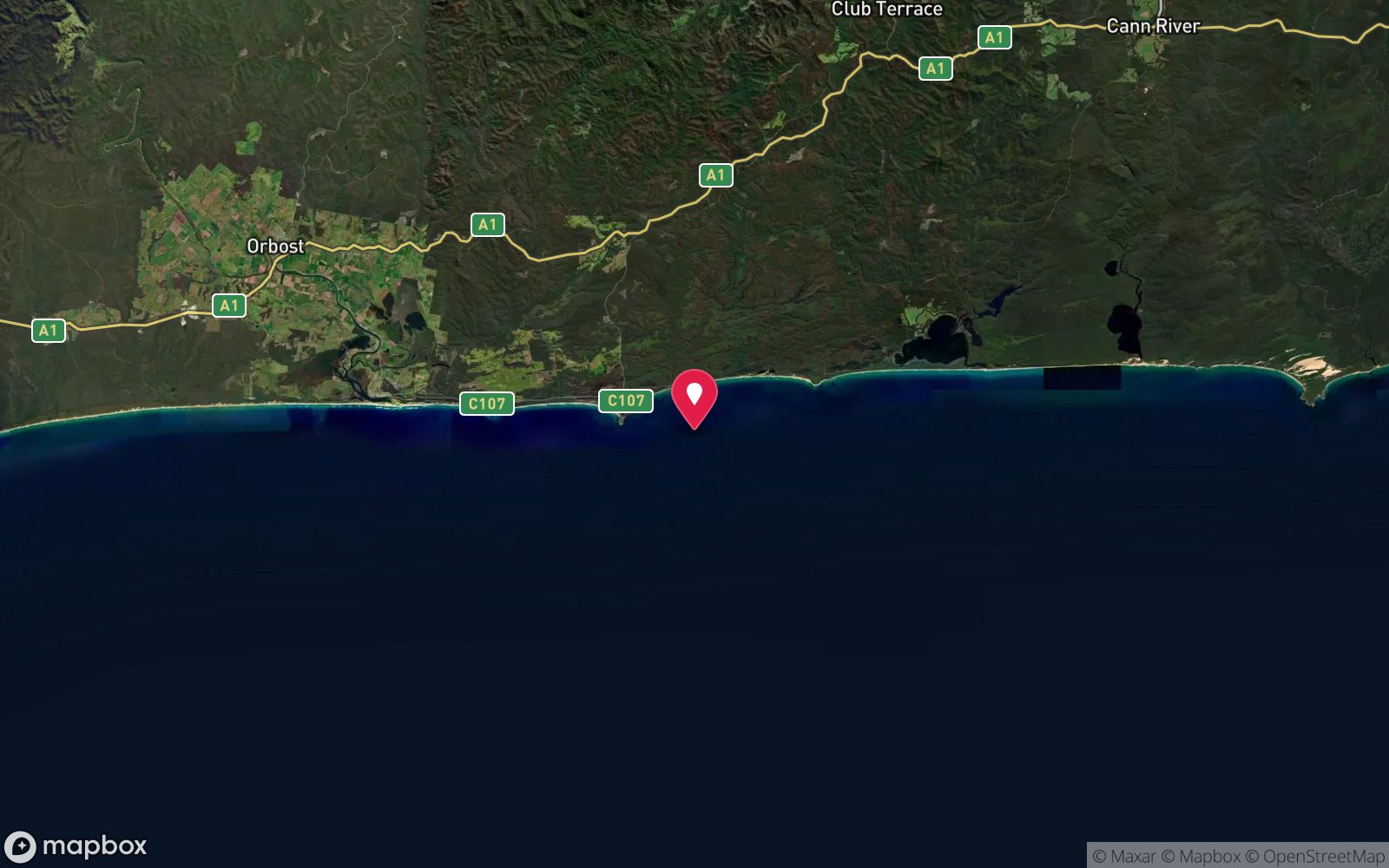
Isolated granite reef 5 km south-east of Cape Conran and 3 km offshore from the Yeerung River mouth, rising from a 30 m sand floor to 2 m above water at low tide, protected as the 220 ha Beware Reef Marine Sanctuary.
Launch at the Cape Conran ocean ramp (Joiners Channel on the western side of the cape, 18 km east of Marlo; Marlo is 15 km south of Orbost, 4.5 hours from Melbourne) and run about 5 km south-east – 15 minutes in a trailer boat. The ramp is exposed to south-westerly winds and swell and is usable only in calm conditions; Marlo's river ramp on the Snowy entrance is the alternative when the bar is safe. Anchor in sand off the reef, not on it, and note that the sanctuary is no-take and no-anchoring on reef.
There is no dive charter at Marlo; occasional trips are run from Lakes Entrance or by clubs.
Entry: Giant stride from an anchored boat on the lee side; anchor in sand outside the sanctuary's reef or use the mooring if present
Facilities: Cape Conran: ocean boat ramp at Joiners Channel, camping, cabins, toilets; Marlo: river ramp, caravan parks, hotel, store, fuel; no air fills nearer than Lakes Entrance (by arrangement) or Bairnsdale
Weather, swell & tides
Scuba Doctor notes that safe access is only possible in calm weather and that the reef is exposed to all wind directions, with the Cape Conran ramp itself exposed to south-westerlies; the reef breaks in any swell over about 1.5 m and the lee side shifts with the wind. Settled high-pressure days in late summer and autumn are the window, when East Australian Current water can push visibility past 20 m and temperatures to 21 °C. Winter brings clear but cold water and few calm days.
Dive the lee side and expect some current along the reef.
Best season: Year-round; late summer to autumn (Feb-May) gives the calmest seas, warmest water and best visibility
If it's blown out
Sheltered or shore sites within 25 km that often work when Beware Reef doesn't.
- Salmon Rocks / West Cape (Cape Conran) · 7 km · Max 10 m
How the dive is usually run
Anchor in sand on the lee side, descend and follow the base of the granite at 15–20 m along the reef's length, looking for the wreck fragments and the seals, then climb to the kelp-covered shallows at 6–10 m for the second half of the dive with the reef on the same shoulder, finishing under the boat. The reef extends about 1 km south-east underwater, so pick a section rather than trying to see it all.
Marine life
- Australian fur seals →
- bull kelp
- sea urchins
- Maori octopus →
- finger sponges
- sea fans
- sea tulips
- feather stars
- pink coralline algae
- trumpeters
- wrasses
- morwongs
- sea sweep
- Port Jackson sharks →
- wobbegongs →
Linked species have their own page listing every site where they are recorded. All marine life →
Training required
Beyond 18 m an Advanced certification (which includes a deep dive to 30 m) is the accepted minimum. Anything past 25 m is a deep dive in practice.
Open Water divers can dive the shallower section (typical depth 15 m); the full site to 30 m needs Advanced Open Water. Operators often quote Open Water. At more than 25 m this counts as a deep dive: watch no-decompression limits and gas.
Operators' own listing: Open Water.
Courses that help here
- Enriched Air Nitrox – Longer no-decompression time at 25 m and deeper.
- Drysuit Diver – Cold water; locals dive dry for much of the year.
Depth tiers: 0–10 m easy · to 18 m Open Water · 18–30 m Advanced (25 m+ is a deep dive) · 30–40 m Deep specialty · 40 m+ technical. All courses
Hazards & warnings
Exposed to all winds – calm weather only; reef breaks in swell; current along the reef; Cape Conran ocean ramp exposed to south-westerlies; no operator or rescue nearby; sanctuary is no-take and shipwreck relics are protected; seals and sharks.
Dive centres that go here
No regular operator. Dived by private boats launched at Cape Conran and by Gippsland/Melbourne clubs (Dive La Trobe, SEADS) on occasional trips; Jeff Cross Diving Services (Lakes Entrance) has run trips by arrangement. Check current availability.
Operators recorded for Beware Reef
Dive La Trobe
Named by sitesBundoora · Wilsons Promontory · VIC
University dive club (est. 1968), not a shop; runs SDI courses.
divelatrobe.org.au
SEADS
Named by sitesBass Coast · VIC
No entity called SEADS found; the closest match is a South East Dive Facebook page at Cape Woolamai.
Jeff Cross Diving Services
Named by sitesEast Gippsland · VIC
No web presence, listing or review found.
Other dive centres in East Gippsland
Wilderness Coast Charters
Named by sitesMallacoota · East Gippsland · VIC
Still listed by Visit Mallacoota as one of three Mallacoota charter boats for Gabo Island, but no website, socials or dated reviews found.
(03) 5158 0701
Gabo Island Escapes
Reported closedEast Gippsland · VIC
TripAdvisor lists it as permanently closed with the last review in February 2020; the domain no longer resolves.
Map
7 pinned sites. Pins marked approximate on their pages show the general area only; not for navigation.
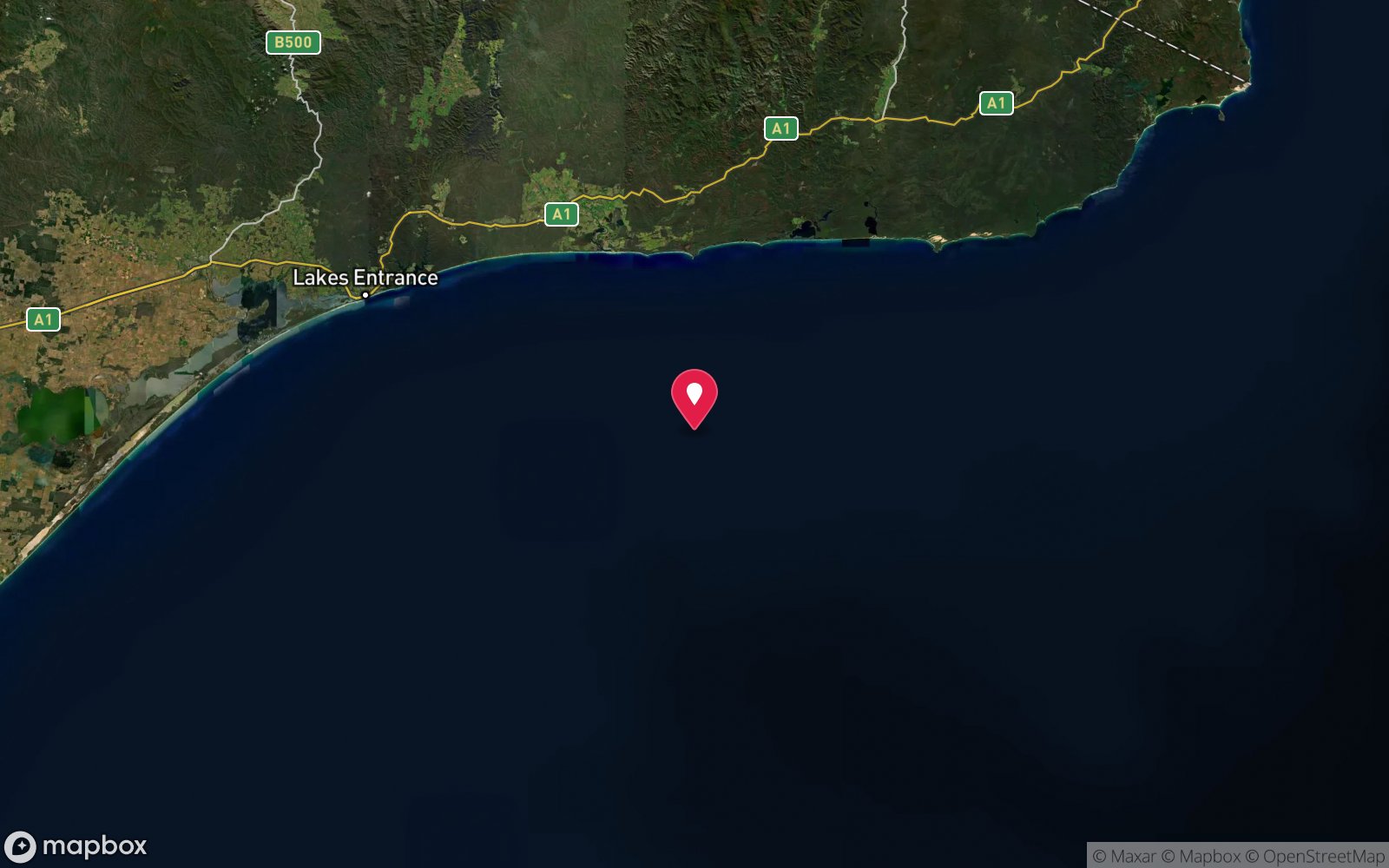
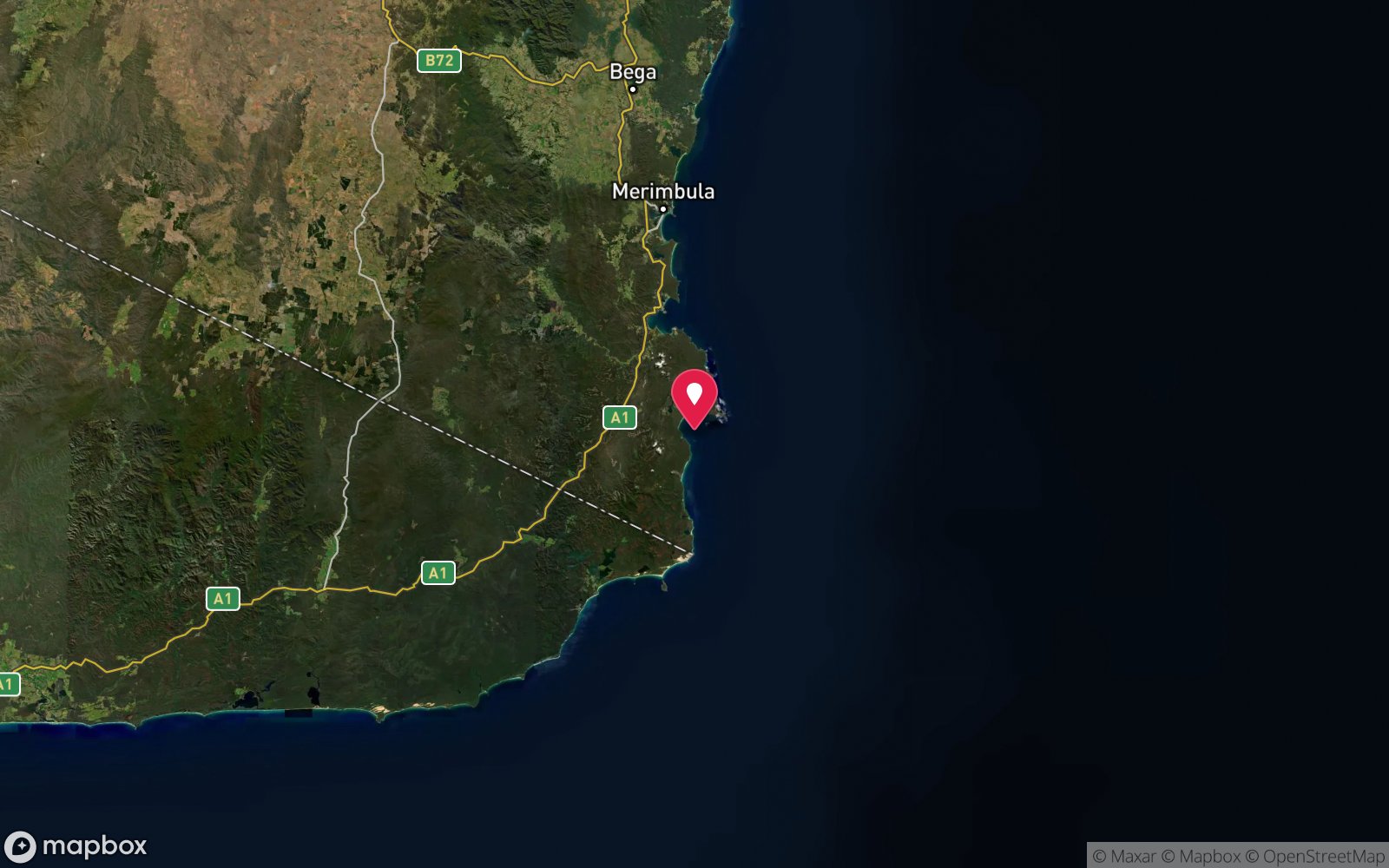
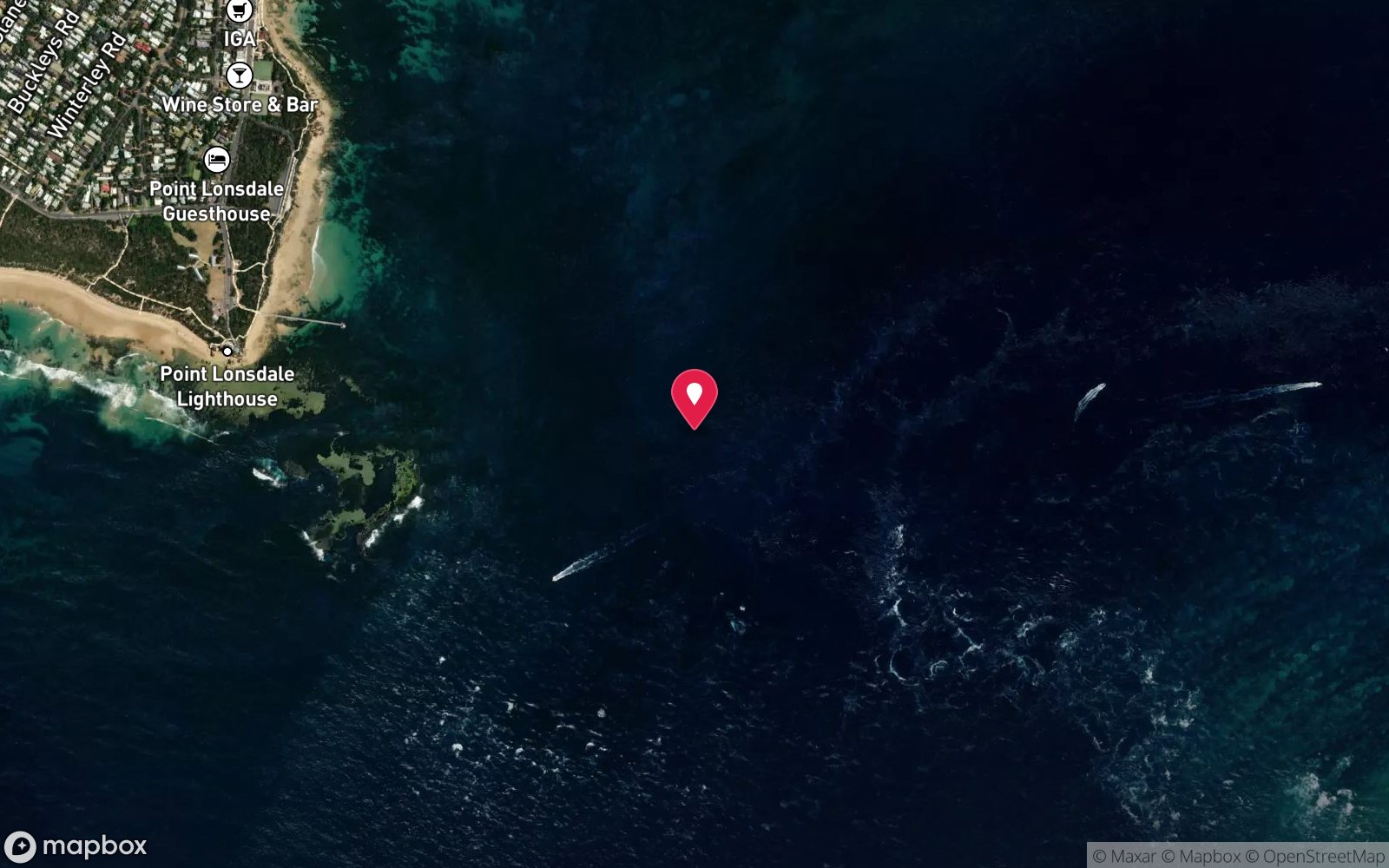
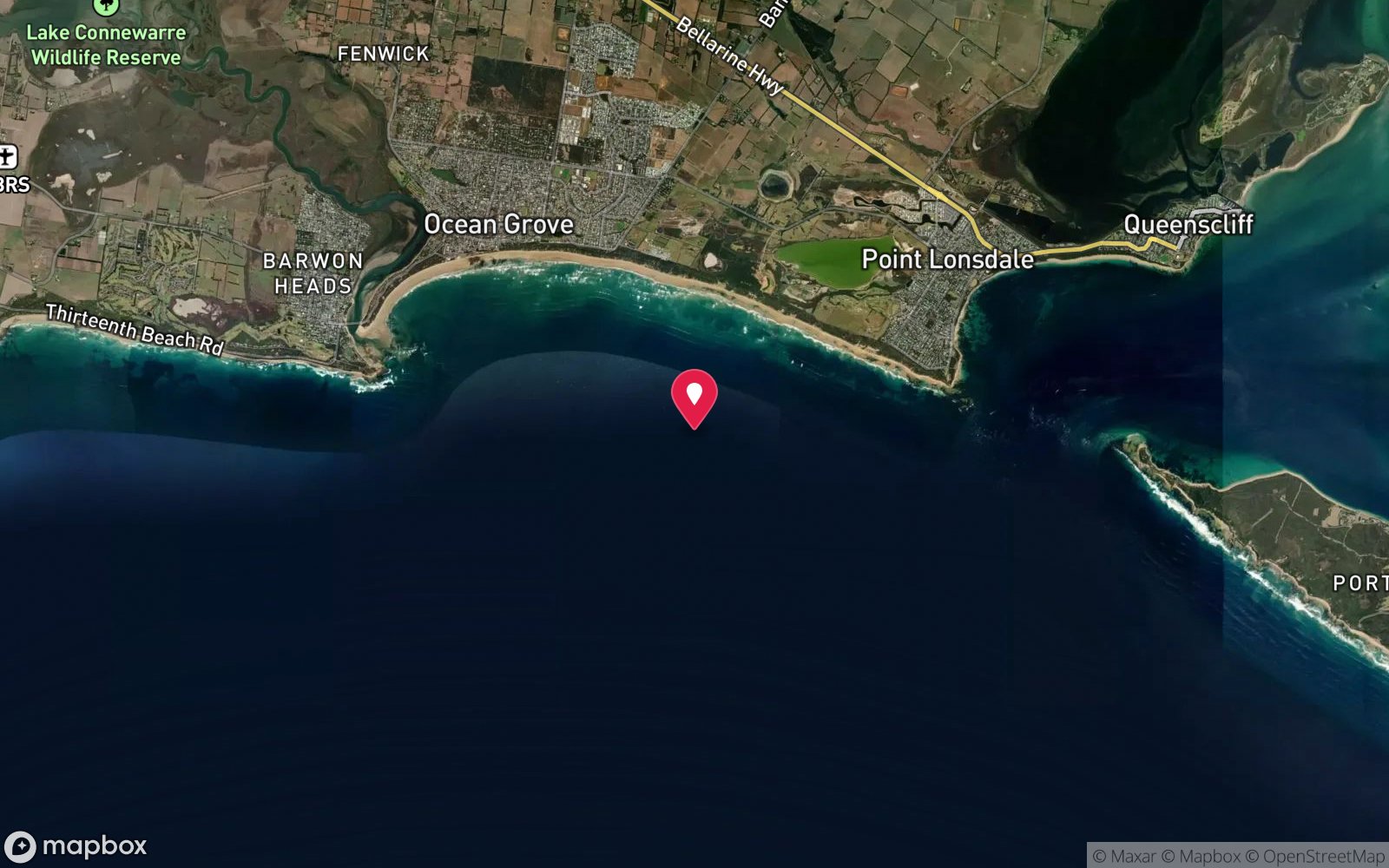
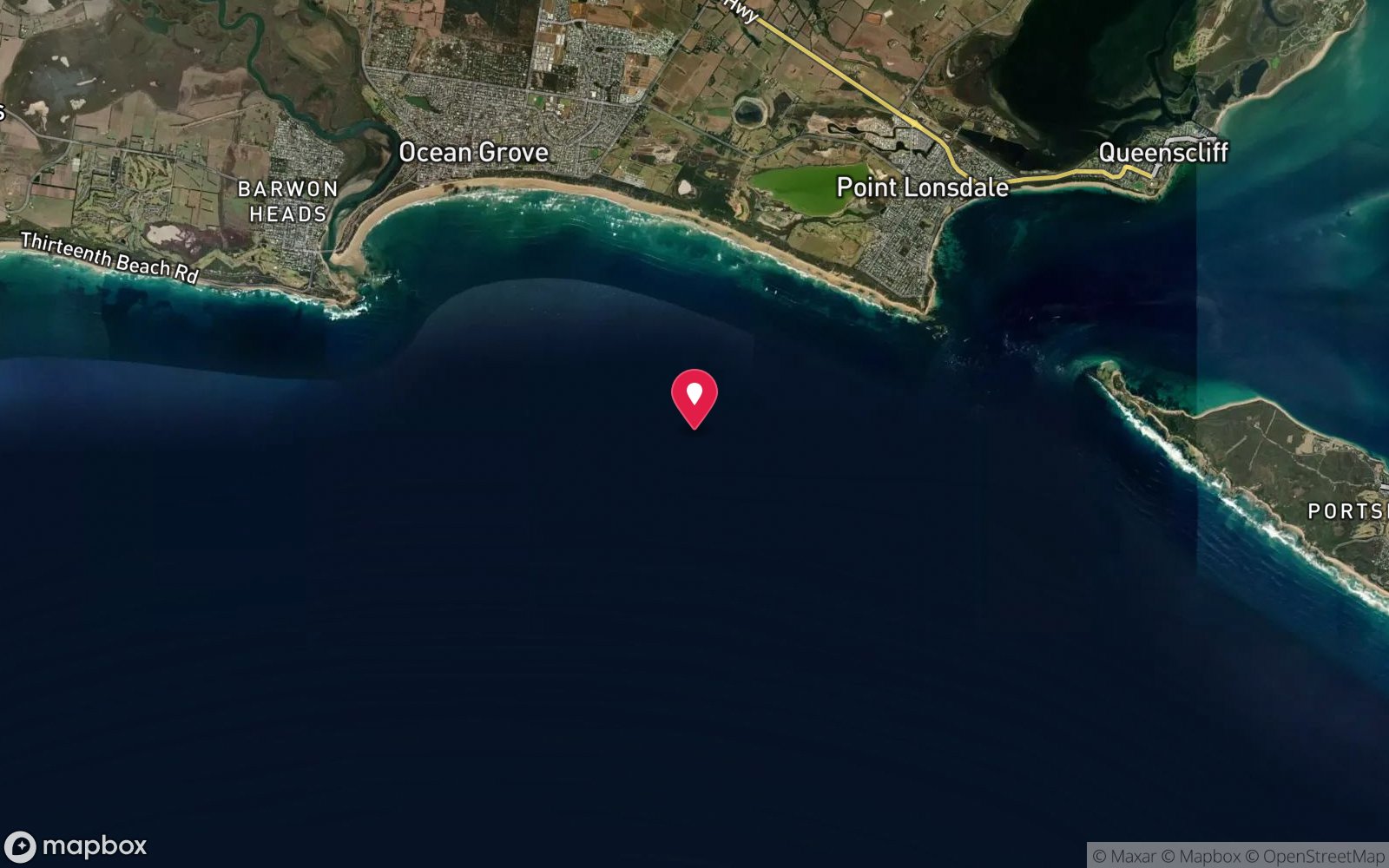
Satellite views
Beware Reef: frequently asked questions
How deep is Beware Reef?
Beware Reef reaches a maximum depth of 30 m, with the shallowest part at about 6 m; most of the dive is spent around 15 m.
What certification do I need to dive Beware Reef?
Advanced Open Water is the recommended minimum. Open Water divers can dive the shallower section (typical depth 15 m); the full site to 30 m needs Advanced Open Water. Operators often quote Open Water. At more than 25 m this counts as a deep dive: watch no-decompression limits and gas. Rated intermediate because of depth beyond 18 m, cold water.
Can I shore dive Beware Reef?
No, it is reached by boat (about 15 minutes). A dive centre is required: boat access only.
When is the best time to dive Beware Reef?
Year-round; late summer to autumn (Feb-May) gives the calmest seas, warmest water and best visibility.
What marine life will I see at Beware Reef?
Regularly recorded: Australian fur seals, bull kelp, sea urchins, Maori octopus, finger sponges, sea fans, sea tulips, feather stars, pink coralline algae, trumpeters, wrasses, morwongs and more.
What wetsuit do I need at Beware Reef?
7mm semi-dry with hood and gloves, or drysuit; drysuit preferred May-Nov.
How cold is the water at Beware Reef?
Typically 18-21 °C in summer and 13-15 °C in winter.
What are the main hazards at Beware Reef?
Exposed to all winds – calm weather only; reef breaks in swell; current along the reef; Cape Conran ocean ramp exposed to south-westerlies; no operator or rescue nearby; sanctuary is no-take and shipwreck relics are protected; seals and sharks. See the hazards section above for the full list.
Where is the nearest recompression chamber to Beware Reef?
The Alfred (Melbourne). In an emergency call 000, then DAN Asia-Pacific on 1800 088 200.
Diving in East Gippsland
Mallacoota and the far east of Victoria have clear water, Gabo Island's seals and the reefs of the Croajingolong coast, dived by locals and visiting clubs with their own boats.
Getting there: Six hours from Melbourne; private boats and the Mallacoota inlet shore dives.
Sources
- scubadoctor.com.au/diveshop/index.php?main_page=divesite&site=Beware-Reef
- parks.vic.gov.au/places-to-see/parks/beware-reef-marine-sanctuary
- visitmallacoota.com.au/things-to-do/adventure-sport/diving
- scubadoctor.com.au/downloads/Cape-Conran-CP-visitor-guide.pdf
Data confidence: Medium · Being verified: Confirm operator availability; water temperatures approximate. Last updated September 2026. Know this site better? How to send a correction
Nearby dive sites
More wrecks in Victoria
Explore more
This region
Similar dives
Marine life