Dive slate · divesites.com.au · printed 9 Nov 2026
Cape Woolamai Reef
Phillip Island & Western Port, Victoria · near Cape Woolamai / San Remo
| Depth | 12–15 m |
|---|---|
| Minimum level | Open Water |
| Difficulty | Intermediate |
| Access | Boat |
| Entry | Giant stride from an anchored boat close under the cape |
| Current | Moderate |
| Visibility | 8-15 m |
| Water | summer 17-20 °C, winter 11-14 °C |
| Suit | 7mm semi-dry with hood and gloves, or drysuit; drysuit preferred May-Nov |
| Best season | Year-round; late summer to autumn (Feb-May) gives the calmest seas, warmest water and best visibility |
| Bottom time | 40 min |
| Position | -38.56710, 145.35919 (GPS) |
| Permit | None known |
| Nearest chamber | The Alfred (Melbourne) |
| Emergency | 000 · DAN Asia-Pacific diving emergency 1800 088 200 |
Cape Woolamai Reef
Also known as Woolamai Reef, Cape Woolamai walls
Granite columns, boulders and swim-throughs at a comfortable 12–15 m directly under Phillip Island's highest cliffs; a reliable cray and abalone reef with Port Jackson sharks.
Near Cape Woolamai / San Remo · Phillip Island & Western Port, Victoria
- Depth
- 12–15 m
- Minimum level
- Open Water
- Access
- Boat
- Boat ride
- ~20 min
- Water
- 17-20 °C
- Visibility
- 8-15 m
Cape Woolamai Reef12–15 m · Open Water
Dive factsDepths, conditions, location & safety
Season
Off-peak nowBest months: January, February, March, April, May, December.
Year-round; late summer to autumn (Feb-May) gives the calmest seas, warmest water and best visibility
- Best months
- Now (November)
Dive facts
- Depth
- 12–15 m
- Typical depth
- 14 m
- Certification
- Open Water
- Difficulty
- Intermediate
- Depth tier
- Open Water (10–18 m)
- Access
- Boat
- Offshore
- 0.2 km
- Dive centre needed
- Yes – boat access only
- Shore / independent
- No
- Boat ride
- ~20 min
- Current
- Moderate
- Visibility
- 8-15 m
- Water temp (summer)
- 17-20 °C
- Water temp (winter)
- 11-14 °C
- Water
- Temperate
- Bottom time
- 40 min
- Dive traffic
- Moderate (occasional charters/club dives)
- Night dive
- No
- Snorkel friendly
- No
Exposure suit
7mm semi-dry with hood and gloves, or drysuit; drysuit preferred May-Nov
Location
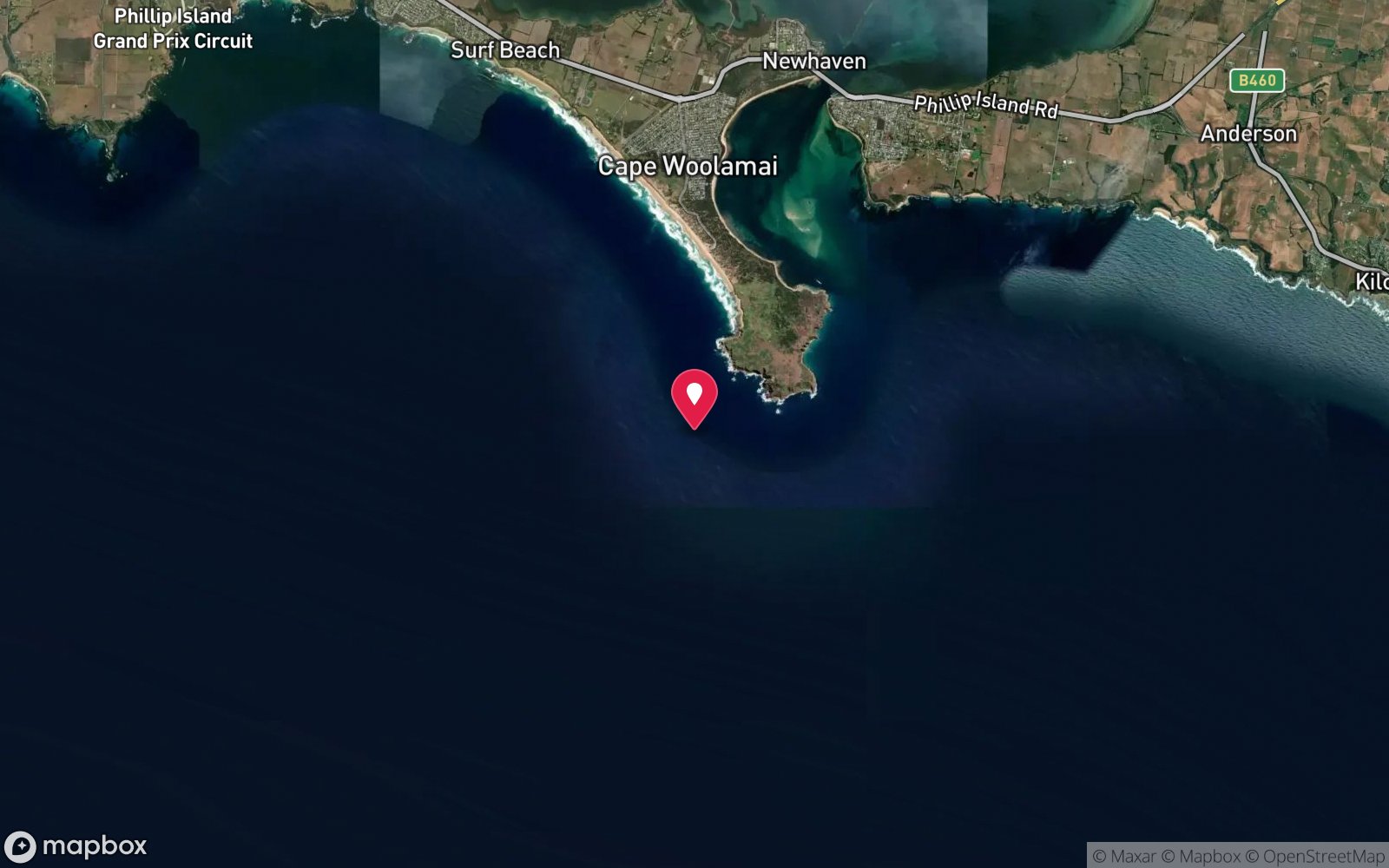
Cape Woolamai · Phillip Island – Bass Strait
-38.56710, 145.35919
Published GPS position.
Open in Google MapsPrimary source: scubadoctor.com.auMarine park & permits
None known
Nearest recompression chamber
The Alfred (Melbourne)
Diving emergency: call 000, then DAN AP 1800 088 200.
Trip planner
Build a trip around Cape Woolamai Reef →
A day-by-day plan for Phillip Island & Western Port with this site locked in.
This guide is a planning aid. Conditions change daily — confirm with a local dive centre and dive within your training. Data & safety notes.
Dive profile
How this site rates
Scores are computed from the recorded data, not opinions. How?
At a glance
Cape Woolamai Reef is a reef boat dive in Phillip Island & Western Port, VIC, 12–15 m, suited to Open Water divers, moderate current, about 20 minutes by boat.
Rated intermediate because of surge on the entry or in the shallows, cold water.
Why dive here
- Granite columns, boulders and swim-throughs at a comfortable 12–15 m directly under Phillip Island's highest cliffs; a reliable cray and abalone reef with Port Jackson sharks.
Conditions to avoid
- Swell above about 1.5 m
- Strong southerly or south-east swell and wind
- Strong westerlies
About Cape Woolamai Reef
Cape Woolamai Reef is the dive under the cape itself, where the pink granite that forms the highest point on Phillip Island continues into the water as towering columns, massive boulders and swim-throughs, in the words of the Scuba Doctor listing, which calls the terrain awesome. It is a simpler and shallower dive than The Pinnacles offshore, sitting at 12–15 m on the Cleeland Bight side of the cape, and for that reason is often the first dive of a Phillip Island boat day or the fallback when swell rules out the outer sites. The layout is a jumble of house-sized granite blocks fallen from the cliff, leaning against one another to form short tunnels, caves and overhangs, with sand and cobble channels between them.
The upper faces carry kelp and coralline algae; the shaded undersides and swim-throughs are lined with encrusting sponge, zoanthids and ascidians, and the deeper ledges at the sand line hold crayfish. It is historically an abalone and cray reef, and blacklip abalone are still noticeably large here; take limits apply and a Victorian recreational fishing licence is needed to collect anything. Port Jackson sharks are the reliable resident, resting under ledges in winter and spring, and the fish life is described as pretty good: wrasse, morwong, sweep, leatherjackets, old wives and boarfish.
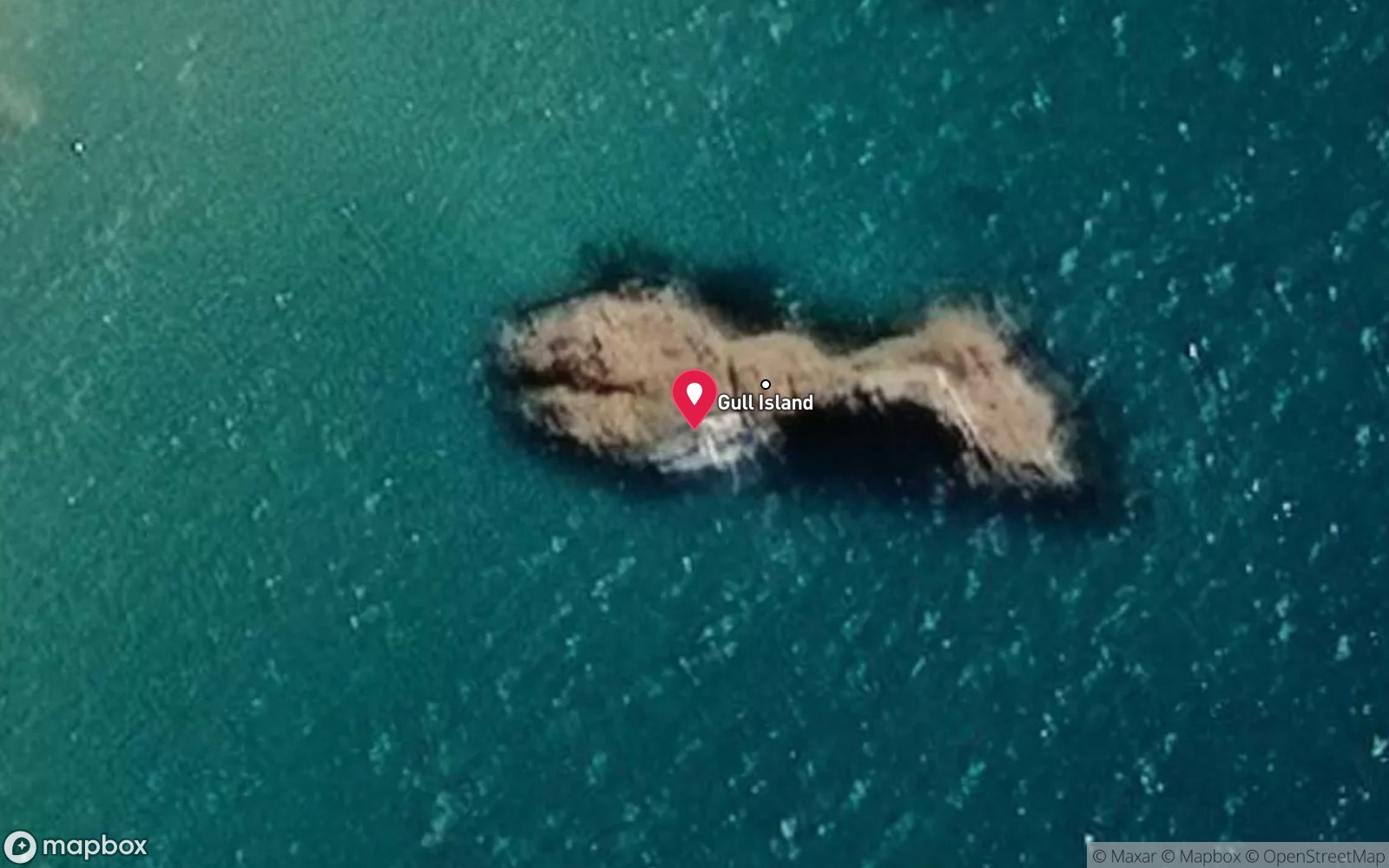
Fur seals hauling out on the cape's southern rocks sometimes swim round to investigate. Gull Island (Bird Rock) sits 800 m north in the same sheltered bay and makes a natural second dive. Cape Woolamai Reef suits Open Water divers in calm conditions and photographers who want granite scenery without the depth of the pinnacles; it also gives a strong impression of the scale of the cape, which rises 110 m directly above the boat.
Getting there & entry
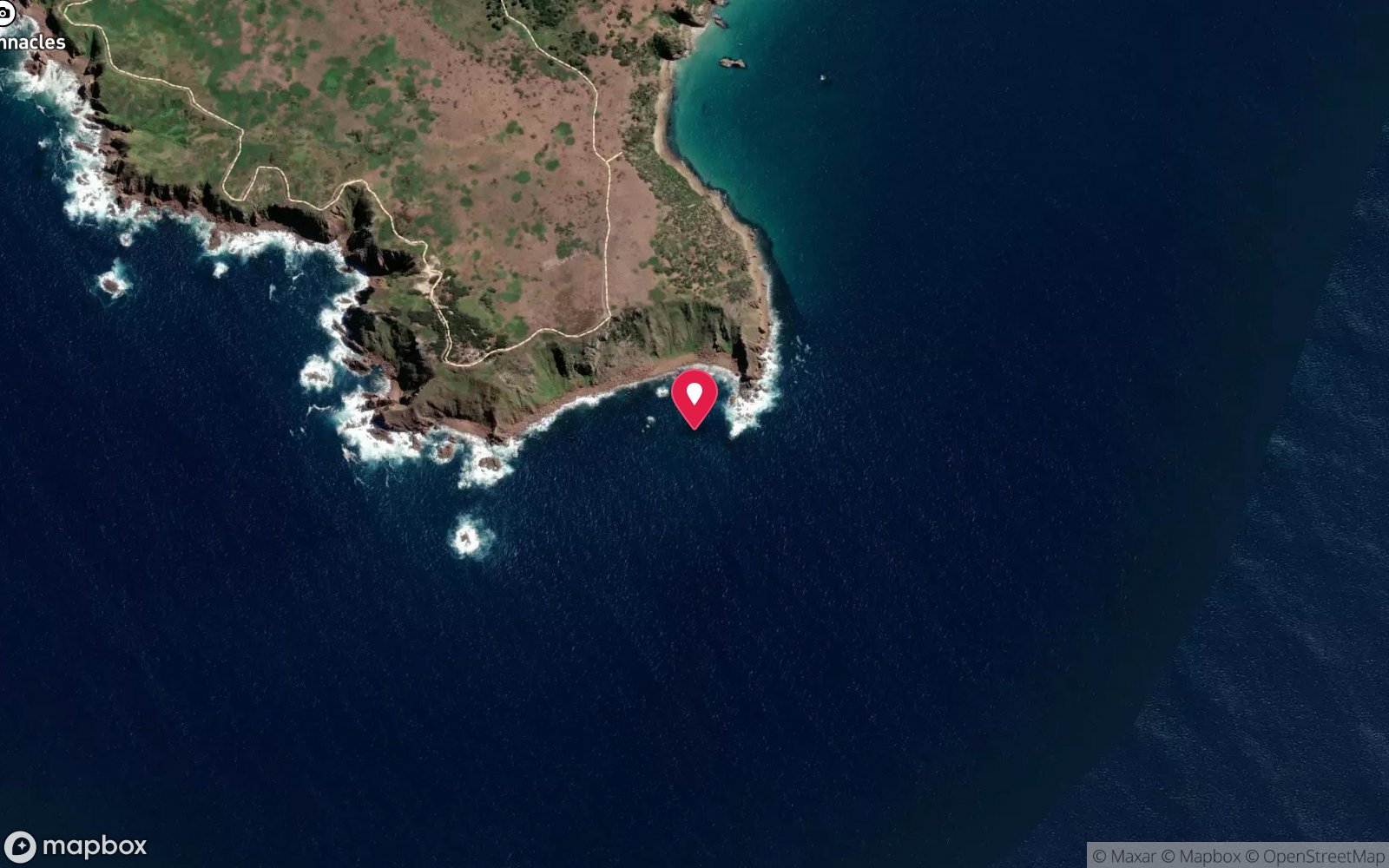
Granite boulder reef directly below the cliffs of Cape Woolamai at the south-eastern tip of Phillip Island, on the Cleeland Bight (eastern) side of the cape.
Launch at Newhaven boat ramp (Beach Crescent, Newhaven) and run south through The Narrows and down Cleeland Bight to the cape, about 5 km and 15–20 minutes. Because the reef is on the eastern, bight side of the cape it can often be reached without crossing the open bar, but the Narrows still run hard and should be transited near slack. Anchor in sand off the boulder line in 12–15 m.
Shore access is not practical: the cape is a Phillip Island Nature Parks reserve with a shearwater rookery, and the walking track ends on 100 m cliffs above the site.
Entry: Giant stride from an anchored boat close under the cape
Facilities: Departure from Newhaven boat ramp (toilets, trailer parking); No air fills on Phillip Island; nearest fills on the Mornington Peninsula (Rye/Portsea) or in Melbourne's south-east
Weather, swell & tides
More sheltered than The Pinnacles because it sits in the lee of the cape from south-westerly swell, but it is still open to the south and east; a southerly or south-easterly swell over 1.5 m or a fresh easterly wind makes it surgy and unsafe close to the rocks. Best on a northerly or westerly wind with swell under 1 m. Tidal flow along the cape can be noticeable, so plan around slack in The Narrows for the boat transit and expect some current on the reef at mid-tide.
Diveable year-round; visibility is best after several days of settled weather and worst after big south-westerly blows stir the bight.
Best season: Year-round; late summer to autumn (Feb-May) gives the calmest seas, warmest water and best visibility
If it's blown out
Sheltered or shore sites within 25 km that often work when Cape Woolamai Reef doesn't.
- Gull Island (Bird Rock) · 1 km · Max 8 m
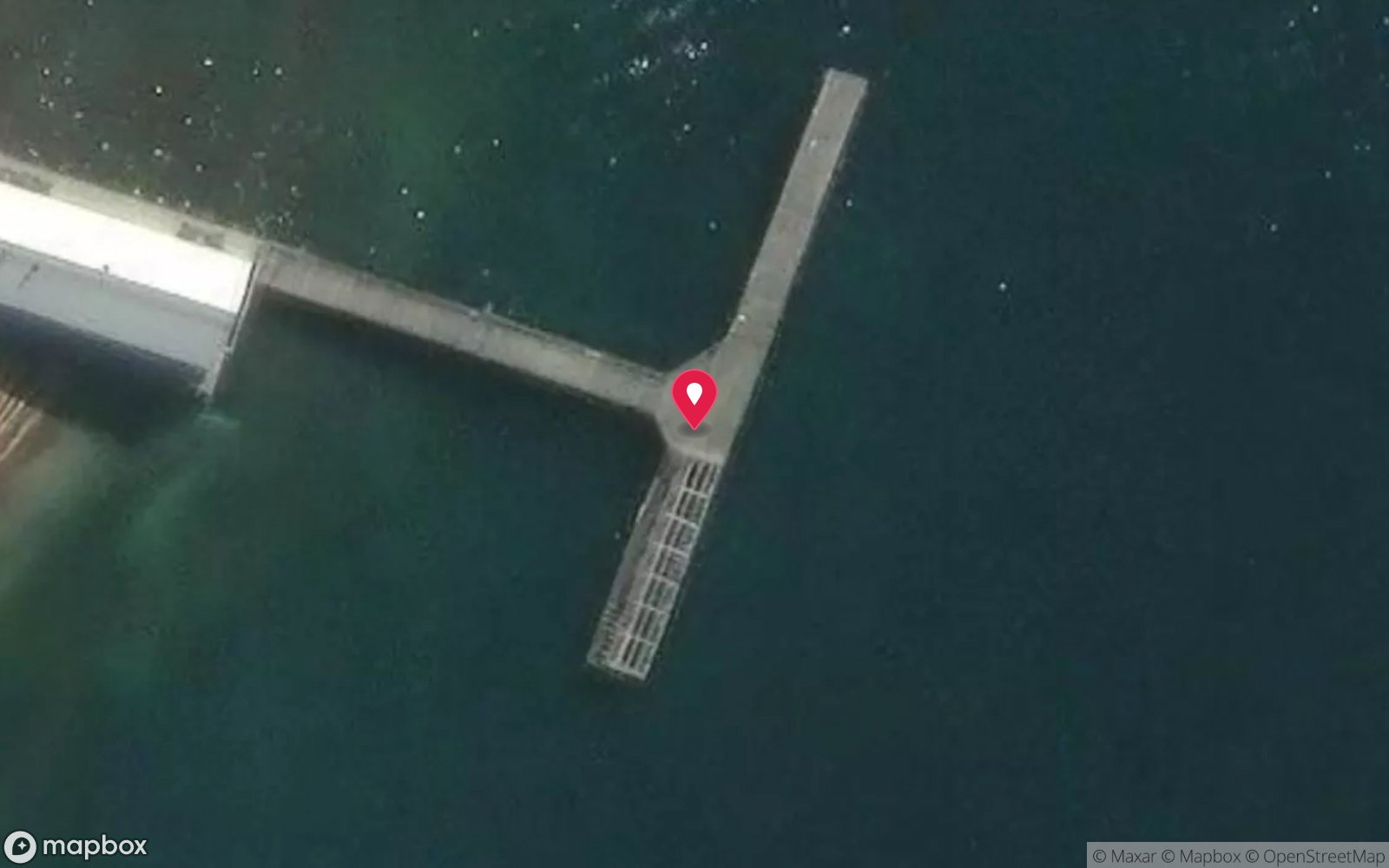
- San Remo Jetty · 5 km · Max 8 m
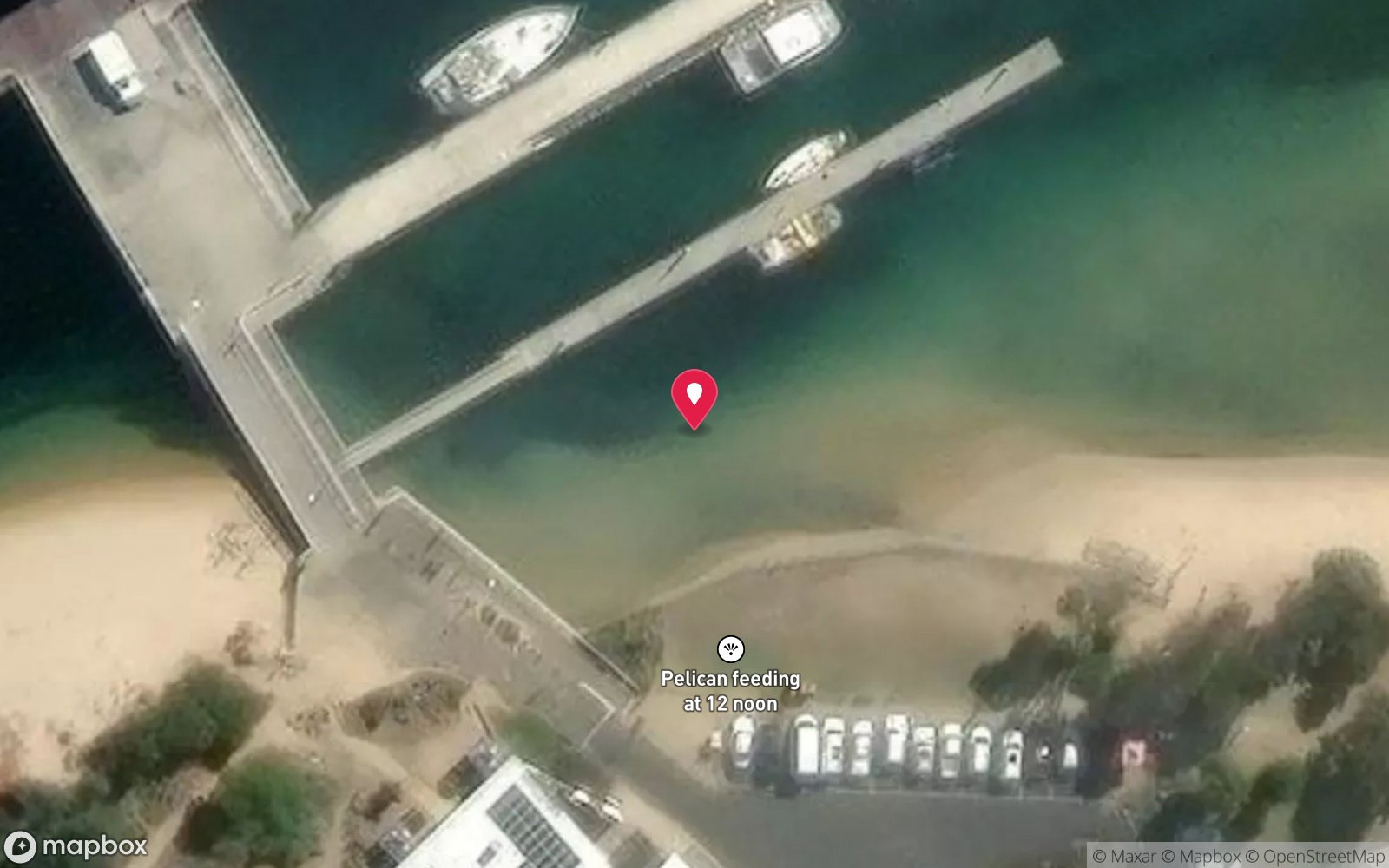
- Newhaven Jetty · 6 km · Max 10 m
- Surfies Point · 9 km · Max 5 m
How the dive is usually run
Anchor in 12–15 m off the boulders and descend the line to the sand. Work along the base of the granite towards the point, using the boulder swim-throughs and overhangs, keeping the rock on one shoulder. Turn at half gas or when current builds, come back along the top of the boulders at 8–12 m where the kelp and abalone are, and finish under the boat.
Safety stop on the anchor line.
Marine life
- Blacklip abalone
- southern rock lobster
- Port Jackson sharks →
- wrasse
- morwong
- sweep
- leatherjackets
- old wives
- boarfish
- encrusting sponges and zoanthids
- kelp
- Australian fur seals occasionally →
Linked species have their own page listing every site where they are recorded. All marine life →
Training required
Within the 18 m limit of an entry-level certification.
Courses that help here
- Drysuit Diver – Cold water; locals dive dry for much of the year.
Depth tiers: 0–10 m easy · to 18 m Open Water · 18–30 m Advanced (25 m+ is a deep dive) · 30–40 m Deep specialty · 40 m+ technical. All courses
Hazards & warnings
Surge among the boulders in any southerly or easterly swell; tidal flow along the cape; boat transit of The Narrows; fishing licence and bag limits for abalone/crayfish; shearwater rookery on the cape – no landing.
Dive centres that go here
No dive shop or dedicated dive charter is based on Phillip Island. Sites are dived by Melbourne clubs (VSAG, Melbourne University Underwater Club, Frankston/Peninsula clubs) and private boats launched at Newhaven or Rhyll; Mornington Peninsula shops (Dive Victoria Group, Portsea; The Scuba Doctor, Rye) run occasional Phillip Island days. Ocean Adventures Phillip Island (Cowes) runs seal-snorkel tours only.
Operators recorded for Cape Woolamai Reef
The Scuba Doctor
ProfiledRye · Melbourne & Port Phillip Bay · VIC
A Victorian equipment and service business with an extensive retail presence, located to serve both Melbourne and Mornington Peninsula divers.
scubadoctor.com.au · (03) 5985 3322
Scubabo Dive Victoria (Dive Victoria Group)
Named by sitesQueenscliff · Port Phillip Heads · VIC
Rebranded as Scubabo Dive Victoria, Queenscliff; dive.scubabo.com is live for 2026 with active charter bookings.
dive.scubabo.com · (03) 5258 1188
VSAG
Named by sitesWilsons Promontory · VIC
Victorian Sub-Aqua Group, a non-commercial dive club (est. 1954), not a shop or charter.
vsag.org.au
Ocean Adventures Phillip Island
Named by sitesCowes · Phillip Island & Western Port · VIC
Thundercat/jet boat eco tours plus guided snorkel and sea-scooter dive tours; booth in Cowes, van at San Remo.
oceanadventures.co · 0433 137 320
Other dive centres in Phillip Island & Western Port
Wildlife Coast Cruises
Named by sitesCowes · Phillip Island & Western Port · VIC
Cruise/boat tour operator (seals, whales, Wilsons Prom), not a dive shop.
wildlifecoastcruises.com.au · (03) 5952 9500
Southern Ocean Exploration
Named by sitesPort Phillip Heads · VIC
Non-profit wreck exploration / maritime archaeology group, not a shop or charter.
soe.org.au
Melbourne University Underwater Club
Named by sitesParkville · Phillip Island & Western Port · VIC
University dive club (MUUC), not a shop; 200+ members, 110+ dives a year.
muuc.org.au
Island Dive
Named by sitesPhillip Island & Western Port · VIC
No Victorian operator named Island Dive found; the only Australian Island Dive listed is at Bribie Island, Queensland.
Map
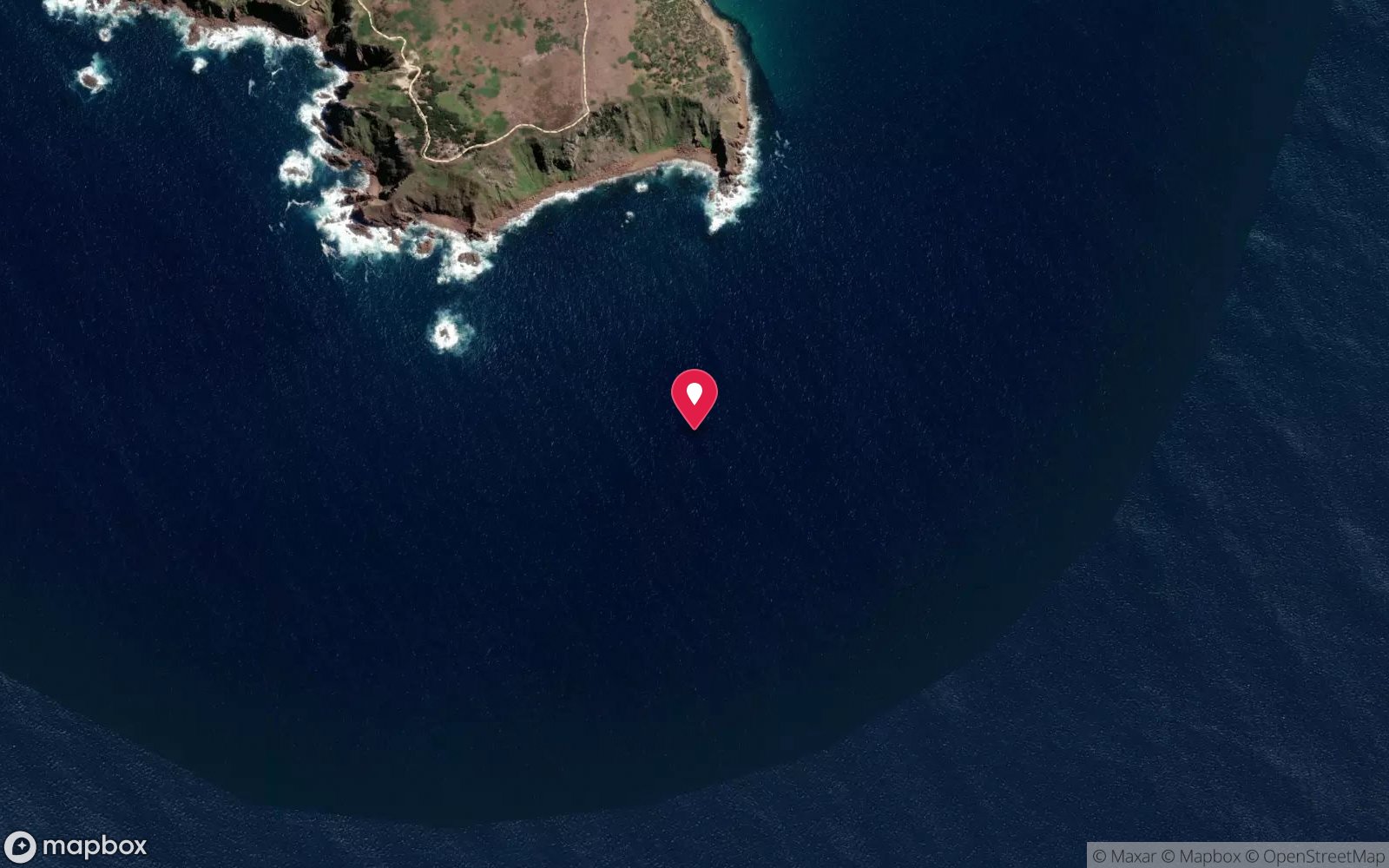
7 pinned sites. Pins marked approximate on their pages show the general area only; not for navigation.
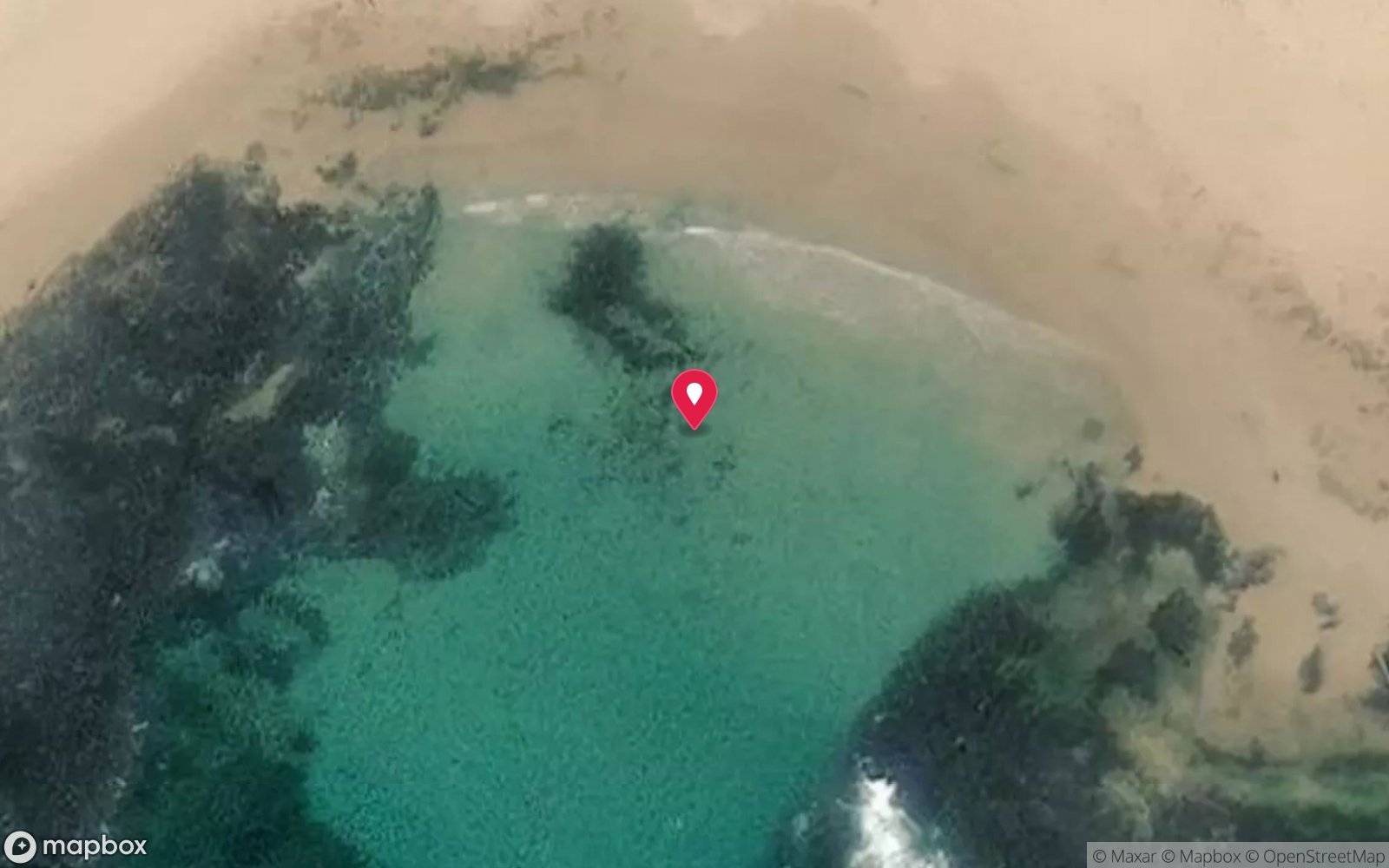
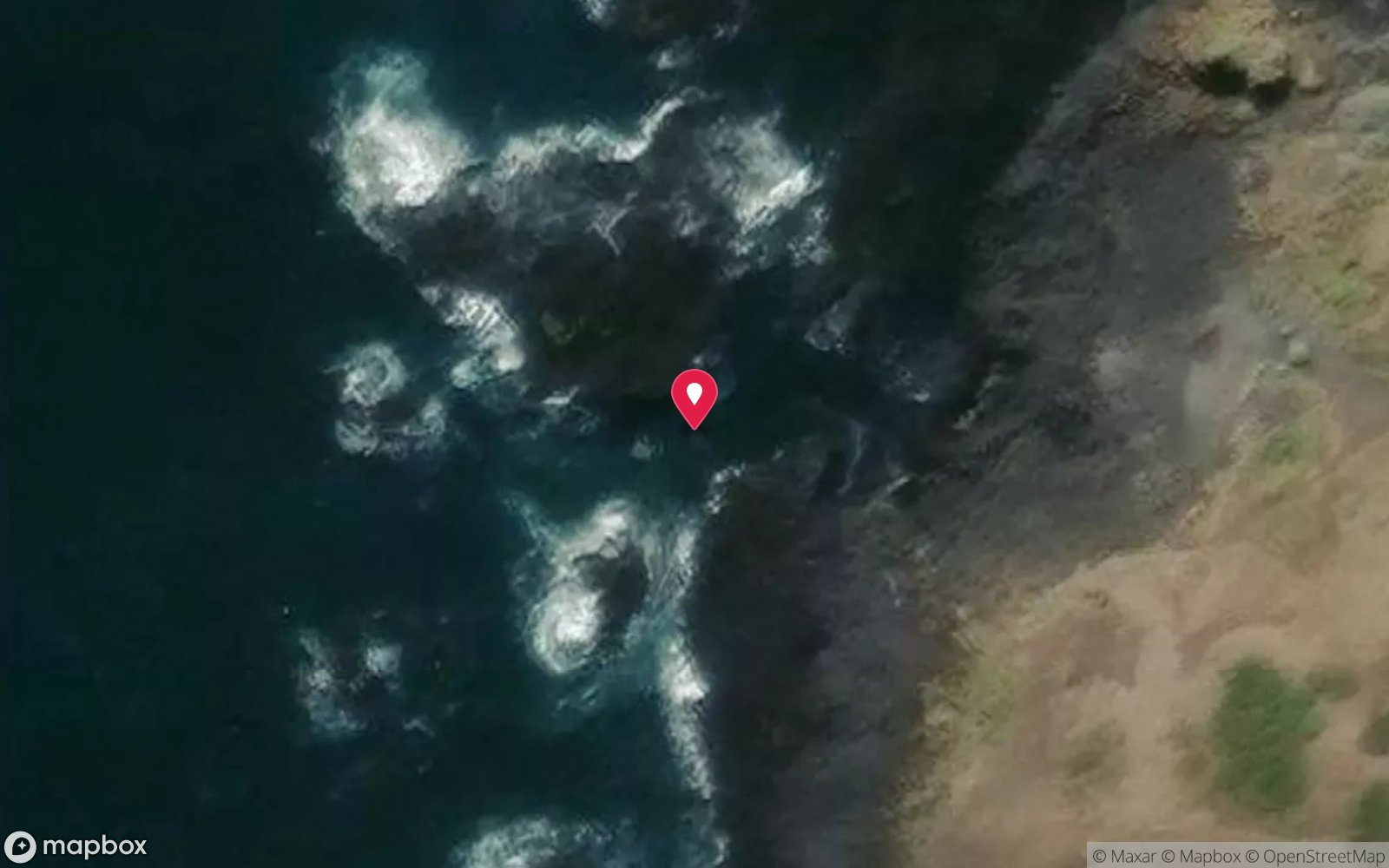
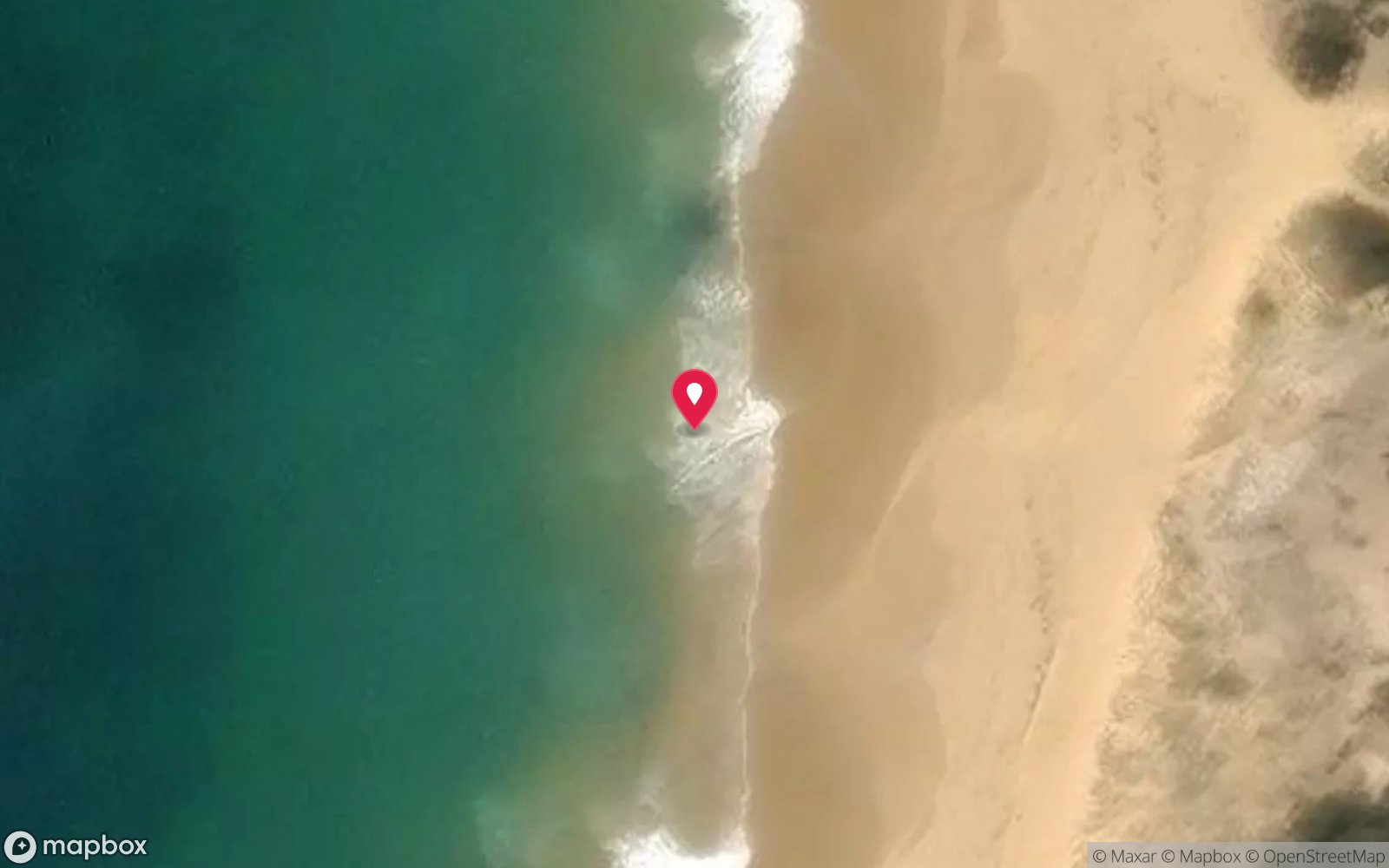
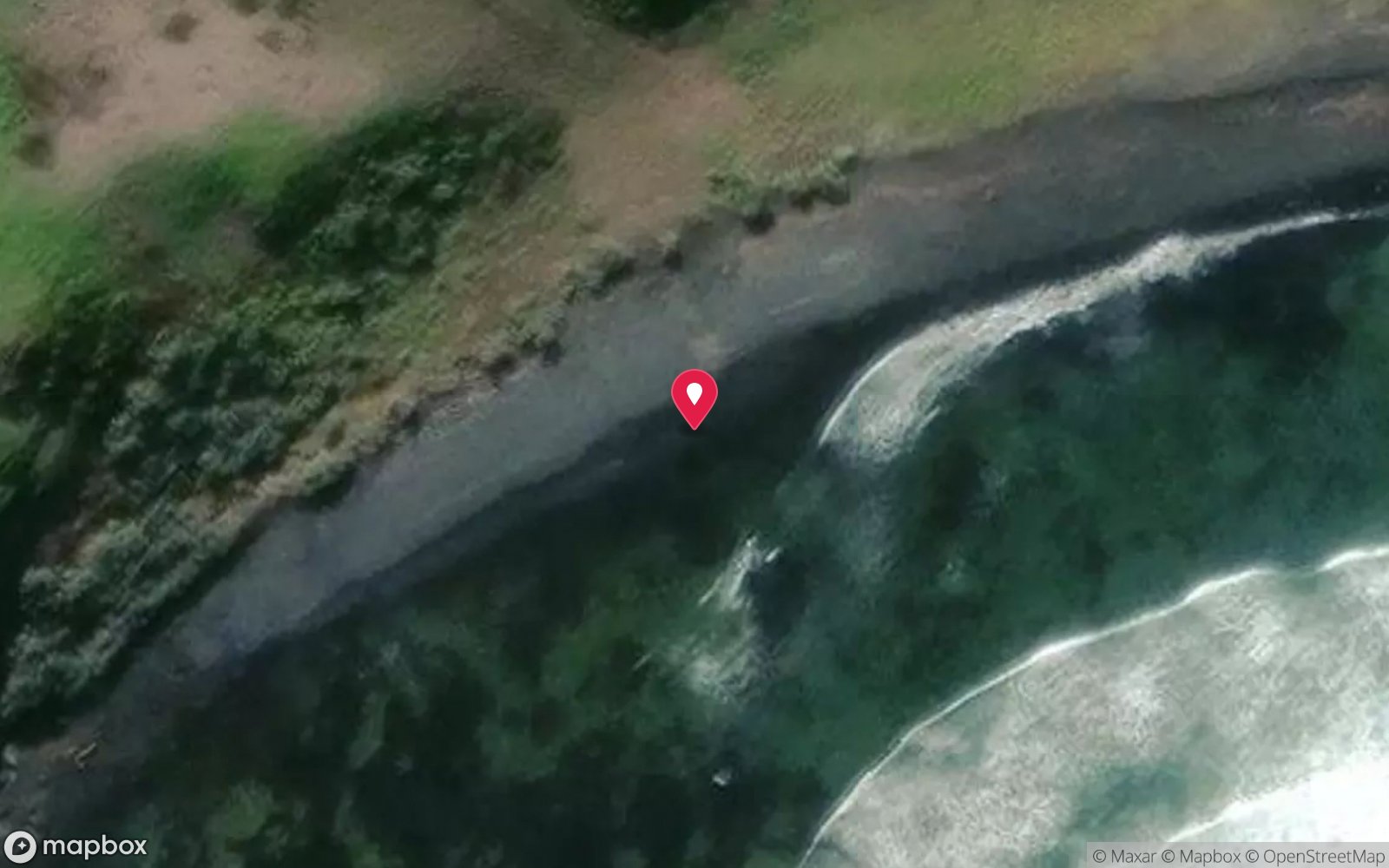
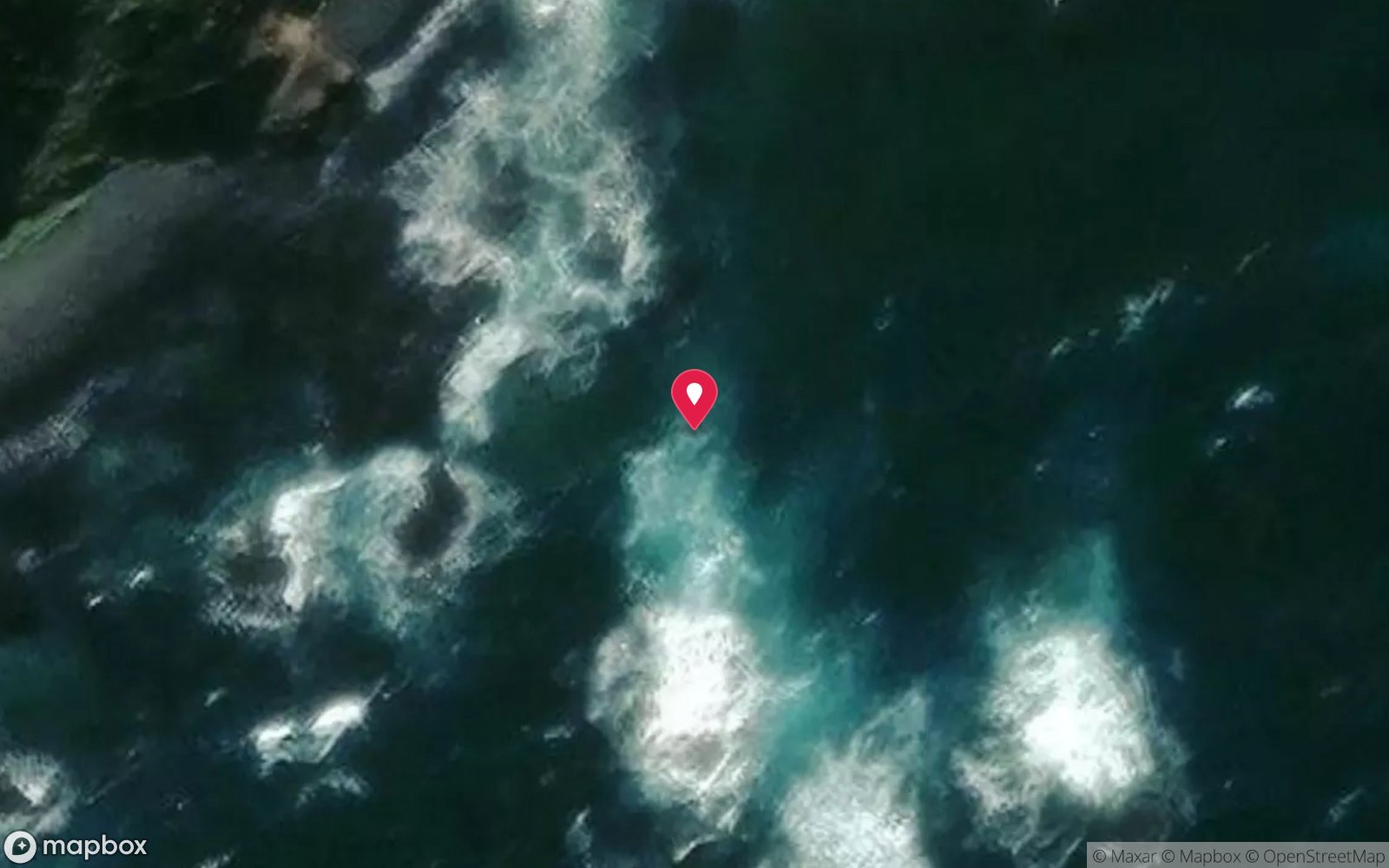
Satellite views
Cape Woolamai Reef: frequently asked questions
How deep is Cape Woolamai Reef?
Cape Woolamai Reef reaches a maximum depth of 15 m, with the shallowest part at about 12 m; most of the dive is spent around 14 m.
What certification do I need to dive Cape Woolamai Reef?
Open Water is the recommended minimum. Rated intermediate because of surge on the entry or in the shallows, cold water.
Can I shore dive Cape Woolamai Reef?
No, it is reached by boat (about 20 minutes). A dive centre is required: boat access only.
When is the best time to dive Cape Woolamai Reef?
Year-round; late summer to autumn (Feb-May) gives the calmest seas, warmest water and best visibility.
What marine life will I see at Cape Woolamai Reef?
Regularly recorded: Blacklip abalone, southern rock lobster, Port Jackson sharks, wrasse, morwong, sweep, leatherjackets, old wives, boarfish, encrusting sponges and zoanthids, kelp, Australian fur seals occasionally.
What wetsuit do I need at Cape Woolamai Reef?
7mm semi-dry with hood and gloves, or drysuit; drysuit preferred May-Nov.
How cold is the water at Cape Woolamai Reef?
Typically 17-20 °C in summer and 11-14 °C in winter.
What are the main hazards at Cape Woolamai Reef?
Surge among the boulders in any southerly or easterly swell; tidal flow along the cape; boat transit of The Narrows; fishing licence and bag limits for abalone/crayfish; shearwater rookery on the cape – no landing. See the hazards section above for the full list.
Where is the nearest recompression chamber to Cape Woolamai Reef?
The Alfred (Melbourne). In an emergency call 000, then DAN Asia-Pacific on 1800 088 200.
Diving in Phillip Island & Western Port
Phillip Island's Pinnacles at Cape Woolamai are granite towers with fur seals, bull rays and sponge walls in 20–38 m; Flinders Pier and Crawfish Rock in Western Port have seadragons and tidal sponge gardens; and the north coast of the island around Cowes and Ventnor has easy shore dives and the Kitty wreck.
Getting there: Two hours from Melbourne. Charters from Cowes and Rhyll; Flinders Pier is a walk-in shore dive.
All Phillip Island & Western Port dive sites and a suggested itinerary →
Sources
Data confidence: Medium. Last updated September 2026. Know this site better? How to send a correction
Nearby dive sites
More reef dives in Victoria
Explore more
This region