Dive slate · divesites.com.au · printed 9 Nov 2026
San Remo Jetty
Phillip Island & Western Port, Victoria · near San Remo
| Depth | 3–8 m |
|---|---|
| Minimum level | Advanced Open Water |
| Difficulty | Advanced |
| Access | Shore |
| Entry | Walk in from the beach beside the jetty or use the low fishermen's landing; exit the same way |
| Current | Variable/Tidal |
| Visibility | 4-10 m |
| Water | summer 17-20 °C, winter 11-14 °C |
| Suit | 7mm semi-dry with hood and gloves, or drysuit; drysuit preferred May-Nov |
| Best season | Year-round; late summer to autumn (Feb-May) gives the calmest seas, warmest water and best visibility |
| Bottom time | 25 min |
| Position | -38.52056, 145.36478 (GPS) |
| Permit | None known |
| Nearest chamber | The Alfred (Melbourne) |
| Emergency | 000 · DAN Asia-Pacific diving emergency 1800 088 200 |
San Remo Jetty
Also known as San Remo Pier, San Remo Fishermans Jetty
The best pylon growth in Western Port's eastern arm, produced by 5–6 knot tidal streams, and a short, sheltered beach entry – provided you hit the 15–20 minute slack exactly.
Near San Remo · Phillip Island & Western Port, Victoria
- Depth
- 3–8 m
- Minimum level
- Advanced Open Water
- Access
- Shore
- Boat ride
- —
- Water
- 17-20 °C
- Visibility
- 4-10 m
San Remo Jetty3–8 m · Advanced Open Water · Shore
Dive factsDepths, conditions, location & safety
Season
Off-peak nowBest months: January, February, March, April, May, December.
Year-round; late summer to autumn (Feb-May) gives the calmest seas, warmest water and best visibility
- Best months
- Now (November)
Dive facts
- Depth
- 3–8 m
- Typical depth
- 6 m
- Certification
- Advanced Open Water
- Difficulty
- Advanced
- Depth tier
- Easy (0–10 m)
- Access
- Shore
- Offshore
- 0 km
- Dive centre needed
- No – independently diveable
- Shore / independent
- Possible (experienced only)
- Current
- Variable/Tidal
- Visibility
- 4-10 m
- Water temp (summer)
- 17-20 °C
- Water temp (winter)
- 11-14 °C
- Water
- Temperate
- Bottom time
- 25 min
- Dive traffic
- Moderate (occasional charters/club dives)
- Night dive
- Possible
- Snorkel friendly
- No
Exposure suit
7mm semi-dry with hood and gloves, or drysuit; drysuit preferred May-Nov
Location
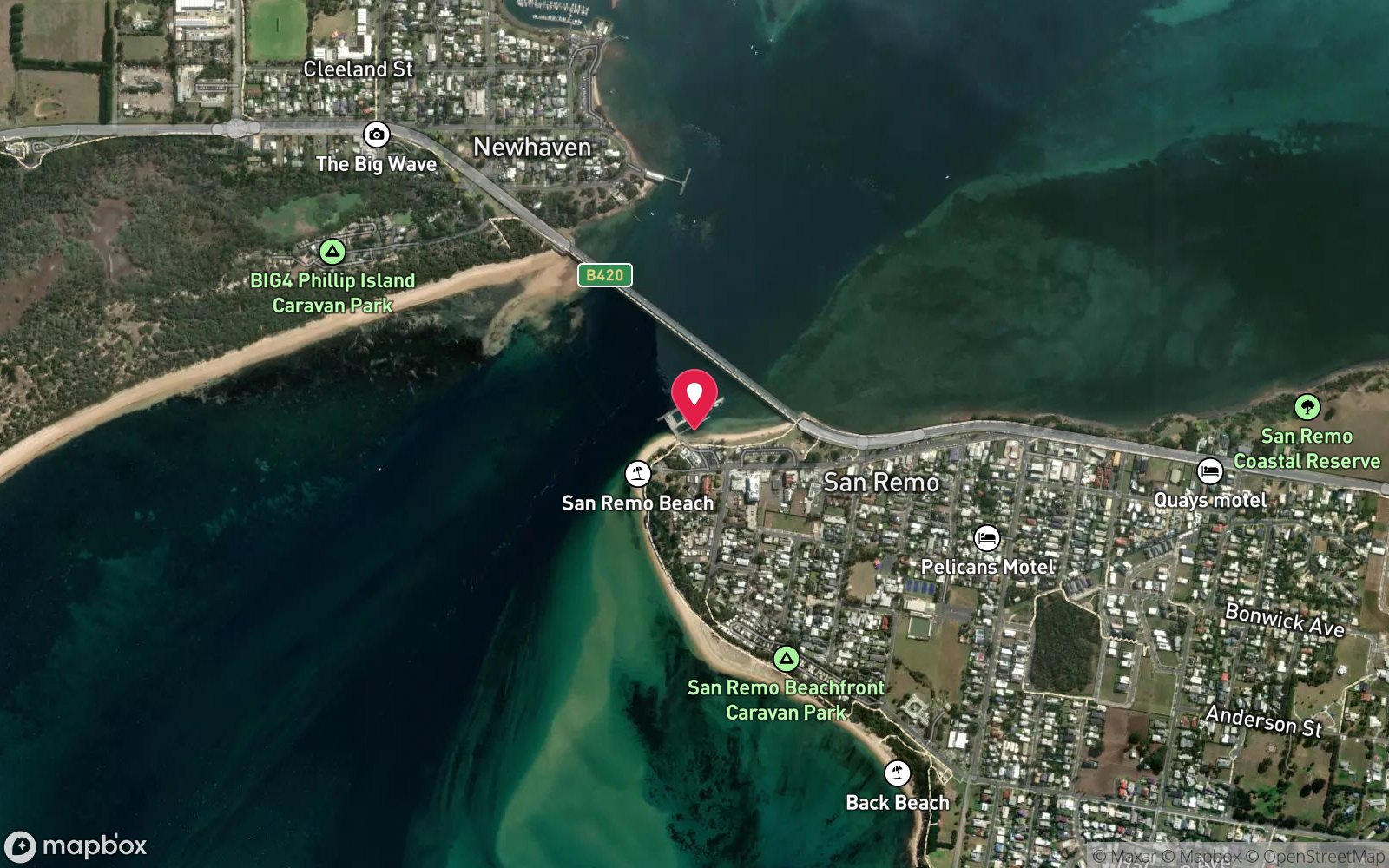
The Narrows (San Remo–Newhaven) · Phillip Island – Western Port
-38.52056, 145.36478
Published GPS position.
Open in Google MapsPrimary source: scubadoctor.com.auMarine park & permits
None known
Nearest recompression chamber
The Alfred (Melbourne)
Diving emergency: call 000, then DAN AP 1800 088 200.
Trip planner
Build a trip around San Remo Jetty →
A day-by-day plan for Phillip Island & Western Port with this site locked in.
This guide is a planning aid. Conditions change daily — confirm with a local dive centre and dive within your training. Data & safety notes.
Dive profile
How this site rates
Scores are computed from the recorded data, not opinions. How?
At a glance
San Remo Jetty is a jetty / pier shore dive for experienced divers in Phillip Island & Western Port, VIC, 3–8 m, suited to Advanced Open Water divers, variable/tidal current.
Rated advanced because of tidal current that must be timed, cold water.
Why dive here
- The best pylon growth in Western Port's eastern arm, produced by 5–6 knot tidal streams, and a short, sheltered beach entry – provided you hit the 15–20 minute slack exactly.
- A photographer's site: bring a macro lens or a wide-angle depending on the season.
Conditions to avoid
- Strong westerlies
- Outgoing tide or run-off after rain (poor visibility)
About San Remo Jetty
San Remo Jetty is the better-known of the two pier dives in The Narrows and the one Ian Lewis's Shore Dives of Victoria singles out as the place to learn this stretch of water before attempting the bridge drift. The jetty serves San Remo's commercial fishing fleet and the fishermen's co-op, with a deep channel across the pier front and the bridge pylons visible 200 m to the north. Underwater it is a classic Victorian pier: a forest of timber pylons on a sand and shell bottom of 3–8 m, but scoured and fed by tidal streams stronger than anything at Rye or Flinders.
That flow means the pylons carry a dense coat of filter feeders – orange and yellow sponges, colonial ascidians, hydroids and tubeworms – and the associated fauna is prolific: big-belly seahorses, decorator and spider crabs, hermit crabs, cowfish, pipefish, nudibranchs and, in winter, shoals of juvenile fish sheltering in the lee of the pylons. Rays, flathead and the occasional Port Jackson shark lie in the sand between rows, and schools of trevally and salmon patrol the channel edge. Because the slack is so brief, the dive is intense rather than leisurely: divers arrive to find water still sliding past the pylons, watch it stop, and have perhaps twenty minutes before it begins to move in the opposite direction.
Local divers use that character deliberately, going to the outer pylons while it is still and letting the returning ebb walk them back to the beach. Visibility is generally better than at Newhaven across the channel and can reach 10 m on a winter neap. For a diver who understands tidal timing this is a rewarding macro and photography dive with a very short walk; for anyone who does not, it is a site to avoid, because the same channel carried divers well out towards the bar before the rules of the place were understood.
Getting there & entry
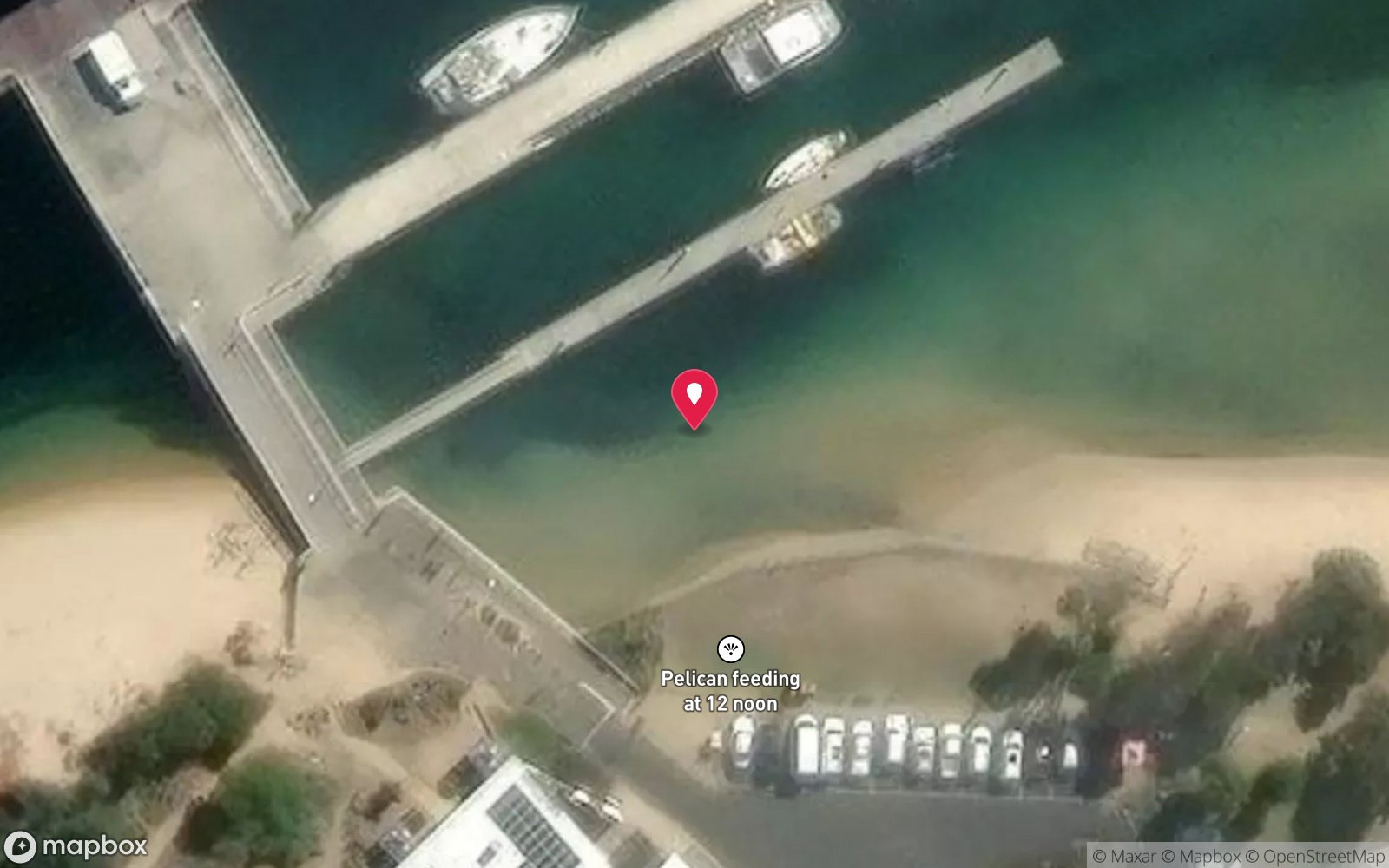
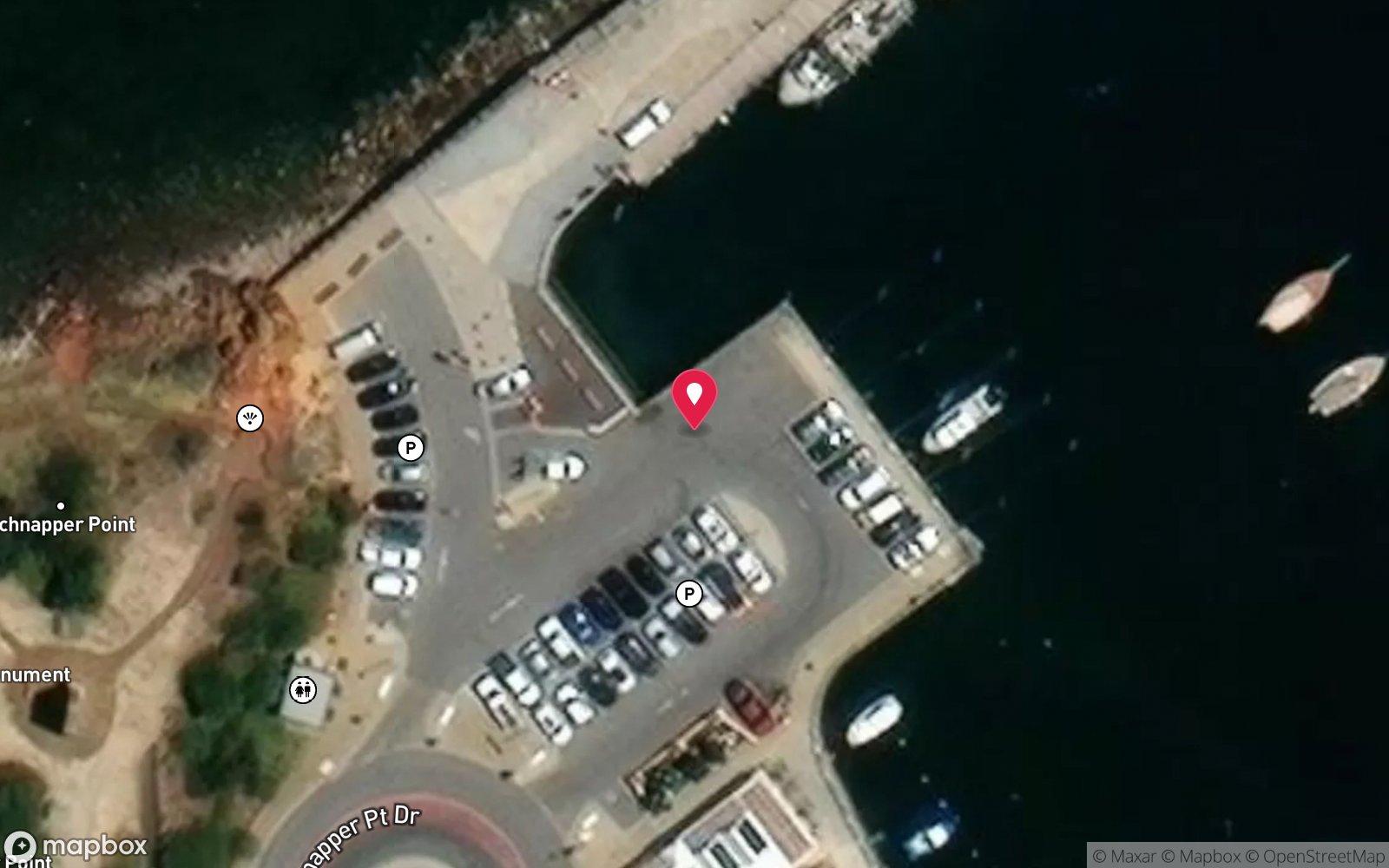
Commercial fishing jetty off Marine Parade, San Remo, on the mainland side of The Narrows about 200 m south of the Phillip Island bridge.
San Remo is 125 km (about 1 hr 40 min) south-east of Melbourne via the Monash Freeway, M420 and Bass Highway. Turn off the highway at the roundabout before the bridge into Marine Parade; the jetty is in front of the fishermen's co-op and there is angle parking along Marine Parade and a larger car park by the foreshore. It is a 20–50 m carry to the small beach on the north side of the jetty.
Gear up on the grass, watch the water for the flow to ease, then walk in and swim out along the pylons. The pelican-feeding area and co-op are busy at midday, so early morning slacks are quieter.
Entry: Walk in from the beach beside the jetty or use the low fishermen's landing; exit the same way
Facilities: Marine Parade car park, public toilets and cafes/fish and chips at the co-op in San Remo; No air fills on Phillip Island; nearest fills on the Mornington Peninsula (Rye/Portsea) or in Melbourne's south-east
Weather, swell & tides
Purely a slack-water dive. Streams of 5–6 knots run through the pylons on both flood and ebb, and the usable slack is typically 15–20 minutes at the end of the incoming (flood) tide, using the Newhaven tide predictions. Dive neaps in preference to springs, and time entry so you are under the jetty a few minutes before predicted high water.
Wind matters little except that a fresh southerly makes the beach entry choppy and a strong north-westerly pushes surface chop down the channel. Visibility is best in winter and after settled weather; it drops after heavy rain when the Bass River and Anderson Inlet run-off cloud the eastern arm. Diveable year-round.
Best season: Year-round; late summer to autumn (Feb-May) gives the calmest seas, warmest water and best visibility
If it's blown out
Sheltered or shore sites within 25 km that often work when San Remo Jetty doesn't.
- Newhaven Jetty · 1 km · Max 10 m
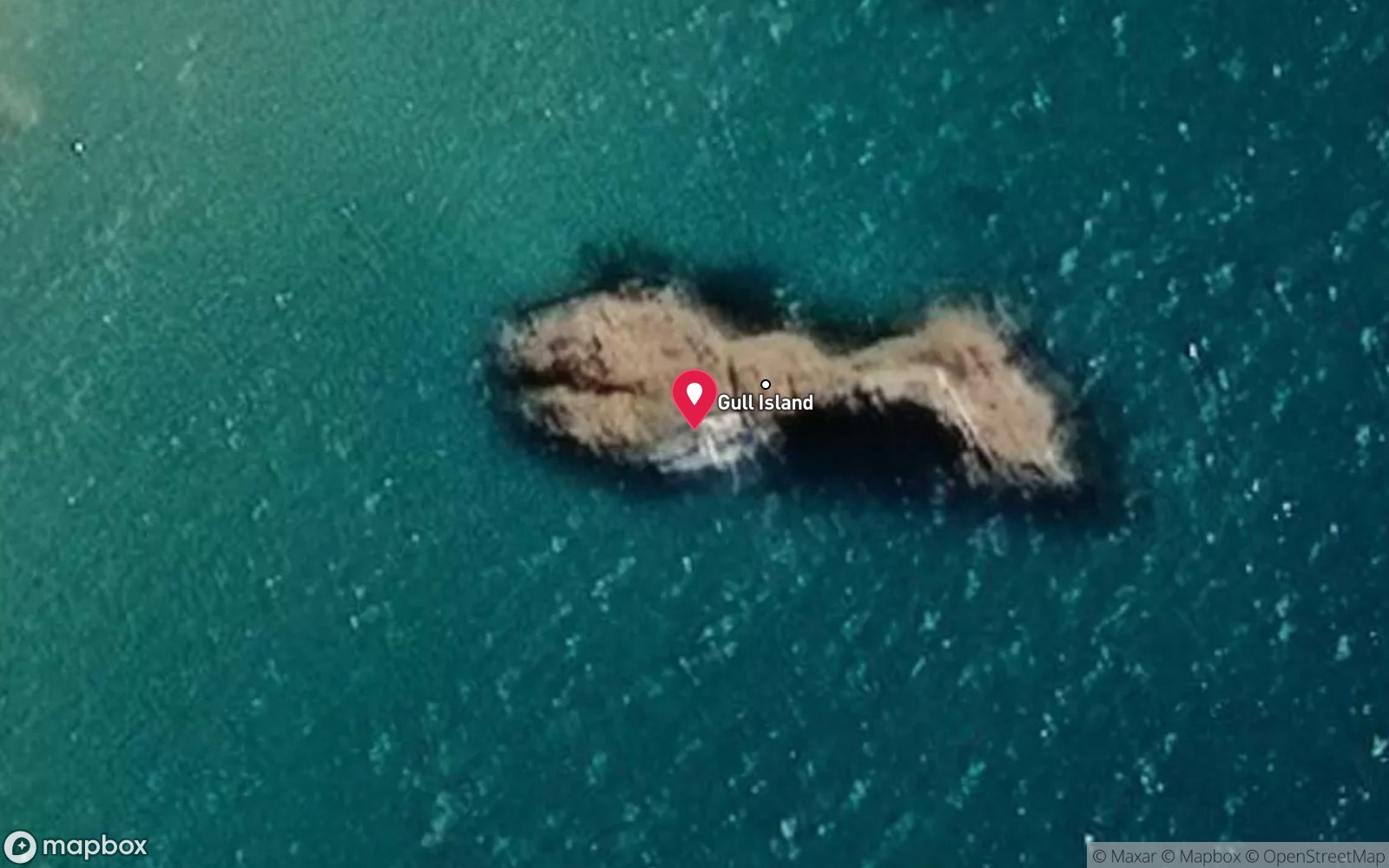
- Gull Island (Bird Rock) · 4 km · Max 8 m
- Surfies Point · 7 km · Max 5 m
- Sunderland Bay · 8 km · Max 5 m
How the dive is usually run
Enter from the beach beside the jetty as the flood eases, swim straight out under the deck and go to the outer pylons first while the water is still slack, checking the deeper channel edge at 7–8 m. As soon as you feel the ebb begin, work back inshore along the pylons so the current is helping you home. Stay inside the pylon line and away from the co-op berths.
Ascend under the jetty and walk out on the beach. Experienced divers who read the tide well report 45 minutes or more by hugging the sheltered side of the pylons.
Marine life
- Big-belly seahorses →
- decorator and spider crabs
- nudibranchs →
- cowfish
- pipefish →
- encrusting sponges
- ascidians and hydroids
- rays
- flathead
- Port Jackson sharks →
- trevally
- Australian salmon
- juvenile fish schools
Linked species have their own page listing every site where they are recorded. All marine life →
Training required
Shallow enough for snorkellers and for a first dive under supervision. Any certified diver can dive it.
Courses that help here
- Drysuit Diver – Cold water; locals dive dry for much of the year.
Depth tiers: 0–10 m easy · to 18 m Open Water · 18–30 m Advanced (25 m+ is a deep dive) · 30–40 m Deep specialty · 40 m+ technical. All courses
Hazards & warnings
Tidal currents of 5–6 knots and a very short slack; commercial fishing vessels berthing at the co-op – stay under the pylons and fly a dive flag; fishing line and hooks on the pylons; bridge and channel downstream if swept off; carry a line cutter and SMB.
Dive centres that go here
No dive shop or dedicated dive charter is based on Phillip Island. Sites are dived by Melbourne clubs (VSAG, Melbourne University Underwater Club, Frankston/Peninsula clubs) and private boats launched at Newhaven or Rhyll; Mornington Peninsula shops (Dive Victoria Group, Portsea; The Scuba Doctor, Rye) run occasional Phillip Island days. Ocean Adventures Phillip Island (Cowes) runs seal-snorkel tours only.
Operators recorded for San Remo Jetty
The Scuba Doctor
ProfiledRye · Melbourne & Port Phillip Bay · VIC
A Victorian equipment and service business with an extensive retail presence, located to serve both Melbourne and Mornington Peninsula divers.
scubadoctor.com.au · (03) 5985 3322
Scubabo Dive Victoria (Dive Victoria Group)
Named by sitesQueenscliff · Port Phillip Heads · VIC
Rebranded as Scubabo Dive Victoria, Queenscliff; dive.scubabo.com is live for 2026 with active charter bookings.
dive.scubabo.com · (03) 5258 1188
VSAG
Named by sitesWilsons Promontory · VIC
Victorian Sub-Aqua Group, a non-commercial dive club (est. 1954), not a shop or charter.
vsag.org.au
Ocean Adventures Phillip Island
Named by sitesCowes · Phillip Island & Western Port · VIC
Thundercat/jet boat eco tours plus guided snorkel and sea-scooter dive tours; booth in Cowes, van at San Remo.
oceanadventures.co · 0433 137 320
Other dive centres in Phillip Island & Western Port
Wildlife Coast Cruises
Named by sitesCowes · Phillip Island & Western Port · VIC
Cruise/boat tour operator (seals, whales, Wilsons Prom), not a dive shop.
wildlifecoastcruises.com.au · (03) 5952 9500
Southern Ocean Exploration
Named by sitesPort Phillip Heads · VIC
Non-profit wreck exploration / maritime archaeology group, not a shop or charter.
soe.org.au
Melbourne University Underwater Club
Named by sitesParkville · Phillip Island & Western Port · VIC
University dive club (MUUC), not a shop; 200+ members, 110+ dives a year.
muuc.org.au
Island Dive
Named by sitesPhillip Island & Western Port · VIC
No Victorian operator named Island Dive found; the only Australian Island Dive listed is at Bribie Island, Queensland.
Map
7 pinned sites. Pins marked approximate on their pages show the general area only; not for navigation.
Satellite views
San Remo Jetty: frequently asked questions
How deep is San Remo Jetty?
San Remo Jetty reaches a maximum depth of 8 m, with the shallowest part at about 3 m; most of the dive is spent around 6 m.
What certification do I need to dive San Remo Jetty?
Advanced Open Water is the recommended minimum. Rated advanced because of tidal current that must be timed, cold water.
Can I shore dive San Remo Jetty?
Experienced divers do dive San Remo Jetty from the shore, but the entry or conditions make it unsuitable for newer divers without local guidance. Entry: Walk in from the beach beside the jetty or use the low fishermen's landing; exit the same way.
When is the best time to dive San Remo Jetty?
Year-round; late summer to autumn (Feb-May) gives the calmest seas, warmest water and best visibility.
What marine life will I see at San Remo Jetty?
Regularly recorded: Big-belly seahorses, decorator and spider crabs, nudibranchs, cowfish, pipefish, encrusting sponges, ascidians and hydroids, rays, flathead, Port Jackson sharks, trevally, Australian salmon and more.
What wetsuit do I need at San Remo Jetty?
7mm semi-dry with hood and gloves, or drysuit; drysuit preferred May-Nov.
How cold is the water at San Remo Jetty?
Typically 17-20 °C in summer and 11-14 °C in winter.
What are the main hazards at San Remo Jetty?
Tidal currents of 5–6 knots and a very short slack; commercial fishing vessels berthing at the co-op – stay under the pylons and fly a dive flag; fishing line and hooks on the pylons; bridge and channel downstream if swept off; carry a line cutter and SMB. See the hazards section above for the full list.
Where is the nearest recompression chamber to San Remo Jetty?
The Alfred (Melbourne). In an emergency call 000, then DAN Asia-Pacific on 1800 088 200.
Diving in Phillip Island & Western Port
Phillip Island's Pinnacles at Cape Woolamai are granite towers with fur seals, bull rays and sponge walls in 20–38 m; Flinders Pier and Crawfish Rock in Western Port have seadragons and tidal sponge gardens; and the north coast of the island around Cowes and Ventnor has easy shore dives and the Kitty wreck.
Getting there: Two hours from Melbourne. Charters from Cowes and Rhyll; Flinders Pier is a walk-in shore dive.
All Phillip Island & Western Port dive sites and a suggested itinerary →
Sources
Data confidence: Medium · Being verified: Split from v1 'San Remo Bridge Drift' row; confirm whether entry from co-op landing is currently permitted. Last updated September 2026. Know this site better? How to send a correction
Nearby dive sites
More jetty/pier dives in Victoria
Explore more
This region
Similar dives
Marine life