Dive slate · divesites.com.au · printed 9 Nov 2026
Cowes Jetty
Phillip Island & Western Port, Victoria · near Cowes
| Depth | 2–15 m |
|---|---|
| Minimum level | Open Water |
| Difficulty | Intermediate |
| Access | Shore |
| Entry | Walk in from the beach on the eastern side of the pier head, or use the ladders near the ferry landing when no ferry is due |
| Current | Variable/Tidal |
| Visibility | 3-8 m |
| Water | summer 17-20 °C, winter 11-14 °C |
| Suit | 7mm semi-dry with hood and gloves, or drysuit; drysuit preferred May-Nov |
| Best season | Year-round; late summer to autumn (Feb-May) gives the calmest seas, warmest water and best visibility |
| Bottom time | 50 min |
| Position | -38.44621, 145.23998 (GPS) |
| Permit | None known |
| Nearest chamber | The Alfred (Melbourne) |
| Emergency | 000 · DAN Asia-Pacific diving emergency 1800 088 200 |
Cowes Jetty
Also known as Cowes Pier
Phillip Island's easiest and most reliable dive – a long Western Port pier with seahorses, crabs and octopus on the pylons, ideal for night dives and check-outs.
Near Cowes · Phillip Island & Western Port, Victoria
- Depth
- 2–15 m
- Minimum level
- Open Water
- Access
- Shore
- Boat ride
- Shore entry
- Water
- 17-20 °C
- Visibility
- 3-8 m
Cowes Jetty2–15 m · Open Water · Shore
Dive factsDepths, conditions, location & safety
Season
Off-peak nowBest months: January, February, March, April, May, December.
Year-round; late summer to autumn (Feb-May) gives the calmest seas, warmest water and best visibility
- Best months
- Now (November)
Dive facts
- Depth
- 2–15 m
- Typical depth
- 6 m
- Certification
- Open Water
- Difficulty
- Intermediate
- Depth tier
- Open Water (10–18 m)
- Access
- Shore
- Offshore
- 0 km
- Dive centre needed
- No – independently diveable
- Shore / independent
- Yes
- Current
- Variable/Tidal
- Visibility
- 3-8 m
- Water temp (summer)
- 17-20 °C
- Water temp (winter)
- 11-14 °C
- Water
- Temperate
- Bottom time
- 50 min
- Dive traffic
- Moderate (occasional charters/club dives)
- Night dive
- Yes
- Snorkel friendly
- Yes
Exposure suit
7mm semi-dry with hood and gloves, or drysuit; drysuit preferred May-Nov
Location
Cowes · Phillip Island – Western Port
-38.44621, 145.23998
Published GPS position.
Open in Google MapsPrimary source: scubadoctor.com.auMarine park & permits
None known
Nearest recompression chamber
The Alfred (Melbourne)
Diving emergency: call 000, then DAN AP 1800 088 200.
Trip planner
Build a trip around Cowes Jetty →
A day-by-day plan for Phillip Island & Western Port with this site locked in.
This guide is a planning aid. Conditions change daily — confirm with a local dive centre and dive within your training. Data & safety notes.
Dive profile
How this site rates
Scores are computed from the recorded data, not opinions. How?
At a glance
Cowes Jetty is a jetty / pier shore dive you can do independently in Phillip Island & Western Port, VIC, 2–15 m, suited to Open Water divers, variable/tidal current.
Rated intermediate because of tidal current that must be timed, boat traffic overhead, cold water.
Why dive here
- Phillip Island's easiest and most reliable dive – a long Western Port pier with seahorses, crabs and octopus on the pylons, ideal for night dives and check-outs.
- Commonly dived at night, when octopus, cuttlefish and crustaceans are out.
- Snorkel-friendly, so non-diving companions can join at the surface.
Conditions to avoid
- Strong southerly or south-east swell and wind
- Strong westerlies
- Strong northerlies
- Outgoing tide or run-off after rain (poor visibility)
- Any time other than slack water
About Cowes Jetty
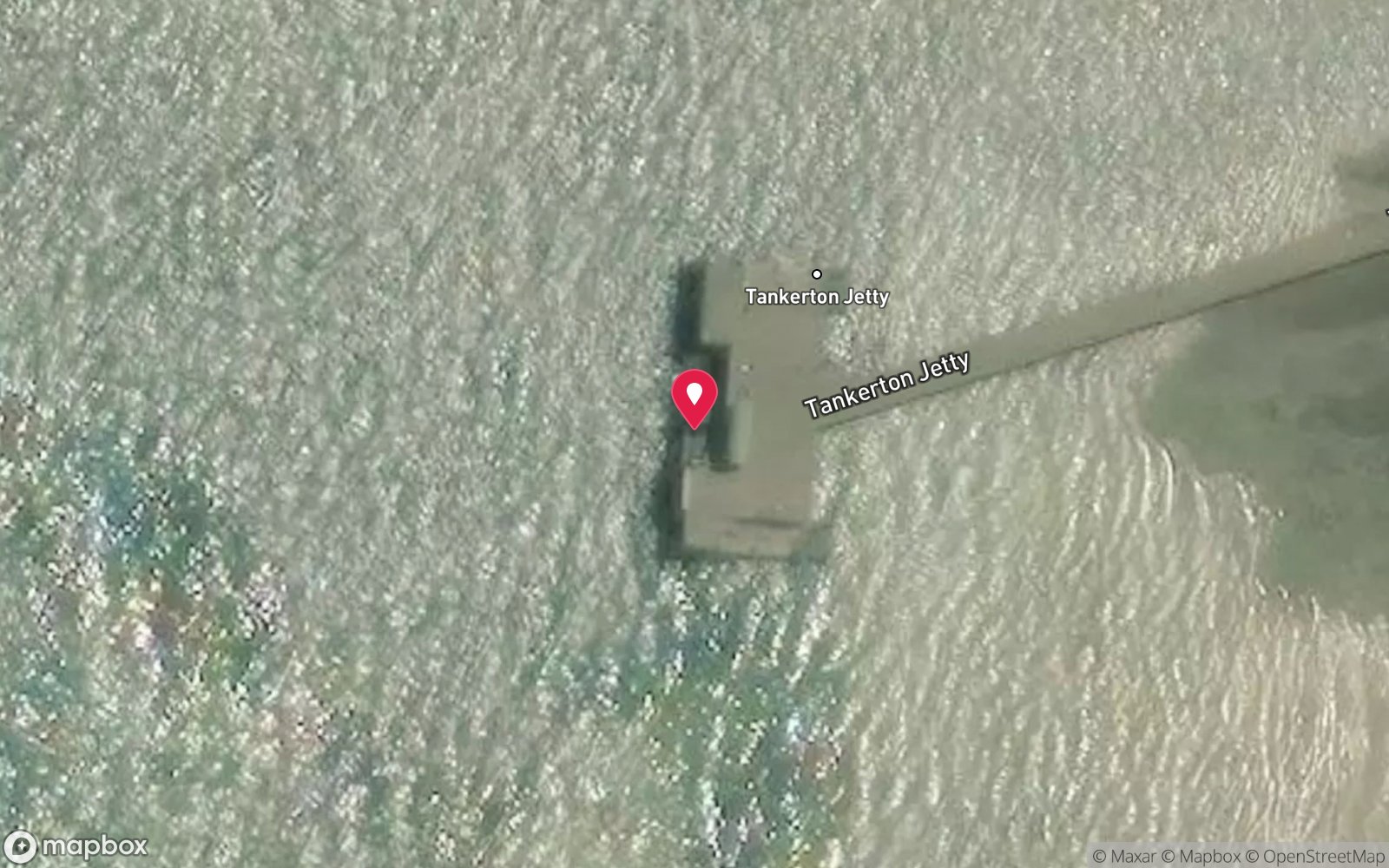
Cowes Jetty is Phillip Island's town pier, a long timber structure running north from the foot of Thompson Avenue into Western Port, and it is the island's most convenient and most frequently dived shore site. Scuba Doctor lists it at 2–15 m, recommends it for night dives, and notes the sheltered beaches, toilets, barbecues and playgrounds around it – this is a dive done from a car parked on The Esplanade with a cafe a hundred metres away. The pier is used by the Western Port passenger ferry from Stony Point and by seasonal cruise boats, and the dive is a classic pylon crawl: out along one side, back along the other, in the sand and seagrass shallows near shore and deeper water towards the head.
The pylons carry the mixed growth typical of Western Port piers – sponges, ascidians, hydroids, tubeworms and mussels – and among them live the animals that make Victorian pier diving what it is: big-belly seahorses, pipefish, decorator crabs, spider crabs (in large aggregations some winters), hermit crabs, cowfish, globefish, nudibranchs and octopus, with leatherjackets, wrasse and juvenile fish schooling in the shade of the deck. On the sand and seagrass beside the pier are stingarees, fiddler rays, flathead and goatfish, and at night the pylons come alive with crabs, shrimp, squid and hunting octopus. The bottom is scattered with fishing debris and the odd historical relic.
Visibility is Western Port visibility – rarely more than 8 m, sometimes much less – and the tide runs along the pier, so timing for slack or the flood matters. The wreck of the steam launch Vixen lies 450 m to the west and is a separate dive. Cowes Jetty suits any certified diver in reasonable conditions, is the natural place for a night dive or a check-out after a lay-off, and is the fallback for visitors when the ocean coast is unworkable.
Its weaknesses are ferry traffic, fishing line and modest clarity; its strength is that it is always there.
Getting there & entry
Long timber pier at the foot of Thompson Avenue on the north coast of Phillip Island, facing Western Port; ferry terminal for the Stony Point–Cowes passenger ferry.
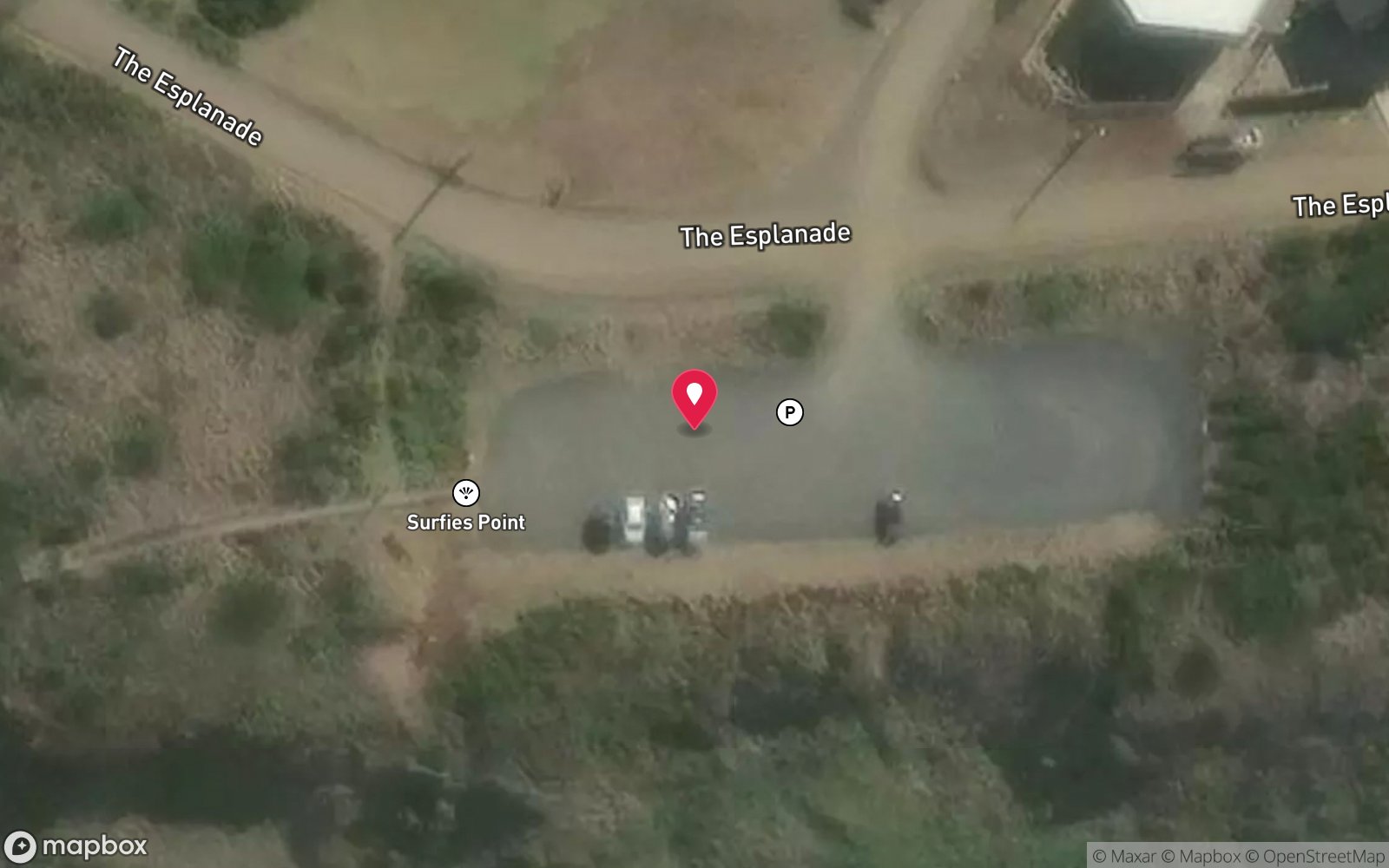
Cowes is the main town on Phillip Island, 140 km (about 2 hours) from Melbourne; the jetty is at the bottom of Thompson Avenue where it meets The Esplanade, at the corner of Bass Avenue. Park along the northern side of The Esplanade east of the jetty (time limits apply in summer) – it is a 50–100 m carry to the beach. Enter from the sand at the head of the pier on the eastern side and swim out along the pylons; the outer end is about 300 m offshore, so many divers fin out on the surface and descend near the ferry landing.
Stay clear of the ferry berth when the Western Port Ferries service is arriving or departing.
Entry: Walk in from the beach on the eastern side of the pier head, or use the ladders near the ferry landing when no ferry is due
Facilities: Parking on The Esplanade, public toilets, barbecues, playground and beach; cafes and shops on Thompson Avenue; No air fills on Phillip Island; nearest fills on the Mornington Peninsula (Rye/Portsea) or in Melbourne's south-east
Weather, swell & tides
The jetty faces north into Western Port, so it is sheltered from the prevailing south-westerly and, per Scuba Doctor, best during calm seas with offshore southerly winds; strong northerlies push chop and weed onto the beach and make it unsuitable. Tidal variation is significant and the current along the pier is noticeable, so dive at slack water or on the incoming tide, which also brings clearer water in from the entrance. Visibility is modest and drops after rain and northerly blows.
Diveable year-round and one of the island's most reliable options; a popular night dive.
Best season: Year-round; late summer to autumn (Feb-May) gives the calmest seas, warmest water and best visibility
If it's blown out
Sheltered or shore sites within 25 km that often work when Cowes Jetty doesn't.
- Flinders Pier · 19 km · Max 6 m
- YCW Beach · 7 km · Max 14 m
- Cunningham Bay · 7 km · Max 12 m
- Smiths Beach · 7 km · Max 14 m
How the dive is usually run
Enter on the eastern side of the pier head, swim out along the pylons on the surface or at 2–4 m and descend fully at the deeper section towards the ferry landing, working the pylons out to the end in 6–8 m (the deeper channel beyond reaches 15 m). Return along the opposite side of the pier, staying under the deck and away from the ferry berth, and exit onto the beach. At night, follow the same route with a torch and a shore marker light.
Marine life
- Big-belly seahorses →
- pipefish →
- decorator and spider crabs
- cowfish
- globefish
- nudibranchs →
- octopus →
- squid at night →
- leatherjackets
- wrasse
- stingarees
- fiddler rays
- flathead
- goatfish
- sponges
- ascidians and hydroids
Linked species have their own page listing every site where they are recorded. All marine life →
Training required
Within the 18 m limit of an entry-level certification.
Courses that help here
- Night Diver – Commonly dived at night.
- Drysuit Diver – Cold water; locals dive dry for much of the year.
- Peak Performance Buoyancy – Silt and low visibility punish poor trim.
Depth tiers: 0–10 m easy · to 18 m Open Water · 18–30 m Advanced (25 m+ is a deep dive) · 30–40 m Deep specialty · 40 m+ technical. All courses
Hazards & warnings
Ferry and cruise boat traffic at the landing – stay under the pier, fly a flag, avoid ferry times; tidal current along the pier; fishing line and hooks on pylons; low visibility; strong northerlies make it undiveable; swimmers in summer.
Dive centres that go here
No dive shop or dedicated dive charter is based on Phillip Island. Sites are dived by Melbourne clubs (VSAG, Melbourne University Underwater Club, Frankston/Peninsula clubs) and private boats launched at Newhaven or Rhyll; Mornington Peninsula shops (Dive Victoria Group, Portsea; The Scuba Doctor, Rye) run occasional Phillip Island days. Ocean Adventures Phillip Island (Cowes) runs seal-snorkel tours only.
Cowes Jetty is the island's standard night dive and is used by clubs and visiting groups.
Operators recorded for Cowes Jetty
The Scuba Doctor
ProfiledRye · Melbourne & Port Phillip Bay · VIC
A Victorian equipment and service business with an extensive retail presence, located to serve both Melbourne and Mornington Peninsula divers.
scubadoctor.com.au · (03) 5985 3322
Scubabo Dive Victoria (Dive Victoria Group)
Named by sitesQueenscliff · Port Phillip Heads · VIC
Rebranded as Scubabo Dive Victoria, Queenscliff; dive.scubabo.com is live for 2026 with active charter bookings.
dive.scubabo.com · (03) 5258 1188
VSAG
Named by sitesWilsons Promontory · VIC
Victorian Sub-Aqua Group, a non-commercial dive club (est. 1954), not a shop or charter.
vsag.org.au
Ocean Adventures Phillip Island
Named by sitesCowes · Phillip Island & Western Port · VIC
Thundercat/jet boat eco tours plus guided snorkel and sea-scooter dive tours; booth in Cowes, van at San Remo.
oceanadventures.co · 0433 137 320
Other dive centres in Phillip Island & Western Port
Wildlife Coast Cruises
Named by sitesCowes · Phillip Island & Western Port · VIC
Cruise/boat tour operator (seals, whales, Wilsons Prom), not a dive shop.
wildlifecoastcruises.com.au · (03) 5952 9500
Southern Ocean Exploration
Named by sitesPort Phillip Heads · VIC
Non-profit wreck exploration / maritime archaeology group, not a shop or charter.
soe.org.au
Melbourne University Underwater Club
Named by sitesParkville · Phillip Island & Western Port · VIC
University dive club (MUUC), not a shop; 200+ members, 110+ dives a year.
muuc.org.au
Island Dive
Named by sitesPhillip Island & Western Port · VIC
No Victorian operator named Island Dive found; the only Australian Island Dive listed is at Bribie Island, Queensland.
Map
7 pinned sites. Pins marked approximate on their pages show the general area only; not for navigation.
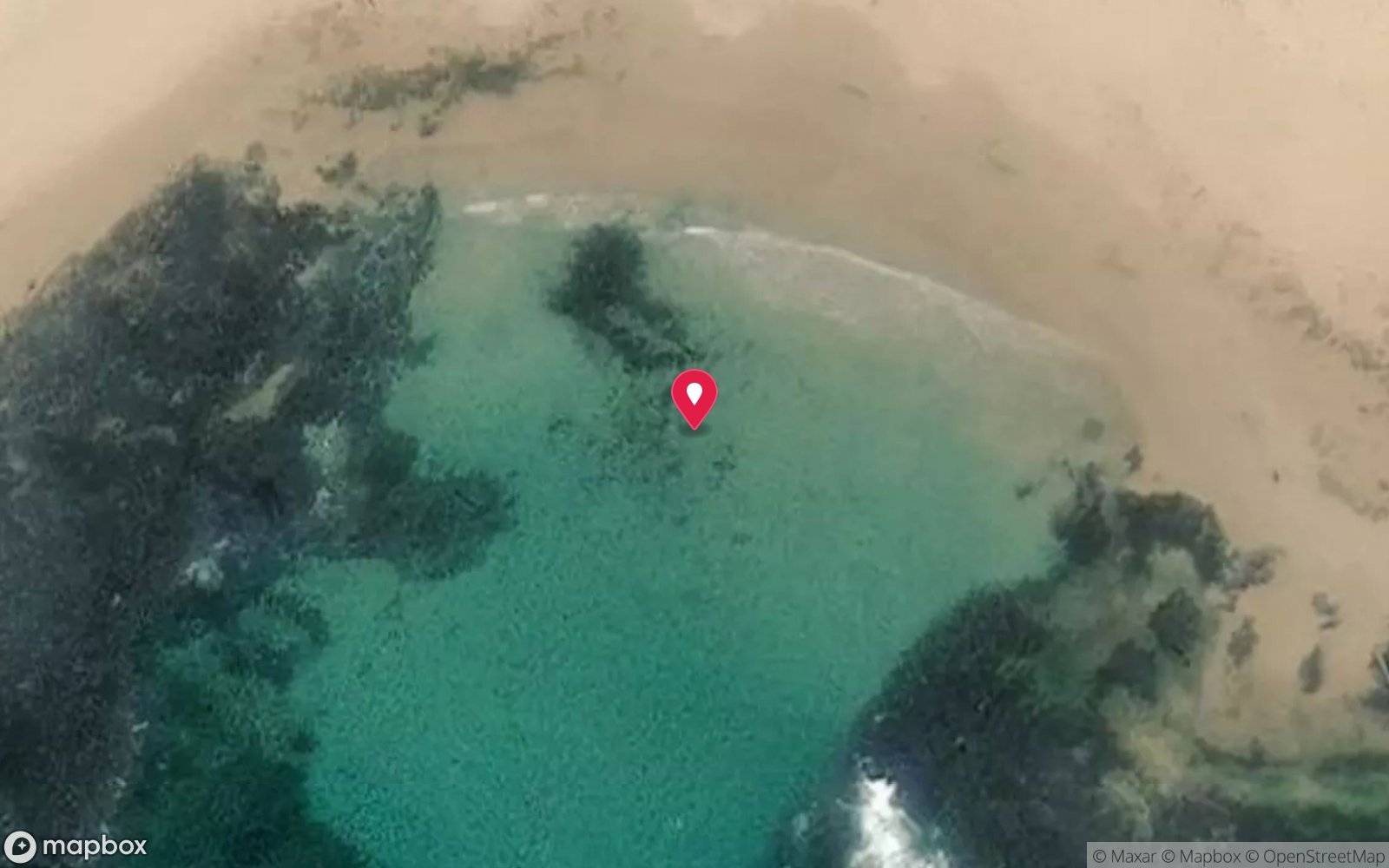
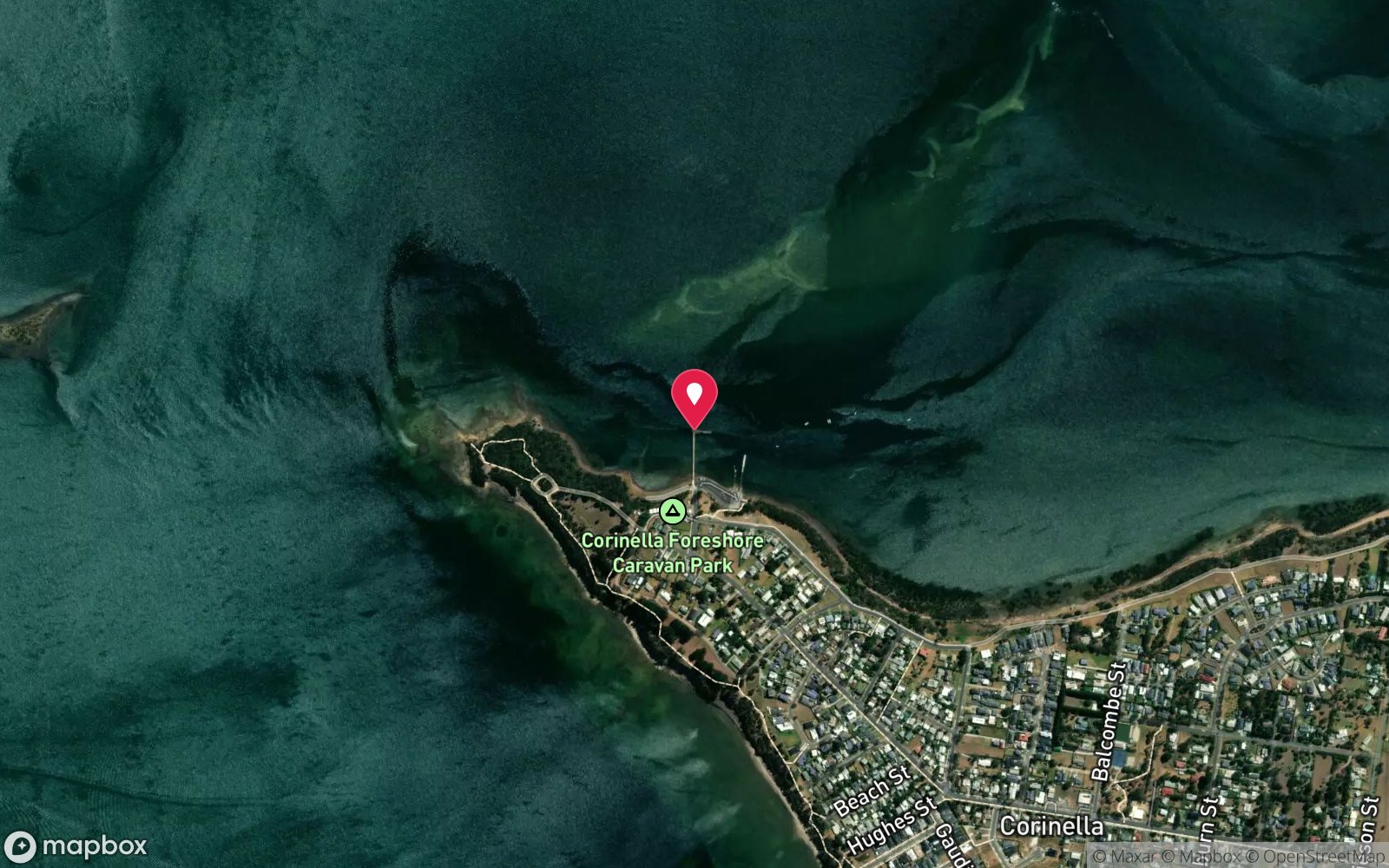
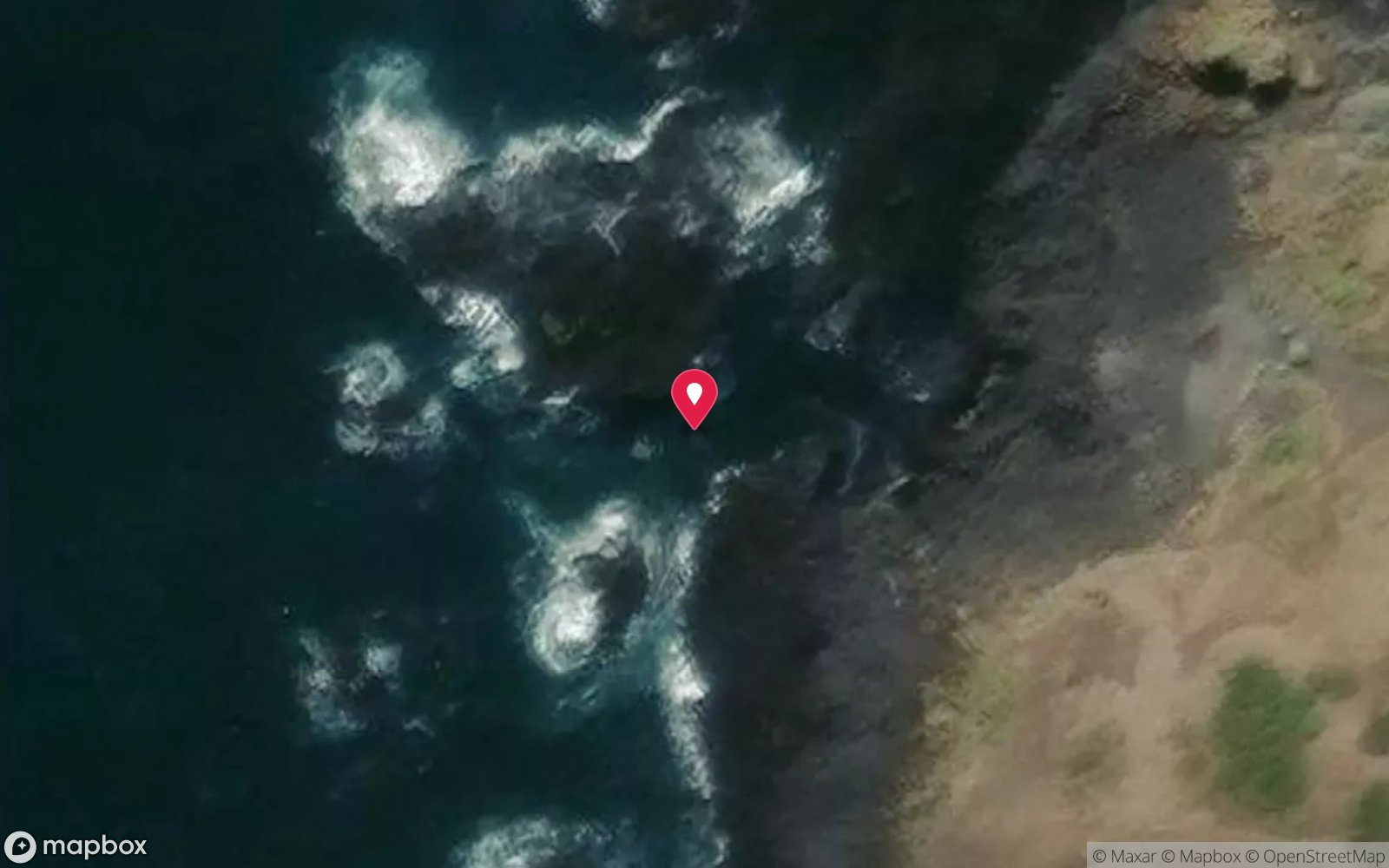
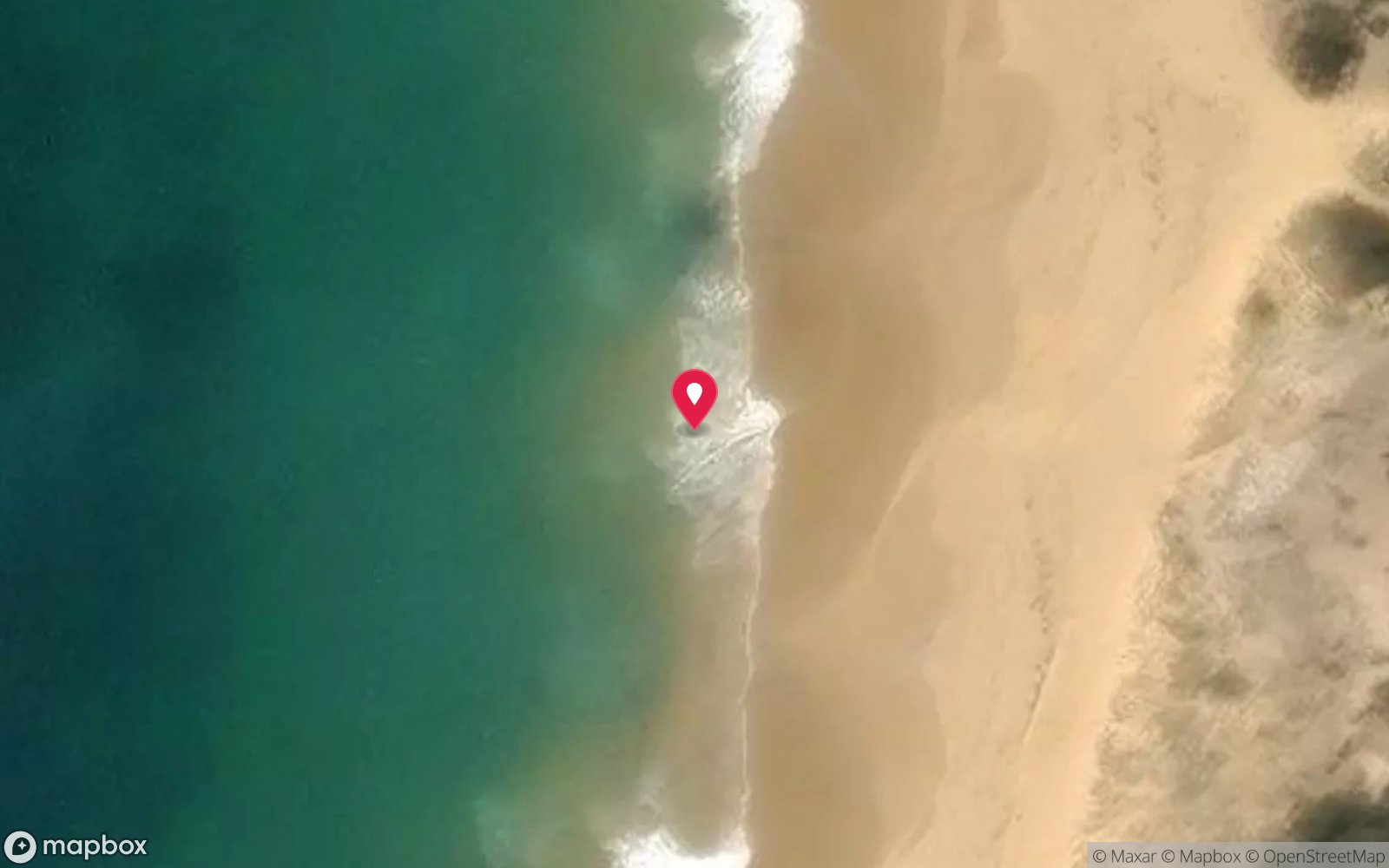
Satellite views
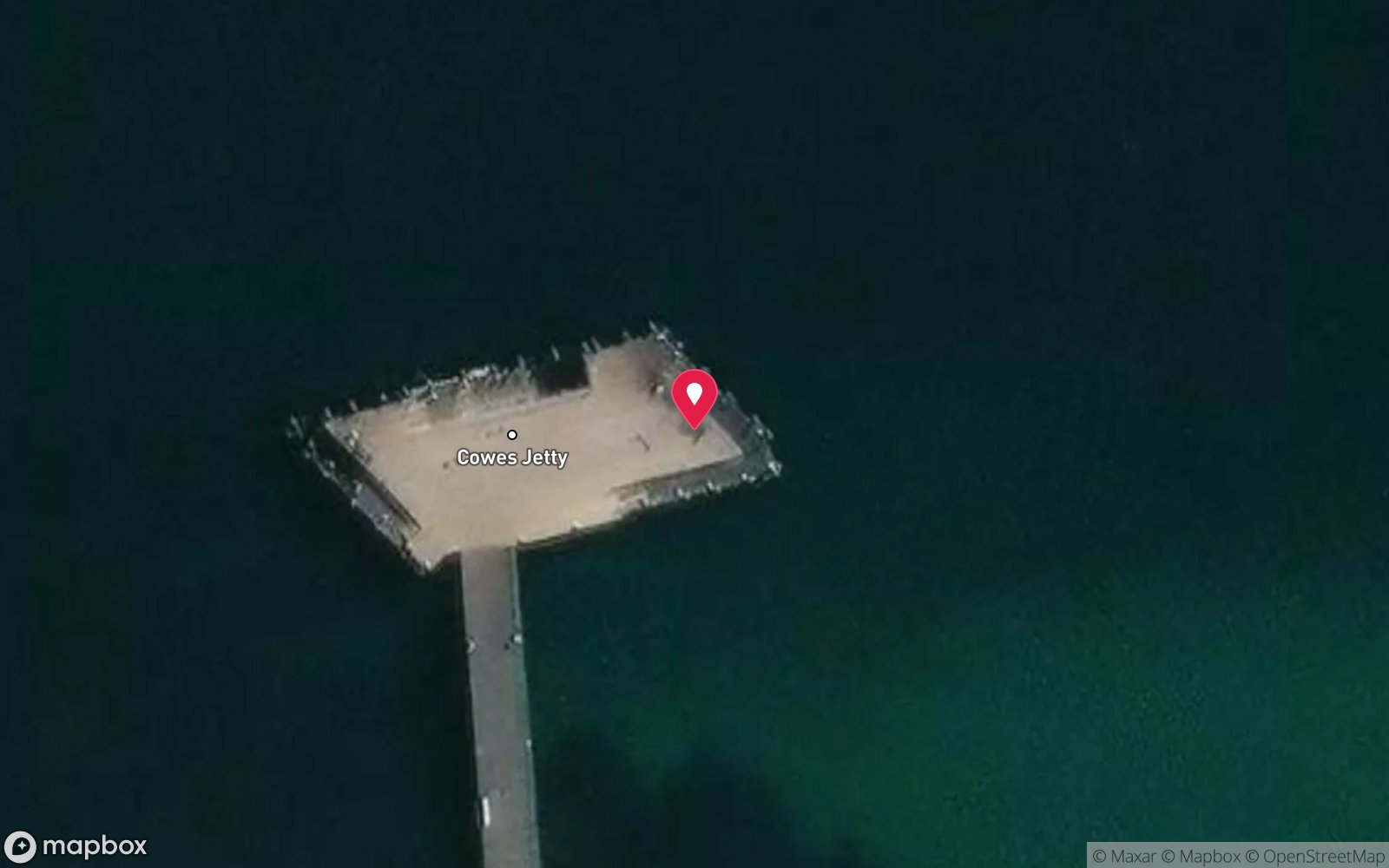
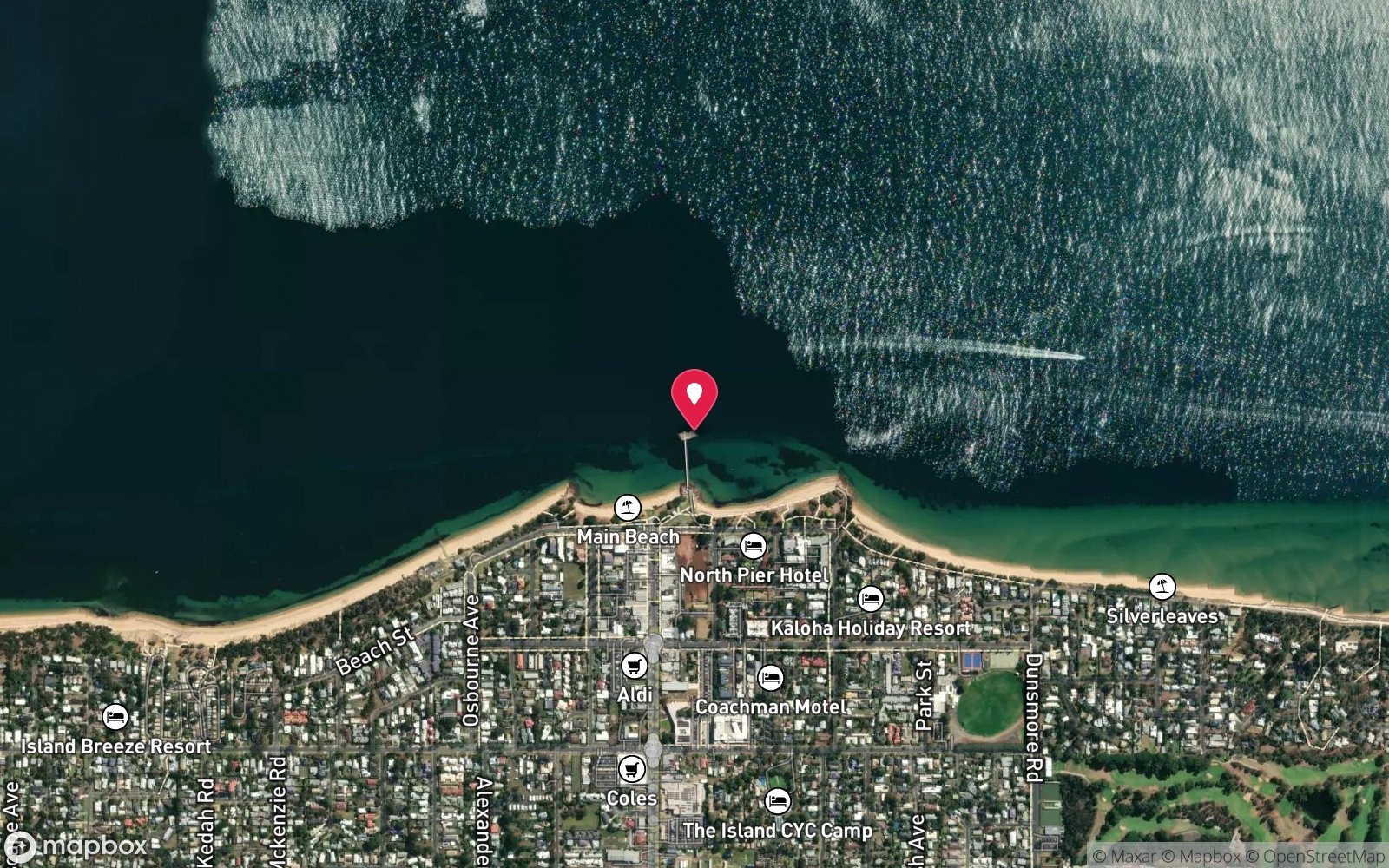
Cowes Jetty: frequently asked questions
How deep is Cowes Jetty?
Cowes Jetty reaches a maximum depth of 15 m, with the shallowest part at about 2 m; most of the dive is spent around 6 m.
What certification do I need to dive Cowes Jetty?
Open Water is the recommended minimum. Rated intermediate because of tidal current that must be timed, boat traffic overhead, cold water.
Can I shore dive Cowes Jetty?
Yes. Cowes Jetty is a shore dive that can be done independently: walk in from the beach on the eastern side of the pier head, or use the ladders near the ferry landing when no ferry is due.
When is the best time to dive Cowes Jetty?
Year-round; late summer to autumn (Feb-May) gives the calmest seas, warmest water and best visibility.
What marine life will I see at Cowes Jetty?
Regularly recorded: Big-belly seahorses, pipefish, decorator and spider crabs, cowfish, globefish, nudibranchs, octopus, squid at night, leatherjackets, wrasse, stingarees, fiddler rays and more.
What wetsuit do I need at Cowes Jetty?
7mm semi-dry with hood and gloves, or drysuit; drysuit preferred May-Nov.
How cold is the water at Cowes Jetty?
Typically 17-20 °C in summer and 11-14 °C in winter.
What are the main hazards at Cowes Jetty?
Ferry and cruise boat traffic at the landing – stay under the pier, fly a flag, avoid ferry times; tidal current along the pier; fishing line and hooks on pylons; low visibility; strong northerlies make it undiveable; swimmers in summer. See the hazards section above for the full list.
Can you night dive Cowes Jetty?
Yes, Cowes Jetty is commonly dived at night.
Diving in Phillip Island & Western Port
Phillip Island's Pinnacles at Cape Woolamai are granite towers with fur seals, bull rays and sponge walls in 20–38 m; Flinders Pier and Crawfish Rock in Western Port have seadragons and tidal sponge gardens; and the north coast of the island around Cowes and Ventnor has easy shore dives and the Kitty wreck.
Getting there: Two hours from Melbourne. Charters from Cowes and Rhyll; Flinders Pier is a walk-in shore dive.
All Phillip Island & Western Port dive sites and a suggested itinerary →
Sources
Data confidence: Medium · Being verified: Confirm ferry timetable/berth restrictions; max depth 15 m per Scuba Doctor probably refers to channel beyond pier head. Last updated September 2026. Know this site better? How to send a correction
Nearby dive sites
More shore dives in Victoria
Explore more
This region
Similar dives
Marine life