Dive slate · divesites.com.au · printed 7 Nov 2026
Pearson Island
Eyre Peninsula, South Australia · near Elliston
| Depth | 5–30 m |
|---|---|
| Minimum level | Deep/Advanced + experience |
| Difficulty | Advanced |
| Access | Boat (multi-day/liveaboard) |
| Entry | Giant stride from a large boat anchored in the east-side cove |
| Current | Moderate |
| Visibility | 15-30 m |
| Water | summer 17-21 °C, winter 13-15 °C |
| Suit | 5-7 mm full wetsuit with hood in summer/autumn; 7 mm semi-dry or drysuit in winter |
| Best season | Settled late-summer and autumn weather windows |
| Bottom time | 35 min |
| Position | -33.95000, 134.26000 (approximate) |
| Permit | Pearson Island Conservation Park (Investigator Group) – landing by authorisation only; marine park zoning |
| Nearest chamber | Royal Adelaide Hospital hyperbaric medicine unit (Adelaide) – evacuation via RFDS Central Operations aeromedical retrieval from the nearest airstrip |
| Emergency | 000 · DAN Asia-Pacific diving emergency 1800 088 200 |
Pearson Island
Also known as Pearson Isles, Investigator Group
Granite blocks dropping beyond 30 m in exceptionally clear water at one of SA's most remote islands, with harlequin fish, wobbegongs and seals.
Near Elliston · Eyre Peninsula, South Australia
- Depth
- 5–30 m
- Minimum level
- Deep/Advanced + experience
- Access
- Boat (multi-day/liveaboard)
- Boat ride
- ~150 min
- Water
- 17-21 °C
- Visibility
- 15-30 m
Pearson Island5–30 m · Deep/Advanced + experience
Dive factsDepths, conditions, location & safety
Season
Off-peak nowBest months: January, February, March, April, May, December.
Dive facts
- Depth
- 5–30 m
- Typical depth
- 18 m
- Certification
- Deep/Advanced + experience
- Difficulty
- Advanced
- Depth tier
- Advanced Open Water (18–30 m)
- Access
- Boat (multi-day/liveaboard)
- Offshore
- 65 km
- Dive centre needed
- Yes – boat access only
- Shore / independent
- No
- Boat ride
- ~150 min
- Current
- Moderate
- Visibility
- 15-30 m
- Water temp (summer)
- 17-21 °C
- Water temp (winter)
- 13-15 °C
- Water
- Temperate
- Bottom time
- 35 min
- Dive traffic
- Remote/expedition only
- Night dive
- No
- Snorkel friendly
- No
Exposure suit
5-7 mm full wetsuit with hood in summer/autumn; 7 mm semi-dry or drysuit in winter
Location
Investigator Group · Eyre Peninsula – West Coast
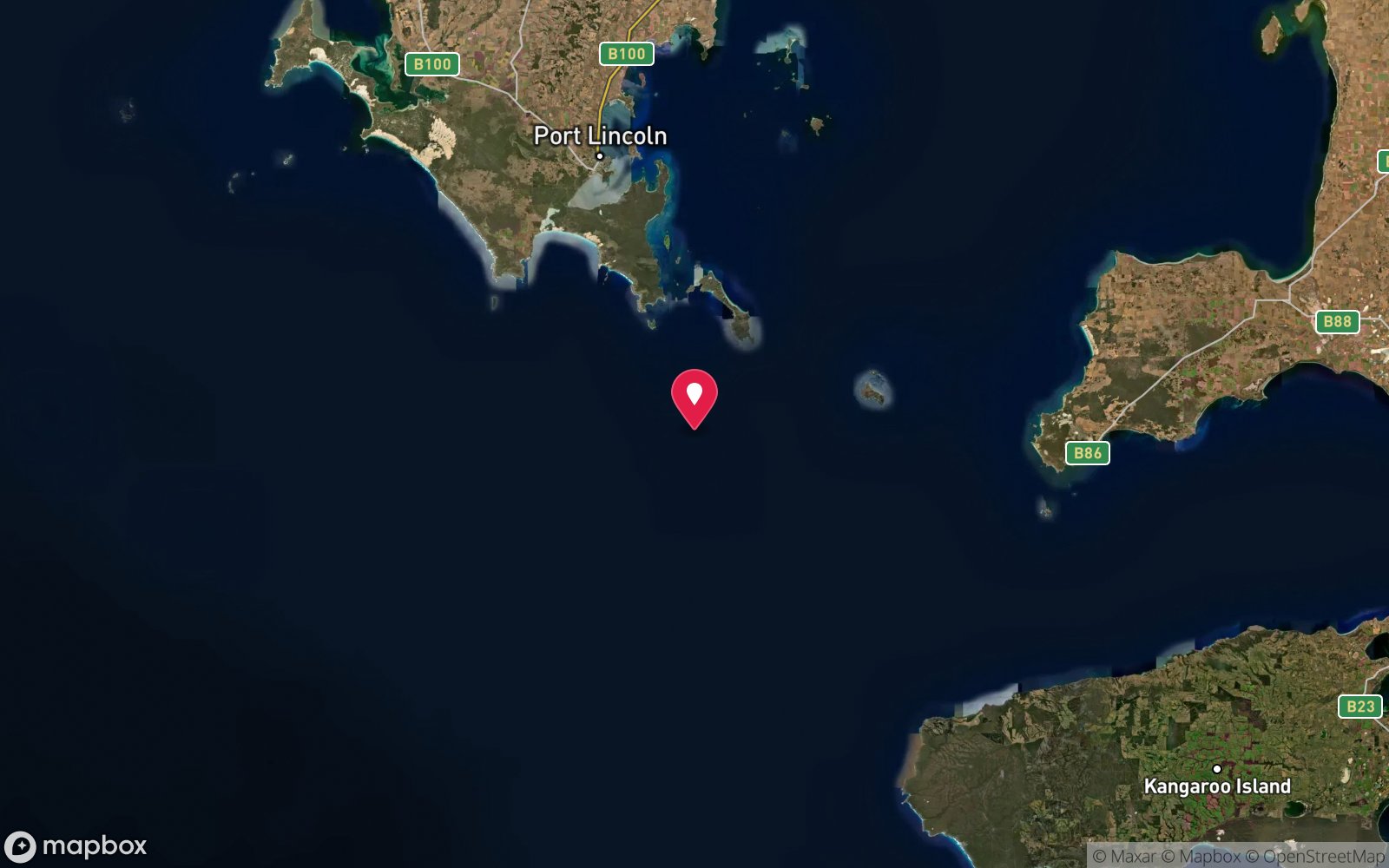
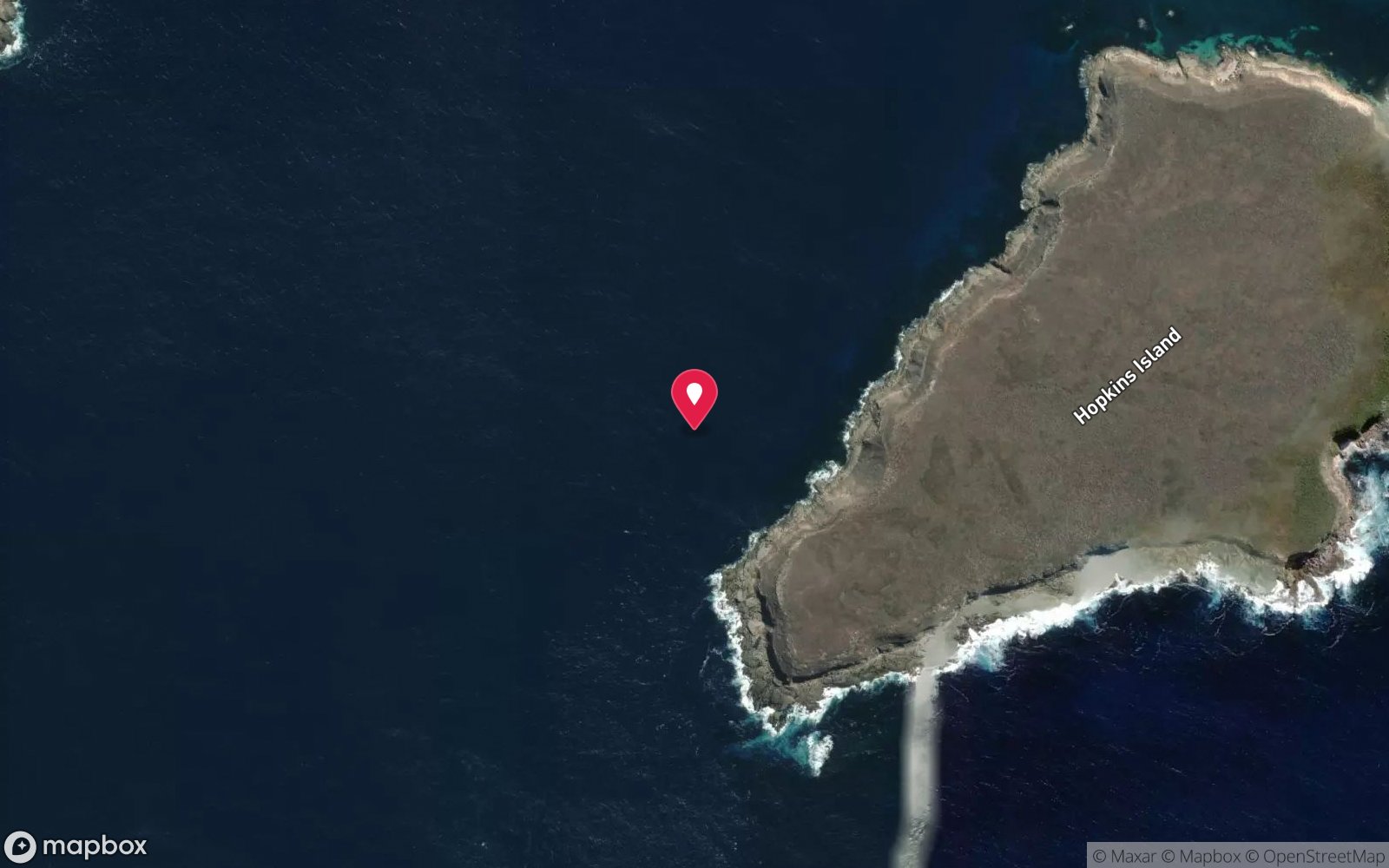
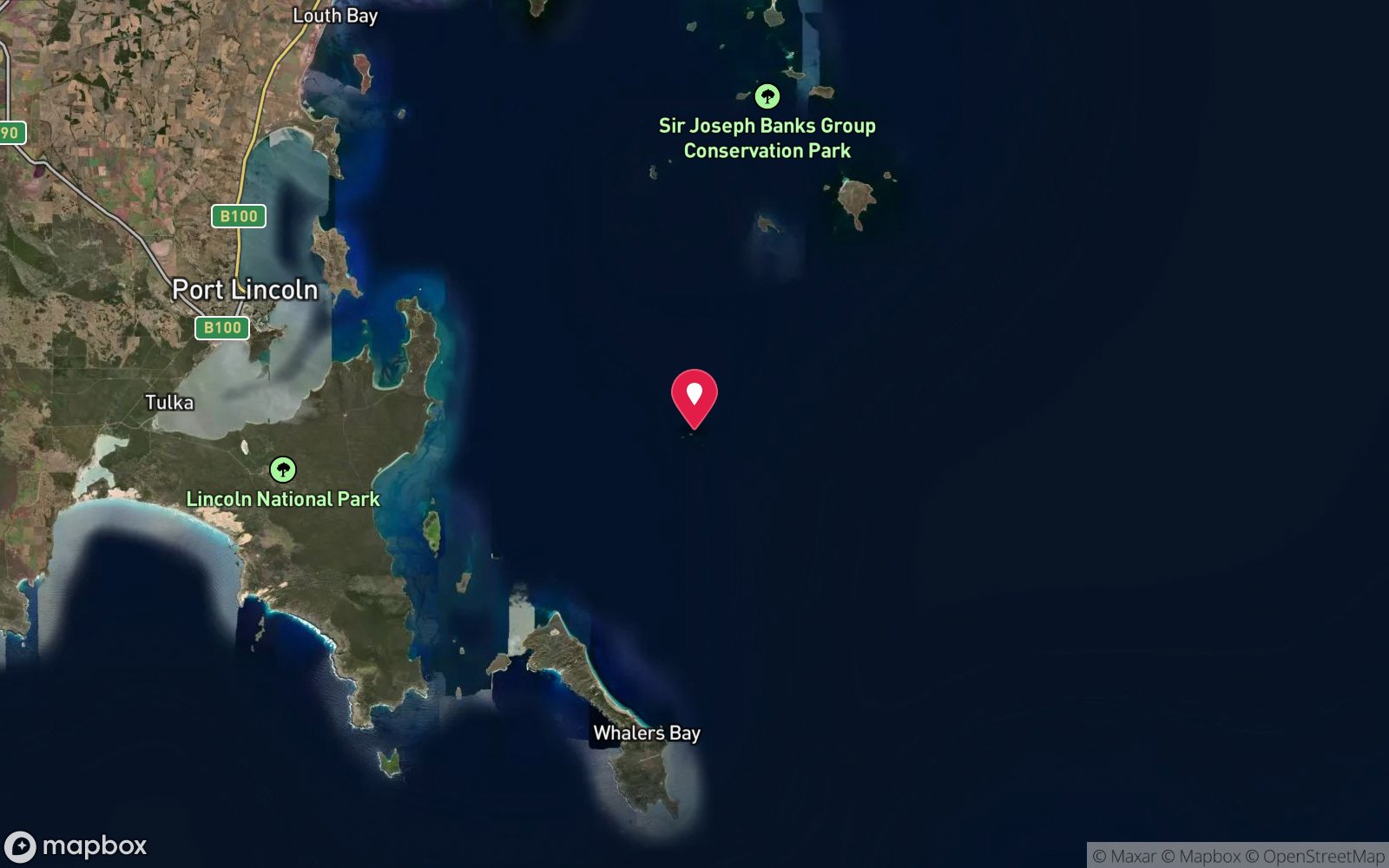
-33.95000, 134.26000
Approximate position — not for navigation.
Open in Google MapsPrimary source: marinelife.org.auMarine park & permits
Pearson Island Conservation Park (Investigator Group) – landing by authorisation only; marine park zoning
Nearest recompression chamber
Royal Adelaide Hospital hyperbaric medicine unit (Adelaide) – evacuation via RFDS Central Operations aeromedical retrieval from the nearest airstrip
Diving emergency: call 000, then DAN AP 1800 088 200.
Trip planner
Build a trip around Pearson Island →
A day-by-day plan for Eyre Peninsula with this site locked in.
This guide is a planning aid. Conditions change daily — confirm with a local dive centre and dive within your training. Data & safety notes.
Dive profile
How this site rates
Scores are computed from the recorded data, not opinions. How?
At a glance
Pearson Island is a island liveaboard-only site in Eyre Peninsula, SA, 5–30 m, suited to Deep/Advanced + experience divers, moderate current, about 150 minutes by boat.
Rated advanced because of depth beyond 18 m, cold water.
Why dive here
- Granite blocks dropping beyond 30 m in exceptionally clear water at one of SA's most remote islands, with harlequin fish, wobbegongs and seals.
- Rarely dived: expect to have the site to yourself, and plan your own logistics.
- Visibility often reaches 15-30 m.
Conditions to avoid
- Strong southerly or south-east swell and wind
- Strong northerlies
About Pearson Island
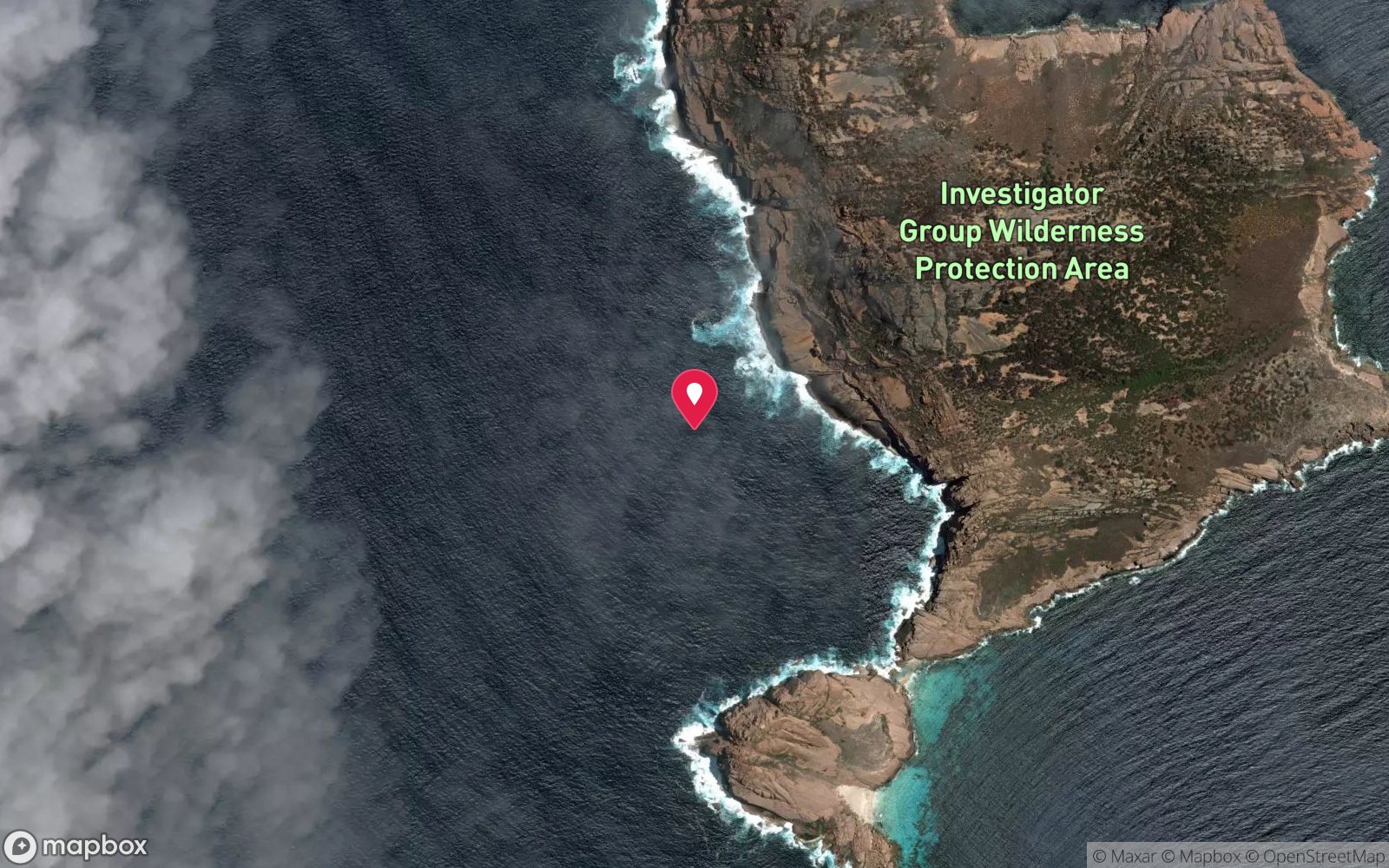
Pearson Island, one of the Investigator Group off the west coast of Eyre Peninsula, is among the most remote dive sites in South Australia. The Marine Life Society describes a 213-hectare island split into northern and southern land masses by a shallow tidal channel, with an automatic light at its centre and a safe anchorage and landing point in a cove on the eastern side. It is noted for clear water.
Underwater, large granite blocks go out to depths of more than 30 m. The boulders shelter gorgonia, soft corals, zebrafish, wrasse, moonlighters, nannygai, wobbegongs and harlequin fish, and seals are regularly seen. About 50 Australian fur seals breed on a sheltered beach and should not be disturbed.
The island is also famous among biologists for its isolated populations of rock-wallabies and other wildlife that have evolved in isolation. Pearson Island is an expedition destination: far offshore, exposed to the Bight, and accessible only with a large, well-equipped boat and a multi-day weather window. It is protected as a conservation park, and landing requires authorisation.
For the few who reach it, the combination of clear oceanic water, towering granite and unfished marine life is exceptional. It suits highly experienced divers with expedition-level planning and safety equipment. Any trip should include oxygen, a satellite communication device and a conservative dive plan, since evacuation would require an aeromedical retrieval from the mainland.
Getting there & entry
213-hectare granite island in the Investigator Group off Elliston, split by a shallow tidal channel, with large granite blocks dropping beyond 30 m, clear water and a small fur seal breeding colony.
Pearson Island lies roughly 65 km west-south-west of Elliston in the Investigator Group. It is reached only by a large, seaworthy boat from Elliston (2-3 hours each way) or as part of a multi-day expedition; a safe anchorage and landing point exists in a cove on the eastern side. The island is a conservation park and landing requires authorisation.
Entry: Giant stride from a large boat anchored in the east-side cove
Facilities: None.
Weather, swell & tides
The west coast of Eyre Peninsula faces the Great Australian Bight and receives almost constant south-westerly Southern Ocean swell; open-coast sites need swell under about 1.5 m and are only diveable a handful of days a month, usually after several days of northerly or easterly winds, which blow offshore. The large sheltered bays (Coffin Bay, Waterloo Bay, Venus Bay, Baird Bay, Streaky Bay, Denial Bay) are protected from swell and can be dived in most conditions except strong onshore winds. Summer brings strong afternoon south-easterly sea breezes; winter brings cold fronts with big swell but also calm, clear spells.
Water is cool: about 14-15°C in winter and 17-21°C in summer. Pearson Island is far offshore in the Bight and needs a multi-day window of calm weather.
Best season: Settled late-summer and autumn weather windows
How the dive is usually run
From the east-side anchorage, descend along the granite blocks to 15-25 m, weaving among boulders for gorgonia, wobbegongs and harlequin fish, then ascend along the rock with seals.
Marine life
- Gorgonia
- soft corals
- zebrafish
- wrasse
- moonlighters
- nannygai
- wobbegong sharks →
- harlequin fish
- western blue groper →
- fur seals →
- sea lions →
Linked species have their own page listing every site where they are recorded. All marine life →
Training required
Beyond 18 m an Advanced certification (which includes a deep dive to 30 m) is the accepted minimum. Anything past 25 m is a deep dive in practice.
At more than 25 m this counts as a deep dive: watch no-decompression limits and gas.
Courses that help here
- Enriched Air Nitrox – Longer no-decompression time at 25 m and deeper.
- Drysuit Diver – Cold water; locals dive dry for much of the year.
Depth tiers: 0–10 m easy · to 18 m Open Water · 18–30 m Advanced (25 m+ is a deep dive) · 30–40 m Deep specialty · 40 m+ technical. All courses
Hazards & warnings
Extremely remote – long open-ocean passage; depth beyond 30 m; white sharks in the Bight; landing prohibited without authorisation; seal breeding beach must not be disturbed.
Technical notes
Depths beyond 30 m available – conservative planning essential given many hours to any chamber.
Dive centres that go here
No operator; scientific expeditions and rare private expeditions only.
Other dive centres in Eyre Peninsula
Calypso Star Charters
ListedPort Lincoln · Eyre Peninsula · SA
A Port Lincoln operation running great white shark cage experiences and sea lion swims. Classified as wildlife tourism rather than a scuba dive centre.
sharkcagediving.com.au · 1300 788 378
The Dive Shop Port Lincoln
ListedPort Lincoln · Eyre Peninsula · SA
A Port Lincoln business providing equipment, fills and dive services — a conventional dive business distinct from the region's cage tourism operators.
thediveshopportlincoln.com.au · (08) 8682 1656
Coffin Bay Scuba Co
Named by sitesCoffin Bay · Eyre Peninsula · SA
Website blocked fetch; phone from Tripadvisor listing (latest review 2023).
coffinbayscuba.com · 0401 811 020
Baird Bay Ocean Eco Experience
Named by sitesBaird Bay · Eyre Peninsula · SA
Sea lion and dolphin swim tours (snorkel), not a scuba operator.
bairdbay.com · (08) 8351 1489
Rodney Fox Shark Expeditions
Named by sitesMile End · Eyre Peninsula · SA
Office in Adelaide; expeditions depart Port Lincoln.
rodneyfox.com.au · (08) 8363 1788
Tumby Bay charters
Named by sitesTumby Bay · Eyre Peninsula · SA
No dive charter operator found in Tumby Bay; only fishing charters located.
All dive centres in South Australia →
Operators mentioned: None
Map
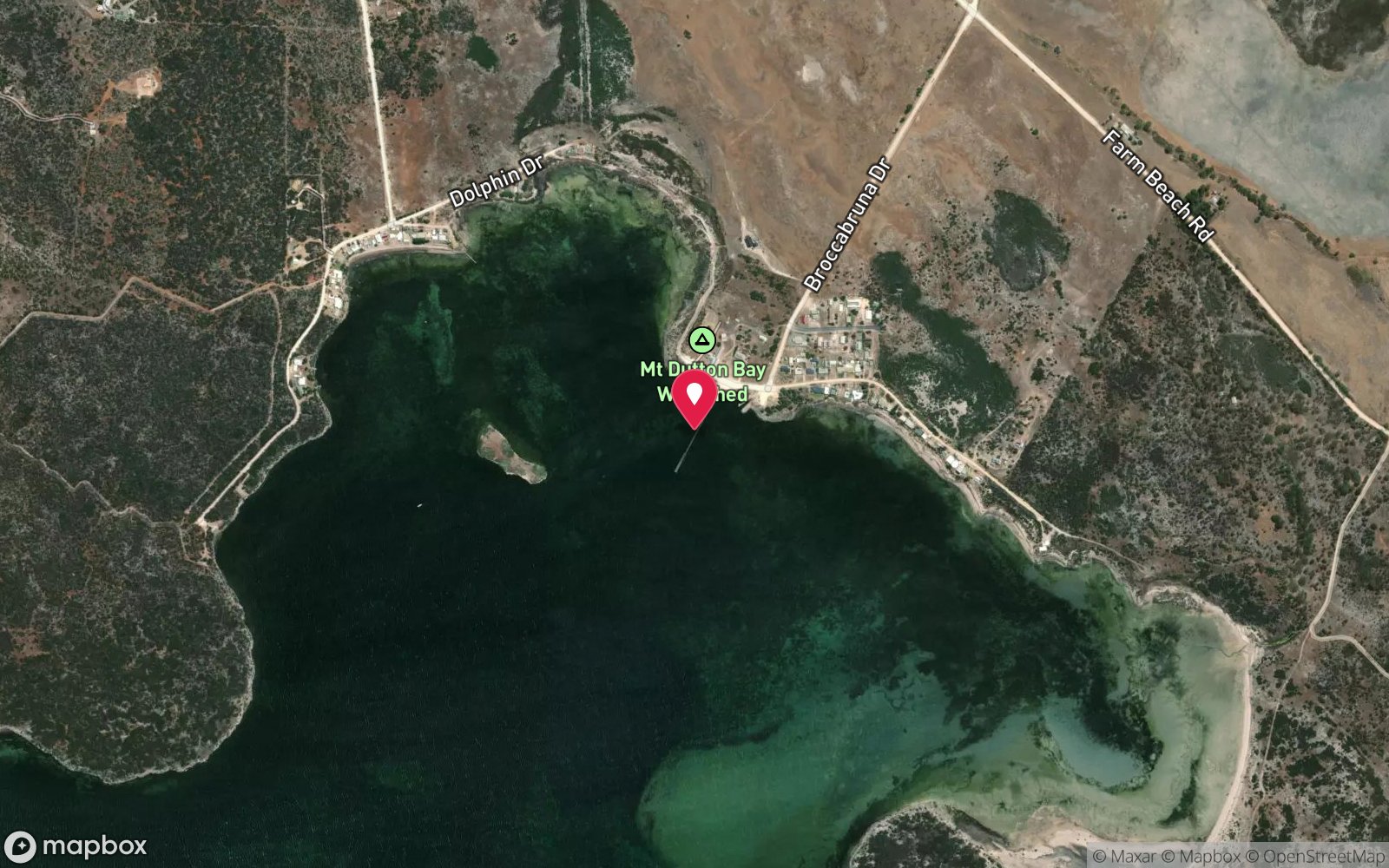
7 pinned sites. Pins marked approximate on their pages show the general area only; not for navigation.
Satellite views
Pearson Island: frequently asked questions
How deep is Pearson Island?
Pearson Island reaches a maximum depth of 30 m, with the shallowest part at about 5 m; most of the dive is spent around 18 m.
What certification do I need to dive Pearson Island?
Deep/Advanced + experience is the recommended minimum. At more than 25 m this counts as a deep dive: watch no-decompression limits and gas. Rated advanced because of depth beyond 18 m, cold water.
Can I shore dive Pearson Island?
No, it is reached by boat (about 150 minutes). A dive centre is required: boat access only.
When is the best time to dive Pearson Island?
Settled late-summer and autumn weather windows.
What marine life will I see at Pearson Island?
Regularly recorded: Gorgonia, soft corals, zebrafish, wrasse, moonlighters, nannygai, wobbegong sharks, harlequin fish, western blue groper, fur seals, sea lions.
What wetsuit do I need at Pearson Island?
5-7 mm full wetsuit with hood in summer/autumn; 7 mm semi-dry or drysuit in winter.
How cold is the water at Pearson Island?
Typically 17-21 °C in summer and 13-15 °C in winter.
What are the main hazards at Pearson Island?
Extremely remote – long open-ocean passage; depth beyond 30 m; white sharks in the Bight; landing prohibited without authorisation; seal breeding beach must not be disturbed. See the hazards section above for the full list.
Where is the nearest recompression chamber to Pearson Island?
Royal Adelaide Hospital hyperbaric medicine unit (Adelaide) – evacuation via RFDS Central Operations aeromedical retrieval from the nearest airstrip. In an emergency call 000, then DAN Asia-Pacific on 1800 088 200.
Diving in Eyre Peninsula
Port Lincoln is the base for Australia's only great white shark cage diving at the Neptune Islands, and for sea lion swims at Hopkins Island and Baird Bay. Around the peninsula's coast are the Port Lincoln jetties, Tumby Bay, the wreck of the Fides and a great deal of clear, cold, unvisited reef.
Getting there: Fly to Port Lincoln or drive seven hours from Adelaide. Shark and sea lion operators run from Port Lincoln and Baird Bay; jetties are shore dives.
Sources
Data confidence: Low · Being verified: Coordinates approximate; MLSSA's 'Australian fur seals' may refer to NZ fur seals or sea lions.. Last updated September 2026. Know this site better? How to send a correction
Nearby dive sites
More island dives in South Australia
Explore more
This region
Marine life