Dive slate · divesites.com.au · printed 8 Nov 2026
Lemon Rock (Wineglass Bay)
Tasmania East Coast, Tasmania · near Coles Bay
| Depth | 8–40 m |
|---|---|
| Minimum level | Deep/Advanced + experience |
| Difficulty | Advanced |
| Access | Boat (day trip) |
| Entry | Back roll or giant stride from a small boat (live-boat drop and pick-up is the local norm) |
| Current | Mild |
| Visibility | 15-25 m |
| Water | summer 15-18 °C, winter 11-13 °C |
| Suit | 7 mm wetsuit with hood, gloves and boots (or semi-dry); drysuit common, especially May-October |
| Best season | Late summer-autumn (February-May) or settled winter westerlies |
| Bottom time | 25 min |
| Position | -42.18300, 148.33000 (approximate) |
| Permit | Freycinet National Park: a Parks Pass is required for vehicles entering the park (Sleepy Bay, Cape Tourville, Honeymoon Bay, Wineglass Bay track). No marine protected area covers the inshore waters; normal Tasmanian fishing rules apply. No permit required to dive. |
| Nearest chamber | Royal Hobart Hospital Hyperbaric Medicine Unit (Hobart) - the only chamber in Tasmania; Launceston has none. DAN emergency hotline 1800 088 200 |
| Emergency | 000 · DAN Asia-Pacific diving emergency 1800 088 200 |
Lemon Rock (Wineglass Bay)
Also known as Lemon Rock
A remote granite islet at the mouth of Wineglass Bay with a sheer drop to 40 m and clouds of butterfly perch.
Near Coles Bay · Tasmania East Coast, Tasmania
- Depth
- 8–40 m
- Minimum level
- Deep/Advanced + experience
- Access
- Boat (day trip)
- Boat ride
- ~60 min
- Water
- 15-18 °C
- Visibility
- 15-25 m
Lemon Rock (Wineglass Bay)8–40 m · Deep/Advanced + experience
Dive factsDepths, conditions, location & safety
Season
Off-peak nowBest months: January, February, March, April, May, June, July, August, December.
Late summer-autumn (February-May) or settled winter westerlies
- Best months
- Now (November)
Dive facts
- Depth
- 8–40 m
- Typical depth
- 25 m
- Certification
- Deep/Advanced + experience
- Difficulty
- Advanced
- Depth tier
- Deep / Advanced + experience (30–40 m)
- Access
- Boat (day trip)
- Offshore
- 1 km
- Dive centre needed
- Yes – boat access only
- Shore / independent
- No
- Boat ride
- ~60 min
- Current
- Mild
- Visibility
- 15-25 m
- Water temp (summer)
- 15-18 °C
- Water temp (winter)
- 11-13 °C
- Water
- Cold Temperate
- Bottom time
- 25 min
- Dive traffic
- Remote/expedition only
- Night dive
- No
- Snorkel friendly
- No
Exposure suit
7 mm wetsuit with hood, gloves and boots (or semi-dry); drysuit common, especially May-October
Location
Freycinet Peninsula - Wineglass Bay
-42.18300, 148.33000
Approximate position — not for navigation.
Open in Google MapsPrimary source: marinelife.org.auMarine park & permits
Freycinet National Park: a Parks Pass is required for vehicles entering the park (Sleepy Bay, Cape Tourville, Honeymoon Bay, Wineglass Bay track). No marine protected area covers the inshore waters; normal Tasmanian fishing rules apply. No permit required to dive.
Nearest recompression chamber
Royal Hobart Hospital Hyperbaric Medicine Unit (Hobart) - the only chamber in Tasmania; Launceston has none. DAN emergency hotline 1800 088 200
Diving emergency: call 000, then DAN AP 1800 088 200.
Trip planner
Build a trip around Lemon Rock (Wineglass Bay) →
A day-by-day plan for Tasmania East Coast with this site locked in.
This guide is a planning aid. Conditions change daily — confirm with a local dive centre and dive within your training. Data & safety notes.
Dive profile
How this site rates
Scores are computed from the recorded data, not opinions. How?
At a glance
Lemon Rock (Wineglass Bay) is a island boat dive in Tasmania East Coast, TAS, 8–40 m, suited to Deep/Advanced + experience divers, about 60 minutes by boat.
Rated advanced because of depth to 40 m, cold water.
Why dive here
- A remote granite islet at the mouth of Wineglass Bay with a sheer drop to 40 m and clouds of butterfly perch.
- Rarely dived: expect to have the site to yourself, and plan your own logistics.
- Visibility often reaches 15-25 m.
Conditions to avoid
- Strong southerly or south-east swell and wind
- Afternoon north-easterlies
- Outgoing tide or run-off after rain (poor visibility)
About Lemon Rock (Wineglass Bay)
Lemon Rock is a granite islet at the mouth of Wineglass Bay and one of the more remote dives on the east coast. The Marine Life Network guide rates it 6 out of 10 and describes a weedy shelf that drops rapidly into 30-40 m, with bull kelp and cray weed in the shallows and clouds of butterfly perch on the deeper face.
The guide notes that the rock supports delicate marine life, including sea daisies and other invertebrates, and that crayfish are present. A slight current runs past the rock, which helps the filter feeders, and schools of fish and marine mammals - seals and dolphins - are possible. The granite here is the same as the rest of the Freycinet coast, so expect boulders, vertical faces and cracks rather than ledges.
Lemon Rock is best thought of as an expedition dive. It is well away from any ramp, there is no dive operator on the peninsula, and the rock is exposed to the open Tasman Sea. The reward is a genuinely rarely dived site with clear oceanic water and a steep wall. It pairs with a shallow second dive or snorkel in Wineglass Bay itself.
It suits experienced, self-sufficient divers with a capable boat and skipper, deep training and an understanding that help is a long way off: the nearest chamber is in Hobart, several hours away. Documentation is limited to one regional guide, so divers should expect to explore.
Some context helps set expectations for all Freycinet diving. The peninsula's pink granite continues under water as rounded boulders, cracks and steep faces, and the area sits where the warm East Australian Current meets cooler southern water, so species lists mix typical Tasmanian fish with more northern visitors. Over recent decades warming water and grazing by the long-spined sea urchin, which has spread south from New South Wales, have thinned kelp beds along the east coast, and descriptions written in the 1990s may not match what you find today.
Getting there & entry
A granite islet at the mouth of Wineglass Bay whose weedy shelf drops rapidly to 30-40 m.
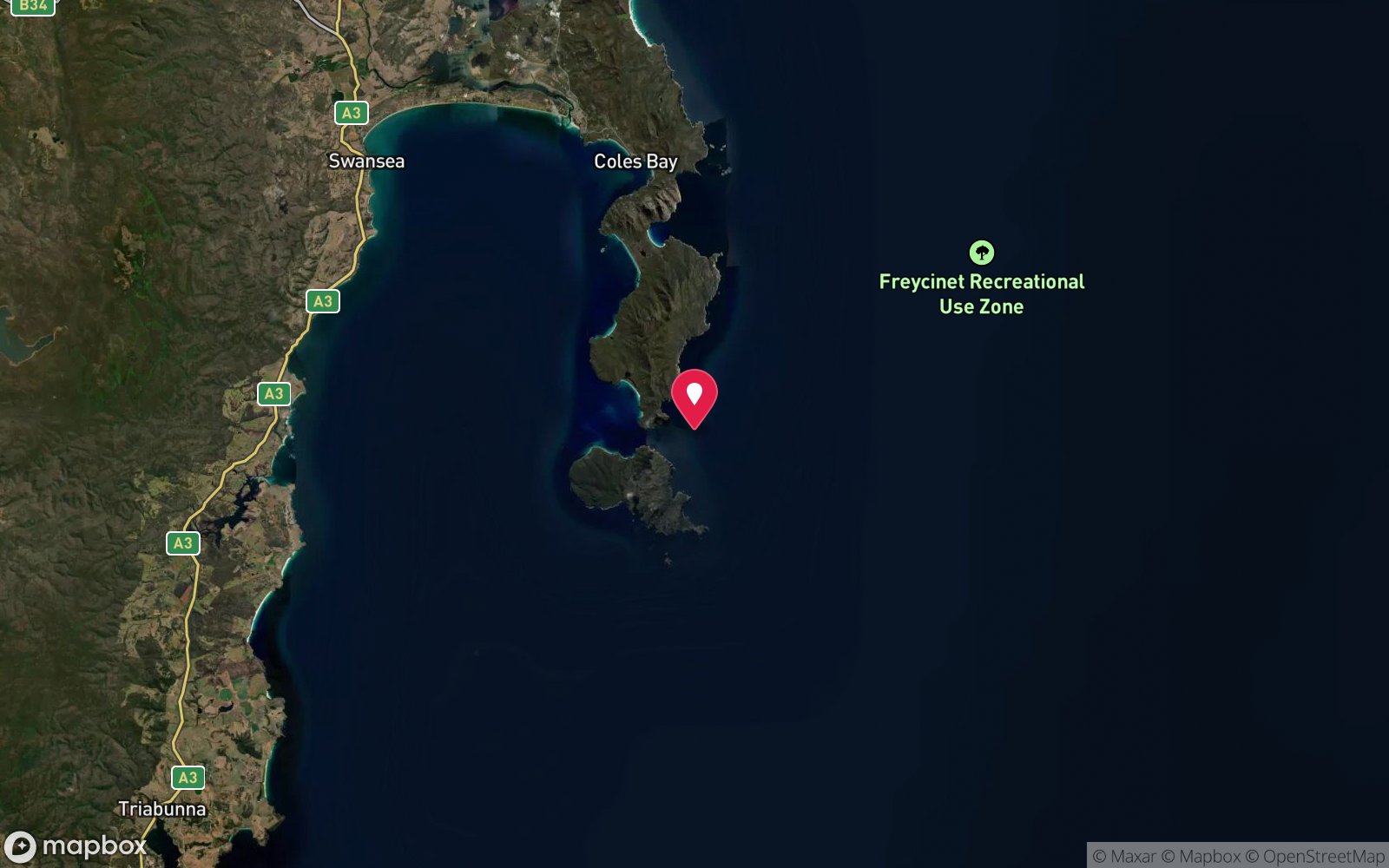
Coles Bay is 30 minutes south of the Tasman Highway via the C302 (turn off 12 km south of Bicheno), about 2 hr 45 min from Hobart and 2 hr 30 min from Launceston. The main public boat ramp is at Coles Bay township; boats reaching the ocean side of the peninsula or Schouten Island need a seaworthy vessel, as the run around Cape Degerando or through Schouten Passage is exposed. Lemon Rock is at the entrance to Wineglass Bay on the ocean side of the peninsula.
From Coles Bay the run is around Cape Degerando and down the ocean coast, or from Bicheno south past Cape Tourville - allow about an hour each way in a fast boat, and only attempt it in a settled forecast.
Entry: Back roll or giant stride from a small boat (live-boat drop and pick-up is the local norm)
Weather, swell & tides
Lemon Rock is fully exposed to easterly and south-easterly swell and to the NE sea breeze; it can only be dived in westerly or light winds with swell under about 1.5 m. The long boat run means the whole trip depends on a stable forecast. Winter westerlies often give the best combination of flat seas and clear water.
Rain washes tannin-stained runoff into Great Oyster Bay, and summer afternoons commonly bring a fresh north-easterly sea breeze, so plan dives for the morning.
Best season: Late summer-autumn (February-May) or settled winter westerlies
If it's blown out
Sheltered or shore sites within 25 km that often work when Lemon Rock (Wineglass Bay) doesn't.
- Wineglass Bay Whaling Station · 3 km · Max 4 m
- Sleepy Bay (Freycinet) · 3 km · Max 12 m
- Weatherhead Point (Freycinet) · 4 km · Max 12 m
- Picnic Island (Coles Bay) · 8 km · Max 6 m
How the dive is usually run
Descend on the lee side of the rock onto the weedy shelf, then drop down the face to your planned depth (25-30 m is enough). Swim along the face, returning up the wall to the shelf for a long safety stop in the kelp. Watch for the slight current.
Marine life
- Bull kelp
- cray weed
- butterfly perch
- sea daisies
- sponges
- crayfish
- wrasse
- banded morwong; seals and dolphins possible →
Linked species have their own page listing every site where they are recorded. All marine life →
Training required
The recreational limit. Operators expect a Deep Diver specialty or Advanced plus a log of similar dives, and most recommend nitrox.
This is a deep dive: plan gas, bottom time and a safety stop accordingly, and consider nitrox.
Courses that help here
- Enriched Air Nitrox – Longer no-decompression time at 25 m and deeper.
- Deep Diver – The site reaches 40 m.
- Drysuit Diver – Cold water; locals dive dry for much of the year.
Depth tiers: 0–10 m easy · to 18 m Open Water · 18–30 m Advanced (25 m+ is a deep dive) · 30–40 m Deep specialty · 40 m+ technical. All courses
Hazards & warnings
Remote - long boat run from Coles Bay/Bicheno; exposed to easterly swell; depth to 40 m; slight current; nearest chamber several hours away in Hobart.
Dive centres that go here
No dedicated dive operator at Coles Bay or Freycinet. Sites are dived from private boats and occasional club expeditions (Tas Uni Dive Club, TSDC, Launceston clubs); the Marine Life Network guide notes that Coles Bay is the usual starting point for Schouten Island charters. Cruise and kayak operators in Coles Bay do not offer scuba.
Operators recorded for Lemon Rock (Wineglass Bay)
Eaglehawk Dive Centre
ProfiledEaglehawk Neck · Tasman Peninsula · TAS
The principal operation at Eaglehawk Neck, servicing the Tasman Peninsula's sea caves, walls and deeper wrecks.
eaglehawkdive.com.au · 0417 013 518
Go Dive Tasmania
ListedHobart · Hobart & Derwent · TAS
A Tasmanian business providing training, equipment and service support for cold-water diving.
godivetas.com.au · (03) 6231 9749
Other dive centres in Tasmania East Coast
Tasmanian Divers North
ListedLaunceston · Tasmania North & North-West · TAS
A northern Tasmanian operation serving the Bass Strait coastline and local diving community.
tasdivers.com.au · (03) 6229 1020
Bicheno Dive Centre
ListedBicheno · Tasmania East Coast · TAS
A Bicheno operation servicing the Governor Island Marine Reserve and east coast diving.
bichenodive.com.au · (03) 6375 1138
Tas Uni Dive Club
Named by sitesMount Nelson · Tasmania East Coast · TAS
University dive club, not a shop; gear hire Thursdays 6-6:30pm.
tudc.org.au
Tasmanian Scuba Diving Club
Named by sitesHobart · Tasmania East Coast · TAS
Club, not a shop; postal address only.
tsdc.org.au
Map
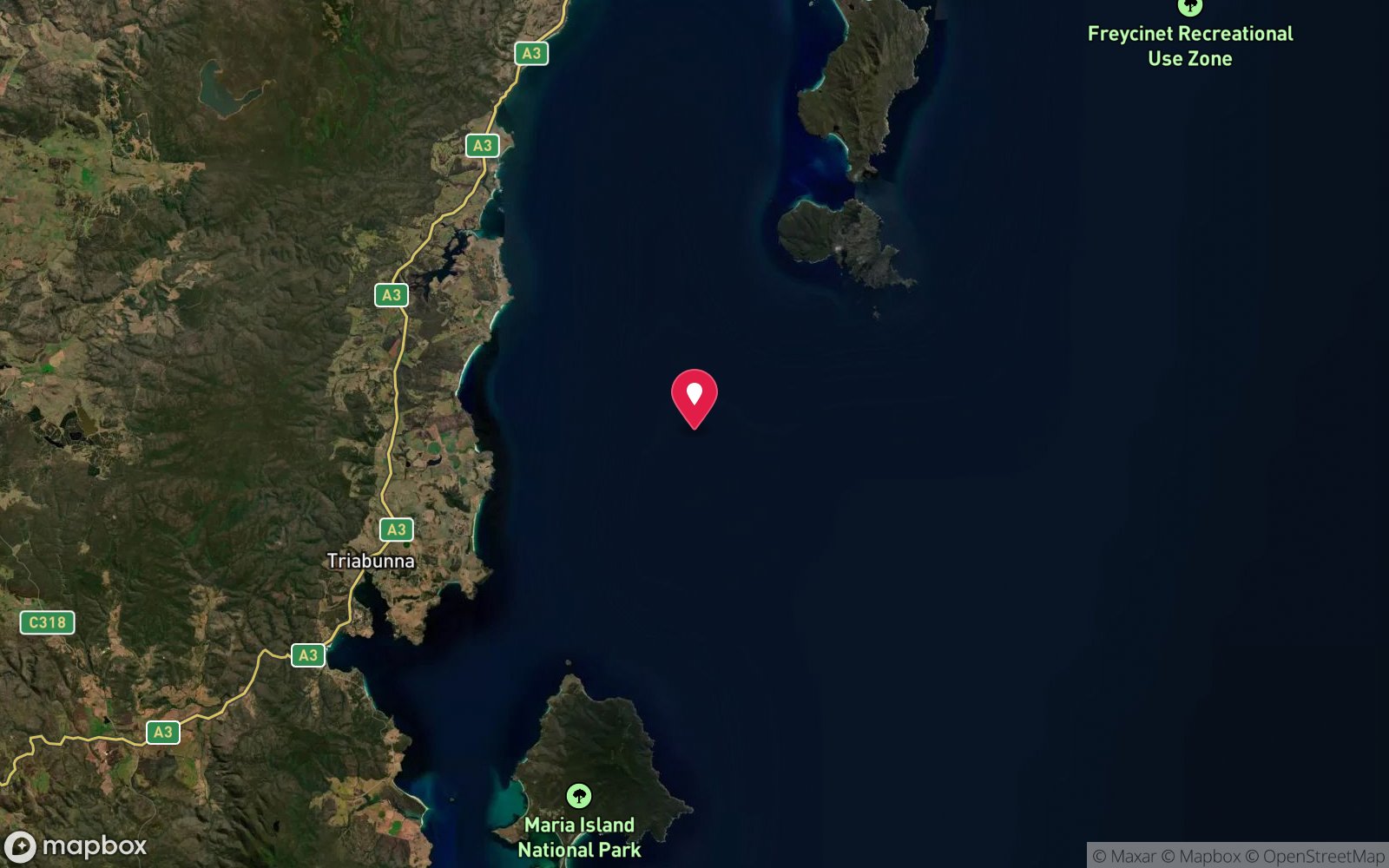
7 pinned sites. Pins marked approximate on their pages show the general area only; not for navigation.
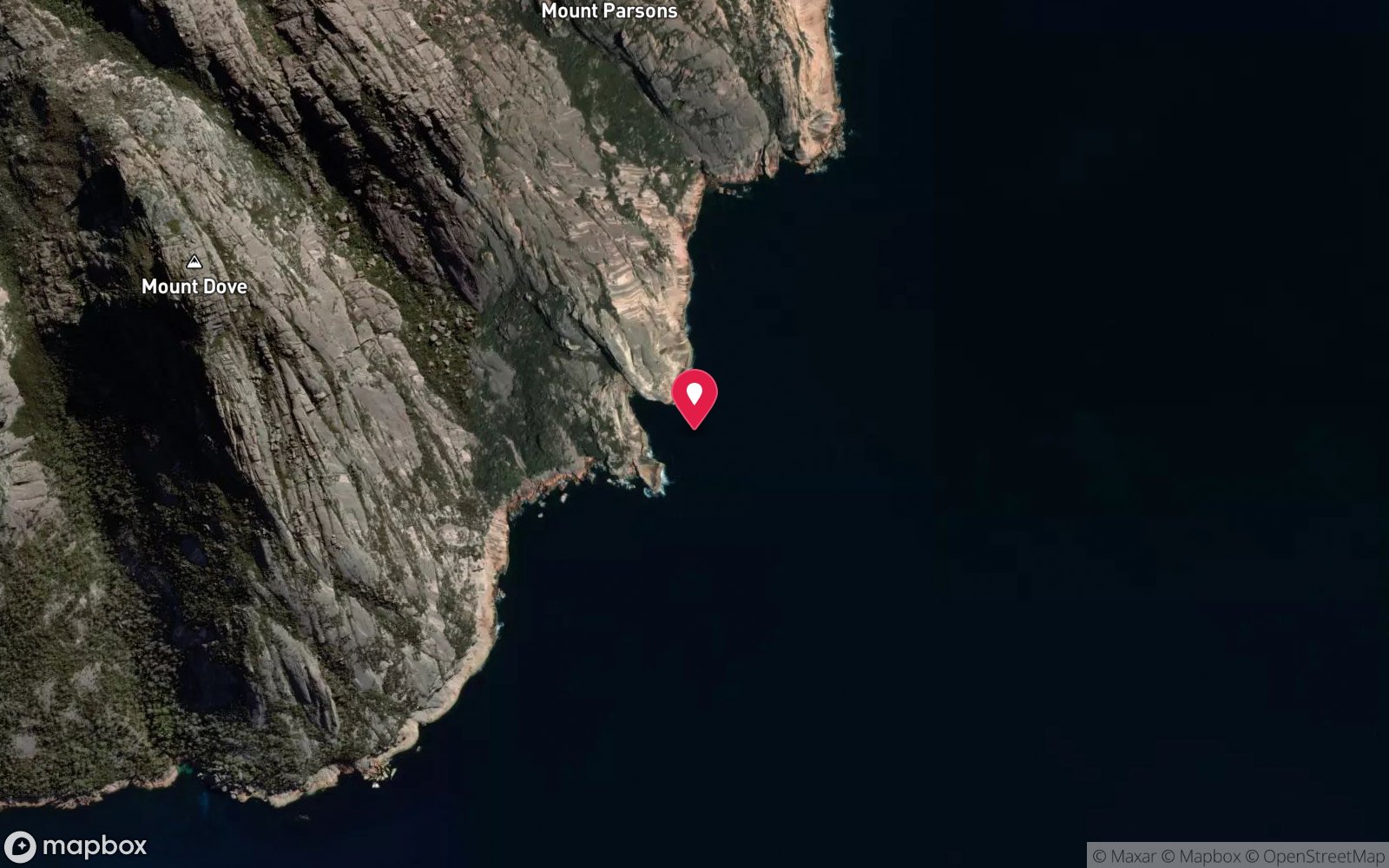
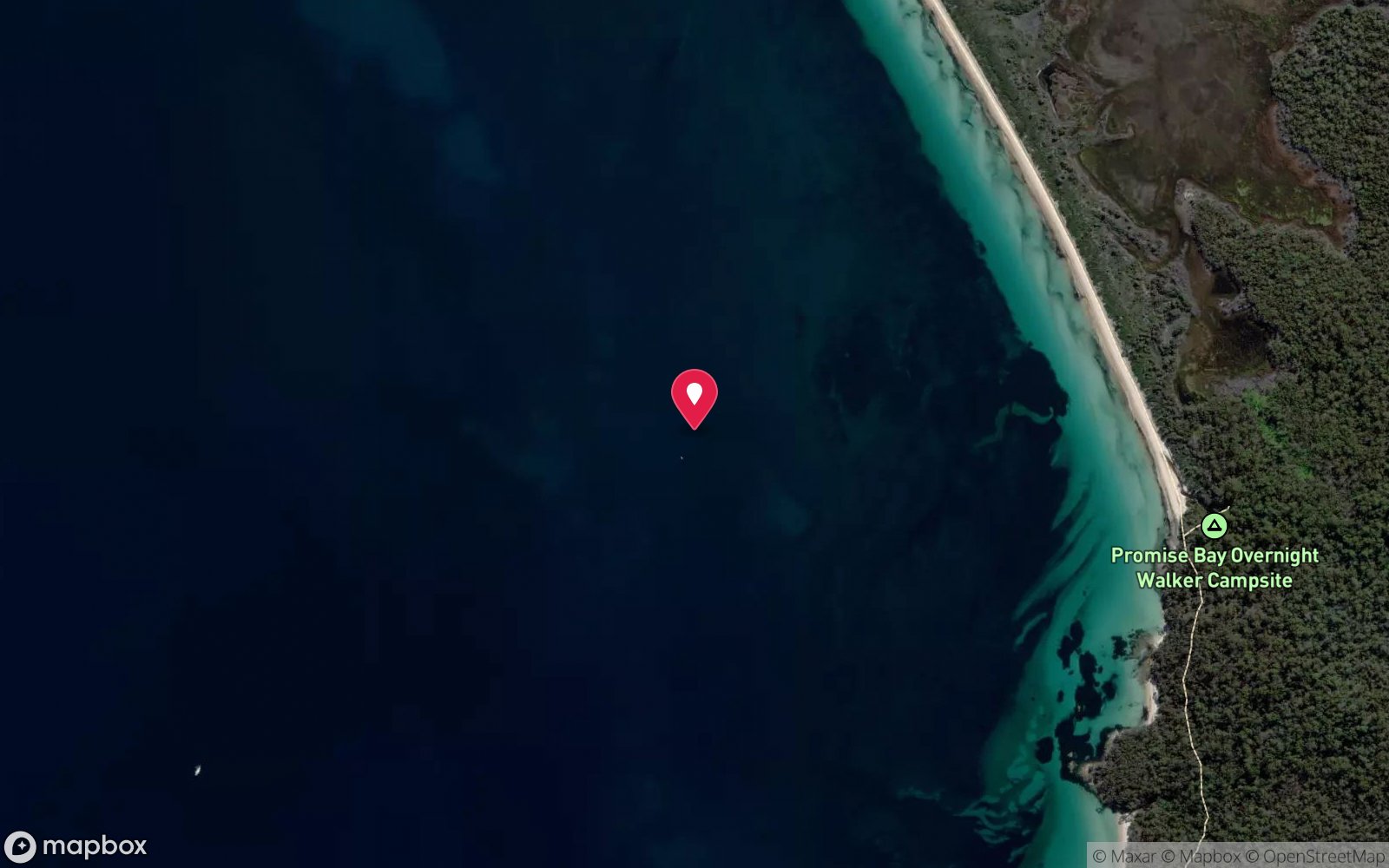
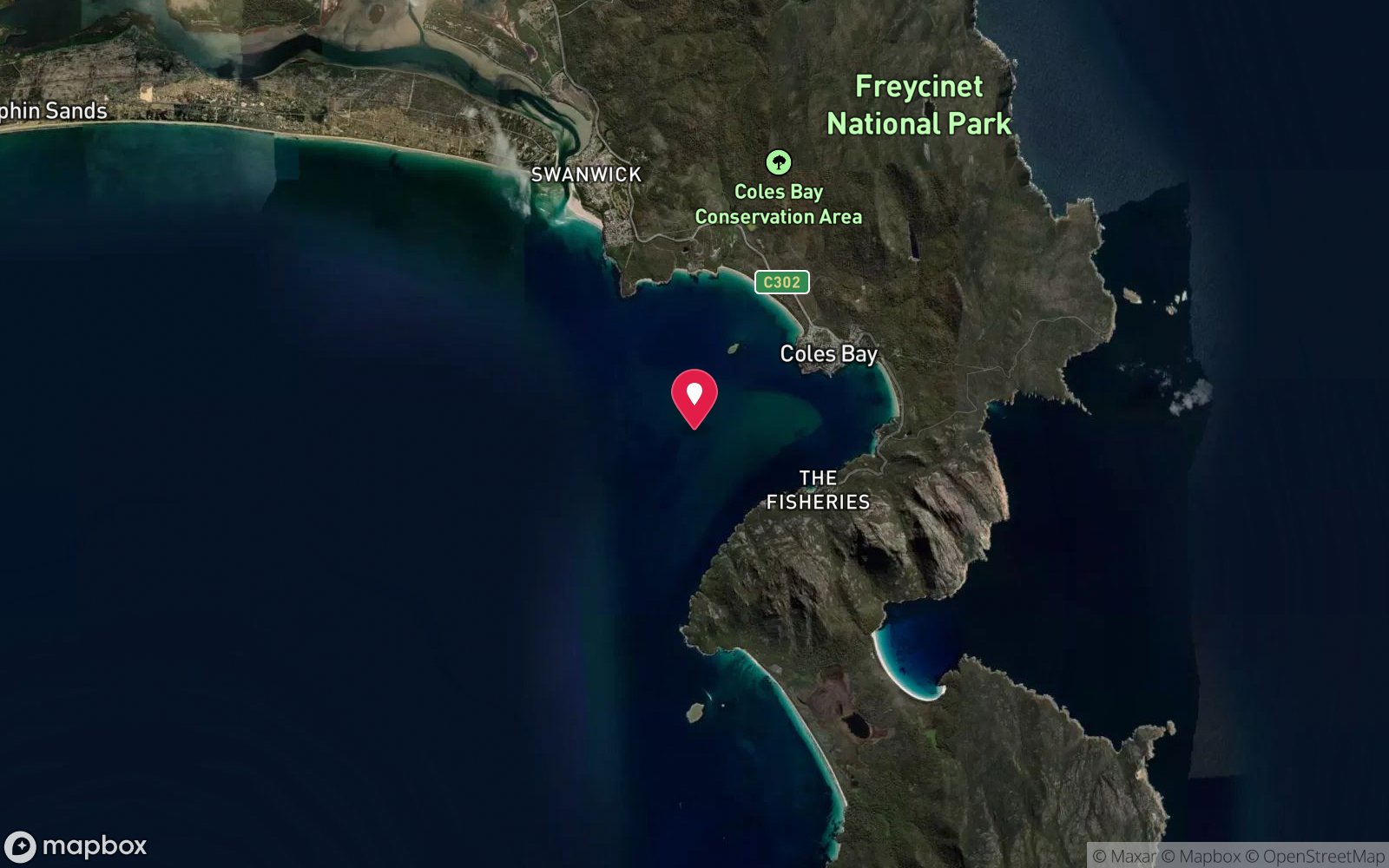
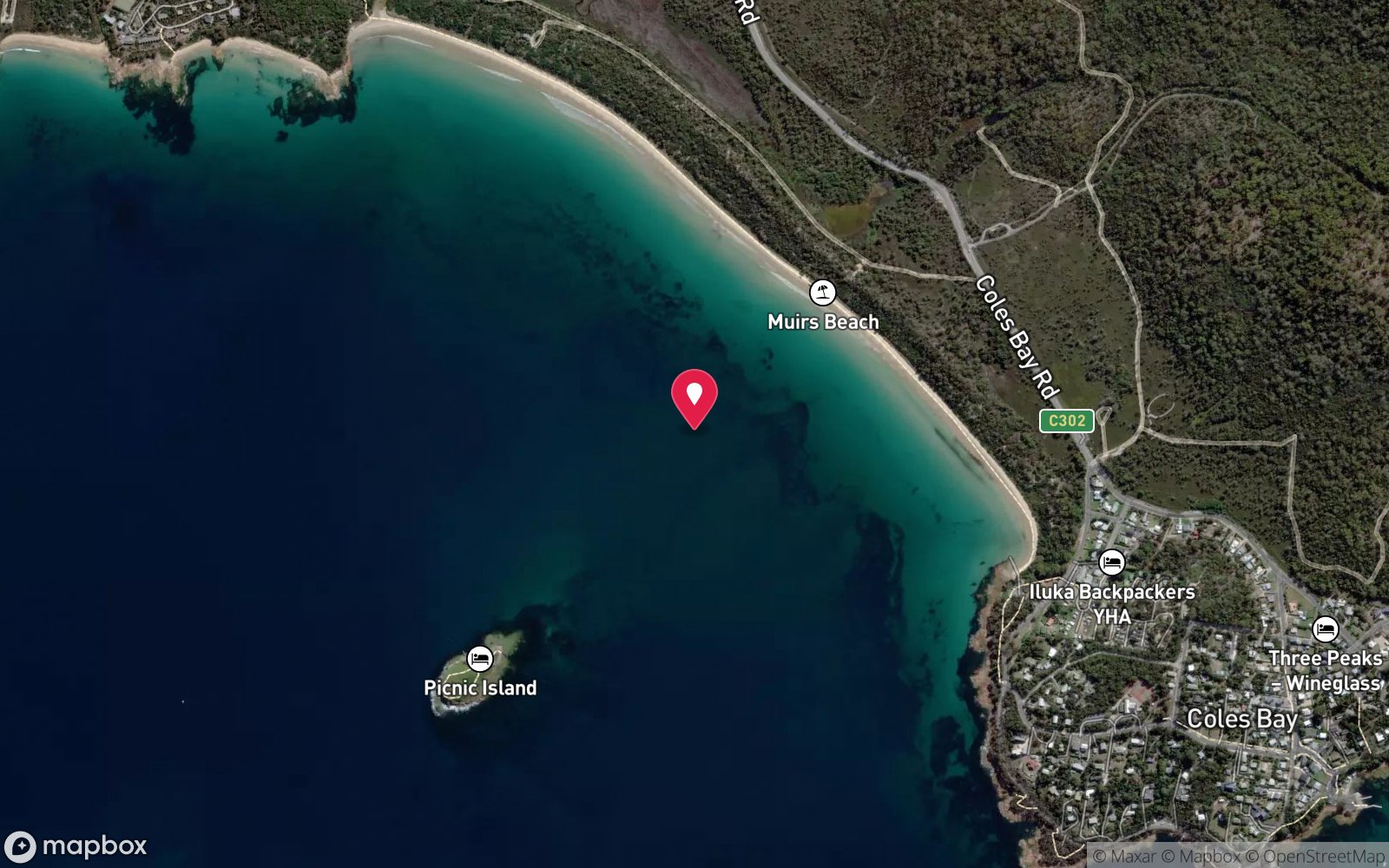
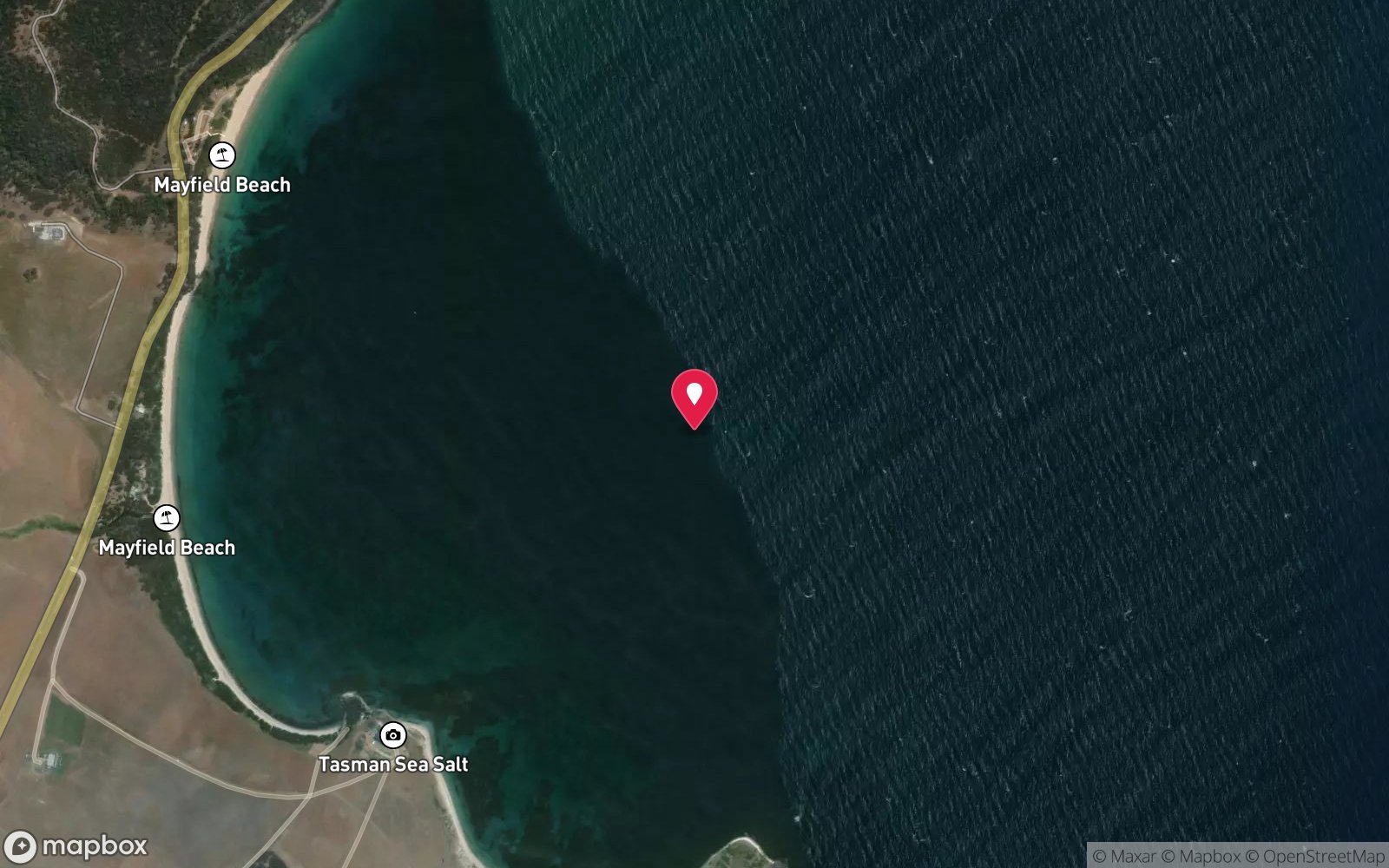
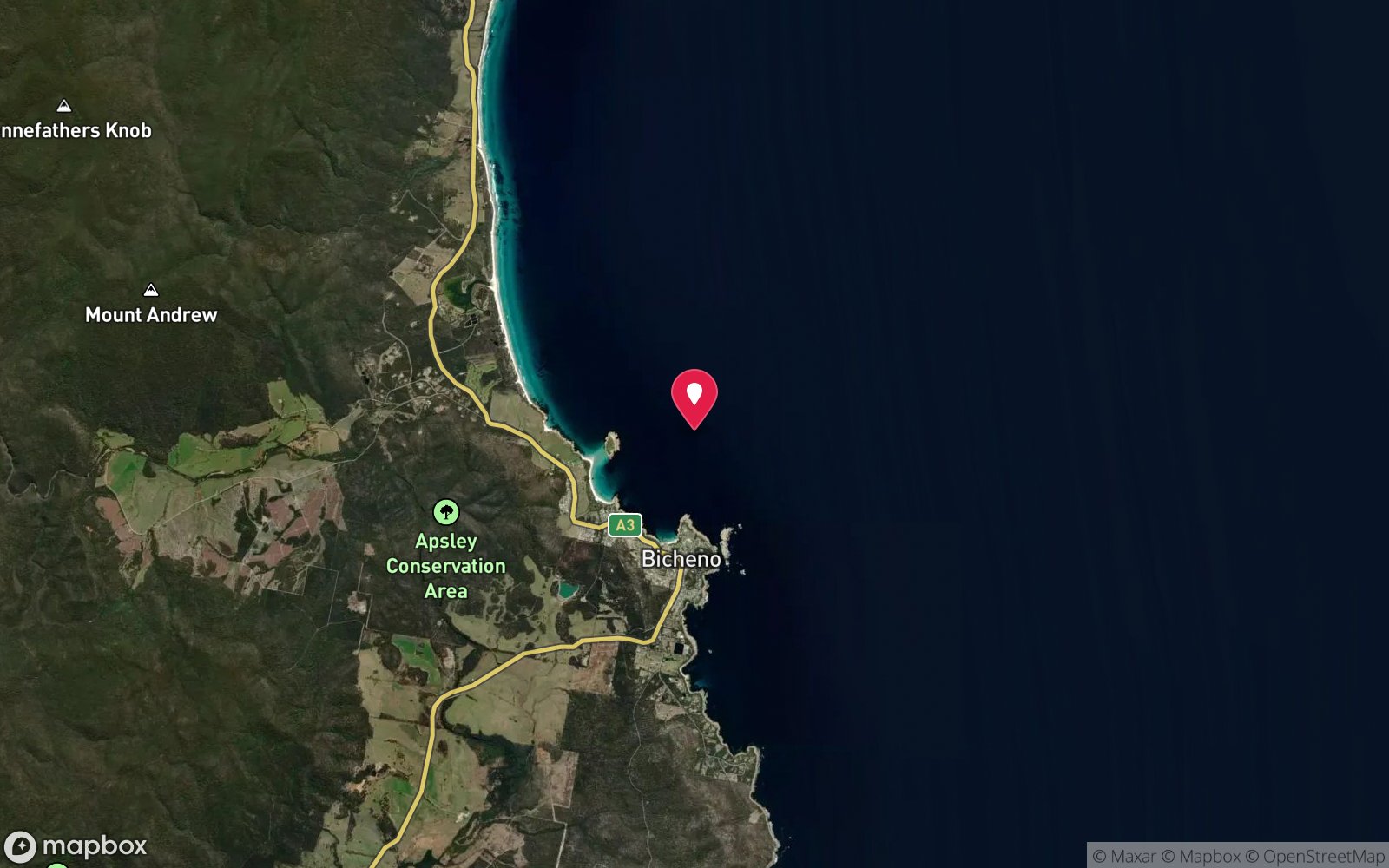
Satellite views
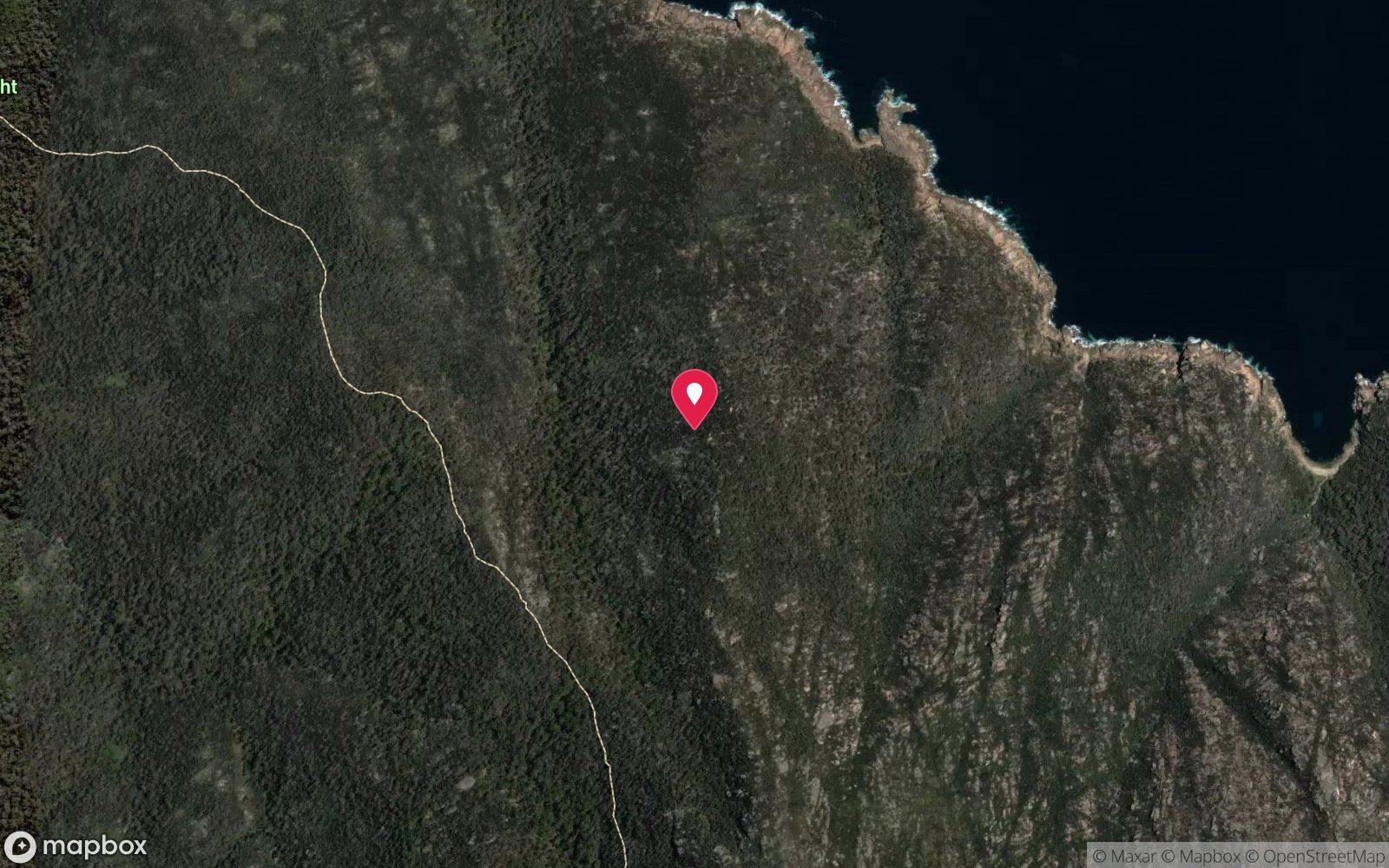
Lemon Rock (Wineglass Bay): frequently asked questions
How deep is Lemon Rock (Wineglass Bay)?
Lemon Rock (Wineglass Bay) reaches a maximum depth of 40 m, with the shallowest part at about 8 m; most of the dive is spent around 25 m.
What certification do I need to dive Lemon Rock (Wineglass Bay)?
Deep/Advanced + experience is the recommended minimum. This is a deep dive: plan gas, bottom time and a safety stop accordingly, and consider nitrox. Rated advanced because of depth to 40 m, cold water.
Can I shore dive Lemon Rock (Wineglass Bay)?
No, it is reached by boat (about 60 minutes). A dive centre is required: boat access only.
When is the best time to dive Lemon Rock (Wineglass Bay)?
Late summer-autumn (February-May) or settled winter westerlies.
What marine life will I see at Lemon Rock (Wineglass Bay)?
Regularly recorded: Bull kelp, cray weed, butterfly perch, sea daisies, sponges, crayfish, wrasse, banded morwong; seals and dolphins possible.
What wetsuit do I need at Lemon Rock (Wineglass Bay)?
7 mm wetsuit with hood, gloves and boots (or semi-dry); drysuit common, especially May-October.
How cold is the water at Lemon Rock (Wineglass Bay)?
Typically 15-18 °C in summer and 11-13 °C in winter.
What are the main hazards at Lemon Rock (Wineglass Bay)?
Remote - long boat run from Coles Bay/Bicheno; exposed to easterly swell; depth to 40 m; slight current; nearest chamber several hours away in Hobart. See the hazards section above for the full list.
Where is the nearest recompression chamber to Lemon Rock (Wineglass Bay)?
Royal Hobart Hospital Hyperbaric Medicine Unit (Hobart) - the only chamber in Tasmania; Launceston has none. DAN emergency hotline 1800 088 200. In an emergency call 000, then DAN Asia-Pacific on 1800 088 200.
Diving in Tasmania East Coast
Bicheno is Tasmania's dive capital. Governor Island Marine Reserve, a few hundred metres offshore, has more than 20 sites in granite: the Castle, Magic Garden, the Golden Bommies, the Canyon and the Wave Deflection Wall, all covered in sponges, sea whips, jewel anemones and butterfly perch. Further afield, the Bay of Fires, Wineglass Bay and Maria Island add wrecks, kelp and seals.
Getting there: Two and a half hours from Hobart or Launceston. A dive operator in Bicheno runs daily boat dives in season; the Gulch and Waubs Bay are shore dives.
All Tasmania East Coast dive sites and a suggested itinerary →
Sources
Data confidence: Low · Being verified: Coordinates approximate; boat time estimated.. Last updated September 2026. Know this site better? How to send a correction