Dive slate · divesites.com.au · printed 7 Nov 2026
Godfrey Islands (Robe)
Limestone Coast, South Australia · near Robe
| Depth | Depth not published |
|---|---|
| Minimum level | Open Water |
| Difficulty | Intermediate |
| Access | Boat |
| Entry | Back-roll from private boat |
| Current | Mild |
| Visibility | 5-12 m |
| Water | summer 16-19 °C, winter 12-13 °C |
| Suit | 7 mm wetsuit with hood, gloves and boots; drysuit in winter |
| Best season | Late summer-autumn |
| Bottom time | 45 min |
| Position | not published |
| Permit | Check any conservation/island restrictions; do not land on or disturb seal haul-outs |
| Nearest chamber | Royal Adelaide Hospital hyperbaric medicine unit (Adelaide) – about 450 km by road from Mount Gambier; evacuation is normally by aeromedical retrieval (RFDS/MedSTAR) via Mount Gambier Hospital. The Alfred (Melbourne) is a similar distance. DAN/Divers Emergency Service 1800 088 200. |
| Emergency | 000 · DAN Asia-Pacific diving emergency 1800 088 200 |
Godfrey Islands (Robe)
Also known as Godfrey Islands
Seals and sheltered reef diving in the lee of small islands off Robe.
Near Robe · Limestone Coast, South Australia
- Depth
- Depth not published
- Minimum level
- Open Water
- Access
- Boat
- Boat ride
- —
- Water
- 16-19 °C
- Visibility
- 5-12 m
Godfrey Islands (Robe)Depth not published · Open Water
Dive factsDepths, conditions, location & safety
Season
Off-peak nowBest months: January, February, March, April, May, December.
Dive facts
- Depth
- Depth not published
- Certification
- Open Water
- Difficulty
- Intermediate
- Access
- Boat
- Dive centre needed
- Yes – boat access only
- Shore / independent
- No
- Current
- Mild
- Visibility
- 5-12 m
- Water temp (summer)
- 16-19 °C
- Water temp (winter)
- 12-13 °C
- Water
- Cold Temperate
- Bottom time
- 45 min
- Dive traffic
- Rarely dived (private boat/club only)
- Night dive
- No
- Snorkel friendly
- Partial
Exposure suit
7 mm wetsuit with hood, gloves and boots; drysuit in winter
Location
Robe / Guichen Bay · Limestone Coast – coast
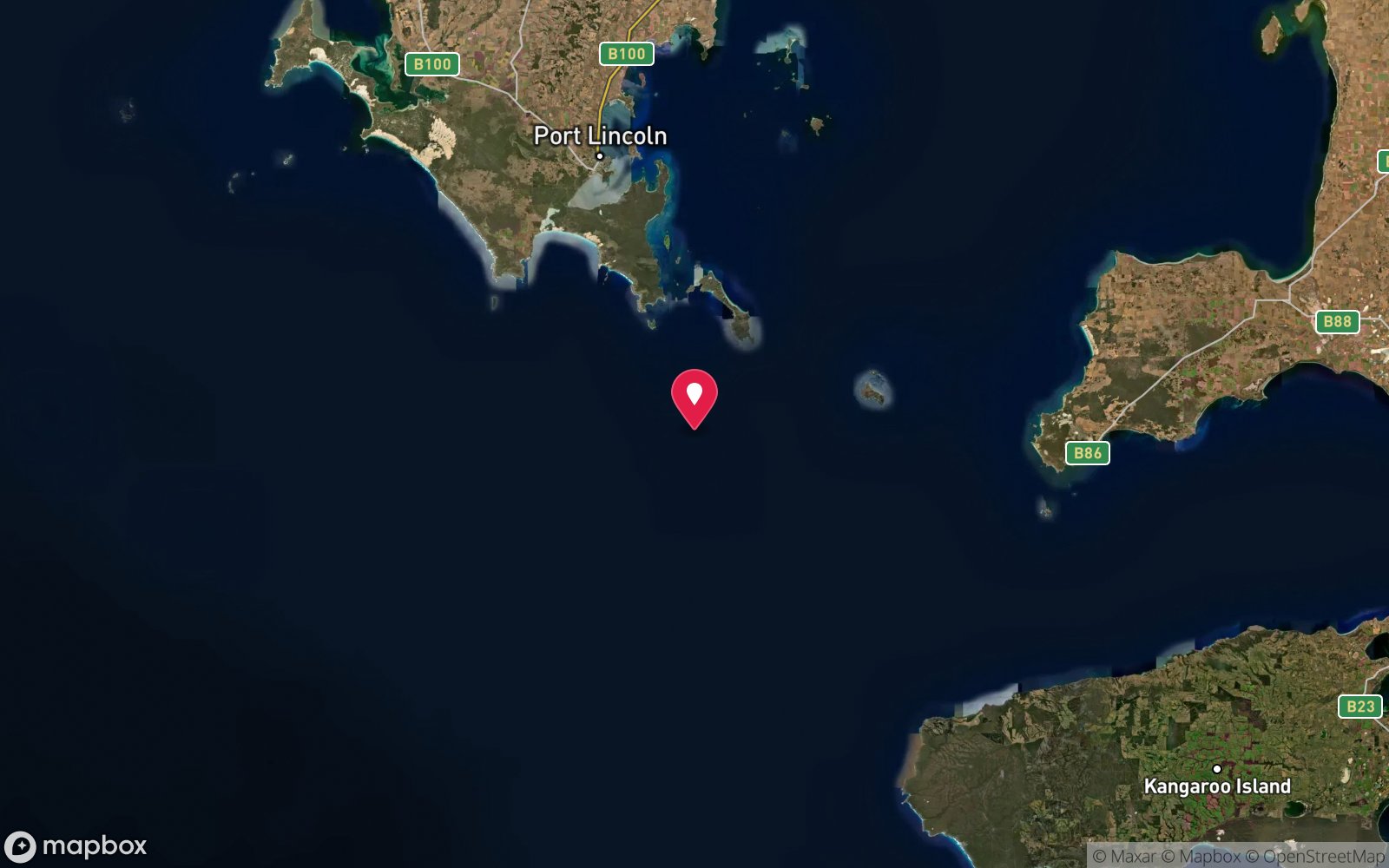
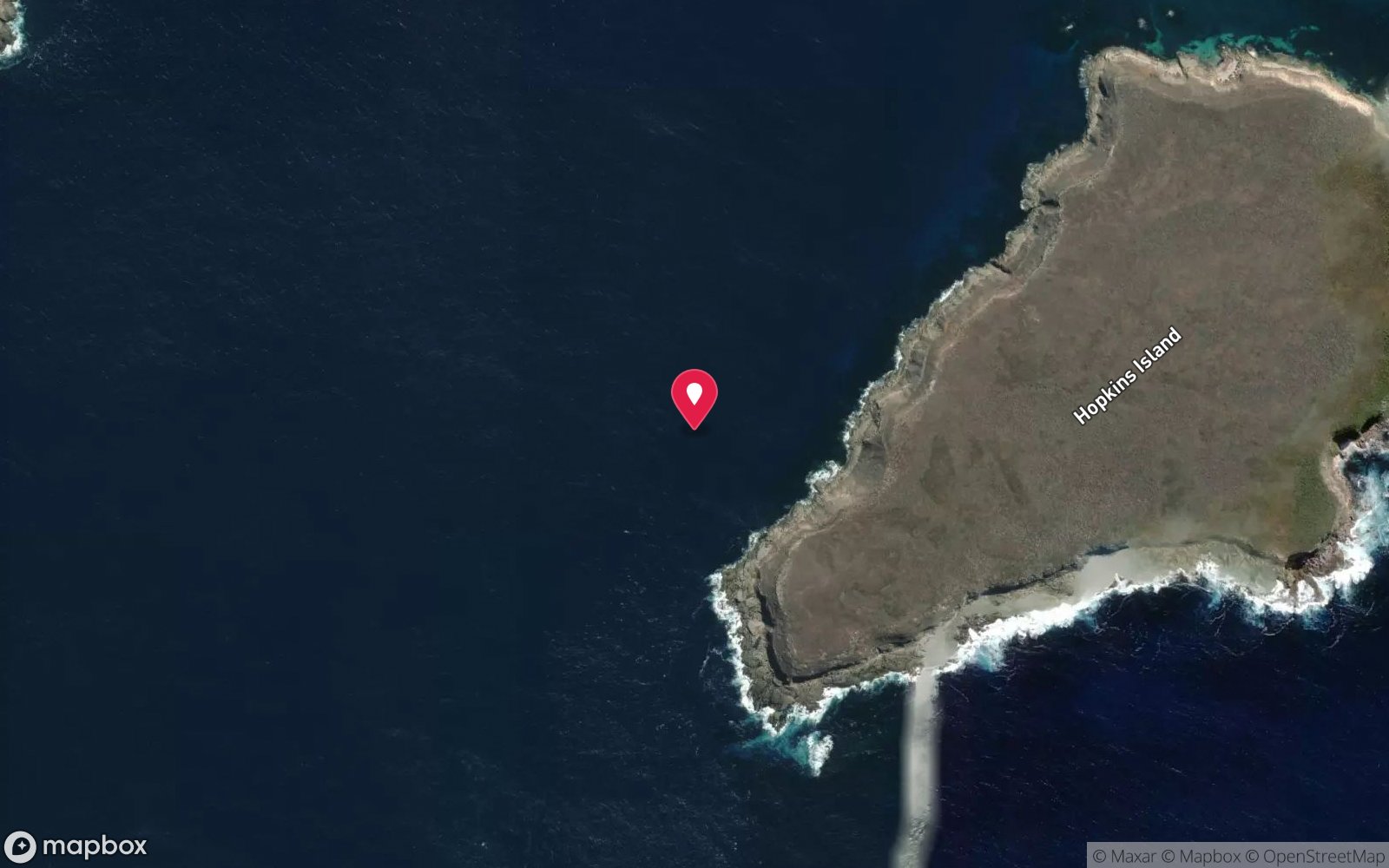
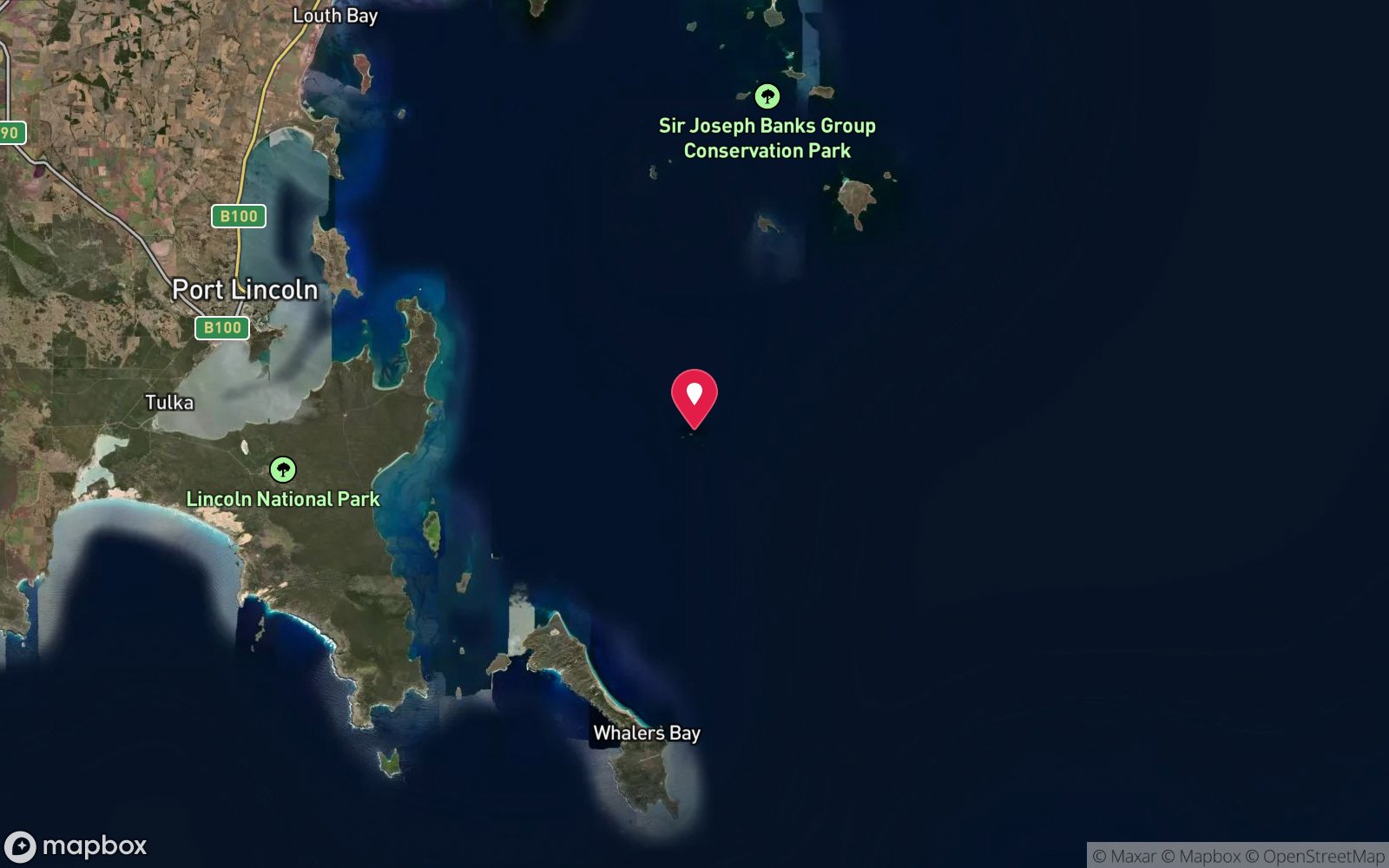
No published coordinates. The map above shows the general area, estimated from other documented sites near Robe.
Primary source: marinelife.org.auMarine park & permits
Check any conservation/island restrictions; do not land on or disturb seal haul-outs
Nearest recompression chamber
Royal Adelaide Hospital hyperbaric medicine unit (Adelaide) – about 450 km by road from Mount Gambier; evacuation is normally by aeromedical retrieval (RFDS/MedSTAR) via Mount Gambier Hospital. The Alfred (Melbourne) is a similar distance. DAN/Divers Emergency Service 1800 088 200.
Diving emergency: call 000, then DAN AP 1800 088 200.
Trip planner
Build a trip around Godfrey Islands (Robe) →
A day-by-day plan for Limestone Coast with this site locked in.
This guide is a planning aid. Conditions change daily — confirm with a local dive centre and dive within your training. Data & safety notes.
Dive profile
How this site rates
Scores are computed from the recorded data, not opinions. How?
At a glance
Godfrey Islands (Robe) is a island boat dive in Limestone Coast, SA, suited to Open Water divers.
Rated intermediate because of surge on the entry or in the shallows, cold water.
Why dive here
- Seals and sheltered reef diving in the lee of small islands off Robe.
- Rarely dived: expect to have the site to yourself, and plan your own logistics.
Conditions to avoid
- Afternoon north-easterlies
- Outgoing tide or run-off after rain (poor visibility)
About Godfrey Islands (Robe)
The Godfrey Islands are small islands near Robe that the Marine Life Network lists as a boat dive, with good diving in the lee of the island and seals on the island itself.
Like the mainland reefs around Robe, the islands are limestone, and the reef around them is likely to share the same character: kelp and brown algae over ledges and boulders, with rock lobster, wrasse, morwong and sweep. The seals are the draw. Australian and New Zealand fur seals and Australian sea lions haul out along the South Australian coast, and young animals often approach divers in the water, twisting and blowing bubbles. Where seals congregate, predators can follow, and white sharks are present throughout southern Australian waters – a background risk rather than a reason to avoid the site, but worth knowing.
Access is by private boat from Robe, and the islands' value is that one side or the other usually offers some shelter. On a calm day they combine well with the Cape Dombey reefs. Divers should keep a respectful distance from hauled-out seals, avoid landing on the islands, and follow any posted rules. The Godfrey Islands suit experienced, self-sufficient boat divers wanting a quieter site with a chance of seal encounters. As with any lightly documented site, go first with someone who knows the area, and treat the first visit as a reconnaissance dive.
Getting there & entry
Small islands near Robe with a seal colony, dived in the lee of the island.
Launch from the Robe marina (Lake Butler) and run to the Godfrey Islands near Robe, anchoring in the lee of the island depending on swell direction. There is no charter – private boats only. Check conditions from the Cape Dombey lookout before leaving and carry marine radio and safety gear; the run is short but exposed.
Plan fuel and return time conservatively.
Entry: Back-roll from private boat
Facilities: Robe marina/boat ramp. Nearest air fills and hire: Dive Experience, Mount Gambier.
Weather, swell & tides
The Limestone Coast faces the full Southern Ocean, and prevailing south-westerly swells of 2-4 m are the norm, especially May-October. Open-coast dives need a genuine calm spell: swell under about 1 m, light winds, ideally northerly or north-easterly offshore breezes, and a few settled days for visibility to recover. Summer south-easterly sea breezes build most afternoons, so dive early.
Heavy winter rain brings tannin-stained run-off from drains and creeks that reduces visibility near shore. Autumn (March-May) usually has the most calm days and the best visibility. Pick the lee side of the island according to the swell and wind direction.
Best season: Late summer-autumn
How the dive is usually run
Anchor in the lee, descend onto the reef and work along the island's edge; seals may investigate – stay calm and let them come to you. Return to the anchor line at half gas.
Marine life
- Seals (fur seals/sea lions) →
- kelp
- rock lobster
- wrasse
- morwong
- sweep
Linked species have their own page listing every site where they are recorded. All marine life →
Training required
Courses that help here
- Drysuit Diver – Cold water; locals dive dry for much of the year.
Depth tiers: 0–10 m easy · to 18 m Open Water · 18–30 m Advanced (25 m+ is a deep dive) · 30–40 m Deep specialty · 40 m+ technical. All courses
Hazards & warnings
Exposed boat run; surge around the island; seals (bites are rare but possible); sharks possible near seal colonies; no local dive services.
Dive centres that go here
No regular operator – private boats from Robe.
Other dive centres in Limestone Coast
General area
No position has been published for Godfrey Islands (Robe). The circle shows where it is likely to be, worked out from other documented sites near Robe. Ask a local operator for the exact site.
Dashed circle: general area (about 20 km), from other documented sites near Robe. 6 pinned sites. Pins marked approximate on their pages show the general area only; not for navigation.
Godfrey Islands (Robe): frequently asked questions
What certification do I need to dive Godfrey Islands (Robe)?
Open Water is the recommended minimum. Rated intermediate because of surge on the entry or in the shallows, cold water.
Can I shore dive Godfrey Islands (Robe)?
No, it is reached by boat. A dive centre is required: boat access only.
When is the best time to dive Godfrey Islands (Robe)?
Late summer-autumn.
What marine life will I see at Godfrey Islands (Robe)?
Regularly recorded: Seals (fur seals/sea lions), kelp, rock lobster, wrasse, morwong, sweep.
What wetsuit do I need at Godfrey Islands (Robe)?
7 mm wetsuit with hood, gloves and boots; drysuit in winter.
How cold is the water at Godfrey Islands (Robe)?
Typically 16-19 °C in summer and 12-13 °C in winter.
What are the main hazards at Godfrey Islands (Robe)?
Exposed boat run; surge around the island; seals (bites are rare but possible); sharks possible near seal colonies; no local dive services. See the hazards section above for the full list.
Where is the nearest recompression chamber to Godfrey Islands (Robe)?
Royal Adelaide Hospital hyperbaric medicine unit (Adelaide) – about 450 km by road from Mount Gambier; evacuation is normally by aeromedical retrieval (RFDS/MedSTAR) via Mount Gambier Hospital. The Alfred (Melbourne) is a similar distance. DAN/Divers Emergency Service 1800 088 200. In an emergency call 000, then DAN Asia-Pacific on 1800 088 200.
Diving in Limestone Coast
South of the Coorong the Limestone Coast has the shallow reefs and jetties of Robe, Beachport and Port MacDonnell, with rock lobster, blue devils and sea sweep, and the freshwater ponds inland at Mount Gambier. It is dived mainly by locals and by cave divers on their way to the sinkholes.
Getting there: Four to five hours from Adelaide. Shore and jetty dives with easy parking.
Sources
Data confidence: Low · Being verified: Location, depths and seal species not published; verify island position and any restrictions.. Last updated September 2026. Know this site better? How to send a correction