Dive slate · divesites.com.au · printed 9 Nov 2026
Nepean Wall
Port Phillip Heads, Victoria · near Portsea / Queenscliff
| Depth | 18–65 m |
|---|---|
| Minimum level | Technical (decompression) |
| Difficulty | Advanced |
| Access | Boat |
| Entry | Giant stride or backward roll from a live boat onto a drop-shot; free ascent under DSMB, pick-up by boat |
| Current | Strong |
| Visibility | 8-20 m |
| Water | summer 17-20 °C, winter 11-14 °C |
| Suit | 7 mm semi-dry with hood and gloves, or drysuit; drysuit strongly preferred May–November |
| Best season | Year-round on slack water; February–May usually gives the calmest seas and clearest water |
| Bottom time | 25 min |
| Position | -38.30058, 144.63928 (GPS) |
| Permit | Port Phillip Heads Marine National Park – no take of any marine life; no permit needed for diving; Parks Victoria diver guide applies |
| Nearest chamber | The Alfred Hospital hyperbaric unit (Melbourne) |
| Emergency | 000 · DAN Asia-Pacific diving emergency 1800 088 200 |
Nepean Wall
The vertical Nepean side of The Rip: a boomerang-shaped trench whose northern wall drops from 18 m to 65 m through large caves and undercuts, dived on the ebb-to-flood turn so the tide carries you home.
Near Portsea / Queenscliff · Port Phillip Heads, Victoria
- Depth
- 18–65 m
- Minimum level
- Technical (decompression)
- Access
- Boat
- Boat ride
- ~15 min
- Water
- 17-20 °C
- Visibility
- 8-20 m
Nepean Wall18–65 m · Technical (decompression)
Dive factsDepths, conditions, location & safety
Season
Off-peak nowBest months: February, March, April, May.
Year-round on slack water; February–May usually gives the calmest seas and clearest water
- Best months
- Now (November)
Dive facts
- Depth
- 18–65 m
- Typical depth
- 25 m
- Certification
- Technical (decompression)
- Difficulty
- Advanced
- Depth tier
- Technical (40 m +)
- Access
- Boat
- Offshore
- 1 km
- Dive centre needed
- Yes – boat access only
- Shore / independent
- No
- Boat ride
- ~15 min
- Current
- Strong
- Visibility
- 8-20 m
- Water temp (summer)
- 17-20 °C
- Water temp (winter)
- 11-14 °C
- Water
- Temperate
- Bottom time
- 25 min
- Dive traffic
- Popular (weekly charters)
- Night dive
- No
- Snorkel friendly
- No
Exposure suit
7 mm semi-dry with hood and gloves, or drysuit; drysuit strongly preferred May–November
Location
Nepean side of The Rip · Port Phillip Heads – The Rip
-38.30058, 144.63928
Published GPS position.
Open in Google MapsDive site map (external) →Primary source: scubadoctor.com.auMarine park & permits
Port Phillip Heads Marine National Park – no take of any marine life; no permit needed for diving; Parks Victoria diver guide applies
Nearest recompression chamber
The Alfred Hospital hyperbaric unit (Melbourne)
Diving emergency: call 000, then DAN AP 1800 088 200.
Trip planner
Build a trip around Nepean Wall →
A day-by-day plan for Port Phillip Heads with this site locked in.
This guide is a planning aid. Conditions change daily — confirm with a local dive centre and dive within your training. Data & safety notes.
Dive profile
How this site rates
Scores are computed from the recorded data, not opinions. How?
At a glance
Nepean Wall is a wall boat dive in Port Phillip Heads, VIC, 18–65 m, suited to Technical (decompression) divers, strong current, about 15 minutes by boat.
Rated advanced because of depth to 65 m, strong current, surge on the entry or in the shallows, boat traffic overhead, cold water.
Why dive here
- The vertical Nepean side of The Rip: a boomerang-shaped trench whose northern wall drops from 18 m to 65 m through large caves and undercuts, dived on the ebb-to-flood turn so the tide carries you home.
- Visibility often reaches 8-20 m.
Conditions to avoid
- Swell above about 1.5 m
- Strong southerly or south-east swell and wind
- Strong westerlies
- Any time other than slack water
About Nepean Wall
Nepean Wall is the eastern counterpart of Lonsdale Wall, the cliff that forms the Point Nepean side of the drowned river channel at the mouth of Port Phillip. The Scuba Doctor listing describes a boomerang-shaped trench just outside the Heads whose dramatic northern wall falls to 65 m, with the best diving between 18 and 30 m. The face is vertical, and it is cut with expansive caves and undercuts – bigger, on the whole, than the overhangs on the Lonsdale side – all of them hung with soft corals, sponges and zoanthids fed by the full tidal exchange of the bay.
The dive is run from a shot on the 18 m reef top; divers swim south to the lip and drop onto the face, then work along it at 25–30 m in and out of the caves. Fish life is described as prolific, both reef fish – blue devils in the caves, boarfish, old wives, magpie perch, wrasse – and pelagics in the open water off the wall, with southern rock lobster in the ledges and Australian fur seals from the Point Nepean haul-out frequently joining divers. Sevengill sharks are seen in the deeper water.
What makes Nepean Wall more demanding than the central Lonsdale sections is timing. It sits outside the Heads proper on the seaward side of the entrance, so the slack is shorter and the return of the current more abrupt; the listing's route notes stress returning to the shot for the ascent and keeping bottom times short. The convention is to dive it on the ebb-to-flood turn so that the new flood sets divers back into the bay rather than out into Bass Strait. The wall continues to 65 m and, with Trimix Corner 28 m away, it is also a technical destination. For Advanced divers who have done the Lonsdale wall and want the bigger caves and the more exposed feel of the Nepean side, this is the next step.
Getting there & entry
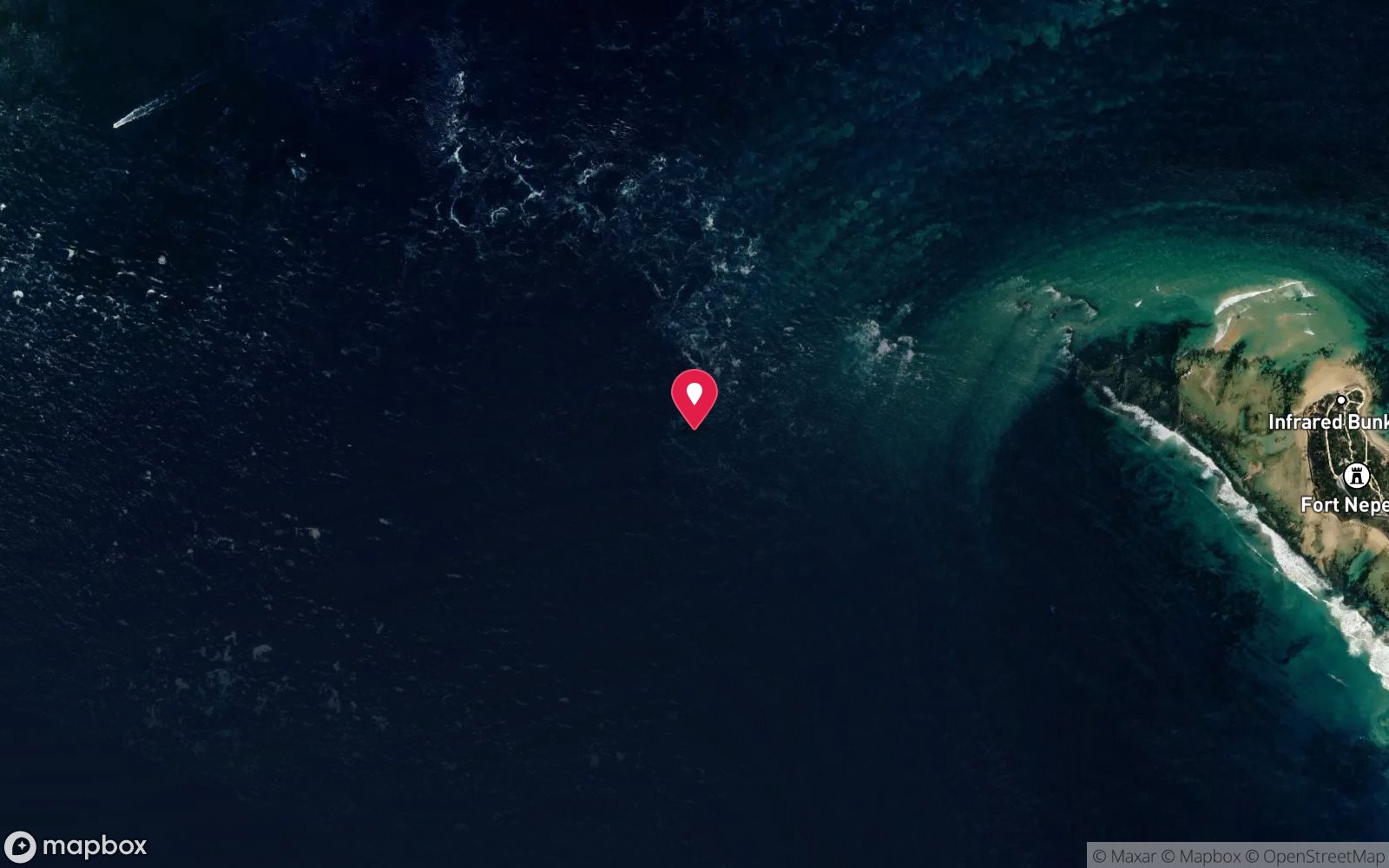
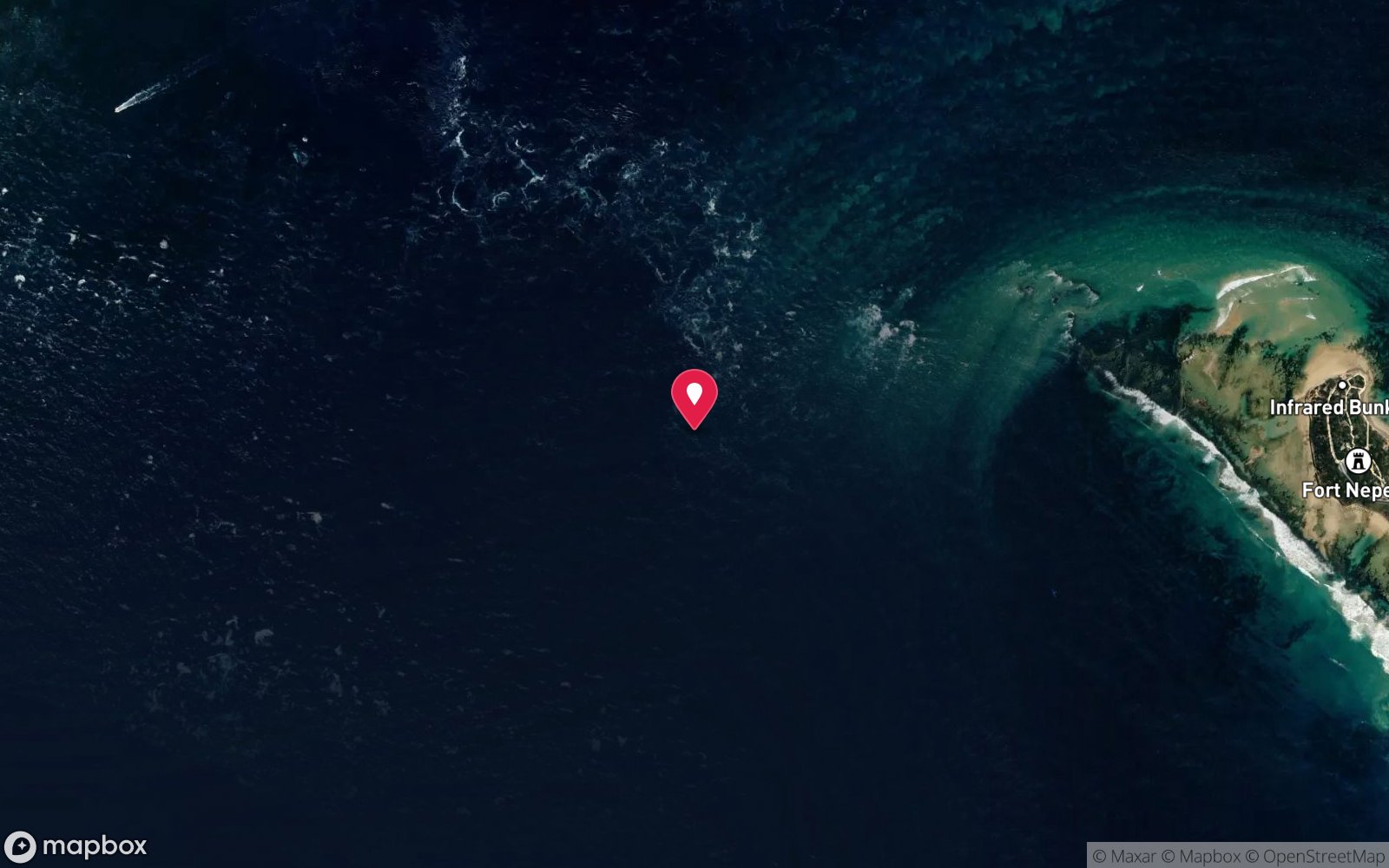
On the eastern (Point Nepean) side of The Rip just outside Port Phillip Heads, a boomerang-shaped trench about 900 m west-south-west of Point Nepean; 28 m from Trimix Corner and 177 m north of Inner Corsair Wall.
Boat access only. Charter boats leave from Portsea Pier (Dive Victoria Group, Bayplay) and Queenscliff Harbour (Dive Victoria Group, Red Boats); run time is about 12 minutes. Private boats launch at Sorrento Boat Ramp (Point Nepean Road, Sorrento, all-tide concrete ramp with trailer parking) or Queenscliff Boat Harbour ramp (Larkin Parade, Queenscliff), roughly 15 minutes to the site.
The site is just outside the Heads off Point Nepean, on the eastern side of the entrance; from Portsea Pier it is a 10–15 minute run west past the Point Nepean quarantine station. Skippers must call Lonsdale VTS (Point Lonsdale) or listen to VHF 12 for shipping movements before dropping divers, and must carry a dive flag; anchoring is not permitted in the shipping channel, so a live boat and a drop-shot or drift float is the normal method.
Entry: Giant stride or backward roll from a live boat onto a drop-shot; free ascent under DSMB, pick-up by boat
Weather, swell & tides
It is dived only on slack water, either at the end of the flood (SWF) or the end of the ebb (SWE); most operators prefer the flood slack so that any residual current sets into the bay rather than out to sea. Slack water at Port Phillip Heads does not coincide with high or low water: it falls roughly three hours after high or low water at Point Lonsdale, and the usable window is typically 20–40 minutes. Use the Ports Victoria / Port of Melbourne slack-water predictions for The Heads (also republished by charter operators and WillyWeather 'Rip Bank') rather than a standard tide table.
Being outside or right at the entrance, it is exposed to Bass Strait swell: anything over about 1.5 m from the south-west or south, or a strong southerly/westerly wind against the ebb, produces standing waves in The Rip and charters cancel. Northerlies flatten the entrance and give the best days. Visibility is best in late summer and autumn (Feb–May) when the water is clear and the westerlies have eased; winter brings 11–13 °C water and bigger swells but often the clearest days after a run of settled weather.
Heavy rain has little effect this close to the ocean. Operators time the dive for the ebb-to-flood turn so that the first of the flood carries divers back into the bay; being outside the Heads it is dropped whenever the entrance is breaking.
Best season: Year-round on slack water; February–May usually gives the calmest seas and clearest water
If it's blown out
Sheltered or shore sites within 25 km that often work when Nepean Wall doesn't.
- Portsea Pier · 7 km · Max 7 m
- Chinamans Hat · 8 km · Max 12 m
- Blairgowrie Pier · 13 km · Max 7 m
- Rye Pier · 18 km · Max 7 m
How the dive is usually run
Shot is dropped on the reef top at 18 m a few minutes before the end of the ebb. Descend and swim south from the shot to reach the northern wall of the trench, drop over to 25–30 m and follow the vertical face with its big caves and undercuts. Keep the bottom time short – 20 minutes – and return to the shot for the ascent, as the current turns fast here; if it has already turned, ascend under a DSMB and let the young flood carry you inside.
Marine life
- Southern blue devil →
- soft corals
- sponges
- zoanthids
- southern rock lobster
- longsnout boarfish
- old wife
- magpie perch
- bluethroat wrasse
- pelagic schools (sweep, kingfish in summer)
- Australian fur seal →
- sharpnose sevengill shark
Linked species have their own page listing every site where they are recorded. All marine life →
Training required
Beyond recreational limits: decompression, mixed gas or full cave/wreck training is required.
Operators often quote Advanced Open Water, but the site reaches 65 m, which is beyond that level's depth limit; Technical (decompression) is the appropriate minimum for the full dive.
Operators' own listing: Advanced Open Water.
Courses that help here
- Enriched Air Nitrox – Longer no-decompression time at 25 m and deeper.
- Cavern Diver – An overhead environment.
- Drift Diver – Current is a feature of the dive.
- Drysuit Diver – Cold water; locals dive dry for much of the year.
Depth tiers: 0–10 m easy · to 18 m Open Water · 18–30 m Advanced (25 m+ is a deep dive) · 30–40 m Deep specialty · 40 m+ technical. All courses
Hazards & warnings
Tidal current – slack water only, window 20–40 min; shipping channel – shipping check with Lonsdale VTS and no anchoring; heavy boat traffic including pilot boats and the Queenscliff–Sorrento ferry; depth well beyond recreational limits at the foot of the wall; surge from ocean swell; cold water; DSMB and live boat pick-up essential
Technical notes
Base 65 m; Trimix Corner adjoins. Trimix below 40 m; drift deco under DSMB with tracking boat; flood-turn timing essential so deco drifts inside.
Dive centres that go here
Dive Victoria Group (Portsea and Queenscliff) – double boat dives to the Heads walls most days of the week, site chosen on the morning by slack-water time and swell; Bayplay Adventure Tours (Portsea) – weekend and holiday charters; Red Boats (Queenscliff) – weekend Heads charters; Melbourne clubs (VSAG, Power House Underwater Club, Scuba Diving Melbourne) run their own boats here regularly.
Operators recorded for Nepean Wall
The Scuba Doctor
ProfiledRye · Melbourne & Port Phillip Bay · VIC
A Victorian equipment and service business with an extensive retail presence, located to serve both Melbourne and Mornington Peninsula divers.
scubadoctor.com.au · (03) 5985 3322
Diveline Scuba Centre
ListedFrankston · Melbourne & Port Phillip Bay · VIC
A Victorian business associated with technical training and gas support alongside recreational courses.
diveline.com.au · (03) 9783 7166
Scubabo Dive Victoria (Dive Victoria Group)
Named by sitesQueenscliff · Port Phillip Heads · VIC
Rebranded as Scubabo Dive Victoria, Queenscliff; dive.scubabo.com is live for 2026 with active charter bookings.
dive.scubabo.com · (03) 5258 1188
Bayplay
Named by sitesPortsea · Port Phillip Heads · VIC
PADI dive resort and adventure tours.
bayplay.com.au · (03) 5984 0888
Red Boats
Reported closedPortsea · Port Phillip Heads · VIC
TripAdvisor marks RedBoats Portsea as permanently closed (last review November 2021) and the domain is now an unrelated boating blog.
Other dive centres in Port Phillip Heads
Aquability
ListedMordialloc · Melbourne & Port Phillip Bay · VIC
A Victorian operation associated with technical diving training. Exact agency, course levels and gas support require verification.
aquability.com.au · (03) 9587 1811
Bay City Scuba
ListedEast Geelong · Melbourne & Port Phillip Bay · VIC
A Victorian business associated with recreational and technical training alongside equipment and gas services.
baycityscuba.com · (03) 5248 1488
Scuba Culture
ListedBurwood · Melbourne & Port Phillip Bay · VIC
A Melbourne business providing training and equipment support for local divers.
scubaculture.com.au · (03) 9808 0033
Scubabo Dive Victoria (Queenscliff)
ListedQueenscliff · Geelong & Bellarine · VIC
A Queenscliff operation, strategically located for access toward Port Phillip Heads.
dive.scubabo.com · (03) 5258 1188
Divein2Scuba (Geelong Dive Centre)
ListedGeelong · Geelong & Bellarine · VIC
A Geelong business providing training, equipment and local diving support.
divein2scuba.com · (03) 5221 3342
Ocean Divers
ListedBentleigh East · Melbourne & Port Phillip Bay · VIC
A Victorian operation associated with recreational and technical training and access to Port Phillip diving.
oceandivers.com.au · (03) 9579 2600
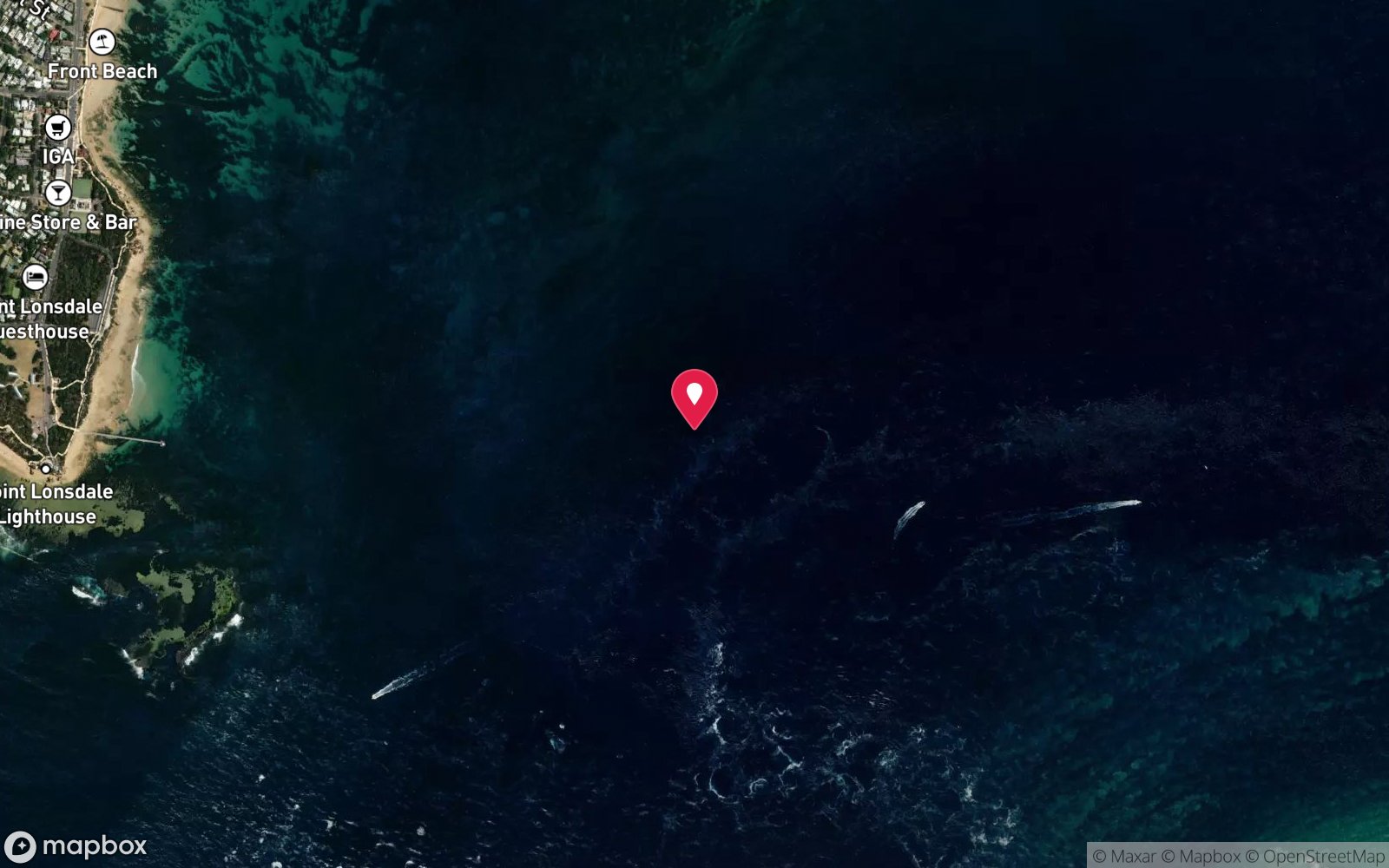
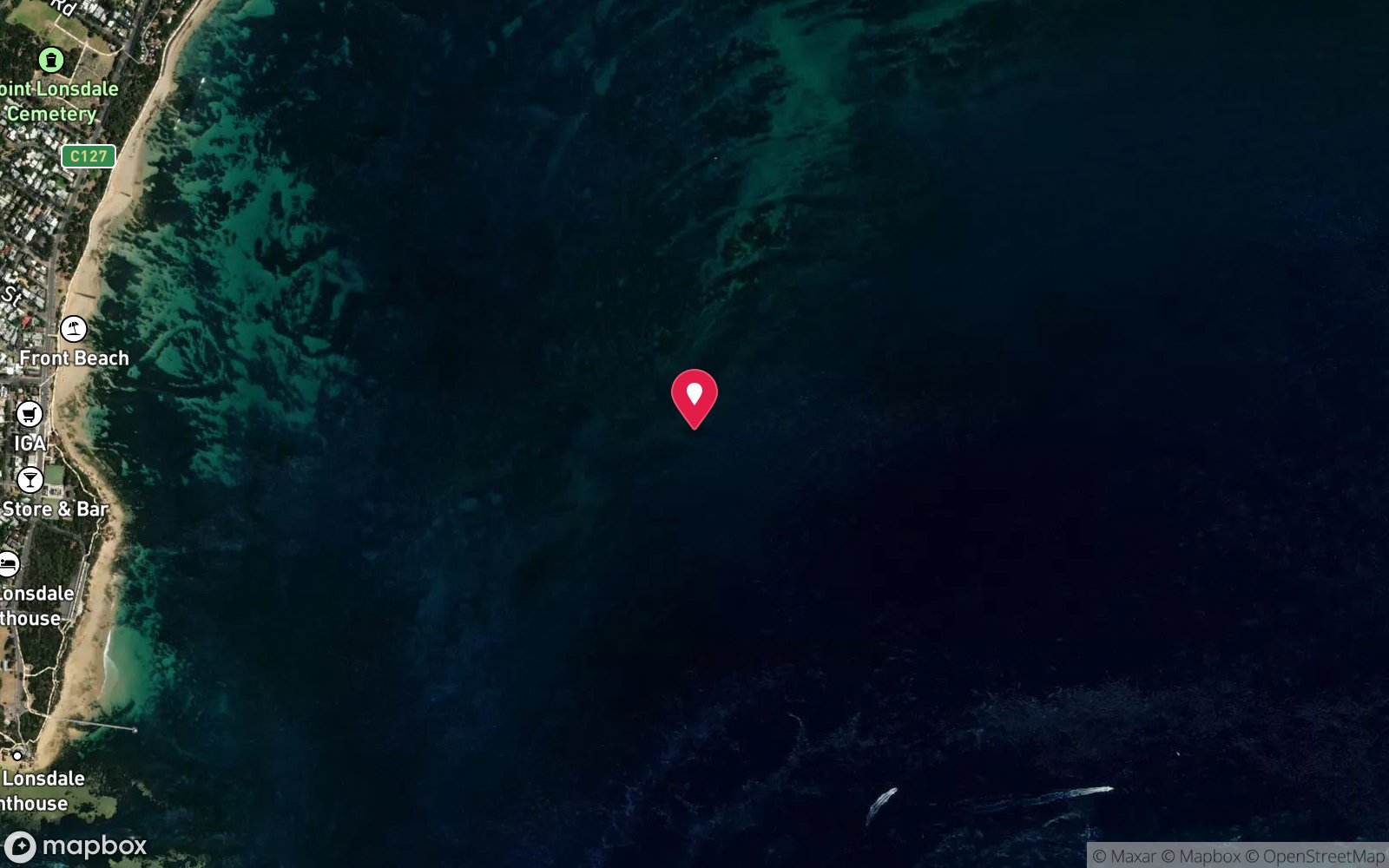
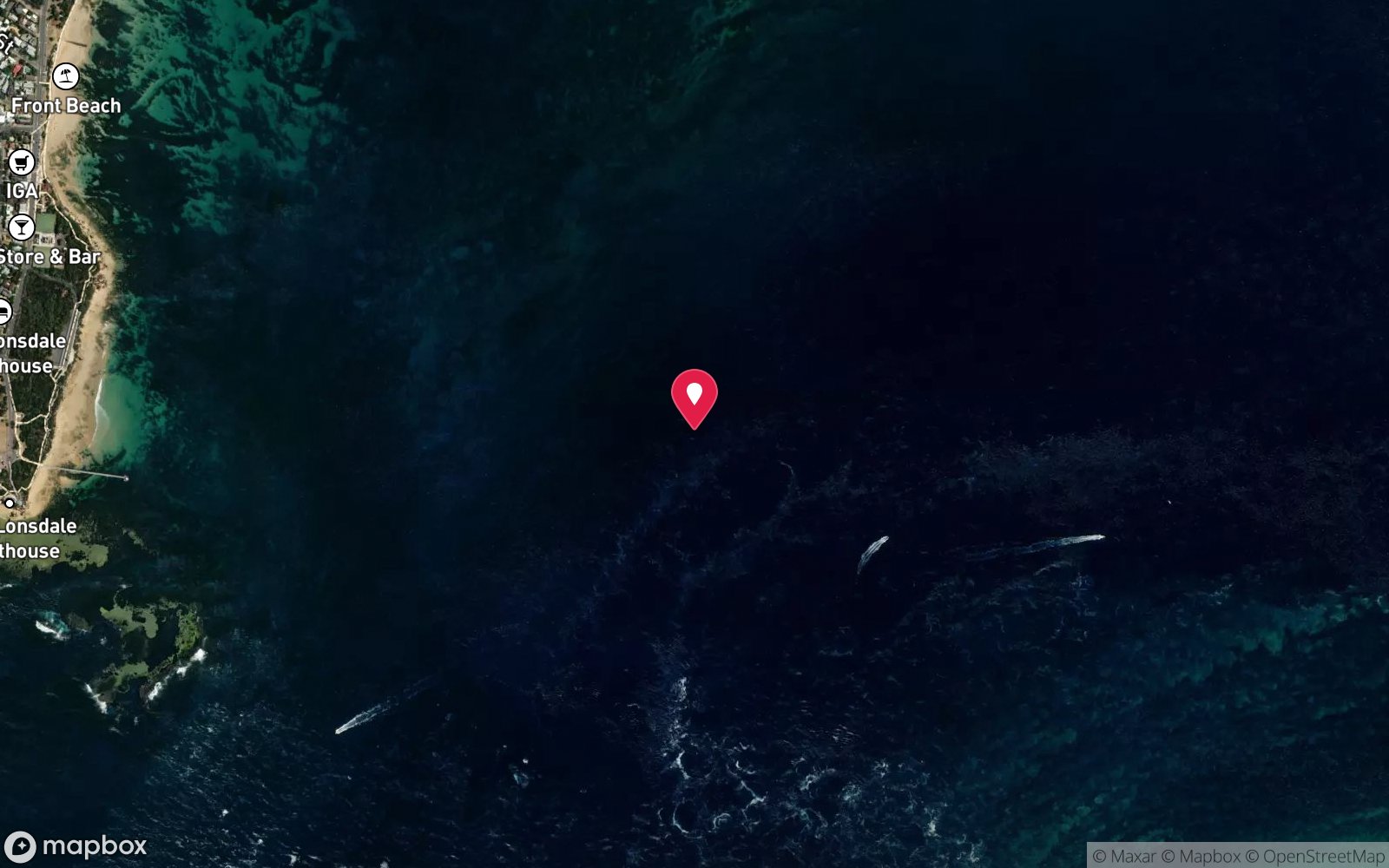
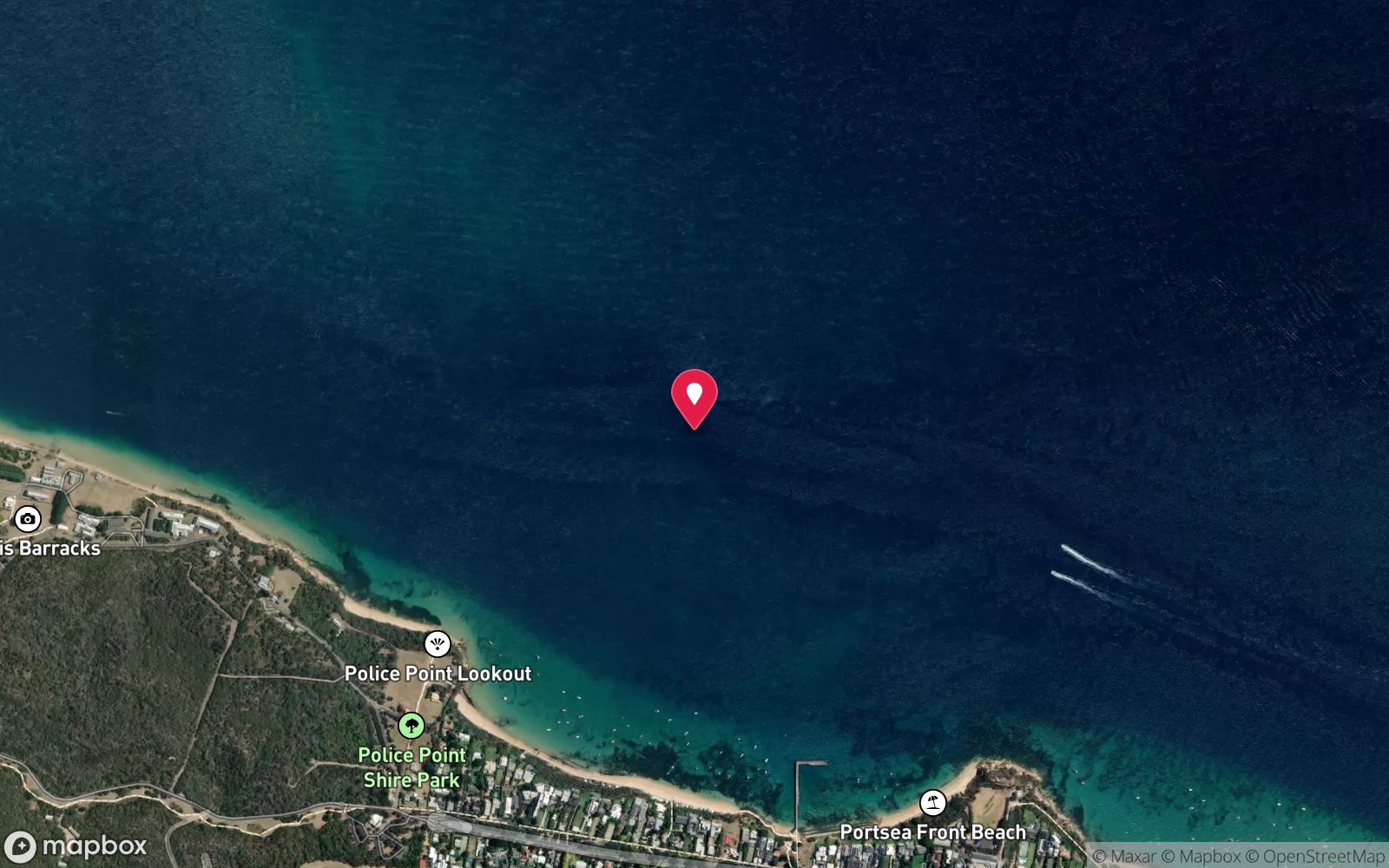
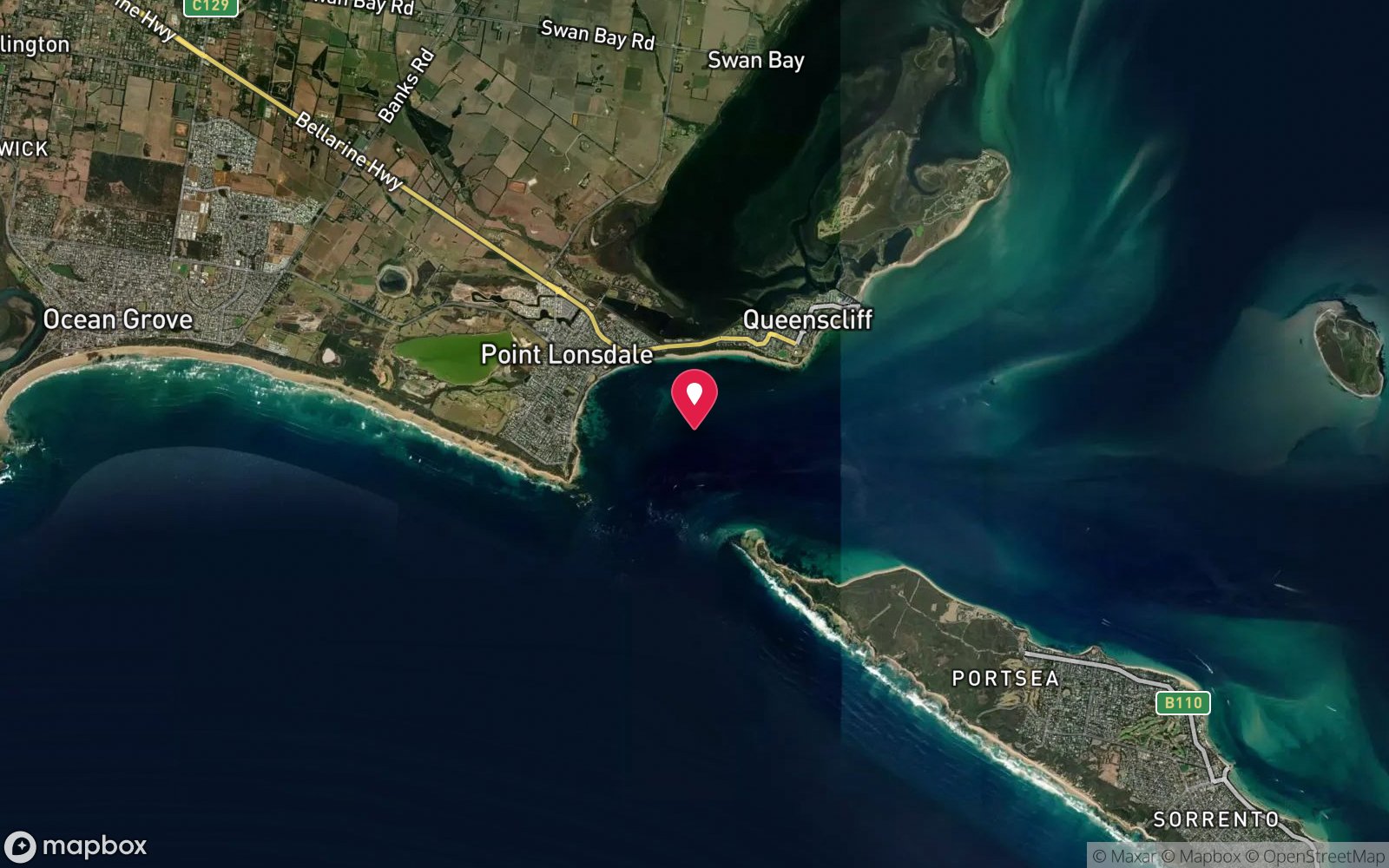
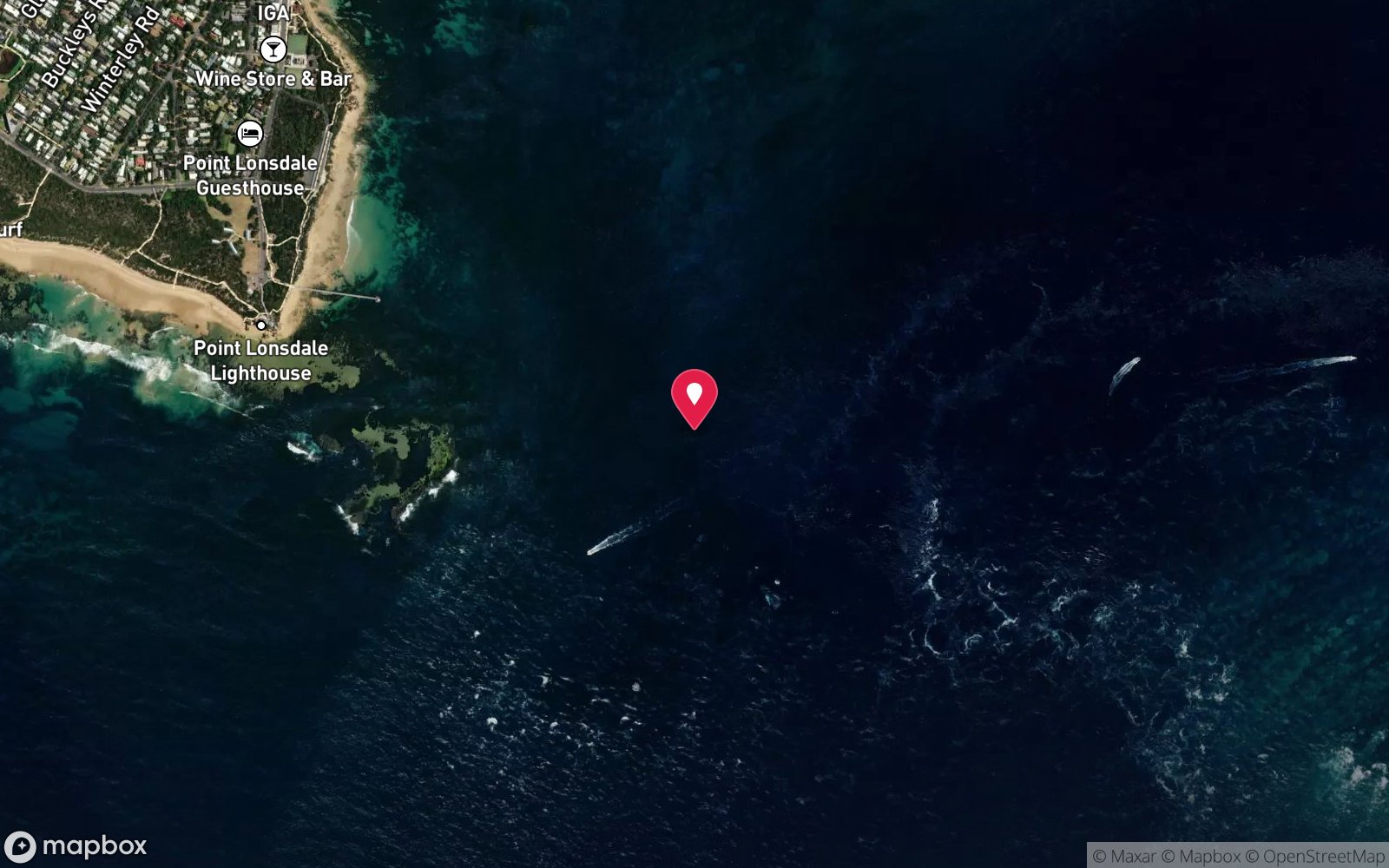
Map
7 pinned sites. Pins marked approximate on their pages show the general area only; not for navigation.
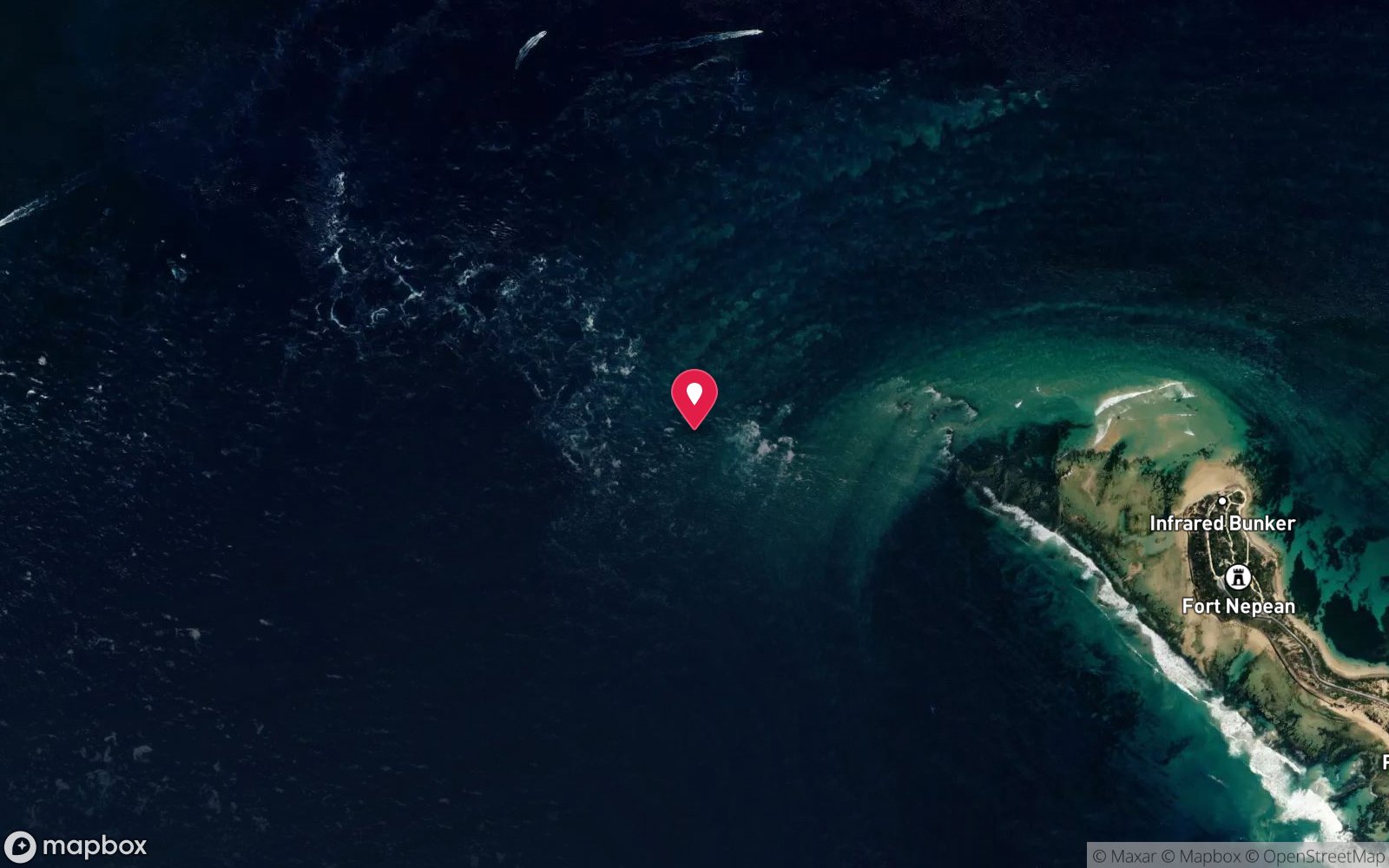
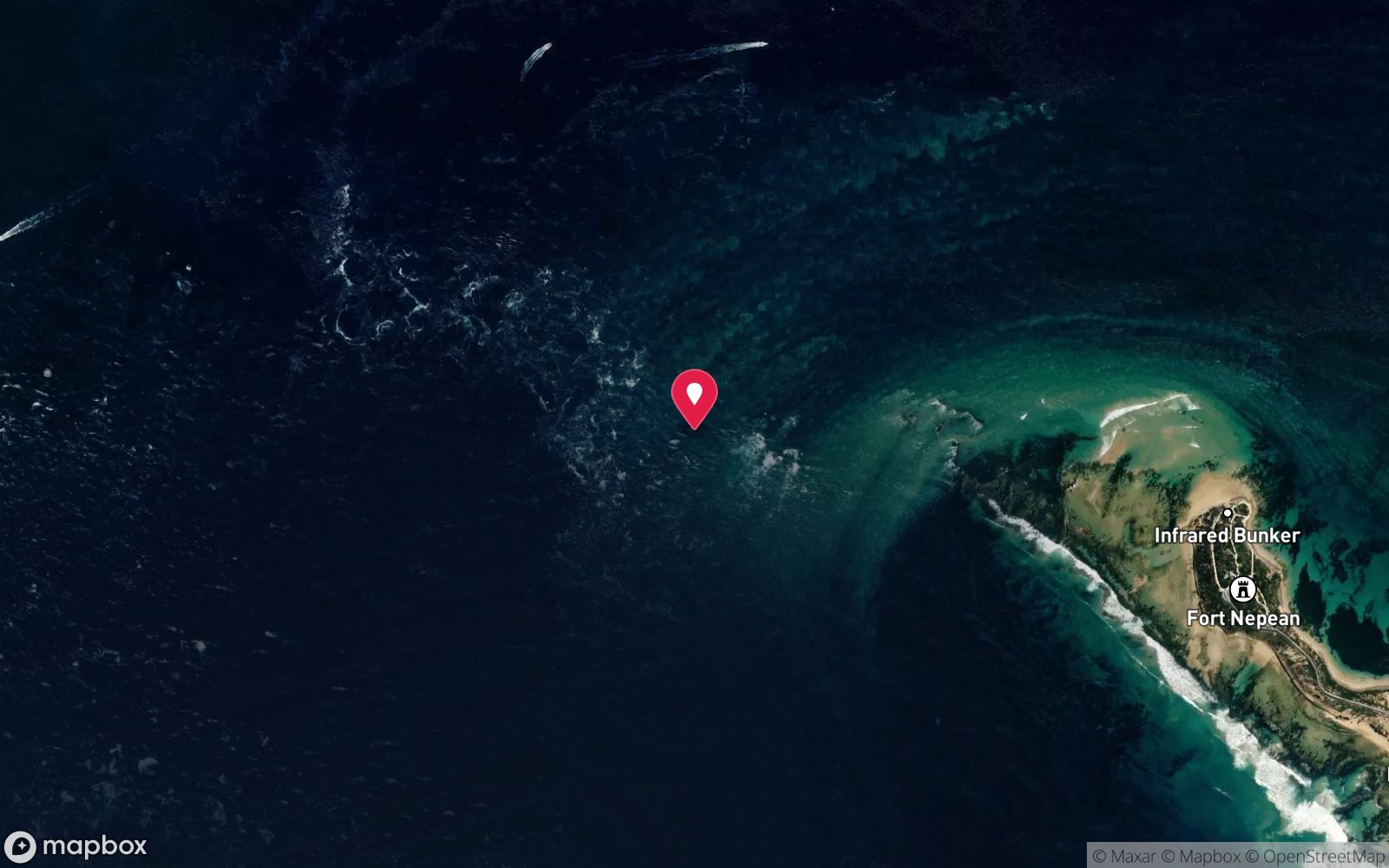
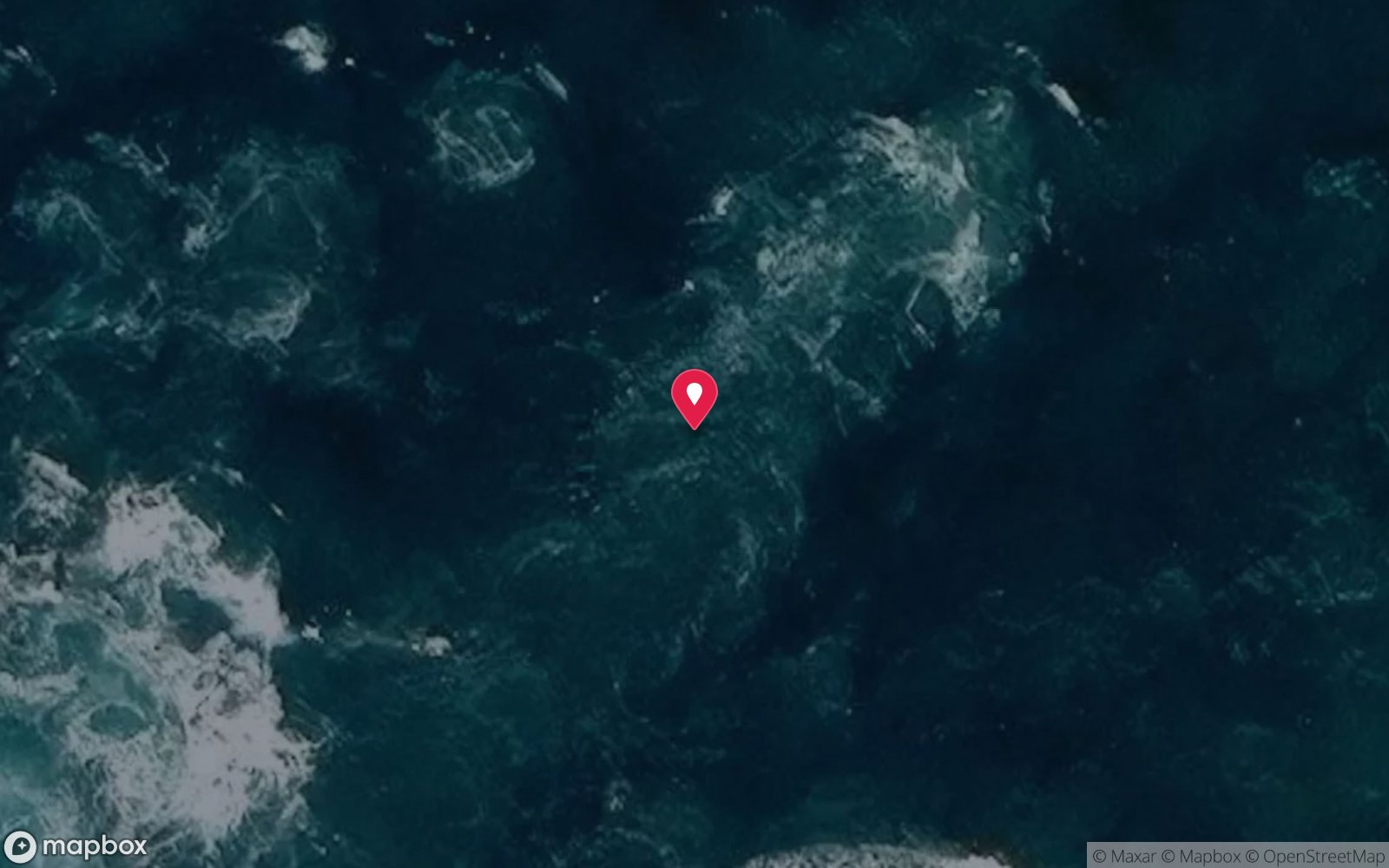
Satellite views
Nepean Wall: frequently asked questions
How deep is Nepean Wall?
Nepean Wall reaches a maximum depth of 65 m, with the shallowest part at about 18 m; most of the dive is spent around 25 m.
What certification do I need to dive Nepean Wall?
Technical (decompression) is the recommended minimum. Operators often quote Advanced Open Water, but the site reaches 65 m, which is beyond that level's depth limit; Technical (decompression) is the appropriate minimum for the full dive. Rated advanced because of depth to 65 m, strong current, surge on the entry or in the shallows, boat traffic overhead, cold water.
Can I shore dive Nepean Wall?
No, it is reached by boat (about 15 minutes). A dive centre is required: boat access only.
When is the best time to dive Nepean Wall?
Year-round on slack water; February–May usually gives the calmest seas and clearest water.
What marine life will I see at Nepean Wall?
Regularly recorded: Southern blue devil, soft corals, sponges, zoanthids, southern rock lobster, longsnout boarfish, old wife, magpie perch, bluethroat wrasse, pelagic schools (sweep, kingfish in summer), Australian fur seal, sharpnose sevengill shark.
What wetsuit do I need at Nepean Wall?
7 mm semi-dry with hood and gloves, or drysuit; drysuit strongly preferred May–November.
How cold is the water at Nepean Wall?
Typically 17-20 °C in summer and 11-14 °C in winter.
What are the main hazards at Nepean Wall?
Tidal current – slack water only, window 20–40 min; shipping channel – shipping check with Lonsdale VTS and no anchoring; heavy boat traffic including pilot boats and the Queenscliff–Sorrento ferry; depth well beyond recreational limits at the foot of the wall; surge from ocean swell; cold water; DSMB and live boat pick-up essential. See the hazards section above for the full list.
Where is the nearest recompression chamber to Nepean Wall?
The Alfred Hospital hyperbaric unit (Melbourne). In an emergency call 000, then DAN Asia-Pacific on 1800 088 200.
Diving in Port Phillip Heads
The entrance to Port Phillip Bay is a 3 km gap through which the whole bay drains and fills twice a day, and the currents have carved walls, canyons and caves in the limestone: Lonsdale Wall, Nepean Wall, the Boulders, the Cave, the Canyons and Popes Eye. Outside the Heads lies the Ships' Graveyard, with more than 40 scuttled vessels including the J1, J2, J4 and J5 submarines, the SS Coogee and the Eliza Ramsden. Every dive here is on slack water and every dive is from a charter.
Getting there: Charters from Queenscliff, Portsea and Sorrento, timed to the slack. Ninety minutes from Melbourne.
All Port Phillip Heads dive sites and a suggested itinerary →
Sources
- scubadoctor.com.au/divesite.htm?site=Nepean-Wall
- scubadoctor.com.au/dive-resources/melbourne-dive-sites/melbourne-wall-dives.htm
- parks.vic.gov.au/-/media/project/pv/main/parks/documents/visitor-guides-and-publications/port-phillip-heads-marine-national-park/port-phillip-heads-divers-guide-170620-updates-low-res.pdf
Data confidence: High. Last updated September 2026. Know this site better? How to send a correction
Nearby dive sites
More wall dives in Victoria
Explore more
This region
Similar dives