Dive slate · divesites.com.au · printed 8 Nov 2026
Oyster Stacks
Ningaloo – Exmouth, Western Australia · near Exmouth
| Depth | 1–4 m |
|---|---|
| Minimum level | Snorkel/Any |
| Difficulty | Beginner |
| Access | Shore |
| Entry | Rocky shore entry at high tide (reef shoes needed); swim a few metres to the stacks |
| Current | Mild |
| Visibility | 5-15 m |
| Water | summer 26-29 °C, winter 20-23 °C |
| Suit | Rash vest or 3 mm shorty in summer; 3 mm full suit in winter |
| Best season | Year-round on suitable high tides; April–October for comfort |
| Bottom time | 45 min |
| Position | -22.14500, 113.88600 (approximate) |
| Permit | Ningaloo Marine Park; Cape Range National Park vehicle entry fee |
| Nearest chamber | Fiona Stanley Hospital (Perth) – evacuation via RFDS from Learmonth/Exmouth |
| Emergency | 000 · DAN Asia-Pacific diving emergency 1800 088 200 |
Oyster Stacks
Also known as Oyster Stacks snorkel
Oyster-encrusted rock stacks swarming with fish a few metres from shore.
Near Exmouth · Ningaloo – Exmouth, Western Australia
- Depth
- 1–4 m
- Minimum level
- Snorkel/Any
- Access
- Shore
- Boat ride
- Shore entry
- Water
- 26-29 °C
- Visibility
- 5-15 m
Oyster Stacks1–4 m · Snorkel/Any · Shore
Dive factsDepths, conditions, location & safety
Season
In season nowBest months: year-round.
Year-round on suitable high tides; April–October for comfort
- Best months
- Now (November)
- Stinger suit Nov–May
Dive facts
- Depth
- 1–4 m
- Typical depth
- 2 m
- Certification
- Snorkel/Any
- Difficulty
- Beginner
- Depth tier
- Easy (0–10 m)
- Access
- Shore
- Offshore
- 0.02 km
- Dive centre needed
- No – independently diveable
- Shore / independent
- Yes
- Current
- Mild
- Visibility
- 5-15 m
- Water temp (summer)
- 26-29 °C
- Water temp (winter)
- 20-23 °C
- Water
- Tropical
- Bottom time
- 45 min
- Dive traffic
- Very popular (dived daily)
- Night dive
- No
- Snorkel friendly
- Yes
Exposure suit
Rash vest or 3 mm shorty in summer; 3 mm full suit in winter
Location
Cape Range National Park lagoon
-22.14500, 113.88600
Approximate position — not for navigation.
Open in Google MapsPrimary source: curiouscampers.com.auMarine park & permits
Ningaloo Marine Park; Cape Range National Park vehicle entry fee
Nearest recompression chamber
Fiona Stanley Hospital (Perth) – evacuation via RFDS from Learmonth/Exmouth
Diving emergency: call 000, then DAN AP 1800 088 200.
Trip planner
Build a trip around Oyster Stacks →
A day-by-day plan for Ningaloo – Exmouth with this site locked in.
This guide is a planning aid. Conditions change daily — confirm with a local dive centre and dive within your training. Data & safety notes.
Dive profile
How this site rates
Scores are computed from the recorded data, not opinions. How?
At a glance
Oyster Stacks is a shore / rock platform shore dive you can do independently in Ningaloo – Exmouth, WA, 1–4 m, suitable for snorkellers and first-time divers.
Rated beginner: sheltered, shallow and manageable for a newly certified diver on a normal day.
Why dive here
- Oyster-encrusted rock stacks swarming with fish a few metres from shore.
- Snorkel-friendly, so non-diving companions can join at the surface.
Conditions to avoid
- Strong westerlies
- Cyclone season (roughly December–April)
- Stinger season without a full suit (November–May)
About Oyster Stacks
Oyster Stacks is a compact, fish-packed snorkel site where four or five large rock formations, encrusted with oysters and coral, rise from the sand just off a rocky shore in Cape Range National Park. It is one of the most popular spots on the Ningaloo coast because the life is concentrated in a small area within a short swim of the car park.
The stacks and the coral between them shelter a dense community of reef fish — damsels, butterflyfish, wrasse, parrotfish and angelfish — with reef sharks, stingrays, turtles, starfish and sea urchins regularly seen. Plate corals grow around the bases. Because everything is within a few metres of the surface, it is ideal for photographers and families with confident swimmers.
The site is entirely tide-dependent. It should only be snorkelled on a tide higher than about 1.2 m, within roughly two hours of high water; at lower tides the tops of the stacks are exposed, snorkellers scrape over coral and oysters, and the reef suffers. Entry is over rocks, so reef shoes are strongly recommended. It can be crowded in the permitted windows, and the water can be bumpy when the wind is up.
Outside the stacks, currents can pick up, but around the formations the water is generally calm. It suits beginners and anyone wanting a shallow, fish-dense snorkel.
Planning a Cape Range day: the national park's lagoon sites stretch about 50 km along Yardie Creek Road from Tantabiddi to Osprey and Sandy Bay, all within the World Heritage-listed Ningaloo Coast. The reef crest sits a few hundred metres to a couple of kilometres offshore, enclosing a lagoon of sand, seagrass and coral bommies, and a series of sanctuary zones (look but don't take) protect the best-known snorkel areas. There are no shops, fuel or air fills in the park, so bring water, food, sun protection and reef shoes from Exmouth. The Milyering Discovery Centre has current information on conditions and zones. Mornings are usually calmer, clearer and cooler than afternoons, and checking the tide chart is essential for the shallower sites.
Getting there & entry
Oyster-encrusted rock stacks rising from sand just off a rocky shore in Cape Range National Park, north of Osprey Bay; snorkel only on tides above about 1.2 m.
From Exmouth drive into Cape Range National Park via Yardie Creek Road (park fee), about 65 km and 50 minutes. The Oyster Stacks car park is just north of Osprey Bay campground. A short path leads to the rocky shoreline; wear reef shoes to cross the rocks and ease into the water.
The stacks begin only a few metres from shore. Go within about two hours either side of a high tide above 1.2 m — at lower tides the water is too shallow and snorkellers damage the coral and themselves.
Entry: Rocky shore entry at high tide (reef shoes needed); swim a few metres to the stacks
Facilities: Cape Range National Park entry fee applies (pay station on Yardie Creek Road). Toilets and car parks at most beach sites; Milyering Discovery Centre (drinking water, information). No fuel, shops or air in the park – air fills, hire and supplies in Exmouth.
Weather, swell & tides
Cape Range lagoon sites are protected by the reef crest, but a south-westerly swell pumps water over the reef and out through the gaps, strengthening currents in the lagoon, particularly on a high tide and big swell. The afternoon south to south-westerly sea breeze (often 15–25 knots from spring to autumn) makes the water choppy and reduces visibility, so mornings are best. Summer air temperatures exceed 40 °C; cyclone season is November–April.
Irukandji and other stinging jellyfish occur mainly in the warmer months and autumn. Visibility in the lagoon is usually 5–15 m.
Best season: Year-round on suitable high tides; April–October for comfort
If it's blown out
Sheltered or shore sites within 25 km that often work when Oyster Stacks doesn't.
- South Mandu · 3 km · Max 4 m
- Turquoise Bay Drift Snorkel · 6 km · Max 5 m
- Osprey Bay · 12 km · Max 5 m
- Lakeside Sanctuary Zone · 13 km · Max 5 m
How the dive is usually run
Snorkel site. Check the tide chart and arrive for a high tide above 1.2 m. Enter carefully from the rocks, float over the stacks without standing on them, and circle each stack looking into the gaps and under ledges.
Stay within the stacks area, where current is minimal, and exit the way you came in.
Marine life
- Dense reef fish (damsels, butterflyfish, wrasse, parrotfish, angelfish)
- reef sharks →
- stingrays
- turtles →
- starfish
- sea urchins
- oysters
- plate corals
Linked species have their own page listing every site where they are recorded. All marine life →
Training required
Shallow enough for snorkellers and for a first dive under supervision. Any certified diver can dive it.
Depth tiers: 0–10 m easy · to 18 m Open Water · 18–30 m Advanced (25 m+ is a deep dive) · 30–40 m Deep specialty · 40 m+ technical. All courses
Hazards & warnings
Snorkel only on tides above ~1.2 m; sharp oysters and rocks – wear reef shoes and don't stand on coral; crowded at peak tides; jellyfish possible; no lifeguards.
Dive centres that go here
Independent shore snorkel; no operator needed. Exmouth dive shops hire snorkel gear and some tour companies include lagoon snorkels on Cape Range day trips.
Operators recorded for Oyster Stacks
Exmouth Dive & Whalesharks Ningaloo
ListedExmouth · Ningaloo – Exmouth · WA
An Exmouth operation running certified scuba diving alongside whale shark and other wildlife tours. The scuba and snorkelling products are distinct and should be booked deliberately.
exmouthdiving.com.au · (08) 9949 1201
Dive Ningaloo
ListedExmouth · Ningaloo – Exmouth · WA
An Exmouth operation focused on certified scuba diving, including Navy Pier access.
diveningaloo.com.au · 0456 702 437
Ningaloo Whaleshark Swim
Named by sitesExmouth · Ningaloo – Exmouth · WA
Whale shark swim tours; also offers Exmouth diving.
ningaloowhalesharks.com · 0497 005 692
Other dive centres in Ningaloo – Exmouth
Ningaloo Reef Dive
ListedCoral Bay · Ningaloo – Coral Bay · WA
A Ningaloo operation based at Coral Bay providing reef diving and training.
ningalooreefdive.com · 0461 289 998
Sail Ningaloo
ListedCoral Bay · Ningaloo – Coral Bay · WA
A multi-day sailing and diving operation on Ningaloo Reef, offering a liveaboard-style format.
sailningaloo.com.au · 1800 197 194
Ningaloo Blue Dive
ListedExmouth · Ningaloo – Exmouth · WA
An Exmouth operation running diving alongside wildlife tours. Product categories should be checked before booking.
ningalooblue.com.au · (08) 9949 1119
Coral Bay Eco Tours
Named by sitesCoral Bay · Ningaloo – Coral Bay · WA
Trades as Coral Bay Ecotours.
coralbayecotours.com.au · (08) 9942 5885
Kings Ningaloo Reef Tours
Named by sitesExmouth · Ningaloo – Exmouth · WA
Whale shark and humpback swim tour operator, not a dive shop.
kingsningalooreeftours.com.au · (08) 9949 1764
Ningaloo Discovery
Named by sitesExmouth · Ningaloo – Exmouth · WA
Whale shark / humpback swim and sailing tours.
ningaloodiscovery.com.au · 0428 604 794
Map
7 pinned sites. Pins marked approximate on their pages show the general area only; not for navigation.
Satellite views
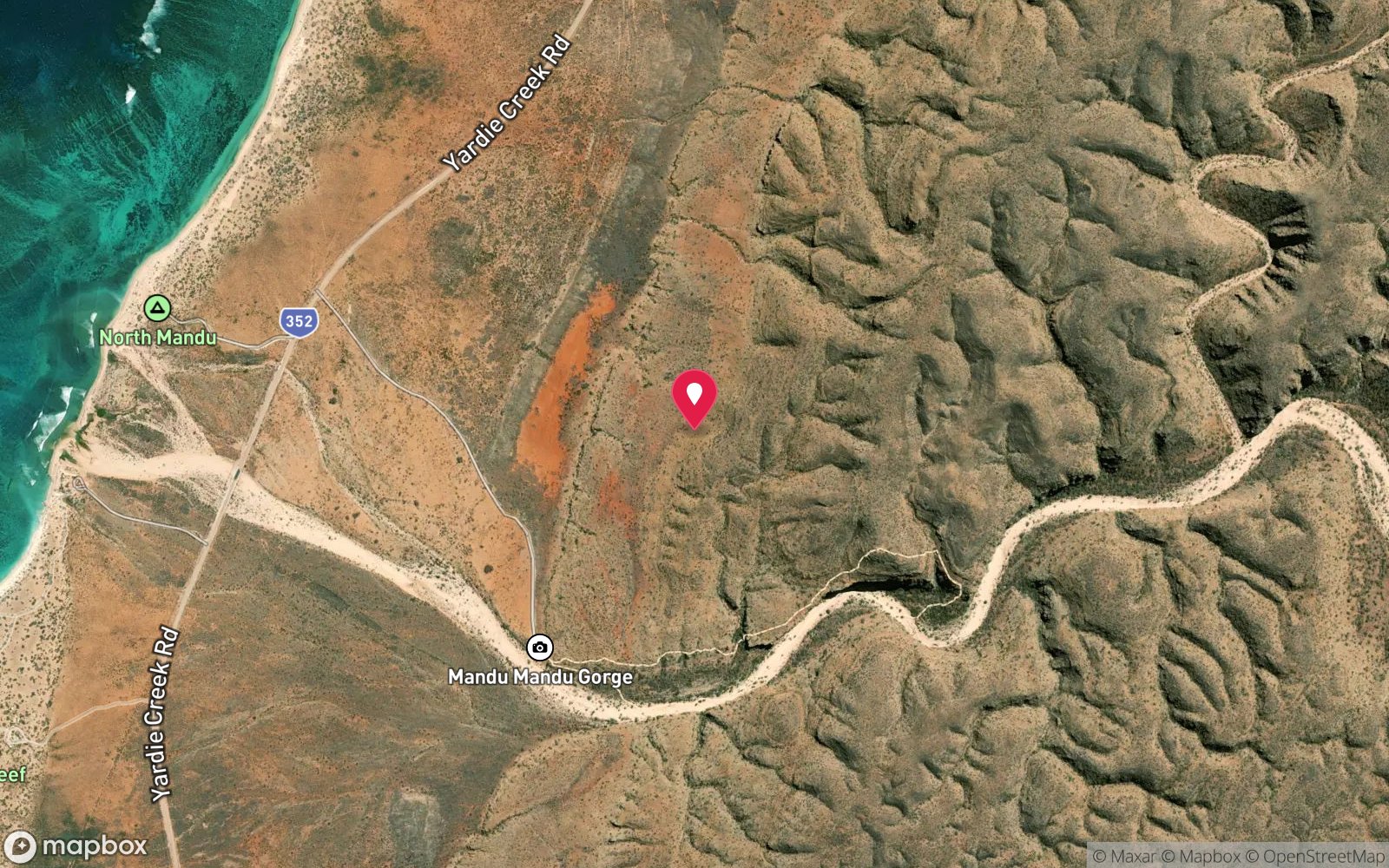
Oyster Stacks: frequently asked questions
How deep is Oyster Stacks?
Oyster Stacks reaches a maximum depth of 4 m, with the shallowest part at about 1 m; most of the dive is spent around 2 m.
What certification do I need to dive Oyster Stacks?
No certification is needed to snorkel it, and it suits introductory dives. Rated beginner: sheltered, shallow and manageable for a newly certified diver on a normal day.
Can I shore dive Oyster Stacks?
Yes. Oyster Stacks is a shore dive that can be done independently: rocky shore entry at high tide (reef shoes needed); swim a few metres to the stacks.
When is the best time to dive Oyster Stacks?
Year-round on suitable high tides; April–October for comfort.
What marine life will I see at Oyster Stacks?
Regularly recorded: Dense reef fish (damsels, butterflyfish, wrasse, parrotfish, angelfish), reef sharks, stingrays, turtles, starfish, sea urchins, oysters, plate corals.
What wetsuit do I need at Oyster Stacks?
Rash vest or 3 mm shorty in summer; 3 mm full suit in winter.
How cold is the water at Oyster Stacks?
Typically 26-29 °C in summer and 20-23 °C in winter.
What are the main hazards at Oyster Stacks?
Snorkel only on tides above ~1.2 m; sharp oysters and rocks – wear reef shoes and don't stand on coral; crowded at peak tides; jellyfish possible; no lifeguards. See the hazards section above for the full list.
Where is the nearest recompression chamber to Oyster Stacks?
Fiona Stanley Hospital (Perth) – evacuation via RFDS from Learmonth/Exmouth. In an emergency call 000, then DAN Asia-Pacific on 1800 088 200.
Diving in Ningaloo – Exmouth
Exmouth is the base for Ningaloo's headline experiences: whale shark swims from March to July, humpback swims from August to October, and the Navy Pier, a working naval jetty with more fish per square metre than almost any site in Australia. The westside reef (Lighthouse Bay, Blizzard Ridge, the Labyrinth) and the Muiron Islands have coral, grey nurse sharks and mantas.
Getting there: Fly to Learmonth (Exmouth) or drive 13 hours from Perth. Several operators run boat dives and the wildlife swims; the Navy Pier is dived only with the licensed operator.
All Ningaloo – Exmouth dive sites and a suggested itinerary →
Sources
- curiouscampers.com.au/exmouth-snorkelling-guide-snorkel-ningaloo-reef
- perthisok.com/explore/a-comprehensive-guide-to-snorkelling-off-the-beach-around-exmouth
- overlandexposure.com.au/top-10-snorkelling-spots-on-the-ningaloo-reef
Data confidence: High. Last updated September 2026. Know this site better? How to send a correction
Nearby dive sites
More shore dives in Western Australia
Explore more
This region
Similar dives