Dive slate · divesites.com.au · printed 7 Nov 2026
Sandy Hook Island
Esperance & Recherche Archipelago, Western Australia · near Esperance
| Depth | 15–30 m |
|---|---|
| Minimum level | Advanced Open Water |
| Difficulty | Intermediate |
| Access | Boat (day trip) |
| Entry | Giant stride or back roll from charter/private boat |
| Current | Mild |
| Visibility | 15-25 m |
| Water | summer 19-21 °C, winter 15-16 °C |
| Suit | 7 mm wetsuit with hood, or drysuit in winter |
| Best season | Late summer to autumn (February-May) for the calmest seas and clearest water |
| Bottom time | 35 min |
| Position | -33.95000, 121.75000 (approximate) |
| Permit | Recherche Archipelago Nature Reserve (no landing without authorisation). |
| Nearest chamber | Fiona Stanley Hospital Hyperbaric Medicine Unit (Murdoch, Perth) – about 720 km; aeromedical evacuation (RFDS) from Esperance Hospital |
| Emergency | 000 · DAN Asia-Pacific diving emergency 1800 088 200 |
Sandy Hook Island
Also known as Sandy Hook
Rarely dived granite ridges with large caves and crevices in the western Recherche.
Near Esperance · Esperance & Recherche Archipelago, Western Australia
- Depth
- 15–30 m
- Minimum level
- Advanced Open Water
- Access
- Boat (day trip)
- Boat ride
- ~40 min
- Water
- 19-21 °C
- Visibility
- 15-25 m
Sandy Hook Island15–30 m · Advanced Open Water
Dive factsDepths, conditions, location & safety
Season
Off-peak nowBest months: January, February, March, April, May, December.
Late summer to autumn (February-May) for the calmest seas and clearest water
- Best months
- Now (November)
Dive facts
- Depth
- 15–30 m
- Typical depth
- 22 m
- Certification
- Advanced Open Water
- Difficulty
- Intermediate
- Depth tier
- Advanced Open Water (18–30 m)
- Access
- Boat (day trip)
- Dive centre needed
- Recommended
- Shore / independent
- No
- Boat ride
- ~40 min
- Current
- Mild
- Visibility
- 15-25 m
- Water temp (summer)
- 19-21 °C
- Water temp (winter)
- 15-16 °C
- Water
- Temperate
- Bottom time
- 35 min
- Dive traffic
- Rarely dived (private boat/club only)
- Night dive
- No
- Snorkel friendly
- No
Exposure suit
7 mm wetsuit with hood, or drysuit in winter
Location
Long Island group · Esperance – Recherche Archipelago
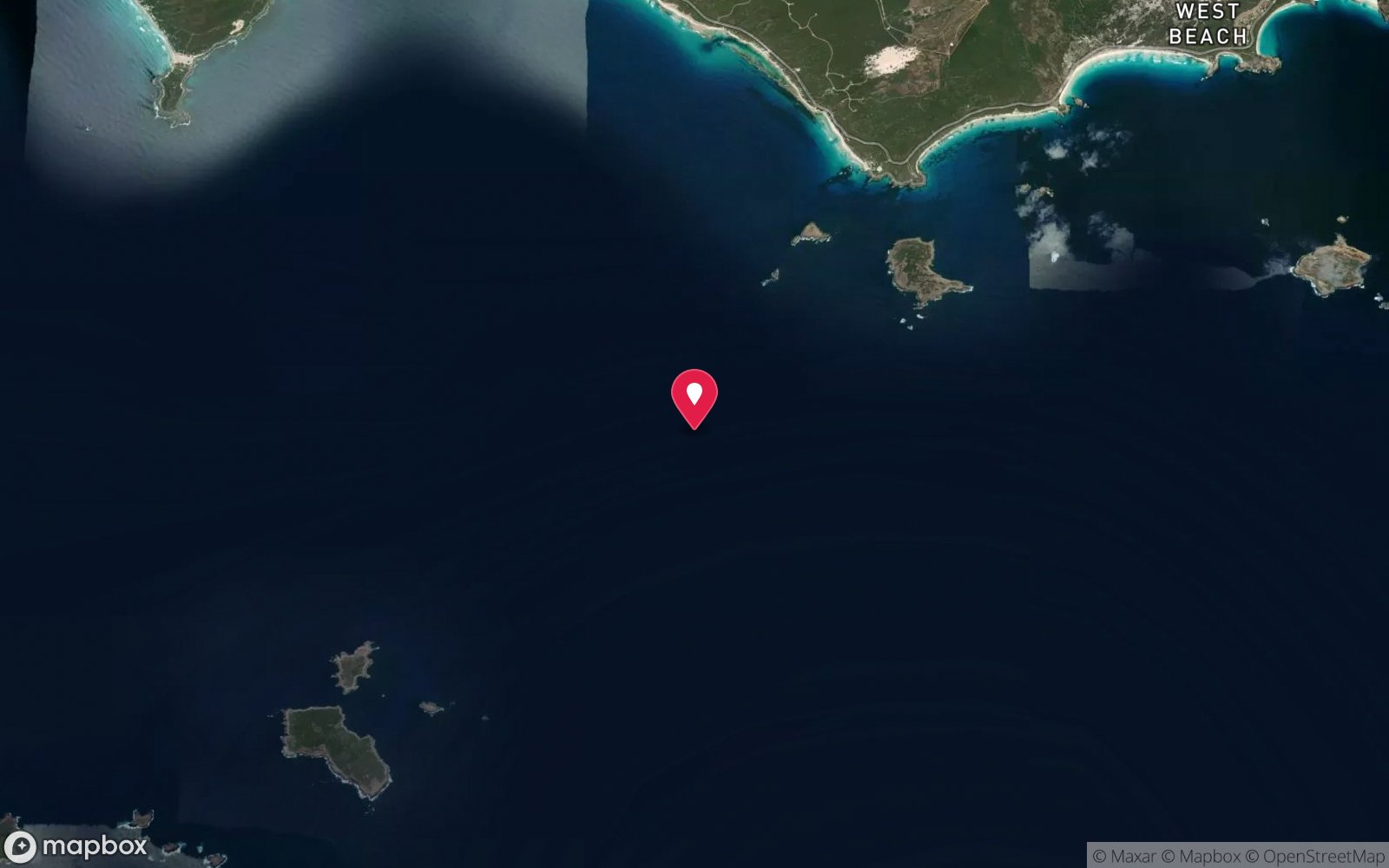
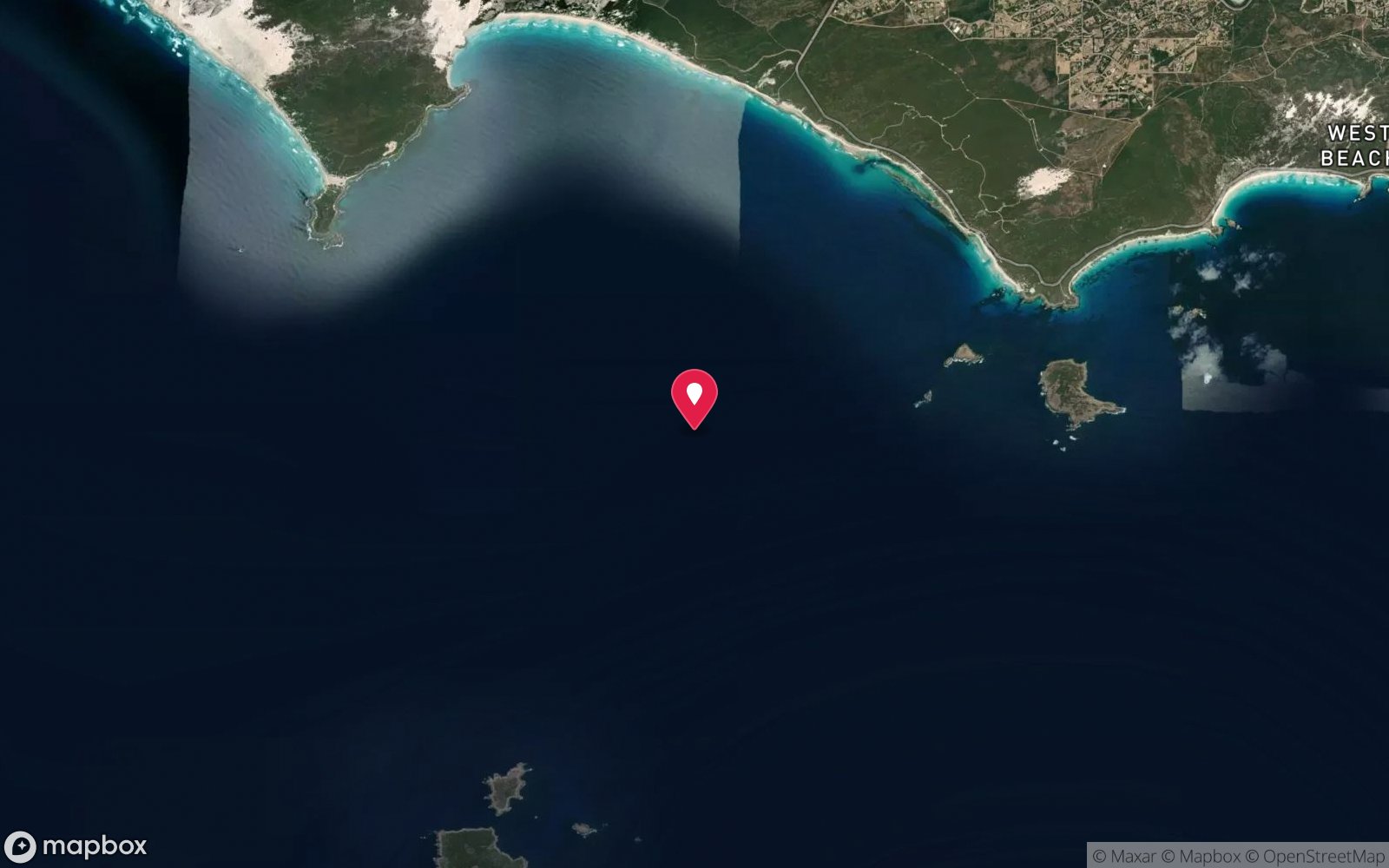
-33.95000, 121.75000
Approximate position — not for navigation.
Open in Google MapsPrimary source: marinelife.org.auMarine park & permits
Recherche Archipelago Nature Reserve (no landing without authorisation).
Nearest recompression chamber
Fiona Stanley Hospital Hyperbaric Medicine Unit (Murdoch, Perth) – about 720 km; aeromedical evacuation (RFDS) from Esperance Hospital
Diving emergency: call 000, then DAN AP 1800 088 200.
Trip planner
Build a trip around Sandy Hook Island →
A day-by-day plan for Esperance & Recherche Archipelago with this site locked in.
This guide is a planning aid. Conditions change daily — confirm with a local dive centre and dive within your training. Data & safety notes.
Dive profile
How this site rates
Scores are computed from the recorded data, not opinions. How?
At a glance
Sandy Hook Island is a island boat dive in Esperance & Recherche Archipelago, WA, 15–30 m, suited to Advanced Open Water divers, about 40 minutes by boat.
Rated intermediate because of depth beyond 18 m, surge on the entry or in the shallows, cold water.
Why dive here
- Rarely dived granite ridges with large caves and crevices in the western Recherche.
- Rarely dived: expect to have the site to yourself, and plan your own logistics.
- Visibility often reaches 15-25 m.
About Sandy Hook Island
Sandy Hook Island is a companion site to Long Island in the western Recherche Archipelago. Marine Life Network describes rocky ridges, large caves and crevices in 15-30 m. As with other islands in the group, the granite is heavily sculpted by the Southern Ocean, and the caves and crevices shelter crayfish, harlequin fish, bullseyes and sponges, while blue groper and queen snapper patrol the ridges.
It is typically used by Esperance Diving & Fishing as an alternative to Long Island or as a second dive after the Lapwing wreck, chosen according to which side is sheltered on the day.
It suits Advanced Open Water divers comfortable with depth and some surge; a torch is essential for the caves. The value of Sandy Hook, like much of the Recherche, lies in its remoteness – pristine granite reefs that see a handful of divers a year.
Getting there & entry
Island near Long Island in the western Recherche Archipelago with rocky ridges, large caves and crevices in 15-30 m.
Esperance is about 720 km (8 hours) south-east of Perth via the Albany or Great Eastern and Coolgardie-Esperance Highways, with daily flights from Perth. Dive boats and private boats launch from the Bandy Creek Boat Harbour (5 km east of town, with ramps, parking and toilets) or operate from the town waterfront on The Esplanade. Air, nitrox and hire gear are available from Esperance Diving & Fishing on The Esplanade.
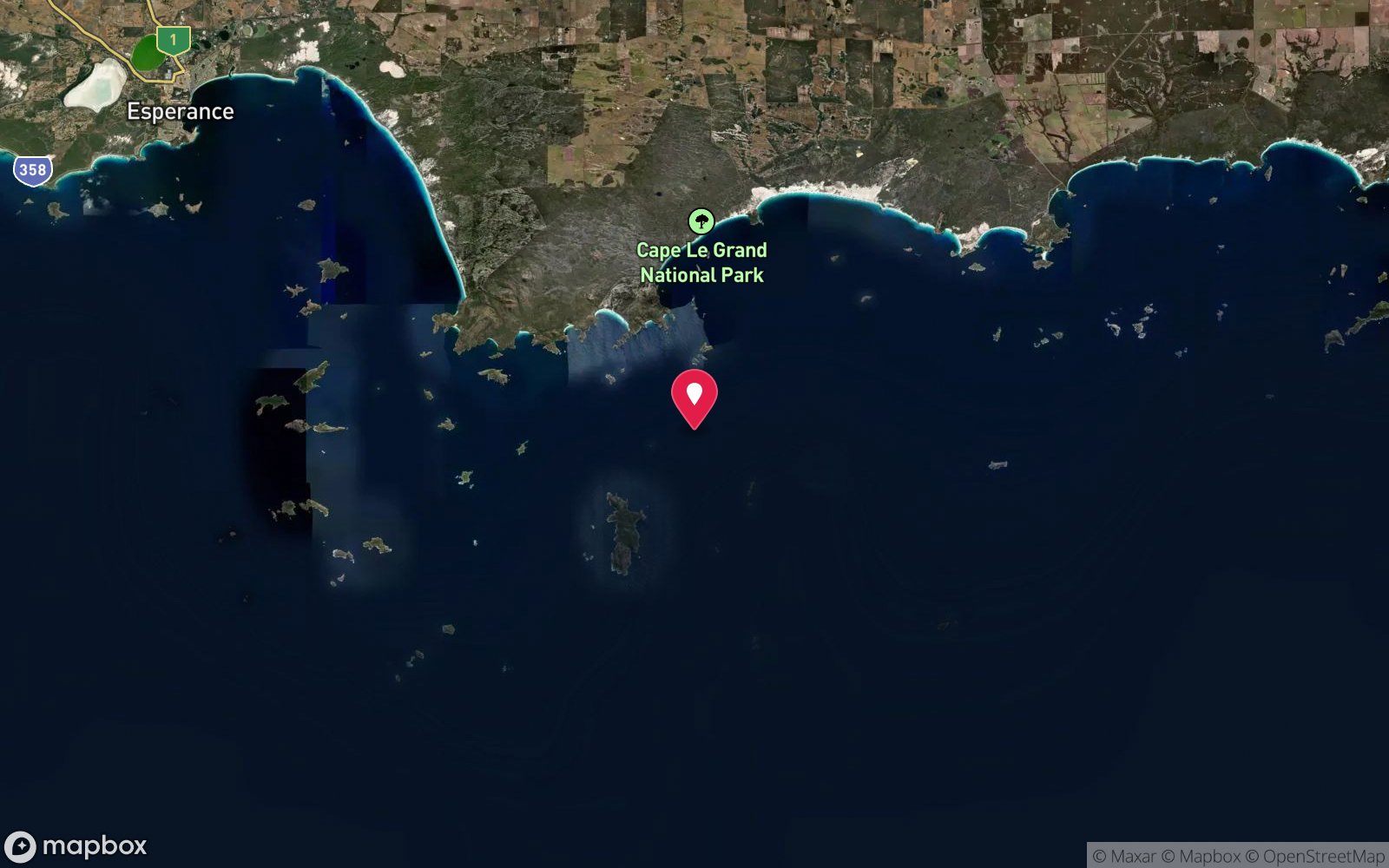
Sandy Hook Island lies near Long Island, about 30-45 minutes by boat from Esperance. Anchor in the lee according to swell direction.
Entry: Giant stride or back roll from charter/private boat
Weather, swell & tides
The Recherche Archipelago lies open to the Southern Ocean, and the islands shelter each other only partly. Boat diving needs swell under about 2 m and winds under 15-20 knots; the prevailing south-westerly swell and winter cold fronts cancel many trips from May to September. Summer brings reliable morning calms but strong easterly sea breezes most afternoons.
Caves and crevices here surge in any swell; choose the sheltered side and dive only in swell under about 1.5 m.
Best season: Late summer to autumn (February-May) for the calmest seas and clearest water
If it's blown out
Sheltered or shore sites within 25 km that often work when Sandy Hook Island doesn't.
- Twilight Beach (Esperance) · 9 km · Max 6 m
- Blue Haven Beach (Esperance) · 12 km · Max 6 m
- Esperance Jetty · 17 km · Max 8 m
- Tanker Jetty Artificial Reef ('The Island') · 17 km · Max 9 m
How the dive is usually run
Descend to the base of the rocky ridges at 20-25 m, explore the caves and crevices with a torch, then ascend along the ridges to 15 m for the remainder of the dive.
Marine life
- Southern rock lobster
- harlequin fish
- bullseyes
- blue groper →
- queen snapper
- sponges
- gorgonians
Linked species have their own page listing every site where they are recorded. All marine life →
Training required
Beyond 18 m an Advanced certification (which includes a deep dive to 30 m) is the accepted minimum. Anything past 25 m is a deep dive in practice.
At more than 25 m this counts as a deep dive: watch no-decompression limits and gas.
Courses that help here
- Enriched Air Nitrox – Longer no-decompression time at 25 m and deeper.
- Cavern Diver – An overhead environment.
- Drysuit Diver – Cold water; locals dive dry for much of the year.
Depth tiers: 0–10 m easy · to 18 m Open Water · 18–30 m Advanced (25 m+ is a deep dive) · 30–40 m Deep specialty · 40 m+ technical. All courses
Hazards & warnings
Surge in caves; depth to 30 m; remote; cold water.
Dive centres that go here
Esperance Diving & Fishing (72 The Esplanade, Esperance; operating since 1983) – boat dives in the Recherche Archipelago on demand/weather permitting, minimum numbers apply for long trips.
Operators recorded for Sandy Hook Island
Other dive centres in Esperance & Recherche Archipelago
Perth Scuba
ProfiledCanning Vale · Perth · WA
One of the most fully documented operations in Western Australia, covering recreational, professional, technical and freediving training alongside substantial equipment facilities.
perthscuba.com · (08) 9455 4448
Woody Island Eco Tours
Named by sitesEsperance · Esperance & Recherche Archipelago · WA
Island eco tours/ferry and camping; not a dive shop.
woodyisland.com.au · 0484 327 580
Map
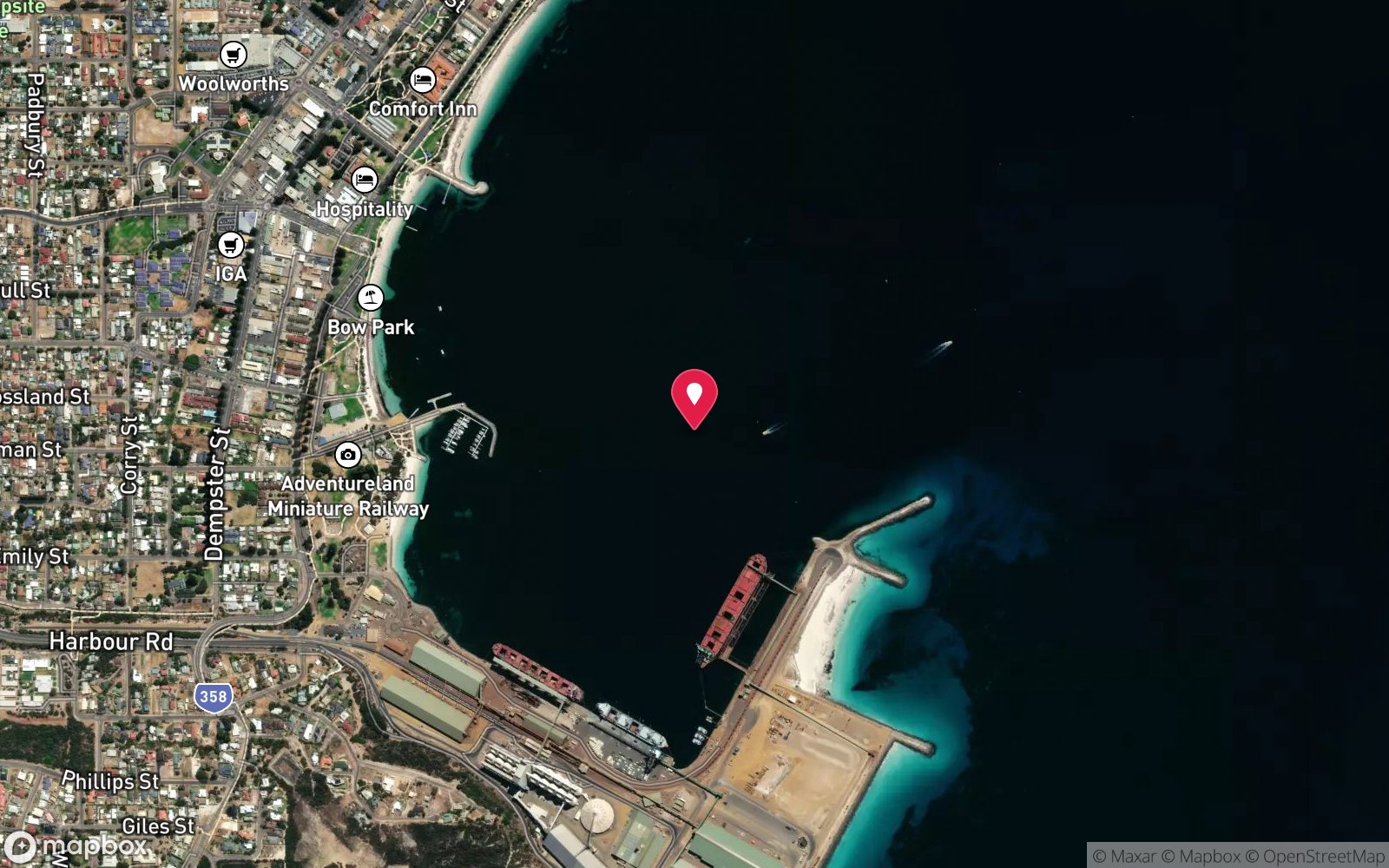
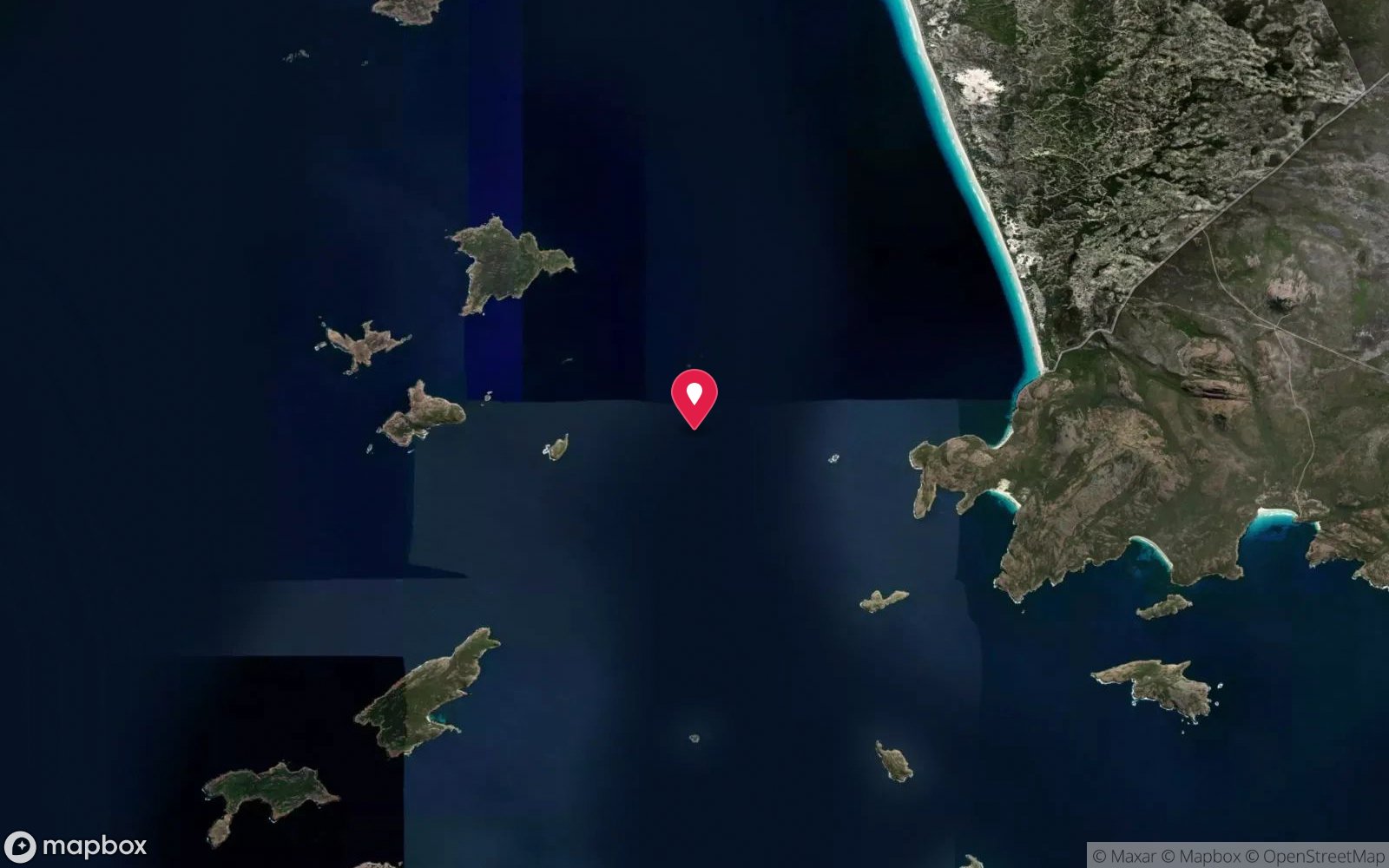
7 pinned sites. Pins marked approximate on their pages show the general area only; not for navigation.
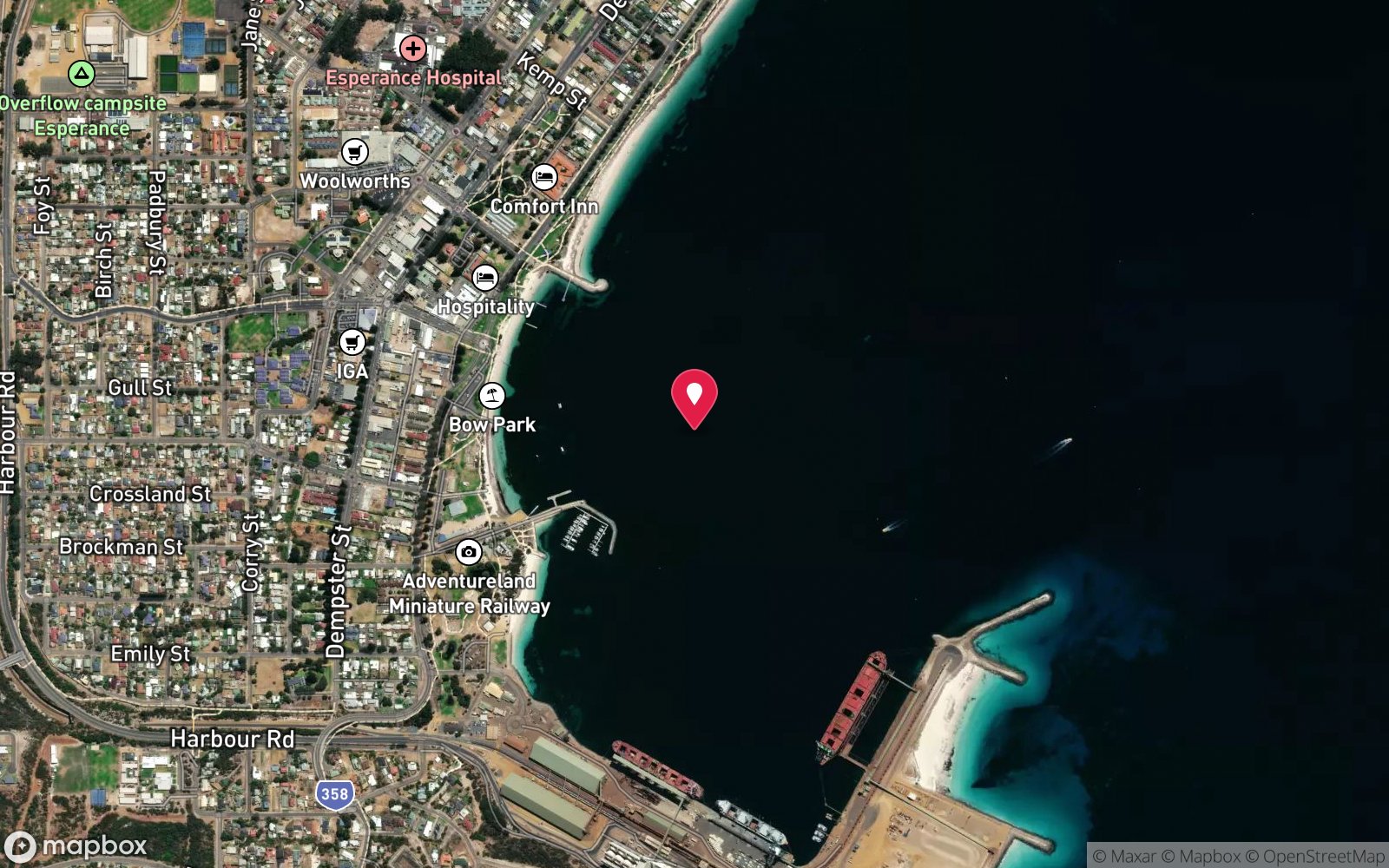
Satellite views
Sandy Hook Island: frequently asked questions
How deep is Sandy Hook Island?
Sandy Hook Island reaches a maximum depth of 30 m, with the shallowest part at about 15 m; most of the dive is spent around 22 m.
What certification do I need to dive Sandy Hook Island?
Advanced Open Water is the recommended minimum. At more than 25 m this counts as a deep dive: watch no-decompression limits and gas. Rated intermediate because of depth beyond 18 m, surge on the entry or in the shallows, cold water.
Can I shore dive Sandy Hook Island?
No, it is reached by boat (about 40 minutes).
When is the best time to dive Sandy Hook Island?
Late summer to autumn (February-May) for the calmest seas and clearest water.
What marine life will I see at Sandy Hook Island?
Regularly recorded: Southern rock lobster, harlequin fish, bullseyes, blue groper, queen snapper, sponges, gorgonians.
What wetsuit do I need at Sandy Hook Island?
7 mm wetsuit with hood, or drysuit in winter.
How cold is the water at Sandy Hook Island?
Typically 19-21 °C in summer and 15-16 °C in winter.
What are the main hazards at Sandy Hook Island?
Surge in caves; depth to 30 m; remote; cold water. See the hazards section above for the full list.
Where is the nearest recompression chamber to Sandy Hook Island?
Fiona Stanley Hospital Hyperbaric Medicine Unit (Murdoch, Perth) – about 720 km; aeromedical evacuation (RFDS) from Esperance Hospital. In an emergency call 000, then DAN Asia-Pacific on 1800 088 200.
Diving in Esperance & Recherche Archipelago
Esperance's Recherche Archipelago has more than 100 granite islands in clear Southern Ocean water: sea lions, fur seals, leafy seadragons, kelp and the Sanko Harvest wreck, the largest diveable wreck in Australia, in 12–40 m. It is spectacular and dived by very few.
Getting there: Eight hours from Perth or a flight to Esperance. Local charters when demand allows; the town beaches and Woody Island have shore diving.
All Esperance & Recherche Archipelago dive sites and a suggested itinerary →
Sources
Data confidence: Low · Being verified: Coordinates approximate; description under 250 words – limited documentation.. Last updated September 2026. Know this site better? How to send a correction
Nearby dive sites
More island dives in Western Australia
Explore more
This region
Marine life