Dive slate · divesites.com.au · printed 8 Nov 2026
Seringapatam Reef
Broome & Kimberley, Western Australia · near Broome
| Depth | 3–40 m |
|---|---|
| Minimum level | Deep/Advanced + experience |
| Difficulty | Advanced |
| Access | Boat (multi-day/liveaboard) |
| Entry | Giant stride from liveaboard or tender |
| Current | Variable/Tidal |
| Visibility | 10-30 m |
| Water | summer 29-31 °C, winter 25-27 °C |
| Suit | 3 mm full suit or skin |
| Best season | September–November (calmest window) |
| Bottom time | 50 min |
| Position | -13.66700, 122.08300 (GPS) |
| Permit | WA waters; check zoning |
| Nearest chamber | Royal Darwin Hospital (Darwin) or Fiona Stanley Hospital (Perth) – RFDS evacuation; many hours away from the Kimberley coast |
| Emergency | 000 · DAN Asia-Pacific diving emergency 1800 088 200 |
Seringapatam Reef
Also known as Seringapatam Atoll
One of Australia's most remote atolls.
Near Broome · Broome & Kimberley, Western Australia
- Depth
- 3–40 m
- Minimum level
- Deep/Advanced + experience
- Access
- Boat (multi-day/liveaboard)
- Boat ride
- —
- Water
- 29-31 °C
- Visibility
- 10-30 m
Seringapatam Reef3–40 m · Deep/Advanced + experience
Dive factsDepths, conditions, location & safety
Season
In season nowBest months: September, October, November.
September–November (calmest window)
- Best months
- Now (November)
- Stinger suit Nov–May
Dive facts
- Depth
- 3–40 m
- Typical depth
- 18 m
- Certification
- Deep/Advanced + experience
- Difficulty
- Advanced
- Depth tier
- Deep / Advanced + experience (30–40 m)
- Access
- Boat (multi-day/liveaboard)
- Offshore
- 320 km
- Dive centre needed
- Yes – boat access only
- Shore / independent
- No
- Current
- Variable/Tidal
- Visibility
- 10-30 m
- Water temp (summer)
- 29-31 °C
- Water temp (winter)
- 25-27 °C
- Water
- Tropical
- Bottom time
- 50 min
- Dive traffic
- Remote/expedition only
- Night dive
- Possible
- Snorkel friendly
- Partial
Exposure suit
3 mm full suit or skin
Location
Scott Reef
-13.66700, 122.08300
Published GPS position.
Open in Google MapsPrimary source: en.wikipedia.orgMarine park & permits
WA waters; check zoning
Nearest recompression chamber
Royal Darwin Hospital (Darwin) or Fiona Stanley Hospital (Perth) – RFDS evacuation; many hours away from the Kimberley coast
Diving emergency: call 000, then DAN AP 1800 088 200.
Trip planner
Build a trip around Seringapatam Reef →
A day-by-day plan for Broome & Kimberley with this site locked in.
This guide is a planning aid. Conditions change daily — confirm with a local dive centre and dive within your training. Data & safety notes.
Dive profile
How this site rates
Scores are computed from the recorded data, not opinions. How?
At a glance
Seringapatam Reef is a reef liveaboard-only site in Broome & Kimberley, WA, 3–40 m, suited to Deep/Advanced + experience divers, variable/tidal current.
Rated advanced because of depth to 40 m, tidal current that must be timed.
Why dive here
- One of Australia's most remote atolls.
- Rarely dived: expect to have the site to yourself, and plan your own logistics.
- Visibility often reaches 10-30 m.
About Seringapatam Reef
Seringapatam Reef is an egg-shaped atoll of about 55 km², with a narrow reef rim enclosing a deep lagoon, large boulders on its edges and sandbanks on the west side. It was found by Captain Edwin Courtenay on 23 August 1839 and named after his ship. Like Scott Reef, it rises steeply from 400–500 m, and it shares Scott Reef's history of severe bleaching.
Few recreational divers have visited; expect pristine-feeling walls, pelagics and sharks, and a total dependence on the expedition vessel.
Kimberley diving context: the Kimberley coast between Broome and Wyndham is one of the least-dived coastlines in Australia. Huge tides (up to 10–11 m), turbid inshore water, saltwater crocodiles around the islands and rivers, and large sharks mean that inshore diving is generally discouraged by experienced local boaters, and expedition cruise ships mostly offer snorkelling or Zodiac excursions rather than scuba. The serious diving is offshore, on atolls and island reefs far from river run-off, visited on a handful of liveaboard departures a year from Broome or Darwin. Medical help is many hours away; divers should be conservative and carry DAN or equivalent evacuation cover.
Planning notes: Advanced Open Water certification is recommended and the site is rated advanced. Expect to spend most of the dive around 18 m, with a maximum of about 40 m. It can only be reached on a multi-day expedition or liveaboard, so it is usually one of several sites dived on the trip and choices are made by the crew on the day. Currents are significant, so timing around the tide is part of the plan. Best season: September–November (calmest window). Traffic: remote/expedition only.
Getting there & entry
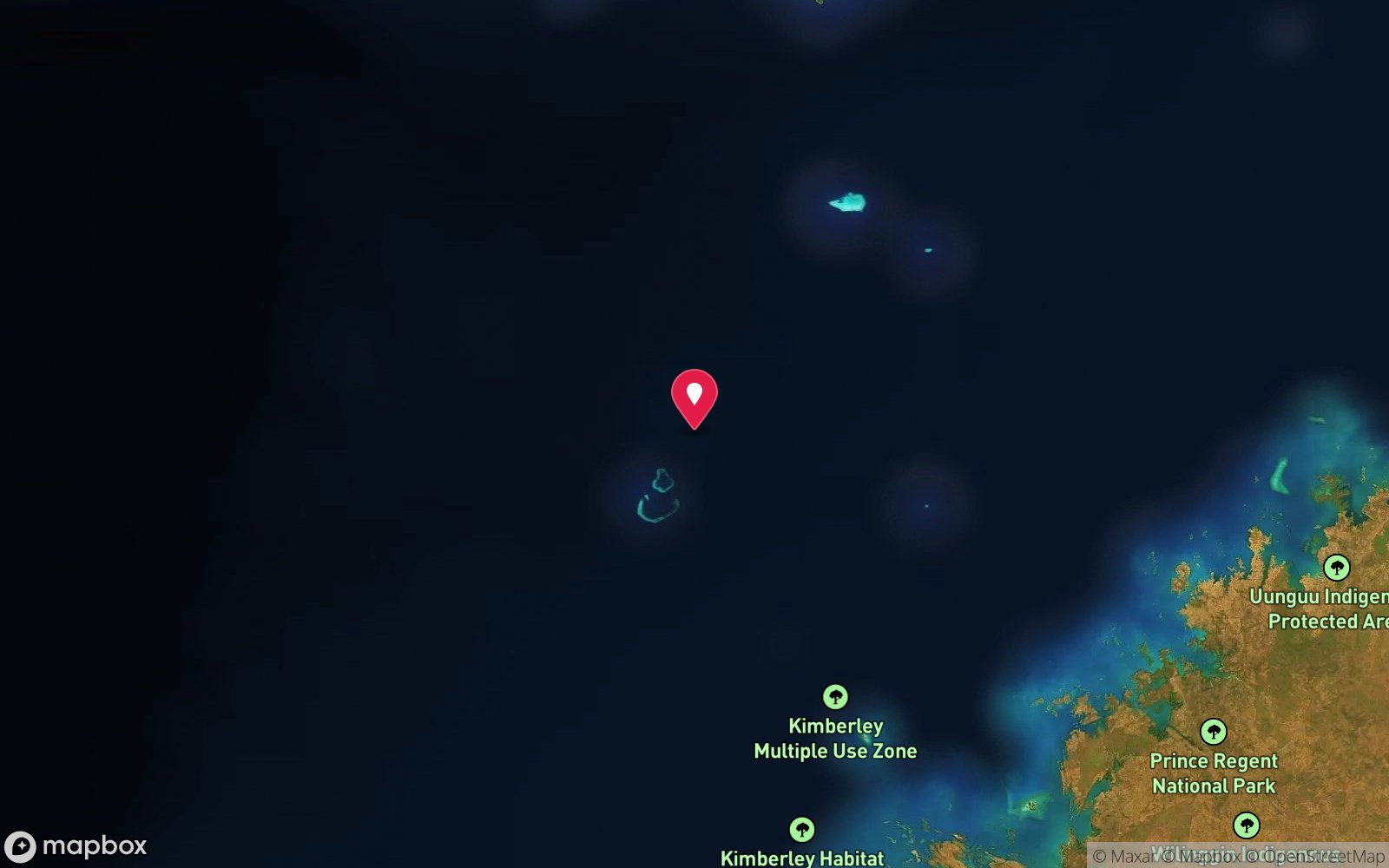
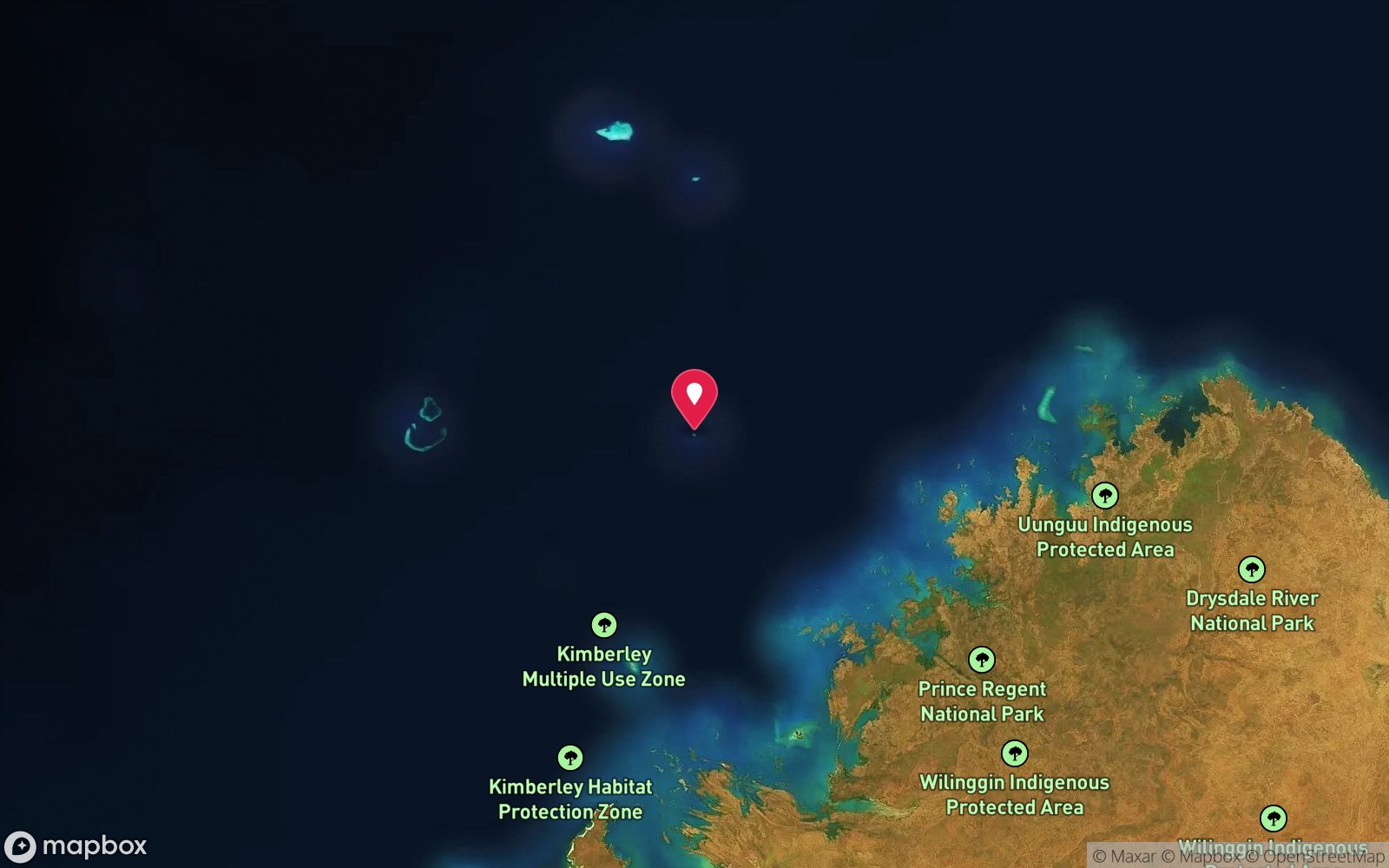
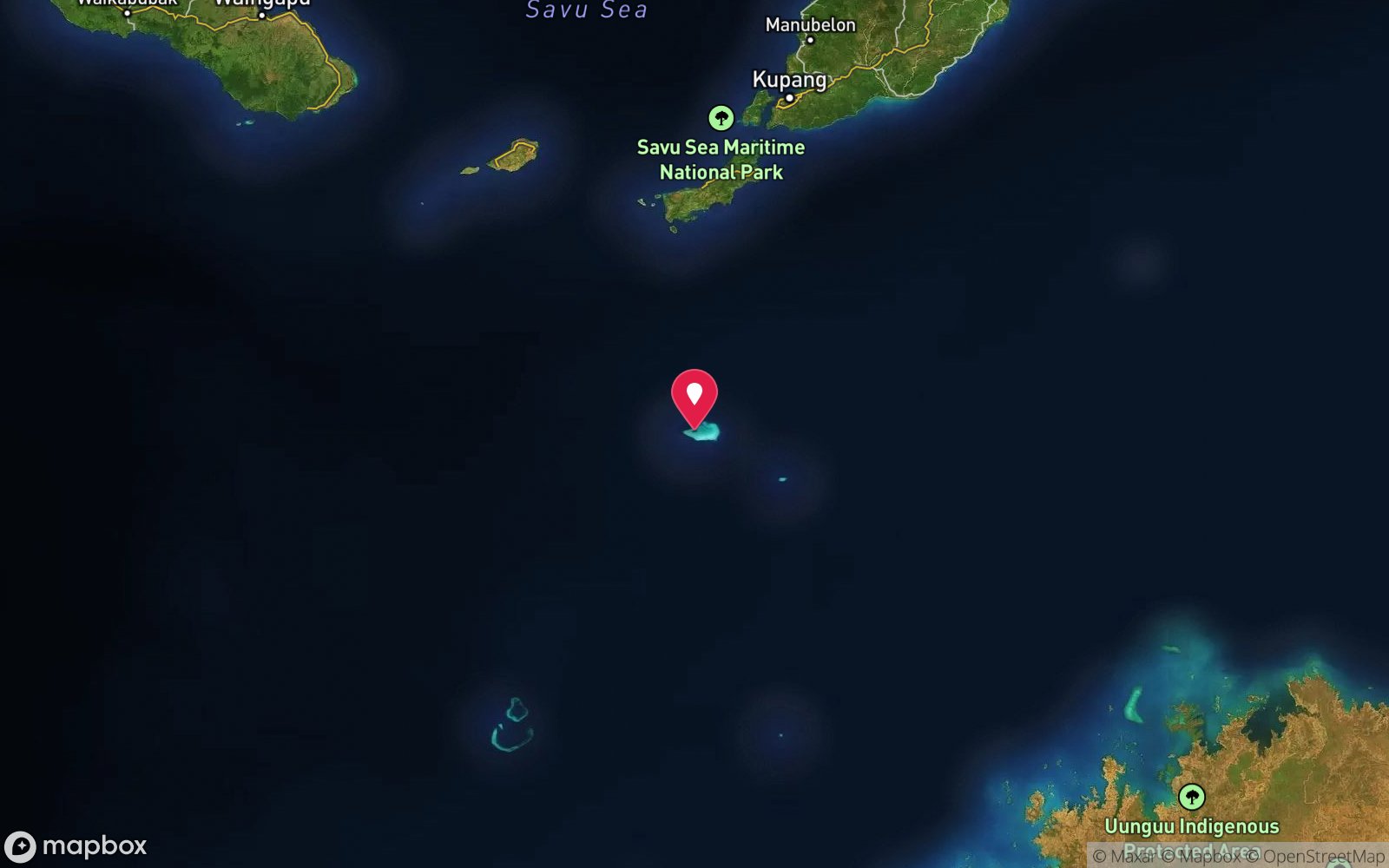
Egg-shaped oceanic atoll (~55 km²) in the Timor Sea 23 km north-east of North Scott Reef, with a narrow rim enclosing a deep lagoon.
Only by expedition liveaboard or private ocean-going vessel, usually combined with Scott Reef, 1–2 days from Broome or Darwin. Expedition vessels typically depart Broome or Darwin (or Wyndham) on 10–14 night Kimberley voyages, or on dedicated 7–12 night reef expeditions; private vessels need full offshore capability, long-range communications (satphone/EPIRB) and fuel for several hundred nautical miles. Dives are run from tenders launched from the mothership, which anchors in the lee of the reef.
Entry: Giant stride from liveaboard or tender
Facilities: None – remote; all services on the vessel.
Weather, swell & tides
Kimberley offshore trips run in the dry season (roughly April–October; Scott Reef and Rowley trips cluster September–November when winds ease). The wet season (November–April) brings cyclones, and the Kimberley coast has tides up to 10–11 m, creating violent currents, whirlpools and tidal races near the mainland and inshore reefs. Offshore atolls have smaller ranges but strong currents in channels.
Strong easterly trade winds in mid-dry season can make crossings rough.
Best season: September–November (calmest window)
How the dive is usually run
Dive the outer wall on the lee side with the current, 15–30 m, ascending onto the reef rim.
Marine life
- Reef sharks →
- pelagics
- turtles →
- reef fish
- hard corals
Linked species have their own page listing every site where they are recorded. All marine life →
Training required
The recreational limit. Operators expect a Deep Diver specialty or Advanced plus a log of similar dives, and most recommend nitrox.
Advanced Open Water divers can dive the shallower section (typical depth 18 m); the full site to 40 m needs Deep/Advanced + experience. Operators often quote Advanced Open Water. This is a deep dive: plan gas, bottom time and a safety stop accordingly, and consider nitrox.
Operators' own listing: Advanced Open Water.
Courses that help here
- Enriched Air Nitrox – Longer no-decompression time at 25 m and deeper.
- Deep Diver – The site reaches 40 m.
Depth tiers: 0–10 m easy · to 18 m Open Water · 18–30 m Advanced (25 m+ is a deep dive) · 30–40 m Deep specialty · 40 m+ technical. All courses
Hazards & warnings
Extreme remoteness; currents; sharks.
Dive centres that go here
Occasional expedition liveaboards only.
Other dive centres in Broome & Kimberley
The Great Escape Charter Company
Named by sitesBroome · Rowley Shoals · WA
Website live for 2026 advertising 5- and 7-night Rowley Shoals dive and snorkel cruises for the 2026 and 2027 seasons (March–November).
greatescapecruises.com.au · (08) 9193 5983
Broome Historical Walking Tours
Named by sitesBroome · Broome & Kimberley · WA
Walking tour operator, not a dive business; departs Town Beach, Broome.
broomehistoricalwalkingtours.com
Map
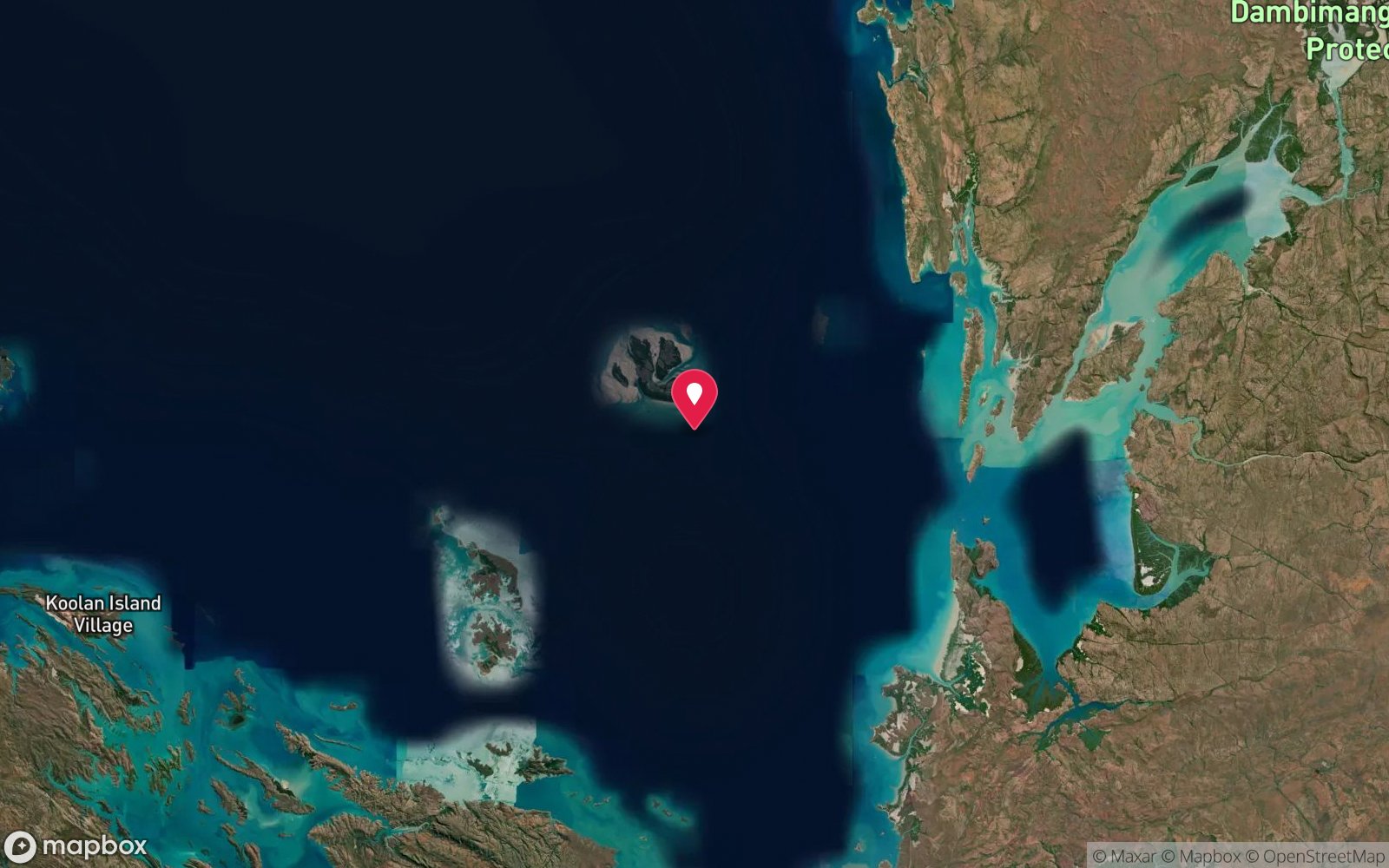
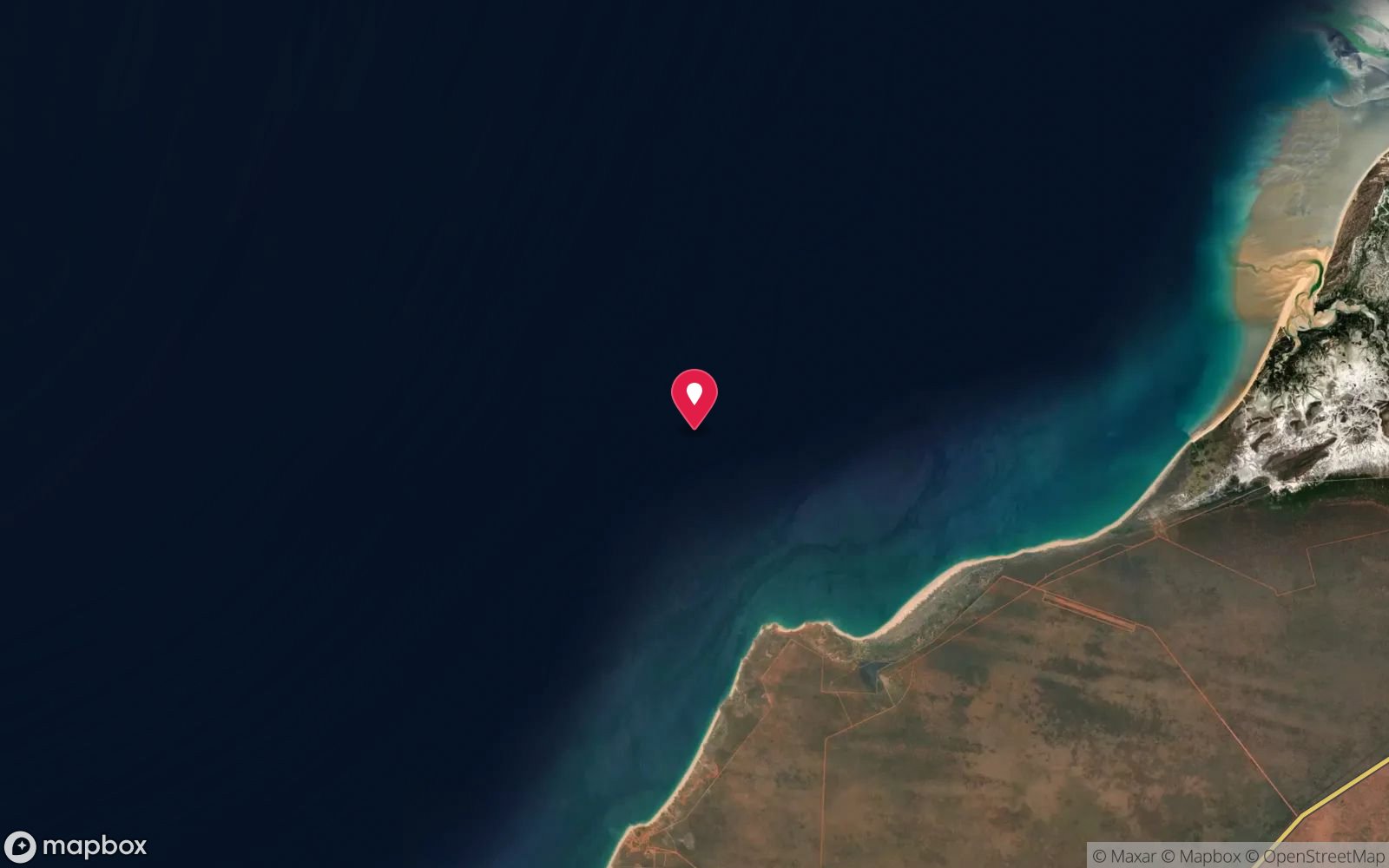
7 pinned sites. Pins marked approximate on their pages show the general area only; not for navigation.
Satellite views
Seringapatam Reef: frequently asked questions
How deep is Seringapatam Reef?
Seringapatam Reef reaches a maximum depth of 40 m, with the shallowest part at about 3 m; most of the dive is spent around 18 m.
What certification do I need to dive Seringapatam Reef?
Deep/Advanced + experience is the recommended minimum. Advanced Open Water divers can dive the shallower section (typical depth 18 m); the full site to 40 m needs Deep/Advanced + experience. Operators often quote Advanced Open Water. This is a deep dive: plan gas, bottom time and a safety stop accordingly, and consider nitrox. Rated advanced because of depth to 40 m, tidal current that must be timed.
Can I shore dive Seringapatam Reef?
No, it is reached by boat. A dive centre is required: boat access only.
When is the best time to dive Seringapatam Reef?
September–November (calmest window).
What marine life will I see at Seringapatam Reef?
Regularly recorded: Reef sharks, pelagics, turtles, reef fish, hard corals.
What wetsuit do I need at Seringapatam Reef?
3 mm full suit or skin.
How cold is the water at Seringapatam Reef?
Typically 29-31 °C in summer and 25-27 °C in winter.
What are the main hazards at Seringapatam Reef?
Extreme remoteness; currents; sharks. See the hazards section above for the full list.
Where is the nearest recompression chamber to Seringapatam Reef?
Royal Darwin Hospital (Darwin) or Fiona Stanley Hospital (Perth) – RFDS evacuation; many hours away from the Kimberley coast. In an emergency call 000, then DAN Asia-Pacific on 1800 088 200.
Diving in Broome & Kimberley
Broome's diving is tidal and turbid but full of history: the pearling-lugger wrecks, WWII flying boats sunk in Roebuck Bay in 1942 and reachable on the lowest tides, and the reefs off Gantheaume Point. The Kimberley coast beyond is liveaboard country with huge tides, crocodiles and untouched reef.
Getting there: Fly to Broome. Local operators dive on neap tides; Kimberley coast trips are multi-day expedition charters.
All Broome & Kimberley dive sites and a suggested itinerary →
Sources
Data confidence: Low · Being verified: Dive-specific details.. Last updated September 2026. Know this site better? How to send a correction
Nearby dive sites
More reef dives in Western Australia
Explore more
This region