Dive slate · divesites.com.au · printed 7 Nov 2026
Broulee Island
Batemans Bay, New South Wales · near Broulee
| Depth | 2–20 m |
|---|---|
| Minimum level | Advanced Open Water |
| Difficulty | Intermediate |
| Access | Shore or Boat |
| Entry | Giant stride from boat on the seaward side; walk-in from the beach on the northern (sheltered) side |
| Current | Mild |
| Visibility | 5–15 m m |
| Water | summer 20–22 °C °C, winter 13–15 °C °C |
| Suit | 7 mm wetsuit with hood most of the year (5 mm adequate Feb–Apr); semi-dry or drysuit and gloves Jul–Oct |
| Best season | Westerly weather, summer and autumn |
| Bottom time | 45 min |
| Position | -35.85500, 150.18700 (approximate) |
| Permit | Batemans Marine Park – Broulee Island sanctuary zone (no take); check current zoning map |
| Nearest chamber | Prince of Wales Hospital Hyperbaric Unit (Randwick, Sydney) |
| Emergency | 000 · DAN Asia-Pacific diving emergency 1800 088 200 |
Broulee Island
Also known as Broulee Island Nature Reserve
Island sanctuary zone with a seaward boulder reef to 20 m and sheltered seagrass snorkelling on the north side.
Near Broulee · Batemans Bay, New South Wales
- Depth
- 2–20 m
- Minimum level
- Advanced Open Water
- Access
- Shore or Boat
- Boat ride
- ~10 min
- Water
- 20–22 °C
- Visibility
- 5–15 m
Broulee Island2–20 m · Advanced Open Water · Shore
Dive factsDepths, conditions, location & safety
Season
Off-peak nowBest months: January, February, March, April, May, December.
Dive facts
- Depth
- 2–20 m
- Typical depth
- 12 m
- Certification
- Advanced Open Water
- Difficulty
- Intermediate
- Depth tier
- Advanced Open Water (18–30 m)
- Access
- Shore or Boat
- Dive centre needed
- Recommended
- Shore / independent
- Possible (experienced only)
- Boat ride
- ~10 min
- Current
- Mild
- Visibility
- 5–15 m
- Water temp (summer)
- 20–22 °C
- Water temp (winter)
- 13–15 °C
- Water
- Temperate
- Bottom time
- 45 min
- Dive traffic
- Rarely dived (private boat/club only)
- Night dive
- No
- Snorkel friendly
- Yes
Exposure suit
7 mm wetsuit with hood most of the year (5 mm adequate Feb–Apr); semi-dry or drysuit and gloves Jul–Oct
Location
Broulee · Batemans Bay – Eurobodalla
-35.85500, 150.18700
Approximate position — not for navigation.
Open in Google MapsPrimary source: marinelife.org.auMarine park & permits
Batemans Marine Park – Broulee Island sanctuary zone (no take); check current zoning map
Nearest recompression chamber
Prince of Wales Hospital Hyperbaric Unit (Randwick, Sydney)
Diving emergency: call 000, then DAN AP 1800 088 200.
Trip planner
Build a trip around Broulee Island →
A day-by-day plan for Batemans Bay with this site locked in.
This guide is a planning aid. Conditions change daily — confirm with a local dive centre and dive within your training. Data & safety notes.
Dive profile
How this site rates
Scores are computed from the recorded data, not opinions. How?
At a glance
Broulee Island is a island shore dive for experienced divers in Batemans Bay, NSW, 2–20 m, suited to Advanced Open Water divers, about 10 minutes by boat.
Rated intermediate because of depth beyond 18 m, cold water.
Why dive here
- Island sanctuary zone with a seaward boulder reef to 20 m and sheltered seagrass snorkelling on the north side.
- Snorkel-friendly, so non-diving companions can join at the surface.
- Rarely dived: expect to have the site to yourself, and plan your own logistics.
Conditions to avoid
- Afternoon north-easterlies
- Outgoing tide or run-off after rain (poor visibility)
About Broulee Island
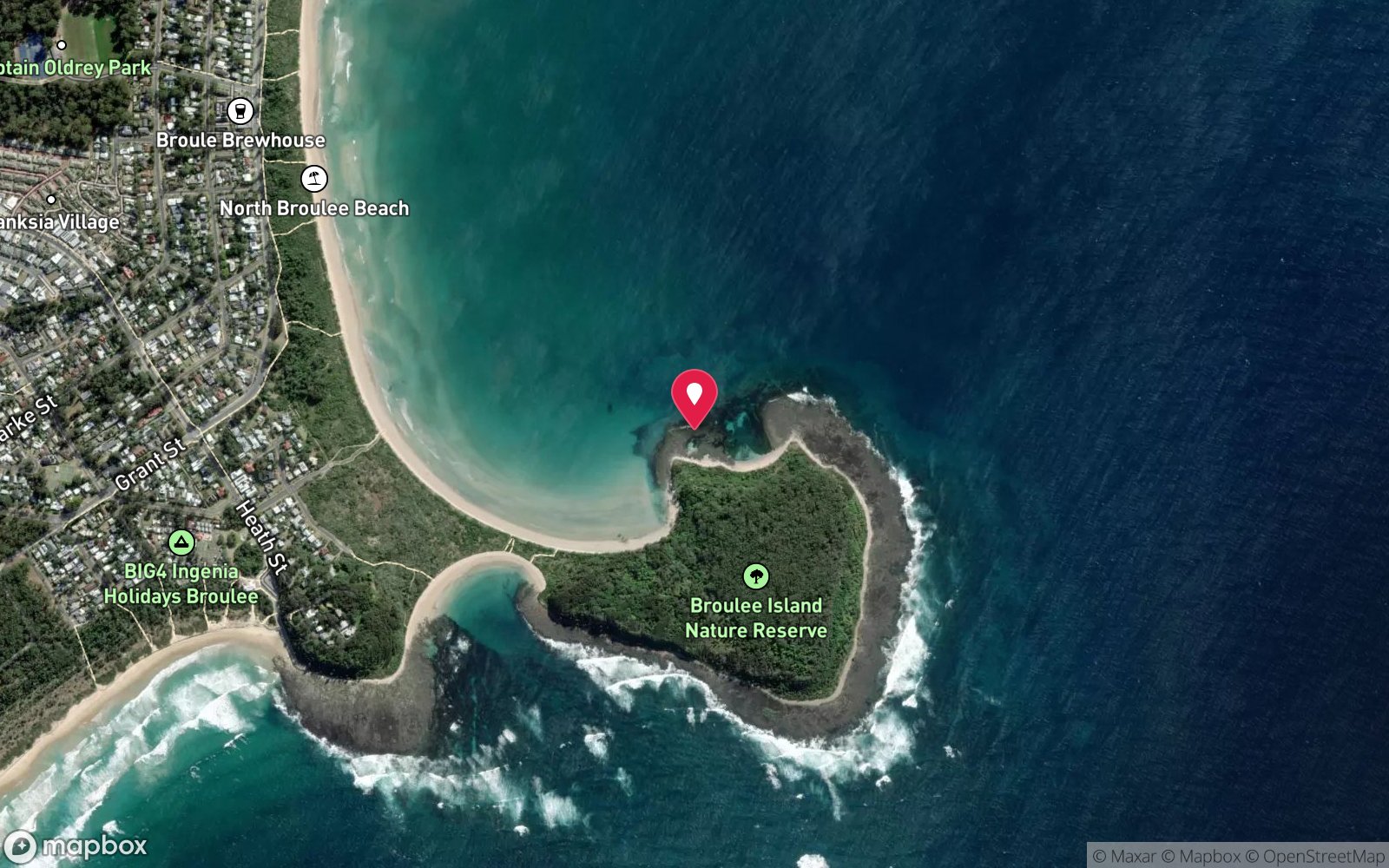
Broulee Island is a small nature reserve connected to Broulee Beach by a sand spit, midway between Batemans Bay and Moruya. The Marine Life Network lists it as a 20 m boat dive with rocky reef on the seaward side, boulders and drop-offs in the 10–20 m range and temperate marine life, noting that westerly weather is needed. The Nature Coast Marine Group lists the northern side as a sanctuary-zone snorkel site suitable for novices (though it involves a long walk). It describes porcupinefish, sandy habitat, seagrass lagoons suitable for children, kelp, luderick, yellowfin bream, drummer, red morwong and wrasses.
The seaward reef is the dive: large boulders and drop-offs covered in kelp above and sponges and sea squirts below, with gutters and ledges. Expect blue groper, red morwong, sweep, yellowtail and drummer, with wobbegongs, Port Jackson sharks and eastern blue devilfish under the ledges. Rays are common on the sand at the base of the reef. The sheltered northern side is gentler, with seagrass and kelp in shallow water.
The island suits divers with a boat on a calm westerly day, and snorkellers on the protected northern side. It is part of the Broulee area, which includes the popular shore-dive cave at South Broulee, documented separately. The sanctuary zone around the island prohibits fishing and collecting, so the fish are plentiful. Because the only dive description is brief, depths here are indicative. The island is a short walk from Broulee's cafés and surf club, which makes it an easy family outing on a calm day.
Getting there & entry
Island nature reserve at Broulee joined to the beach by a sand spit; seaward rocky reef of boulders and drop-offs to 20 m (boat dive), and sheltered northern snorkelling in a sanctuary zone.
For the seaward reef, launch at the Tomakin boat ramp or the Moruya River ramps and run a few minutes to the outer side of the island. For snorkelling on the northern side, the Nature Coast Marine Group describes access from Heath Street via Bayside Street in Broulee and a walk of 200 m or more along the beach to the island. There are toilets and showers at Broulee Surf Club.
The island itself is a nature reserve.
Entry: Giant stride from boat on the seaward side; walk-in from the beach on the northern (sheltered) side
Facilities: Toilets and showers at Broulee Surf Club; Tomakin boat ramp; cafés in Broulee.
Weather, swell & tides
The Marine Life Network notes the seaward side needs westerly weather; it is exposed to swell from the north-east round to the south. The Nature Coast Marine Group warns the northern side is not good for snorkelling if the swell is more than a metre. The best days are calm westerlies after a period of small swell.
Visibility falls after rain when the Moruya and Candlagan Creek run.
Best season: Westerly weather, summer and autumn
If it's blown out
Sheltered or shore sites within 25 km that often work when Broulee Island doesn't.
- Guerilla Bay · 5 km · Max 15 m
- Barlings Beach and Barlings Island · 3 km · Max 11 m
- Shelly Beach (Moruya Heads) · 7 km · Max 8 m
- Garden Bay (Malua Bay) · 7 km · Max 10 m
How the dive is usually run
From a boat, anchor on the seaward side and follow the boulders and drop-offs between 10 and 20 m, returning shallower along the reef. Snorkellers on the northern side should stay in the seagrass lagoons and kelp close to the island.
Marine life
- Blue groper →
- red morwong
- sweep
- yellowtail
- drummer
- luderick
- yellowfin bream
- porcupinefish
- wrasses
- wobbegongs →
- Port Jackson sharks →
- eastern blue devilfish →
- rays
- kelp
- seagrass
Linked species have their own page listing every site where they are recorded. All marine life →
Training required
Beyond 18 m an Advanced certification (which includes a deep dive to 30 m) is the accepted minimum. Anything past 25 m is a deep dive in practice.
Open Water divers can dive the shallower section (typical depth 12 m); the full site to 20 m needs Advanced Open Water. Operators often quote Open Water.
Operators' own listing: Open Water.
Courses that help here
- Drysuit Diver – Cold water; locals dive dry for much of the year.
Depth tiers: 0–10 m easy · to 18 m Open Water · 18–30 m Advanced (25 m+ is a deep dive) · 30–40 m Deep specialty · 40 m+ technical. All courses
Hazards & warnings
Seaward side exposed – dive only in westerly weather and low swell. Long walk for shore access. Sanctuary zone – no take.
Dive centres that go here
Listed by the Marine Life Network as a boat dive; no regular charter. Private boats from Tomakin or Moruya; snorkellers visit the northern side independently.
Operators recorded for Broulee Island
Other dive centres in Batemans Bay
Indepth Scuba
ProfiledBelconnen · Jervis Bay · NSW
A Canberra operation that functions as both a training school and a life-support service facility, with cylinder testing and a full range of gas fills.
indepthscuba.com.au · (02) 6251 1070
Lady of the Sea Diving Academy
ProfiledTuggeranong (Canberra, ACT) · Jervis Bay · NSW
A Canberra operation with an unusually complete set of facilities for an inland centre, including an onsite pool, classroom, retail shop and dive boat.
ladyofthesea.com.au · +61 407 487 735
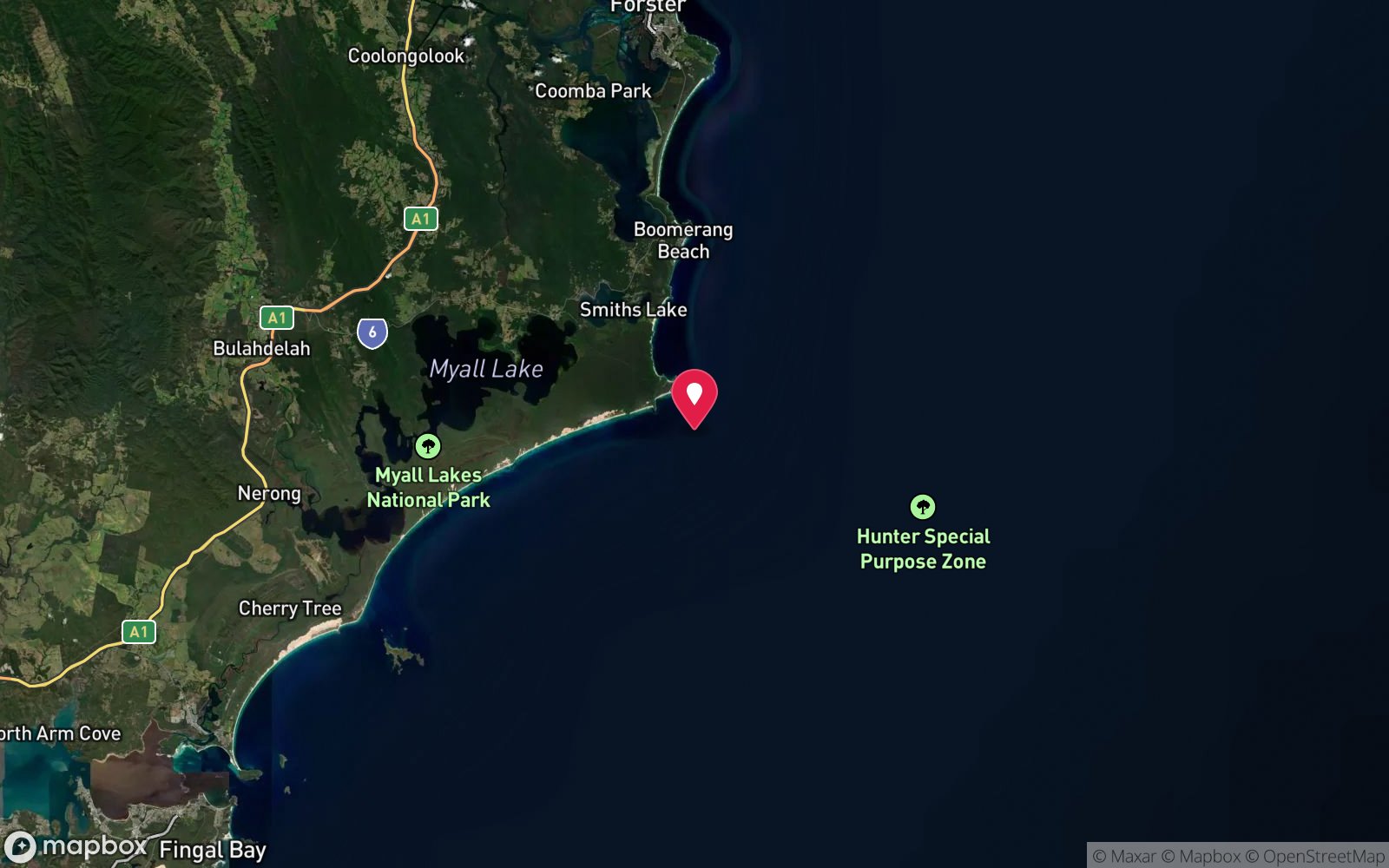
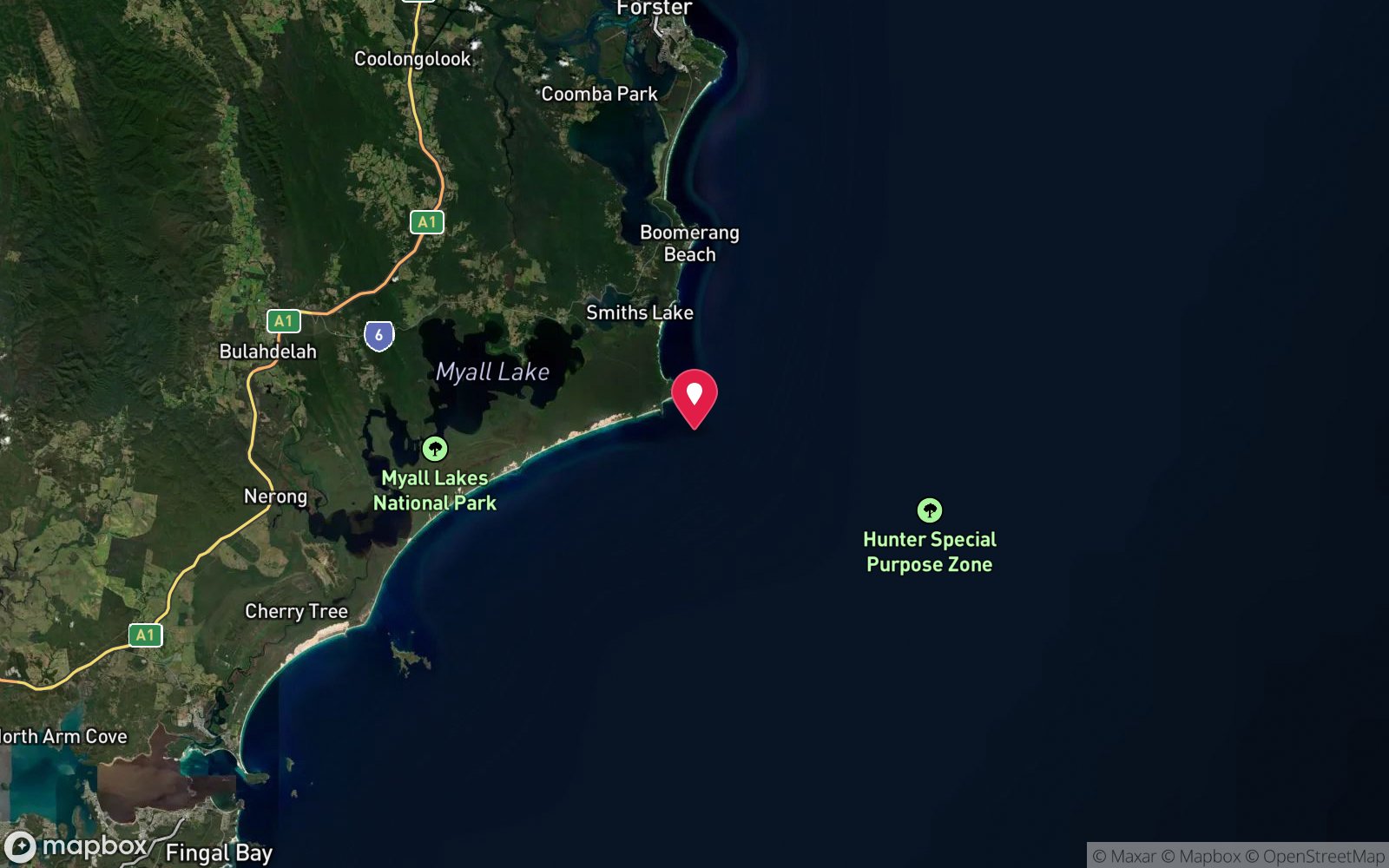
Map
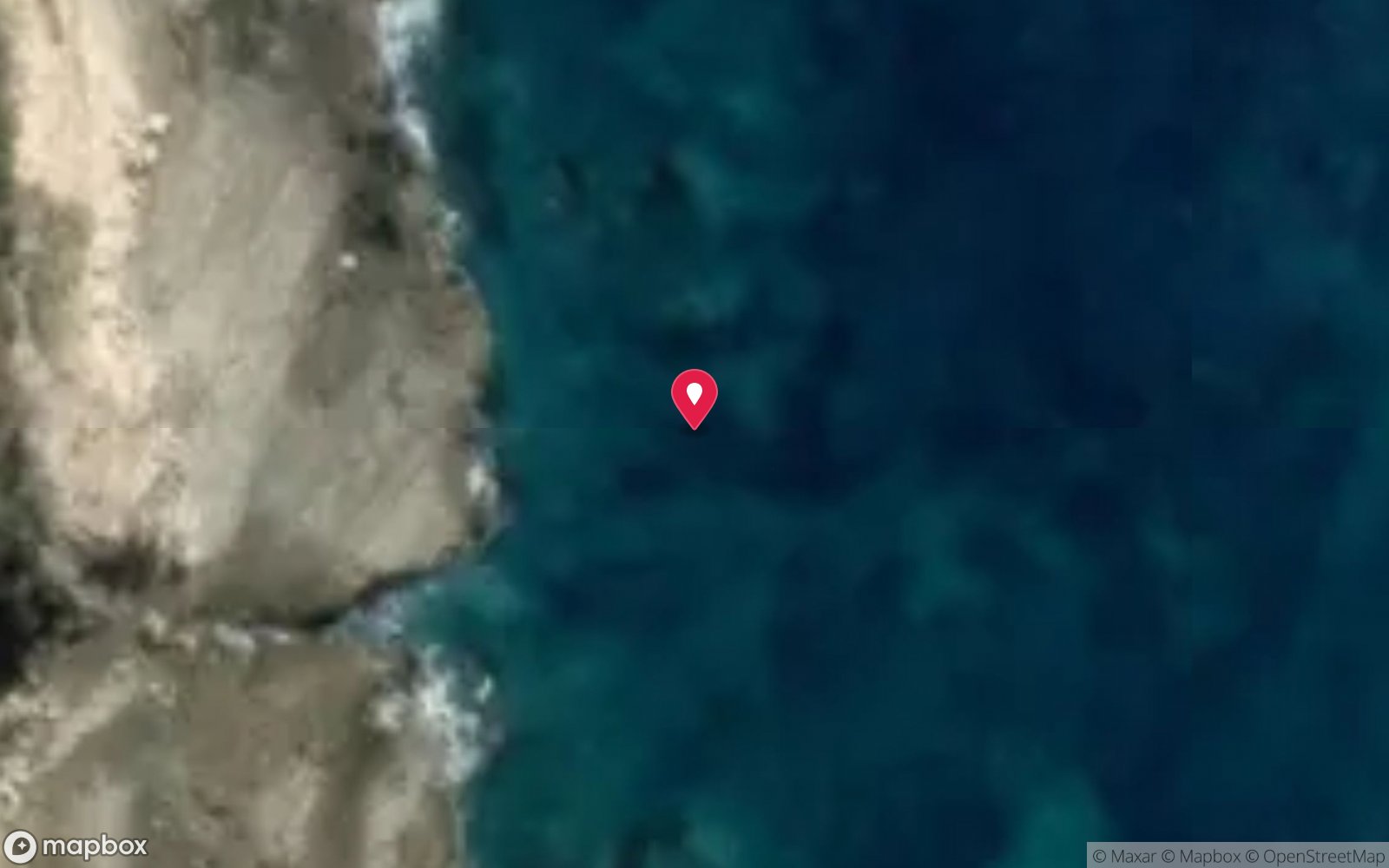
7 pinned sites. Pins marked approximate on their pages show the general area only; not for navigation.
Satellite views
Broulee Island: frequently asked questions
How deep is Broulee Island?
Broulee Island reaches a maximum depth of 20 m, with the shallowest part at about 2 m; most of the dive is spent around 12 m.
What certification do I need to dive Broulee Island?
Advanced Open Water is the recommended minimum. Open Water divers can dive the shallower section (typical depth 12 m); the full site to 20 m needs Advanced Open Water. Operators often quote Open Water. Rated intermediate because of depth beyond 18 m, cold water.
Can I shore dive Broulee Island?
Experienced divers do dive Broulee Island from the shore, but the entry or conditions make it unsuitable for newer divers without local guidance. Entry: Giant stride from boat on the seaward side; walk-in from the beach on the northern (sheltered) side.
When is the best time to dive Broulee Island?
Westerly weather, summer and autumn.
What marine life will I see at Broulee Island?
Regularly recorded: Blue groper, red morwong, sweep, yellowtail, drummer, luderick, yellowfin bream, porcupinefish, wrasses, wobbegongs, Port Jackson sharks, eastern blue devilfish and more.
What wetsuit do I need at Broulee Island?
7 mm wetsuit with hood most of the year (5 mm adequate Feb–Apr); semi-dry or drysuit and gloves Jul–Oct.
How cold is the water at Broulee Island?
Typically 20–22 °C in summer and 13–15 °C in winter.
What are the main hazards at Broulee Island?
Seaward side exposed – dive only in westerly weather and low swell. See the hazards section above for the full list.
Where is the nearest recompression chamber to Broulee Island?
Prince of Wales Hospital Hyperbaric Unit (Randwick, Sydney). In an emergency call 000, then DAN Asia-Pacific on 1800 088 200.
Diving in Batemans Bay
Batemans Bay sits at the centre of the Batemans Marine Park, with the Tollgate Islands just outside the bay and a run of headlands and islands to the south. The Tollgates have caves, grey nurse sharks and fur seals; Burrewarra Point and Broulee Island are shore-accessible reefs; Guerilla Bay and Maloneys Beach are sheltered beginner sites.
Getting there: Four hours south of Sydney or two from Canberra. Charters from Batemans Bay run the Tollgates and Montague Island on longer days; shore sites have beach or rock entries.
Sources
- marinelife.org.au/?page_id=1663
- ncmg.org.au/snorkelling
- nsw.gov.au/visiting-and-exploring-nsw/locations-and-attractions/broulee-island-nature-reserve-walk
Data confidence: Medium · Being verified: Coordinates approximate.. Last updated September 2026. Know this site better? How to send a correction
Nearby dive sites
More island dives in New South Wales
Explore more
This region
Similar dives
Marine life