Dive slate · divesites.com.au · printed 9 Nov 2026
Cat Reef
Far Northern Reef & Torres Strait, Queensland · near Cairns (departure) / Horn Island (Torres Strait)
| Depth | 5–40 m |
|---|---|
| Minimum level | Deep/Advanced + experience |
| Difficulty | Advanced |
| Access | Boat (multi-day/liveaboard) |
| Entry | Giant stride from the liveaboard or tender drop, often as a drift with tender pick-up |
| Current | Strong |
| Visibility | 12-40 m |
| Water | summer 28-30 °C, winter 25-27 °C |
| Suit | 3 mm full wetsuit or stinger suit (water 26–29 °C in the October–December season); full-length stinger protection from November |
| Best season | October–December only (liveaboard expedition window; green turtle nesting peaks November–December) |
| Bottom time | 45 min |
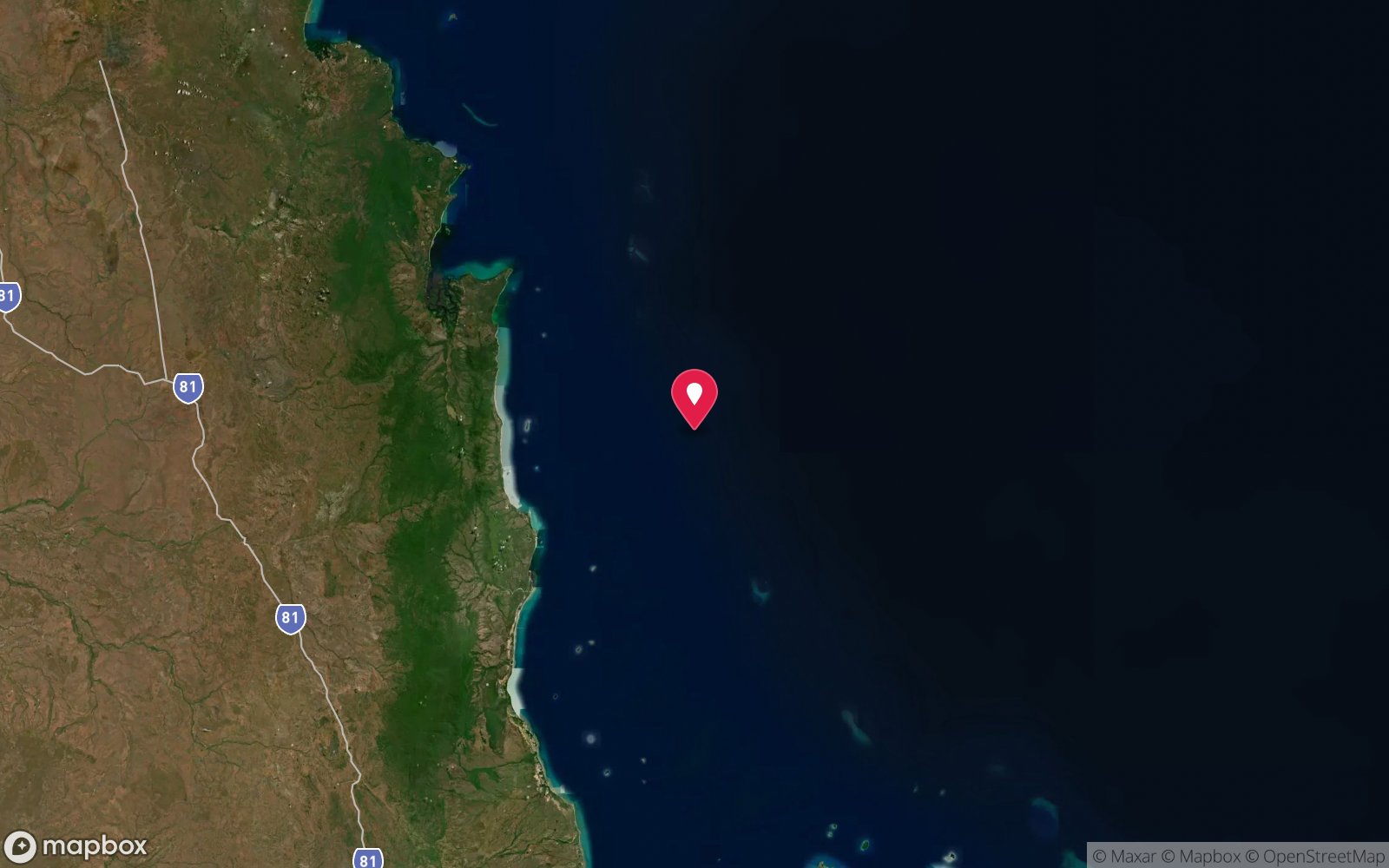
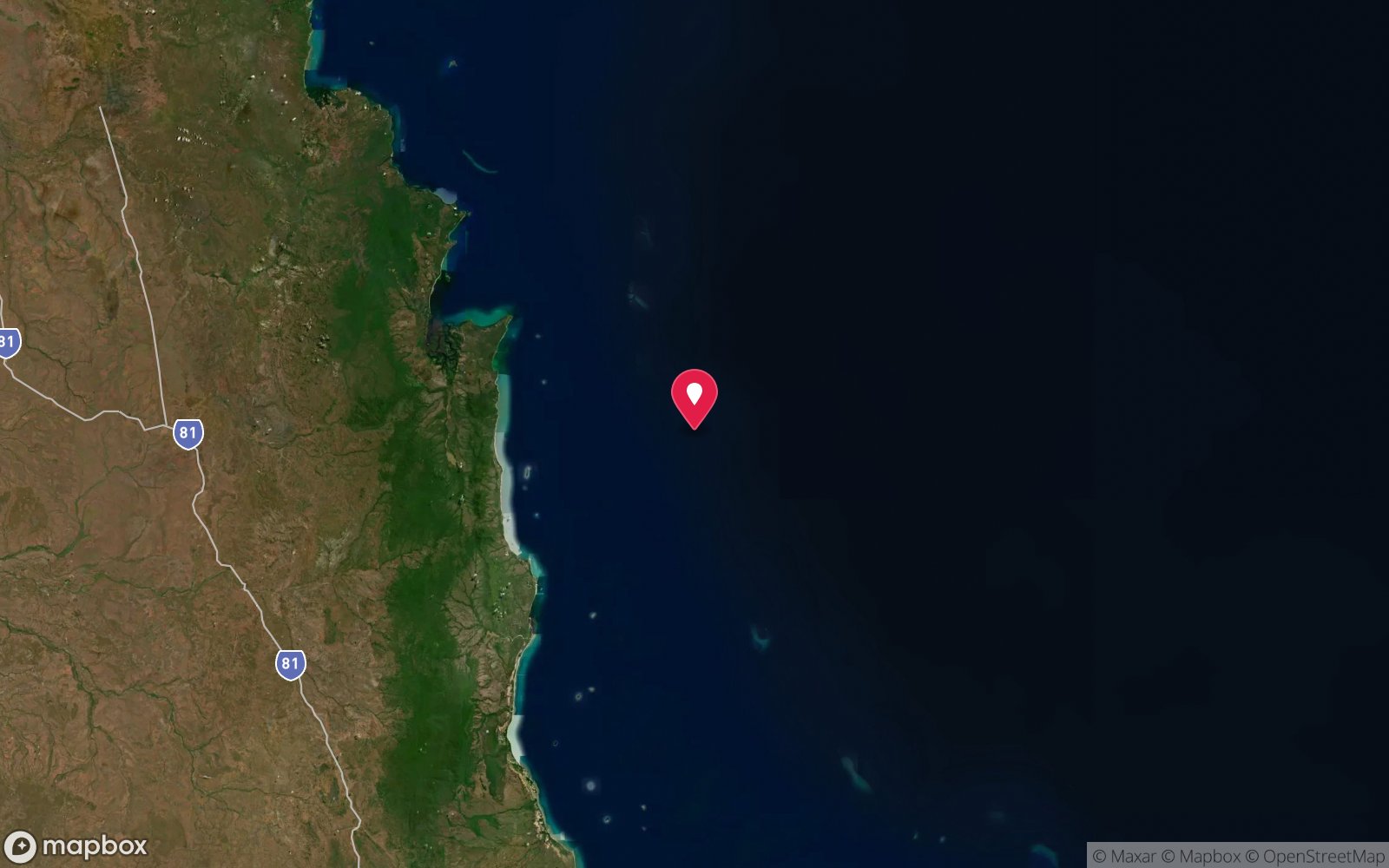
| Position | -13.20000, 143.95000 (approximate) |
| Permit | Great Barrier Reef Marine Park (Far Northern Management Area) – GBRMPA zoning applies; much of the area is Marine National Park (Green) zone; expedition operators hold permits. |
| Nearest chamber | Townsville University Hospital (Townsville) – very remote; evacuation by aeromedical retrieval (RFDS) via Lockhart River, Bamaga or Horn Island airstrips can take many hours |
| Emergency | 000 · DAN Asia-Pacific diving emergency 1800 088 200 |
Cat Reef
Remote fan-covered walls with pelagics beside Tijou Reef.
Near Cairns (departure) / Horn Island (Torres Strait) · Far Northern Reef & Torres Strait, Queensland
- Depth
- 5–40 m
- Minimum level
- Deep/Advanced + experience
- Access
- Boat (multi-day/liveaboard)
- Boat ride
- —
- Water
- 28-30 °C
- Visibility
- 12-40 m
Cat Reef5–40 m · Deep/Advanced + experience
Dive factsDepths, conditions, location & safety
Season
In season nowBest months: October, November, December.
October–December only (liveaboard expedition window; green turtle nesting peaks November–December)
- Best months
- Now (November)
- Stinger suit Nov–May
Dive facts
- Depth
- 5–40 m
- Typical depth
- 18 m
- Certification
- Deep/Advanced + experience
- Difficulty
- Advanced
- Depth tier
- Deep / Advanced + experience (30–40 m)
- Access
- Boat (multi-day/liveaboard)
- Dive centre needed
- Yes – boat access only
- Shore / independent
- No
- Current
- Strong
- Visibility
- 12-40 m
- Water temp (summer)
- 28-30 °C
- Water temp (winter)
- 25-27 °C
- Water
- Tropical
- Bottom time
- 45 min
- Dive traffic
- Remote/expedition only
- Night dive
- Possible
- Snorkel friendly
- Partial
Exposure suit
3 mm full wetsuit or stinger suit (water 26–29 °C in the October–December season); full-length stinger protection from November
Location
Tijou / Cat Reefs · Far Northern Great Barrier Reef – Cape York
-13.20000, 143.95000
Approximate position — not for navigation.
Open in Google MapsPrimary source: mikeball.comMarine park & permits
Great Barrier Reef Marine Park (Far Northern Management Area) – GBRMPA zoning applies; much of the area is Marine National Park (Green) zone; expedition operators hold permits.
Nearest recompression chamber
Townsville University Hospital (Townsville) – very remote; evacuation by aeromedical retrieval (RFDS) via Lockhart River, Bamaga or Horn Island airstrips can take many hours
Diving emergency: call 000, then DAN AP 1800 088 200.
Trip planner
Build a trip around Cat Reef →
A day-by-day plan for Far Northern Reef & Torres Strait with this site locked in.
This guide is a planning aid. Conditions change daily — confirm with a local dive centre and dive within your training. Data & safety notes.
Dive profile
How this site rates
Scores are computed from the recorded data, not opinions. How?
At a glance
Cat Reef is a wall liveaboard-only site in Far Northern Reef & Torres Strait, QLD, 5–40 m, suited to Deep/Advanced + experience divers, strong current.
Rated advanced because of depth to 40 m, strong current.
Why dive here
- Remote fan-covered walls with pelagics beside Tijou Reef.
- Rarely dived: expect to have the site to yourself, and plan your own logistics.
- Visibility often reaches 12-40 m.
Conditions to avoid
- Strong southerly or south-east swell and wind
- Strong northerlies
- Any time other than slack water
- Cyclone season (roughly December–April)
- Stinger season without a full suit (November–May)
About Cat Reef
Cat Reef lies alongside Tijou Reef on the far-northern shelf edge, and Mike Ball's Northern Exposure expeditions dive the two together: wall dives adorned with colourful fans and soft corals, with barracuda, rays, sharks and turtles and pelagic activity. Scuba Diver Life lists Tijou, Cat, Great Detached and Small Detached reefs as key sites of the Raine Island expedition. The reef's outer face drops steeply into deep water, with gorgonian fans, whip corals and soft corals on the walls and hard corals on the upper slopes.
Currents bring pelagic fish – barracuda, trevally, mackerel – and sharks patrol the walls. Turtles are common, especially during the nesting season when thousands head for Raine Island to the north. Named sites on the Tijou/Cat system include Pussy Galore and Catchers Mitt (listed separately); it is not always clear from operator notes which of the two reefs each lies on.
The site is visited only on expedition liveaboards, a few times a year, and requires Advanced certification or equivalent. Visibility is typically excellent. Cat Reef suits experienced divers on a far-northern expedition who enjoy wall diving and pelagic encounters.
Getting here is itself an expedition: the far-northern reefs lie hundreds of kilometres north of Cairns, are visited by only a handful of liveaboards in the October–December window, and are many hours from medical help, so divers should be current, self-sufficient, carry an SMB and audible signal, and dive conservatively. On Mike Ball's Northern Exposure itineraries the Tijou and Cat reefs are dived over a day of the seven-night voyage between Cairns and Horn Island, typically with up to four dives including a night dive, and the exact sites chosen depend on the weather on the day.
Getting there & entry
A remote outer reef adjoining Tijou Reef in the far-northern GBR, dived for its walls, fans and soft corals.
Liveaboard only – there are no day boats, resorts or public moorings this far north. Mike Ball Dive Expeditions' Spoilsport runs 7-night 'Northern Exposure' expeditions between Cairns (Trinity Wharf) and Horn Island in the Torres Strait each November (northbound and southbound, up to 27 dives), plus a 7-night Far North Coral Sea Exploratory round trip from Cairns in October. Spirit of Freedom runs 7-night far-north expeditions from Cairns in October–December, and Professional Dive Services' MV Kalinda has run longer (13-night) Cairns–Horn Island trips.
Horn Island has daily scheduled flights to Cairns (book separately; allow 24 hours after diving before flying). The far-northern reefs are roughly 500–650 km north of Cairns – one to two days' steaming each way.
Entry: Giant stride from the liveaboard or tender drop, often as a drift with tender pick-up
Facilities: None – expedition liveaboard only (Spoilsport/Spirit of Freedom provide air, nitrox, meals, cabins).
Weather, swell & tides
The far-northern reefs are only diveable in a narrow weather window. The south-east trades blow hard from about April to September and make the long open-water passage and the exposed outer walls impractical, so expeditions run in the transition period, typically October–December, when winds are lighter; the northerly monsoon, storms and cyclones (December–April) close the season. Even in the window, exposed shelf-edge walls (Tijou, Great Detached, Raine) need calm days, and skippers switch between reefs to find shelter.
Strong tidal currents and upwellings run along the continental shelf and through reef openings – channel sites are timed to slack water. Visibility varies from about 12 m to 40 m+ depending on tides and any rain. Marine stingers are present from November.
Best season: October–December only (liveaboard expedition window; green turtle nesting peaks November–December)
How the dive is usually run
Drop onto the wall at 18–22 m and drift with the current, then rise onto the reef top or into the gullies for the safety stop and tender pick-up.
Marine life
- Barracuda
- trevally
- mackerel
- grey reef sharks →
- rays
- turtles →
- gorgonian fans
- whip corals
- soft corals
Linked species have their own page listing every site where they are recorded. All marine life →
Training required
The recreational limit. Operators expect a Deep Diver specialty or Advanced plus a log of similar dives, and most recommend nitrox.
Advanced Open Water divers can dive the shallower section (typical depth 18 m); the full site to 40 m needs Deep/Advanced + experience. Operators often quote Advanced Open Water. This is a deep dive: plan gas, bottom time and a safety stop accordingly, and consider nitrox.
Operators' own listing: Advanced Open Water.
Courses that help here
- Enriched Air Nitrox – Longer no-decompression time at 25 m and deeper.
- Deep Diver – The site reaches 40 m.
- Drift Diver – Current is a feature of the dive.
Depth tiers: 0–10 m easy · to 18 m Open Water · 18–30 m Advanced (25 m+ is a deep dive) · 30–40 m Deep specialty · 40 m+ technical. All courses
Hazards & warnings
Extremely remote – many hours from medical help and the chamber; strong currents and upwellings; exposed to swell; Marine stingers (box jellyfish and Irukandji) are present from November – wear a full-length stinger suit; deep walls.
Dive centres that go here
Liveaboard only: Mike Ball Dive Expeditions (Spoilsport – 7-night Northern Exposure Cairns↔Horn Island, November; 7-night Far North Coral Sea Exploratory, October); Spirit of Freedom (7-night far-north expeditions, October–December); Professional Dive Services MV Kalinda (occasional long expeditions). Requirements typically Advanced certification or 15+ logged ocean dives.
Operators recorded for Cat Reef
Mike Ball Dive Expeditions
ListedCairns · Cairns · QLD
A long-running expedition liveaboard operation associated with Ribbon Reefs and Coral Sea itineraries, including minke whale season trips.
mikeball.com · (07) 4053 0500
Spirit of Freedom
ListedCairns · Cairns · QLD
An expedition liveaboard associated with Ribbon Reefs, Osprey Reef and Coral Sea itineraries.
spiritoffreedom.com.au · (07) 4047 9150
Professional Dive Services
Named by sitesBrisbane · Brisbane & Moreton Bay · QLD
Brisbane-based dive training business that runs Torres Strait / Ribbon Reef expeditions aboard MV Kalinda; not based in the Torres Strait.
professionaldiveservices.com.au · 0457 007 040
Other dive centres in Far Northern Reef & Torres Strait
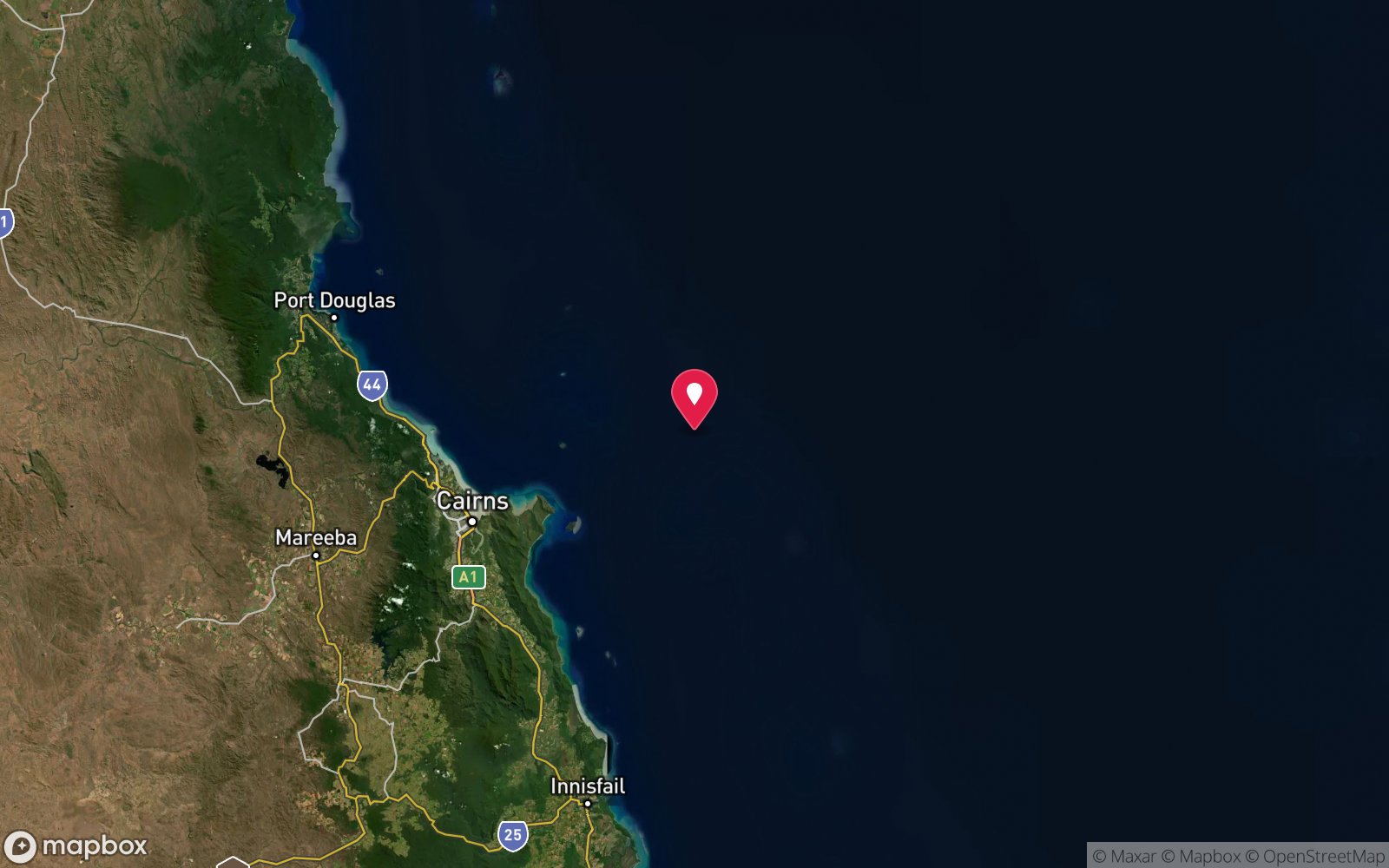
Map
7 pinned sites. Pins marked approximate on their pages show the general area only; not for navigation.
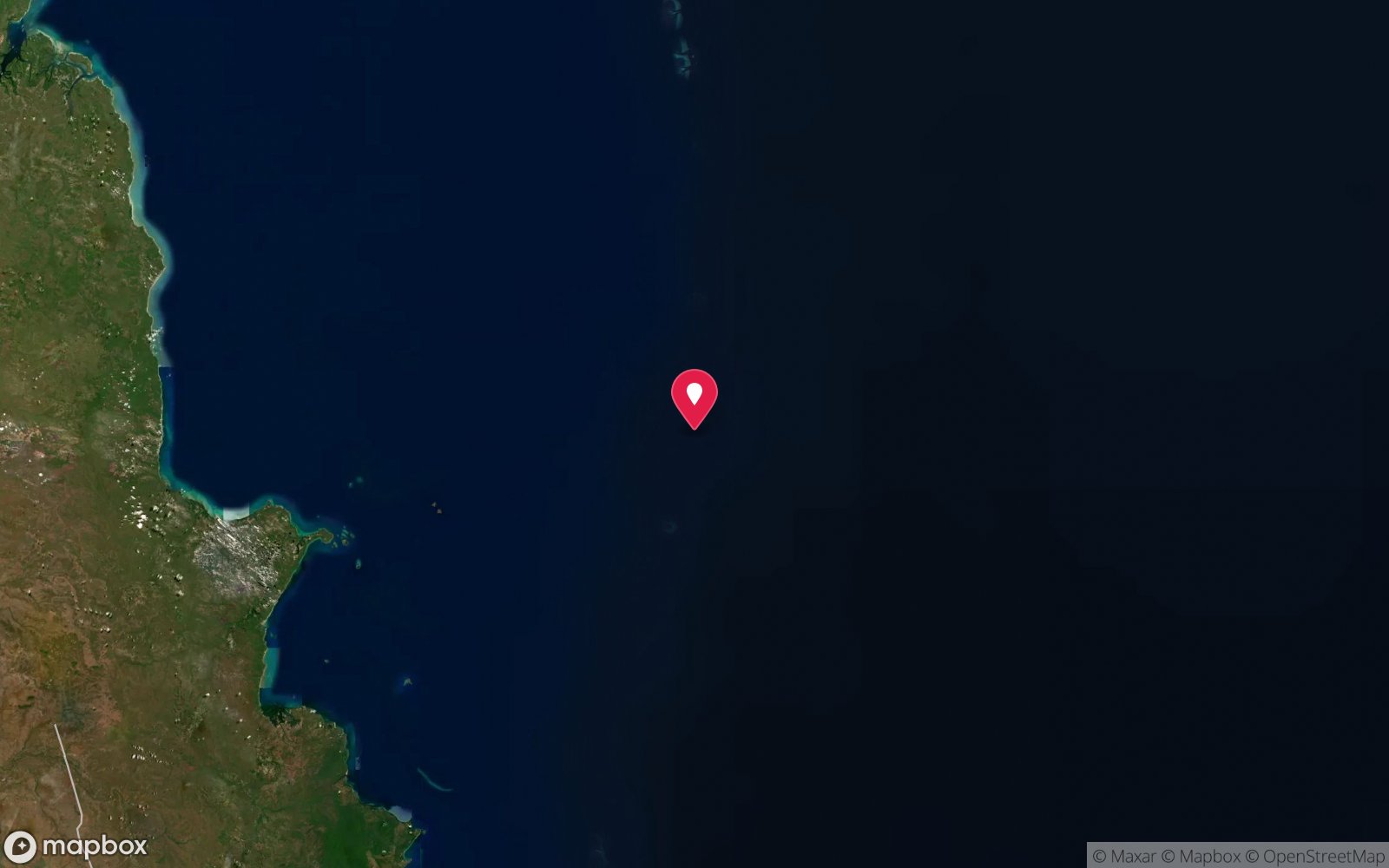
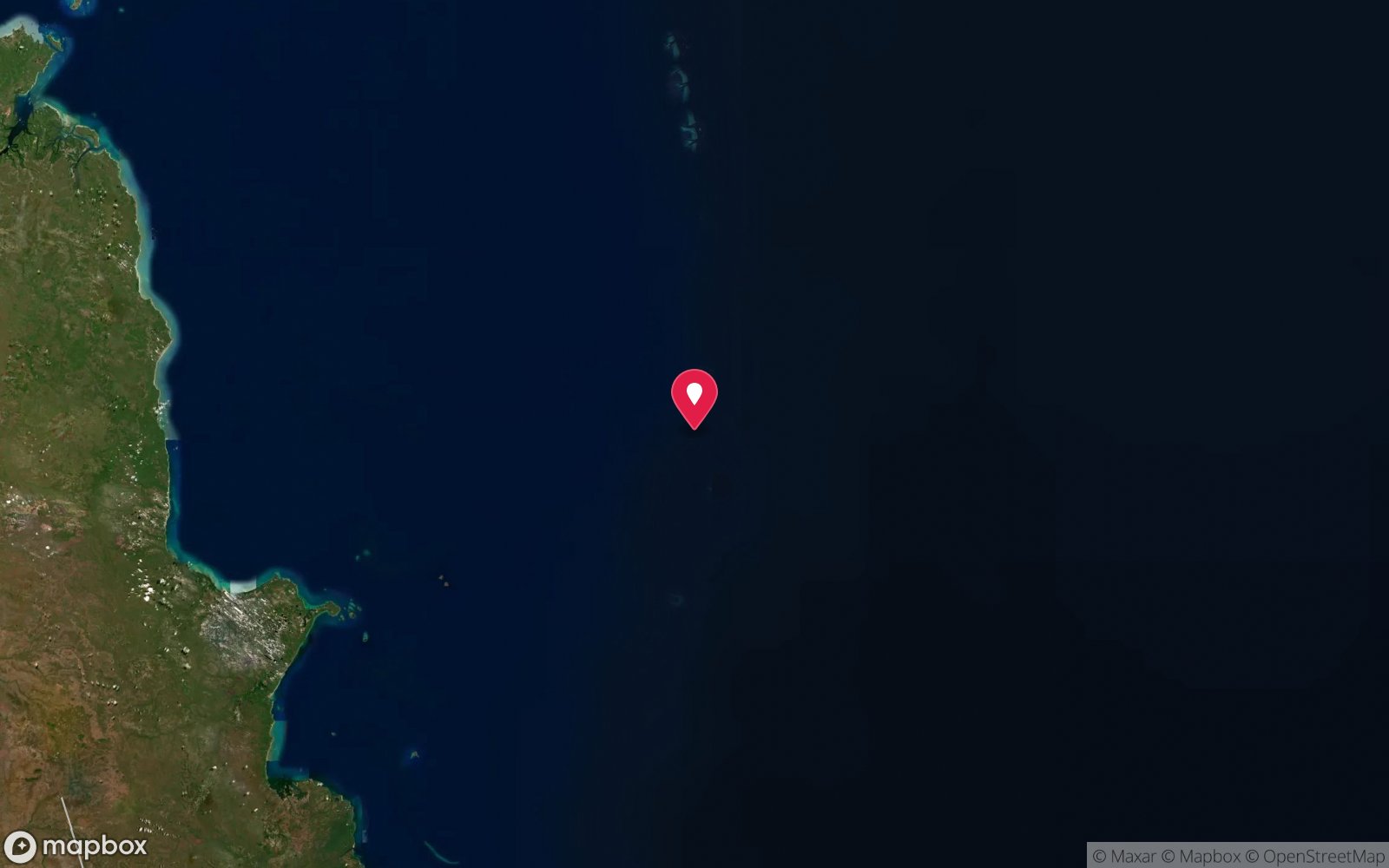
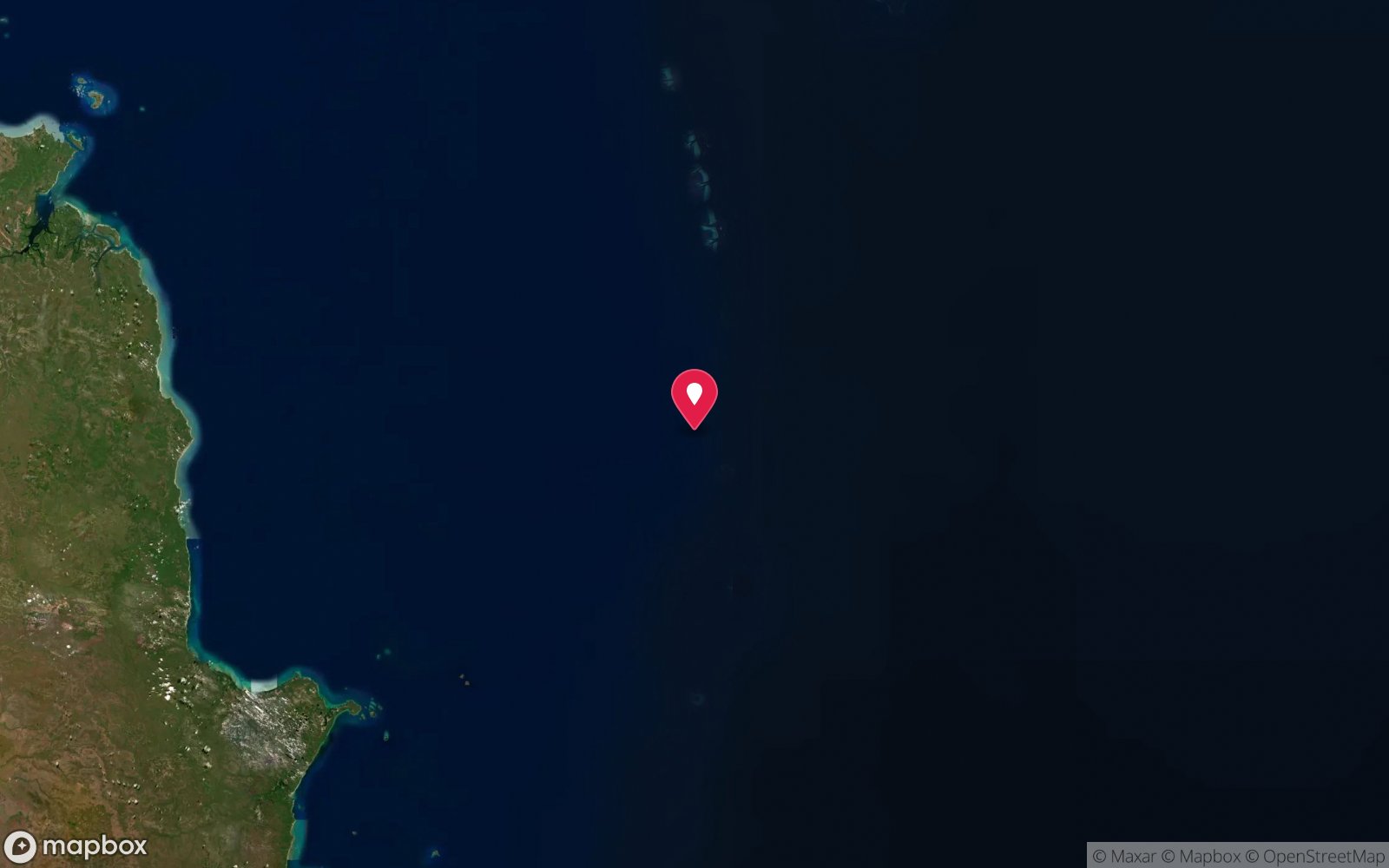
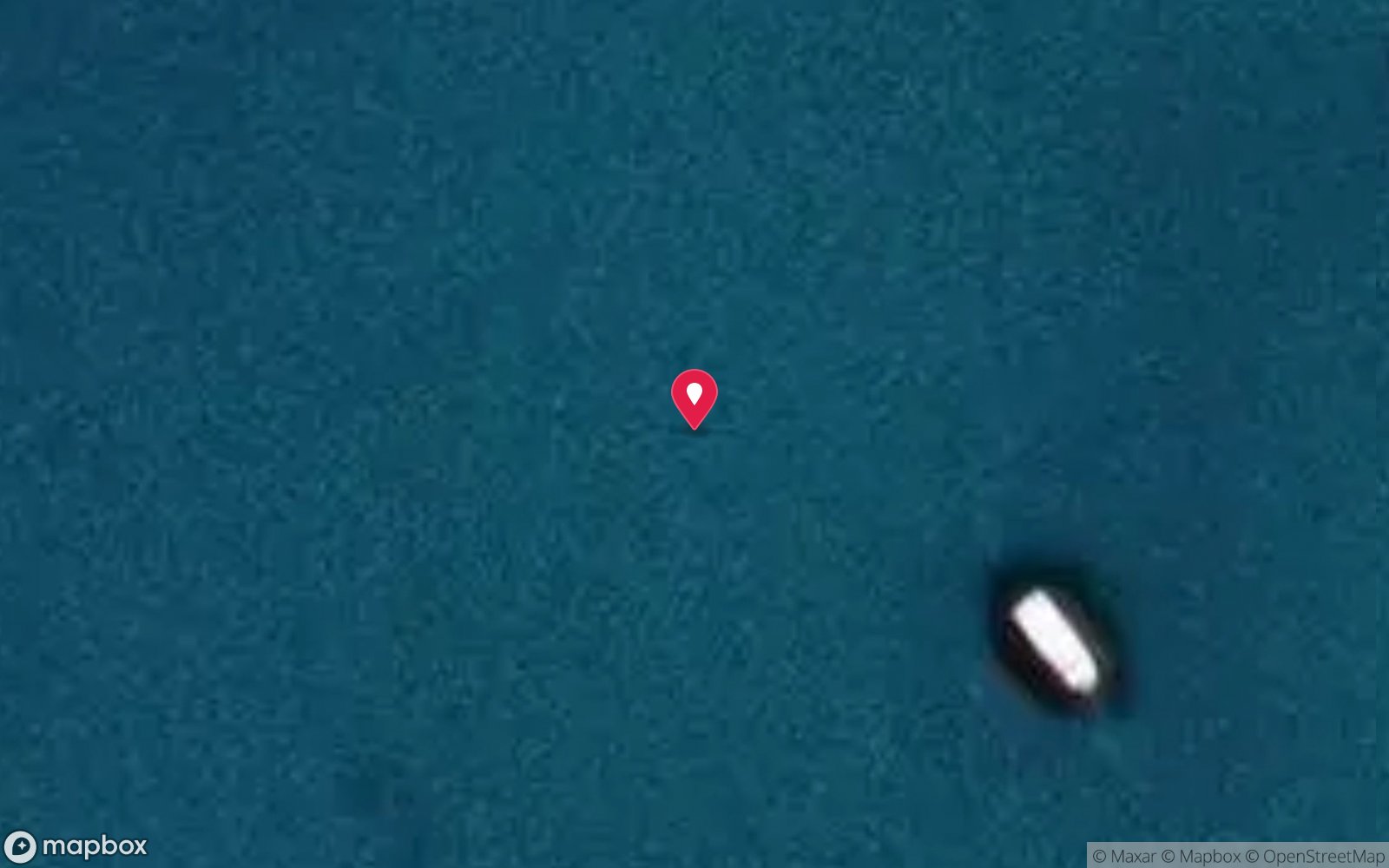
Satellite views
Cat Reef: frequently asked questions
How deep is Cat Reef?
Cat Reef reaches a maximum depth of 40 m, with the shallowest part at about 5 m; most of the dive is spent around 18 m.
What certification do I need to dive Cat Reef?
Deep/Advanced + experience is the recommended minimum. Advanced Open Water divers can dive the shallower section (typical depth 18 m); the full site to 40 m needs Deep/Advanced + experience. Operators often quote Advanced Open Water. This is a deep dive: plan gas, bottom time and a safety stop accordingly, and consider nitrox. Rated advanced because of depth to 40 m, strong current.
Can I shore dive Cat Reef?
No, it is reached by boat. A dive centre is required: boat access only.
When is the best time to dive Cat Reef?
October–December only (liveaboard expedition window; green turtle nesting peaks November–December).
What marine life will I see at Cat Reef?
Regularly recorded: Barracuda, trevally, mackerel, grey reef sharks, rays, turtles, gorgonian fans, whip corals, soft corals.
What wetsuit do I need at Cat Reef?
3 mm full wetsuit or stinger suit (water 26–29 °C in the October–December season); full-length stinger protection from November.
How cold is the water at Cat Reef?
Typically 28-30 °C in summer and 25-27 °C in winter.
What are the main hazards at Cat Reef?
Extremely remote – many hours from medical help and the chamber; strong currents and upwellings; exposed to swell; Marine stingers (box jellyfish and Irukandji) are present from November – wear a full-length stinger suit; deep walls. See the hazards section above for the full list.
Where is the nearest recompression chamber to Cat Reef?
Townsville University Hospital (Townsville) – very remote; evacuation by aeromedical retrieval (RFDS) via Lockhart River, Bamaga or Horn Island airstrips can take many hours. In an emergency call 000, then DAN Asia-Pacific on 1800 088 200.
Diving in Far Northern Reef & Torres Strait
North of Lizard Island the Great Barrier Reef is almost unvisited. Great Detached Reef, Raine Island (the world's largest green turtle rookery), Tijou Reef and the Cod Hole's remote northern equivalents are dived only by a few liveaboards each October and November, when the wind drops and the boats can make the long passage. Expect walls, big sharks, untouched coral and no other boats.
Getting there: Seven- to ten-night liveaboard expeditions from Cairns, sometimes ending with a flight from Lockhart River or Horn Island.
All Far Northern Reef & Torres Strait dive sites and a suggested itinerary →
Sources
- mikeball.com/great-barrier-reef-liveaboard/special-expeditions/northern-exposure-cairns-horn-island
- mikeball.com/great-barrier-reef-liveaboard/special-expeditions/northern-exposure-horn-island-cairns
- scubadiverlife.com/turtle-heaven-great-barrier-reef
Data confidence: Low · Being verified: Coordinates approximate (v1); depths not published.. Last updated September 2026. Know this site better? How to send a correction
Nearby dive sites
More wall dives in Queensland
Explore more
This region