Dive slate · divesites.com.au · printed 8 Nov 2026
Endeavour Reef
Far Northern Reef & Torres Strait, Queensland · near Cooktown
| Depth | 2–20 m |
|---|---|
| Minimum level | Advanced Open Water |
| Difficulty | Intermediate |
| Access | Boat (day trip) |
| Entry | Giant stride or back-roll from the dive deck; descend the mooring line or reef slope |
| Current | Variable/Tidal |
| Visibility | 8-20 m |
| Water | summer 28-30 °C, winter 22-26 °C |
| Suit | 3 mm full wetsuit or shorty in summer (27-30 °C); 3-5 mm full wetsuit in winter (23-25 °C); full-length lycra or stinger suit strongly advised November-May and supplied free by most operators |
| Best season | Year-round. June-November gives the most reliable visibility and no box-jellyfish season, though the south-east trades can blow 20-25 knots in winter; September-December usually has the calmest seas; December-April is the warm, wet stinger and cyclone season |
| Bottom time | 45 min |
| Position | -15.77810, 145.58140 (approximate) |
| Permit | Great Barrier Reef Marine Park – no individual permit needed on a commercial trip (operators hold GBRMPA permits and pay the Environmental Management Charge, usually included in the fare); check the GBRMPA Cairns zoning map for the reef's zone before any private visit |
| Nearest chamber | Townsville University Hospital Hyperbaric Medicine Unit (Townsville) – Cairns Hospital has no recompression chamber; divers are evacuated by RFDS/air ambulance |
| Emergency | 000 · DAN Asia-Pacific diving emergency 1800 088 200 |
Endeavour Reef
Also known as Endeavour Rocks
The reef where Cook's Endeavour ran aground in 1770 – a remote, historic mid-shelf reef off Cooktown.
Near Cooktown · Far Northern Reef & Torres Strait, Queensland
- Depth
- 2–20 m
- Minimum level
- Advanced Open Water
- Access
- Boat (day trip)
- Boat ride
- ~120 min
- Water
- 28-30 °C
- Visibility
- 8-20 m
Endeavour Reef2–20 m · Advanced Open Water
Dive factsDepths, conditions, location & safety
Season
In season nowBest months: January, February, March, April, June, July, August, September, October, November, December.
Year-round. June-November gives the most reliable visibility and no box-jellyfish season, though the south-east trades can blow 20-25 knots in winter; September-December usually has the calmest seas; December-April is the warm, wet stinger and cyclone season
- Best months
- Now (November)
- Stinger suit Nov–May
Dive facts
- Depth
- 2–20 m
- Typical depth
- 10 m
- Certification
- Advanced Open Water
- Difficulty
- Intermediate
- Depth tier
- Advanced Open Water (18–30 m)
- Access
- Boat (day trip)
- Offshore
- 12 km
- Dive centre needed
- Recommended
- Shore / independent
- No
- Boat ride
- ~120 min
- Current
- Variable/Tidal
- Visibility
- 8-20 m
- Water temp (summer)
- 28-30 °C
- Water temp (winter)
- 22-26 °C
- Water
- Tropical
- Bottom time
- 45 min
- Dive traffic
- Remote/expedition only
- Night dive
- No
- Snorkel friendly
- Partial
Exposure suit
3 mm full wetsuit or shorty in summer (27-30 °C); 3-5 mm full wetsuit in winter (23-25 °C); full-length lycra or stinger suit strongly advised November-May and supplied free by most operators
Location
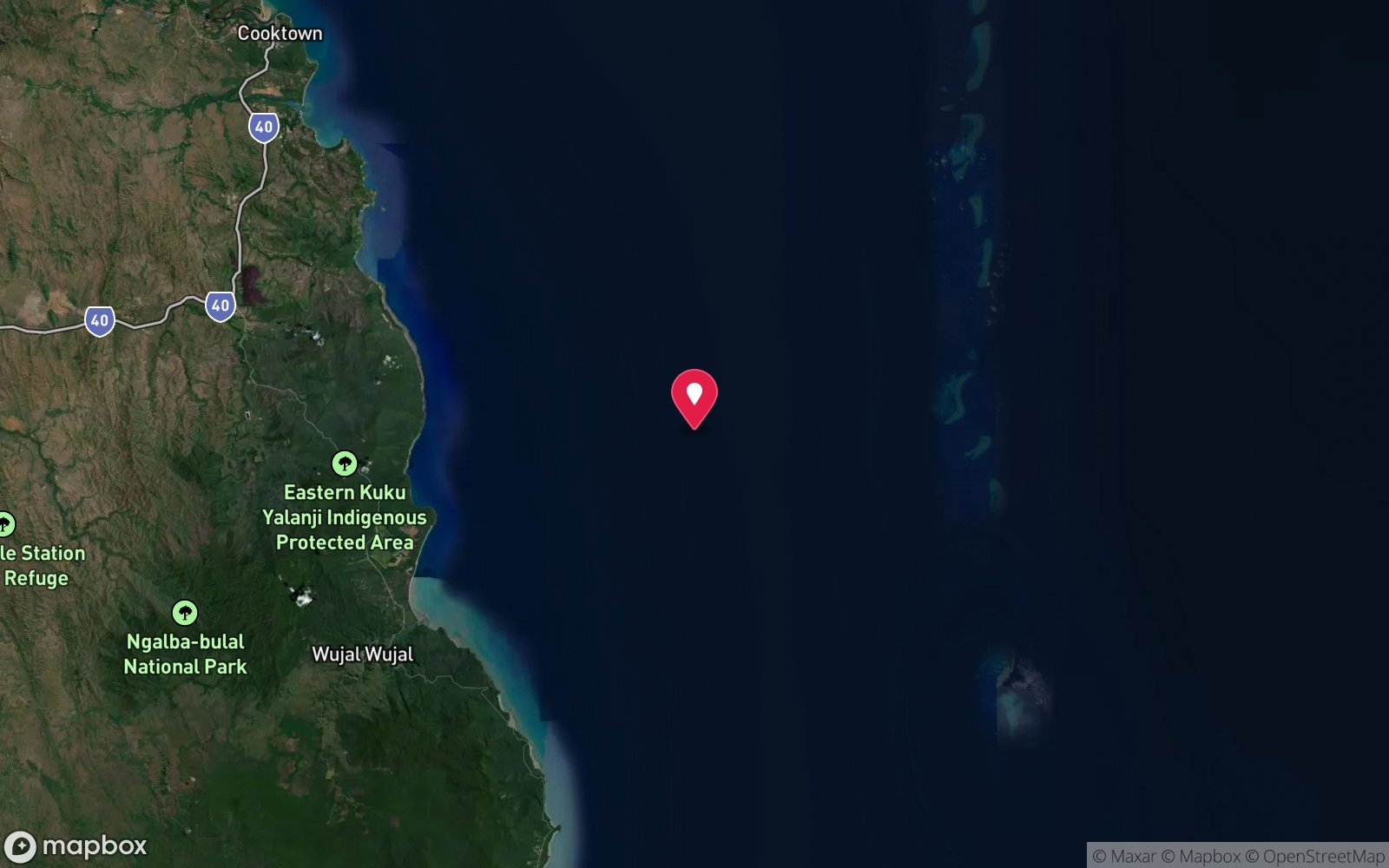
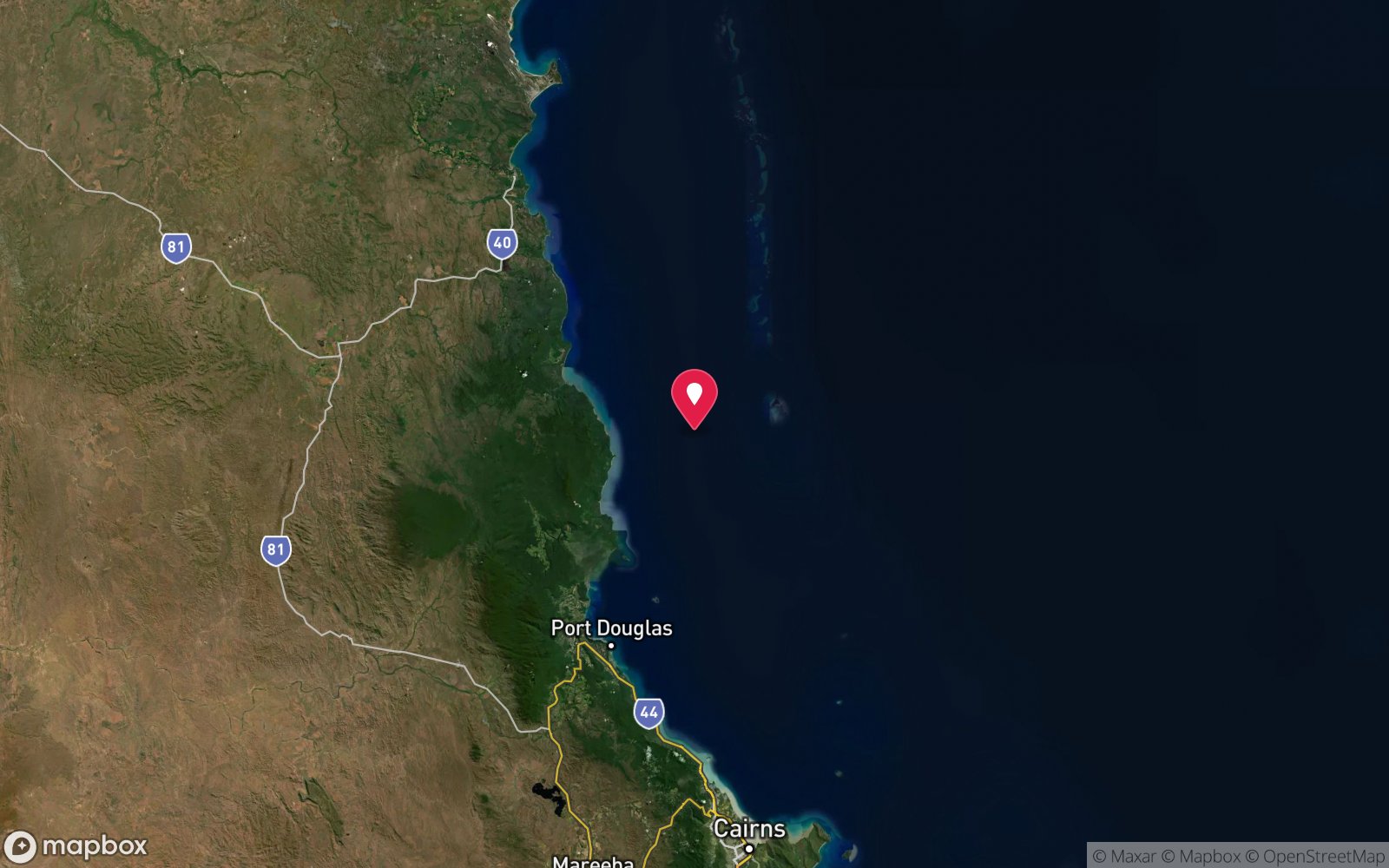
Endeavour Reef · Far North QLD – Cooktown
-15.77810, 145.58140
Approximate position — not for navigation.
Open in Google MapsPrimary source: en.wikipedia.orgMarine park & permits
Great Barrier Reef Marine Park – no individual permit needed on a commercial trip (operators hold GBRMPA permits and pay the Environmental Management Charge, usually included in the fare); check the GBRMPA Cairns zoning map for the reef's zone before any private visit
Nearest recompression chamber
Townsville University Hospital Hyperbaric Medicine Unit (Townsville) – Cairns Hospital has no recompression chamber; divers are evacuated by RFDS/air ambulance
Diving emergency: call 000, then DAN AP 1800 088 200.
Trip planner
Build a trip around Endeavour Reef →
A day-by-day plan for Far Northern Reef & Torres Strait with this site locked in.
This guide is a planning aid. Conditions change daily — confirm with a local dive centre and dive within your training. Data & safety notes.
Dive profile
How this site rates
Scores are computed from the recorded data, not opinions. How?
At a glance
Endeavour Reef is a reef boat dive in Far Northern Reef & Torres Strait, QLD, 2–20 m, suited to Advanced Open Water divers, variable/tidal current, about 120 minutes by boat.
Rated intermediate because of depth beyond 18 m, tidal current that must be timed.
Why dive here
- The reef where Cook's Endeavour ran aground in 1770 – a remote, historic mid-shelf reef off Cooktown.
- Rarely dived: expect to have the site to yourself, and plan your own logistics.
- Visibility often reaches 8-20 m.
Conditions to avoid
- Strong southerly or south-east swell and wind
- Spring tides (strong current)
- Cyclone season (roughly December–April)
- Stinger season without a full suit (November–May)
About Endeavour Reef
Endeavour Reef is where European contact with this coast nearly ended in disaster. At 11 pm on 11 June 1770, Lieutenant James Cook's HMB Endeavour struck the south-eastern end of the reef; to refloat the ship the crew threw overboard six cannons, iron and stone ballast and other heavy gear, and the damaged vessel limped to the Endeavour River, where Cook spent seven weeks repairing it on the site of present-day Cooktown. Cook named the reef Endeavour Rocks.
In 1969 an American-led search located all six cannons and the ballast; the cannons are now divided between the National Museum of Australia, the Cooktown museum, the Australian National Maritime Museum, Te Papa in Wellington and Royal Museums Greenwich. The reef is about 7 km long, running east-west, roughly 6 km south-east of the Hope Islands and 12 km from the mainland. As a dive, it is a remote mid-shelf reef rather than a historic wreck site: nothing of the Endeavour remains in place, and the site's significance is in its story.
Guides describe hard coral formations and bommies, reef sharks along the drop-offs, giant clams and schools of fish, with clearer water in the dry season and murkier conditions in the wet when river runoff reaches the reef. Strong currents run around the reef edges. There is no regular dive operator, so divers need a charter or private boat and must be self-sufficient.
It suits experienced divers with a sense of history and a tolerance for logistics. A visit is best combined with Cooktown's James Cook Museum, where one of the recovered cannons and the Endeavour's anchor are displayed.
Getting there & entry
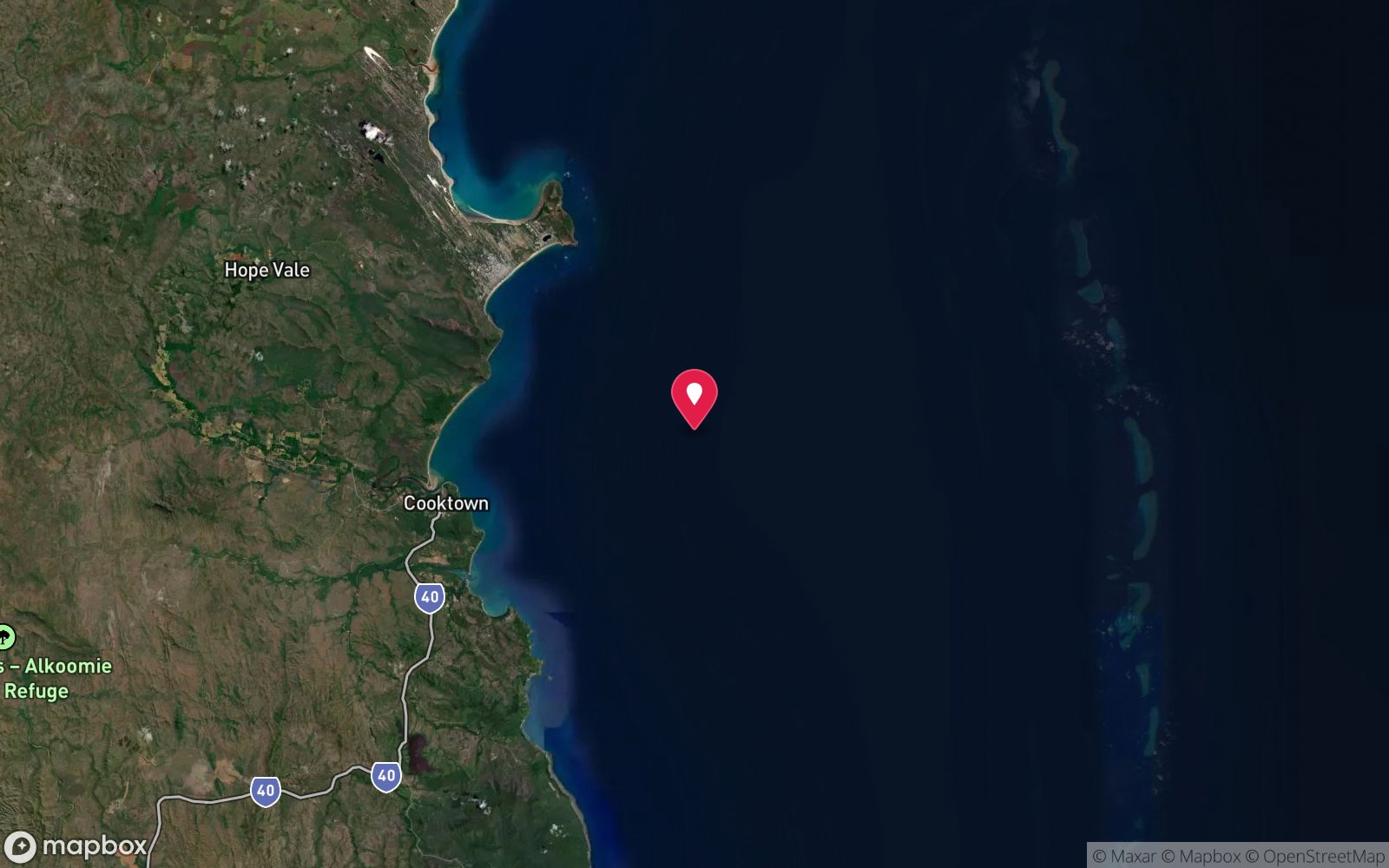
Seven-kilometre-long reef about 6 km south-east of the Hope Islands and 12 km off the mainland, south-east of Cooktown, where HMB Endeavour ran aground on 11 June 1770.
Cooktown is about 330 km north of Cairns by the sealed Mulligan Highway (about 4.5 hours) or reached by air. Endeavour Reef lies south-east of Cooktown; the boat run from Cooktown Harbour at the mouth of the Endeavour River takes about 1.5-2.5 hours depending on sea conditions. There is no scheduled dive boat: go with a local charter (Cooktown Reef Charters runs a 42 ft vessel for fishing and reef sightseeing – confirm diving in advance) or a well-equipped private boat launched at the Cooktown boat ramp.
Divers must bring their own gear; there is no dive shop in Cooktown, so fills must be arranged in Cairns or Port Douglas.
Entry: Giant stride or back-roll from the dive deck; descend the mooring line or reef slope
Facilities: Cooktown: boat ramp, fuel, supermarket, hospital (no chamber); no dive shop or air fills – bring cylinders from Cairns or Port Douglas
Weather, swell & tides
Cooktown's reefs are exposed to the south-east trade winds, which blow strongly for much of April-September; calm windows are most likely from September to December. Visibility is best in the dry season (May-October) and drops sharply in the wet season when the Endeavour and Annan rivers flood. Box jellyfish and Irukandji are present roughly October-May, and the cyclone season runs November-April.
Currents run hard around reef edges on spring tides.
Best season: Year-round. June-November gives the most reliable visibility and no box-jellyfish season, though the south-east trades can blow 20-25 knots in winter; September-December usually has the calmest seas; December-April is the warm, wet stinger and cyclone season
How the dive is usually run
Anchor in sand in the lee of the reef, dive the reef edge and bommies at 5-15 m with the reef on one side, turning at a third of your gas, and return along the edge for a safety stop near the boat. Watch the current on the reef edges.
Marine life
- Reef sharks →
- giant clams
- schooling reef fish
- coral trout
- parrotfish
- turtles →
- hard coral bommies (no published detailed species list)
Linked species have their own page listing every site where they are recorded. All marine life →
Training required
Beyond 18 m an Advanced certification (which includes a deep dive to 30 m) is the accepted minimum. Anything past 25 m is a deep dive in practice.
Open Water divers can dive the shallower section (typical depth 10 m); the full site to 20 m needs Advanced Open Water. Operators often quote Open Water.
Operators' own listing: Open Water.
Depth tiers: 0–10 m easy · to 18 m Open Water · 18–30 m Advanced (25 m+ is a deep dive) · 30–40 m Deep specialty · 40 m+ technical. All courses
Hazards & warnings
Marine stingers October-May – stinger suit essential; estuarine crocodiles in the Endeavour River, coastal waters and around islands; strong currents on reef edges; remote – patchy or no mobile reception, carry a marine radio and EPIRB; long evacuation times – nearest recompression chamber is Townsville University Hospital (air evacuation via Cooktown or Cairns)
Dive centres that go here
No regular dive operator – Cooktown Reef Charters (fishing/sightseeing, enquire about diving) or private boats from Cooktown; occasionally visited on northern liveaboard itineraries
Operators recorded for Endeavour Reef
Other dive centres in Far Northern Reef & Torres Strait
Mike Ball Dive Expeditions
ListedCairns · Cairns · QLD
A long-running expedition liveaboard operation associated with Ribbon Reefs and Coral Sea itineraries, including minke whale season trips.
mikeball.com · (07) 4053 0500
Spirit of Freedom
ListedCairns · Cairns · QLD
An expedition liveaboard associated with Ribbon Reefs, Osprey Reef and Coral Sea itineraries.
spiritoffreedom.com.au · (07) 4047 9150
Professional Dive Services
Named by sitesBrisbane · Brisbane & Moreton Bay · QLD
Brisbane-based dive training business that runs Torres Strait / Ribbon Reef expeditions aboard MV Kalinda; not based in the Torres Strait.
professionaldiveservices.com.au · 0457 007 040
Map
7 pinned sites. Pins marked approximate on their pages show the general area only; not for navigation.
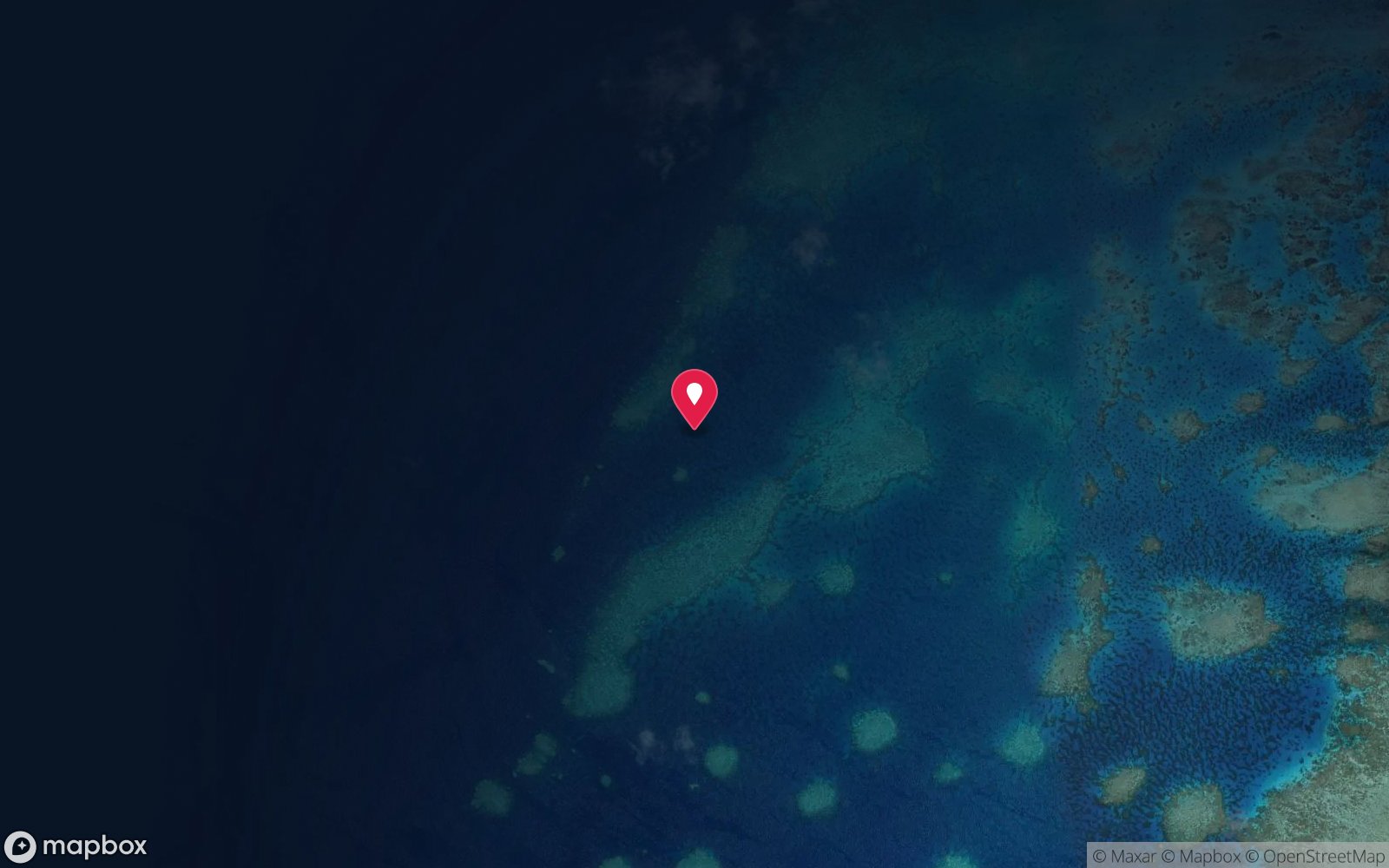
Satellite views
Endeavour Reef: frequently asked questions
How deep is Endeavour Reef?
Endeavour Reef reaches a maximum depth of 20 m, with the shallowest part at about 2 m; most of the dive is spent around 10 m.
What certification do I need to dive Endeavour Reef?
Advanced Open Water is the recommended minimum. Open Water divers can dive the shallower section (typical depth 10 m); the full site to 20 m needs Advanced Open Water. Operators often quote Open Water. Rated intermediate because of depth beyond 18 m, tidal current that must be timed.
Can I shore dive Endeavour Reef?
No, it is reached by boat (about 120 minutes).
When is the best time to dive Endeavour Reef?
Year-round. June-November gives the most reliable visibility and no box-jellyfish season, though the south-east trades can blow 20-25 knots in winter; September-December usually has the calmest seas; December-April is the warm, wet stinger and cyclone season.
What marine life will I see at Endeavour Reef?
Regularly recorded: Reef sharks, giant clams, schooling reef fish, coral trout, parrotfish, turtles, hard coral bommies (no published detailed species list).
What wetsuit do I need at Endeavour Reef?
3 mm full wetsuit or shorty in summer (27-30 °C); 3-5 mm full wetsuit in winter (23-25 °C); full-length lycra or stinger suit strongly advised November-May and supplied free by most operators.
How cold is the water at Endeavour Reef?
Typically 28-30 °C in summer and 22-26 °C in winter.
What are the main hazards at Endeavour Reef?
Marine stingers October-May – stinger suit essential; estuarine crocodiles in the Endeavour River, coastal waters and around islands; strong currents on reef edges; remote – patchy or no mobile reception, carry a marine radio and EPIRB; long evacuation times – nearest recompression chamber is Townsville University Hospital (air evacuation via Cooktown or Cairns). See the hazards section above for the full list.
Where is the nearest recompression chamber to Endeavour Reef?
Townsville University Hospital Hyperbaric Medicine Unit (Townsville) – Cairns Hospital has no recompression chamber; divers are evacuated by RFDS/air ambulance. In an emergency call 000, then DAN Asia-Pacific on 1800 088 200.
Diving in Far Northern Reef & Torres Strait
North of Lizard Island the Great Barrier Reef is almost unvisited. Great Detached Reef, Raine Island (the world's largest green turtle rookery), Tijou Reef and the Cod Hole's remote northern equivalents are dived only by a few liveaboards each October and November, when the wind drops and the boats can make the long passage. Expect walls, big sharks, untouched coral and no other boats.
Getting there: Seven- to ten-night liveaboard expeditions from Cairns, sometimes ending with a flight from Lockhart River or Horn Island.
All Far Northern Reef & Torres Strait dive sites and a suggested itinerary →
Sources
- en.wikipedia.org/wiki/Endeavour_Reef
- greatbarrierreeftour.au/endeavour-reef-guide
- cooktownandcapeyork.com/tours/local-tours/cooktown-reef-charters
Data confidence: Medium · Being verified: Diving conditions and depths not documented in detail; confirm Cooktown charter diving availability; coordinates are reef centre from Wikipedia. Last updated September 2026. Know this site better? How to send a correction
Nearby dive sites
More reef dives in Queensland
Explore more
This region