Dive slate · divesites.com.au · printed 8 Nov 2026
Goose Island (Furneaux)
Flinders Island & Furneaux Group, Tasmania · near Lady Barron
| Depth | 5–15 m |
|---|---|
| Minimum level | Open Water |
| Difficulty | Advanced |
| Access | Boat |
| Entry | Back roll or giant stride from a small boat (live-boat drop and pick-up is the local norm) |
| Current | Moderate |
| Visibility | 10-20 m |
| Water | summer 16-18 °C, winter 12-13 °C |
| Suit | 7 mm wetsuit with hood, gloves and boots (or semi-dry); drysuit common, especially May-October |
| Best season | January-April in settled weather |
| Bottom time | 45 min |
| Position | -40.31000, 147.80000 (approximate) |
| Permit | No permit to dive. Wreck is protected under the Commonwealth Underwater Cultural Heritage Act 2018 and Tasmanian Historic Cultural Heritage Act (over 75 years old): do not disturb or remove anything. Tasmania currently has no declared shipwreck protected zones. |
| Nearest chamber | Royal Hobart Hospital Hyperbaric Medicine Unit (Hobart) via aeromedical retrieval from Flinders Island; The Alfred (Melbourne) is the alternative. DAN 1800 088 200 |
| Emergency | 000 · DAN Asia-Pacific diving emergency 1800 088 200 |
Goose Island (Furneaux)
Also known as Goose Island, Merilyn wreck
Three contrasting sides around a lighthouse island, plus the remains of the Merilyn.
Near Lady Barron · Flinders Island & Furneaux Group, Tasmania
- Depth
- 5–15 m
- Minimum level
- Open Water
- Access
- Boat
- Boat ride
- ~80 min
- Water
- 16-18 °C
- Visibility
- 10-20 m
Goose Island (Furneaux)5–15 m · Open Water
Dive factsDepths, conditions, location & safety
Season
Off-peak nowBest months: January, February, March, April.
Dive facts
- Depth
- 5–15 m
- Typical depth
- 10 m
- Certification
- Open Water
- Difficulty
- Advanced
- Depth tier
- Open Water (10–18 m)
- Access
- Boat
- Offshore
- 0.3 km
- Dive centre needed
- Yes – boat access only
- Shore / independent
- No
- Boat ride
- ~80 min
- Current
- Moderate
- Visibility
- 10-20 m
- Water temp (summer)
- 16-18 °C
- Water temp (winter)
- 12-13 °C
- Water
- Cold Temperate
- Bottom time
- 45 min
- Dive traffic
- Remote/expedition only
- Night dive
- No
- Snorkel friendly
- No
Exposure suit
7 mm wetsuit with hood, gloves and boots (or semi-dry); drysuit common, especially May-October
Location
Furneaux Group - Badger/Goose islands · Bass Strait Islands - Furneaux Group
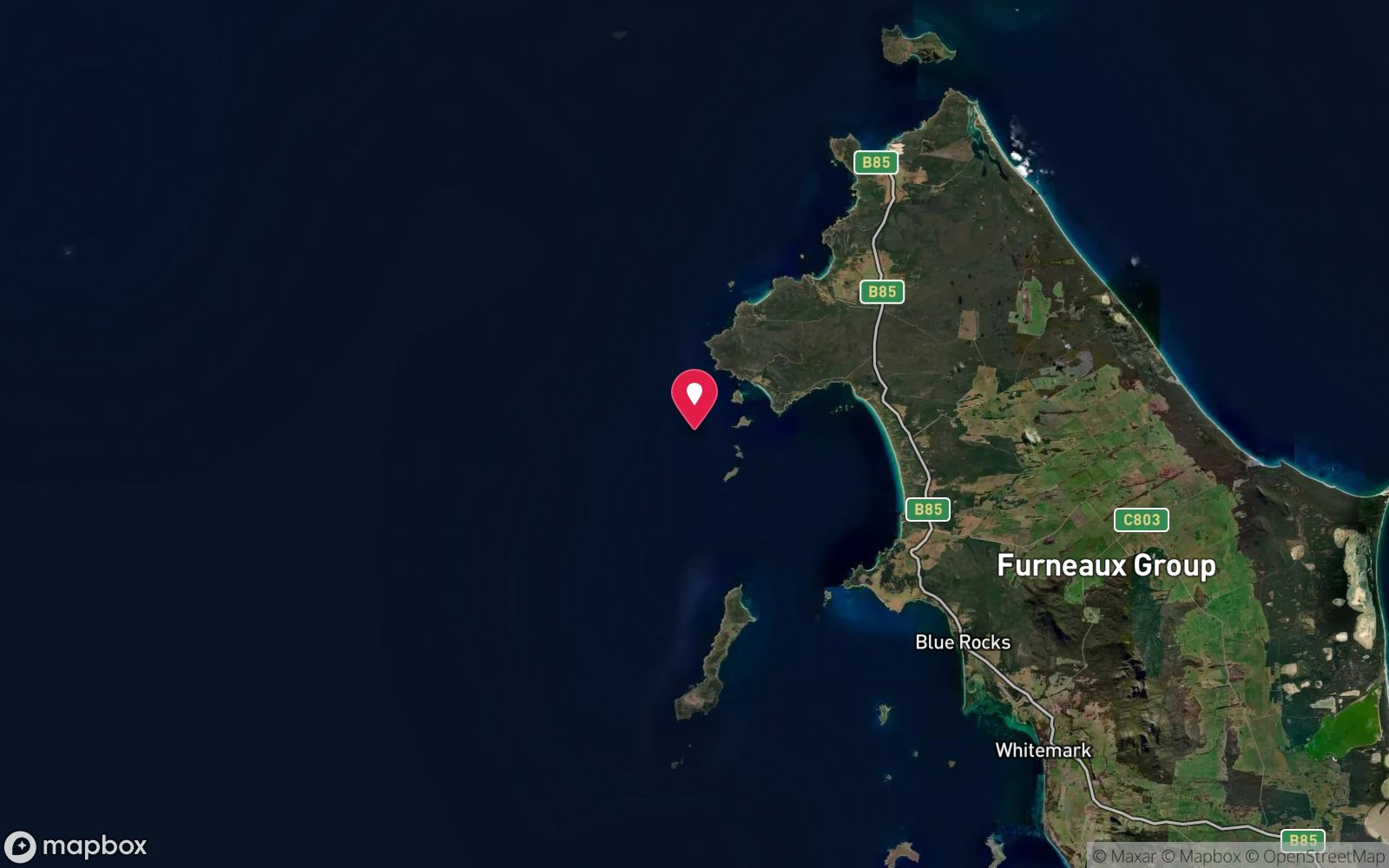
-40.31000, 147.80000
Approximate position — not for navigation.
Open in Google MapsPrimary source: marinelife.org.auMarine park & permits
No permit to dive. Wreck is protected under the Commonwealth Underwater Cultural Heritage Act 2018 and Tasmanian Historic Cultural Heritage Act (over 75 years old): do not disturb or remove anything. Tasmania currently has no declared shipwreck protected zones.
Nearest recompression chamber
Royal Hobart Hospital Hyperbaric Medicine Unit (Hobart) via aeromedical retrieval from Flinders Island; The Alfred (Melbourne) is the alternative. DAN 1800 088 200
Diving emergency: call 000, then DAN AP 1800 088 200.
Trip planner
Build a trip around Goose Island (Furneaux) →
A day-by-day plan for Flinders Island & Furneaux Group with this site locked in.
This guide is a planning aid. Conditions change daily — confirm with a local dive centre and dive within your training. Data & safety notes.
Dive profile
How this site rates
Scores are computed from the recorded data, not opinions. How?
At a glance
Goose Island (Furneaux) is a island boat dive in Flinders Island & Furneaux Group, TAS, 5–15 m, suited to Open Water divers, moderate current, about 80 minutes by boat.
Rated advanced because of cold water.
Why dive here
- Three contrasting sides around a lighthouse island, plus the remains of the Merilyn.
- Rarely dived: expect to have the site to yourself, and plan your own logistics.
- Visibility often reaches 10-20 m.
About Goose Island (Furneaux)
Goose Island, with its unmanned lighthouse (which once sheltered shipwrecked crews), was a popular anchorage for sailing vessels. The Marine Life Network guide rates it 7 out of 10: the eastern side near the lighthouse has interesting reefs running parallel to the shore on sand at about 10 m, the northern channel near Little Goose Island is shallower (about 5 m) and very rocky with delicate seaweed and abundant old wives, and the western side is deeper, with large boulders and more exposure. The wreck of the 239-ton wooden vessel Merilyn lies here, heavily demolished by explosives; its propeller is at the Emita museum. Local advice from Flinders Island Dive or the charter skippers at Lady Barron on current conditions, tides and exact positions is the best starting point for any dive here.
The Furneaux Group - Flinders, Cape Barren, Clarke, Preservation and dozens of smaller islands - is one of Australia's least-dived temperate regions. Granite dominates, but Flinders Island also has unusual limestone reefs, and the islands' position on the eastern approach to Bass Strait left a long trail of shipwrecks from the colony's earliest years. The Marine Life Network guide remains the fullest published account of the dive sites; since then Flinders Island Dive at Emita has made air and guiding available on the island.
All wrecks over 75 years old are protected under Commonwealth and Tasmanian heritage law: nothing may be disturbed or removed, and new finds should be reported to the Parks and Wildlife Service. There is no chamber on the island, so a diving injury means aeromedical evacuation to Hobart or Melbourne; dive conservatively and carry oxygen.
Getting there & entry
A lighthouse island south-west of Flinders Island with reefs parallel to shore on the east side, a rocky northern channel and deeper boulders on the western side, plus the demolished wreck Merilyn.
Flinders Island is reached by air from Launceston (about 35 minutes) or Melbourne, landing at Whitemark, or by the vehicular freight ferry from Bridport. Flinders Island Dive at Emita can supply cylinders and weights, which avoids air-freighting heavy gear. Whitemark's ramp is difficult at tide extremes; Lady Barron in the south has the best ramp and most sheltered anchorage and is the base for trips to Cape Barren, Preservation and Clarke islands.
Goose Island is south-west of Flinders Island, about 1-1.5 hours by charter boat from Lady Barron or Whitemark depending on conditions. The guide rates it category 3 mainly because of the remoteness and boating conditions.
Entry: Back roll or giant stride from a small boat (live-boat drop and pick-up is the local norm)
Facilities: Whitemark: shops, fuel, hospital (no chamber), accommodation. Lady Barron: ramp, fuel, pub, store. Emita: Flinders Island Dive (air, hire) and Furneaux Museum.
Weather, swell & tides
The Furneaux Group sits in eastern Bass Strait: the west coast of Flinders Island is exposed to the prevailing westerlies, the east coast to easterly summer gales, and strong tidal streams run through Franklin Sound, Armstrong Channel and the passages between the islands, especially after gales. January-April offers the most settled weather, but sudden southerly or westerly changes can arrive with little warning, so plan around a safe anchorage. The western side is more exposed; the eastern side near the lighthouse is the usual choice.
Best season: January-April in settled weather
If it's blown out
Sheltered or shore sites within 25 km that often work when Goose Island (Furneaux) doesn't.
- Gaudelette (Cape Barren Island) · 20 km · Max 8 m
- Trousers Point (Flinders Island) · 22 km · Max 15 m
How the dive is usually run
On the eastern side, follow the reefs that run parallel to the shore on the sandy bottom at about 10 m; in the northern channel near Little Goose Island dive the rocky 5 m shallows; the western side has deeper boulders.
Marine life
- Old wife (abundant)
- wrasse
- leatherjackets
- delicate seaweeds
- reef fish
Linked species have their own page listing every site where they are recorded. All marine life →
Training required
Within the 18 m limit of an entry-level certification.
Courses that help here
- Drysuit Diver – Cold water; locals dive dry for much of the year.
Depth tiers: 0–10 m easy · to 18 m Open Water · 18–30 m Advanced (25 m+ is a deep dive) · 30–40 m Deep specialty · 40 m+ technical. All courses
Hazards & warnings
Remote; dangerous boating conditions; exposed western side.
Dive centres that go here
Flinders Island Dive (Emita, west coast; ph 0428 598 529) offers scuba and snorkel hire, air, and small-group guided diving, snorkelling and fishing tours including reefs, caves and shipwrecks, year-round. Charter boats Rockjaw Tours and Latitude Charters (listed by Visit Flinders Island) run trips that can include diving; the southern wrecks are reached from Lady Barron.
Operators recorded for Goose Island (Furneaux)
Flinders Island Dive
Named by sitesEmita · Flinders Island & Furneaux Group · TAS
Gear hire/service and charters based at Emita, west coast of Flinders Island.
flindersislanddive.com.au · 0428 598 529
Latitude Charters
Named by sitesWhitemark · Flinders Island & Furneaux Group · TAS
Boat charter operator (fishing/sightseeing); diving not listed on site.
latitudecharters.com.au · 0409 031 438
Rockjaw Tours
Named by sitesWhitemark · Flinders Island & Furneaux Group · TAS
Fishing, hunting and history tours on Flinders Island; diving not offered.
rockjawtours.com.au · 0427 596 506
Map
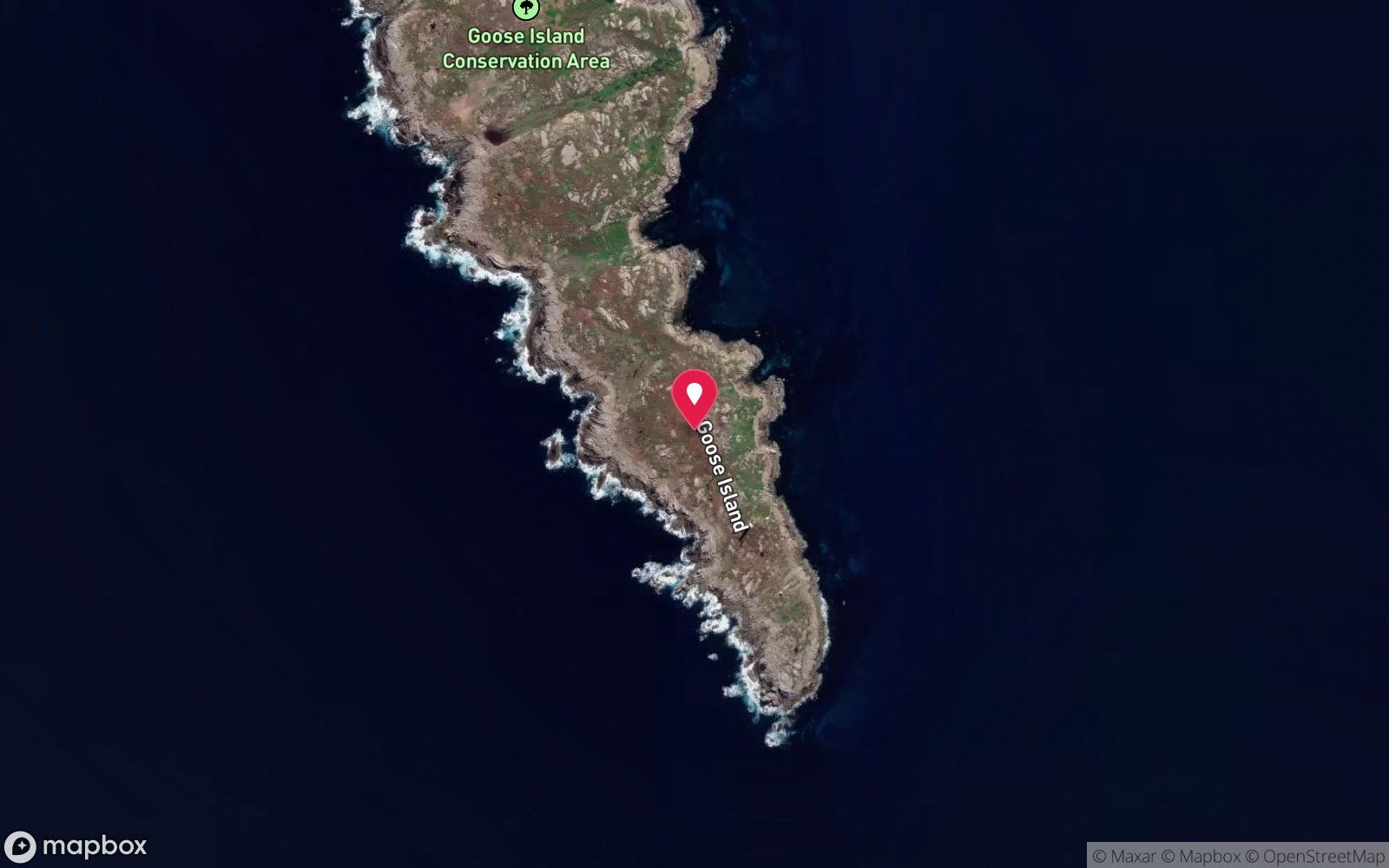
7 pinned sites. Pins marked approximate on their pages show the general area only; not for navigation.
Satellite views
Goose Island (Furneaux): frequently asked questions
How deep is Goose Island (Furneaux)?
Goose Island (Furneaux) reaches a maximum depth of 15 m, with the shallowest part at about 5 m; most of the dive is spent around 10 m.
What certification do I need to dive Goose Island (Furneaux)?
Open Water is the recommended minimum. Rated advanced because of cold water.
Can I shore dive Goose Island (Furneaux)?
No, it is reached by boat (about 80 minutes). A dive centre is required: boat access only.
When is the best time to dive Goose Island (Furneaux)?
January-April in settled weather.
What marine life will I see at Goose Island (Furneaux)?
Regularly recorded: Old wife (abundant), wrasse, leatherjackets, delicate seaweeds, reef fish.
What wetsuit do I need at Goose Island (Furneaux)?
7 mm wetsuit with hood, gloves and boots (or semi-dry); drysuit common, especially May-October.
How cold is the water at Goose Island (Furneaux)?
Typically 16-18 °C in summer and 12-13 °C in winter.
What are the main hazards at Goose Island (Furneaux)?
Remote; dangerous boating conditions; exposed western side. See the hazards section above for the full list.
Where is the nearest recompression chamber to Goose Island (Furneaux)?
Royal Hobart Hospital Hyperbaric Medicine Unit (Hobart) via aeromedical retrieval from Flinders Island; The Alfred (Melbourne) is the alternative. DAN 1800 088 200. In an emergency call 000, then DAN Asia-Pacific on 1800 088 200.
Diving in Flinders Island & Furneaux Group
The Furneaux Group in eastern Bass Strait is wreck country: the Sydney Cove (1797), the Farsund and dozens of others lie around the islands, and the granite coast has kelp, sponges and seals. Access is by private boat and the islands see a handful of divers a year.
Getting there: Fly to Flinders Island from Launceston; bring everything you need.
All Flinders Island & Furneaux Group dive sites and a suggested itinerary →
Sources
- marinelife.org.au/?page_id=120
- flindersislanddive.com.au
- visitflindersisland.com.au/activity/charter-boats
Data confidence: Low · Being verified: Coordinates approximate; site descriptions from an older regional guide.. Last updated September 2026. Know this site better? How to send a correction