Dive slate · divesites.com.au · printed 9 Nov 2026
Green Point (Camp Cove)
Sydney Harbour, New South Wales · near Watsons Bay
| Depth | 3–19 m |
|---|---|
| Minimum level | Advanced Open Water |
| Difficulty | Intermediate |
| Access | Shore |
| Entry | Walk-in from the south-western end of Camp Cove beach or the small beach at Green Point; exit at Camp Cove |
| Current | Mild |
| Visibility | 4-5 (1-2 after rain) m |
| Water | summer 21-24 °C, winter 15-18 °C |
| Suit | 5 mm full suit in summer; 7 mm semi-dry or drysuit May–October |
| Best season | Southerly winds; top of the flood; night dives |
| Bottom time | 55 min |
| Position | -33.83750, 151.27900 (approximate) |
| Permit | Sydney Harbour National Park adjacent |
| Nearest chamber | Prince of Wales Hospital (Randwick, Sydney) |
| Emergency | 000 · DAN Asia-Pacific diving emergency 1800 088 200 |
Green Point (Camp Cove)
Also known as Green Point Reserve, Camp Cove north, Laings Point
Overhangs, small caves and a boulder field to 15–19 m off the Camp Cove headland – the deepest shore dive inside the harbour's eastern shore.
Near Watsons Bay · Sydney Harbour, New South Wales
- Depth
- 3–19 m
- Minimum level
- Advanced Open Water
- Access
- Shore
- Boat ride
- Shore entry
- Water
- 21-24 °C
- Visibility
- 4-5 (1-2 after rain) m
Green Point (Camp Cove)3–19 m · Advanced Open Water · Shore
Dive factsDepths, conditions, location & safety
Season
In season nowBest months: year-round.
Dive facts
- Depth
- 3–19 m
- Typical depth
- 7 m
- Certification
- Advanced Open Water
- Difficulty
- Intermediate
- Depth tier
- Advanced Open Water (18–30 m)
- Access
- Shore
- Offshore
- 0 km
- Dive centre needed
- No – independently diveable
- Shore / independent
- Yes
- Current
- Mild
- Visibility
- 4-5 (1-2 after rain) m
- Water temp (summer)
- 21-24 °C
- Water temp (winter)
- 15-18 °C
- Water
- Temperate
- Bottom time
- 55 min
- Dive traffic
- Popular (weekly charters)
- Night dive
- Yes
- Snorkel friendly
- Partial
Exposure suit
5 mm full suit in summer; 7 mm semi-dry or drysuit May–October
Location
Watsons Bay / South Head · Sydney – Harbour
-33.83750, 151.27900
Approximate position — not for navigation.
Open in Google MapsPrimary source: michaelmcfadyenscuba.infoMarine park & permits
Sydney Harbour National Park adjacent
Nearest recompression chamber
Prince of Wales Hospital (Randwick, Sydney)
Diving emergency: call 000, then DAN AP 1800 088 200.
Trip planner
Build a trip around Green Point (Camp Cove) →
A day-by-day plan for Sydney Harbour with this site locked in.
This guide is a planning aid. Conditions change daily — confirm with a local dive centre and dive within your training. Data & safety notes.
Dive profile
How this site rates
Scores are computed from the recorded data, not opinions. How?
At a glance
Green Point (Camp Cove) is a shore / rock platform shore dive you can do independently in Sydney Harbour, NSW, 3–19 m, suited to Advanced Open Water divers.
Rated intermediate because of depth beyond 18 m, boat traffic overhead, cold water.
Why dive here
- Overhangs, small caves and a boulder field to 15–19 m off the Camp Cove headland – the deepest shore dive inside the harbour's eastern shore.
- Commonly dived at night, when octopus, cuttlefish and crustaceans are out.
Conditions to avoid
- Strong westerlies
- Strong northerlies
- Outgoing tide or run-off after rain (poor visibility)
About Green Point (Camp Cove)
Green Point is the sandstone headland that closes the northern end of Camp Cove and separates it from Lady Bay, and it gives the Camp Cove dive its structure and depth. Diving north from the beach along the reef edge, the sand at 3–4 m gives way to a rock shelf with quite large overhangs and even small caves at only 2.5–3 m, then a reef edge dropping to sand at 6–7 m, and off the point itself a field of boulders where the bottom 'drops dramatically' and depths of 15–19 m are possible for those who follow it out. The offshore reef can be crossed at its southern end back to the headland, so several routes are available for a 50–60 minute dive.
Fish life is better than the beach: luderick, sea pike, yellowtail, blackfish, velvetfish and blue groper around the boulders, seahorses in the kelp, blue-ringed octopus and cuttlefish in the crevices, and, memorably, a two-metre jewfish encountered in the boulder field. The overhangs shelter Port Jackson sharks in winter and morays at night. The bottom carries the same debris as Camp Cove – champagne bottles and lost valuables from a century of parties on the beach.
Visibility is the weakness: 4–5 m on an average day and 1–2 m after rain. The site is protected from all but northerly swell and is excellent in a southerly wind, which is when the eastern-suburbs schools bring their groups here. The one rule is the same as Camp Cove's and is stated emphatically by Michael McFadyen: 'never, repeat never, ascend from the reef', because boats cut the point constantly – return underwater to the beach.
Green Point suits Open Water divers ready for more than sand, Advanced students on their deep or navigation dives (the boulder field is the only place inside the harbour on this shore to reach 18 m from the beach), and night divers.
Getting there & entry
The headland at the northern end of Camp Cove beach, with overhangs and small caves at 2.5–3 m, a reef edge at 6–7 m and a boulder field dropping to 15–19 m off the point; the deeper, more structured extension of the Camp Cove dive.
As for Camp Cove: Cliff Street, Watsons Bay, with the small car park at the end of Pacific Street (first left off Short Street) closest to Green Point, or the larger Cliff Street car park. Gear up, walk the short distance down to the beach and enter at its south-western end (or the pocket beach beside Green Point). Follow the reef edge north around the headland.
Return the same way or across the reef, and exit onto Camp Cove beach; 50–60 minutes is typical.
Entry: Walk-in from the south-western end of Camp Cove beach or the small beach at Green Point; exit at Camp Cove
Facilities: As for Camp Cove: car parks at Pacific Street and Cliff Street, toilets, kiosk, shower; Watsons Bay pubs; air fills at Dive 2000 or Abyss.
Weather, swell & tides
Inside South Head the ocean swell is broken; the eastern harbour shore dives are exposed only to wind chop and, in the case of Camp Cove and Green Point, to a north-westerly or northerly blow that puts a short sea onto the beaches. They are at their best in a southerly, which flattens them completely, and on the top of a flood tide when clean ocean water has come in through the Heads (visibility 5–10 m; 15 m on a rare winter day). After heavy rain the harbour is brown for days and the dives are not worth doing.
Boat and ferry traffic is intense on summer weekends and public holidays, when the bays fill with anchored craft; early mornings, weekdays and nights are the times to dive. Green Point is protected from everything except a northerly swell or wind, when the point becomes a wash zone; in a southerly it is excellent.
Best season: Southerly winds; top of the flood; night dives
If it's blown out
Sheltered or shore sites within 25 km that often work when Green Point (Camp Cove) doesn't.
- Camp Cove · 0 km · Max 8 m
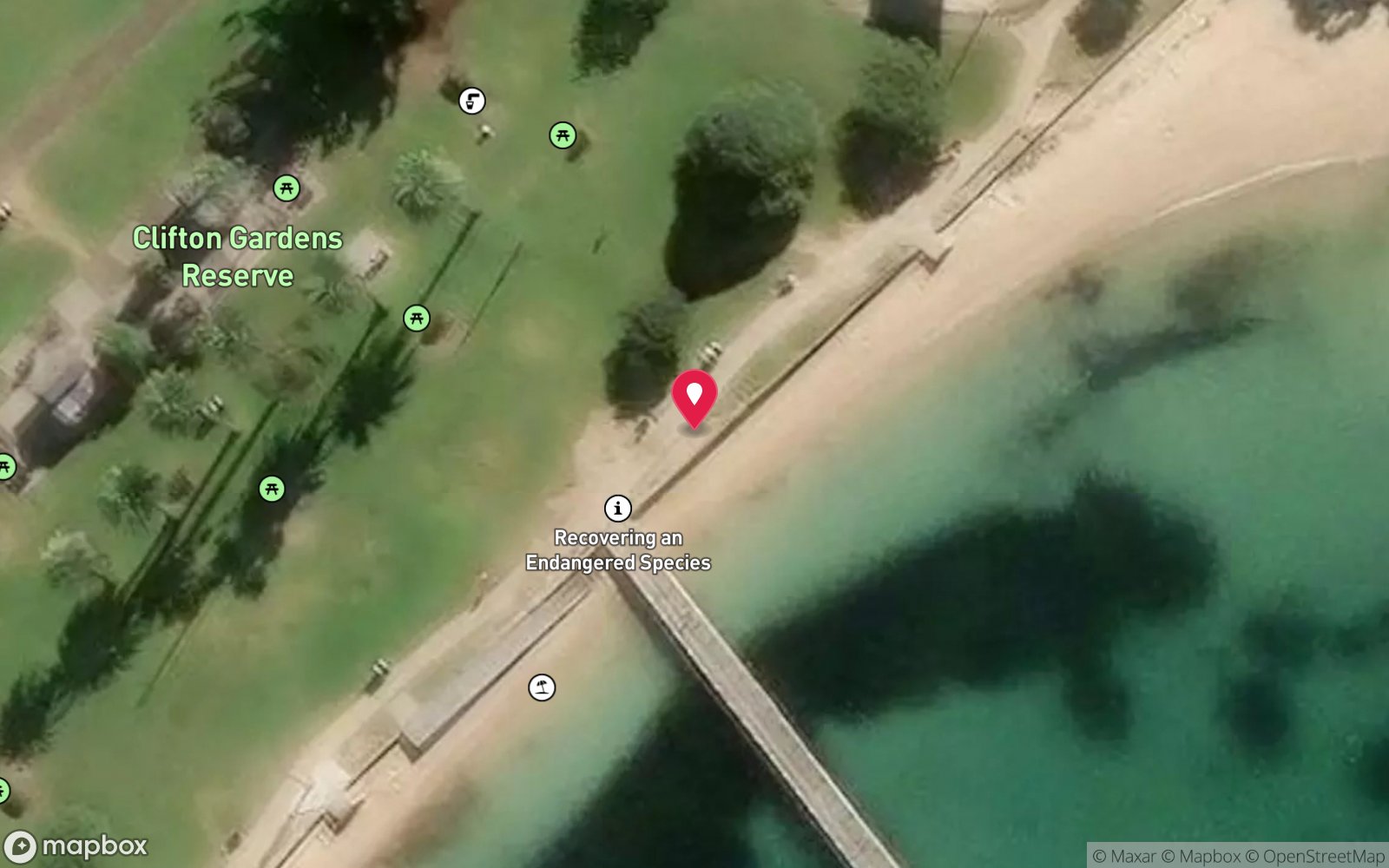
- Chowder Bay / Clifton Gardens · 2 km · Max 10 m
- Balmoral Baths · 3 km · Max 5 m
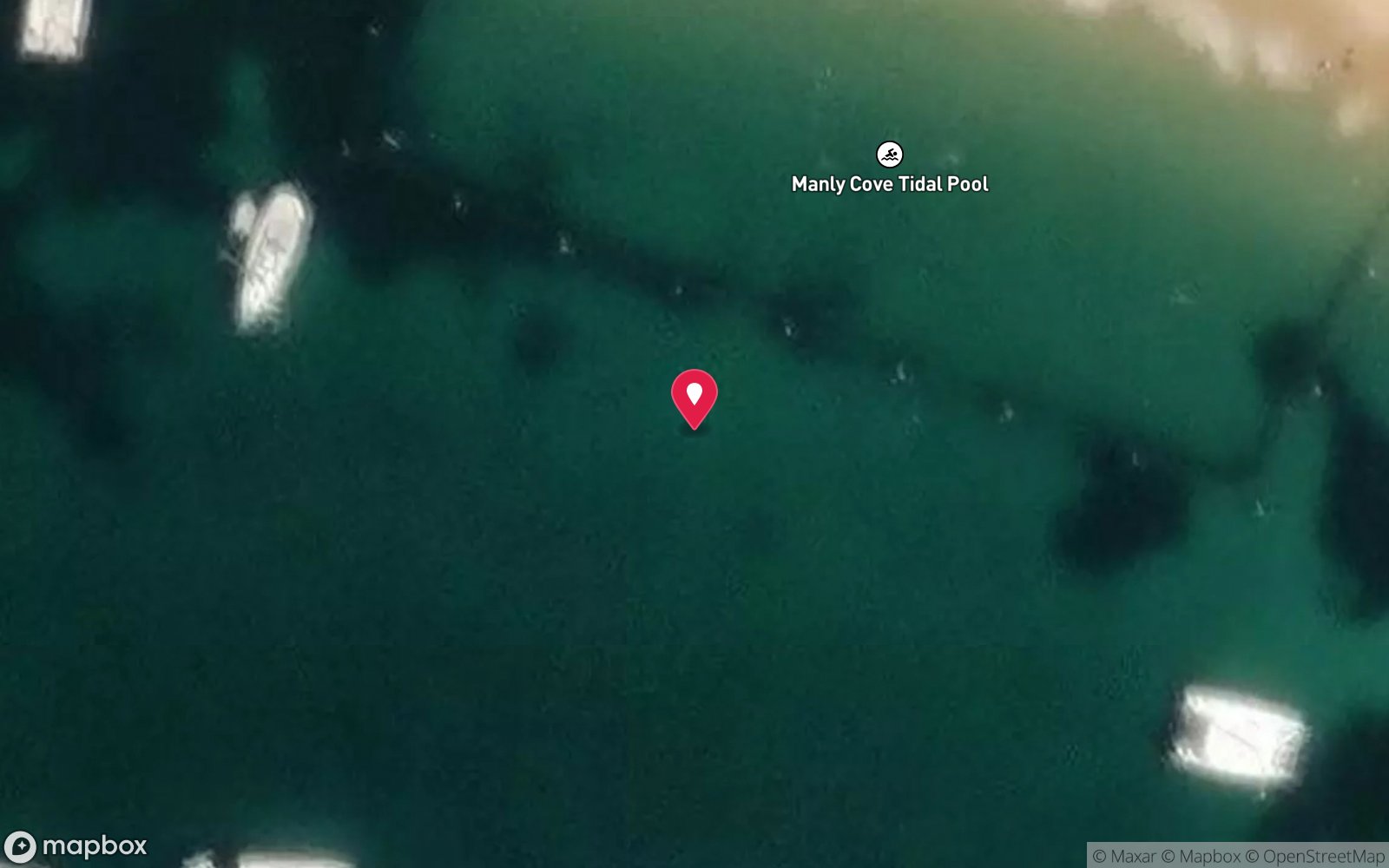
- Manly Cove (Oceanworld nets) · 4 km · Max 6 m
How the dive is usually run
From the south-western end of Camp Cove follow the reef edge north at 3–4 m past the overhangs and small caves, round the Green Point headland and, in good visibility, jump boulder to boulder down the field to 15 m or more; in poor visibility keep to the reef edge at 6–7 m. Return along the reef or cross from the southern end of the offshore reef back to the headland. Surface only at the beach – never from the reef, because of boat traffic.
Marine life
- Blue groper →
- luderick
- sea pike
- yellowtail
- velvetfish
- jewfish (occasional, large)
- seahorses →
- blue-ringed octopus →
- cuttlefish →
- Port Jackson sharks (winter) →
- moray eels
- leatherjackets
Linked species have their own page listing every site where they are recorded. All marine life →
Training required
Beyond 18 m an Advanced certification (which includes a deep dive to 30 m) is the accepted minimum. Anything past 25 m is a deep dive in practice.
Open Water divers can dive the shallower section (typical depth 7 m); the full site to 19 m needs Advanced Open Water. Operators often quote Open Water.
Operators' own listing: Open Water.
Courses that help here
- Night Diver – Commonly dived at night.
- Drysuit Diver – Cold water; locals dive dry for much of the year.
Depth tiers: 0–10 m easy · to 18 m Open Water · 18–30 m Advanced (25 m+ is a deep dive) · 30–40 m Deep specialty · 40 m+ technical. All courses
Hazards & warnings
Constant boat traffic over the reef – never ascend from the reef, surface only at the beach; visibility 1–2 m after rain; blue-ringed octopus; broken glass; depth to 19 m for the unwary.
Dive centres that go here
Abyss Scuba Diving, Dive 2000 and Frog Dive extend Camp Cove guided dives to Green Point for Open Water and Advanced groups; independent divers regularly.
Operators recorded for Green Point (Camp Cove)
Abyss Scuba Diving
ProfiledRamsgate · Sydney South & Botany Bay · NSW
A Sydney operation associated with training across recreational and technical levels, boat diving and equipment services.
abyss.com.au · +61 2 9583 9662
Frog Dive Sydney
ProfiledGladesville · Sydney South & Botany Bay · NSW
A Willoughby PADI 5 Star IDC founded in 1985, teaching recreational through Trimix and rebreather courses with PADI, SDI and TDI, and testing cylinders in-store.
frogdive.com.au · (02) 9958 5699
Dive 2000
Named by sitesCromer · Sydney Northern Beaches · NSW
Moved from Neutral Bay; now dive travel/photography business by appointment only, not a retail shop.
dive2000.com.au · 0417 492 511
Other dive centres in Sydney Harbour
Pro Dive Sydney
ProfiledSt Peters · Sydney South & Botany Bay · NSW
Pro Dive's inner-Sydney training centre at Alexandria, close to Camp Cove, Clovelly, Gordons Bay and Bare Island, with courses to Divemaster, hire and servicing.
prodive.com.au · (02) 9665 6333
Dive Centre Manly
ProfiledManly · Sydney South & Botany Bay · NSW
A Northern Beaches operation with a long-standing presence at Shelly Beach, offering recreational training, boat diving and technical pathways.
divesydney.com.au · (02) 9977 4355
Pro Dive Brookvale
ProfiledBrookvale · Sydney South & Botany Bay · NSW
Pro Dive's Northern Beaches centre at Brookvale, running the 43-foot dive boat Sea Life V alongside courses, hire, air fills and servicing.
prodive.com.au · (02) 9977 5966
Dive Centre Bondi
ProfiledBondi · Sydney South & Botany Bay · NSW
An Eastern Suburbs PADI 5 Star IDC on Bondi Road teaching through Instructor and technical levels, with air, Nitrox and Trimix fills and manufacturer-approved servicing.
divebondi.com.au · +61 2 9369 3855
ADRENO Sydney
ProfiledAlexandria · Sydney South & Botany Bay · NSW
The Sydney branch of Adreno, an 850-square-metre spearfishing, freediving and scuba store in Alexandria that also runs SSI scuba courses.
adreno.com.au · (02) 9669 6214
Geo Divers
ProfiledClyde · Sydney South & Botany Bay · NSW
A Sydney PADI 5 Star Instructor Development Centre running small-group courses with two PADI professionals, from Discover Scuba through Instructor training.
geodivers.com.au · (02) 9689 1389
Map
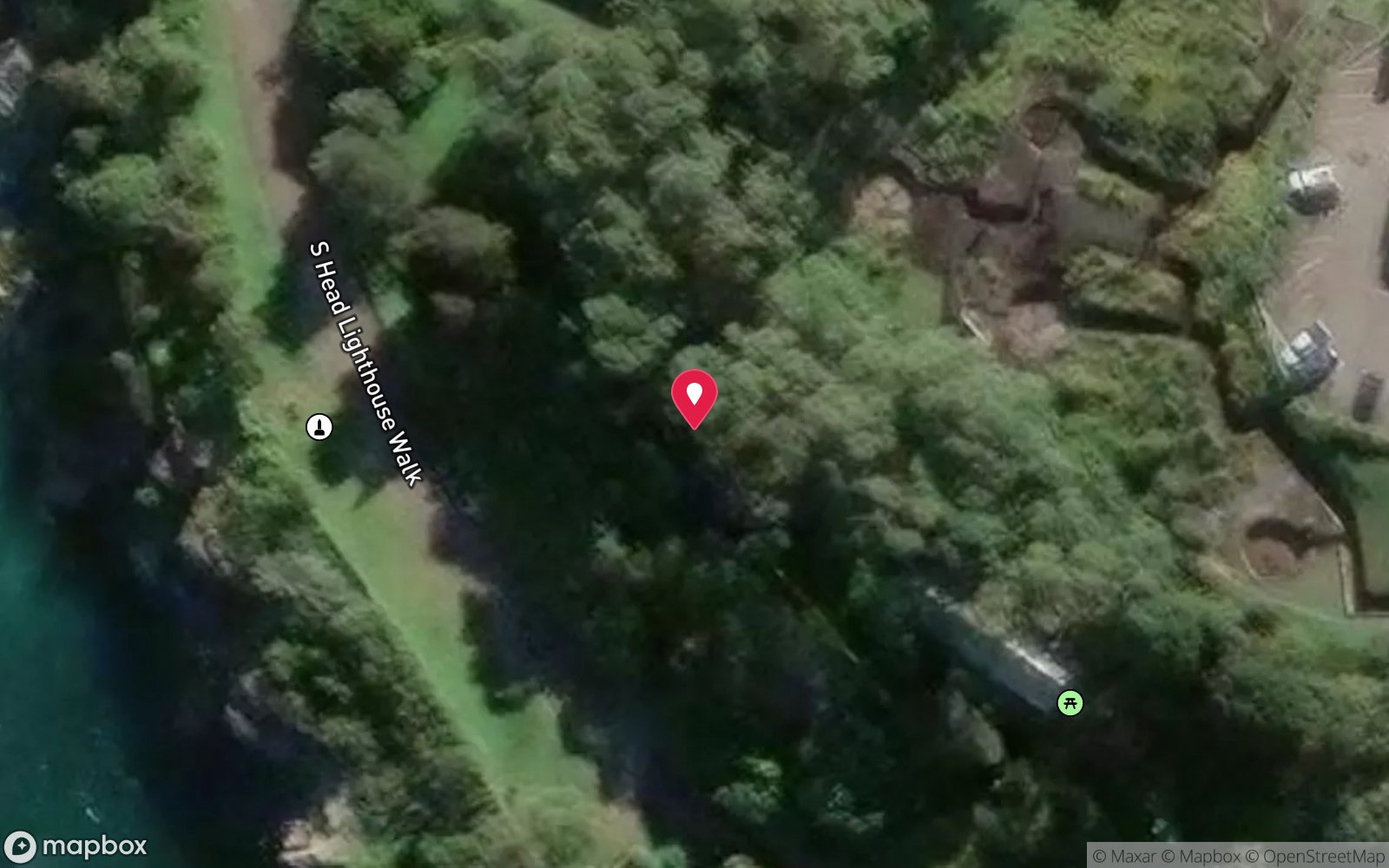
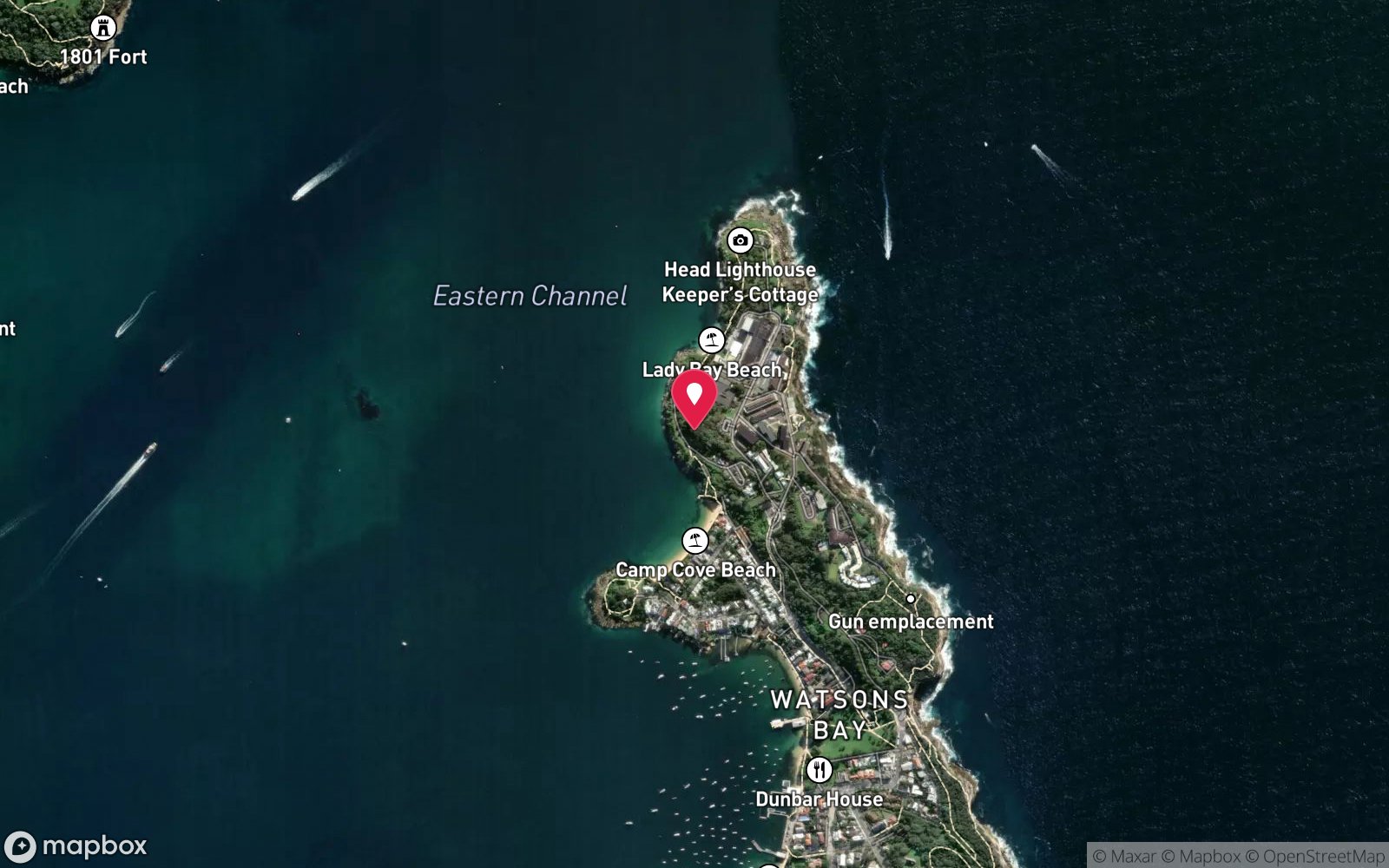
7 pinned sites. Pins marked approximate on their pages show the general area only; not for navigation.
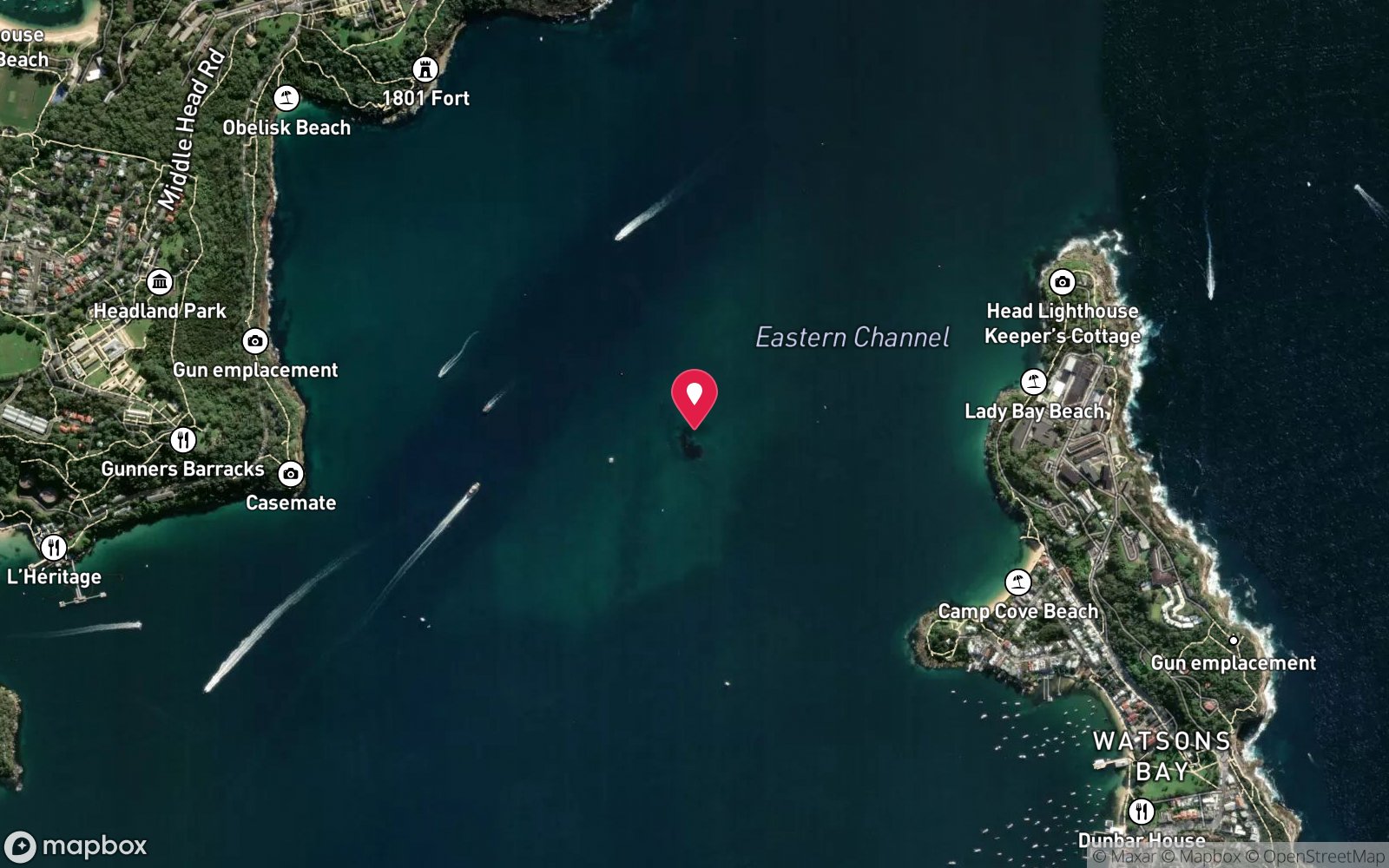
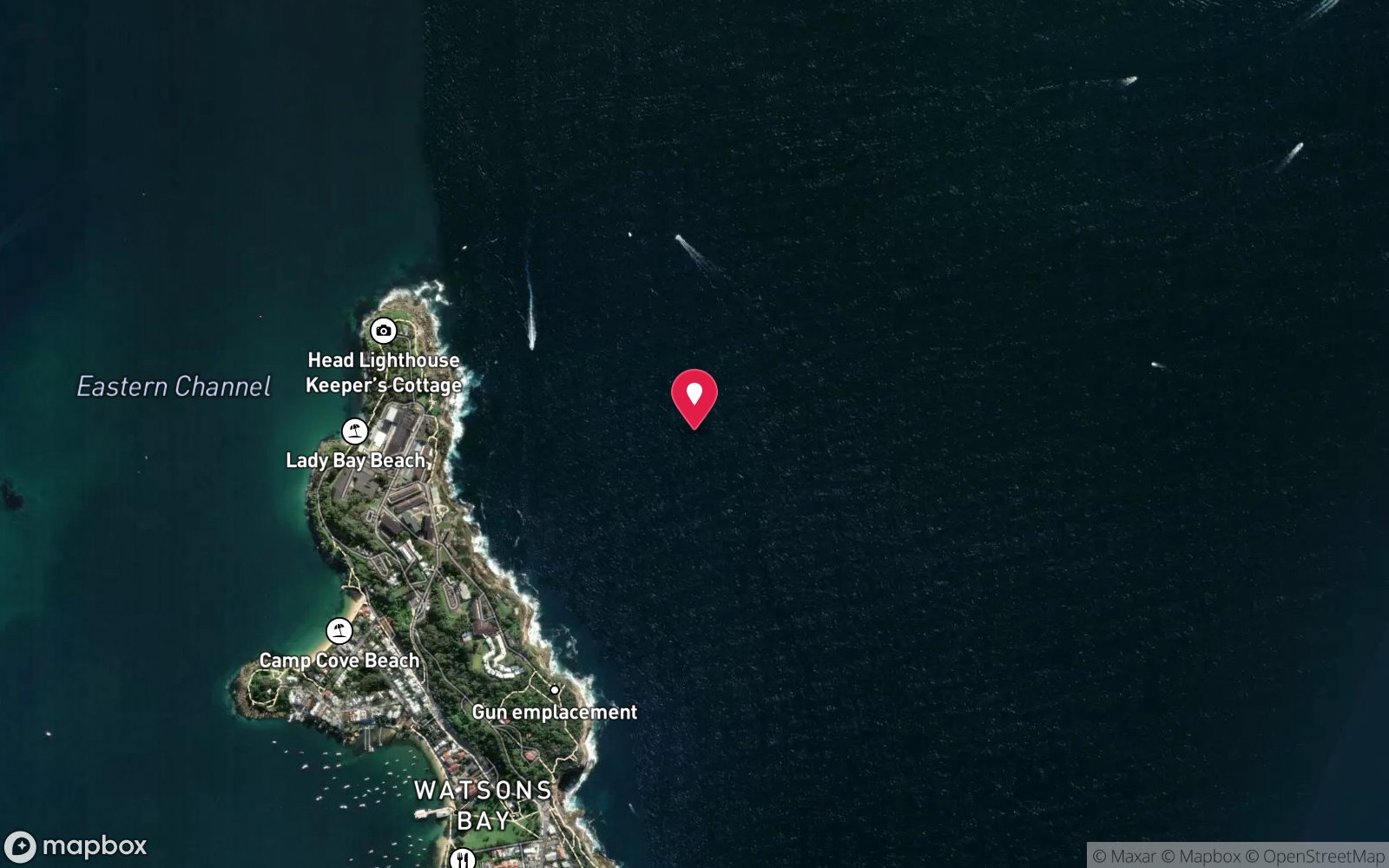
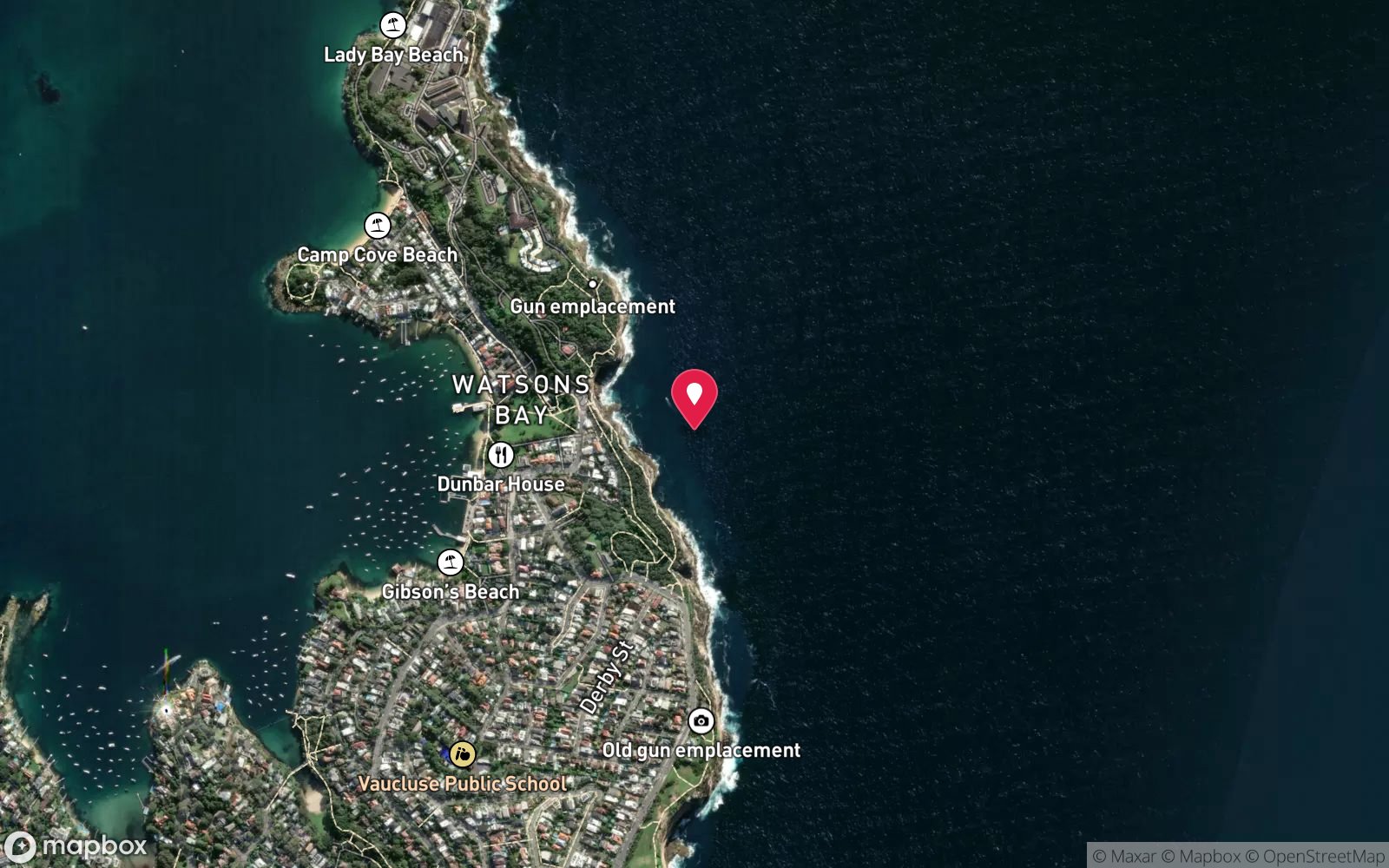
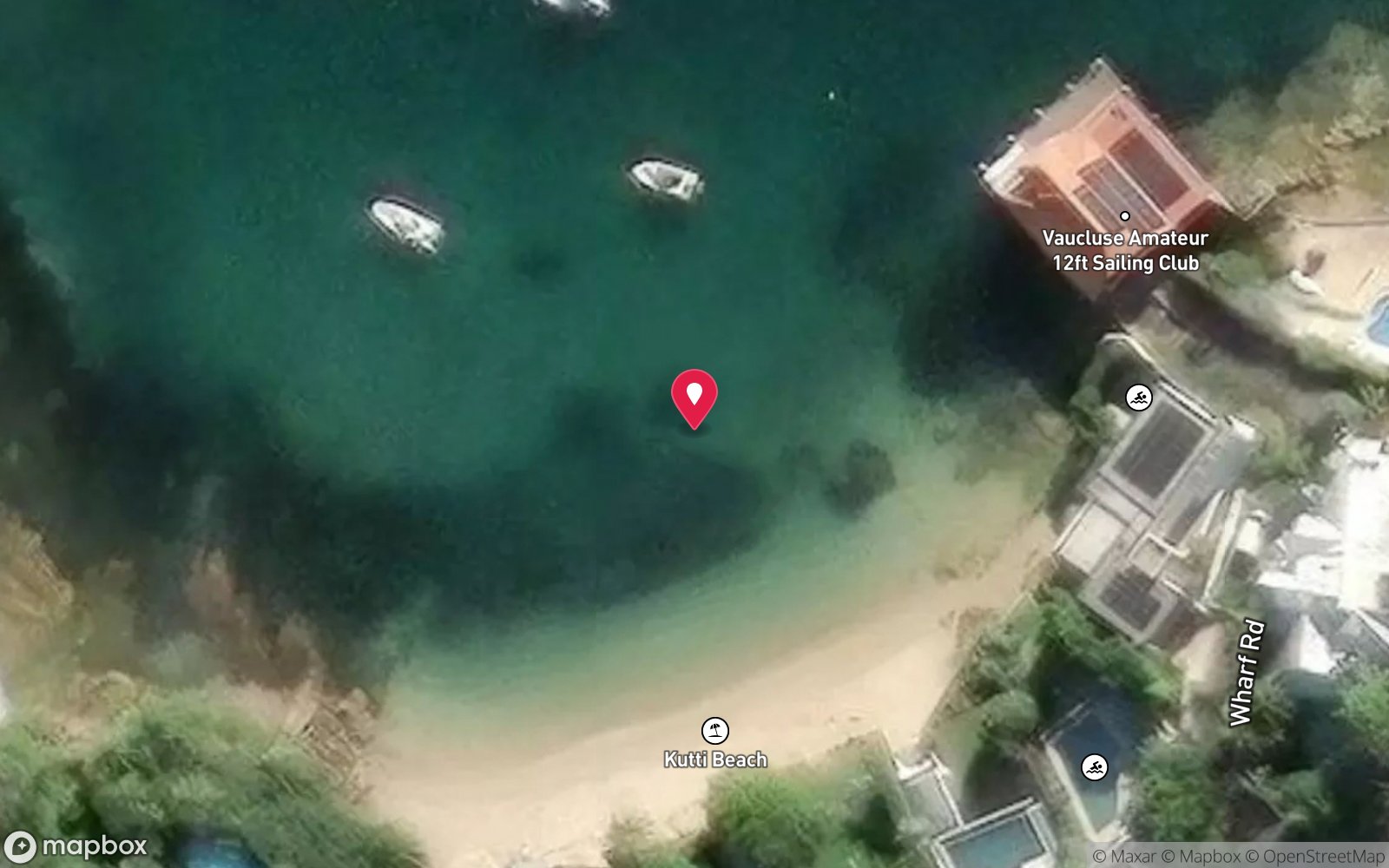
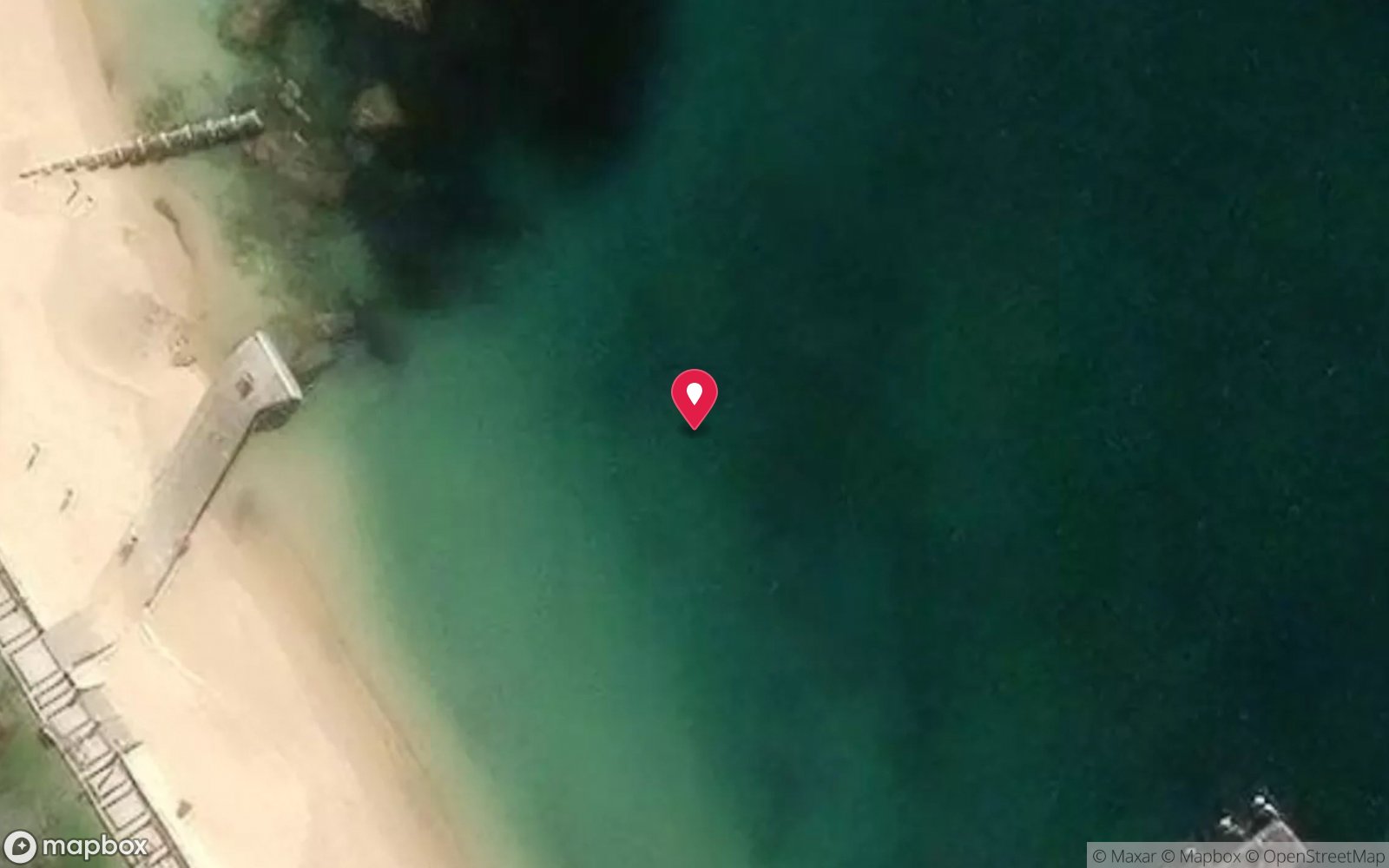
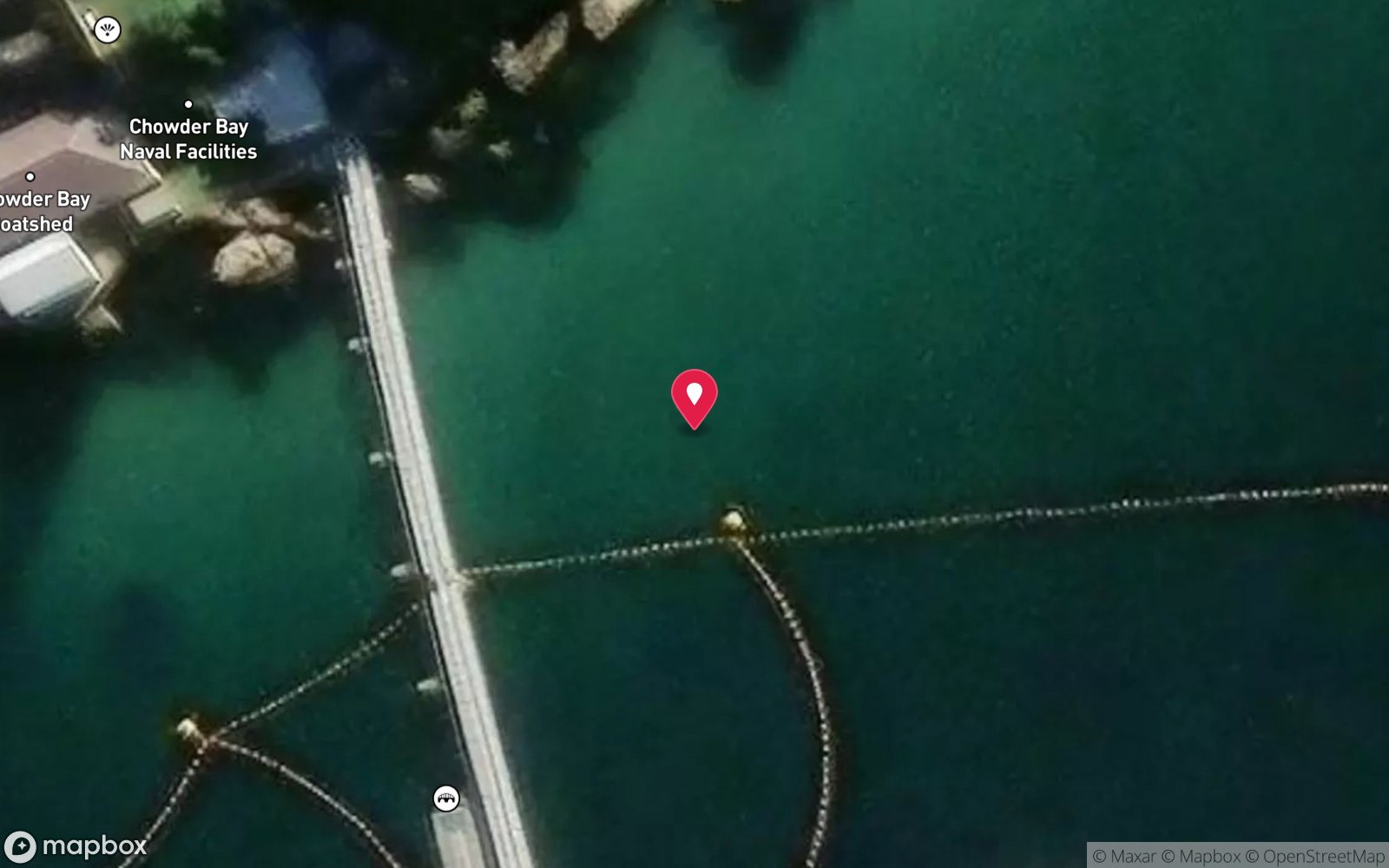
Satellite views
Green Point (Camp Cove): frequently asked questions
How deep is Green Point (Camp Cove)?
Green Point (Camp Cove) reaches a maximum depth of 19 m, with the shallowest part at about 3 m; most of the dive is spent around 7 m.
What certification do I need to dive Green Point (Camp Cove)?
Advanced Open Water is the recommended minimum. Open Water divers can dive the shallower section (typical depth 7 m); the full site to 19 m needs Advanced Open Water. Operators often quote Open Water. Rated intermediate because of depth beyond 18 m, boat traffic overhead, cold water.
Can I shore dive Green Point (Camp Cove)?
Yes. Green Point (Camp Cove) is a shore dive that can be done independently: walk-in from the south-western end of Camp Cove beach or the small beach at Green Point; exit at Camp Cove.
When is the best time to dive Green Point (Camp Cove)?
Southerly winds; top of the flood; night dives.
What marine life will I see at Green Point (Camp Cove)?
Regularly recorded: Blue groper, luderick, sea pike, yellowtail, velvetfish, jewfish (occasional, large), seahorses, blue-ringed octopus, cuttlefish, Port Jackson sharks (winter), moray eels, leatherjackets.
What wetsuit do I need at Green Point (Camp Cove)?
5 mm full suit in summer; 7 mm semi-dry or drysuit May–October.
How cold is the water at Green Point (Camp Cove)?
Typically 21-24 °C in summer and 15-18 °C in winter.
What are the main hazards at Green Point (Camp Cove)?
Constant boat traffic over the reef – never ascend from the reef, surface only at the beach; visibility 1–2 m after rain; blue-ringed octopus; broken glass; depth to 19 m for the unwary. See the hazards section above for the full list.
Can you night dive Green Point (Camp Cove)?
Yes, Green Point (Camp Cove) is commonly dived at night.
Diving in Sydney Harbour
Sydney Harbour has more marine species than the entire Mediterranean, and most of its dive sites are gentle shore dives inside the heads. Clifton Gardens (Chowder Bay) is the city's night-dive institution, with seahorses, pygmy pipehorses, frogfish and octopus under the wharf; Camp Cove, Fairlight and the Fairy Bower reef are easy day dives, and North Head's outside reefs are for experienced divers on calm days.
Getting there: All sites are within the city with public transport, parking and easy entries. Boat dives to the Harbour reefs and wrecks leave from Rose Bay and Mosman.
Sources
- michaelmcfadyenscuba.info/viewpage.php?page_id=283
- michaelmcfadyenscuba.info/viewpage.php?page_id=267
Data confidence: High. Last updated September 2026. Know this site better? How to send a correction
Nearby dive sites
More shore dives in New South Wales
Explore more
This region
Marine life