Dive slate · divesites.com.au · printed 8 Nov 2026
Hastings Wall
Cairns, Queensland · near Cairns
| Depth | 3–25 m |
|---|---|
| Minimum level | Advanced Open Water |
| Difficulty | Intermediate |
| Access | Boat (day trip) |
| Entry | Giant stride or back-roll from the dive deck; descend the mooring line or reef slope |
| Current | Moderate |
| Visibility | 15-25 m |
| Water | summer 27-30 °C, winter 23-25 °C |
| Suit | 3 mm full wetsuit or shorty in summer (27-30 °C); 3-5 mm full wetsuit in winter (23-25 °C); full-length lycra or stinger suit strongly advised November-May and supplied free by most operators |
| Best season | Year-round. June-November gives the most reliable visibility and no box-jellyfish season, though the south-east trades can blow 20-25 knots in winter; September-December usually has the calmest seas; December-April is the warm, wet stinger and cyclone season |
| Bottom time | 45 min |
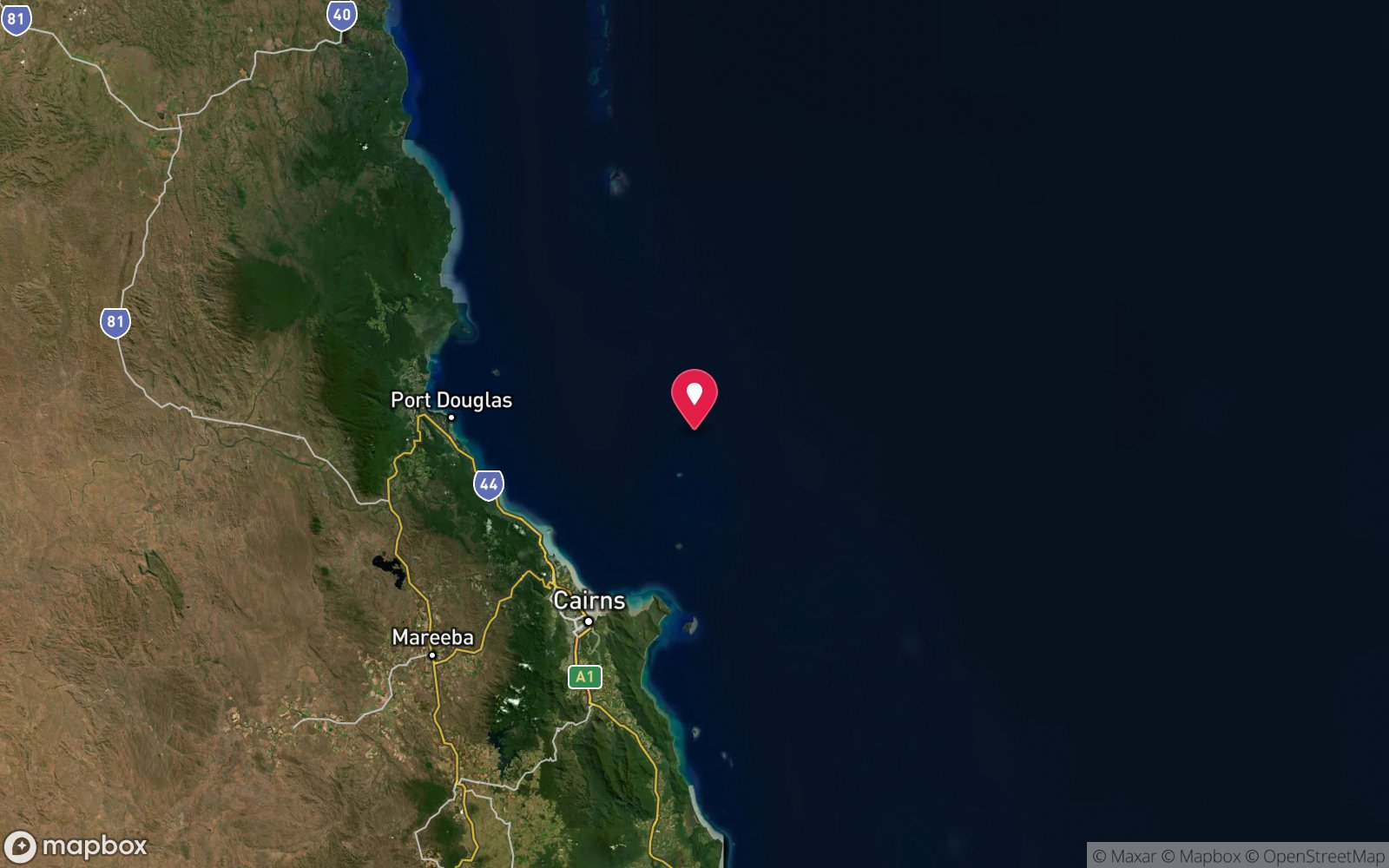
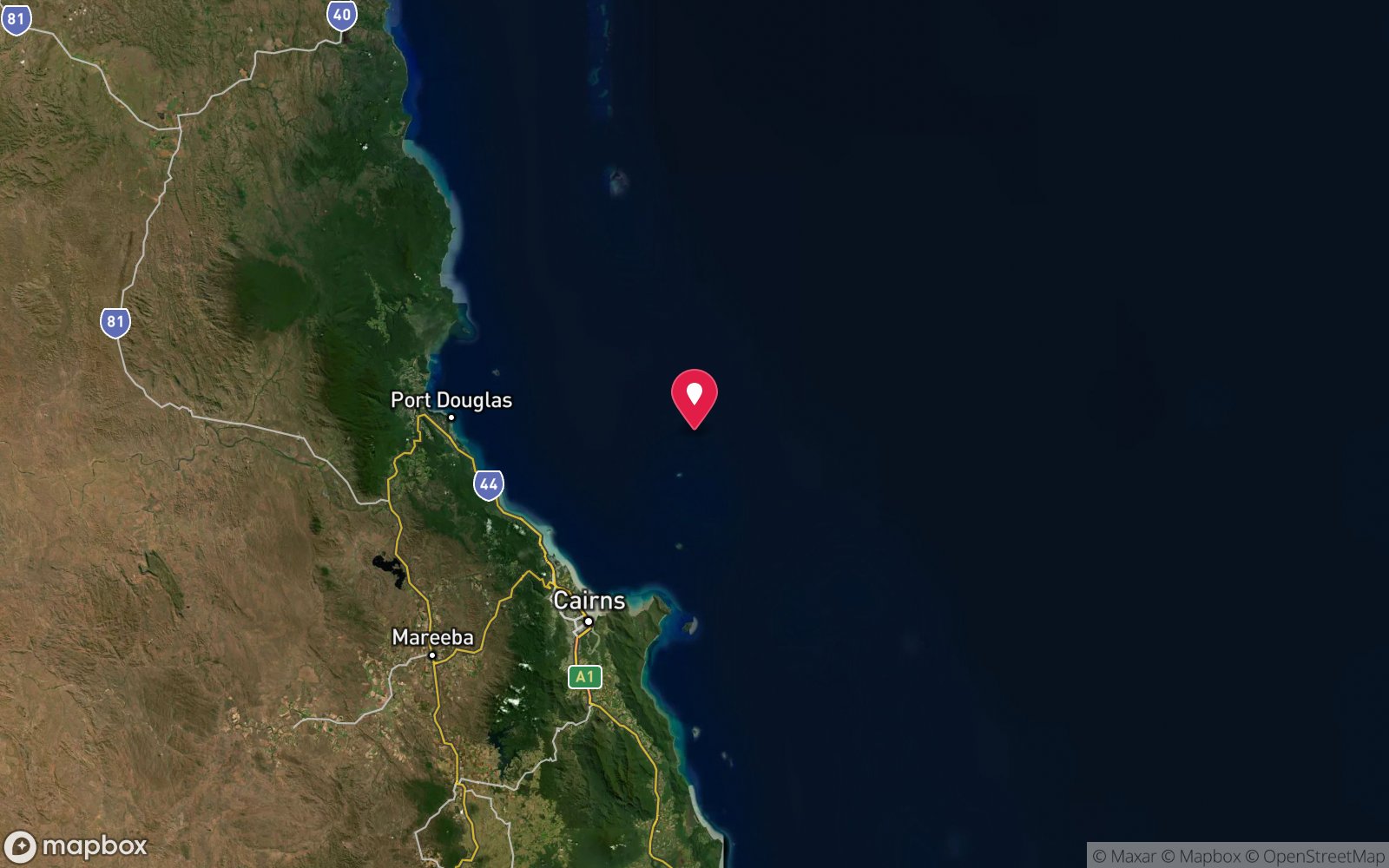
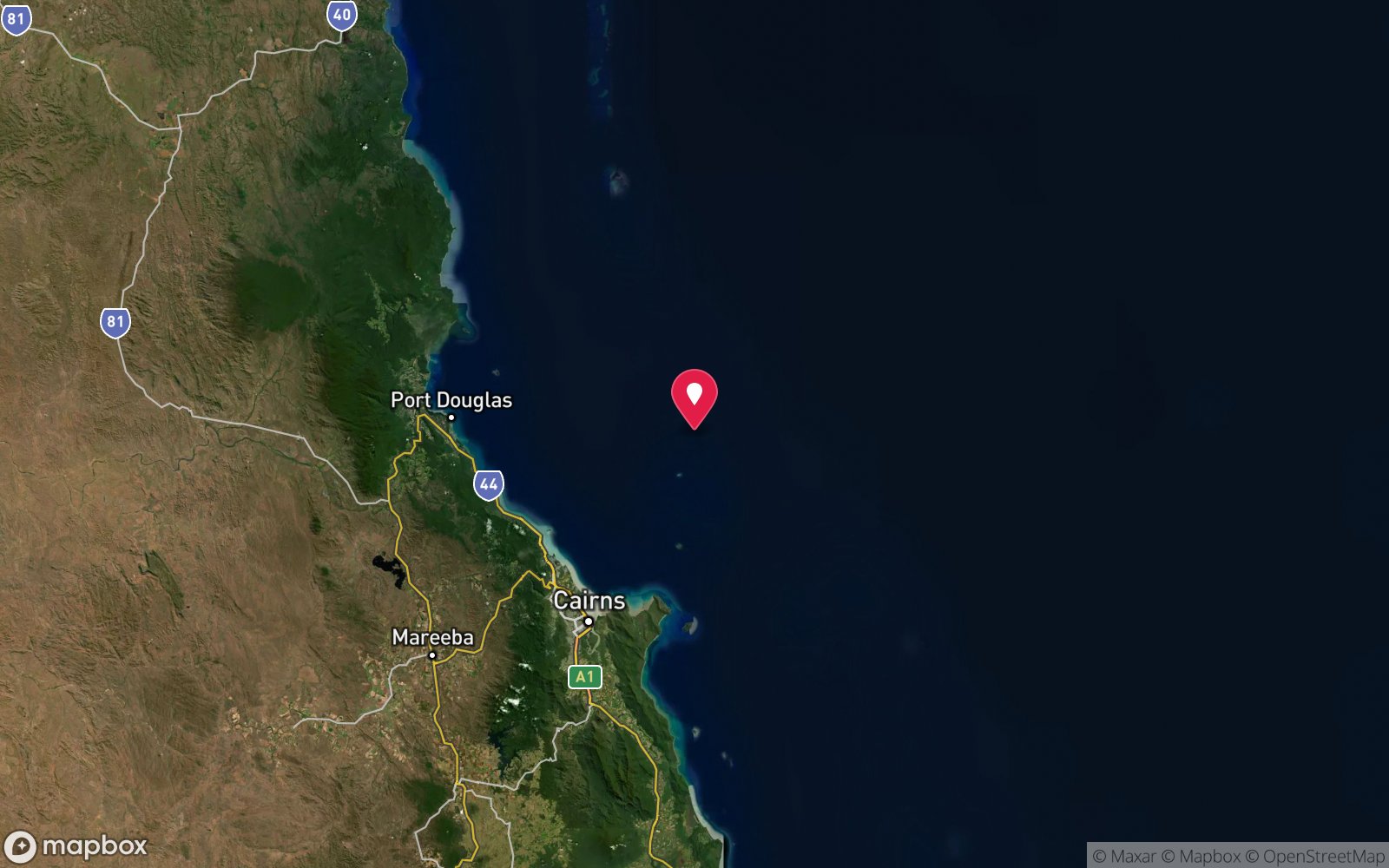
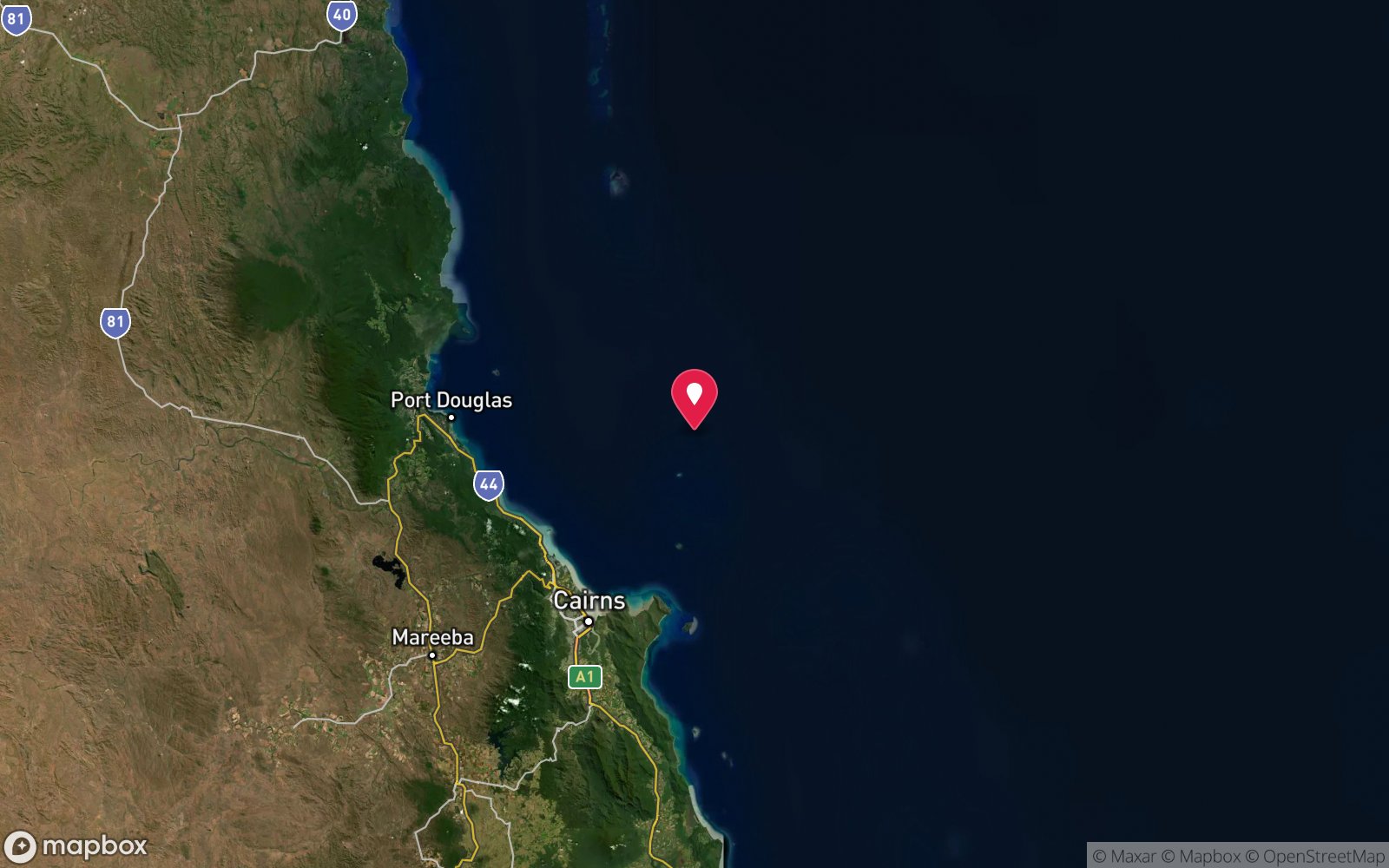
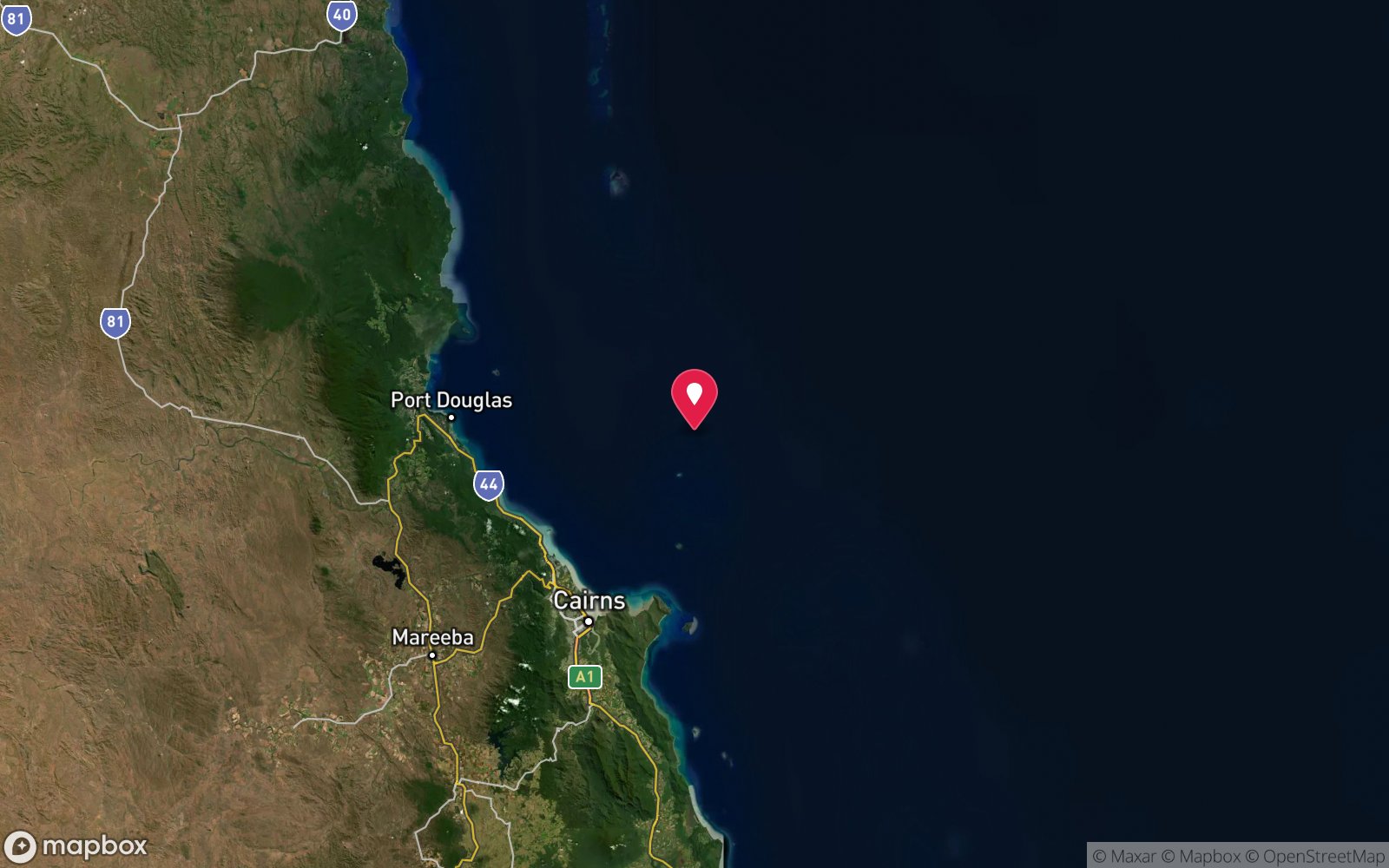
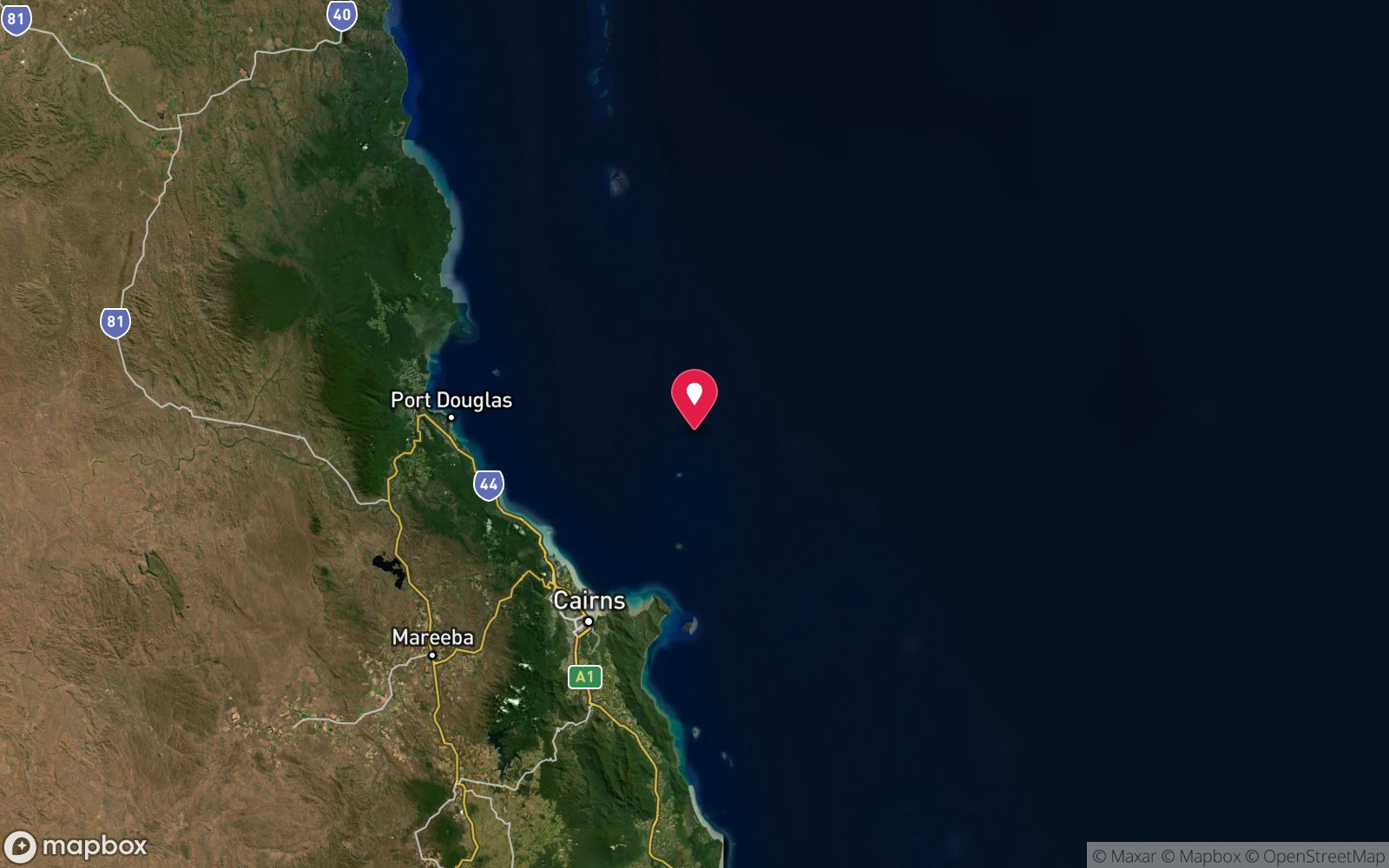
| Position | -16.51970, 146.00850 (approximate) |
| Permit | Great Barrier Reef Marine Park – no individual permit needed on a commercial trip (operators hold GBRMPA permits and pay the Environmental Management Charge, usually included in the fare); check the GBRMPA Cairns zoning map for the reef's zone before any private visit |
| Nearest chamber | Townsville University Hospital Hyperbaric Medicine Unit (Townsville) – Cairns Hospital has no recompression chamber; divers are evacuated by RFDS/air ambulance |
| Emergency | 000 · DAN Asia-Pacific diving emergency 1800 088 200 |
Hastings Wall
Also known as The Wall (Hastings)
The outer wall of Hastings Reef, with coral growing even inside its undercuts and caves.
Near Cairns · Cairns, Queensland
- Depth
- 3–25 m
- Minimum level
- Advanced Open Water
- Access
- Boat (day trip)
- Boat ride
- ~75 min
- Water
- 27-30 °C
- Visibility
- 15-25 m
Hastings Wall3–25 m · Advanced Open Water
Dive factsDepths, conditions, location & safety
Season
In season nowBest months: January, February, March, April, June, July, August, September, October, November, December.
Year-round. June-November gives the most reliable visibility and no box-jellyfish season, though the south-east trades can blow 20-25 knots in winter; September-December usually has the calmest seas; December-April is the warm, wet stinger and cyclone season
- Best months
- Now (November)
- Stinger suit Nov–May
Dive facts
- Depth
- 3–25 m
- Typical depth
- 15 m
- Certification
- Advanced Open Water
- Difficulty
- Intermediate
- Depth tier
- Advanced Open Water (18–30 m)
- Access
- Boat (day trip)
- Offshore
- 50 km
- Dive centre needed
- Yes – boat access only
- Shore / independent
- No
- Boat ride
- ~75 min
- Current
- Moderate
- Visibility
- 15-25 m
- Water temp (summer)
- 27-30 °C
- Water temp (winter)
- 23-25 °C
- Water
- Tropical
- Bottom time
- 45 min
- Dive traffic
- Popular (weekly charters)
- Night dive
- No
- Snorkel friendly
- Partial
Exposure suit
3 mm full wetsuit or shorty in summer (27-30 °C); 3-5 mm full wetsuit in winter (23-25 °C); full-length lycra or stinger suit strongly advised November-May and supplied free by most operators
Location
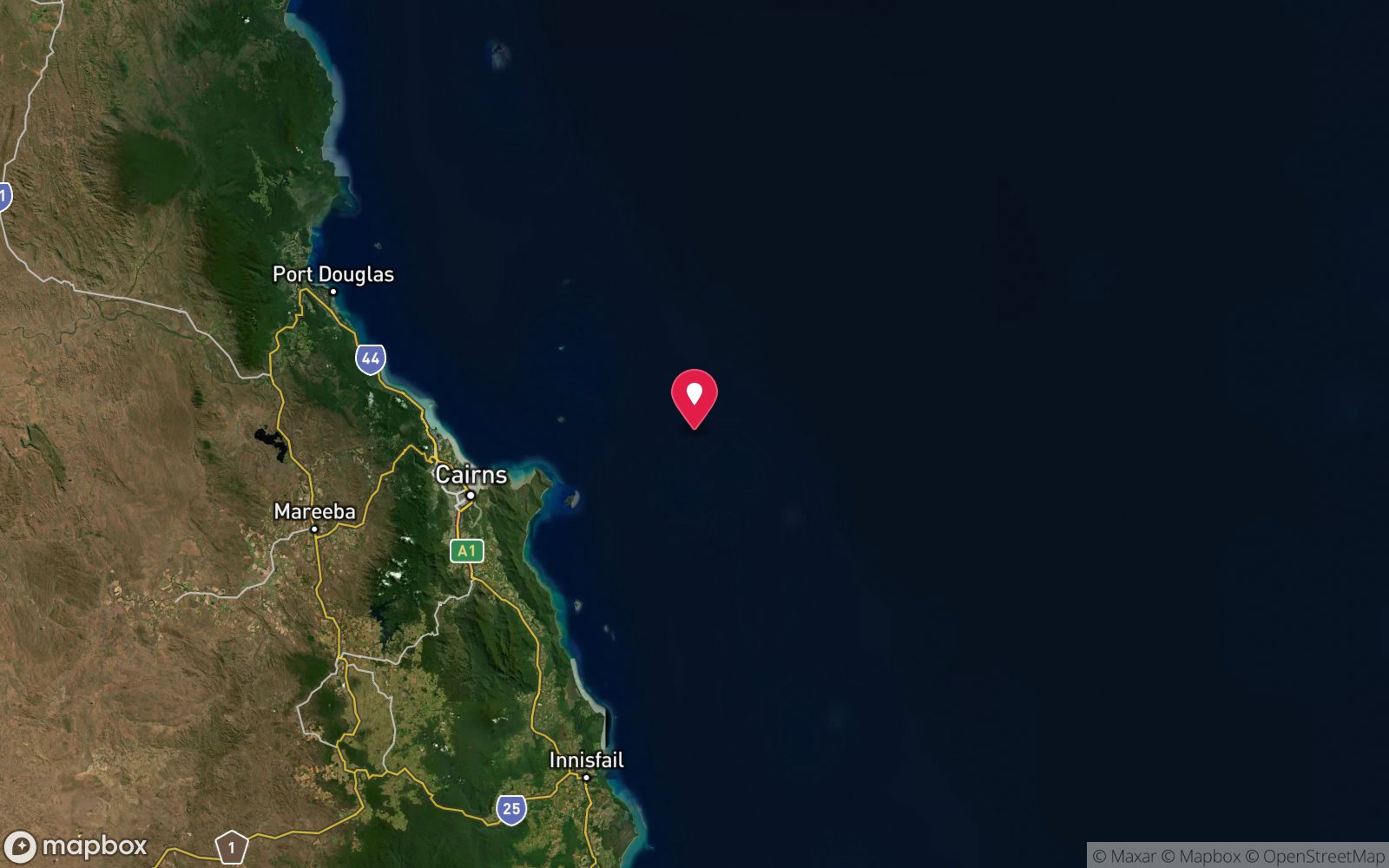
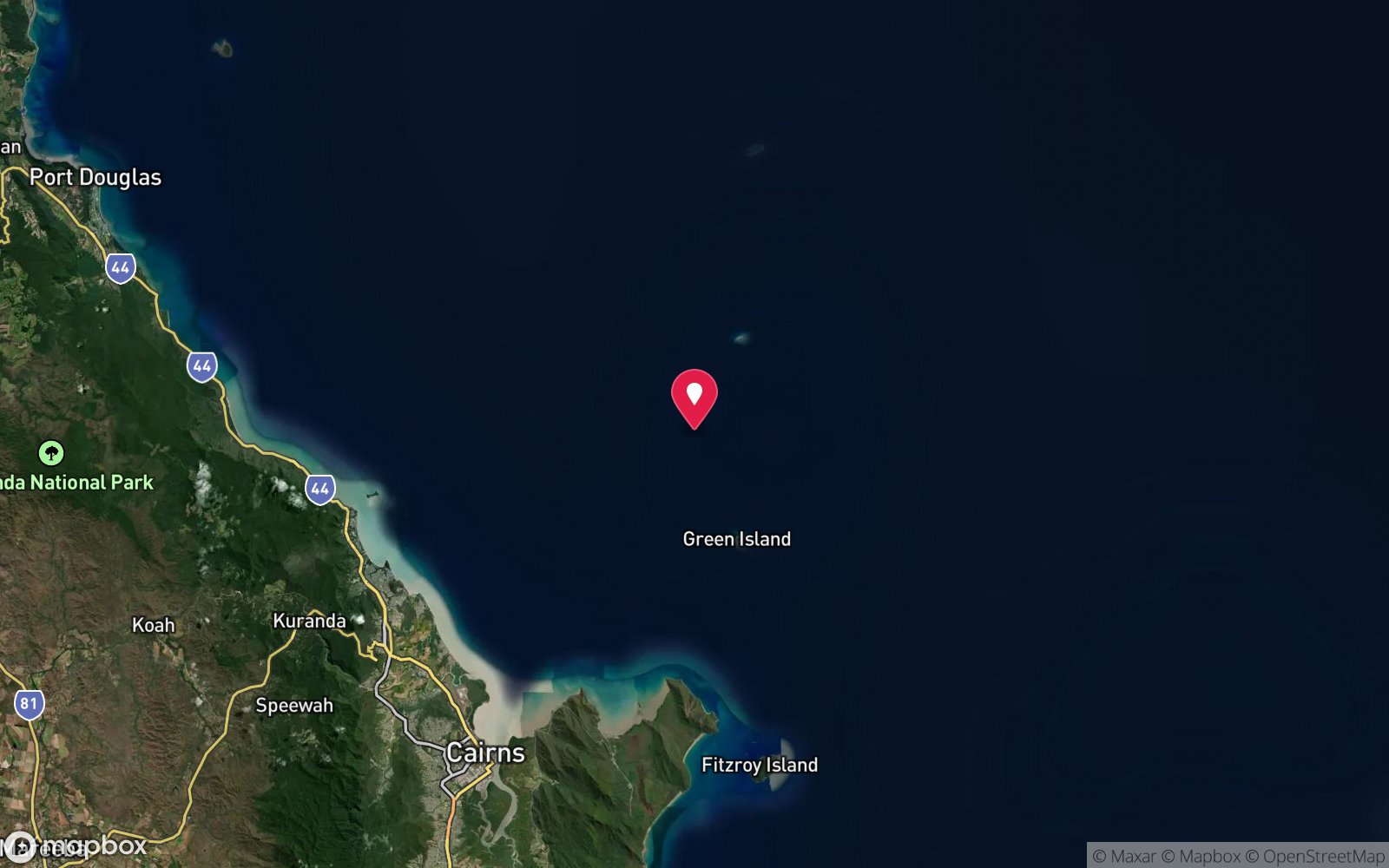
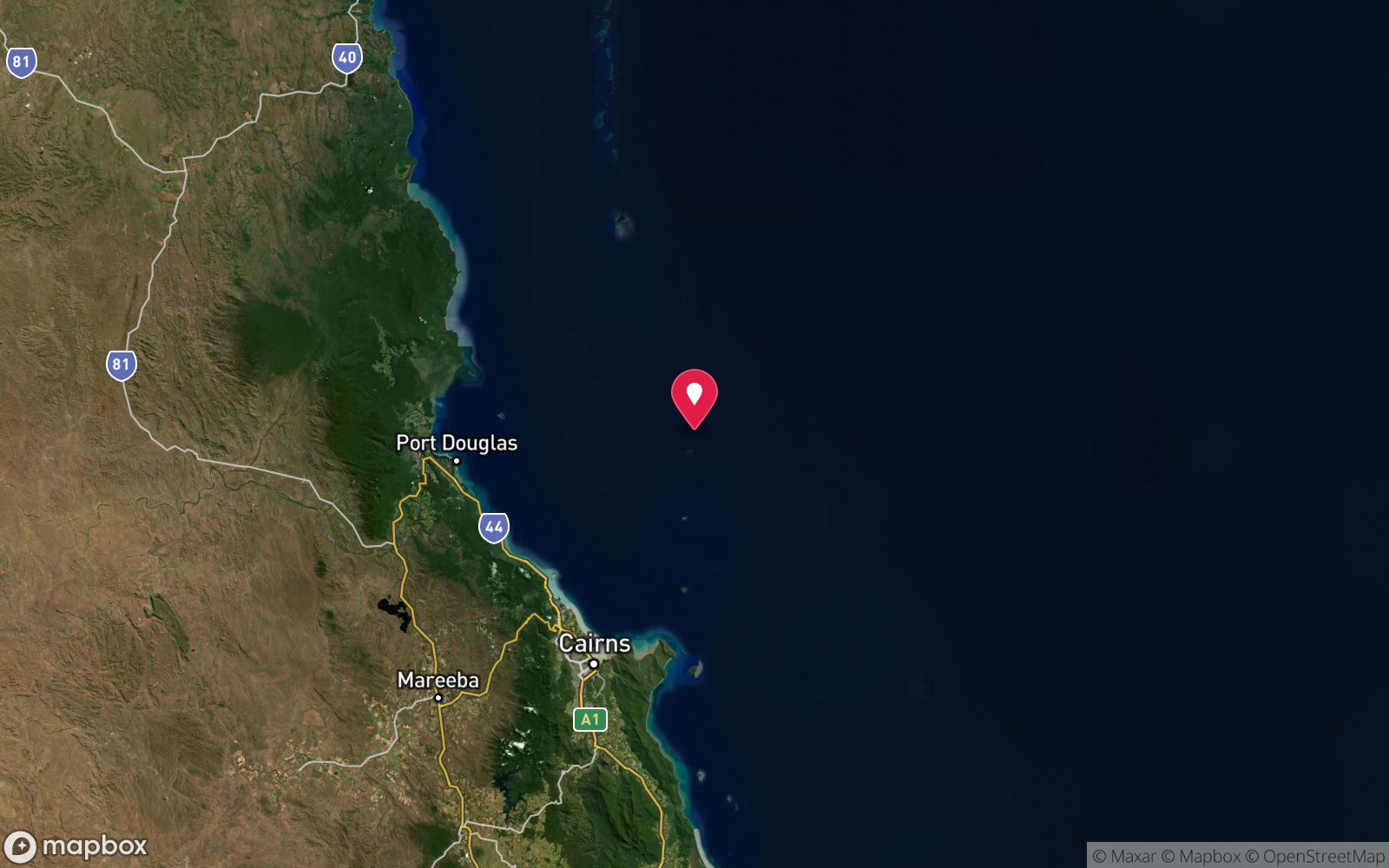
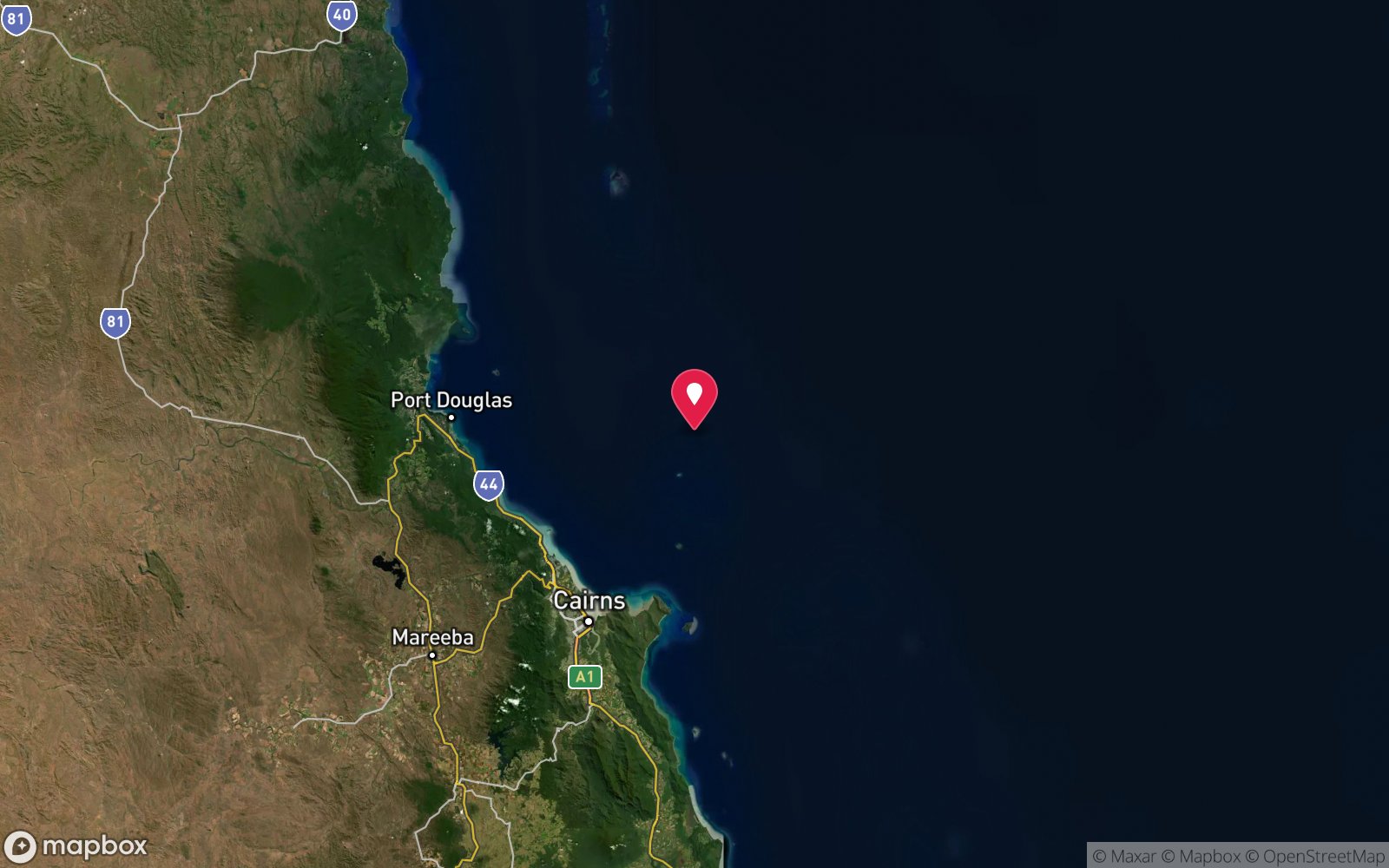
Hastings Reef · Far North QLD – Cairns Outer Reef
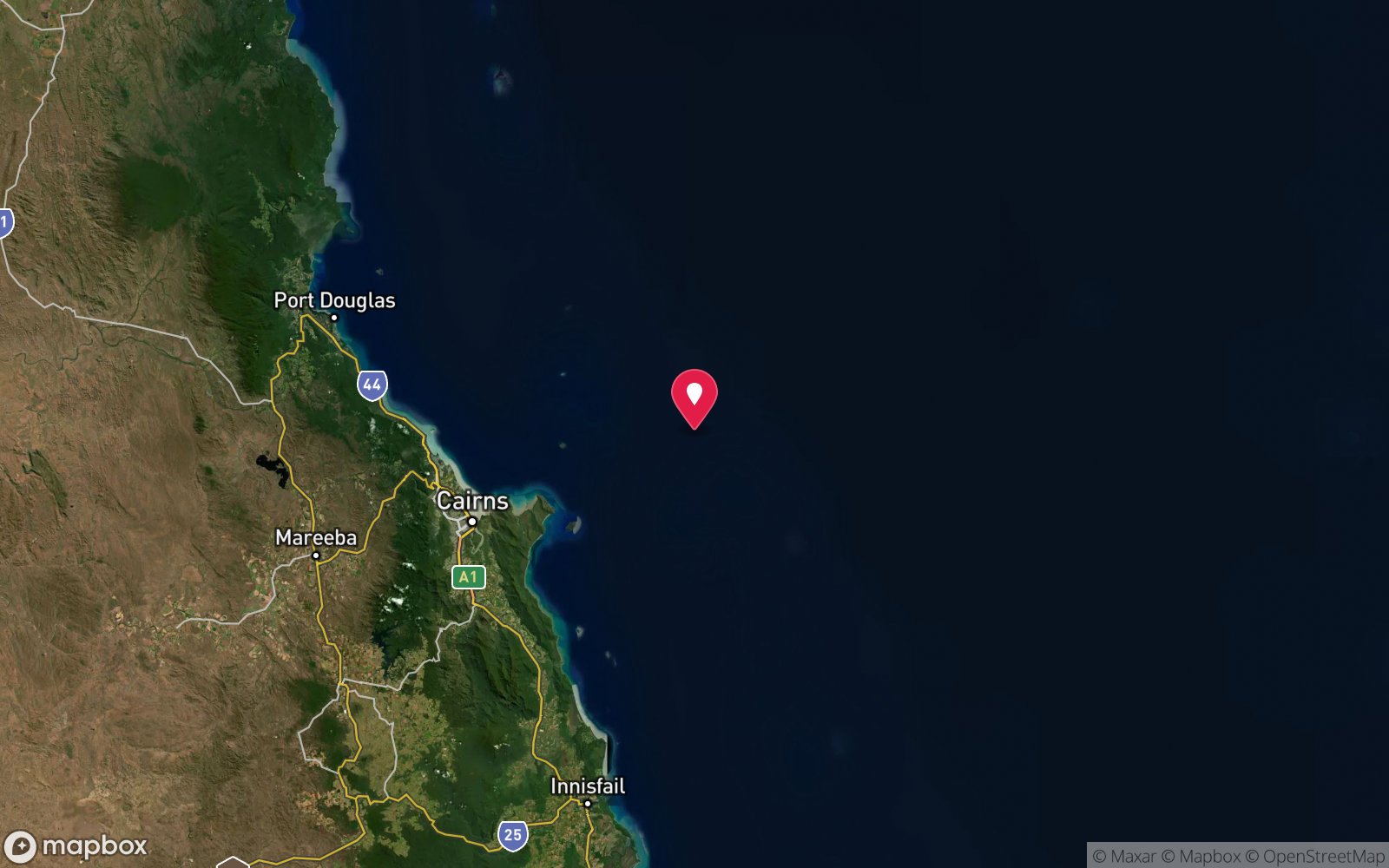
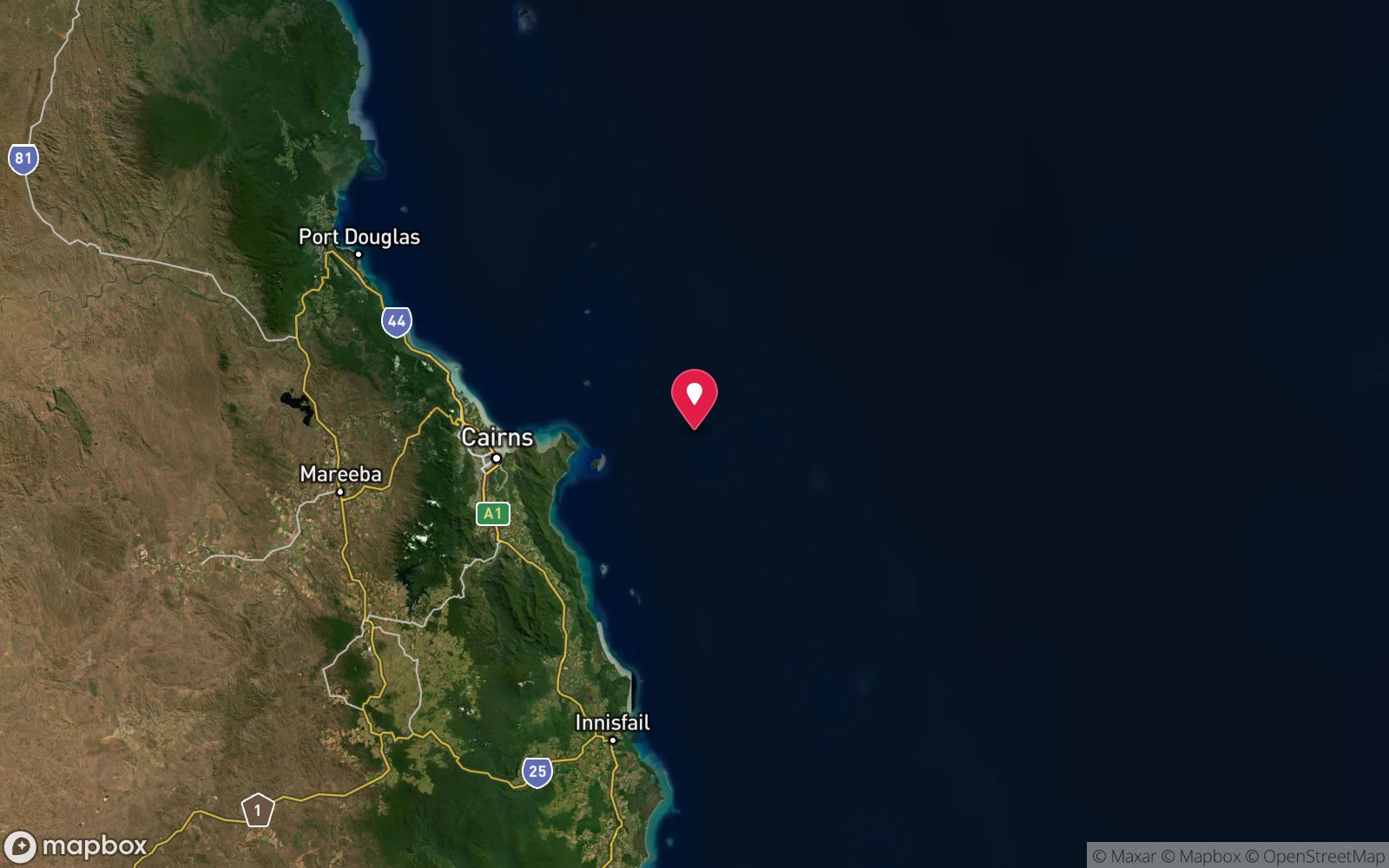
-16.51970, 146.00850
Approximate position — not for navigation.
Open in Google MapsPrimary source: australiantraveller.comMarine park & permits
Great Barrier Reef Marine Park – no individual permit needed on a commercial trip (operators hold GBRMPA permits and pay the Environmental Management Charge, usually included in the fare); check the GBRMPA Cairns zoning map for the reef's zone before any private visit
Nearest recompression chamber
Townsville University Hospital Hyperbaric Medicine Unit (Townsville) – Cairns Hospital has no recompression chamber; divers are evacuated by RFDS/air ambulance
Diving emergency: call 000, then DAN AP 1800 088 200.
Trip planner
Build a trip around Hastings Wall →
A day-by-day plan for Cairns with this site locked in.
This guide is a planning aid. Conditions change daily — confirm with a local dive centre and dive within your training. Data & safety notes.
Dive profile
How this site rates
Scores are computed from the recorded data, not opinions. How?
At a glance
Hastings Wall is a wall boat dive in Cairns, QLD, 3–25 m, suited to Advanced Open Water divers, moderate current, about 75 minutes by boat.
Rated intermediate because of depth beyond 18 m.
Why dive here
- The outer wall of Hastings Reef, with coral growing even inside its undercuts and caves.
- Visibility often reaches 15-25 m.
Conditions to avoid
- Strong southerly or south-east swell and wind
- Strong northerlies
- Outgoing tide or run-off after rain (poor visibility)
- Cyclone season (roughly December–April)
- Stinger season without a full suit (November–May)
About Hastings Wall
Hastings Wall is the general name for the wall mooring on the edge of Hastings Reef listed by Australian Traveller among the reef's eleven named sites. Hastings is a horseshoe-shaped patch reef of about 10 km², and around its margin the reef drops from shallow flats into deeper water as walls and steep slopes; Divers Den notes walls extending on either side of several of its moorings. Cairns Dive Adventures gives depths of 5-30 m for Hastings with moderate currents and visibility of 15-28 m.
On the wall itself expect hard corals with soft corals, sea fans and whips where the current flows, and fish typical of a Cairns outer-reef edge: fusiliers and surgeonfish in the water column, trevally and small reef sharks along the face, coral trout, cod and sweetlips in the undercuts, and turtles resting on ledges. Humphead parrotfish schools move along the reef in the mornings. Butterflyfish, damsels and giant clams are common on the reef top.
The site suits Open Water divers comfortable with a wall and some current. Because published detail specific to this mooring is thin, divers should follow the day's briefing. The moorings at 1770, Golf Clubs and Pirates Cove, each described by Passions of Paradise, lie on other parts of the same reef and have their own entries.
Along the wall itself, the reef has developed small caves and undercuts, and hard and encrusting corals grow even inside them, which gives the face more texture than a smooth drop-off. The top of the wall at 3-5 m is a good place for the safety stop, with giant clams and anemonefish, while the deeper sections at 20-25 m are where sea fans and larger fish are most likely. Reef Experience, which runs daily trips to Hastings, Saxon and Norman, and the Reef Encounter liveaboard are among the boats that use the Hastings wall moorings, and the site pairs well with a shallow second dive at the Fish Bowl.
Visibility on the edge is usually better than in the lagoon areas, often 20 m or more on a calm, rising tide.
Getting there & entry
Wall mooring on the edge of Hastings Reef, about 50 km north-east of Cairns; listed by Australian Traveller as 'Wall' among Hastings' named sites.
Boat access only. Cairns day boats leave from the Reef Fleet Terminal (1 Spence Street) and the neighbouring Marlin Marina on the city waterfront, with check-in between about 7:00 and 8:00 am; most operators run transfers from city and northern-beaches accommodation, and there is paid parking near the terminal. The run of about 50 km out through Trinity Inlet and across the lagoon to Hastings Reef takes around 75 minutes on a fast catamaran and noticeably longer on slower dive boats or into a south-easterly chop.
The Wall is one of the Hastings moorings used by Reef Experience, Aqua Quest and liveaboards when conditions suit a wall dive. Enter from the stern platform.
Entry: Giant stride or back-roll from the dive deck; descend the mooring line or reef slope
Facilities: Departs Reef Fleet Terminal / Marlin Marina, Cairns: toilets, cafes, paid parking; dive gear, tanks and lunch supplied on board
Weather, swell & tides
The prevailing south-east trade winds (typically 15-25 knots from April to September) are what limit Cairns outer-reef diving: above about 25 knots trips may be cancelled, and exposed eastern moorings are used only in light winds. Summer northerlies are gentler but make north-facing moorings choppy. Box jellyfish and Irukandji are present from about November to May (stinger suits on every dive), and the cyclone season runs November to April, when a system in the Coral Sea can close the reef for days.
Visibility drops after heavy rain and strong winds; spring is usually calmest and clearest. Hastings has moorings on all sides, so there is almost always a sheltered option. Wall sites on the reef edge carry more current than the lagoon moorings and are dived in light to moderate winds.
Best season: Year-round. June-November gives the most reliable visibility and no box-jellyfish season, though the south-east trades can blow 20-25 knots in winter; September-December usually has the calmest seas; December-April is the warm, wet stinger and cyclone season
If it's blown out
Sheltered or shore sites within 25 km that often work when Hastings Wall doesn't.
- Sandra's (Saxon Reef) · 7 km · Max 12 m
- Michaelmas Cay · 10 km · Max 12 m
How the dive is usually run
Descend to 15-18 m on the wall and follow it with the reef on one shoulder, into any current, looking into the undercuts and small caves. Turn at a third of your gas and return shallower along the top of the wall, with a safety stop over the reef edge.
Marine life
- Small reef sharks →
- turtles →
- trevally
- fusiliers
- surgeonfish
- coral trout
- cod
- sweetlips
- humphead parrotfish
- butterflyfish
- damselfish
- giant clams
- sea fans
Linked species have their own page listing every site where they are recorded. All marine life →
Training required
Beyond 18 m an Advanced certification (which includes a deep dive to 30 m) is the accepted minimum. Anything past 25 m is a deep dive in practice.
Open Water divers can dive the shallower section (typical depth 15 m); the full site to 25 m needs Advanced Open Water. Operators often quote Open Water.
Operators' own listing: Open Water.
Depth tiers: 0–10 m easy · to 18 m Open Water · 18–30 m Advanced (25 m+ is a deep dive) · 30–40 m Deep specialty · 40 m+ technical. All courses
Hazards & warnings
Marine stingers (box jellyfish, Irukandji) mainly November-May – wear a full stinger suit; mooring and tender traffic from other operators; tidal current on reef edges and in channels; surface chop in south-east trades – stay close to the boat and carry a surface marker; coral cuts and fire coral; do not touch or stand on coral; nearest recompression chamber is in Townsville (Cairns Hospital has none); current along the wall
Dive centres that go here
Reef Experience, Aqua Quest and Reef Encounter (liveaboard) – occasional; mooring allocation varies; Hastings is also worked by Reef Experience, Divers Den, Tusa Reef Tours, Aqua Quest, Down Under Cruise & Dive and the Reef Encounter liveaboard; the mooring used on any day is chosen by the skipper according to wind, tide and other boats
Operators recorded for Hastings Wall
Divers Den
ListedCairns · Cairns · QLD
A Cairns operation running both day-boat and liveaboard products alongside a training business and retail presence.
diversden.com.au · (07) 4046 7333
Down Under Cruise & Dive
ListedCairns · Cairns · QLD
A Cairns day-boat operator offering reef diving, snorkelling and introductory diving.
downundercruiseanddive.com.au · (07) 4052 8300
Reef Encounter
ListedCairns · Cairns · QLD
A Cairns-based liveaboard vessel offering multi-day reef stays with day-boat transfers.
reefencounter.com.au · (07) 4037 2700
Tusa Reef Tours
Named by sitesCairns · Cairns · QLD
Reef day-tour boat with certified and intro dives.
tusareeftours.com.au · (07) 4047 9100
Reef Experience
Named by sitesCairns · Cairns · QLD
Day boat; same operator as Reef Encounter.
reefexperience.com.au · (07) 4037 2700
Other dive centres in Cairns
Mike Ball Dive Expeditions
ListedCairns · Cairns · QLD
A long-running expedition liveaboard operation associated with Ribbon Reefs and Coral Sea itineraries, including minke whale season trips.
mikeball.com · (07) 4053 0500
Spirit of Freedom
ListedCairns · Cairns · QLD
An expedition liveaboard associated with Ribbon Reefs, Osprey Reef and Coral Sea itineraries.
spiritoffreedom.com.au · (07) 4047 9150
Passions of Paradise
ListedCairns · Cairns · QLD
A Cairns sailing catamaran day trip combining reef diving and snorkelling.
passions.com.au · (07) 4041 1600
Pro Dive Cairns
ListedCairns · Cairns · QLD
A long-established Cairns operation best known for multi-day liveaboard certification trips that combine Open Water training with outer Great Barrier Reef diving.
prodivecairns.com · (07) 4031 5255
Ocean Free & Ocean Freedom
ListedCairns · Cairns · QLD
Small-vessel Cairns day trips, positioned around lower passenger numbers than the large reef catamarans.
oceanfree.com.au · (07) 4052 1111
Coral Sea Dreaming
ListedCairns · Cairns · QLD
A small-vessel overnight Cairns trip format, sitting between a day boat and a full liveaboard.
coralseadreaming.com.au · 0474 727 777
Map
7 pinned sites. Pins marked approximate on their pages show the general area only; not for navigation.
Satellite views
Hastings Wall: frequently asked questions
How deep is Hastings Wall?
Hastings Wall reaches a maximum depth of 25 m, with the shallowest part at about 3 m; most of the dive is spent around 15 m.
What certification do I need to dive Hastings Wall?
Advanced Open Water is the recommended minimum. Open Water divers can dive the shallower section (typical depth 15 m); the full site to 25 m needs Advanced Open Water. Operators often quote Open Water. Rated intermediate because of depth beyond 18 m.
Can I shore dive Hastings Wall?
No, it is reached by boat (about 75 minutes). A dive centre is required: boat access only.
When is the best time to dive Hastings Wall?
Year-round. June-November gives the most reliable visibility and no box-jellyfish season, though the south-east trades can blow 20-25 knots in winter; September-December usually has the calmest seas; December-April is the warm, wet stinger and cyclone season.
What marine life will I see at Hastings Wall?
Regularly recorded: Small reef sharks, turtles, trevally, fusiliers, surgeonfish, coral trout, cod, sweetlips, humphead parrotfish, butterflyfish, damselfish, giant clams and more.
What wetsuit do I need at Hastings Wall?
3 mm full wetsuit or shorty in summer (27-30 °C); 3-5 mm full wetsuit in winter (23-25 °C); full-length lycra or stinger suit strongly advised November-May and supplied free by most operators.
How cold is the water at Hastings Wall?
Typically 27-30 °C in summer and 23-25 °C in winter.
What are the main hazards at Hastings Wall?
Marine stingers (box jellyfish, Irukandji) mainly November-May – wear a full stinger suit; mooring and tender traffic from other operators; tidal current on reef edges and in channels; surface chop in south-east trades – stay close to the boat and carry a surface marker; coral cuts and fire coral; do not touch or stand on coral; nearest recompression chamber is in Townsville (Cairns Hospital has none); current along the wall. See the hazards section above for the full list.
Where is the nearest recompression chamber to Hastings Wall?
Townsville University Hospital Hyperbaric Medicine Unit (Townsville) – Cairns Hospital has no recompression chamber; divers are evacuated by RFDS/air ambulance. In an emergency call 000, then DAN Asia-Pacific on 1800 088 200.
Diving in Cairns
Cairns is the busiest dive hub in Australia. Day boats leave every morning for the outer reef sites 60–90 minutes offshore: Norman, Saxon, Hastings, Flynn, Milln, Thetford and Moore reefs, each with a handful of moored sites in 5–25 m, gentle coral gardens, turtles, reef sharks and, on the better sites, giant clams and Maori wrasse. Liveaboards leave from here for the Ribbon Reefs and the Coral Sea.
Getting there: Fly into Cairns. Every operator offers hotel pick-up; day trips depart the Reef Fleet Terminal around 7–8 am. Green and Fitzroy islands have shore snorkelling and some diving.
Sources
- australiantraveller.com/qld/tropical-north/cairns/diving-and-snorkelling-cairns
- cairnsdiveadventures.com.au/cairns-dive-sites
- diversden.com.au/travel-guide/where-we-go
Data confidence: Low · Being verified: v1 grouped 1770, Golf Clubs and Pirates Cove here (now split); exact wall mooring position and depth not published. Last updated September 2026. Know this site better? How to send a correction