Dive slate · divesites.com.au · printed 7 Nov 2026
Myora Reef
North Stradbroke Island, Queensland · near Dunwich (Gorompi), North Stradbroke Island
| Depth | 0.5–5 m |
|---|---|
| Minimum level | Snorkel/Any |
| Difficulty | Beginner |
| Access | Shore or Boat |
| Entry | Wade/snorkel from the shore at high tide, or from a boat |
| Current | Variable/Tidal |
| Visibility | 2-6 m |
| Water | summer 24-27 °C, winter 19-21 °C |
| Suit | 3-5 mm full wetsuit in summer; 5-7 mm with hood in winter |
| Best season | Year-round; winter (May-October) usually brings the clearest water and calmest mornings |
| Bottom time | 45 min |
| Position | -27.47000, 153.41000 (approximate) |
| Permit | Moreton Bay Marine Park – no-fishing (protected) zone; take care with anchoring |
| Nearest chamber | Royal Brisbane & Women's Hospital Hyperbaric Medicine Service (Herston, Brisbane); Wesley Centre for Hyperbaric Medicine (Auchenflower, Brisbane) as alternative |
| Emergency | 000 · DAN Asia-Pacific diving emergency 1800 088 200 |
Myora Reef
Also known as Myora
A tiny bay reef with around 46% hard coral cover in a no-fishing zone, surrounded by seagrass grazed by turtles and dugongs.
Near Dunwich (Gorompi), North Stradbroke Island · North Stradbroke Island, Queensland
- Depth
- 0.5–5 m
- Minimum level
- Snorkel/Any
- Access
- Shore or Boat
- Boat ride
- —
- Water
- 24-27 °C
- Visibility
- 2-6 m
Myora Reef0.5–5 m · Snorkel/Any · Shore
Dive factsDepths, conditions, location & safety
Season
Off-peak nowBest months: May, June, July, August, September, October.
Year-round; winter (May-October) usually brings the clearest water and calmest mornings
- Best months
- Now (November)
- Stinger suit Nov–May
Dive facts
- Depth
- 0.5–5 m
- Typical depth
- 2 m
- Certification
- Snorkel/Any
- Difficulty
- Beginner
- Depth tier
- Easy (0–10 m)
- Access
- Shore or Boat
- Dive centre needed
- No – independently diveable
- Shore / independent
- Possible (experienced only)
- Current
- Variable/Tidal
- Visibility
- 2-6 m
- Water temp (summer)
- 24-27 °C
- Water temp (winter)
- 19-21 °C
- Water
- Subtropical
- Bottom time
- 45 min
- Dive traffic
- Rarely dived (private boat/club only)
- Night dive
- No
- Snorkel friendly
- Yes
Exposure suit
3-5 mm full wetsuit in summer; 5-7 mm with hood in winter
Location
Western North Stradbroke (Moreton Bay) · Brisbane – North Stradbroke Island (Minjerribah)
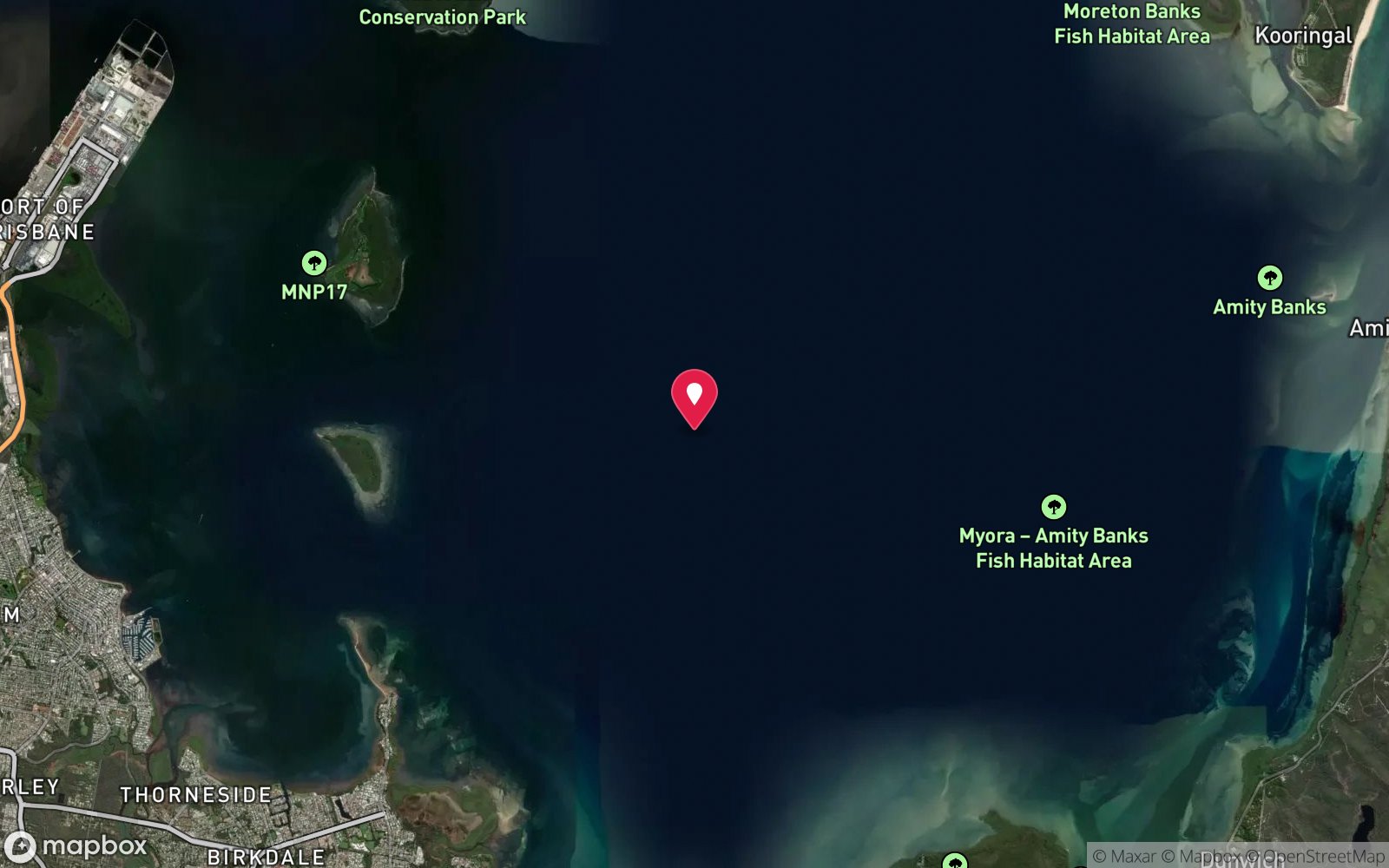
-27.47000, 153.41000
Approximate position — not for navigation.
Open in Google MapsPrimary source: marinelife.org.auMarine park & permits
Moreton Bay Marine Park – no-fishing (protected) zone; take care with anchoring
Nearest recompression chamber
Royal Brisbane & Women's Hospital Hyperbaric Medicine Service (Herston, Brisbane); Wesley Centre for Hyperbaric Medicine (Auchenflower, Brisbane) as alternative
Diving emergency: call 000, then DAN AP 1800 088 200.
Trip planner
Build a trip around Myora Reef →
A day-by-day plan for North Stradbroke Island with this site locked in.
This guide is a planning aid. Conditions change daily — confirm with a local dive centre and dive within your training. Data & safety notes.
Dive profile
How this site rates
Scores are computed from the recorded data, not opinions. How?
At a glance
Myora Reef is a reef shore dive for experienced divers in North Stradbroke Island, QLD, 0.5–5 m, suitable for snorkellers and first-time divers, variable/tidal current.
Rated beginner: sheltered, shallow and manageable for a newly certified diver on a normal day, though note tidal current that must be timed and boat traffic overhead.
Why dive here
- A tiny bay reef with around 46% hard coral cover in a no-fishing zone, surrounded by seagrass grazed by turtles and dugongs.
- Snorkel-friendly, so non-diving companions can join at the surface.
- Rarely dived: expect to have the site to yourself, and plan your own logistics.
Conditions to avoid
- Strong westerlies
- Outgoing tide or run-off after rain (poor visibility)
- Any time other than slack water
About Myora Reef
Myora Reef, on the bay side of North Stradbroke Island north of Dunwich, is one of the most unusual habitats in Moreton Bay. marinelife.org.au describes it as a small natural reef that is unusually rich in corals for an embayment: surveys have found around 46 per cent hard coral cover, mostly Acropora plate coral, with the rock surfaces otherwise dominated by turf algae grazed by long-spined Diadema urchins. It sits in a no-fishing zone and is surrounded by fringing mangroves, intertidal flats and extensive seagrass beds of Zostera, Halophila and Syringodium, making it a key habitat for turtles and dugongs. The area around the reef supports a rich estuarine community: bream, flathead, cobia, snapper, garfish, school mackerel, sea mullet, tailor and whiting, along with banana, eastern king and bay prawns, mud crabs and sand crabs.
Wobbegongs and bamboo sharks shelter around the reef, and oysters encrust hard surfaces. For snorkellers, Myora offers the rare sight of healthy plate coral in only a couple of metres of water inside Moreton Bay, together with the chance of turtles or a dugong over the surrounding seagrass. Visibility is modest and the site is tidal, so it is best on a calm high tide in dry weather.
It is not a commercial dive site and there is limited published access information; treat it as a sensitive, protected area and a snorkel rather than a scuba destination. Anchoring and finning must avoid damaging coral and seagrass. Anyone visiting should check the current zoning map, since protected-area boundaries in this part of the bay are strictly enforced.
Getting there & entry
Small, coral-rich natural reef in a no-fishing zone off Myora on the western (bay) side of North Stradbroke Island, north of Dunwich, fringed by mangroves and seagrass.
Take the SeaLink vehicle ferry or water taxi from Cleveland to Dunwich (Gorompi) on North Stradbroke Island, then drive a few kilometres north along the East Coast Road/Myora area towards Amity. Access to the water is through low-lying foreshore with mangroves and tidal flats, so go at high tide. Boats can reach the reef from Dunwich or Cleveland in 10-20 minutes; anchor on sand outside the reef and seagrass.
The reef is within a protected no-fishing zone.
Entry: Wade/snorkel from the shore at high tide, or from a boat
Facilities: Dunwich has shops, toilets and ferry terminal; no dive facilities at the reef.
Weather, swell & tides
Very shallow and tidal – only worthwhile around high tide; low tide exposes the tidal flats. Tidal currents run through the channels between Stradbroke and the bay islands, so plan around slack water. Westerly winds put chop onto this shore.
Visibility is generally poor to moderate and drops after rain.
Best season: Year-round; winter (May-October) usually brings the clearest water and calmest mornings
If it's blown out
Sheltered or shore sites within 25 km that often work when Myora Reef doesn't.
- Peel Island – Horseshoe Bay · 7 km · Max 4 m
- Rufus King Wreck · 10 km · Max 8 m
- North Stradbroke Island Artificial Reef · 13 km · Max 12 m
How the dive is usually run
Snorkel over the reef around high-tide slack, working along the plate-coral patches and over the seagrass edge. Stay shallow and avoid touching coral; scuba is rarely needed.
Marine life
- Acropora plate corals
- Diadema urchins
- wobbegongs →
- bamboo sharks
- bream
- flathead
- cobia
- snapper
- garfish
- mackerel
- whiting
- prawns
- mud and sand crabs
- turtles →
- dugongs →
- seagrass
Linked species have their own page listing every site where they are recorded. All marine life →
Training required
Shallow enough for snorkellers and for a first dive under supervision. Any certified diver can dive it.
Depth tiers: 0–10 m easy · to 18 m Open Water · 18–30 m Advanced (25 m+ is a deep dive) · 30–40 m Deep specialty · 40 m+ technical. All courses
Hazards & warnings
Very shallow – coral easily damaged; tidal currents; mud and mangrove flats at low tide; boat traffic between Dunwich and Amity; stonefish possible.
Dive centres that go here
No commercial operator; visited by researchers, local snorkellers and occasional club trips.
Other dive centres in North Stradbroke Island
Gold Coast Dive Adventures
ListedRunaway Bay · Gold Coast · QLD
A Gold Coast operation focused on guided local diving and charter access to offshore sites.
goldcoastdiveadventures.com.au · 0404 286 599
Brisbane Scuba
ListedManly · Brisbane & Moreton Bay · QLD
A Brisbane training and service business supporting the local resident diving population.
brisbanescuba.au · 0418 736 738
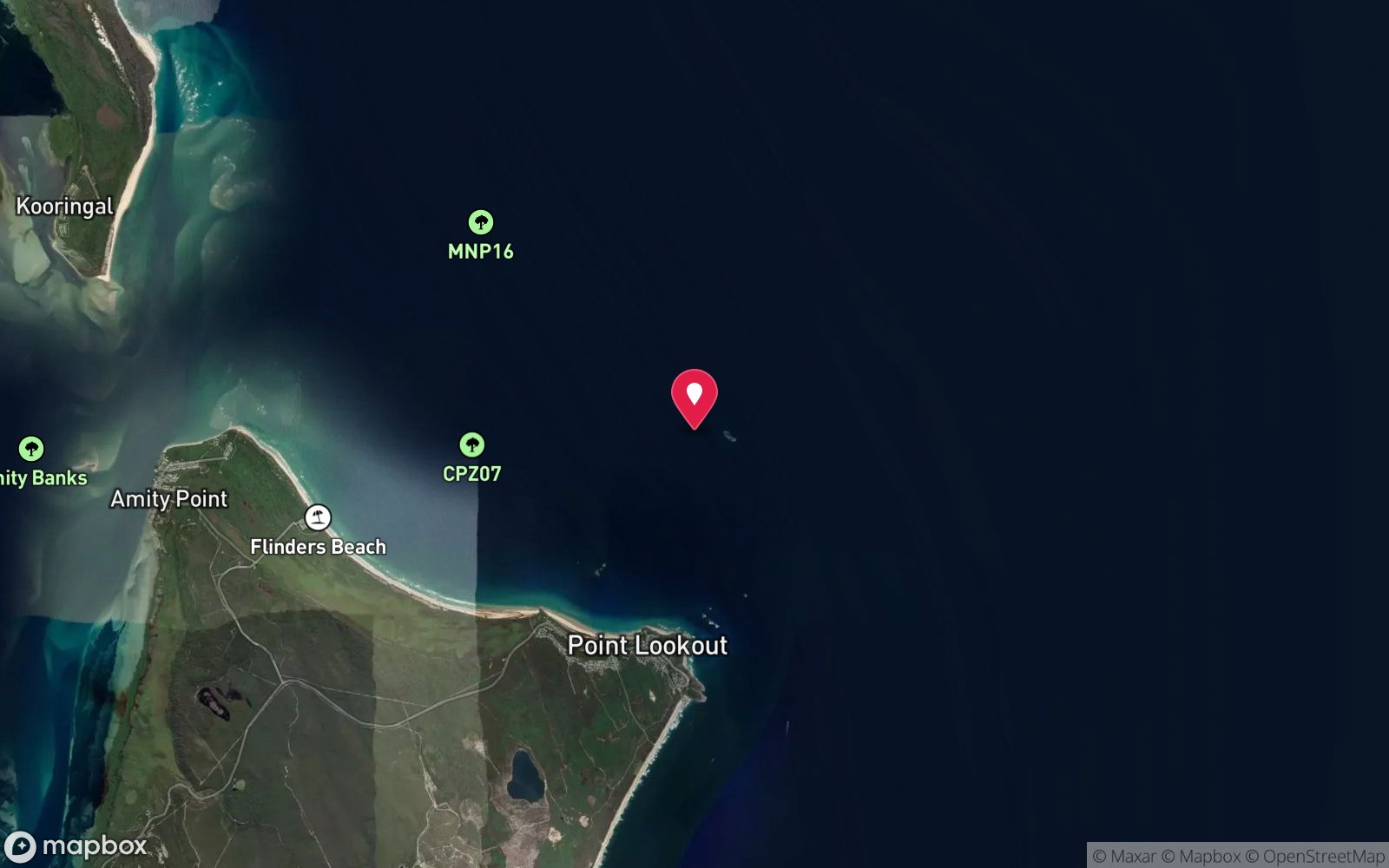
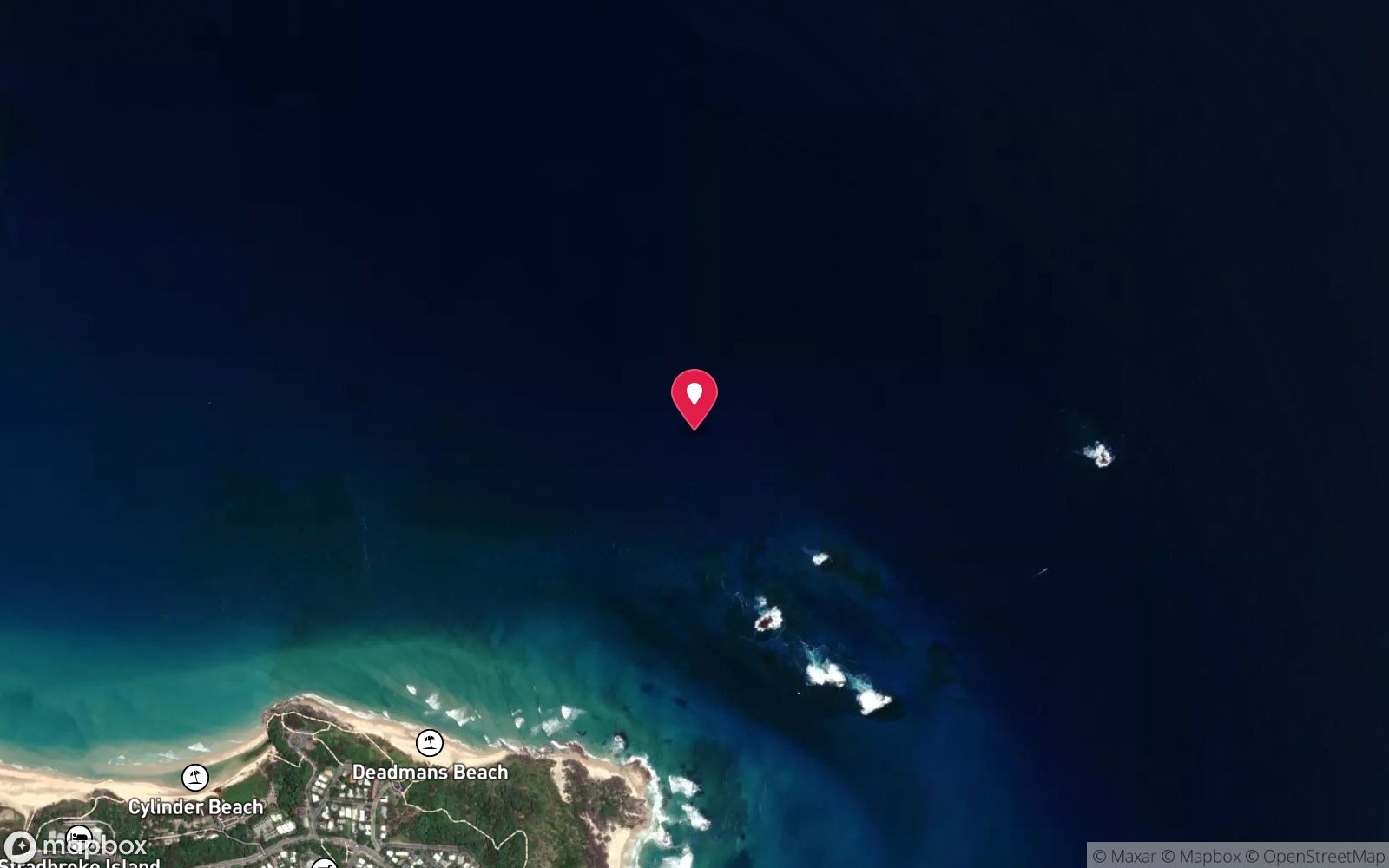
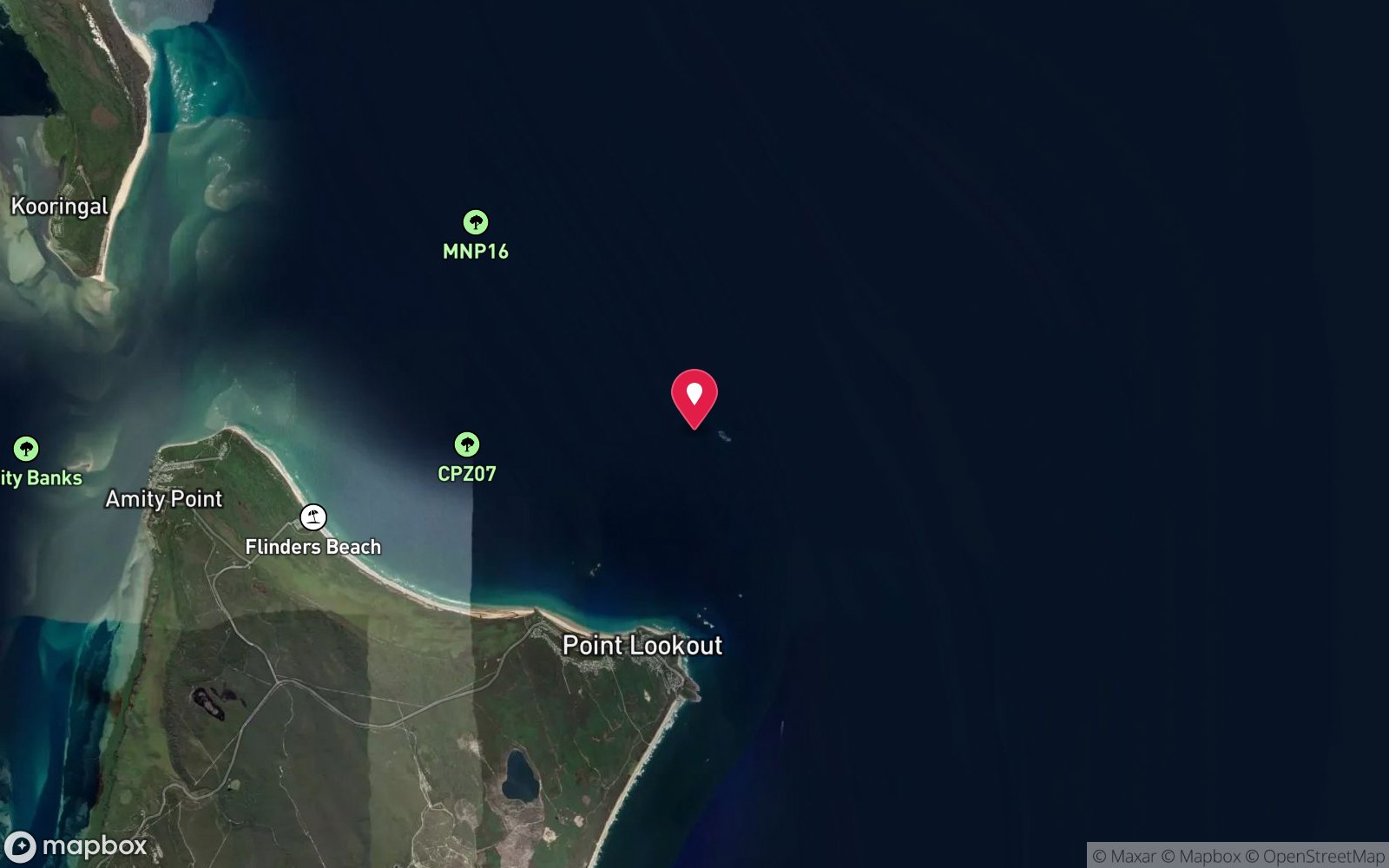
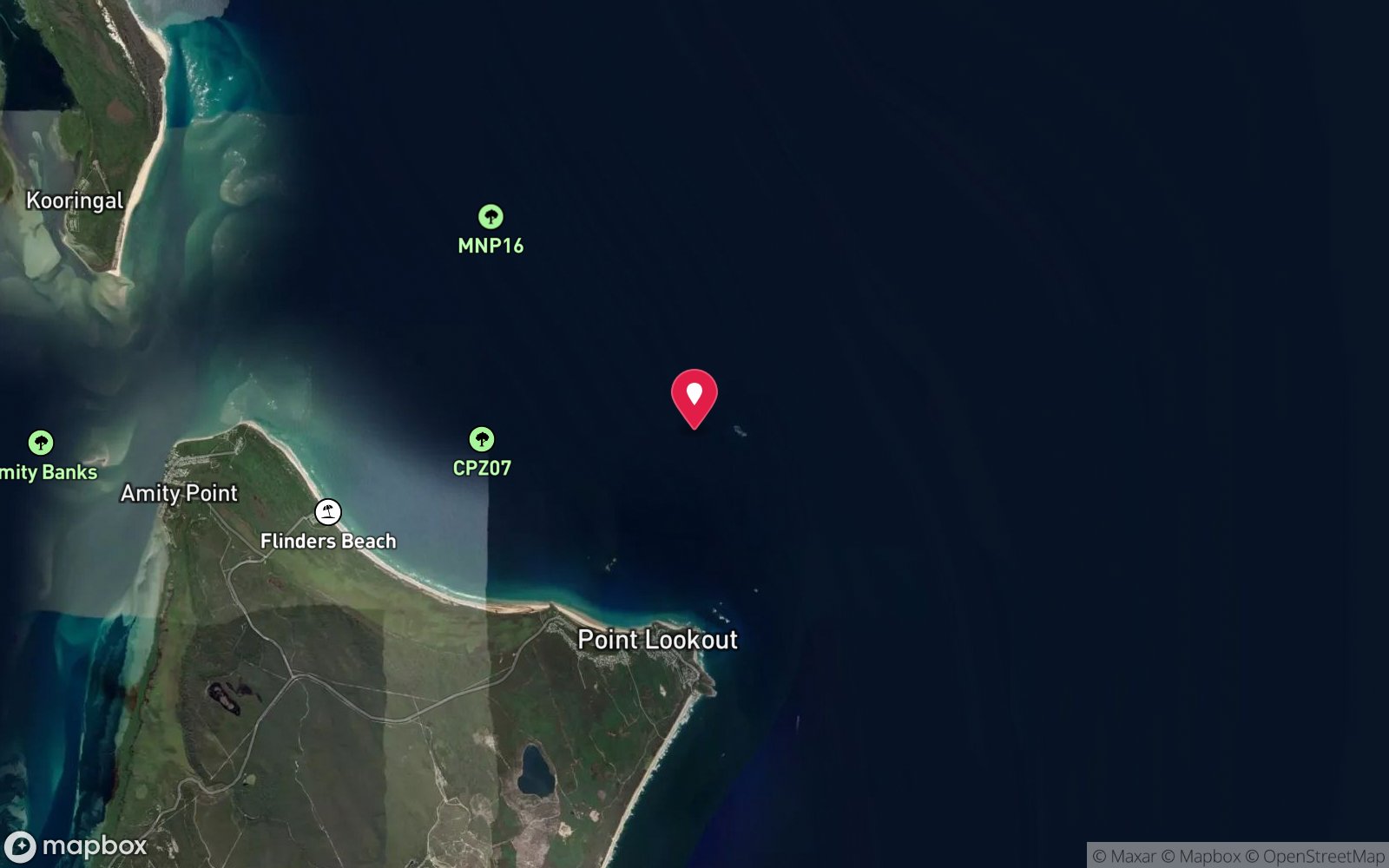
Map
7 pinned sites. Pins marked approximate on their pages show the general area only; not for navigation.
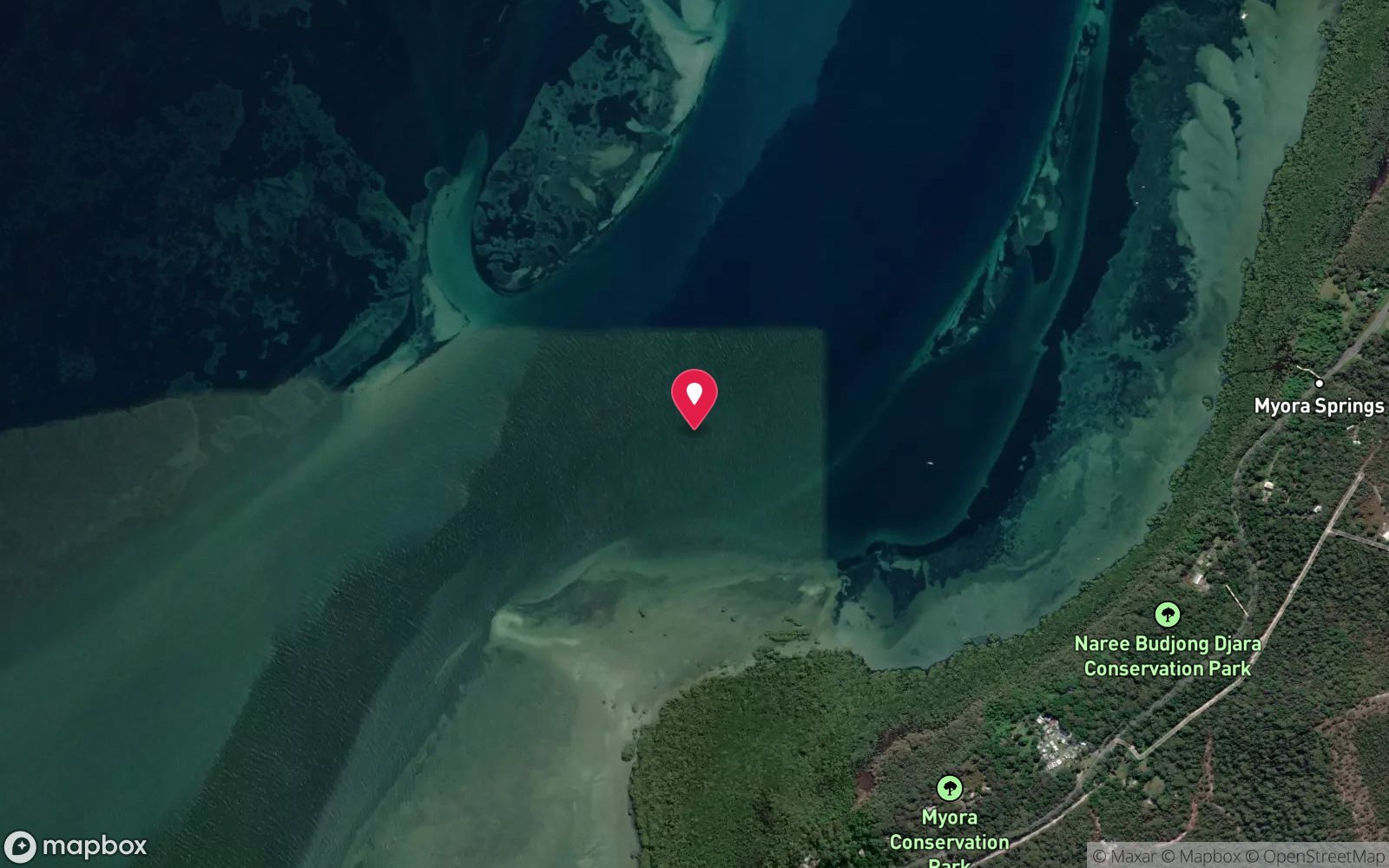
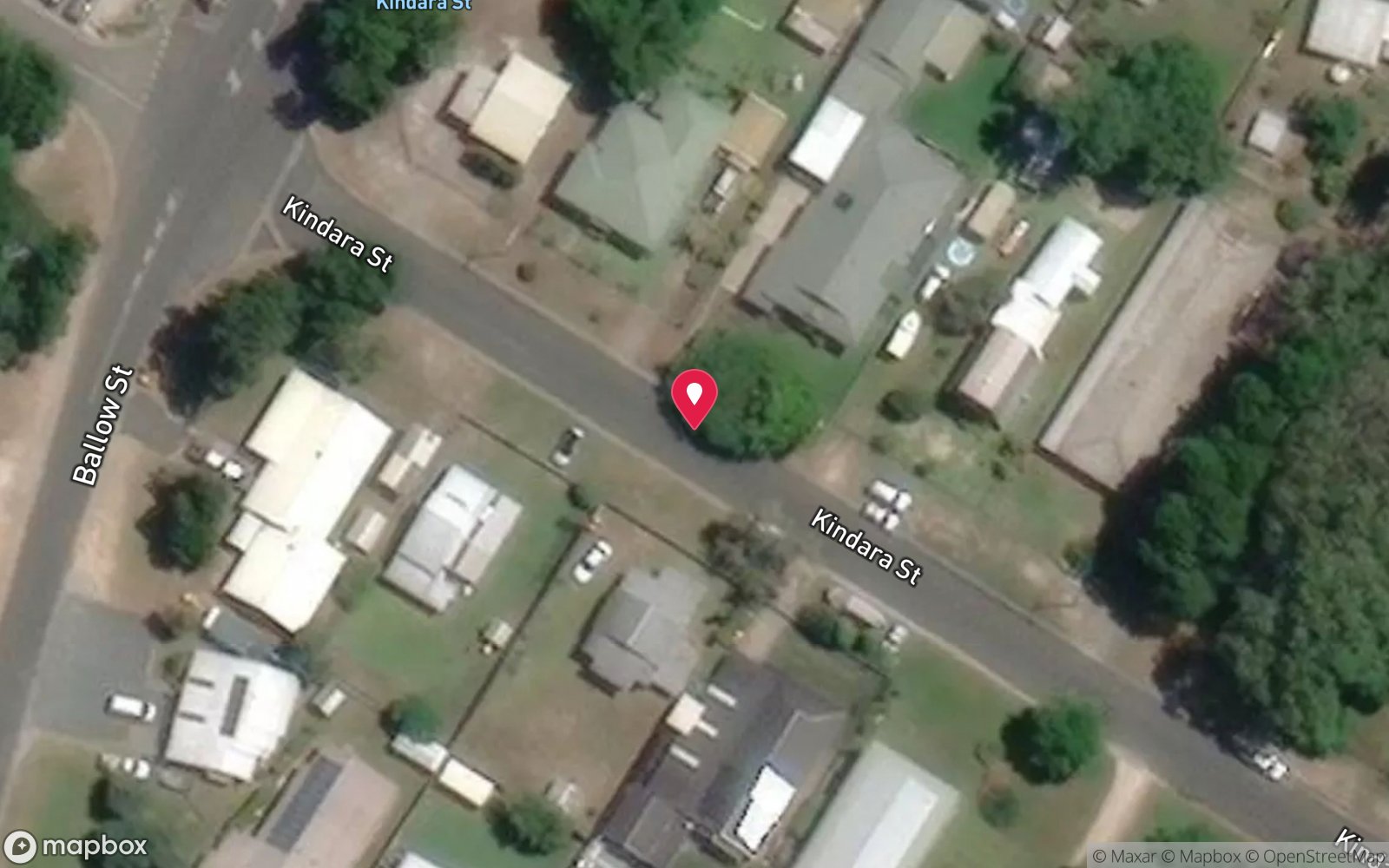
Satellite views
Myora Reef: frequently asked questions
How deep is Myora Reef?
Myora Reef reaches a maximum depth of 5 m, with the shallowest part at about 0.5 m; most of the dive is spent around 2 m.
What certification do I need to dive Myora Reef?
No certification is needed to snorkel it, and it suits introductory dives. Rated beginner: sheltered, shallow and manageable for a newly certified diver on a normal day, though note tidal current that must be timed and boat traffic overhead.
Can I shore dive Myora Reef?
Experienced divers do dive Myora Reef from the shore, but the entry or conditions make it unsuitable for newer divers without local guidance. Entry: Wade/snorkel from the shore at high tide, or from a boat.
When is the best time to dive Myora Reef?
Year-round; winter (May-October) usually brings the clearest water and calmest mornings.
What marine life will I see at Myora Reef?
Regularly recorded: Acropora plate corals, Diadema urchins, wobbegongs, bamboo sharks, bream, flathead, cobia, snapper, garfish, mackerel, whiting, prawns and more.
What wetsuit do I need at Myora Reef?
3-5 mm full wetsuit in summer; 5-7 mm with hood in winter.
How cold is the water at Myora Reef?
Typically 24-27 °C in summer and 19-21 °C in winter.
What are the main hazards at Myora Reef?
Very shallow – coral easily damaged; tidal currents; mud and mangrove flats at low tide; boat traffic between Dunwich and Amity; stonefish possible. See the hazards section above for the full list.
Where is the nearest recompression chamber to Myora Reef?
Royal Brisbane & Women's Hospital Hyperbaric Medicine Service (Herston, Brisbane); Wesley Centre for Hyperbaric Medicine (Auchenflower, Brisbane) as alternative. In an emergency call 000, then DAN Asia-Pacific on 1800 088 200.
Diving in North Stradbroke Island
Point Lookout on North Stradbroke has Manta Bommie, one of the best big-animal dives in southern Queensland, with manta rays from November to May, leopard sharks by the dozen in summer, wobbegongs, turtles and, in winter, grey nurse sharks at Shag Rock and Flat Rock. Humpbacks pass close inshore from June to October.
Getting there: Ferry from Cleveland (an hour from Brisbane) then a drive to Point Lookout, where the dive shop launches off the beach.
All North Stradbroke Island dive sites and a suggested itinerary →
Sources
Data confidence: Low · Being verified: Coordinates approximate; shore access details not published – verify.. Last updated September 2026. Know this site better? How to send a correction
Nearby dive sites
More reef dives in Queensland
Explore more
This region
Similar dives
Marine life