Dive slate · divesites.com.au · printed 9 Nov 2026
Port Willunga Reef & Jetty Ruins
Fleurieu Peninsula & Victor Harbor, South Australia · near Port Willunga
| Depth | 1–6 m |
|---|---|
| Minimum level | Snorkel/Any |
| Difficulty | Beginner |
| Access | Shore |
| Entry | Beach entry |
| Current | Mild |
| Visibility | 3-10 m |
| Water | summer 19-23 °C, winter 12-14 °C |
| Suit | 7 mm wetsuit with hood year-round; drysuit popular in winter (June-September) |
| Best season | Late summer to autumn (February-May) for the calmest mornings and best visibility; winter can be clear on easterly days |
| Bottom time | 60 min |
| Position | -35.26000, 138.46000 (approximate) |
| Permit | Encounter Marine Park – check zoning maps (Aldinga Reef Sanctuary Zone lies to the south) |
| Nearest chamber | Royal Adelaide Hospital Hyperbaric Medicine Unit (Adelaide CBD); DAN emergency hotline 1800 088 200 |
| Emergency | 000 · DAN Asia-Pacific diving emergency 1800 088 200 |
Port Willunga Reef & Jetty Ruins
Also known as Port Willunga Reef
An easy shallow reef beside historic jetty pylons and cliff caves, leading north to the Star of Greece.
Near Port Willunga · Fleurieu Peninsula & Victor Harbor, South Australia
- Depth
- 1–6 m
- Minimum level
- Snorkel/Any
- Access
- Shore
- Boat ride
- Shore entry
- Water
- 19-23 °C
- Visibility
- 3-10 m
Port Willunga Reef & Jetty Ruins1–6 m · Snorkel/Any · Shore
Dive factsDepths, conditions, location & safety
Season
Off-peak nowBest months: January, February, March, April, May, June, July, August, December.
Late summer to autumn (February-May) for the calmest mornings and best visibility; winter can be clear on easterly days
- Best months
- Now (November)
Dive facts
- Depth
- 1–6 m
- Typical depth
- 4 m
- Certification
- Snorkel/Any
- Difficulty
- Beginner
- Depth tier
- Easy (0–10 m)
- Access
- Shore
- Dive centre needed
- No – independently diveable
- Shore / independent
- Yes
- Current
- Mild
- Visibility
- 3-10 m
- Water temp (summer)
- 19-23 °C
- Water temp (winter)
- 12-14 °C
- Water
- Temperate
- Bottom time
- 60 min
- Dive traffic
- Moderate (occasional charters/club dives)
- Night dive
- Possible
- Snorkel friendly
- Yes
Exposure suit
7 mm wetsuit with hood year-round; drysuit popular in winter (June-September)
Location
Port Willunga · Fleurieu Peninsula
-35.26000, 138.46000
Approximate position — not for navigation.
Open in Google MapsPrimary source: divingadelaide.com.auMarine park & permits
Encounter Marine Park – check zoning maps (Aldinga Reef Sanctuary Zone lies to the south)
Nearest recompression chamber
Royal Adelaide Hospital Hyperbaric Medicine Unit (Adelaide CBD); DAN emergency hotline 1800 088 200
Diving emergency: call 000, then DAN AP 1800 088 200.
Trip planner
Build a trip around Port Willunga Reef & Jetty Ruins →
A day-by-day plan for Fleurieu Peninsula & Victor Harbor with this site locked in.
This guide is a planning aid. Conditions change daily — confirm with a local dive centre and dive within your training. Data & safety notes.
Dive profile
How this site rates
Scores are computed from the recorded data, not opinions. How?
At a glance
Port Willunga Reef & Jetty Ruins is a reef shore dive you can do independently in Fleurieu Peninsula & Victor Harbor, SA, 1–6 m, suitable for snorkellers and first-time divers.
Rated beginner: sheltered, shallow and manageable for a newly certified diver on a normal day, though note surge on the entry or in the shallows and cold water.
Why dive here
- An easy shallow reef beside historic jetty pylons and cliff caves, leading north to the Star of Greece.
- Snorkel-friendly, so non-diving companions can join at the surface.
Conditions to avoid
- Outgoing tide or run-off after rain (poor visibility)
About Port Willunga Reef & Jetty Ruins
Port Willunga Reef is the shallow limestone reef that most divers use as a navigation line to the Star of Greece, but it is worth a dive in its own right. Diving Adelaide's guide to the wreck recommends swimming out to the reef and following it north at about 4 m, and notes that the adjacent reef holds uncommon nudibranchs, crabs and schools of small fish. Port Willunga was one of the colony's early grain ports.
The remains of the jetty built around 1867-68 still stand as pylons on the beach, and the soft cliffs behind are dotted with caves hand-dug at the same time to store fishing boats and gear – a much-photographed scene. The reef itself runs parallel to the shore, with ledges and holes covered in brown algae and kelp, sand channels and patches of seagrass. Marine life is typical of the shallow gulf coast: old wives, magpie perch, sweep, zebrafish, leatherjackets and wrasse, with crabs, nudibranchs and occasional cuttlefish.
Dolphins are sometimes seen in the bay. The combination of an easy beach entry, shallow depth and the historic wreck nearby makes this one of the most popular snorkel spots south of Adelaide in summer. The reef suits snorkellers, families and new divers on calm days, and photographers hunting nudibranchs.
It sits just north of the Aldinga Reef Sanctuary Zone. Leave the pylons and any historic material undisturbed, keep clear of swimmers, and use a surface marker because small boats and jet skis launch along this coast.
Getting there & entry
Shallow limestone reef off Port Willunga beach, beside the pylons of the 1860s jetty and below cliffs with hand-dug fishermen's caves; the reef leads north to the Star of Greece wreck.
Port Willunga is about 45 minutes south of Adelaide. Park free in either of the two car parks near Jetty Road / the bottom of Star of Greece Road; toilets are at the bottom car park. Beach access ramps run either side of the Star of Greece restaurant.
Walk onto the beach and enter from the sand; the reef lies a short swim offshore, and the old jetty pylons are on the beach and in the shallows.
Entry: Beach entry
Facilities: Free parking, toilets at the bottom car park, Star of Greece restaurant and takeaway; Aldinga shops nearby.
Weather, swell & tides
West-facing and shallow: dive only with low wind and low swell, after easterly winds, in the morning before the sea breeze. Summer usually brings the calmest conditions and the least sand movement. Low tide makes navigation easier but shallows the reef top.
Visibility drops quickly after westerlies, and after heavy rain when runoff from the cliffs and creeks reaches the bay.
Best season: Late summer to autumn (February-May) for the calmest mornings and best visibility; winter can be clear on easterly days
If it's blown out
Sheltered or shore sites within 25 km that often work when Port Willunga Reef & Jetty Ruins doesn't.
- Port Noarlunga Reef Underwater Trail · 12 km · Max 20 m
- Port Noarlunga Reef & Jetty · 12 km · Max 20 m
- Star of Greece Wreck · 1 km · Max 6 m
- Port Noarlunga Southern Reef · 12 km · Max 8 m
How the dive is usually run
Enter from the beach, swim out to the reef and follow its inside edge north at about 4 m toward the Star of Greece, then return along the reef's inside edge until you reach sand and head east to the beach.
Marine life
- Nudibranchs (some uncommon) →
- crabs
- schools of small fish
- old wives
- magpie perch
- sweep
- zebrafish
- leatherjackets
- wrasse
- cuttlefish →
- dolphins (occasional)
Linked species have their own page listing every site where they are recorded. All marine life →
Training required
Shallow enough for snorkellers and for a first dive under supervision. Any certified diver can dive it.
Courses that help here
- Drysuit Diver – Cold water; locals dive dry for much of the year.
Depth tiers: 0–10 m easy · to 18 m Open Water · 18–30 m Advanced (25 m+ is a deep dive) · 30–40 m Deep specialty · 40 m+ technical. All courses
Hazards & warnings
Surge in any westerly swell; shallow reef top at low tide; swimmers and small craft in summer; historic remains protected.
Dive centres that go here
Diving Adelaide – guided Star of Greece dives that follow the reef; otherwise independent divers and snorkellers.
Operators recorded for Port Willunga Reef & Jetty Ruins
Adelaide Scuba
ListedGlenelg North · Adelaide Metro · SA
An Adelaide business providing training, equipment and local diving support, located near Glenelg.
adelaidescuba.com.au · (08) 8294 7744
Diving Adelaide
ListedMarleston · Adelaide Metro · SA
An Adelaide training and guided diving operation serving local sites and organised trips.
divingadelaide.com.au · (08) 8122 5003
Underwater Sports
ListedHolden Hill · Adelaide Metro · SA
An Adelaide equipment and service business. Retail range and servicing capability require verification.
underwatersports.com.au · (08) 8263 3337
Other dive centres in Fleurieu Peninsula & Victor Harbor
The Dive Shack
ListedGlenelg · Adelaide Metro · SA
An Adelaide business combining retail, servicing and training for South Australian divers.
thediveshack.com.au
Divers Delight
ListedStepney · Adelaide Metro · SA
An Adelaide dive business. Retail range, servicing and training availability require verification.
diversdelight.com.au · (08) 8363 7518
Adelaide Technical Diving
ListedPark Holme · Adelaide Metro · SA
An Adelaide operation specialising in technical diving training, relevant to divers preparing for deep, decompression or cave diving in South Australia.
Sea Dragon Dive Lodge
Named by sitesSecond Valley · Fleurieu Peninsula & Victor Harbor · SA
seadragondivelodge.com.au · 0499 229 053
Map
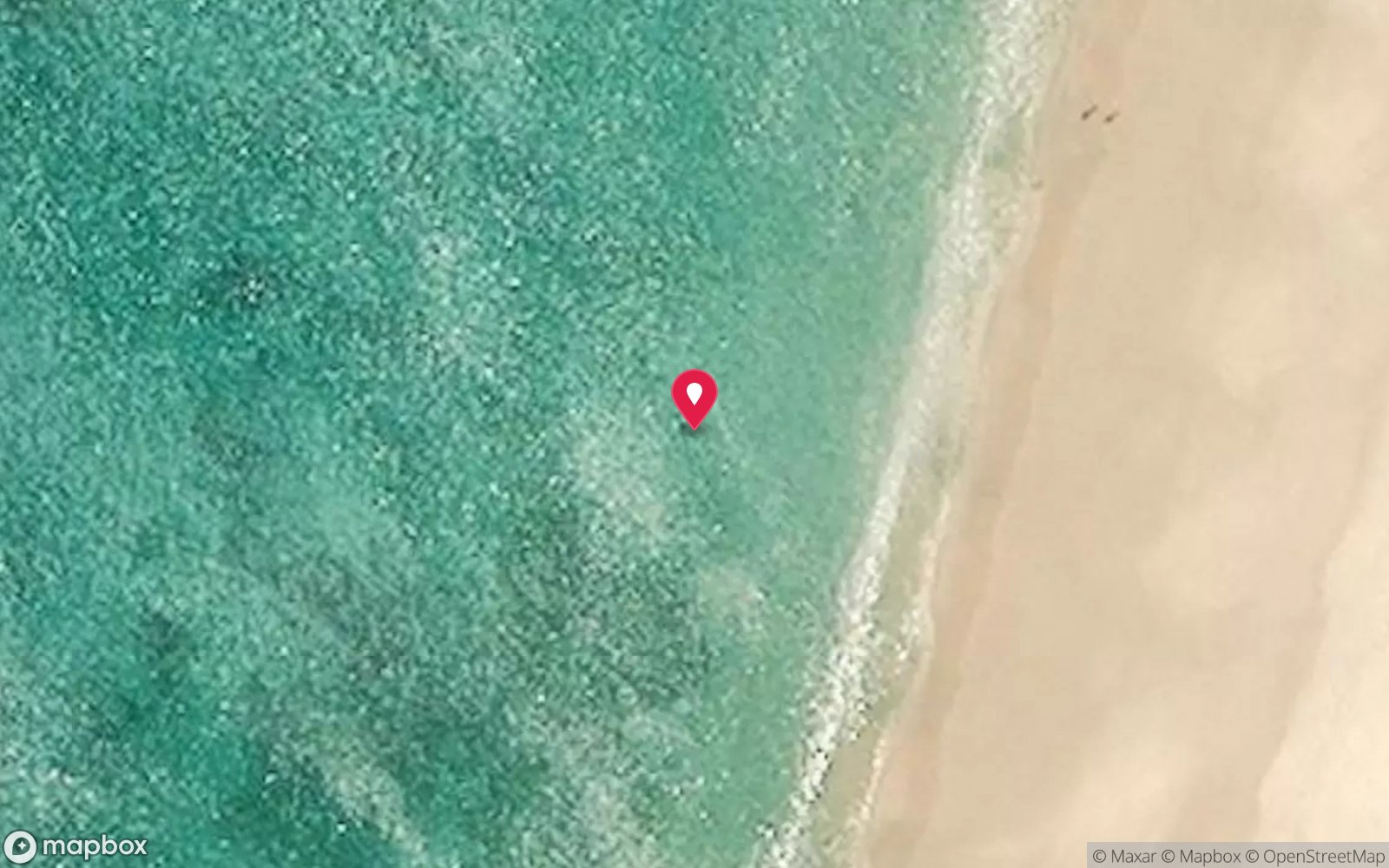
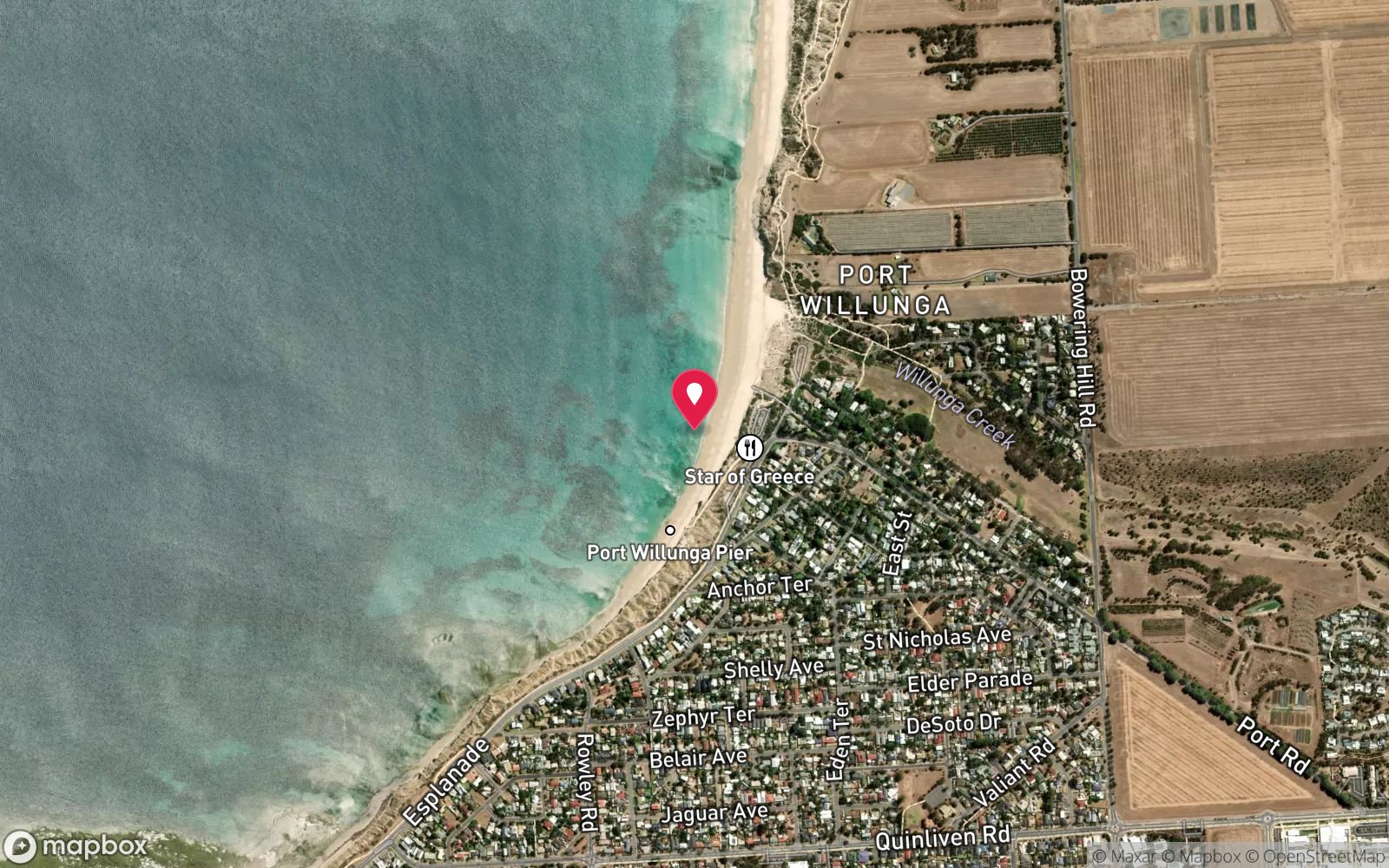
7 pinned sites. Pins marked approximate on their pages show the general area only; not for navigation.
Satellite views
Port Willunga Reef & Jetty Ruins: frequently asked questions
How deep is Port Willunga Reef & Jetty Ruins?
Port Willunga Reef & Jetty Ruins reaches a maximum depth of 6 m, with the shallowest part at about 1 m; most of the dive is spent around 4 m.
What certification do I need to dive Port Willunga Reef & Jetty Ruins?
No certification is needed to snorkel it, and it suits introductory dives. Rated beginner: sheltered, shallow and manageable for a newly certified diver on a normal day, though note surge on the entry or in the shallows and cold water.
Can I shore dive Port Willunga Reef & Jetty Ruins?
Yes. Port Willunga Reef & Jetty Ruins is a shore dive that can be done independently: beach entry.
When is the best time to dive Port Willunga Reef & Jetty Ruins?
Late summer to autumn (February-May) for the calmest mornings and best visibility; winter can be clear on easterly days.
What marine life will I see at Port Willunga Reef & Jetty Ruins?
Regularly recorded: Nudibranchs (some uncommon), crabs, schools of small fish, old wives, magpie perch, sweep, zebrafish, leatherjackets, wrasse, cuttlefish, dolphins (occasional).
What wetsuit do I need at Port Willunga Reef & Jetty Ruins?
7 mm wetsuit with hood year-round; drysuit popular in winter (June-September).
How cold is the water at Port Willunga Reef & Jetty Ruins?
Typically 19-23 °C in summer and 12-14 °C in winter.
What are the main hazards at Port Willunga Reef & Jetty Ruins?
Surge in any westerly swell; shallow reef top at low tide; swimmers and small craft in summer; historic remains protected. See the hazards section above for the full list.
Where is the nearest recompression chamber to Port Willunga Reef & Jetty Ruins?
Royal Adelaide Hospital Hyperbaric Medicine Unit (Adelaide CBD); DAN emergency hotline 1800 088 200. In an emergency call 000, then DAN Asia-Pacific on 1800 088 200.
Diving in Fleurieu Peninsula & Victor Harbor
The Fleurieu is where you go to see a leafy seadragon. Rapid Bay Jetty is the most reliable site anywhere, and Second Valley, the Bluff at Victor Harbor and Port Noarlunga are close behind. The ex-HMAS Hobart, a 133 m destroyer scuttled off Yankalilla in 2002, is the region's flagship boat dive, and the granite coves of Second Valley and Carrickalinga are easy shore dives.
Getting there: An hour or two south of Adelaide. Rapid Bay and Second Valley are walk-in shore dives; the Hobart is a charter from Wirrina Cove or Adelaide.
All Fleurieu Peninsula & Victor Harbor dive sites and a suggested itinerary →
Sources
- divingadelaide.com.au/guided-dives/shore-diving/star-of-greece-wreck
- curiouscampers.com.au/port-willunga-beach
Data confidence: Medium · Being verified: Coordinates approximate; reef depths estimated from the Star of Greece guides.. Last updated September 2026. Know this site better? How to send a correction
Nearby dive sites
More shore dives in South Australia
Explore more
This region
Similar dives