Dive slate · divesites.com.au · printed 7 Nov 2026
The Pinnacles (Hook Island)
Whitsundays & Bowen, Queensland · near Airlie Beach
| Depth | 3–20 m |
|---|---|
| Minimum level | Advanced Open Water |
| Difficulty | Beginner |
| Access | Boat (day trip) |
| Entry | From day boat on public moorings |
| Current | Mild |
| Visibility | 3-15 m |
| Water | summer 27-29 °C, winter 22-24 °C |
| Suit | 3 mm full suit or stinger suit in summer (lycra/stinger suit essential Nov–May); 5 mm full suit June–September |
| Best season | May–September for mantas; calm south-easterly days |
| Bottom time | 50 min |
| Position | -20.06200, 148.94500 (approximate) |
| Permit | Great Barrier Reef Marine Park – Marine National Park (green zone): no fishing or collecting, no anchoring in marked areas; use public moorings. EMC collected by operators. |
| Nearest chamber | Townsville University Hospital hyperbaric unit (Douglas, Townsville) |
| Emergency | 000 · DAN Asia-Pacific diving emergency 1800 088 200 |
The Pinnacles (Hook Island)
Also known as Pinnacle Point, Pinnacle Bay
Near-solid shallow coral and a field of large bommies, with some of the best snorkelling in the Whitsundays.
Near Airlie Beach · Whitsundays & Bowen, Queensland
- Depth
- 3–20 m
- Minimum level
- Advanced Open Water
- Access
- Boat (day trip)
- Boat ride
- ~60 min
- Water
- 27-29 °C
- Visibility
- 3-15 m
The Pinnacles (Hook Island)3–20 m · Advanced Open Water
Dive factsDepths, conditions, location & safety
Season
Off-peak nowBest months: May, June, July, August, September.
May–September for mantas; calm south-easterly days
- Best months
- Now (November)
- Stinger suit Nov–May
Dive facts
- Depth
- 3–20 m
- Typical depth
- 10 m
- Certification
- Advanced Open Water
- Difficulty
- Beginner
- Depth tier
- Advanced Open Water (18–30 m)
- Access
- Boat (day trip)
- Offshore
- 26 km
- Dive centre needed
- Yes – boat access only
- Shore / independent
- No
- Boat ride
- ~60 min
- Current
- Mild
- Visibility
- 3-15 m
- Water temp (summer)
- 27-29 °C
- Water temp (winter)
- 22-24 °C
- Water
- Tropical
- Bottom time
- 50 min
- Dive traffic
- Very popular (dived daily)
- Night dive
- No
- Snorkel friendly
- Yes
Exposure suit
3 mm full suit or stinger suit in summer (lycra/stinger suit essential Nov–May); 5 mm full suit June–September
Location
Northern Hook Island · Central GBR – Whitsunday Islands
-20.06200, 148.94500
Approximate position — not for navigation.
Open in Google MapsPrimary source: 100magicmiles.comMarine park & permits
Great Barrier Reef Marine Park – Marine National Park (green zone): no fishing or collecting, no anchoring in marked areas; use public moorings. EMC collected by operators.
Nearest recompression chamber
Townsville University Hospital hyperbaric unit (Douglas, Townsville)
Diving emergency: call 000, then DAN AP 1800 088 200.
Trip planner
Build a trip around The Pinnacles (Hook Island) →
A day-by-day plan for Whitsundays & Bowen with this site locked in.
This guide is a planning aid. Conditions change daily — confirm with a local dive centre and dive within your training. Data & safety notes.
Dive profile
How this site rates
Scores are computed from the recorded data, not opinions. How?
At a glance
The Pinnacles (Hook Island) is a reef boat dive in Whitsundays & Bowen, QLD, 3–20 m, suited to Advanced Open Water divers, about 60 minutes by boat.
Rated beginner: sheltered, shallow and manageable for a newly certified diver on a normal day, though note depth beyond 18 m and boat traffic overhead.
Why dive here
- Near-solid shallow coral and a field of large bommies, with some of the best snorkelling in the Whitsundays.
- Snorkel-friendly, so non-diving companions can join at the surface.
Conditions to avoid
- Strong southerly or south-east swell and wind
- Spring tides (strong current)
- Any time other than slack water
- Cyclone season (roughly December–April)
- Stinger season without a full suit (November–May)
About The Pinnacles (Hook Island)
The Pinnacles, at Pinnacle Bay on the north-east of Hook Island, is regularly named among the best snorkelling in the Whitsundays. 100 Magic Miles, the long-standing cruising guide to the islands, describes near-solid coral cover in shallow water, predominantly staghorn, breaking up into scattered but dense bommies from 5 to 18 m, with some of the best snorkelling in the islands just off the western beach. The bommies are large – massive Porites domes and tiered Acropora colonies – and some rise nearly to the surface, which makes the site visually striking from above and gives divers a landscape of towers and valleys to explore. Medium-sized fish are plentiful, and Maori wrasse are regular visitors.
From May to September manta rays feed in the area, as at nearby Manta Ray Bay. Like its neighbours, the Pinnacles was hit by Cyclone Debbie in 2017. The large bommies generally survived where branching coral was smashed, and the site has been recovering.
It remains on operators' regular rotation for both diving and snorkelling. The Pinnacles is open to northerly winds and swell and to strong south-easterlies, so it is not always diveable, and operators choose between the northern Hook sites daily. When conditions allow, it is an easy, rewarding dive for all levels, with the best structure between 5 and 15 m.
It lies in a Marine National Park green zone with public moorings and no-anchoring areas. For snorkellers, the shallow coral close to the beach is the main attraction; for divers, the field of bommies.
Getting there & entry
Reef off the western beach at Pinnacle Bay on the north-east of Hook Island, with near-solid coral in the shallows and dense bommies to 18 m.
Boat only. Northern Hook Island is about 22–28 nautical miles from Airlie Beach – roughly 45–75 minutes by fast day boat from Coral Sea Marina or Port of Airlie, or about 1 hour from Hamilton Island marina. Day tours that stop here include Ocean Rafting, Red Cat Adventures (Thundercat), Whitsunday Dive Adventures and Explore Group (from Airlie and Hamilton Island); overnight sailing and bareboat charters also visit.
Private and bareboat skippers must use the public moorings (time-limited, first come first served) and observe no-anchoring areas marked by reef protection markers; bareboat operators restrict where hirers may go. Parking at Airlie is available near Coral Sea Marina and the Port of Airlie.
Entry: From day boat on public moorings
Facilities: Departures from Coral Sea Marina and Port of Airlie (Airlie Beach) and Hamilton Island marina; air fills, hire and courses at Airlie Beach dive centres. No facilities at the bays.
Weather, swell & tides
The northern Hook Island bays face north and are sheltered from the dominant south-east trades (15–25 knots April–September), but they are open to northerly winds and swell (common October–March) and to very strong south-easterlies that wrap around the headlands. Tidal currents through the islands are strong on spring tides (tidal range up to about 4 m) and can make points and bay entrances difficult – plan dives at slack water and neap tides where possible. Visibility is usually 5–15 m, dropping after strong winds, big tides and wet-season rain.
Manta rays visit May–September. Marine stinger season (box jellyfish and Irukandji) runs roughly November to May – wear a full-length stinger suit or wetsuit with hood and gloves, carry vinegar. Cyclone season November–April; tropical lows and cyclones can close sites and damage coral (TC Yasi 2011, TC Debbie 2017).
Severe Tropical Cyclone Debbie (March 2017) badly damaged the fringing reefs of northern Hook and Hayman islands; recovery is ongoing. 100 Magic Miles notes the site is open to northerlies and strong south-easterlies.
Best season: May–September for mantas; calm south-easterly days
If it's blown out
Sheltered or shore sites within 25 km that often work when The Pinnacles (Hook Island) doesn't.
- Ngaro Underwater Sculpture Trail · 2 km · Max 10 m
- Maureen's Cove (Hook Island) · 2 km · Max 12 m
- Butterfly Bay (Hook Island) · 3 km · Max 12 m
- Stonehaven Anchorage (Hook Island) · 8 km · Max 12 m
How the dive is usually run
Descend off the western beach reef edge, weave among the large Acropora and Porites bommies at 5–18 m, keeping the reef on one side, and finish in the shallow near-solid coral for the safety stop and snorkel.
Marine life
- Large Acropora and Porites bommies
- staghorn coral
- manta rays (May–Sep) →
- Maori wrasse
- medium reef fish
- parrotfish
- fusiliers
- turtles →
Linked species have their own page listing every site where they are recorded. All marine life →
Training required
Beyond 18 m an Advanced certification (which includes a deep dive to 30 m) is the accepted minimum. Anything past 25 m is a deep dive in practice.
Open Water divers can dive the shallower section (typical depth 10 m); the full site to 20 m needs Advanced Open Water. Operators often quote Open Water.
Operators' own listing: Open Water.
Depth tiers: 0–10 m easy · to 18 m Open Water · 18–30 m Advanced (25 m+ is a deep dive) · 30–40 m Deep specialty · 40 m+ technical. All courses
Hazards & warnings
Exposed to northerlies and strong south-easterlies; boat traffic; shallow coral – buoyancy. Marine stinger season (box jellyfish and Irukandji) runs roughly November to May – wear a full-length stinger suit or wetsuit with hood and gloves, carry vinegar.
Dive centres that go here
Ocean Rafting (Northern Exposure/Southern Lights – daily snorkel stops on northern Hook), Red Cat Adventures Thundercat (daily, Mantaray Bay/Stonehaven), Whitsunday Dive Adventures (certified and Discover Scuba day trips, several times a week), Explore Group (dive and snorkel from Airlie Beach and Hamilton Island, daily), plus overnight sailing vessels and bareboats.
Operators recorded for The Pinnacles (Hook Island)
Whitsunday Dive Adventures
ListedAirlie Beach · Whitsundays & Bowen · QLD
A Whitsundays diving operation offering trips and training.
whitsundaydiveadventures.com · 0477 694 061
Cruise Whitsundays
Named by sitesAirlie Beach · Whitsundays & Bowen · QLD
Reef cruise operator (Reefworld pontoon) offering introductory and certified dives; not a dive shop.
cruisewhitsundays.com · (07) 4846 7000
Explore Group
Named by sitesAirlie Beach · Whitsundays & Bowen · QLD
Tour company (Hamilton Island and Airlie Beach) offering snorkel and dive day trips from Shute Harbour; no Airlie Beach street address published.
exploregroup.com.au · (07) 4253 3340
Red Cat Adventures
Named by sitesAirlie Beach · Whitsundays & Bowen · QLD
Whitsundays day and sailing tours (Thundercat, Wildcat); also 1300 317 445.
redcatadventures.com.au · (07) 4946 4444
Ocean Rafting
Named by sitesAirlie Beach · Whitsundays & Bowen · QLD
Whitsundays day tour operator (snorkel, some dive).
oceanrafting.com.au · (07) 4946 6848
Other dive centres in Whitsundays & Bowen
Adrenalin Snorkel & Dive
ListedSouth Townsville · Townsville & Magnetic Island · QLD
A Townsville operation running SS Yongala trips alongside reef diving and training.
adrenalindive.com.au · (07) 4724 0600
Airlie Beach Dive Centre
ListedAirlie Beach · Whitsundays & Bowen · QLD
An Airlie Beach operation providing training and certified diving in the Whitsundays.
airliebeachdiving.com · 0404 677 400
OceanSense Freediving Airlie Beach
ListedAirlie Beach · Whitsundays & Bowen · QLD
A freediving-focused operation at Airlie Beach. This is a different discipline from scuba and should not be grouped with scuba training centres.
oceansense.com.au · 0426 440 491
Reef Safari Diving
ListedAirlie Beach · Whitsundays & Bowen · QLD
A Whitsundays operation providing diving in conjunction with sailing and reef tour products.
reefsafari.com · (07) 4946 4766
Whitsunday Diving Academy
ListedAirlie Beach · Whitsundays & Bowen · QLD
A Whitsundays training-focused operation. Course range and agency affiliation require verification.
whitsundaydivingacademy.com.au · (07) 4946 4449
Whitsunday Expeditions
ListedAirlie Beach · Whitsundays & Bowen · QLD
A Whitsundays multi-day trip operator. The proportion of scuba diving within its products requires verification.
whitsundayexpeditions.com · 0473 455 038
Map
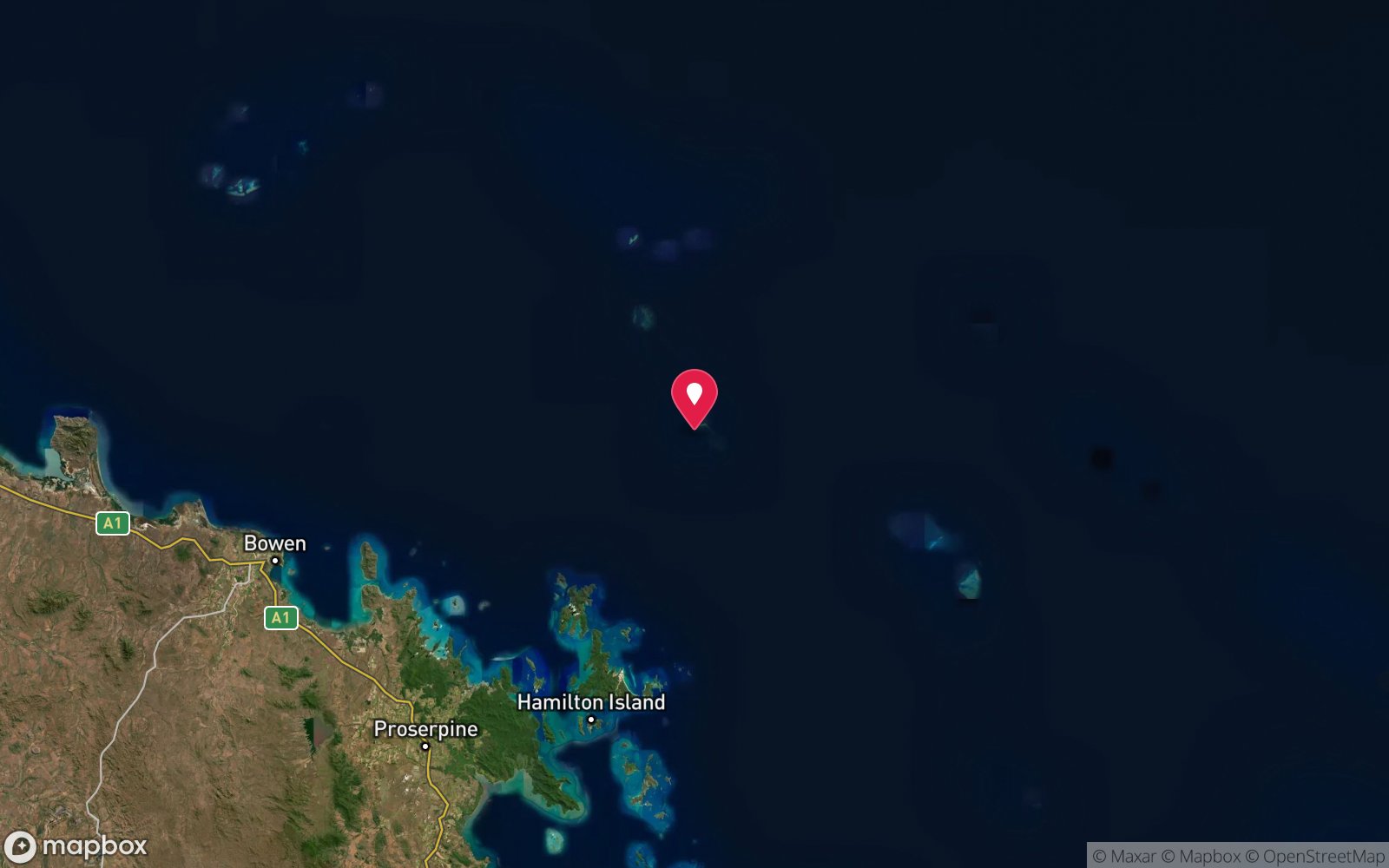
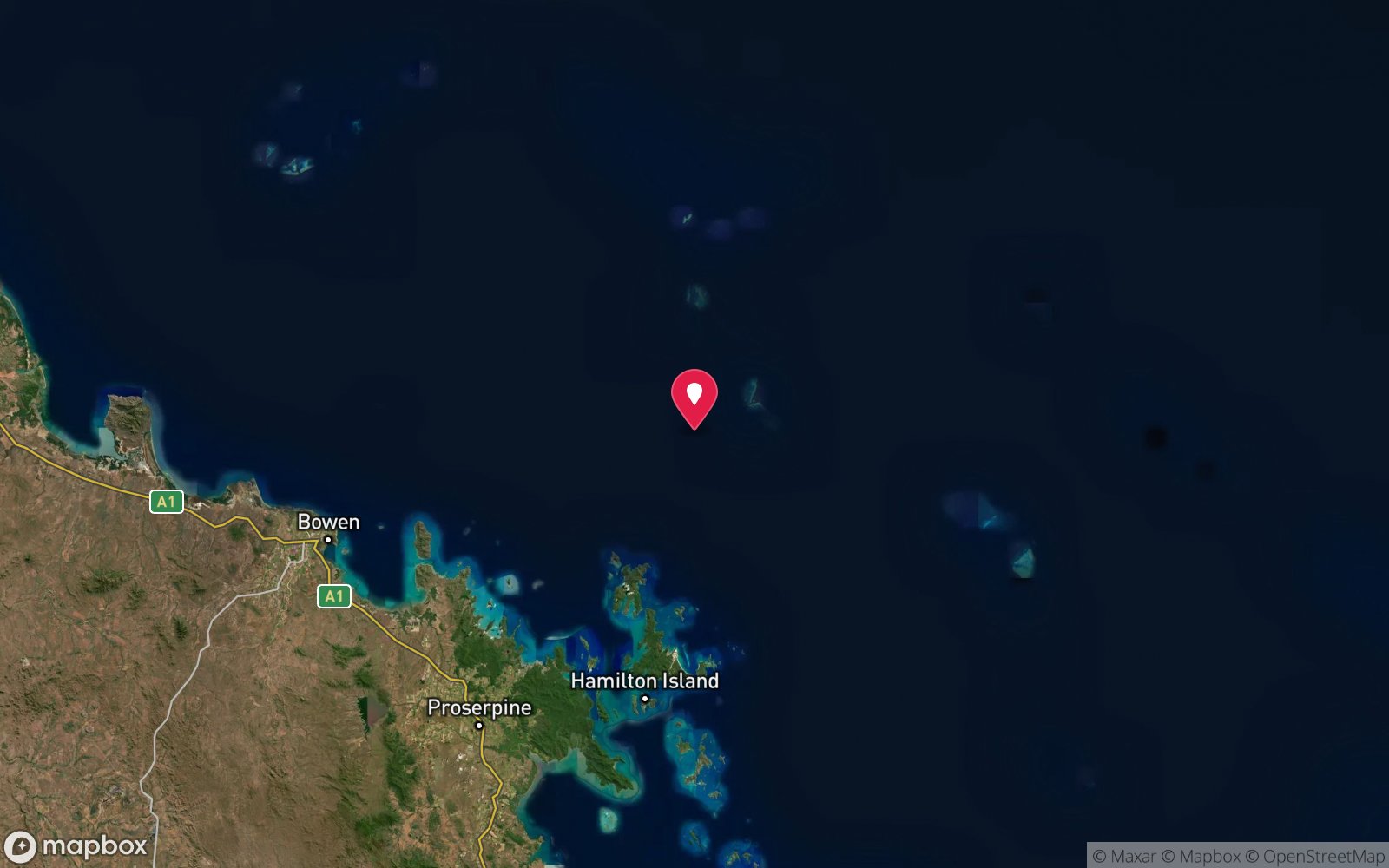
7 pinned sites. Pins marked approximate on their pages show the general area only; not for navigation.
Satellite views
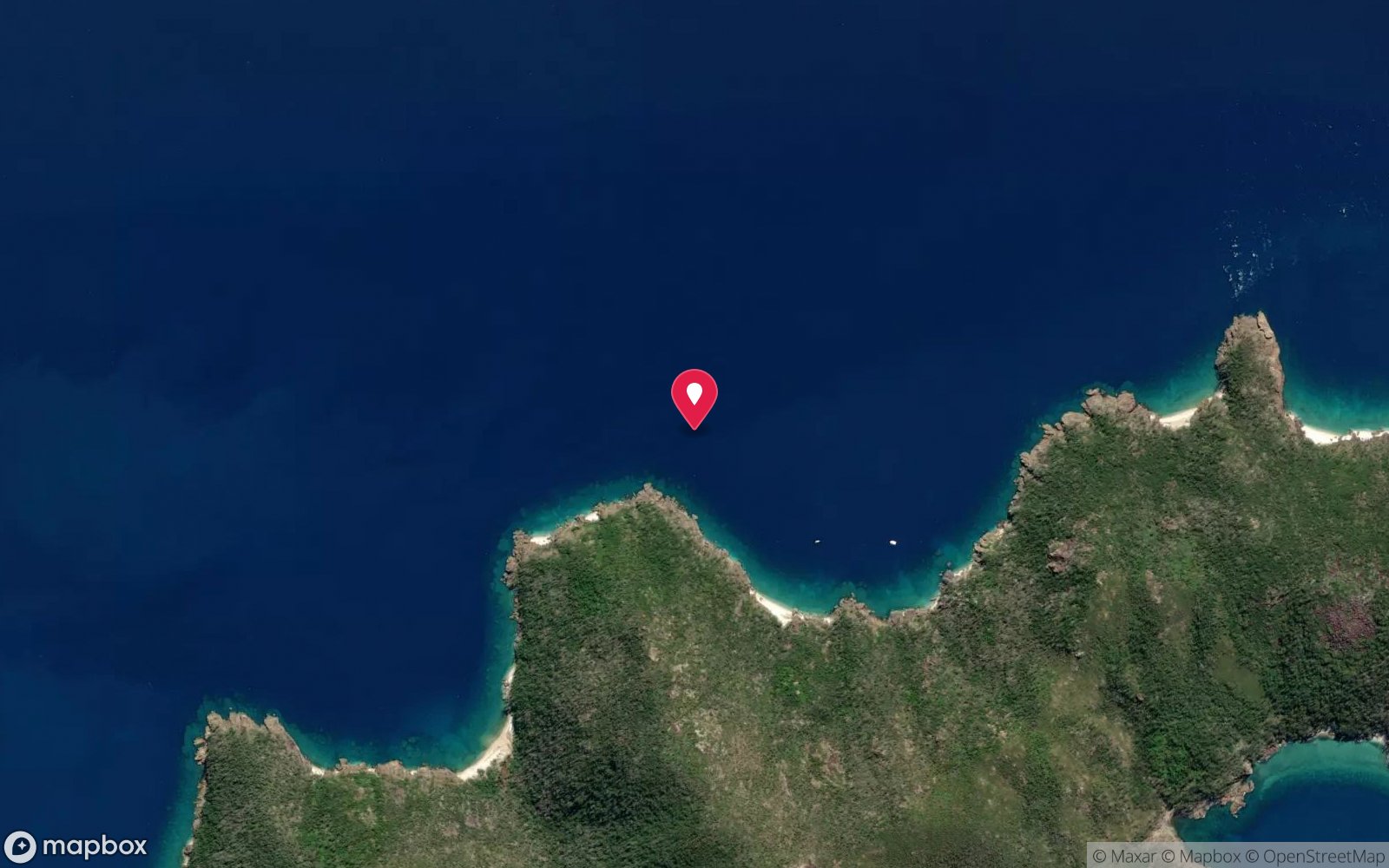
The Pinnacles (Hook Island): frequently asked questions
How deep is The Pinnacles (Hook Island)?
The Pinnacles (Hook Island) reaches a maximum depth of 20 m, with the shallowest part at about 3 m; most of the dive is spent around 10 m.
What certification do I need to dive The Pinnacles (Hook Island)?
Advanced Open Water is the recommended minimum. Open Water divers can dive the shallower section (typical depth 10 m); the full site to 20 m needs Advanced Open Water. Operators often quote Open Water. Rated beginner: sheltered, shallow and manageable for a newly certified diver on a normal day, though note depth beyond 18 m and boat traffic overhead.
Can I shore dive The Pinnacles (Hook Island)?
No, it is reached by boat (about 60 minutes). A dive centre is required: boat access only.
When is the best time to dive The Pinnacles (Hook Island)?
May–September for mantas; calm south-easterly days.
What marine life will I see at The Pinnacles (Hook Island)?
Regularly recorded: Large Acropora and Porites bommies, staghorn coral, manta rays (May–Sep), Maori wrasse, medium reef fish, parrotfish, fusiliers, turtles.
What wetsuit do I need at The Pinnacles (Hook Island)?
3 mm full suit or stinger suit in summer (lycra/stinger suit essential Nov–May); 5 mm full suit June–September.
How cold is the water at The Pinnacles (Hook Island)?
Typically 27-29 °C in summer and 22-24 °C in winter.
What are the main hazards at The Pinnacles (Hook Island)?
Exposed to northerlies and strong south-easterlies; boat traffic; shallow coral – buoyancy. See the hazards section above for the full list.
Where is the nearest recompression chamber to The Pinnacles (Hook Island)?
Townsville University Hospital hyperbaric unit (Douglas, Townsville). In an emergency call 000, then DAN Asia-Pacific on 1800 088 200.
Diving in Whitsundays & Bowen
The Whitsundays are better known for sailing than diving, but Hook Island's northern bays (Manta Ray Bay, Pinnacle Point, Luncheon Bay) have good fringing coral, Maori wrasse and turtles, and Bait Reef and Hardy Reef on the outer barrier have the Stepping Stones and Hardy's coral walls. Bowen, to the north, has quiet shore snorkelling on the Horseshoe and Murray bay reefs.
Getting there: Fly to Hamilton Island or Proserpine, or drive to Airlie Beach. Day boats and overnight sailing trips include diving; outer-reef trips take 2–3 hours each way.
All Whitsundays & Bowen dive sites and a suggested itinerary →
Sources
- 100magicmiles.com/whitsunday-dive-sites
- 100magicmiles.com/top-10-spots-for-snorkelling-whitsundays
- texast.com.au/blogs/best-whitsundays-dive-sites
Data confidence: High. Last updated September 2026. Know this site better? How to send a correction
Nearby dive sites
More reef dives in Queensland
Explore more
This region
Similar dives