Dive slate · divesites.com.au · printed 9 Nov 2026
The Trident
Tasman Peninsula, Tasmania · near Eaglehawk Neck
| Depth | 20–40 m |
|---|---|
| Minimum level | Deep/Advanced + experience |
| Difficulty | Advanced |
| Access | Boat (day trip) |
| Entry | Back roll or giant stride from charter boat |
| Current | Variable/Tidal |
| Visibility | 15-25 m |
| Water | summer 14-18 °C, winter 10-13 °C |
| Suit | Drysuit strongly recommended year-round; 7 mm semi-dry or two-piece 7 mm wetsuit with hood and gloves is the minimum in summer |
| Best season | Late summer to autumn (February-May) for settled weather and best visibility; diveable year-round between fronts |
| Bottom time | 20 min |
| Position | not published |
| Permit | No permit required |
| Nearest chamber | Royal Hobart Hospital Hyperbaric Medicine Unit (Hobart CBD); DAN emergency hotline 1800 088 200 |
| Emergency | 000 · DAN Asia-Pacific diving emergency 1800 088 200 |
The Trident
Also known as Trident
Deep reef with massive sponges and overhangs from Go Dive Tasmania's site list.
Near Eaglehawk Neck · Tasman Peninsula, Tasmania
- Depth
- 20–40 m
- Minimum level
- Deep/Advanced + experience
- Access
- Boat (day trip)
- Boat ride
- —
- Water
- 14-18 °C
- Visibility
- 15-25 m
The Trident20–40 m · Deep/Advanced + experience
Dive factsDepths, conditions, location & safety
Season
Off-peak nowBest months: January, February, March, April, May, December.
Late summer to autumn (February-May) for settled weather and best visibility; diveable year-round between fronts
- Best months
- Now (November)
Dive facts
- Depth
- 20–40 m
- Typical depth
- 30 m
- Certification
- Deep/Advanced + experience
- Difficulty
- Advanced
- Depth tier
- Deep / Advanced + experience (30–40 m)
- Access
- Boat (day trip)
- Dive centre needed
- Yes – boat access only
- Shore / independent
- No
- Current
- Variable/Tidal
- Visibility
- 15-25 m
- Water temp (summer)
- 14-18 °C
- Water temp (winter)
- 10-13 °C
- Water
- Cold Temperate
- Bottom time
- 20 min
- Dive traffic
- Moderate (occasional charters/club dives)
- Night dive
- No
- Snorkel friendly
- No
Exposure suit
Drysuit strongly recommended year-round; 7 mm semi-dry or two-piece 7 mm wetsuit with hood and gloves is the minimum in summer
Location
Tasman Peninsula – offshore reefs
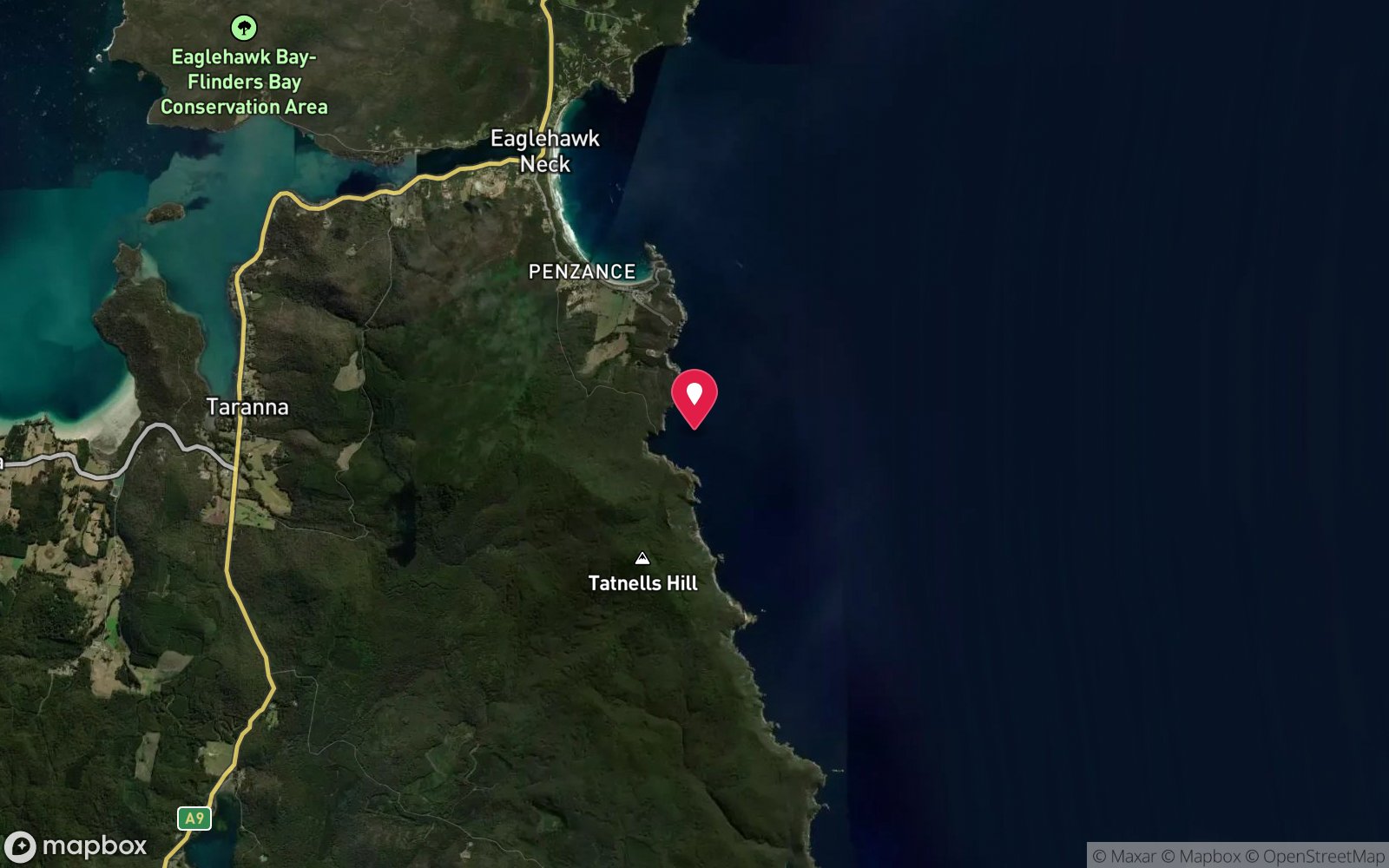
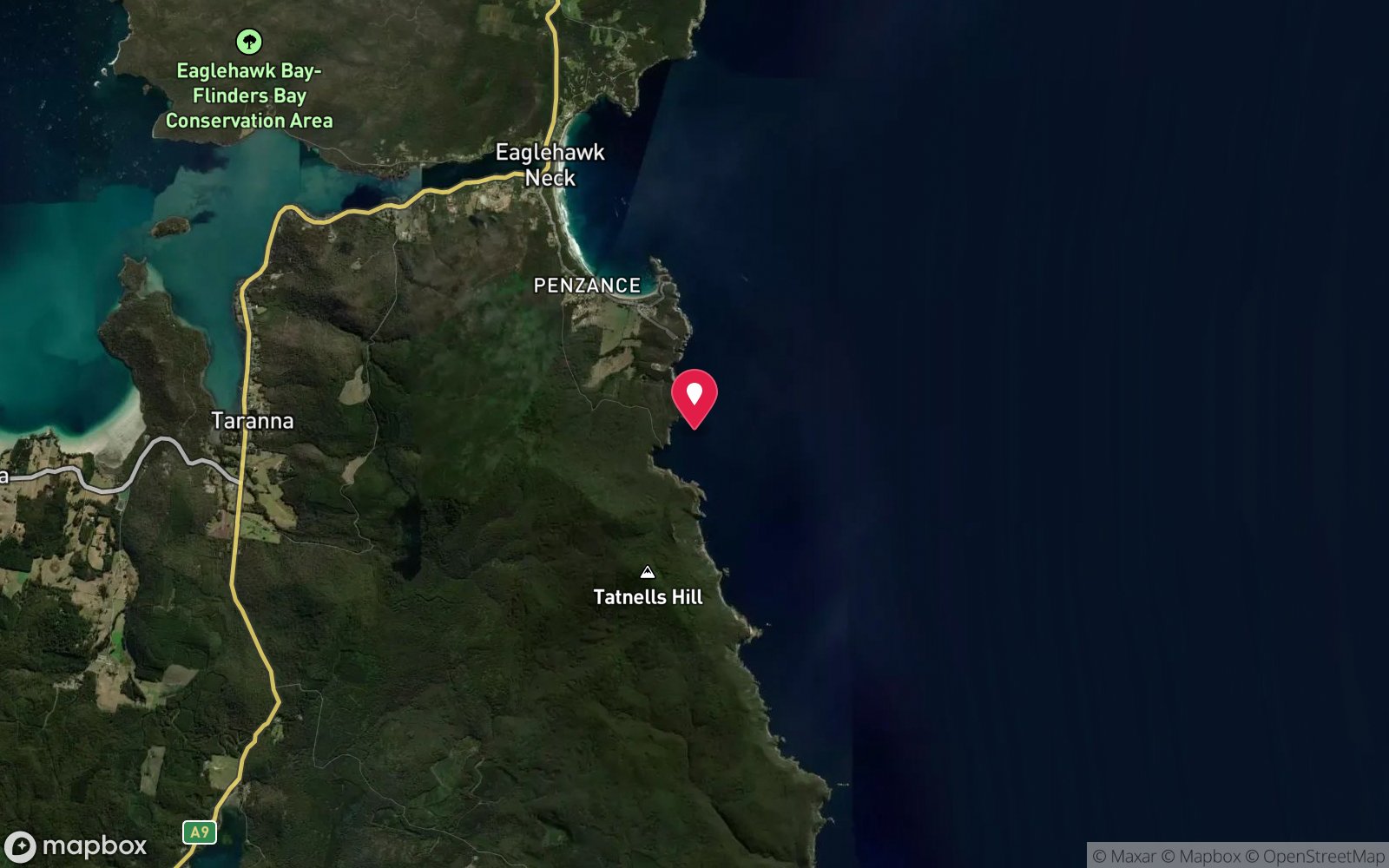
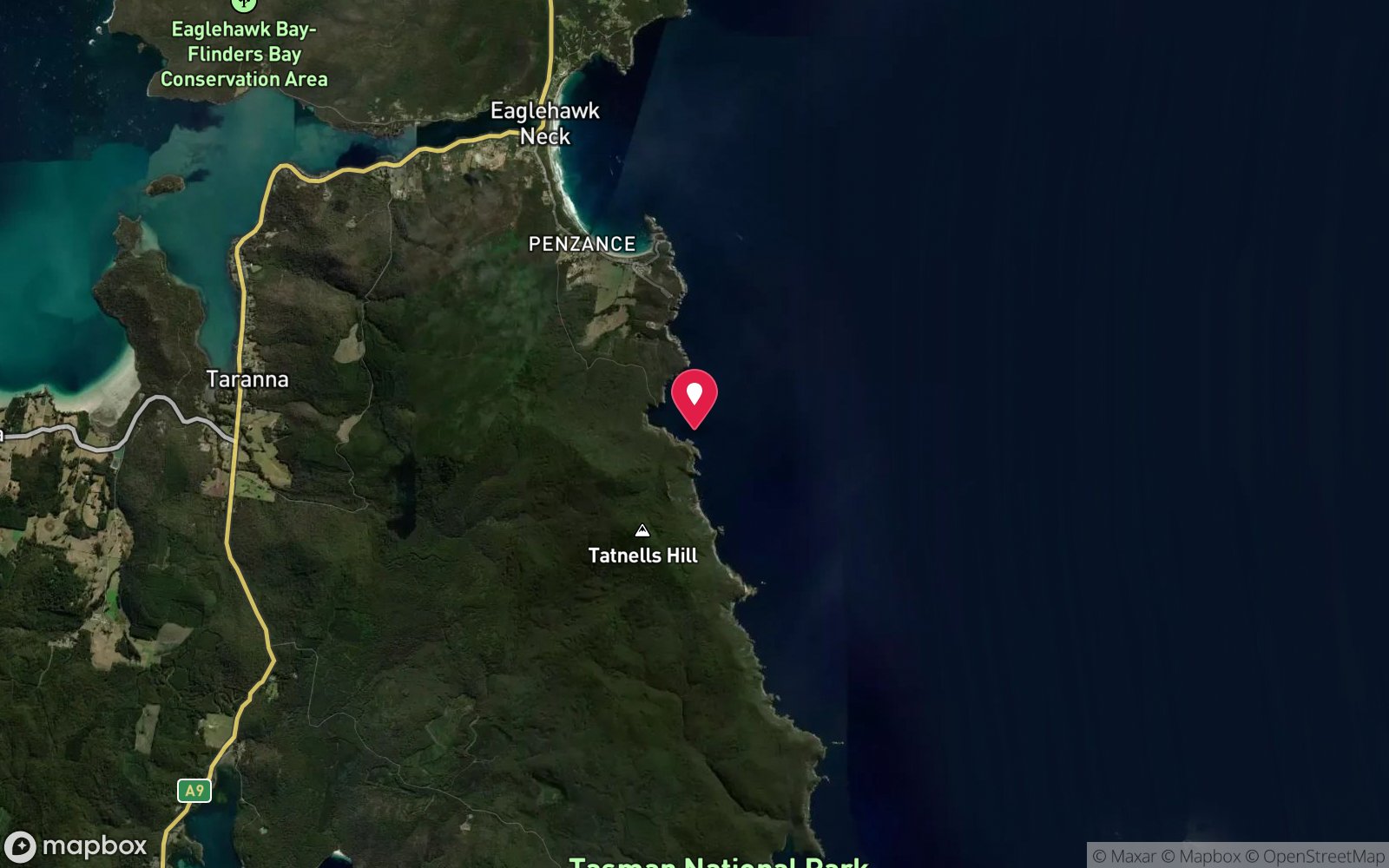
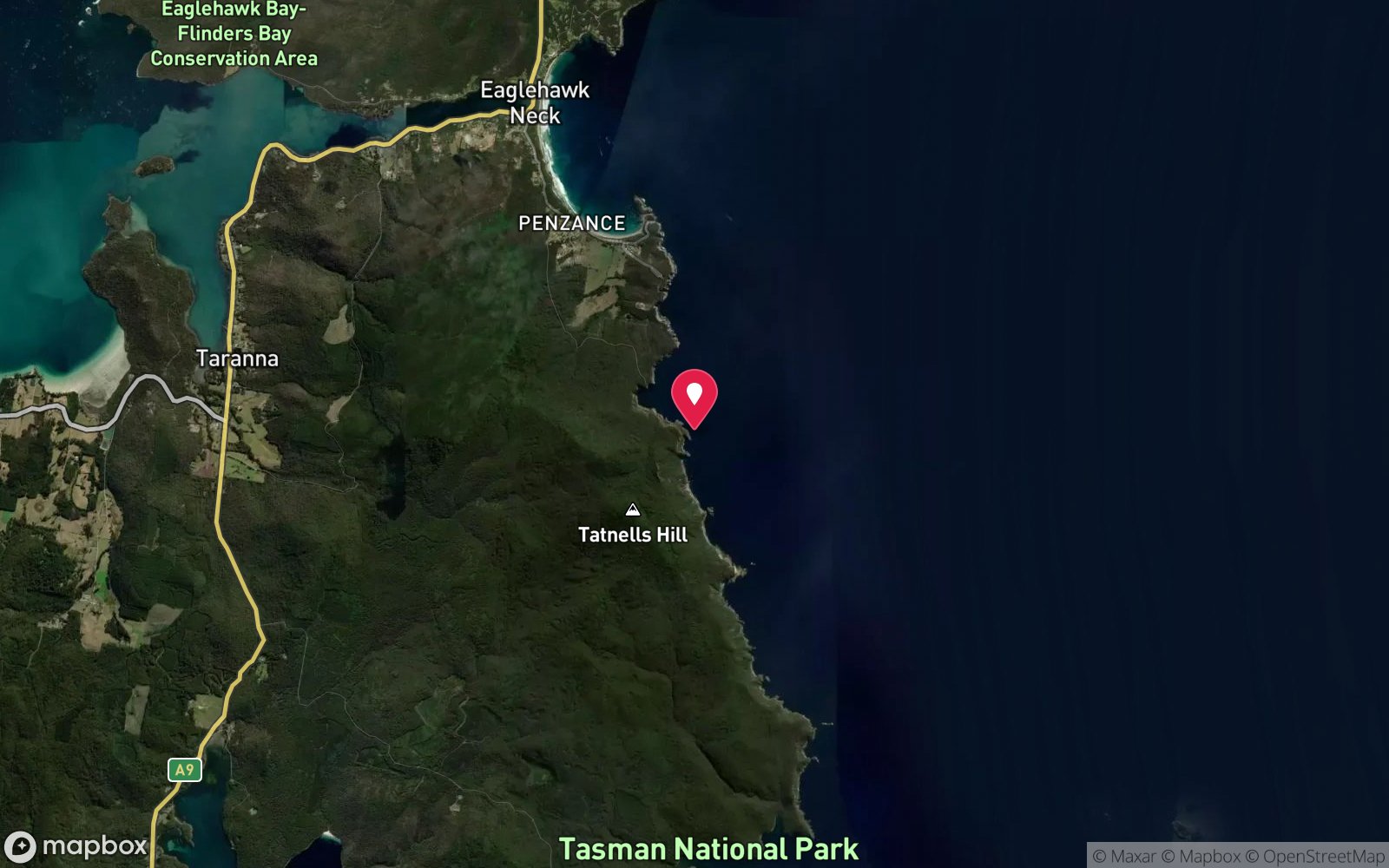
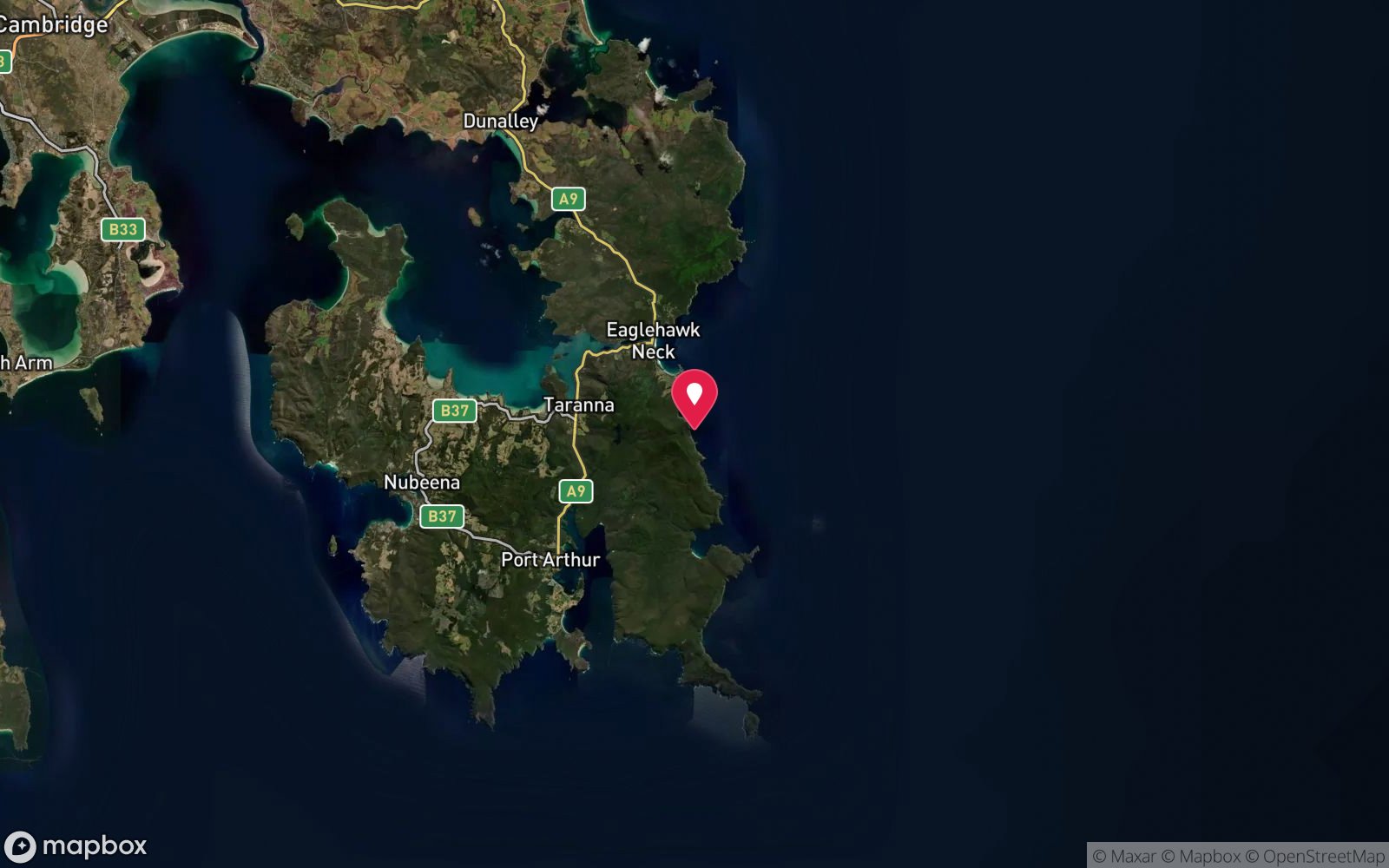
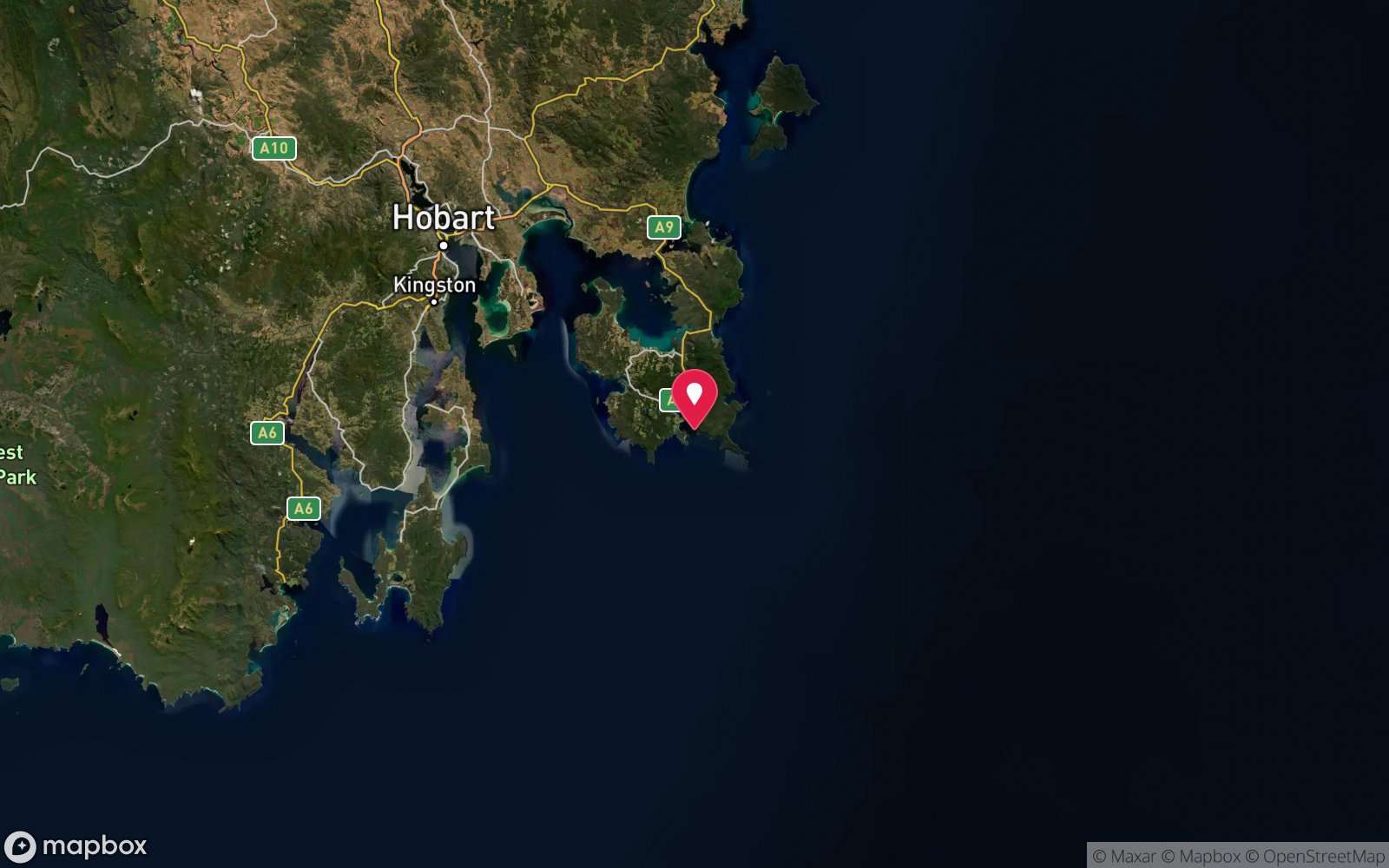
No published coordinates. The map above shows the general area, estimated from other documented sites near Eaglehawk Neck.
Primary source: godivetas.com.auMarine park & permits
No permit required
Nearest recompression chamber
Royal Hobart Hospital Hyperbaric Medicine Unit (Hobart CBD); DAN emergency hotline 1800 088 200
Diving emergency: call 000, then DAN AP 1800 088 200.
Trip planner
Build a trip around The Trident →
A day-by-day plan for Tasman Peninsula with this site locked in.
This guide is a planning aid. Conditions change daily — confirm with a local dive centre and dive within your training. Data & safety notes.
Dive profile
How this site rates
Scores are computed from the recorded data, not opinions. How?
At a glance
The Trident is a reef boat dive in Tasman Peninsula, TAS, 20–40 m, suited to Deep/Advanced + experience divers, variable/tidal current.
Rated advanced because of depth to 40 m, tidal current that must be timed, cold water.
Why dive here
- Deep reef with massive sponges and overhangs from Go Dive Tasmania's site list.
- Visibility often reaches 15-25 m.
Conditions to avoid
- Strong southerly or south-east swell and wind
- Strong westerlies
About The Trident
The Trident is one of the deep reefs on Go Dive Tasmania's list of Tasman Peninsula boat sites. The operator describes it as a deep reef with massive sponges and overhangs, in 20-40 m or more, for divers with Advanced or Deep certification. It belongs to the same family of deep sponge-garden sites that the Eaglehawk Dive Centre describes around both peninsulas: rock walls and pinnacles below about 25 m carpeted in brightly coloured sponges, soft corals and fields of sea whips, with huge schools of butterfly perch.
The overhangs add shaded habitat where jewel anemones, zoanthids and other invertebrates cluster, and rock lobsters and draughtboard sharks shelter. No public description of the site's location or layout exists beyond the operator's summary, so divers should expect a guided briefing on the day. It is a deep, short dive and best suited to divers with recent deep experience, good buoyancy and a conservative approach to gas and decompression in cold water.
Because Go Dive chooses sites daily according to weather, the Trident may or may not be on the plan for any particular trip. Divers who enjoy the sponge gardens at the Sisters or the Thumbs will find a similar experience here, often with fewer boats. Go Dive Tasmania's boat days include two dives with a boat crew, but equipment hire, cylinders and guides are extra and must be arranged through the Hobart shop the day before; divers must carry an SMB.
Nitrox is useful for this depth range if available. Ask at the briefing for the site's layout and plan the dive with your buddy around the operator's depth limits.
Getting there & entry
Deep reef with massive sponges and overhangs, dived by Go Dive Tasmania on its Tasman Peninsula boat days.
Boat access only with Go Dive Tasmania, which meets at The Adventure Lodge (5929 Arthur Highway, Taranna) at 7:30 am and launches from Eaglehawk Neck or Port Arthur depending on conditions, returning around 12:30 pm. The operator does not publish the site's position; it is chosen on the day when conditions suit a deep dive. Taranna is about 1 hour 15 minutes' drive from Hobart via Sorell and Dunalley.
Entry: Back roll or giant stride from charter boat
Weather, swell & tides
The Tasman Peninsula faces the full Southern Ocean and Tasman Sea. South-westerly to south-easterly groundswell and strong easterlies are what cancel trips: operators generally need westerly or north-westerly winds with swell under about 1.5-2 m for the open-coast sites. Prolonged southerly swell pushes surge deep into the caves and gutters and churns visibility; after a big blow allow two or three days to settle.
Late summer and autumn (February-May) bring the most settled windows and the clearest water; winter can be glassy between fronts but fronts arrive every few days.
Best season: Late summer to autumn (February-May) for settled weather and best visibility; diveable year-round between fronts
How the dive is usually run
Descend directly to the reef at 25-30 m, explore the overhangs and the largest sponges, and begin the ascent at no-deco limits with a slow, controlled rise along the reef.
Marine life
- Massive sponges
- sea whips
- soft corals
- jewel anemones
- zoanthids
- butterfly perch
- rock lobster
- draughtboard sharks
- boarfish
Linked species have their own page listing every site where they are recorded. All marine life →
Training required
The recreational limit. Operators expect a Deep Diver specialty or Advanced plus a log of similar dives, and most recommend nitrox.
This is a deep dive: plan gas, bottom time and a safety stop accordingly, and consider nitrox.
Courses that help here
- Enriched Air Nitrox – Longer no-decompression time at 25 m and deeper.
- Deep Diver – The site reaches 40 m.
- Drysuit Diver – Cold water; locals dive dry for much of the year.
Depth tiers: 0–10 m easy · to 18 m Open Water · 18–30 m Advanced (25 m+ is a deep dive) · 30–40 m Deep specialty · 40 m+ technical. All courses
Hazards & warnings
Depth; cold; current; exposed offshore location; SMB mandatory with the operator.
Technical notes
Deep Specialty required by operator for below 30 m.
Dive centres that go here
Go Dive Tasmania – The Trident (20-40 m+, Advanced or Deep) on selected Tasman Peninsula boat days; two-dive trips $145-165.
Operators recorded for The Trident
Other dive centres in Tasman Peninsula
General area
No position has been published for The Trident. The circle shows where it is likely to be, worked out from other documented sites near Eaglehawk Neck. Ask a local operator for the exact site.
Dashed circle: general area (about 10 km), from other documented sites near Eaglehawk Neck. 6 pinned sites. Pins marked approximate on their pages show the general area only; not for navigation.
The Trident: frequently asked questions
How deep is The Trident?
The Trident reaches a maximum depth of 40 m, with the shallowest part at about 20 m; most of the dive is spent around 30 m.
What certification do I need to dive The Trident?
Deep/Advanced + experience is the recommended minimum. This is a deep dive: plan gas, bottom time and a safety stop accordingly, and consider nitrox. Rated advanced because of depth to 40 m, tidal current that must be timed, cold water.
Can I shore dive The Trident?
No, it is reached by boat. A dive centre is required: boat access only.
When is the best time to dive The Trident?
Late summer to autumn (February-May) for settled weather and best visibility; diveable year-round between fronts.
What marine life will I see at The Trident?
Regularly recorded: Massive sponges, sea whips, soft corals, jewel anemones, zoanthids, butterfly perch, rock lobster, draughtboard sharks, boarfish.
What wetsuit do I need at The Trident?
Drysuit strongly recommended year-round; 7 mm semi-dry or two-piece 7 mm wetsuit with hood and gloves is the minimum in summer.
How cold is the water at The Trident?
Typically 14-18 °C in summer and 10-13 °C in winter.
What are the main hazards at The Trident?
Depth; cold; current; exposed offshore location; SMB mandatory with the operator. See the hazards section above for the full list.
Where is the nearest recompression chamber to The Trident?
Royal Hobart Hospital Hyperbaric Medicine Unit (Hobart CBD); DAN emergency hotline 1800 088 200. In an emergency call 000, then DAN Asia-Pacific on 1800 088 200.
Diving in Tasman Peninsula
The Tasman Peninsula has the tallest sea cliffs in the southern hemisphere, and beneath them some of Australia's most dramatic diving: the Cathedral Cave system and Waterfall Bay's caves and wall, the Sisters and Hippolyte Rocks with their fur seals, the Thumbs, and the remnant giant kelp at Fortescue Bay and Munro Bight. Deep sites like the Patersons Arch and the Nord wreck (40 m) reward experienced divers.
Getting there: Ninety minutes from Hobart. A dedicated dive operator at Eaglehawk Neck runs boat dives; Fortescue Bay and Pirates Bay have shore access.
Sources
- godivetas.com.au/pages/dive-sites
- godivetas.com.au/products/boat-dives
- eaglehawkdive.com.au/sponge-garden
Data confidence: Low · Being verified: Location not published; only source is the operator's site list.. Last updated September 2026. Know this site better? How to send a correction