Dive slate · divesites.com.au · printed 9 Nov 2026
Tinderbox Artificial Reef
Hobart & Derwent, Tasmania · near Kingston
| Depth | 8–10 m |
|---|---|
| Minimum level | Open Water |
| Difficulty | Beginner |
| Access | Shore or Boat |
| Entry | Boat from the Tinderbox ramp, or a long surface swim from shore |
| Current | None |
| Visibility | 4-10 m |
| Water | summer 14-18 °C, winter 9-12 °C |
| Suit | Drysuit strongly recommended year-round; 7 mm semi-dry or two-piece 7 mm wetsuit with hood and gloves is the minimum in summer |
| Best season | Late summer to autumn (February-May) for settled weather and best visibility; diveable year-round between fronts |
| Bottom time | 45 min |
| Position | -43.05600, 147.33700 (approximate) |
| Permit | At or near the boundary of Tinderbox Marine Nature Reserve – treat as no-take. |
| Nearest chamber | Royal Hobart Hospital Hyperbaric Medicine Unit (Hobart CBD); DAN emergency hotline 1800 088 200 |
| Emergency | 000 · DAN Asia-Pacific diving emergency 1800 088 200 |
Tinderbox Artificial Reef
Also known as Tinderbox tyre reef
Easy 10 m artificial reef of tyres and car bodies close to the Tinderbox ramp.
Near Kingston · Hobart & Derwent, Tasmania
- Depth
- 8–10 m
- Minimum level
- Open Water
- Access
- Shore or Boat
- Boat ride
- ~3 min
- Water
- 14-18 °C
- Visibility
- 4-10 m
Tinderbox Artificial Reef8–10 m · Open Water · Shore
Dive factsDepths, conditions, location & safety
Season
Off-peak nowBest months: January, February, March, April, May, December.
Late summer to autumn (February-May) for settled weather and best visibility; diveable year-round between fronts
- Best months
- Now (November)
Dive facts
- Depth
- 8–10 m
- Typical depth
- 10 m
- Certification
- Open Water
- Difficulty
- Beginner
- Depth tier
- Easy (0–10 m)
- Access
- Shore or Boat
- Offshore
- 0.2 km
- Dive centre needed
- No – independently diveable
- Shore / independent
- Possible (experienced only)
- Boat ride
- ~3 min
- Current
- None
- Visibility
- 4-10 m
- Water temp (summer)
- 14-18 °C
- Water temp (winter)
- 9-12 °C
- Water
- Cold Temperate
- Bottom time
- 45 min
- Dive traffic
- Moderate (occasional charters/club dives)
- Night dive
- No
- Snorkel friendly
- No
Exposure suit
Drysuit strongly recommended year-round; 7 mm semi-dry or two-piece 7 mm wetsuit with hood and gloves is the minimum in summer
Location
Tinderbox – Kingborough · Hobart & Derwent Estuary
-43.05600, 147.33700
Approximate position — not for navigation.
Open in Google MapsPrimary source: marinelife.org.auMarine park & permits
At or near the boundary of Tinderbox Marine Nature Reserve – treat as no-take.
Nearest recompression chamber
Royal Hobart Hospital Hyperbaric Medicine Unit (Hobart CBD); DAN emergency hotline 1800 088 200
Diving emergency: call 000, then DAN AP 1800 088 200.
Trip planner
Build a trip around Tinderbox Artificial Reef →
A day-by-day plan for Hobart & Derwent with this site locked in.
This guide is a planning aid. Conditions change daily — confirm with a local dive centre and dive within your training. Data & safety notes.
Dive profile
How this site rates
Scores are computed from the recorded data, not opinions. How?
At a glance
Tinderbox Artificial Reef is a artificial reef shore dive for experienced divers in Hobart & Derwent, TAS, 8–10 m, suited to Open Water divers, about 3 minutes by boat.
Rated beginner: sheltered, shallow and manageable for a newly certified diver on a normal day, though note boat traffic overhead and cold water.
Why dive here
- Easy 10 m artificial reef of tyres and car bodies close to the Tinderbox ramp.
Conditions to avoid
- Strong southerly or south-east swell and wind
- Outgoing tide or run-off after rain (poor visibility)
About Tinderbox Artificial Reef
A short distance offshore from the Tinderbox Bay boat ramp lies an artificial reef built from hundreds of bus tyres, a small wooden boat, car bodies and assorted smaller items, dropped onto the sandy bottom in about 10 m to create habitat. The Marine Life Network guide lists it as marked by moorings, about 200 m from the ramp, and describes schools of fish, small crayfish, sponges and coral growths on the structures. Over the years the tyres and debris have become encrusted with sponges, ascidians and other invertebrates, and the hollows provide shelter for fish and crustaceans in an otherwise featureless sand and silt area.
Schools of small fish hover over the piles, leatherjackets and wrasse pick at the growth, and crayfish, crabs and octopus use the cavities. It is an easy, shallow structure dive suited to training and to divers who enjoy poking around artificial habitat. Because it sits near the Tinderbox marine reserve and boat ramp, boat traffic is the main hazard; a dive flag is required, and the return swim from shore is stiff, so most divers use a small boat.
Visibility follows the local pattern: acceptable after dry weather, poor after rain. The reef's value today is partly historical – such tyre reefs are no longer built, as tyres are now recognised as a poor reef material – but the existing structure supports a surprising amount of life. Check whether the site lies inside the current reserve boundary before collecting anything; the safest approach is to take nothing.
Getting there & entry
Artificial reef of bus tyres, cars, a small wooden boat and other material in about 10 m in Tinderbox Bay, about 200 m from the boat ramp and marked by moorings.
Drive to Tinderbox via Kingston, Blackmans Bay and Tinderbox Road/Fergusson Avenue (about 30 minutes from Hobart). The Marine Life Network guide places the reef about 200 m from the Tinderbox Bay boat ramp, marked by moorings. Small boats can reach it in a couple of minutes from the ramp (low tide only); fit divers sometimes swim out, but the return swim is stiff and a dive flag is essential because of boat traffic.
Entry: Boat from the Tinderbox ramp, or a long surface swim from shore
Facilities: Tinderbox Bay car park and small ramp; fills in Kingston or Hobart.
Weather, swell & tides
The Kingborough coast south of Hobart faces east across the lower Derwent and the northern D'Entrecasteaux Channel, so it is sheltered from the prevailing westerlies – the main reason Hobart divers use it year-round. Easterly and south-easterly winds put chop and small swell onto the shore and churn up the sandy bottom; strong southerly swell entering Storm Bay can also wrap in. Heavy rain is the biggest factor for visibility: the Derwent and local creeks carry tannin-stained, silty runoff that can drop visibility to 1-3 m for days.
Tidal flow is weak. Best after dry spells with westerlies, and in the calm mornings of late summer and autumn; night dives are popular year-round.
Best season: Late summer to autumn (February-May) for settled weather and best visibility; diveable year-round between fronts
If it's blown out
Sheltered or shore sites within 25 km that often work when Tinderbox Artificial Reef doesn't.
- Tinderbox Marine Reserve · 0 km · Max 12 m
- Blackmans Bay · 6 km · Max 12 m
- Kingston Beach (Handfish site) · 8 km · Max 8 m
- Fishermans Haul (Lucas Point) · 2 km · Max 5 m
How the dive is usually run
Descend a mooring line to the reef at 10 m, circle the tyre piles and larger items, and look inside the tyres for crayfish and fish. Ascend on the mooring line with a dive flag at the surface.
Marine life
- Schooling small fish
- leatherjackets
- wrasse
- small rock lobster
- crabs
- octopus →
- sponges
- ascidians
- encrusting invertebrates
Linked species have their own page listing every site where they are recorded. All marine life →
Training required
Shallow enough for snorkellers and for a first dive under supervision. Any certified diver can dive it.
Courses that help here
- Drysuit Diver – Cold water; locals dive dry for much of the year.
- Peak Performance Buoyancy – Silt and low visibility punish poor trim.
Depth tiers: 0–10 m easy · to 18 m Open Water · 18–30 m Advanced (25 m+ is a deep dive) · 30–40 m Deep specialty · 40 m+ technical. All courses
Hazards & warnings
Boat traffic around the ramp and moorings – dive flag essential; stiff return swim from shore; entanglement risk inside tyre piles; low visibility after rain.
Dive centres that go here
No scheduled operator trips; used by Hobart club and shop divers for training and fun dives.
Operators recorded for Tinderbox Artificial Reef
Go Dive Tasmania
ListedHobart · Hobart & Derwent · TAS
A Tasmanian business providing training, equipment and service support for cold-water diving.
godivetas.com.au · (03) 6231 9749
Tasmanian Divers North
ListedLaunceston · Tasmania North & North-West · TAS
A northern Tasmanian operation serving the Bass Strait coastline and local diving community.
tasdivers.com.au · (03) 6229 1020
Other dive centres in Hobart & Derwent
Tasmania Tech and Dive Centre
ProfiledHobart & Derwent · TAS
The Tasmanian operation most clearly associated with technical diving services, spanning recreational and technical training with technical gas support.
Tasmanian Divers South
ListedKingston · Hobart & Derwent · TAS
A southern Tasmanian operation serving the Hobart region and surrounding diving.
tasdivers.com.au · (03) 6229 1020
The Dive Shop Hobart
ListedHobart · Hobart & Derwent · TAS
A Hobart equipment and service business supporting local cold-water divers.
thediveshophobart.com.au · (03) 6234 3428
Underwater Adventures Tasmania
Reported closedBattery Point · Bruny Island & D'Entrecasteaux Channel · TAS
Reported permanently closed on Tripadvisor; last reviews 2013; formerly ran from Battery Point jetty (underwateradventures.com.au).
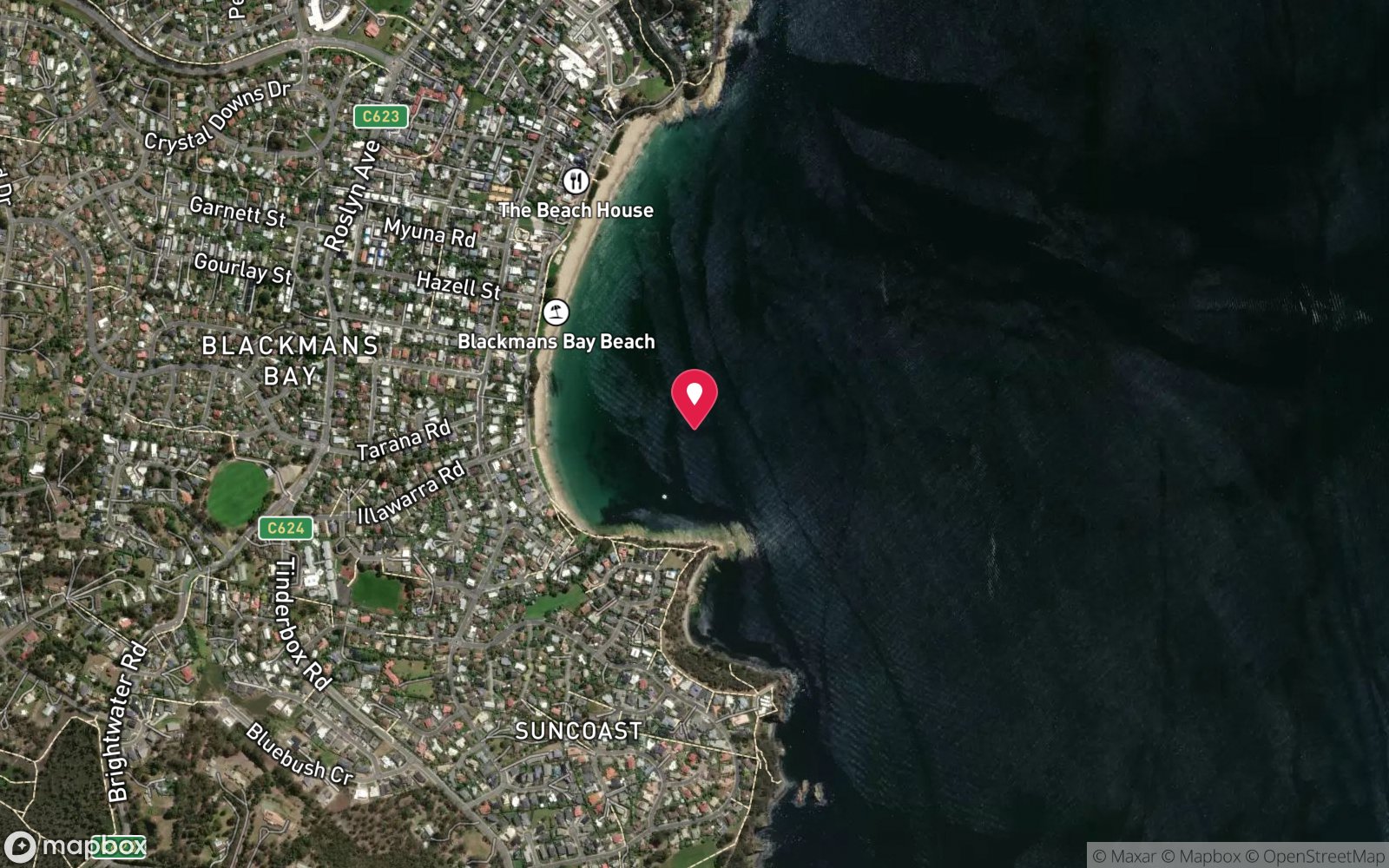
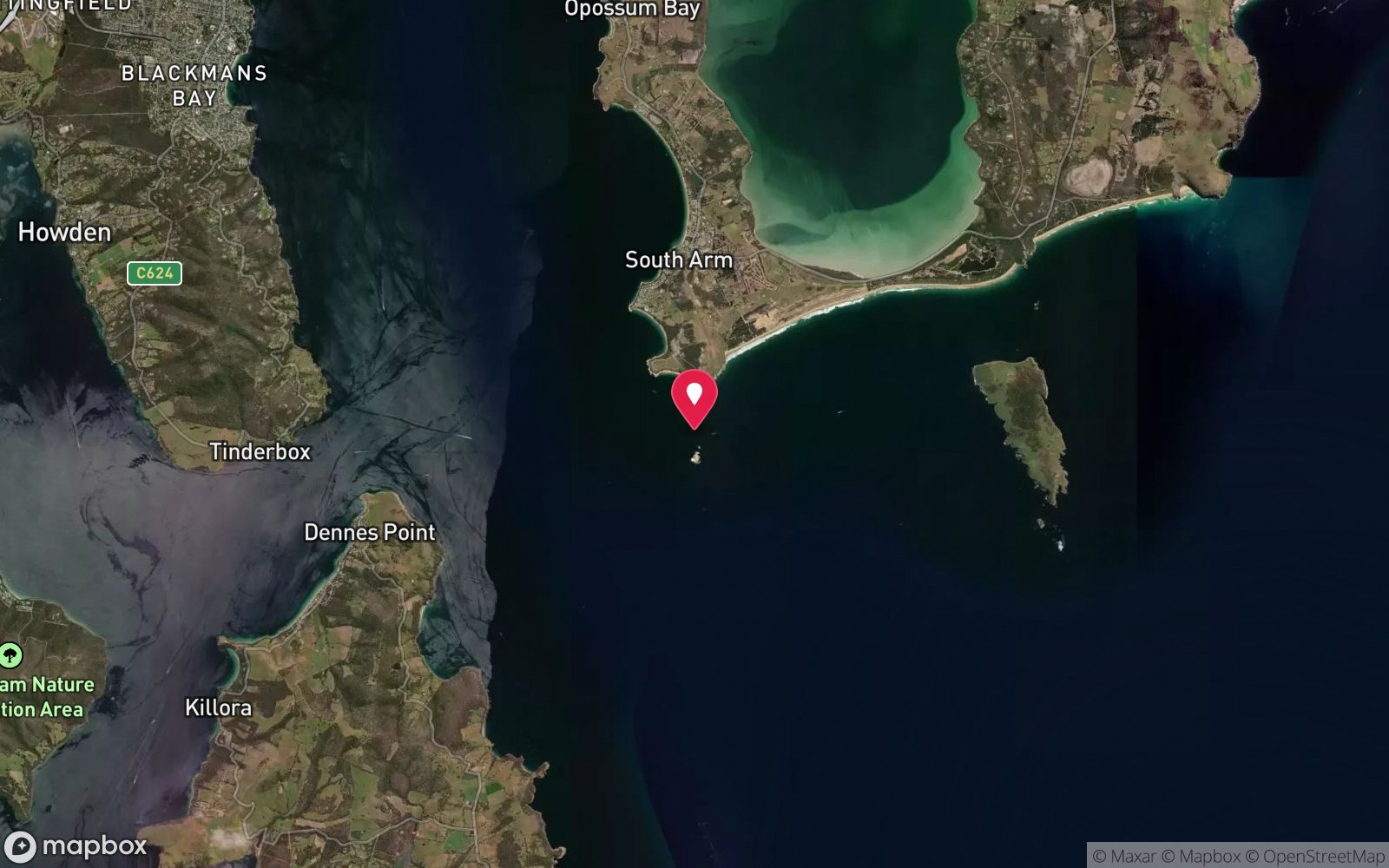
Map
7 pinned sites. Pins marked approximate on their pages show the general area only; not for navigation.
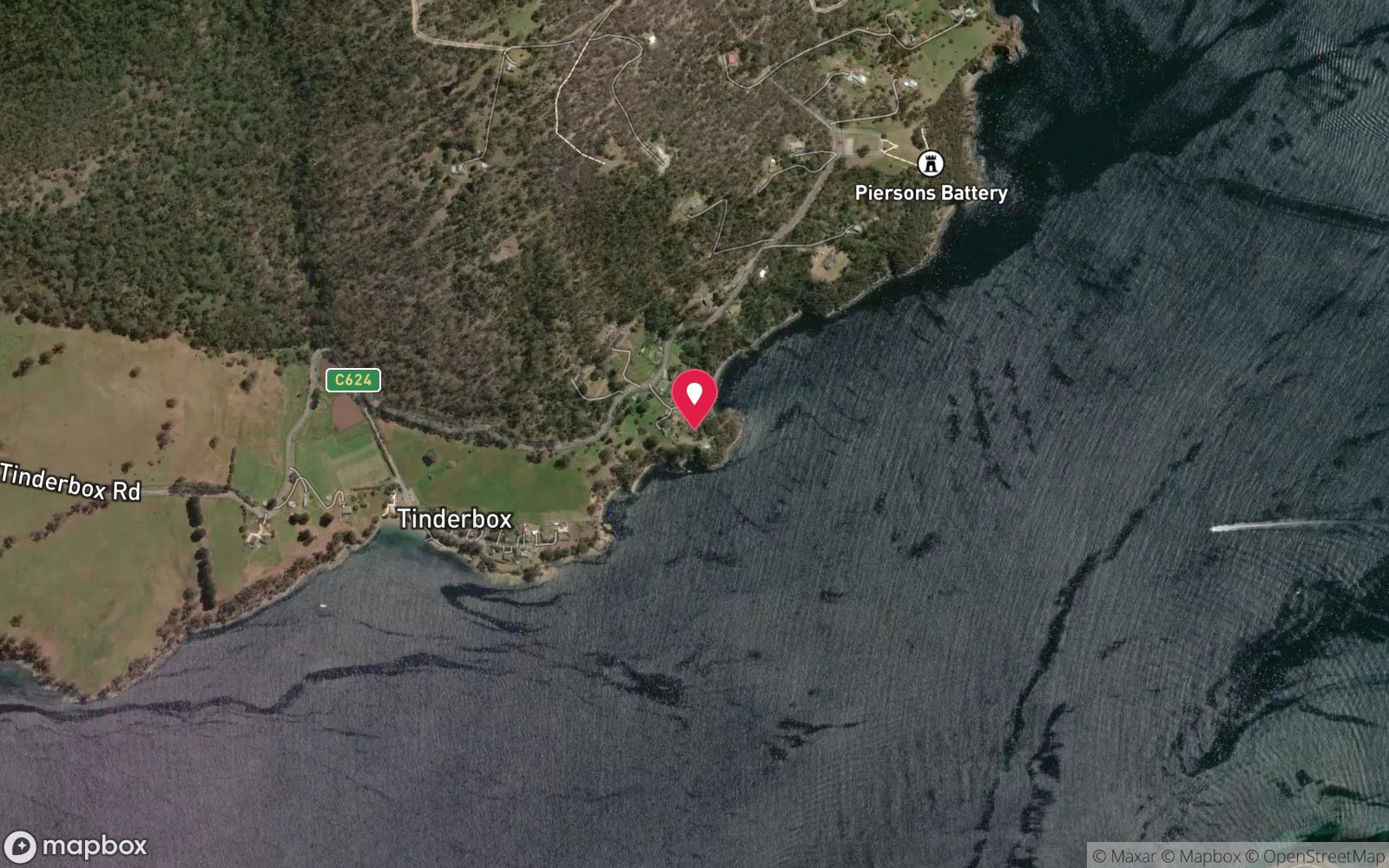
Satellite views
Tinderbox Artificial Reef: frequently asked questions
How deep is Tinderbox Artificial Reef?
Tinderbox Artificial Reef reaches a maximum depth of 10 m, with the shallowest part at about 8 m; most of the dive is spent around 10 m.
What certification do I need to dive Tinderbox Artificial Reef?
Open Water is the recommended minimum. Rated beginner: sheltered, shallow and manageable for a newly certified diver on a normal day, though note boat traffic overhead and cold water.
Can I shore dive Tinderbox Artificial Reef?
Experienced divers do dive Tinderbox Artificial Reef from the shore, but the entry or conditions make it unsuitable for newer divers without local guidance. Entry: Boat from the Tinderbox ramp, or a long surface swim from shore.
When is the best time to dive Tinderbox Artificial Reef?
Late summer to autumn (February-May) for settled weather and best visibility; diveable year-round between fronts.
What marine life will I see at Tinderbox Artificial Reef?
Regularly recorded: Schooling small fish, leatherjackets, wrasse, small rock lobster, crabs, octopus, sponges, ascidians, encrusting invertebrates.
What wetsuit do I need at Tinderbox Artificial Reef?
Drysuit strongly recommended year-round; 7 mm semi-dry or two-piece 7 mm wetsuit with hood and gloves is the minimum in summer.
How cold is the water at Tinderbox Artificial Reef?
Typically 14-18 °C in summer and 9-12 °C in winter.
What are the main hazards at Tinderbox Artificial Reef?
Boat traffic around the ramp and moorings – dive flag essential; stiff return swim from shore; entanglement risk inside tyre piles; low visibility after rain. See the hazards section above for the full list.
Where is the nearest recompression chamber to Tinderbox Artificial Reef?
Royal Hobart Hospital Hyperbaric Medicine Unit (Hobart CBD); DAN emergency hotline 1800 088 200. In an emergency call 000, then DAN Asia-Pacific on 1800 088 200.
Diving in Hobart & Derwent
Hobart has the Tinderbox Marine Reserve, with its snorkel trail, weedy seadragons and easy shore access, the Derwent's wrecks and the Alma dredge, the Blackmans Bay and Kingston reefs, and the Iron Pot at the river mouth. Water is 11–17 °C and visibility improves quickly downstream of the city.
Getting there: All within 30–40 minutes of the city with shore entries; Hobart dive shops run charters and hire drysuits.
Sources
Data confidence: Low · Being verified: Current condition and whether moorings remain are unconfirmed; coordinates approximate.. Last updated September 2026. Know this site better? How to send a correction
Nearby dive sites
More artificial reef dives in Tasmania
Explore more