Dive slate · divesites.com.au · printed 9 Nov 2026
Urunga foreshore / Bellinger-Kalang river mouth
Nambucca & Urunga, New South Wales · near Urunga
| Depth | 1–6 m |
|---|---|
| Minimum level | Open Water |
| Difficulty | Beginner |
| Access | Shore |
| Entry | Walk-in from the lagoon foreshore or breakwall at high tide |
| Current | Variable/Tidal |
| Visibility | 2-6 m |
| Water | summer 23-26 °C, winter 17-20 °C |
| Suit | 3-5 mm full suit |
| Best season | High tide on a dry, settled spell |
| Bottom time | 35 min |
| Position | -30.50300, 153.00500 (approximate) |
| Permit | Cape Byron Marine Park / Solitary Islands Marine Park zoning applies – check current sanctuary/habitat protection zone boundaries before diving or spearfishing |
| Nearest chamber | Prince of Wales Hospital (Randwick, Sydney) |
| Emergency | 000 · DAN Asia-Pacific diving emergency 1800 088 200 |
Urunga foreshore / Bellinger-Kalang river mouth
Also known as Urunga boardwalk, Urunga lagoon
A shallow, sheltered river-mouth lagoon better suited to snorkelling and kayaking than scuba diving, notable mainly for the adjacent Urunga boardwalk.
Near Urunga · Nambucca & Urunga, New South Wales
- Depth
- 1–6 m
- Minimum level
- Open Water
- Access
- Shore
- Boat ride
- Shore entry
- Water
- 23-26 °C
- Visibility
- 2-6 m
Urunga foreshore / Bellinger-Kalang river mouth1–6 m · Open Water · Shore
Dive factsDepths, conditions, location & safety
Season
Off-peak nowBest months: May, June, July, August, September, October.
High tide on a dry, settled spell
- Best months
- Now (November)
- Stinger suit Nov–May
Dive facts
- Depth
- 1–6 m
- Typical depth
- 4 m
- Certification
- Open Water
- Difficulty
- Beginner
- Depth tier
- Easy (0–10 m)
- Access
- Shore
- Offshore
- 0 km
- Dive centre needed
- No – independently diveable
- Shore / independent
- Yes
- Current
- Variable/Tidal
- Visibility
- 2-6 m
- Water temp (summer)
- 23-26 °C
- Water temp (winter)
- 17-20 °C
- Water
- Subtropical
- Bottom time
- 35 min
- Dive traffic
- Rarely dived (private boat/club only)
- Night dive
- Possible
- Snorkel friendly
- Yes
Exposure suit
3-5 mm full suit
Location
Urunga · NSW Mid North Coast – Nambucca / Urunga
-30.50300, 153.00500
Approximate position — not for navigation.
Open in Google MapsPrimary source: visitnsw.comMarine park & permits
Cape Byron Marine Park / Solitary Islands Marine Park zoning applies – check current sanctuary/habitat protection zone boundaries before diving or spearfishing
Nearest recompression chamber
Prince of Wales Hospital (Randwick, Sydney)
Diving emergency: call 000, then DAN AP 1800 088 200.
Trip planner
Build a trip around Urunga foreshore / Bellinger-Kalang river mouth →
A day-by-day plan for Nambucca & Urunga with this site locked in.
This guide is a planning aid. Conditions change daily — confirm with a local dive centre and dive within your training. Data & safety notes.
Dive profile
How this site rates
Scores are computed from the recorded data, not opinions. How?
At a glance
Urunga foreshore / Bellinger-Kalang river mouth is a shore / rock platform shore dive you can do independently in Nambucca & Urunga, NSW, 1–6 m, suited to Open Water divers, variable/tidal current.
Rated beginner: sheltered, shallow and manageable for a newly certified diver on a normal day, though note tidal current that must be timed.
Why dive here
- A shallow, sheltered river-mouth lagoon better suited to snorkelling and kayaking than scuba diving, notable mainly for the adjacent Urunga boardwalk.
- Snorkel-friendly, so non-diving companions can join at the surface.
- Rarely dived: expect to have the site to yourself, and plan your own logistics.
Conditions to avoid
- Outgoing tide or run-off after rain (poor visibility)
About Urunga foreshore / Bellinger-Kalang river mouth
Urunga sits at the unusual confluence of two rivers, the Bellinger and the Kalang, which combine in a broad tidal lagoon before reaching the ocean, and the town is far better known for its boardwalk over this estuary — one of the more distinctive short coastal walks on the NSW Mid North Coast — than for any scuba diving. The shallow, sheltered water of the lagoon and river mouth can technically be dived at high tide, but this is genuinely a snorkel- and kayak-oriented environment rather than an established scuba site, with depths rarely exceeding 6 m even in the deeper channels. For anyone who does explore it with scuba gear, the appeal is similar to other sheltered NSW estuaries: seagrass beds and sand flats support rays, small estuarine fish species, and the kind of juvenile recruitment seen in river systems further north, along with occasional sightings of larger fish moving in and out with the tide.
Visibility is typically poor by ocean standards, generally 2-6 m and highly dependent on how much rain has recently fallen in the Bellinger and Kalang catchments upstream, both of which drain a substantial area of hinterland. Urunga is included in this survey primarily for completeness, since it lies directly on the coastal route between Coffs Harbour and Nambucca Heads, but honest expectations should be set: this is not a site with any dive-shop presence, published site guide or established reputation among divers, and it functions far better as a place to snorkel, kayak or simply enjoy the boardwalk than as a scuba destination. Anyone wanting a genuine dive in this area is better served travelling the short distance to Coffs Harbour's Mutton Bird Island or further to the Solitary Islands.
Getting there & entry
Sheltered tidal shore dive around the combined Bellinger and Kalang river mouth and lagoon at Urunga, between Coffs Harbour and Nambucca Heads, best known for its boardwalk and mangrove estuary rather than ocean reef diving.
From Urunga township, walk to the river mouth/lagoon area near the well-known Urunga boardwalk over the estuary. Park at the foreshore reserve and enter from the sand or rock edge of the lagoon at high tide; this is a sheltered estuarine entry rather than an ocean beach dive.
Entry: Walk-in from the lagoon foreshore or breakwall at high tide
Weather, swell & tides
This is a sheltered estuarine site rather than an ocean dive, so swell is not a factor, but tidal current through the combined Bellinger-Kalang river mouth can be significant on the outgoing tide, and visibility is typically low and highly dependent on recent rainfall in both river catchments.
Best season: High tide on a dry, settled spell
If it's blown out
Sheltered or shore sites within 25 km that often work when Urunga foreshore / Bellinger-Kalang river mouth doesn't.
- Boambee Beach reef · 15 km · Max 12 m
- Nambucca Heads – Bolwarra / V-Wall shore dive · 16 km · Max 10 m
- Nambucca Heads – V-Wall / Bolwarra shore dive · 16 km · Max 10 m
- Shelly Beach (Nambucca Heads) · 17 km · Max 12 m
How the dive is usually run
Enter at high tide from the lagoon foreshore, explore the shallow sand-and-seagrass bottom at 1-4 m for rays and small estuarine fish, and exit before the tide turns.
Marine life
- Rays
- small estuarine and juvenile fish species
- seagrass-associated invertebrates
Linked species have their own page listing every site where they are recorded. All marine life →
Training required
Shallow enough for snorkellers and for a first dive under supervision. Any certified diver can dive it.
Depth tiers: 0–10 m easy · to 18 m Open Water · 18–30 m Advanced (25 m+ is a deep dive) · 30–40 m Deep specialty · 40 m+ technical. All courses
Hazards & warnings
Tidal current on the outgoing tide; very limited visibility, especially after rain; not an established dive site.
Dive centres that go here
No dive centre based in Urunga; the estuary is more commonly snorkelled or explored by kayak than scuba dived, given its shallow depth.
Map
7 pinned sites. Pins marked approximate on their pages show the general area only; not for navigation.
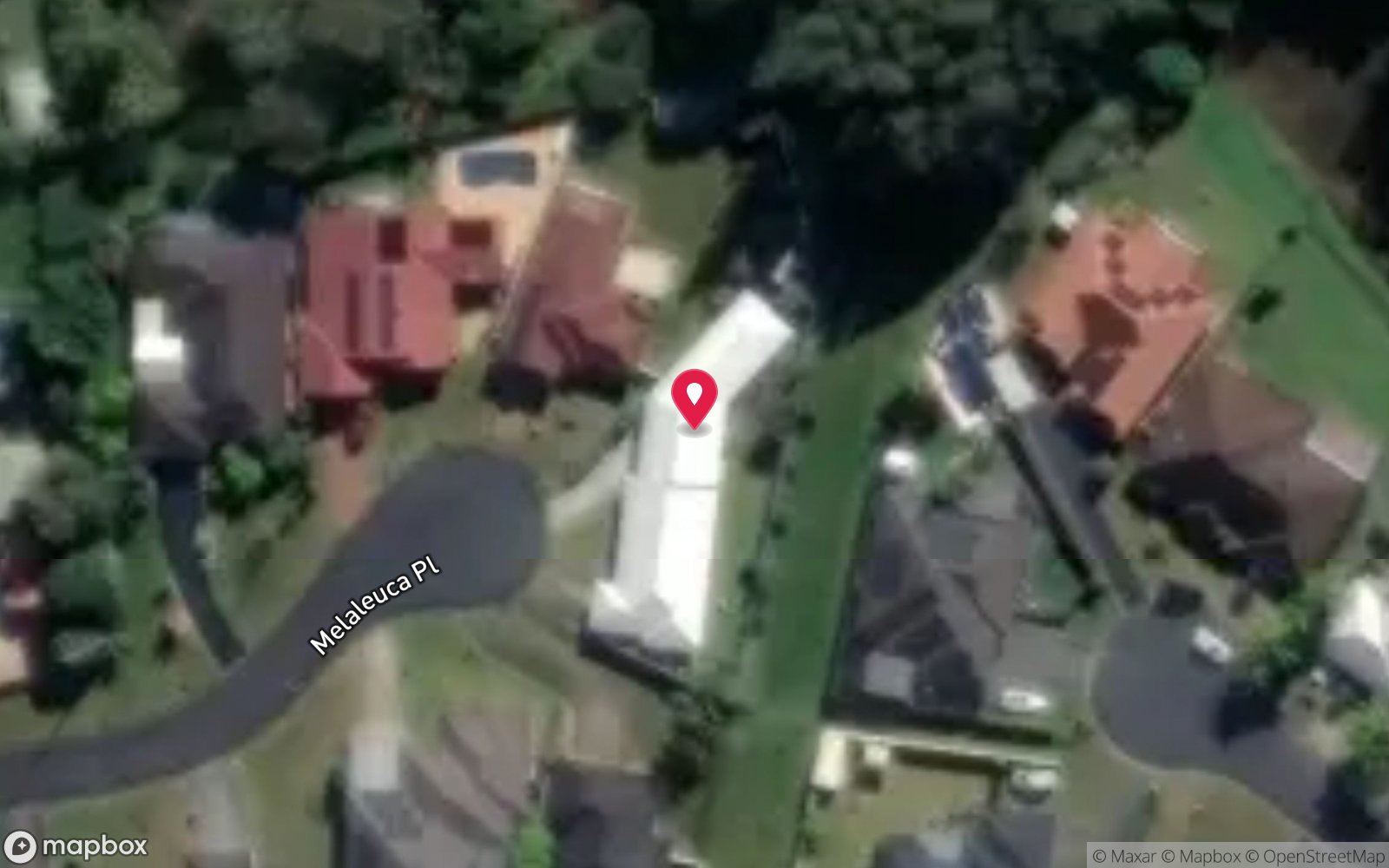
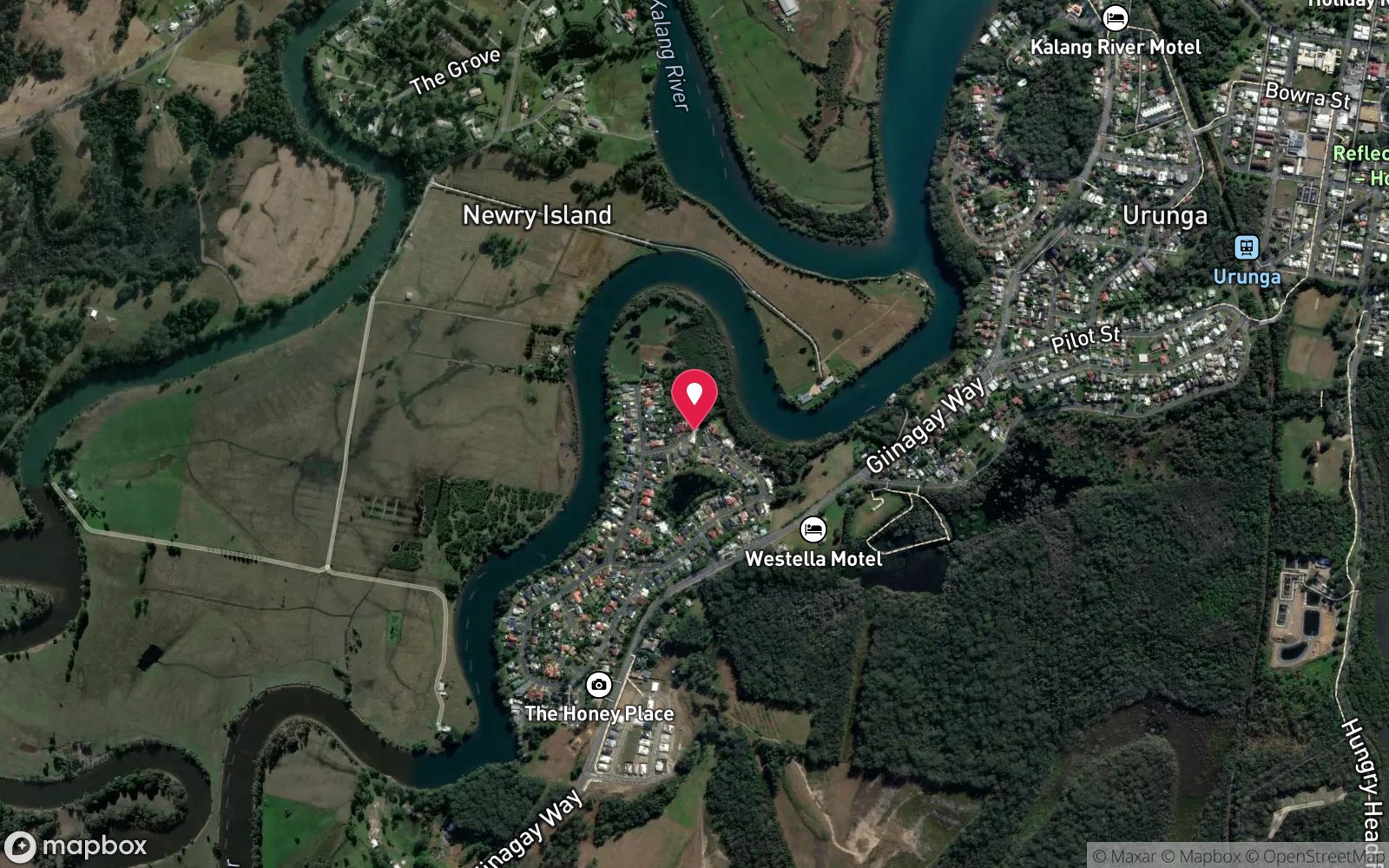
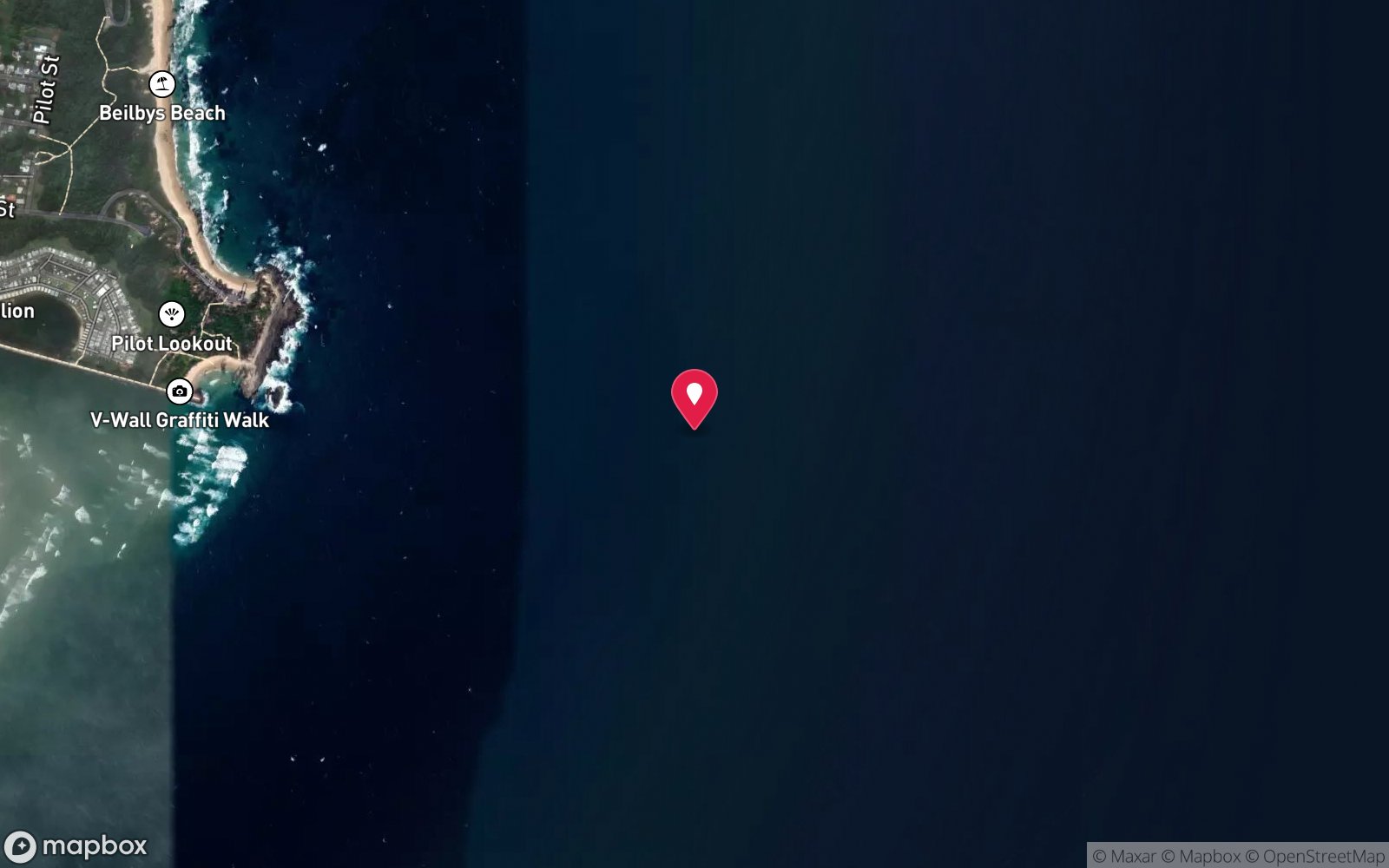
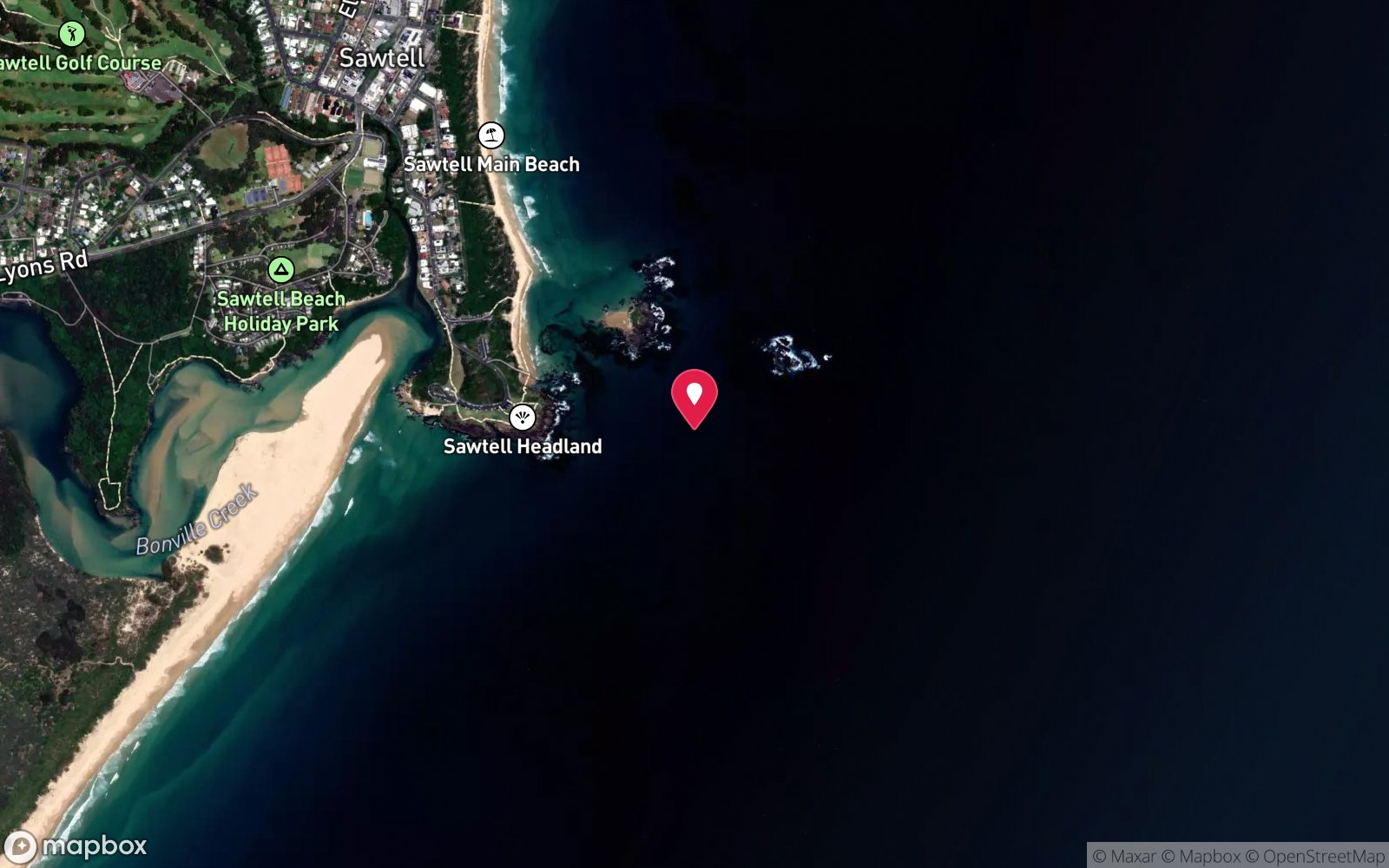
Satellite views
Urunga foreshore / Bellinger-Kalang river mouth: frequently asked questions
How deep is Urunga foreshore / Bellinger-Kalang river mouth?
Urunga foreshore / Bellinger-Kalang river mouth reaches a maximum depth of 6 m, with the shallowest part at about 1 m; most of the dive is spent around 4 m.
What certification do I need to dive Urunga foreshore / Bellinger-Kalang river mouth?
Open Water is the recommended minimum. Rated beginner: sheltered, shallow and manageable for a newly certified diver on a normal day, though note tidal current that must be timed.
Can I shore dive Urunga foreshore / Bellinger-Kalang river mouth?
Yes. Urunga foreshore / Bellinger-Kalang river mouth is a shore dive that can be done independently: walk-in from the lagoon foreshore or breakwall at high tide.
When is the best time to dive Urunga foreshore / Bellinger-Kalang river mouth?
High tide on a dry, settled spell.
What marine life will I see at Urunga foreshore / Bellinger-Kalang river mouth?
Regularly recorded: Rays, small estuarine and juvenile fish species, seagrass-associated invertebrates.
What wetsuit do I need at Urunga foreshore / Bellinger-Kalang river mouth?
3-5 mm full suit.
How cold is the water at Urunga foreshore / Bellinger-Kalang river mouth?
Typically 23-26 °C in summer and 17-20 °C in winter.
What are the main hazards at Urunga foreshore / Bellinger-Kalang river mouth?
Tidal current on the outgoing tide; very limited visibility, especially after rain; not an established dive site. See the hazards section above for the full list.
Where is the nearest recompression chamber to Urunga foreshore / Bellinger-Kalang river mouth?
Prince of Wales Hospital (Randwick, Sydney). In an emergency call 000, then DAN Asia-Pacific on 1800 088 200.
Diving in Nambucca & Urunga
Nambucca Heads and Urunga have small, sheltered shore dives: the Nambucca breakwall and V-Wall, Shelly Beach and the Urunga boardwalk lagoon. They are good beginner and training sites rather than destinations.
Getting there: Between Coffs Harbour and Port Macquarie; walk-in entries with parking.
All Nambucca & Urunga dive sites and a suggested itinerary →
Sources
Data confidence: Low · Being verified: Included for geographic completeness; this is not a documented scuba dive site and details are inferred from the estuary's general character.. Last updated September 2026. Know this site better? How to send a correction
Nearby dive sites
More shore dives in New South Wales
Explore more
This region
Similar dives