Dive slate · divesites.com.au · printed 9 Nov 2026
Wild Banks Artificial Reef
Brisbane & Moreton Bay, Queensland · near Bribie Island / Caloundra
| Depth | Max 35 m |
|---|---|
| Minimum level | Deep/Advanced + experience |
| Difficulty | Advanced |
| Access | Boat |
| Entry | Giant stride or back roll from charter boat |
| Current | Variable/Tidal |
| Visibility | 10-25 m |
| Water | summer 24-27 °C, winter 19-21 °C |
| Suit | 3-5 mm full wetsuit in summer; 5-7 mm with hood in winter |
| Best season | Year-round; winter (May-October) usually brings the clearest water and calmest mornings |
| Position | not published |
| Permit | Moreton Bay Marine Park artificial reef rules: anchoring prohibited; spearfishing allowed (max 12 m); snorkelling allowed; diving prohibited |
| Nearest chamber | Royal Brisbane & Women's Hospital Hyperbaric Medicine Service (Herston, Brisbane); Wesley Centre for Hyperbaric Medicine (Auchenflower, Brisbane) as alternative |
| Emergency | 000 · DAN Asia-Pacific diving emergency 1800 088 200 |
Wild Banks Artificial Reef
Also known as Wild Banks fish caves
Eleven-metre-tall steel fish caves in 35 m of blue water that draw pelagic fish – a freediving and fishing reef where scuba is prohibited.
Near Bribie Island / Caloundra · Brisbane & Moreton Bay, Queensland
- Depth
- Max 35 m
- Minimum level
- Deep/Advanced + experience
- Access
- Boat
- Boat ride
- —
- Water
- 24-27 °C
- Visibility
- 10-25 m
Wild Banks Artificial ReefMax 35 m · Deep/Advanced + experience
Dive factsDepths, conditions, location & safety
Season
Off-peak nowBest months: May, June, July, August, September, October.
Year-round; winter (May-October) usually brings the clearest water and calmest mornings
- Best months
- Now (November)
- Stinger suit Nov–May
Dive facts
- Depth
- Max 35 m
- Typical depth
- 35 m
- Certification
- Deep/Advanced + experience
- Difficulty
- Advanced
- Depth tier
- Deep / Advanced + experience (30–40 m)
- Access
- Boat
- Dive centre needed
- No – independently diveable
- Shore / independent
- No
- Current
- Variable/Tidal
- Visibility
- 10-25 m
- Water temp (summer)
- 24-27 °C
- Water temp (winter)
- 19-21 °C
- Water
- Subtropical
- Dive traffic
- Rarely dived (private boat/club only)
- Night dive
- No
- Snorkel friendly
- Partial
Exposure suit
3-5 mm full wetsuit in summer; 5-7 mm with hood in winter
Location
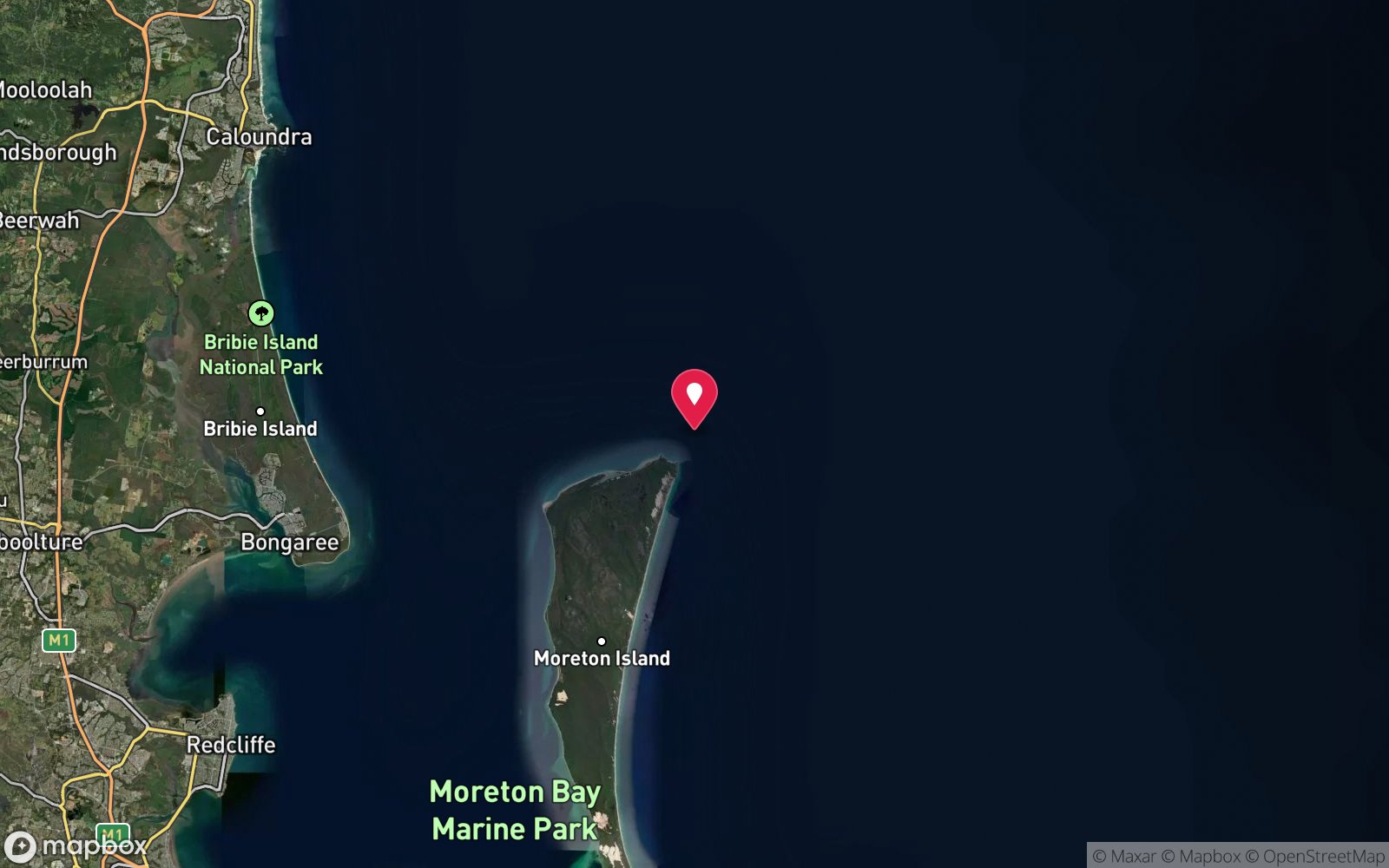
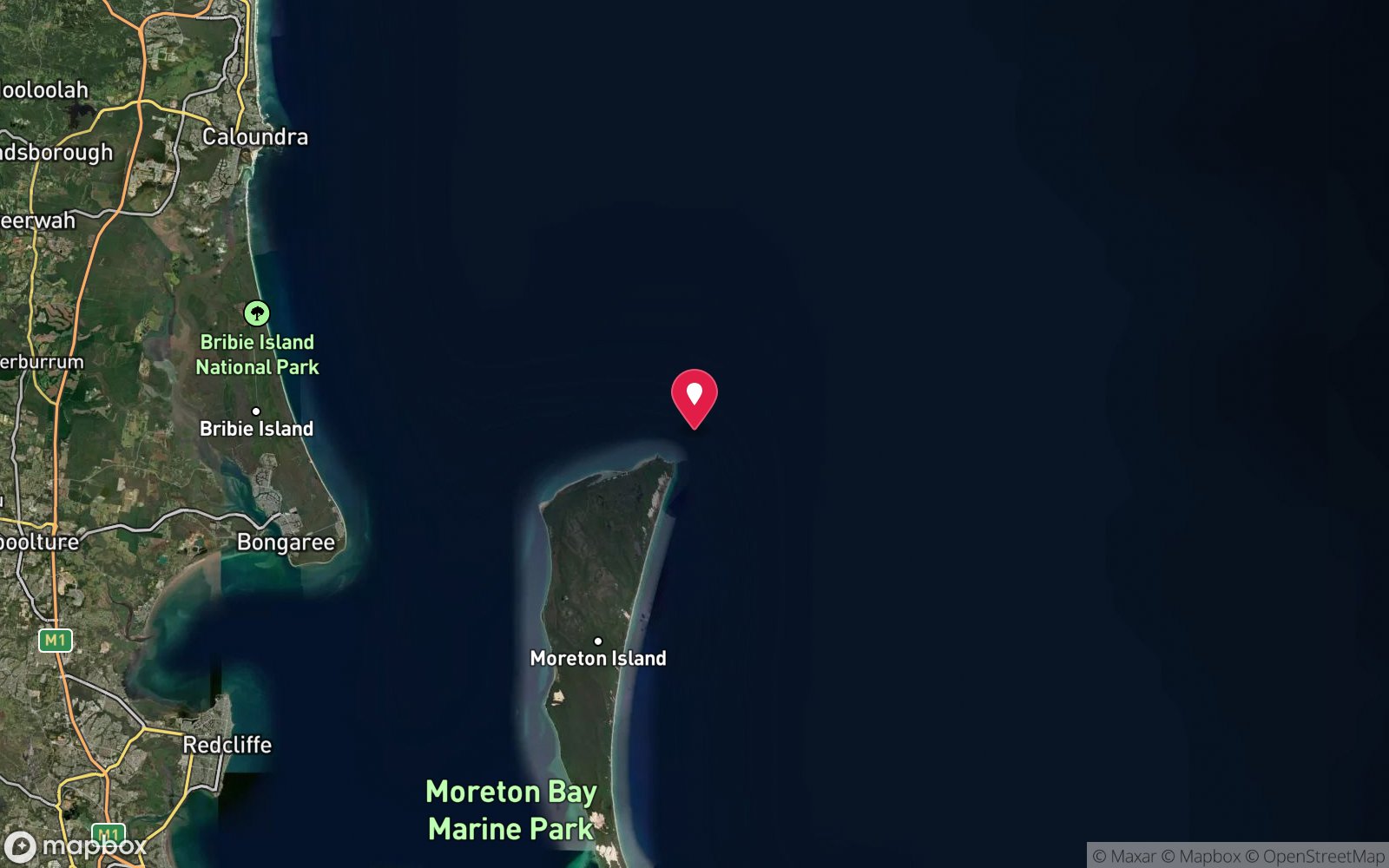
Offshore Bribie Island · Brisbane – Moreton Bay (Bribie offshore)
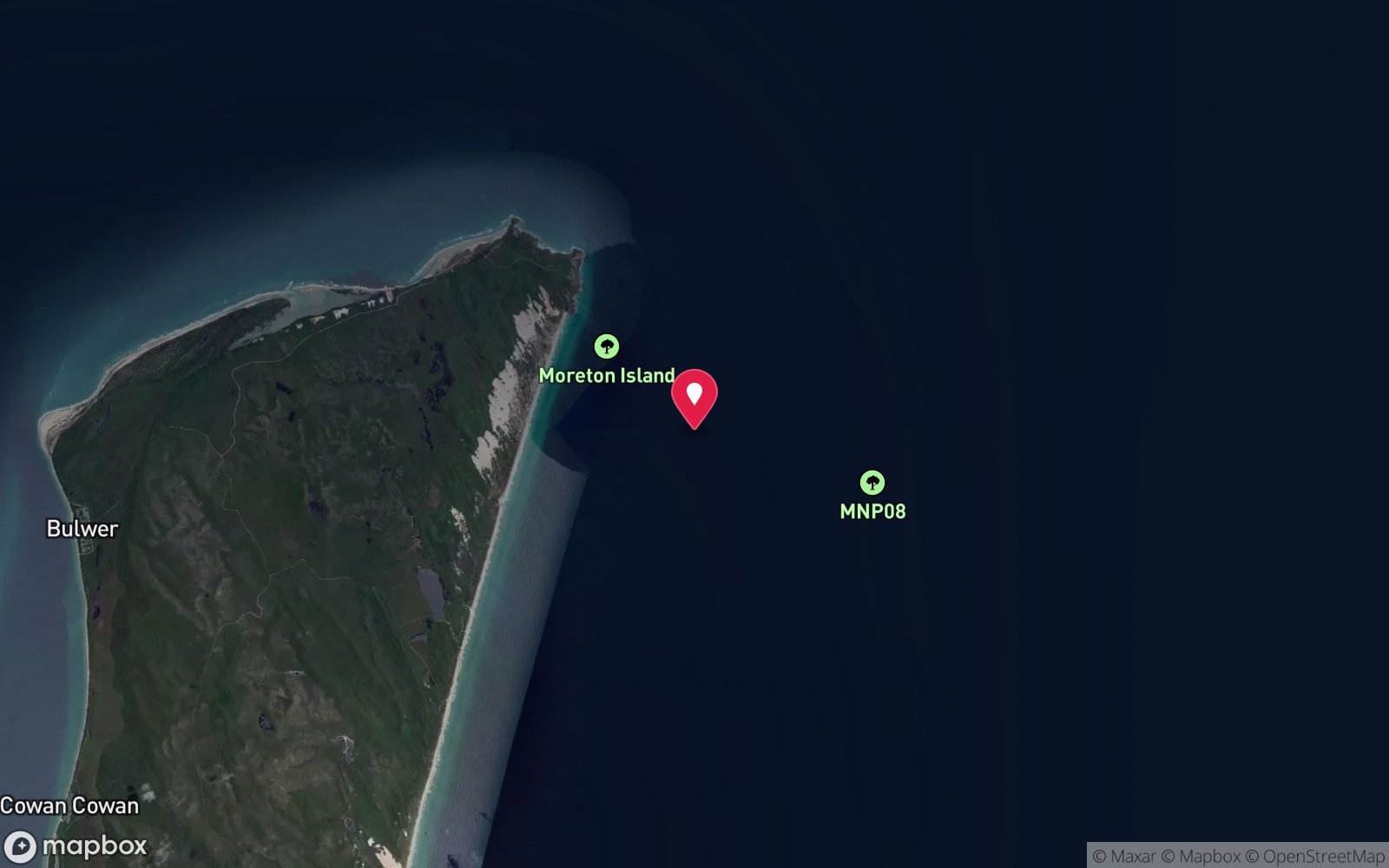
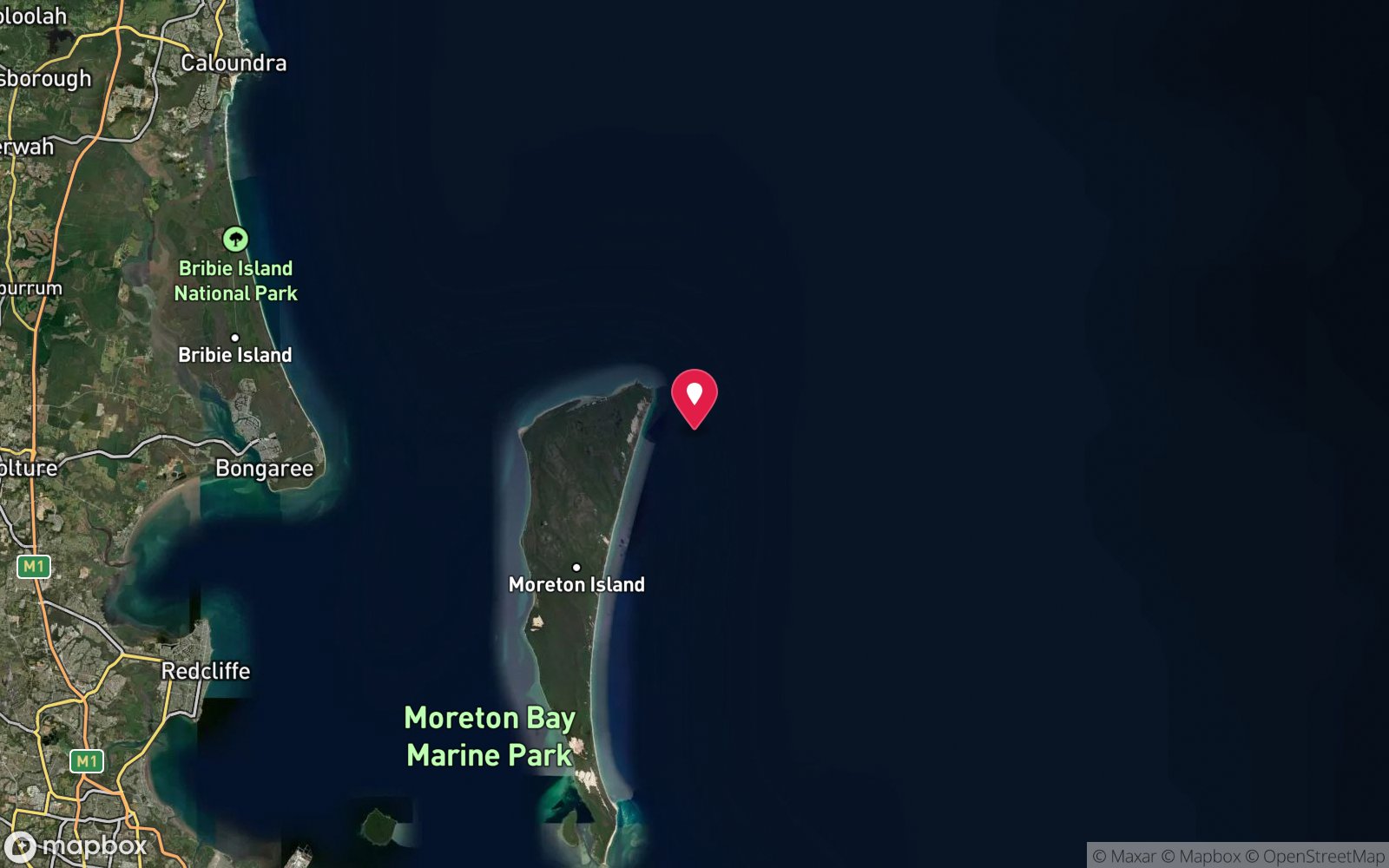
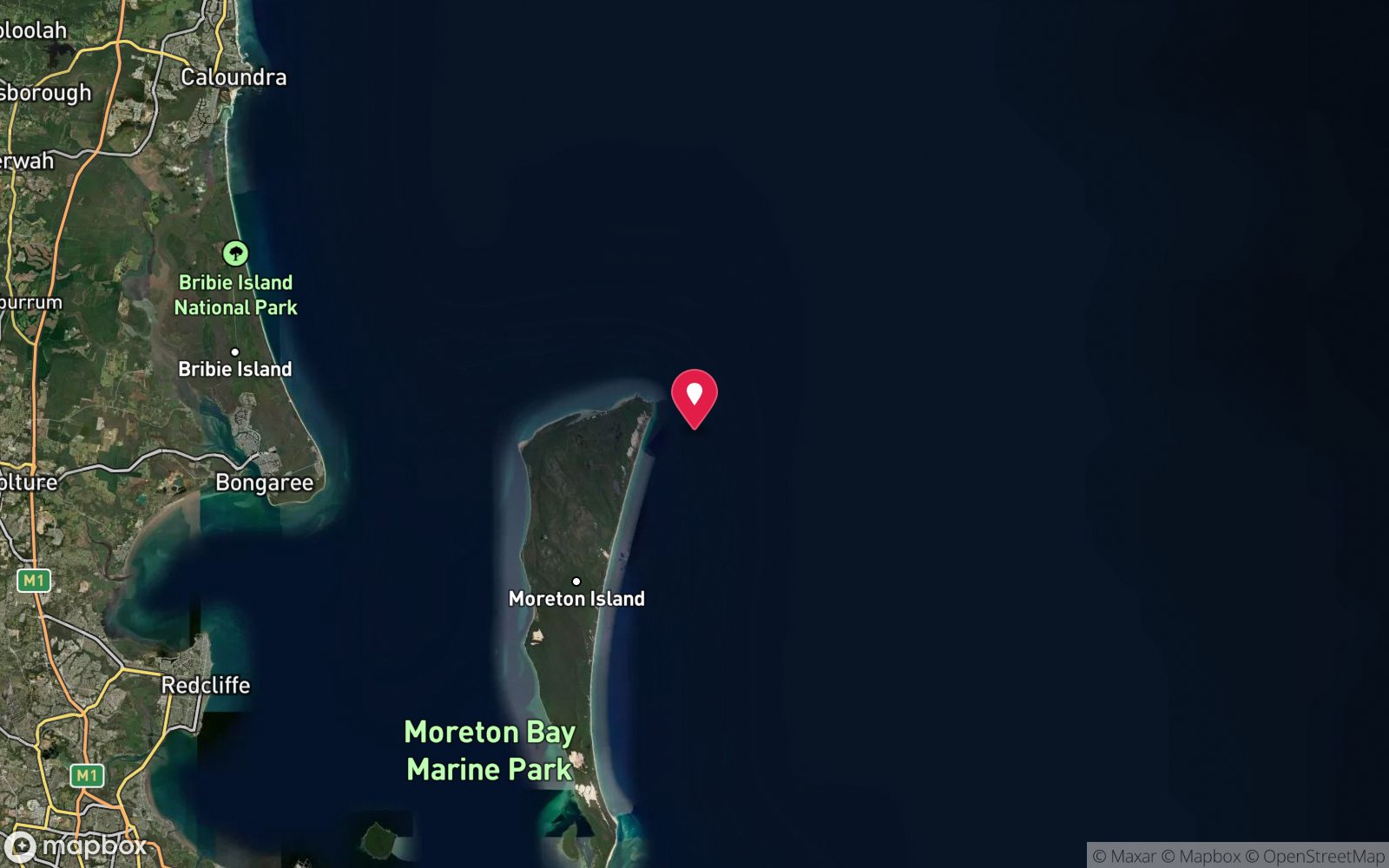
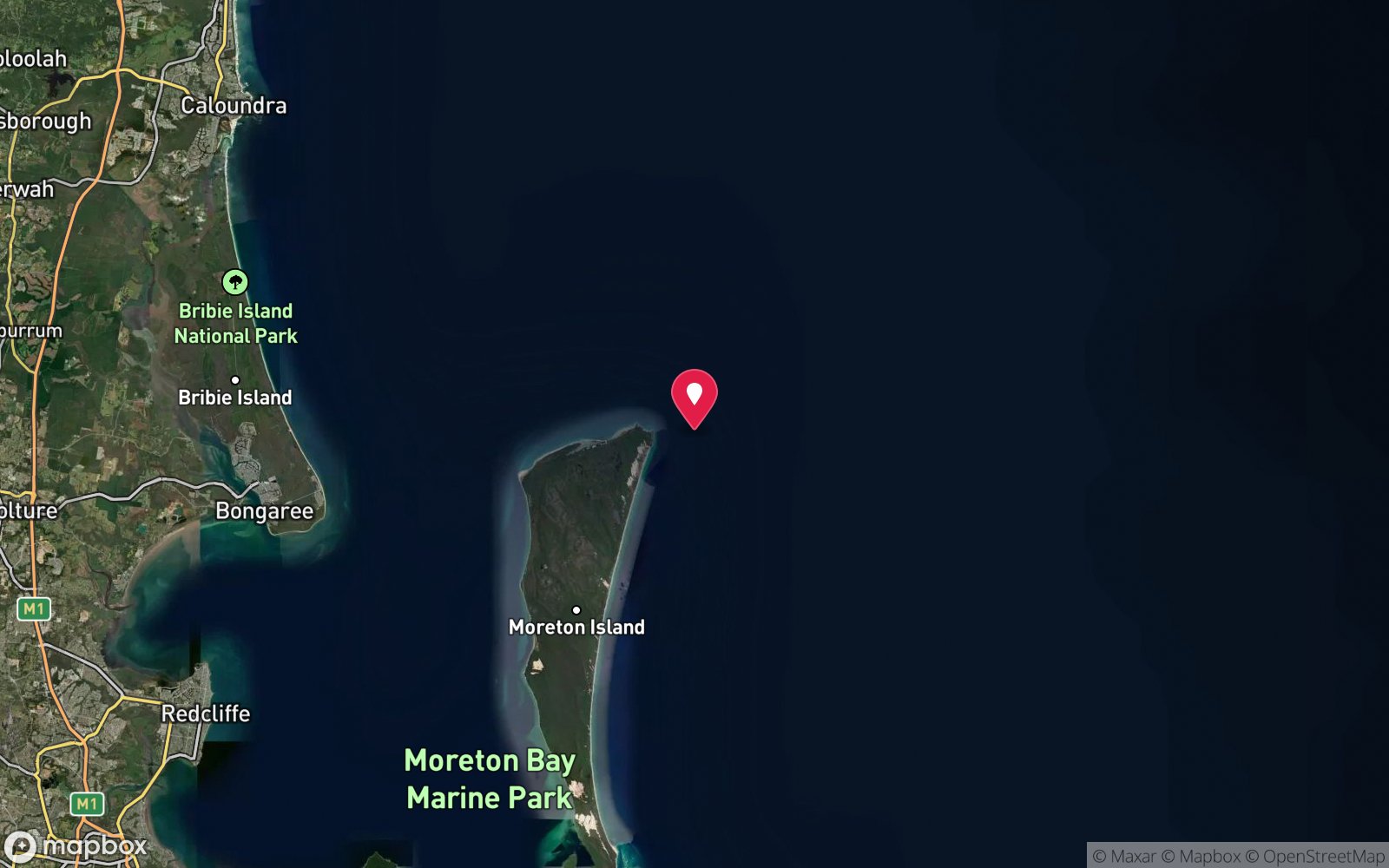
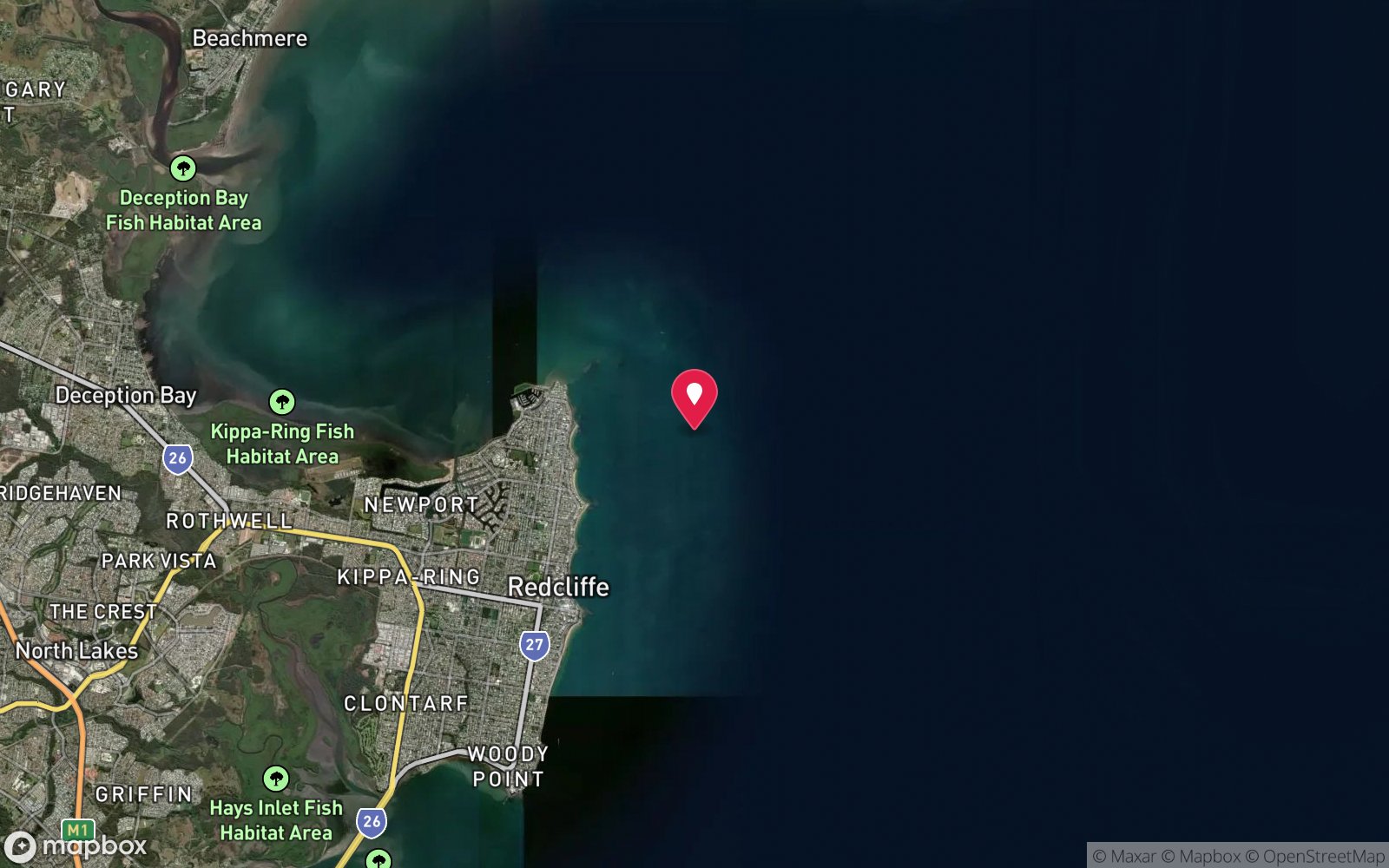
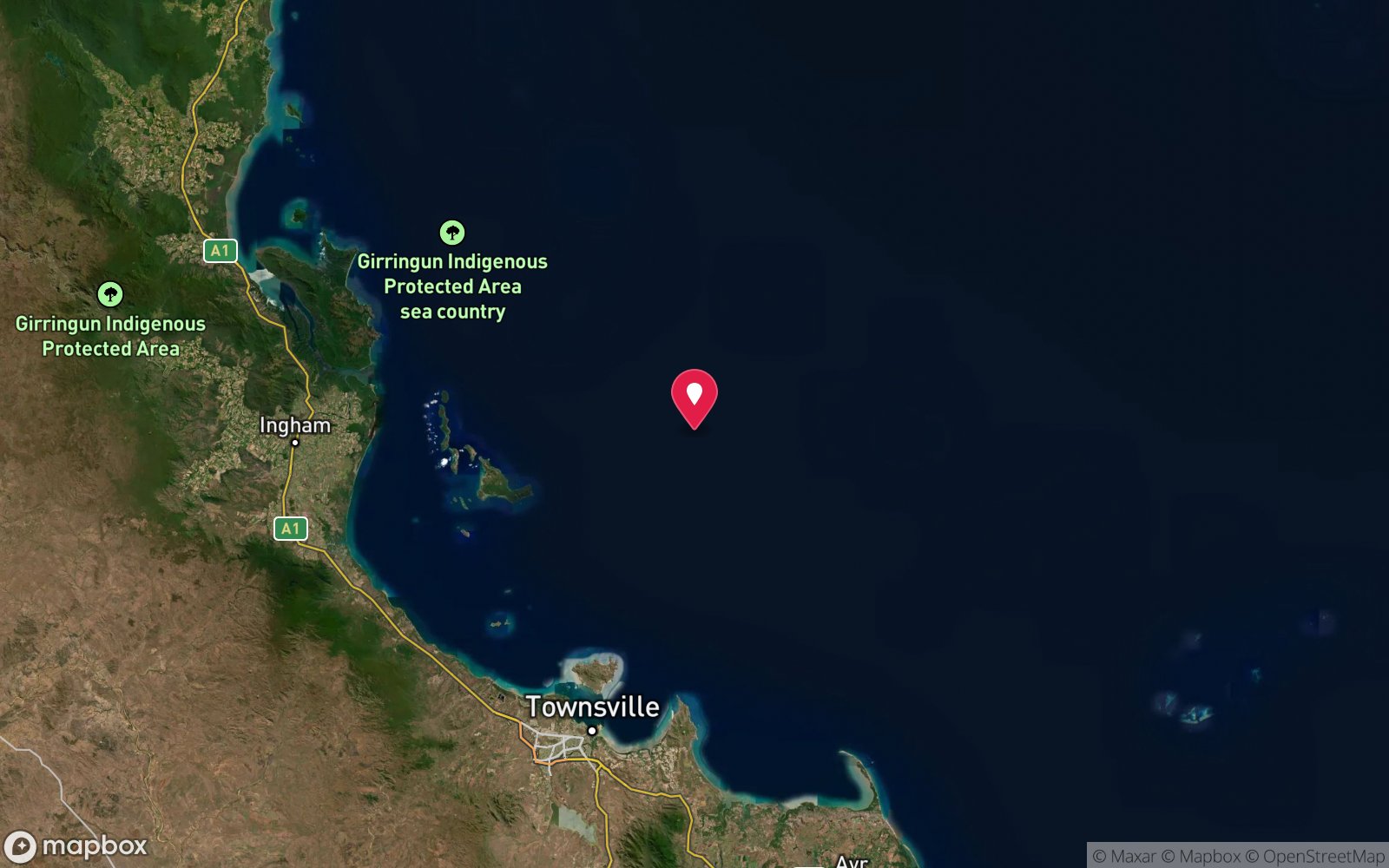
No published coordinates. The map above shows the general area, estimated from documented sites across the Brisbane & Moreton Bay region.
Primary source: parks.qld.gov.auMarine park & permits
Moreton Bay Marine Park artificial reef rules: anchoring prohibited; spearfishing allowed (max 12 m); snorkelling allowed; diving prohibited
Nearest recompression chamber
Royal Brisbane & Women's Hospital Hyperbaric Medicine Service (Herston, Brisbane); Wesley Centre for Hyperbaric Medicine (Auchenflower, Brisbane) as alternative
Diving emergency: call 000, then DAN AP 1800 088 200.
Trip planner
Build a trip around Wild Banks Artificial Reef →
A day-by-day plan for Brisbane & Moreton Bay with this site locked in.
This guide is a planning aid. Conditions change daily — confirm with a local dive centre and dive within your training. Data & safety notes.
Dive profile
How this site rates
Scores are computed from the recorded data, not opinions. How?
At a glance
Wild Banks Artificial Reef is a artificial reef boat dive in Brisbane & Moreton Bay, QLD, to a maximum of 35 m, suited to Deep/Advanced + experience divers, variable/tidal current.
Rated advanced because of depth to 35 m, tidal current that must be timed, boat traffic overhead.
Why dive here
- Eleven-metre-tall steel fish caves in 35 m of blue water that draw pelagic fish – a freediving and fishing reef where scuba is prohibited.
- Rarely dived: expect to have the site to yourself, and plan your own logistics.
- Visibility often reaches 10-25 m.
Conditions to avoid
- Swell above about 1.5 m
- Wind over about 15 knots
- Strong southerly or south-east swell and wind
About Wild Banks Artificial Reef
Wild Banks Artificial Reef was established on 14 August 2011 east of Wild Banks, offshore from Bribie Island. It covers 175 hectares at an average depth of about 35 m and is built from steel 'fish caves' – open-framed structures 11 m high and 11 m wide, each weighing 14.4 tonnes. The tall profile was designed to attract pelagic fish such as mackerel, dolphinfish (mahi mahi) and wahoo, which are drawn to vertical structure in open water, and marinelife.org.au lists it among the Moreton Bay reef sites for that reason.
Under the Queensland Parks rules, anchoring is prohibited and scuba diving is prohibited, while snorkelling and spearfishing are allowed, with spearfishing limited to 12 m. That makes Wild Banks a freediving and fishing site rather than a scuba dive, and it is included here so divers know its status. For freedivers, the attraction is pelagic fish rising around the top of the structures: mackerel, cobia, amberjack, trevally and dolphinfish, with baitfish schools concentrated over the steel.
The structures themselves sit too deep to reach within the spearfishing limit, but the fish life often comes up to meet divers on clear blue-water days. The site is fully exposed to the open ocean, and the approach from Bribie involves crossing a shallow bar that should only be attempted in good conditions and with local knowledge. Scuba divers wanting deep structure in this area should look instead at the ex-HMAS Brisbane off Mooloolaba or at the outer Moreton wrecks.
Check the latest reef rules with Queensland Parks before any visit.
Getting there & entry
175-hectare offshore reef of tall steel 'fish caves' in about 35 m east of Wild Banks, off Bribie Island, designed for pelagic fish.
Boat access only. Launch at Bribie Island (Bongaree/Spinnaker Sound ramps), cross the Northern Bar or run out through the North West Channel and head offshore east of Wild Banks; alternatively launch at Scarborough or Caloundra. The run is exposed open water.
The reef coordinates are on the Queensland Parks artificial reef locality map. Anchoring is prohibited – the reef is fished and freedived drifting. Scuba diving is prohibited under current rules; snorkelling and spearfishing (to 12 m) are allowed.
Entry: Giant stride or back roll from charter boat
Facilities: Bribie Island ramps (Bongaree) and Scarborough Boat Harbour.
Weather, swell & tides
Open ocean east of Bribie Island: south-easterly trade winds over 15 knots, easterly swell over about 1.5 m and northerly sea breezes all make it rough, and the Bribie/Northern bar crossing is dangerous in swell. Best on calm, clear days with blue water pushed inshore by the East Australian Current, usually late summer and autumn for pelagics.
Best season: Year-round; winter (May-October) usually brings the clearest water and calmest mornings
How the dive is usually run
Scuba prohibited. Freedivers drift over the fish caves with a float line and dive only to the 12 m spearfishing limit, watching for pelagics drawn up by the structures.
Marine life
- Spanish and spotted mackerel
- dolphinfish
- wahoo
- cobia
- amberjack
- trevally
- baitfish schools
Linked species have their own page listing every site where they are recorded. All marine life →
Training required
The recreational limit. Operators expect a Deep Diver specialty or Advanced plus a log of similar dives, and most recommend nitrox.
Operators often quote Snorkel/Any, but the site reaches 35 m, which is beyond that level's depth limit; Deep/Advanced + experience is the appropriate minimum for the full dive. This is a deep dive: plan gas, bottom time and a safety stop accordingly, and consider nitrox.
Operators' own listing: Snorkel/Any.
Courses that help here
- Enriched Air Nitrox – Longer no-decompression time at 25 m and deeper.
- Deep Diver – The site reaches 35 m.
Depth tiers: 0–10 m easy · to 18 m Open Water · 18–30 m Advanced (25 m+ is a deep dive) · 30–40 m Deep specialty · 40 m+ technical. All courses
Hazards & warnings
Scuba diving prohibited; no anchoring; open ocean and dangerous bar crossings; spearfishing limited to 12 m; strong currents; boat traffic from game fishers.
Dive centres that go here
No dive operator; used by game and sport fishers and spearfishers from private boats. Scuba diving prohibited.
Other dive centres in Brisbane & Moreton Bay
Scuba World Mooloolaba
ListedMooloolaba · Sunshine Coast · QLD
A Sunshine Coast business combining training, retail and local boat diving including the ex-HMAS Brisbane.
scubaworld.com.au · (07) 5444 8595
Sunreef Mooloolaba
ListedMooloolaba · Sunshine Coast · QLD
A Mooloolaba operation closely associated with the ex-HMAS Brisbane wreck alongside local reef diving and training.
sunreef.com.au · (07) 5444 5656
Brisbane Scuba
ListedManly · Brisbane & Moreton Bay · QLD
A Brisbane training and service business supporting the local resident diving population.
brisbanescuba.au · 0418 736 738
Brisbane Dive Academy
ListedTingalpa · Brisbane & Moreton Bay · QLD
A Brisbane training operation focused on recreational certification and continuing education.
brisbanediveacademy.com.au · (07) 3890 0342
Go Dive Brisbane
ListedWindsor · Brisbane & Moreton Bay · QLD
A Brisbane business combining training, equipment retail and service support for local divers.
godive.com.au · (07) 3857 7255
Tangalooma Island Resort
ListedMoreton Island · Brisbane & Moreton Bay · QLD
A Moreton Island resort with diving and snorkelling access to the Tangalooma wrecks, a shallow, sheltered artificial reef system.
tangalooma.com/shops-services/dive-watersports · 1300 652 250
All dive centres in Queensland →
Operators mentioned: None
General area
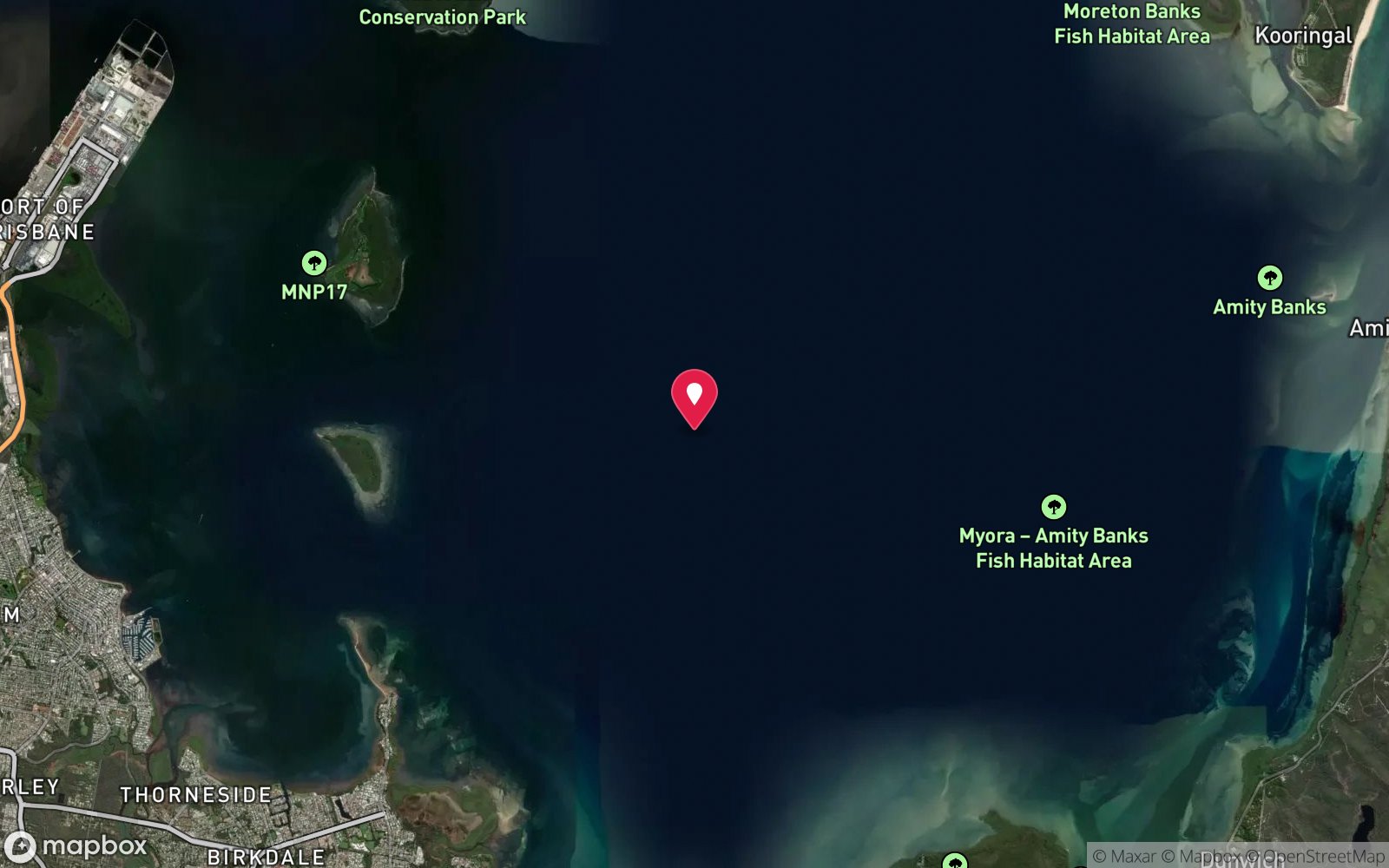
No position has been published for Wild Banks Artificial Reef. The circle shows where it is likely to be, worked out from documented sites across the Brisbane & Moreton Bay region. Ask a local operator for the exact site.
Dashed circle: general area (about 16 km), from documented sites across the Brisbane & Moreton Bay region. 6 pinned sites. Pins marked approximate on their pages show the general area only; not for navigation.
Wild Banks Artificial Reef: frequently asked questions
How deep is Wild Banks Artificial Reef?
Wild Banks Artificial Reef reaches a maximum depth of 35 m; most of the dive is spent around 35 m.
What certification do I need to dive Wild Banks Artificial Reef?
Deep/Advanced + experience is the recommended minimum. Operators often quote Snorkel/Any, but the site reaches 35 m, which is beyond that level's depth limit; Deep/Advanced + experience is the appropriate minimum for the full dive. This is a deep dive: plan gas, bottom time and a safety stop accordingly, and consider nitrox. Rated advanced because of depth to 35 m, tidal current that must be timed, boat traffic overhead.
Can I shore dive Wild Banks Artificial Reef?
No, it is reached by boat.
When is the best time to dive Wild Banks Artificial Reef?
Year-round; winter (May-October) usually brings the clearest water and calmest mornings.
What marine life will I see at Wild Banks Artificial Reef?
Regularly recorded: Spanish and spotted mackerel, dolphinfish, wahoo, cobia, amberjack, trevally, baitfish schools.
What wetsuit do I need at Wild Banks Artificial Reef?
3-5 mm full wetsuit in summer; 5-7 mm with hood in winter.
How cold is the water at Wild Banks Artificial Reef?
Typically 24-27 °C in summer and 19-21 °C in winter.
What are the main hazards at Wild Banks Artificial Reef?
Scuba diving prohibited; no anchoring; open ocean and dangerous bar crossings; spearfishing limited to 12 m; strong currents; boat traffic from game fishers. See the hazards section above for the full list.
Where is the nearest recompression chamber to Wild Banks Artificial Reef?
Royal Brisbane & Women's Hospital Hyperbaric Medicine Service (Herston, Brisbane); Wesley Centre for Hyperbaric Medicine (Auchenflower, Brisbane) as alternative. In an emergency call 000, then DAN Asia-Pacific on 1800 088 200.
Diving in Brisbane & Moreton Bay
Brisbane's diving is better than most visitors expect. Flinders Reef, off the northern tip of Moreton Island, has more coral species than many outer-reef sites and resident turtles and wobbegongs; the Tangalooma Wrecks are 15 scuttled vessels you can snorkel from the beach; the Curtin Artificial Reef is a 30-year collection of scuttled boats and cars off Cowan; and Cherubs Cave and Henderson Rock on the east side of Moreton hold grey nurse sharks in winter.
Getting there: Charters from Scarborough, Manly and Brisbane's bayside run Flinders and the east-side sites; Tangalooma is reached by ferry or from the resort.
All Brisbane & Moreton Bay dive sites and a suggested itinerary →
Sources
- parks.qld.gov.au/parks/moreton-bay/zoning/trial_artificial_reef_program
- marinelife.org.au/?page_id=1574
Data confidence: Medium · Being verified: Coordinates on QPWS locality map (not read); marinelife.org.au says scuba requires a permit – confirm with QPWS.. Last updated September 2026. Know this site better? How to send a correction