Dive slate · divesites.com.au · printed 8 Nov 2026
Badger Head
Tasmania North & North-West, Tasmania · near Beaconsfield
| Depth | 4–20 m |
|---|---|
| Minimum level | Advanced Open Water |
| Difficulty | Intermediate |
| Access | Boat (day trip) |
| Entry | Back roll or giant stride from a small boat (live-boat drop and pick-up is the local norm) |
| Current | Mild |
| Visibility | 5-12 m |
| Water | summer 16-19 °C, winter 11-13 °C |
| Suit | 7 mm wetsuit with hood, gloves and boots (or semi-dry); drysuit common, especially May-October |
| Best season | Summer-autumn (December-April) in southerly or light winds, timed for slack water |
| Bottom time | 45 min |
| Position | -41.11000, 146.66000 (approximate) |
| Permit | No permit required |
| Nearest chamber | Royal Hobart Hospital Hyperbaric Medicine Unit (Hobart) - the only chamber in Tasmania; Launceston has none. DAN emergency hotline 1800 088 200 |
| Emergency | 000 · DAN Asia-Pacific diving emergency 1800 088 200 |
Badger Head
The closest crayfish reef to Launceston, with scenic shallows.
Near Beaconsfield · Tasmania North & North-West, Tasmania
- Depth
- 4–20 m
- Minimum level
- Advanced Open Water
- Access
- Boat (day trip)
- Boat ride
- ~20 min
- Water
- 16-19 °C
- Visibility
- 5-12 m
Badger Head4–20 m · Advanced Open Water
Dive factsDepths, conditions, location & safety
Season
Off-peak nowBest months: January, February, March, April, May, December.
Summer-autumn (December-April) in southerly or light winds, timed for slack water
- Best months
- Now (November)
Dive facts
- Depth
- 4–20 m
- Typical depth
- 10 m
- Certification
- Advanced Open Water
- Difficulty
- Intermediate
- Depth tier
- Advanced Open Water (18–30 m)
- Access
- Boat (day trip)
- Offshore
- 0.5 km
- Dive centre needed
- Yes – boat access only
- Shore / independent
- No
- Boat ride
- ~20 min
- Current
- Mild
- Visibility
- 5-12 m
- Water temp (summer)
- 16-19 °C
- Water temp (winter)
- 11-13 °C
- Water
- Cold Temperate
- Bottom time
- 45 min
- Dive traffic
- Rarely dived (private boat/club only)
- Night dive
- No
- Snorkel friendly
- No
Exposure suit
7 mm wetsuit with hood, gloves and boots (or semi-dry); drysuit common, especially May-October
Location
West Tamar & Badger Head · Tasmania North Coast
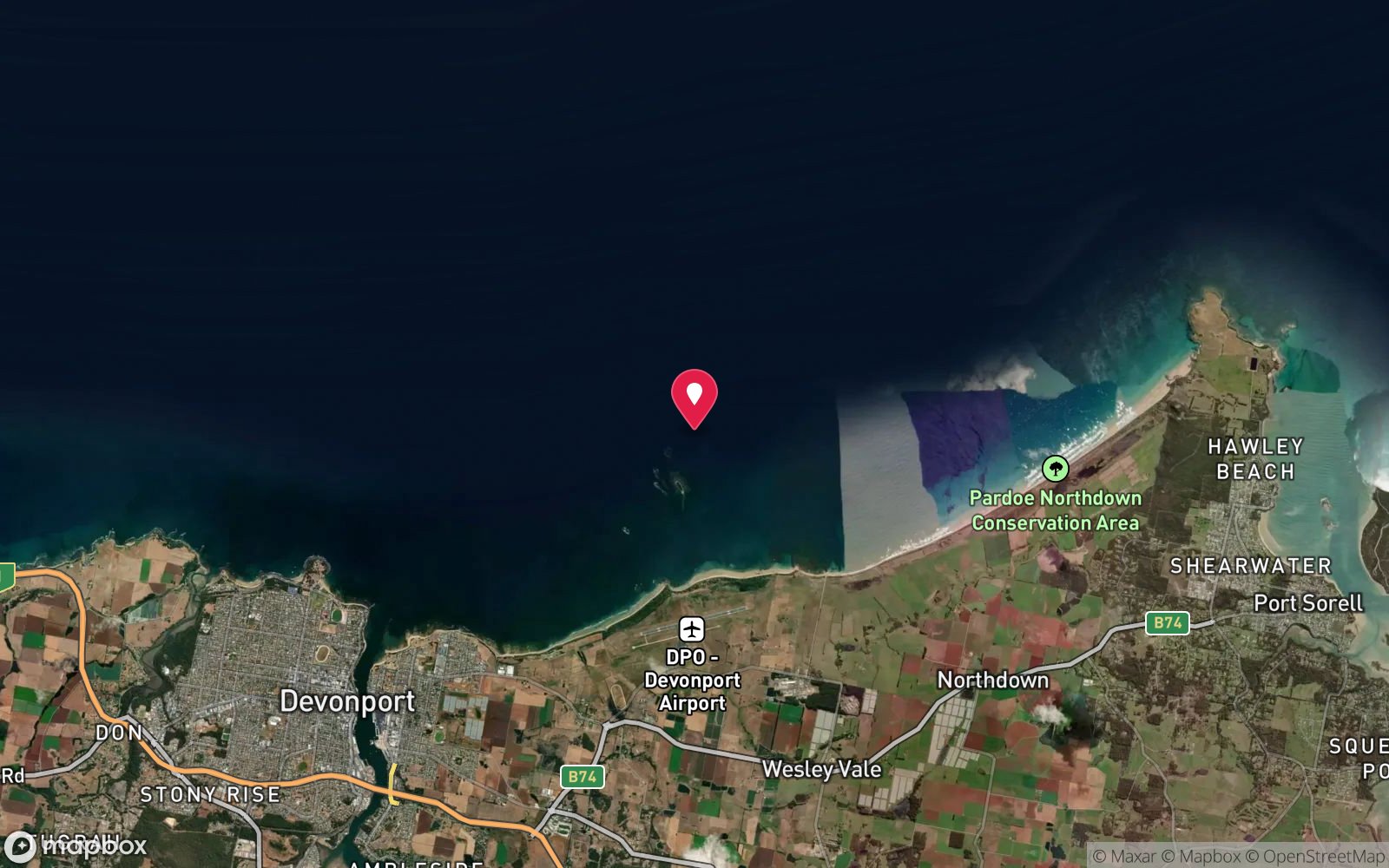
-41.11000, 146.66000
Approximate position — not for navigation.
Open in Google MapsPrimary source: marinelife.org.auMarine park & permits
No permit required
Nearest recompression chamber
Royal Hobart Hospital Hyperbaric Medicine Unit (Hobart) - the only chamber in Tasmania; Launceston has none. DAN emergency hotline 1800 088 200
Diving emergency: call 000, then DAN AP 1800 088 200.
Trip planner
Build a trip around Badger Head →
A day-by-day plan for Tasmania North & North-West with this site locked in.
This guide is a planning aid. Conditions change daily — confirm with a local dive centre and dive within your training. Data & safety notes.
Dive profile
How this site rates
Scores are computed from the recorded data, not opinions. How?
At a glance
Badger Head is a reef boat dive in Tasmania North & North-West, TAS, 4–20 m, suited to Advanced Open Water divers, about 20 minutes by boat.
Rated intermediate because of depth beyond 18 m, boat traffic overhead, cold water.
Why dive here
- The closest crayfish reef to Launceston, with scenic shallows.
- Rarely dived: expect to have the site to yourself, and plan your own logistics.
Conditions to avoid
- Strong southerly or south-east swell and wind
- Afternoon north-easterlies
- Strong westerlies
- Outgoing tide or run-off after rain (poor visibility)
- Any time other than slack water
About Badger Head
Badger Head, west of the Tamar entrance, is rated 6 out of 10 by the Marine Life Network guide as the best crayfish prospect near Launceston, in 4-20 m. It describes Bass Strait fish, crayfish in the deeper areas and abalone in the shallows, but notes heavy fishing pressure and that the shallow areas are more scenic than the uninspiring deep bottom.
An echo sounder is needed to find the deeper reef. Recreational rock lobster and abalone fishing in Tasmania requires a licence and is subject to seasons, size and bag limits. As with all Tamar entrance sites, local knowledge of the tides is worth more than any written description, and a first visit with Launceston club divers is the best introduction.
The Tamar entrance is one of the most tidally energetic dive areas in Tasmania, and the Marine Life Network guide classes several sites here as category 4-5 because of current and shipping. Hebe Reef, a shallow reef at the mouth, has claimed many ships since the early 19th century, and its wrecks are protected historic sites. The flip side of the current is prolific filter-feeding life - sponges, bryozoans and ascidians - on any structure the water flows over.
Launceston divers have access to these sites within an hour of the city, and the sheltered Low Head shore dive is a regular training and club venue. The nearest hyperbaric chamber, however, is at the Royal Hobart Hospital about 3 hours' drive south, as Launceston General Hospital has none, so plan slack-water dives conservatively.
Getting there & entry
A headland west of the Tamar entrance in Narawntapu National Park area, offering the best crayfish prospects near Launceston in 4-20 m.
Low Head is at the eastern side of the Tamar River mouth, 5 km north of George Town and about 55 minutes (55 km) north of Launceston via the East Tamar Highway (A8). Boats launch at the Low Head, George Town or Kelso ramps. The Tamar is a commercial port (Bell Bay), so contact Port Control on VHF and keep out of the shipping channel when ships are moving.
Badger Head is west of the Tamar mouth, about 15-20 minutes by boat from the Kelso or Low Head ramps. A depth sounder is needed to find the deeper reef.
Entry: Back roll or giant stride from a small boat (live-boat drop and pick-up is the local norm)
Facilities: Low Head: pilot station museum, lighthouse, parking, toilets, cafe (seasonal); boat ramp. George Town: shops, fuel, accommodation. Air fills: Tasmanian Divers, Launceston.
Weather, swell & tides
The Tamar heads are dominated by tide: large volumes of water flood and ebb through the entrance, and most boat sites can only be dived at slack water, typically within about an hour of the turn. North-westerly to north-easterly winds blow straight into the entrance and, against an ebb tide, create steep breaking seas over the bar and Hebe Reef. Southerly winds blow offshore and give the calmest water.
Visibility is best on the flood tide, when clear Bass Strait water enters; the ebb brings turbid river water, especially after rain. Badger Head faces north into Bass Strait; northerly and westerly winds make it rough.
Best season: Summer-autumn (December-April) in southerly or light winds, timed for slack water
If it's blown out
Sheltered or shore sites within 25 km that often work when Badger Head doesn't.
- Low Head Shore · 12 km · Max 6 m
- SS Esk (Hebe Reef) · 13 km · Max 6 m
- Eden Holme (Hebe Reef) · 14 km · Max 7 m
- Asterope (Hebe Reef) · 14 km · Max 4 m
How the dive is usually run
Dive the shallow reef at 4-8 m for scenery, or use a sounder to locate deeper reef at 15-20 m for crayfish. Turn the dive at half gas (thirds where current or overhead sections are involved), deploy an SMB before surfacing for the live-boat pick-up, and complete a 3-minute safety stop at about 5 m where depth allows.
Marine life
- Crayfish
- abalone
- Bass Strait reef fish
- wrasse
- leatherjackets
Linked species have their own page listing every site where they are recorded. All marine life →
Training required
Beyond 18 m an Advanced certification (which includes a deep dive to 30 m) is the accepted minimum. Anything past 25 m is a deep dive in practice.
Open Water divers can dive the shallower section (typical depth 10 m); the full site to 20 m needs Advanced Open Water. Operators often quote Open Water.
Operators' own listing: Open Water.
Courses that help here
- Drysuit Diver – Cold water; locals dive dry for much of the year.
Depth tiers: 0–10 m easy · to 18 m Open Water · 18–30 m Advanced (25 m+ is a deep dive) · 30–40 m Deep specialty · 40 m+ technical. All courses
Hazards & warnings
Exposed to northerly weather; boat traffic; fishing licences required for any take.
Dive centres that go here
Tasmanian Divers (42 Invermay Road, Launceston) runs regular local dives at northern shore sites including the Tamar region; Launceston clubs (Tas Uni Dive Club Northern Chapter and others) dive Low Head and the Tamar heads. No charter boat is based at Low Head; boat sites are dived from private boats launched at Low Head, George Town or Kelso.
Operators recorded for Badger Head
Tasmanian Divers North
ListedLaunceston · Tasmania North & North-West · TAS
A northern Tasmanian operation serving the Bass Strait coastline and local diving community.
tasdivers.com.au · (03) 6229 1020
Tas Uni Dive Club
Named by sitesMount Nelson · Tasmania East Coast · TAS
University dive club, not a shop; gear hire Thursdays 6-6:30pm.
tudc.org.au
Other dive centres in Tasmania North & North-West
Map
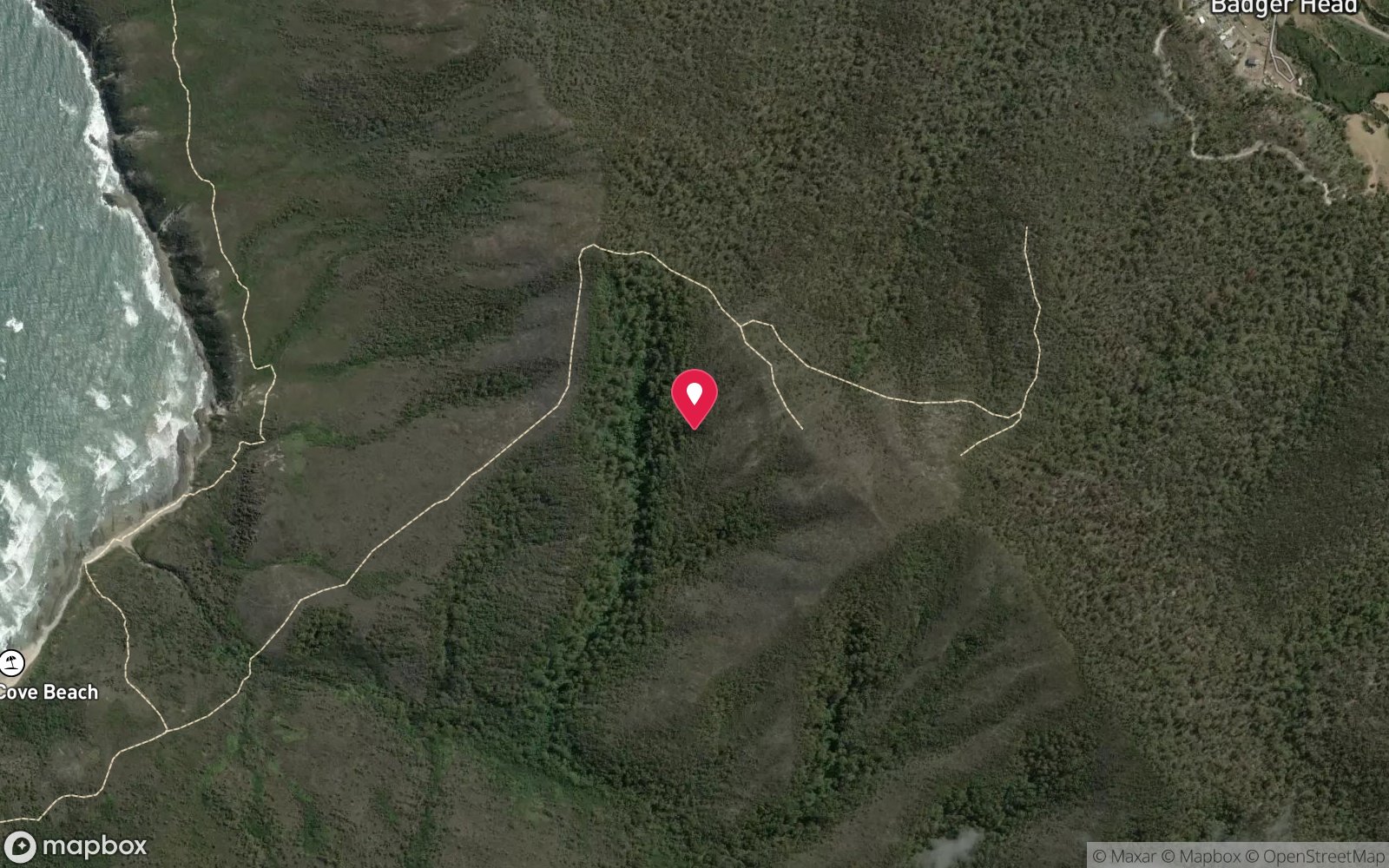
7 pinned sites. Pins marked approximate on their pages show the general area only; not for navigation.
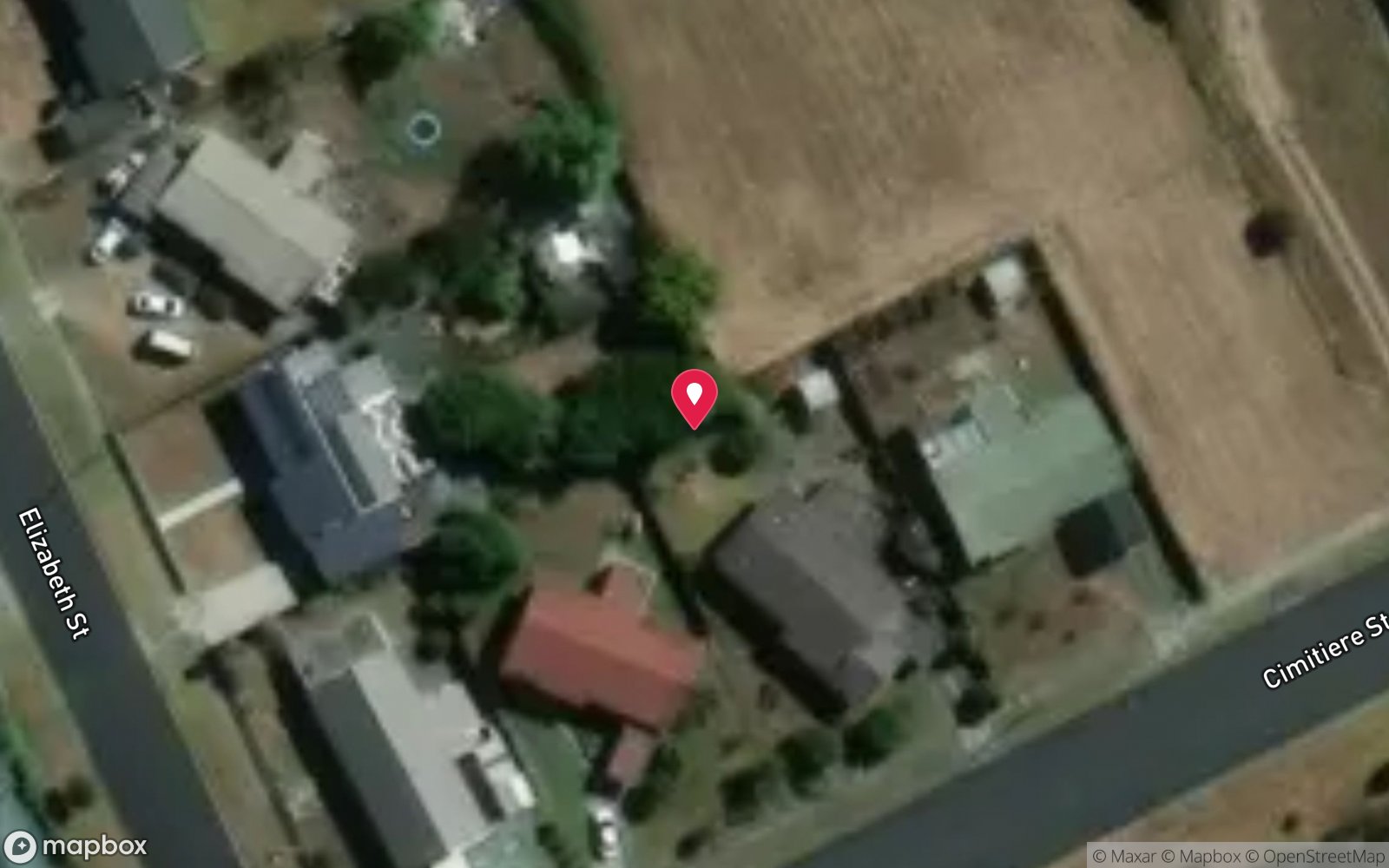
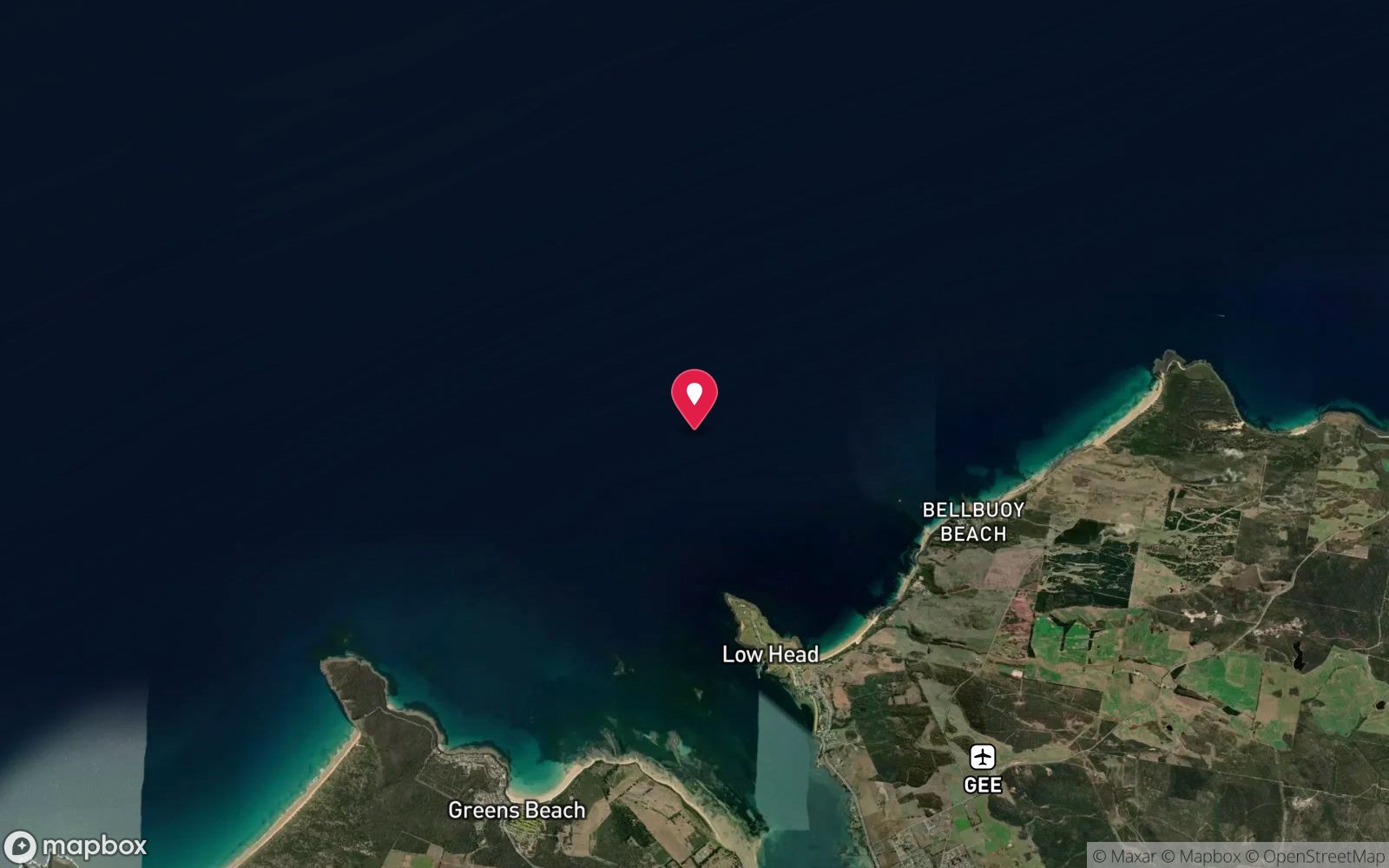
Satellite views
Badger Head: frequently asked questions
How deep is Badger Head?
Badger Head reaches a maximum depth of 20 m, with the shallowest part at about 4 m; most of the dive is spent around 10 m.
What certification do I need to dive Badger Head?
Advanced Open Water is the recommended minimum. Open Water divers can dive the shallower section (typical depth 10 m); the full site to 20 m needs Advanced Open Water. Operators often quote Open Water. Rated intermediate because of depth beyond 18 m, boat traffic overhead, cold water.
Can I shore dive Badger Head?
No, it is reached by boat (about 20 minutes). A dive centre is required: boat access only.
When is the best time to dive Badger Head?
Summer-autumn (December-April) in southerly or light winds, timed for slack water.
What marine life will I see at Badger Head?
Regularly recorded: Crayfish, abalone, Bass Strait reef fish, wrasse, leatherjackets.
What wetsuit do I need at Badger Head?
7 mm wetsuit with hood, gloves and boots (or semi-dry); drysuit common, especially May-October.
How cold is the water at Badger Head?
Typically 16-19 °C in summer and 11-13 °C in winter.
What are the main hazards at Badger Head?
Exposed to northerly weather; boat traffic; fishing licences required for any take. See the hazards section above for the full list.
Where is the nearest recompression chamber to Badger Head?
Royal Hobart Hospital Hyperbaric Medicine Unit (Hobart) - the only chamber in Tasmania; Launceston has none. DAN emergency hotline 1800 088 200. In an emergency call 000, then DAN Asia-Pacific on 1800 088 200.
Diving in Tasmania North & North-West
Bass Strait's Tasmanian shore from Devonport to Stanley and Rocky Cape is clear, cold and almost undived: sponge gardens, kelp and rock lobster around Wynyard, Boat Harbour and Sisters Beach, the Table Cape wall, and the Rocky Cape National Park reefs. Visibility of 20 m is common in settled weather.
Getting there: Fly into Devonport, Burnie or Launceston. Mostly shore dives with beach and rock entries; occasional club boat dives.
All Tasmania North & North-West dive sites and a suggested itinerary →
Sources
Data confidence: Low · Being verified: Coordinates approximate; single older source.. Last updated September 2026. Know this site better? How to send a correction