Dive slate · divesites.com.au · printed 8 Nov 2026
Bare Island – Isolated Reefs
Sydney South & Botany Bay, New South Wales · near La Perouse
| Depth | 5–19 m |
|---|---|
| Minimum level | Advanced Open Water |
| Difficulty | Advanced |
| Access | Shore |
| Entry | Walk-in from the island (boat ramp, western point or Pool) or from the mainland platform west of the main car park |
| Current | Variable/Tidal |
| Visibility | 8–20 m (2–25 m range) m |
| Water | summer 21–24 °C °C, winter 15–18 °C °C |
| Suit | 7 mm wetsuit or semi-dry year round; 5 mm adequate Jan–Apr; hood and gloves in winter; drysuit optional Jul–Oct |
| Best season | Winter for visibility; high tide |
| Bottom time | 50 min |
| Position | -33.99280, 151.22850 (approximate) |
| Permit | None required |
| Nearest chamber | Prince of Wales Hospital Hyperbaric Unit (Randwick, Sydney) |
| Emergency | 000 · DAN Asia-Pacific diving emergency 1800 088 200 |
Bare Island – Isolated Reefs
Also known as Isolated Reef One, Isolated Reef Two
Two sponge-smothered reefs alone on the sand at 15–19 m, with kingfish, giant flathead, seahorses and anglerfish – Bare Island's quiet side.
Near La Perouse · Sydney South & Botany Bay, New South Wales
- Depth
- 5–19 m
- Minimum level
- Advanced Open Water
- Access
- Shore
- Boat ride
- —
- Water
- 21–24 °C
- Visibility
- 8–20 m (2–25 m range)
Bare Island – Isolated Reefs5–19 m · Advanced Open Water · Shore
Dive factsDepths, conditions, location & safety
Season
Off-peak nowBest months: June, July, August.
Dive facts
- Depth
- 5–19 m
- Typical depth
- 16 m
- Certification
- Advanced Open Water
- Difficulty
- Advanced
- Depth tier
- Advanced Open Water (18–30 m)
- Access
- Shore
- Dive centre needed
- Recommended
- Shore / independent
- Possible (experienced only)
- Current
- Variable/Tidal
- Visibility
- 8–20 m (2–25 m range)
- Water temp (summer)
- 21–24 °C
- Water temp (winter)
- 15–18 °C
- Water
- Temperate
- Bottom time
- 50 min
- Dive traffic
- Popular (weekly charters)
- Night dive
- Possible
- Snorkel friendly
- No
Exposure suit
7 mm wetsuit or semi-dry year round; 5 mm adequate Jan–Apr; hood and gloves in winter; drysuit optional Jul–Oct
Location
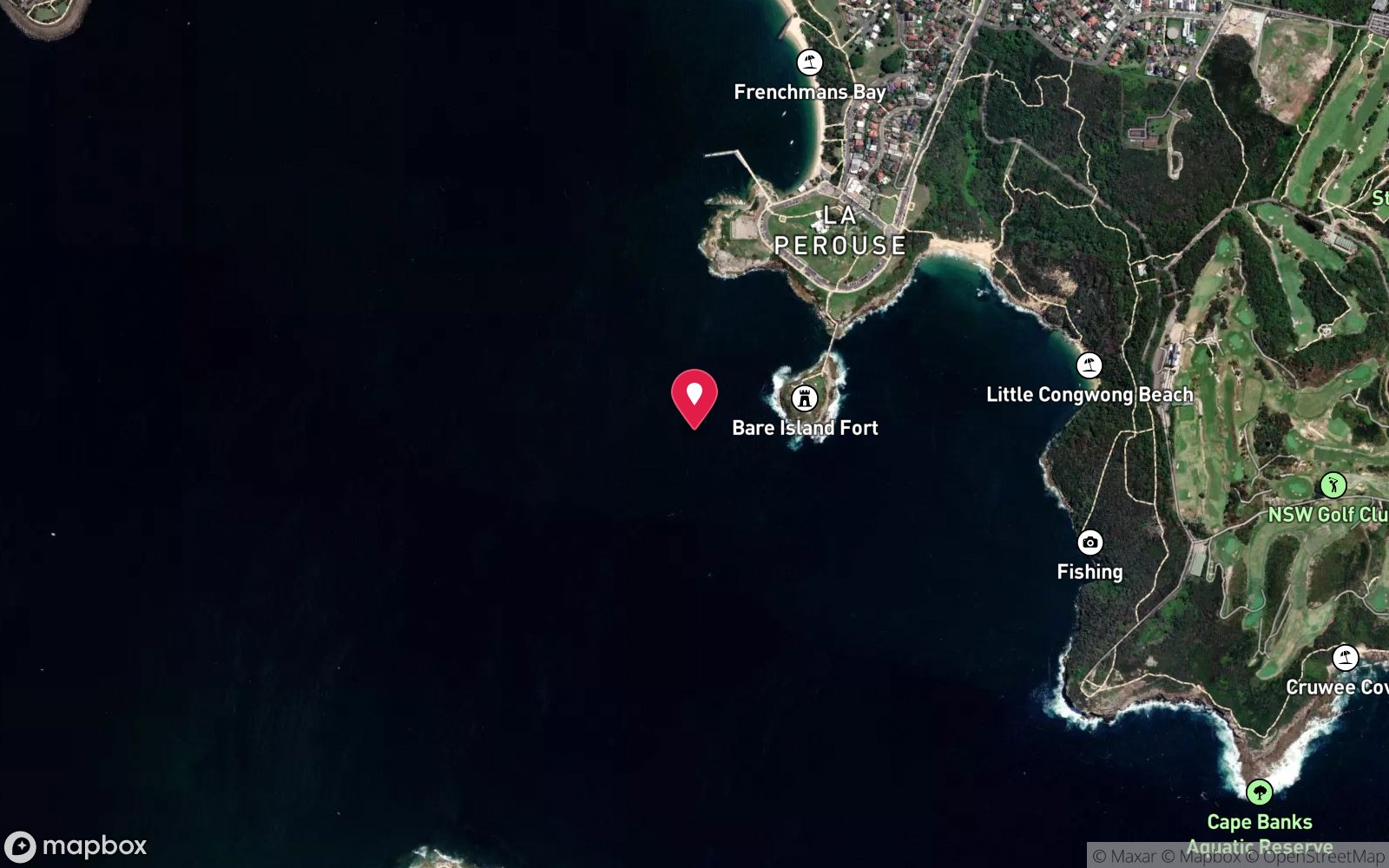
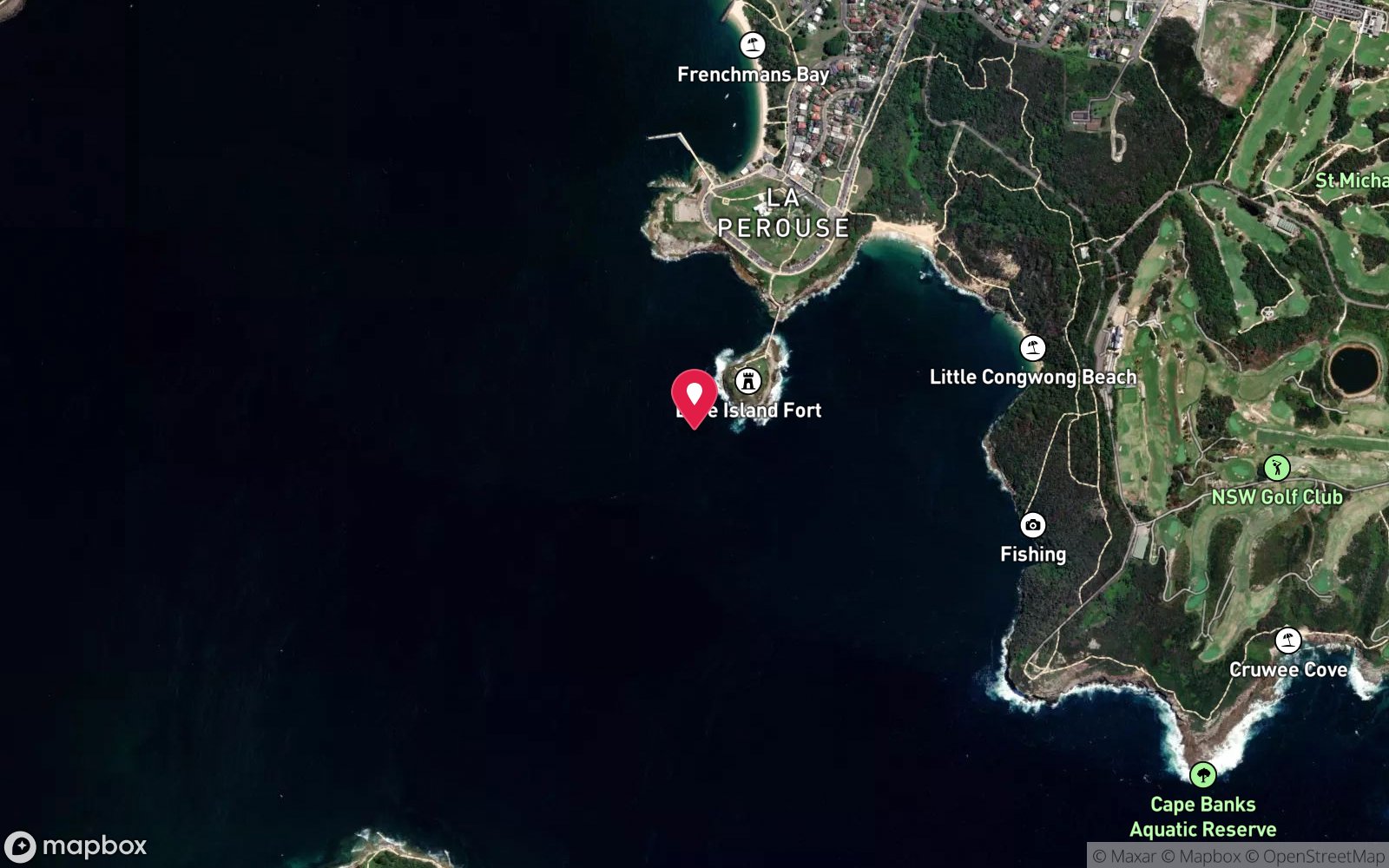
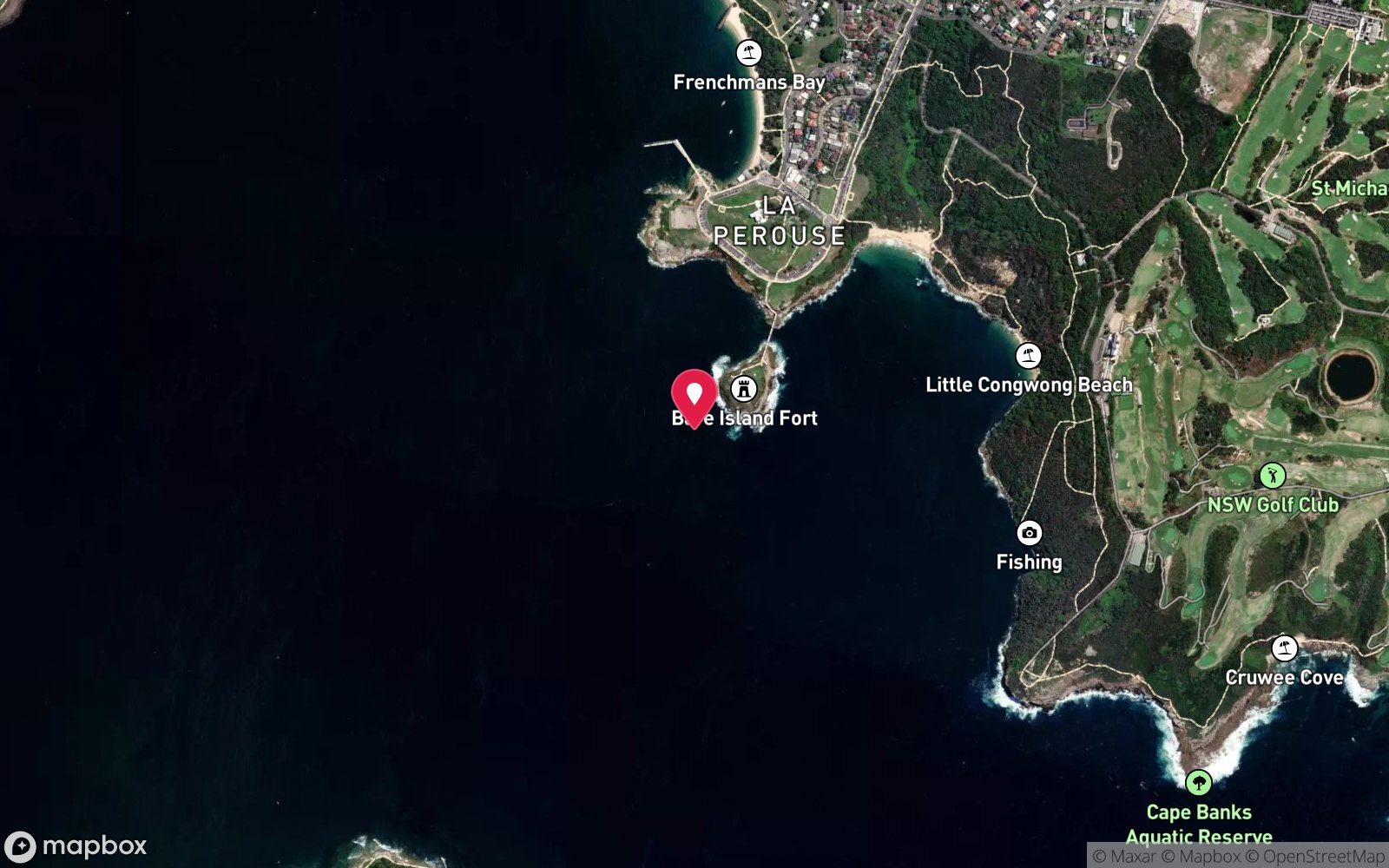
Botany Bay – northern shore (La Perouse / Bare Island) · Sydney South
-33.99280, 151.22850
Approximate position — not for navigation.
Open in Google MapsDive site map (external) →Primary source: michaelmcfadyenscuba.infoMarine park & permits
None required
Nearest recompression chamber
Prince of Wales Hospital Hyperbaric Unit (Randwick, Sydney)
Diving emergency: call 000, then DAN AP 1800 088 200.
Trip planner
Build a trip around Bare Island – Isolated Reefs →
A day-by-day plan for Sydney South & Botany Bay with this site locked in.
This guide is a planning aid. Conditions change daily — confirm with a local dive centre and dive within your training. Data & safety notes.
Dive profile
How this site rates
Scores are computed from the recorded data, not opinions. How?
At a glance
Bare Island – Isolated Reefs is a reef shore dive for experienced divers in Sydney South & Botany Bay, NSW, 5–19 m, suited to Advanced Open Water divers, variable/tidal current.
Rated advanced because of depth beyond 18 m, tidal current that must be timed, cold water.
Why dive here
- Two sponge-smothered reefs alone on the sand at 15–19 m, with kingfish, giant flathead, seahorses and anglerfish – Bare Island's quiet side.
- Visibility often reaches 8–20 m (2–25 m range).
About Bare Island – Isolated Reefs
The Isolated Reefs are two oval outcrops sitting alone on the sand north-west of the main Bare Island reef, and for many regulars they are the best part of the site. Isolated Reef One runs west-north-west, is 60–70 m long and 30–35 m wide, with walls on its northern side reaching 18–19 m; Isolated Reef Two, 20–30 m further on, is larger and deeper, mostly at 19 m on the sand at high tide, and is cut by cracks, holes, bays and rocky outcrops. Both are smothered in sponges, sea squirts and gorgonians, and both are littered with the debris of a century of fishing boats – anchors, rope and chain, fibreglass hull sections, old Admiralty anchors and metal objects.
The fish and critter life is rich: kingfish schools sweep through, seapike, sweep, trevally, yellowtail and one-spot pullers hang over the reefs, luderick and old wives shelter in the bays, flathead up to 1.25 m lie on the sand, and the reefs are reliable for big-belly seahorses, red Indianfish and painted anglerfish. Weedy seadragons were once abundant here and are still seen, though less often since 2009. The dive is an exercise in navigation.
From the mainland platform west of the main car park it is an 8–10 minute compass swim over featureless sand to Reef One, and the La Perouse–Kurnell power cables deflect compasses nearby; from the island it is a longer swim along the Right reef. Current in the 16–19 m band on big tides can be strong and contrary. McFadyen recommends 30–35 minutes on the reefs, 45–60 minutes total, an 11–12 L tank and a safety stop because of the depth.
For advanced divers comfortable with navigation it is a quieter, clearer, deeper Bare Island with the same macro and more fish.
Getting there & entry
Two oval sponge-covered reefs 20–30 m apart on the sand north-west of the main Bare Island reef; Reef One 11–19 m, 60–70 m long, Reef Two larger and deeper at 15–19 m.
Bare Island is part of Kamay Botany Bay National Park, 20 km from the CBD. Drive down Anzac Parade to the La Perouse loop and park on the edge of Anzac Parade as close to the island's access road as possible (arrive before 8 am on weekends). Gear up at the car, walk 200 m down the access road and across the timber footbridge to the island, then down the stairs to the rock platform.
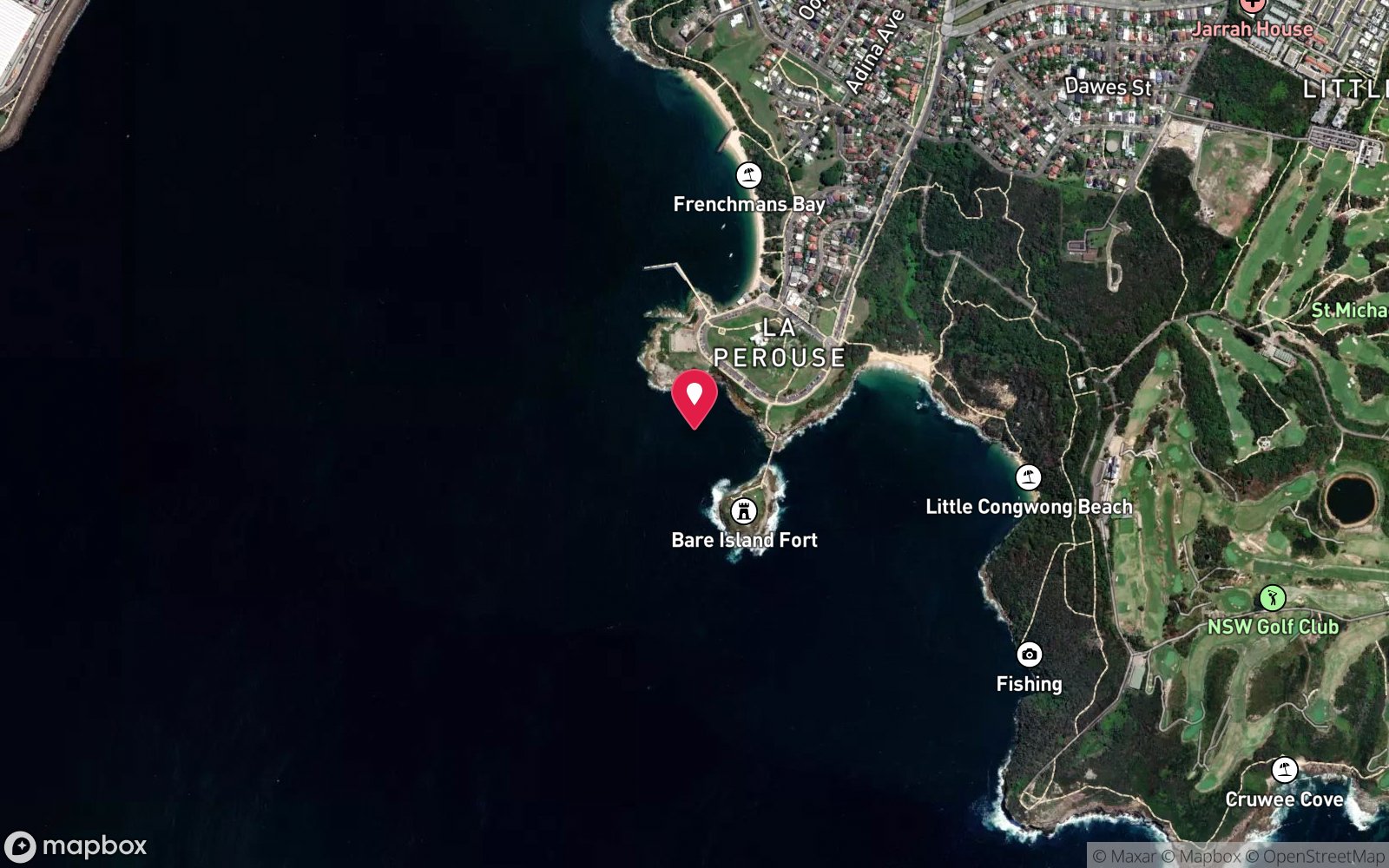
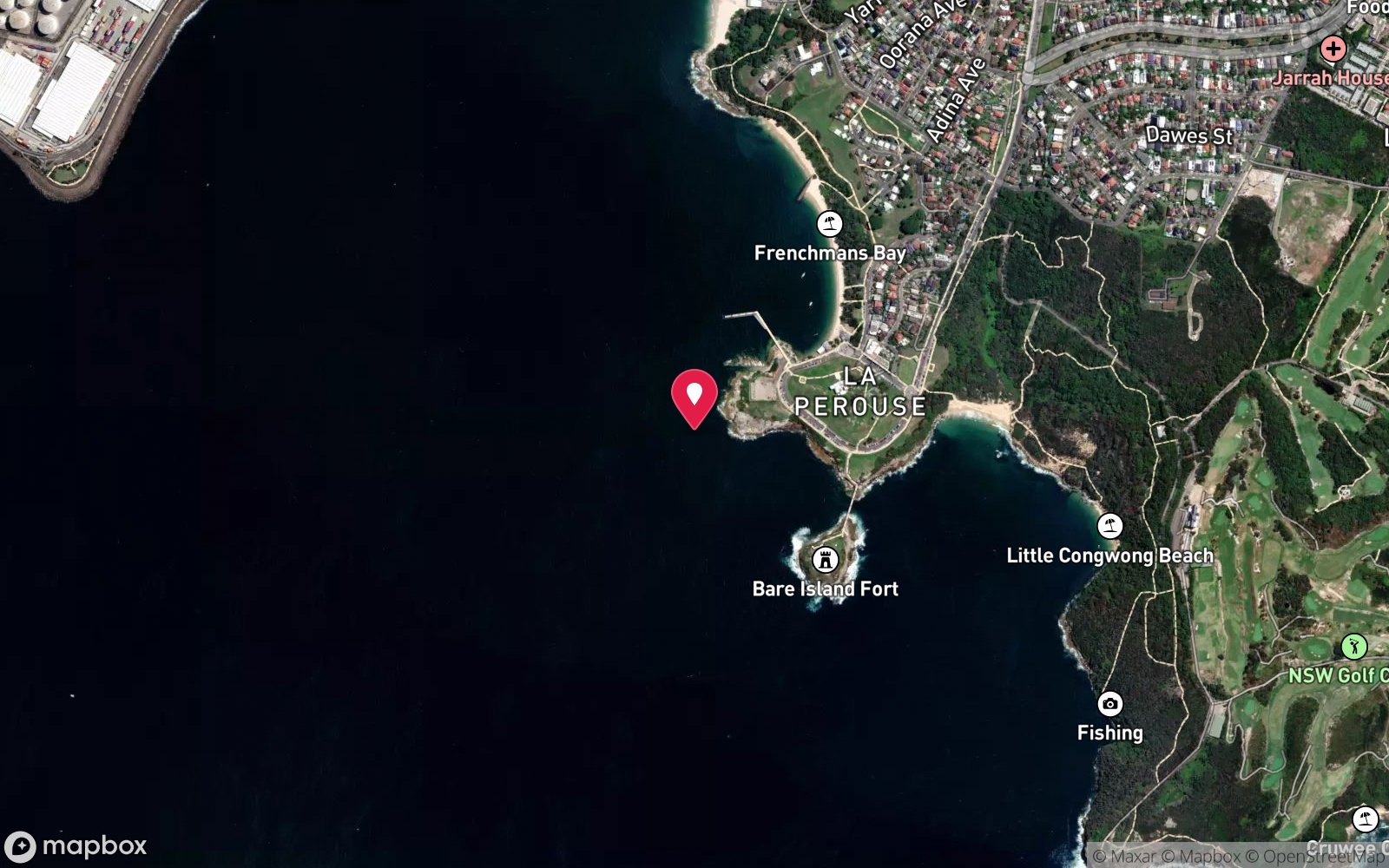
Island entries (boat ramp, western point or Pool) involve a 10–20 minute swim west along the Right reef to the Isolated Reefs. The shorter mainland option: park in the right-angle car park west of the main Bare Island parking, overlooking the grassy flat; walk down to the rock platform, enter, descend at 5 m and navigate south or south-west across the sand for 8–10 minutes to Reef One. Return the same way; 11–12 L tank recommended.
Entry: Walk-in from the island (boat ramp, western point or Pool) or from the mainland platform west of the main car park
Facilities: Free parking on Anzac Parade and the La Perouse loop (fills by 8 am on weekends), toilets at La Perouse, cafés and fish and chips at the loop, gear-up on the grass above the bridge; air fills at Abyss (Ramsgate) and Sydney Dive Academy (Matraville).
Weather, swell & tides
Sheltered like the rest of Bare Island and diveable in most seas, but strong currents run through the 16–19 m zone on big tide differences and often in unexpected directions – dive at or near high tide when clarity is also best. Visibility here is generally better than on the main reef but ranges from 2 to 25 m. The electricity cables from La Perouse to Kurnell deflect compasses near the reefs, so trust your surroundings as much as the needle.
Boats cross the sand between the reefs and the mainland; a long swim back is the price of surfacing early.
Best season: Winter for visibility; high tide
If it's blown out
Sheltered or shore sites within 25 km that often work when Bare Island – Isolated Reefs doesn't.
- Bare Island · 0 km · Max 15 m
- Bare Island – Left (Eastern Side) · 0 km · Max 12 m
- The Monument / Sutherland Point (Kurnell) · 1 km · Max 14 m
- The Steps (Kurnell) · 1 km · Max 15 m
How the dive is usually run
From the mainland entry descend at 5 m and swim south-west over sand to 10–11 m; Reef One appears after 8–10 minutes. Circle it keeping it on your left along the northern (deeper) side, cross 20–30 m of sand to Reef Two, explore its cracks, holes and bays, and return via the southern edges – 30–35 minutes on the reefs, 45–60 minutes total, with a safety stop over the sand edge.
Marine life
- Big-belly seahorse →
- red Indianfish
- painted anglerfish
- weedy seadragon (less common since 2009) →
- kingfish
- flathead (to 1.25 m)
- seapike
- silver sweep
- trevally
- yellowtail
- one-spot pullers
- luderick
- old wife
- sponges
- gorgonians
Linked species have their own page listing every site where they are recorded. All marine life →
Training required
Beyond 18 m an Advanced certification (which includes a deep dive to 30 m) is the accepted minimum. Anything past 25 m is a deep dive in practice.
Courses that help here
- Drysuit Diver – Cold water; locals dive dry for much of the year.
- Underwater Navigation – Navigation is part of the dive plan.
Depth tiers: 0–10 m easy · to 18 m Open Water · 18–30 m Advanced (25 m+ is a deep dive) · 30–40 m Deep specialty · 40 m+ technical. All courses
Hazards & warnings
Fast small boats and jet skis speed under the bridge ignoring dive flags – never ascend mid-water, swim back to under 3 m before surfacing; currents opposite to expectation in the 14–19 m zone especially on the ebb after a big high tide; visibility 1–2 m after prolonged heavy rain; bridge occasionally closed for maintenance; many reefs running in all directions – easy to get lost; crowded on weekends. Compass deflection from power cables; featureless sand crossing; long swim back.
Dive centres that go here
Abyss Scuba Diving, Sydney Dive Academy and Pro Dive guide it as an advanced navigation dive; experienced independents.
Operators recorded for Bare Island – Isolated Reefs
Abyss Scuba Diving
ProfiledRamsgate · Sydney South & Botany Bay · NSW
A Sydney operation associated with training across recreational and technical levels, boat diving and equipment services.
abyss.com.au · +61 2 9583 9662
Frog Dive Sydney
ProfiledGladesville · Sydney South & Botany Bay · NSW
A Willoughby PADI 5 Star IDC founded in 1985, teaching recreational through Trimix and rebreather courses with PADI, SDI and TDI, and testing cylinders in-store.
frogdive.com.au · (02) 9958 5699
Pro Dive Sydney
ProfiledSt Peters · Sydney South & Botany Bay · NSW
Pro Dive's inner-Sydney training centre at Alexandria, close to Camp Cove, Clovelly, Gordons Bay and Bare Island, with courses to Divemaster, hire and servicing.
prodive.com.au · (02) 9665 6333
Dive Centre Bondi
ProfiledBondi · Sydney South & Botany Bay · NSW
An Eastern Suburbs PADI 5 Star IDC on Bondi Road teaching through Instructor and technical levels, with air, Nitrox and Trimix fills and manufacturer-approved servicing.
divebondi.com.au · +61 2 9369 3855
Pro Dive Cronulla
Reported closedCronulla · Sydney South & Botany Bay · NSW
PRO DIVE's own site lists only Alexandria, Manly/Brookvale, Cairns, Port Douglas and Port Lincoln; Cronulla was reduced to a training centre and then dropped.
Sydney Dive Academy
Reported closedMatraville · Sydney South & Botany Bay · NSW
Marked closed on Yelp.
Other dive centres in Sydney South & Botany Bay
Dive Centre Manly
ProfiledManly · Sydney South & Botany Bay · NSW
A Northern Beaches operation with a long-standing presence at Shelly Beach, offering recreational training, boat diving and technical pathways.
divesydney.com.au · (02) 9977 4355
Pro Dive Brookvale
ProfiledBrookvale · Sydney South & Botany Bay · NSW
Pro Dive's Northern Beaches centre at Brookvale, running the 43-foot dive boat Sea Life V alongside courses, hire, air fills and servicing.
prodive.com.au · (02) 9977 5966
ADRENO Sydney
ProfiledAlexandria · Sydney South & Botany Bay · NSW
The Sydney branch of Adreno, an 850-square-metre spearfishing, freediving and scuba store in Alexandria that also runs SSI scuba courses.
adreno.com.au · (02) 9669 6214
Geo Divers
ProfiledClyde · Sydney South & Botany Bay · NSW
A Sydney PADI 5 Star Instructor Development Centre running small-group courses with two PADI professionals, from Discover Scuba through Instructor training.
geodivers.com.au · (02) 9689 1389
Scuba Warehouse
ListedClyde · Sydney South & Botany Bay · NSW
A Sydney equipment retailer. Whether training and in-house servicing are offered requires verification.
scubawarehouse.com.au · (02) 9689 1389
Wilderness Sea n' Ski
ListedLiverpool · Sydney South & Botany Bay · NSW
A far south coast business providing equipment and dive services. Range and training availability require verification.
wilderness.net.au · (02) 9822 4112
Map
7 pinned sites. Pins marked approximate on their pages show the general area only; not for navigation.
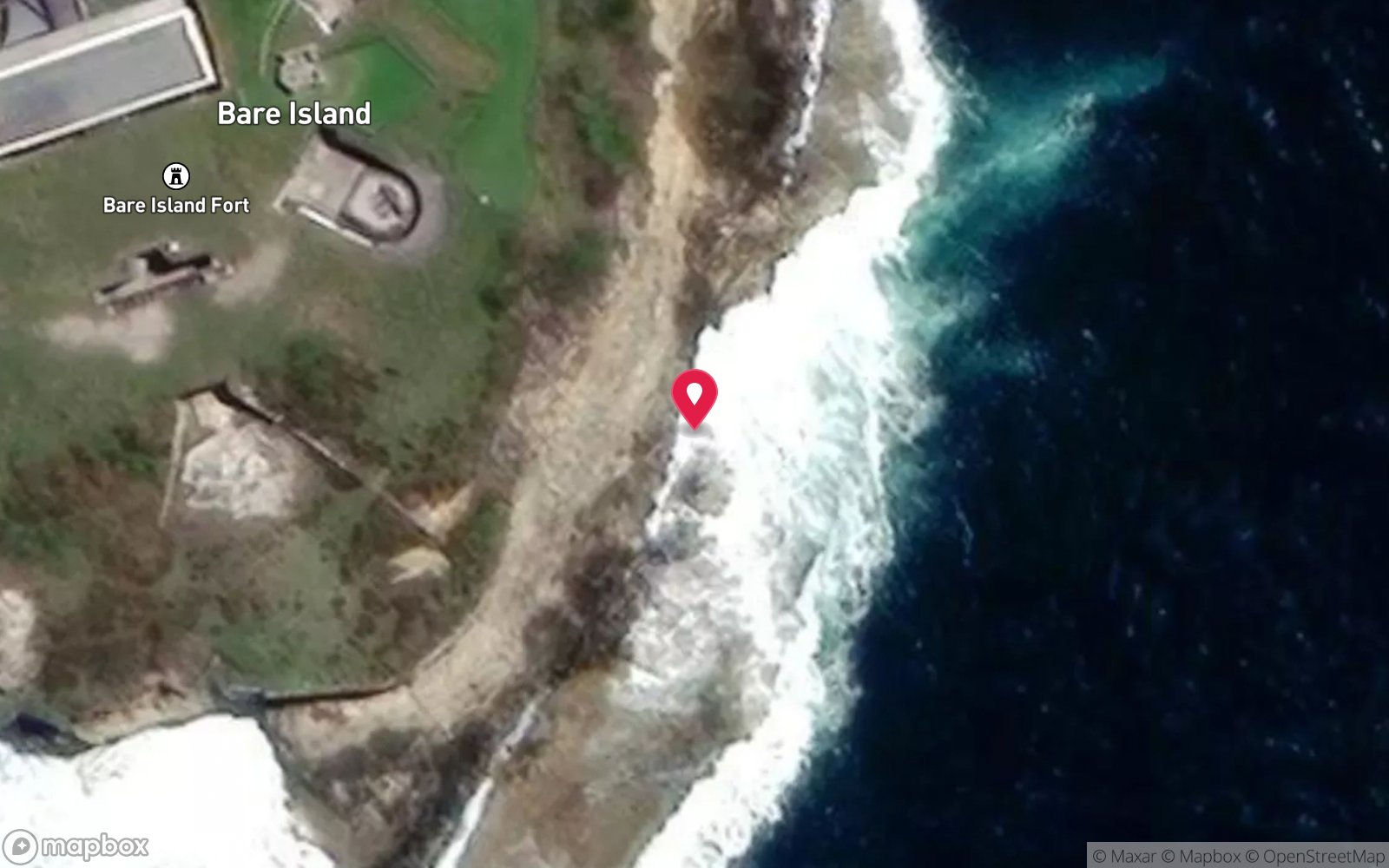
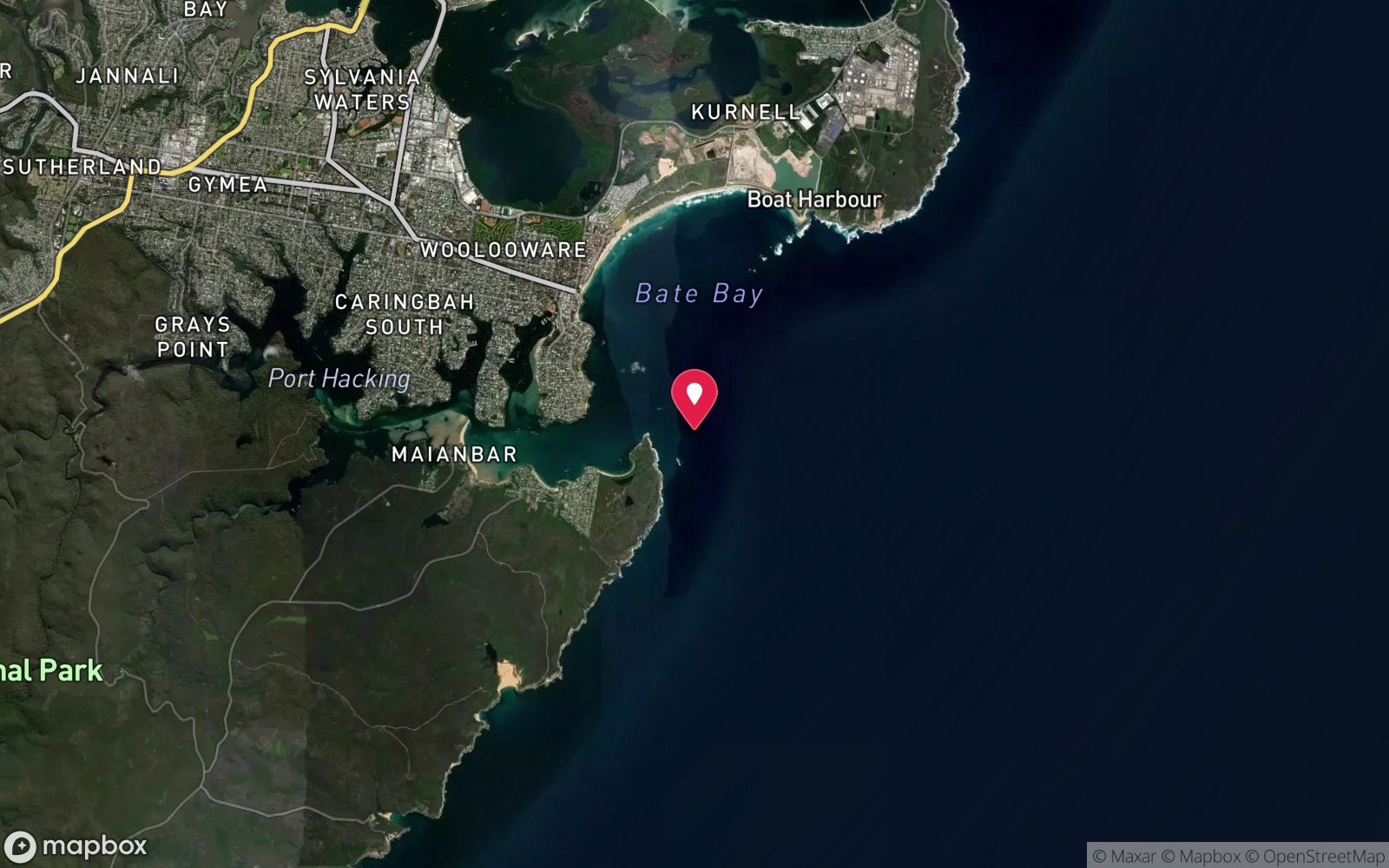
Satellite views
Bare Island – Isolated Reefs: frequently asked questions
How deep is Bare Island – Isolated Reefs?
Bare Island – Isolated Reefs reaches a maximum depth of 19 m, with the shallowest part at about 5 m; most of the dive is spent around 16 m.
What certification do I need to dive Bare Island – Isolated Reefs?
Advanced Open Water is the recommended minimum. Rated advanced because of depth beyond 18 m, tidal current that must be timed, cold water.
Can I shore dive Bare Island – Isolated Reefs?
Experienced divers do dive Bare Island – Isolated Reefs from the shore, but the entry or conditions make it unsuitable for newer divers without local guidance. Entry: Walk-in from the island (boat ramp, western point or Pool) or from the mainland platform west of the main car park.
When is the best time to dive Bare Island – Isolated Reefs?
Winter for visibility; high tide.
What marine life will I see at Bare Island – Isolated Reefs?
Regularly recorded: Big-belly seahorse, red Indianfish, painted anglerfish, weedy seadragon (less common since 2009), kingfish, flathead (to 1.25 m), seapike, silver sweep, trevally, yellowtail, one-spot pullers, luderick and more.
What wetsuit do I need at Bare Island – Isolated Reefs?
7 mm wetsuit or semi-dry year round; 5 mm adequate Jan–Apr; hood and gloves in winter; drysuit optional Jul–Oct.
How cold is the water at Bare Island – Isolated Reefs?
Typically 21–24 °C in summer and 15–18 °C in winter.
What are the main hazards at Bare Island – Isolated Reefs?
Fast small boats and jet skis speed under the bridge ignoring dive flags – never ascend mid-water, swim back to under 3 m before surfacing; currents opposite to expectation in the 14–19 m zone especially on the ebb after a big high tide; visibility 1–2 m after prolonged heavy rain; bridge occasionally closed for maintenance; many reefs running in all directions – easy to get lost; crowded on weekends. See the hazards section above for the full list.
Where is the nearest recompression chamber to Bare Island – Isolated Reefs?
Prince of Wales Hospital Hyperbaric Unit (Randwick, Sydney). In an emergency call 000, then DAN Asia-Pacific on 1800 088 200.
Diving in Sydney South & Botany Bay
Sydney's southern beaches and Botany Bay hold the city's biggest cluster of dive sites, and most of them are shore dives. Bare Island, on the northern side of Botany Bay, is the most-dived site in the state, with a dozen named reefs around one small island; Kurnell's Steps and Monument on the southern side are famous for weedy seadragons and sea horses. Magic Point at Maroubra has resident grey nurse sharks, and the offshore reefs off Coogee and Cronulla have wrecks and sponge gardens in 20–40 m.
Getting there: All the shore sites are within 30 minutes of the CBD with car parks and beach or rock entries. Boat charters leave from Botany Bay, Rose Bay and Cronulla for the offshore reefs and Magic Point.
All Sydney South & Botany Bay dive sites and a suggested itinerary →
Sources
- michaelmcfadyenscuba.info/viewpage.php?page_id=255
- michaelmcfadyenscuba.info/viewpage.php?page_id=1
- michaelmcfadyenscuba.info/viewpage.php?page_id=252
Data confidence: High. Last updated September 2026. Know this site better? How to send a correction
Nearby dive sites
More reef dives in New South Wales
Explore more
This region
Marine life