Dive slate · divesites.com.au · printed 8 Nov 2026
Beehive Casemate Tunnel (Middle Head)
Sydney Harbour, New South Wales · near Mosman
| Depth | 1–5 m |
|---|---|
| Minimum level | Advanced Open Water |
| Difficulty | Advanced |
| Access | Boat |
| Entry | Anchor a few tens of metres off and swim to the reef cutting; enter the tunnel at a few metres depth |
| Current | None |
| Visibility | 3-8 m |
| Water | summer 21-24 °C, winter 15-18 °C |
| Suit | 5 mm full suit in summer; 7 mm semi-dry or drysuit May–October |
| Best season | Calm days at mid to high tide, no southerly swell |
| Bottom time | 20 min |
| Position | -33.82850, 151.26000 (approximate) |
| Permit | Sydney Harbour National Park (Middle Head) – heritage site |
| Nearest chamber | Prince of Wales Hospital (Randwick, Sydney) |
| Emergency | 000 · DAN Asia-Pacific diving emergency 1800 088 200 |
Beehive Casemate Tunnel (Middle Head)
Also known as Middle Head mine tunnel, Beehive Casemate
Swim a concrete-lined 1880s minefield cable tunnel from the reef into the cliff and surface at the foot of a colonial stone staircase.
Near Mosman · Sydney Harbour, New South Wales
- Depth
- 1–5 m
- Minimum level
- Advanced Open Water
- Access
- Boat
- Boat ride
- ~10 min
- Water
- 21-24 °C
- Visibility
- 3-8 m
Beehive Casemate Tunnel (Middle Head)1–5 m · Advanced Open Water
Dive factsDepths, conditions, location & safety
Season
In season nowBest months: year-round.
Calm days at mid to high tide, no southerly swell
- Best months
- Now (November)
Dive facts
- Depth
- 1–5 m
- Typical depth
- 3 m
- Certification
- Advanced Open Water
- Difficulty
- Advanced
- Depth tier
- Easy (0–10 m)
- Access
- Boat
- Offshore
- 0 km
- Dive centre needed
- No – independently diveable
- Shore / independent
- Possible (experienced only)
- Boat ride
- ~10 min
- Current
- None
- Visibility
- 3-8 m
- Water temp (summer)
- 21-24 °C
- Water temp (winter)
- 15-18 °C
- Water
- Temperate
- Bottom time
- 20 min
- Dive traffic
- Rarely dived (private boat/club only)
- Night dive
- No
- Snorkel friendly
- No
Exposure suit
5 mm full suit in summer; 7 mm semi-dry or drysuit May–October
Location
Middle Head · Sydney – Harbour
-33.82850, 151.26000
Approximate position — not for navigation.
Open in Google MapsPrimary source: michaelmcfadyenscuba.infoMarine park & permits
Sydney Harbour National Park (Middle Head) – heritage site
Nearest recompression chamber
Prince of Wales Hospital (Randwick, Sydney)
Diving emergency: call 000, then DAN AP 1800 088 200.
Trip planner
Build a trip around Beehive Casemate Tunnel (Middle Head) →
A day-by-day plan for Sydney Harbour with this site locked in.
This guide is a planning aid. Conditions change daily — confirm with a local dive centre and dive within your training. Data & safety notes.
Dive profile
How this site rates
Scores are computed from the recorded data, not opinions. How?
At a glance
Beehive Casemate Tunnel (Middle Head) is a cave / cavern shore dive for experienced divers in Sydney Harbour, NSW, 1–5 m, suited to Advanced Open Water divers, about 10 minutes by boat.
Rated advanced because of an overhead environment, surge on the entry or in the shallows, boat traffic overhead, cold water.
Why dive here
- Swim a concrete-lined 1880s minefield cable tunnel from the reef into the cliff and surface at the foot of a colonial stone staircase.
- Rarely dived: expect to have the site to yourself, and plan your own logistics.
Conditions to avoid
- Strong southerly or south-east swell and wind
- Outgoing tide or run-off after rain (poor visibility)
About Beehive Casemate Tunnel (Middle Head)
Beehive Casemate is a curiosity rather than a dive site in the usual sense: a piece of Sydney's colonial fortifications that can only be seen from underwater. In the 1870s and 1880s, when fear of Russian raiders drove the building of the Middle Head, Georges Head and South Head batteries, plans were made to lay a controlled minefield across the harbour entrance. The mines would be fired electrically from a casemate – the 'Beehive' – dug into Middle Head, and the firing cables had to reach the water.
The engineers cut a straight channel through the intertidal reef on the headland's southern face, lined it with concrete, and drove a short tunnel from the channel up into the cliff, where a stone staircase climbs to a door and the casemate above. Whether the mines were ever laid is unclear; the infrastructure certainly was. Underwater, the cutting announces itself by walls 'too perfect' to be natural, though kelp on the approach hides it well.
The tunnel runs about 5 m before bending some 30 degrees to the right and continues less than 5 m more to a point where a diver can surface in the dark at the foot of the staircase. The middle section around the bend is properly dark; the ends are lit from the water and from above. At the top a door and possibly a further passage can be seen, but climbing the high steps in scuba gear with surge working in the channel has defeated most visitors.
Depth throughout is only a few metres. Tony Steinbeck's photographs from the 1980s show that divers have known the site for decades, notwithstanding a 2017 media report of its 'discovery'. It carries no marine-life attraction beyond the ordinary Middle Head reef outside – kelp, wrasses, leatherjackets, the odd octopus – and it should be treated as an overhead environment with surge, entered only on a flat day by divers comfortable in confined spaces.
It suits history-minded divers as a ten-minute detour from a Middle Head or Chowder Bay dive; it is within Sydney Harbour National Park and must not be damaged.
Getting there & entry
A deliberately cut channel in the reef and a short flooded tunnel on the southern side of Middle Head, between Obelisk Beach and Chowder Bay, built in the 1870s–80s as the cable conduit for a planned harbour minefield; leads to a staircase inside the cliff.
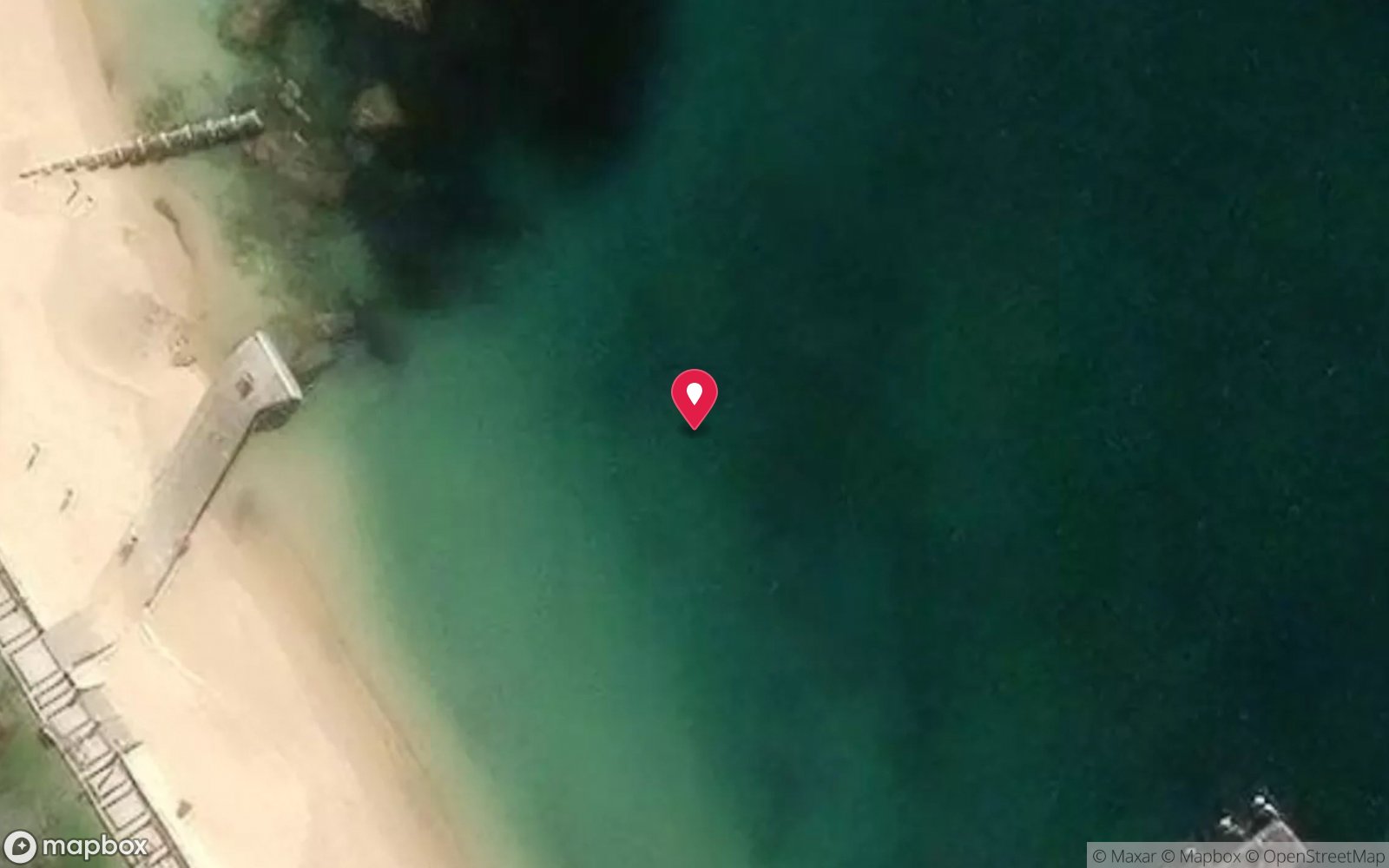
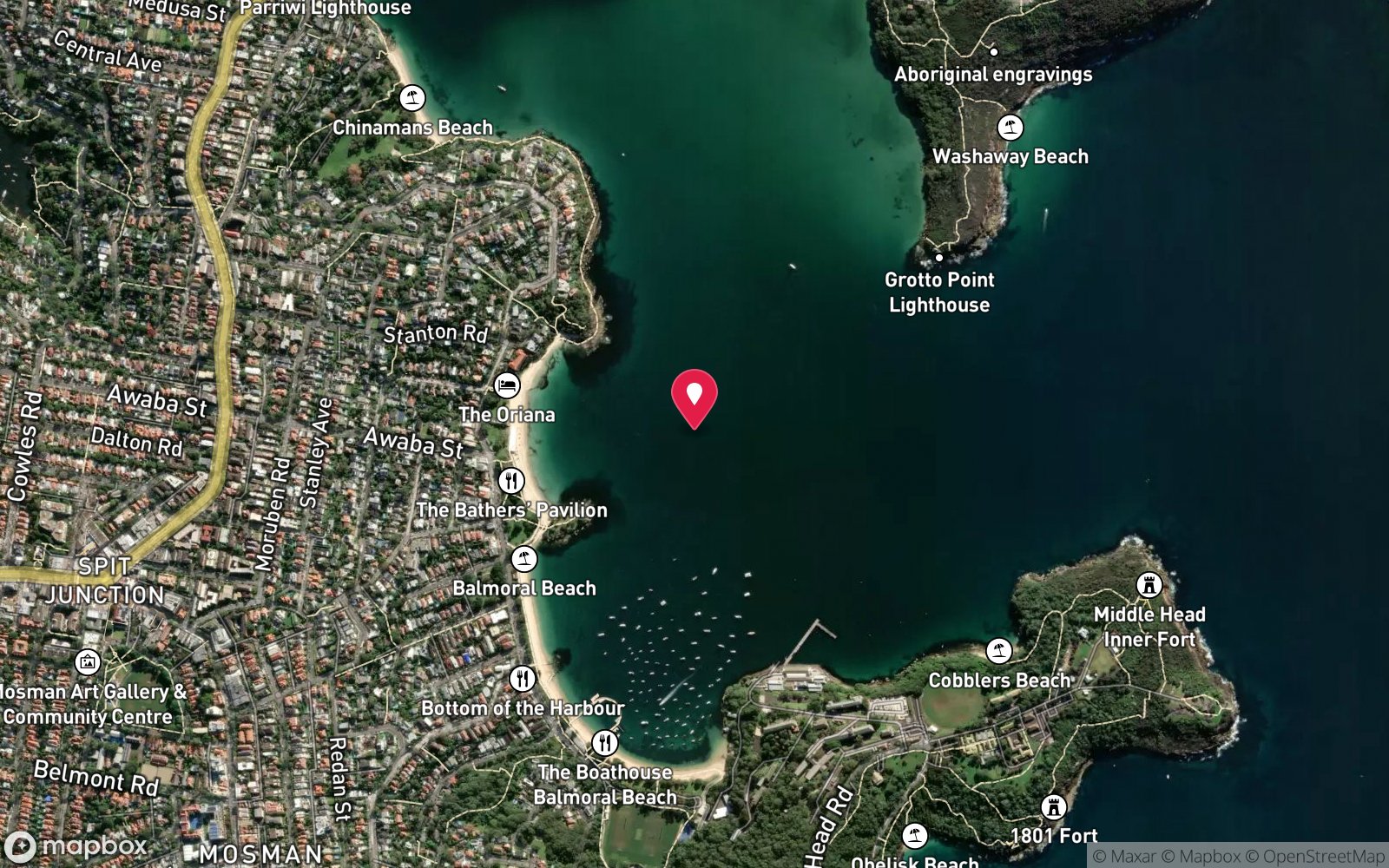
On the southern (Chowder Bay) face of Middle Head, a short distance east of Obelisk Beach. Most easily reached by small boat from Chowder Bay/Clifton Gardens (5 minutes) or the Spit/Balmoral (10 minutes); anchor several dozen metres off the cliff and swim in. A determined shore diver could swim east from Obelisk Beach (see Middle Head shore dive) but the cutting is hard to find from the water.
The entrance looks like a concrete-lined drain in the rock at the waterline, often hidden by kelp. Exit the way you came.
Entry: Anchor a few tens of metres off and swim to the reef cutting; enter the tunnel at a few metres depth
Weather, swell & tides
The cutting is at the waterline on a rock face open to the south, so any southerly swell or southerly wind chop pushes surge through the channel and tunnel and makes it unsafe; choose a flat day with a northerly or westerly. Mid to high tide is needed to float through the tunnel and reach the staircase without excessive step height, but at very low tide the steps are too high to climb in gear. Visibility follows the harbour – clean on a winter flood, brown after rain.
Boat traffic to Chowder Bay and Obelisk passes close.
Best season: Calm days at mid to high tide, no southerly swell
If it's blown out
Sheltered or shore sites within 25 km that often work when Beehive Casemate Tunnel (Middle Head) doesn't.
- Balmoral Baths · 1 km · Max 5 m
- Chowder Bay / Clifton Gardens · 1 km · Max 10 m
- Camp Cove · 2 km · Max 8 m
- Fairlight · 3 km · Max 12 m
How the dive is usually run
Locate the perfectly straight walls of the reef cutting (look for the concrete lining under the kelp), follow it in at 2–3 m to the tunnel mouth, swim the first 5 m to the 30-degree right-hand bend, then the last few metres to surface in the chamber at the foot of the stone staircase. Look up at the stairs and door; do not attempt to climb in gear in surge. Reverse out.
Total time under 20 minutes, usually done as an add-on to a Middle Head or Chowder Bay dive.
Marine life
- Kelp
- wrasses
- leatherjackets
- octopus →
- sea urchins on the approach reef; little inside the tunnel
Linked species have their own page listing every site where they are recorded. All marine life →
Training required
Shallow enough for snorkellers and for a first dive under supervision. Any certified diver can dive it.
Courses that help here
- Cavern Diver – An overhead environment.
- Drysuit Diver – Cold water; locals dive dry for much of the year.
Depth tiers: 0–10 m easy · to 18 m Open Water · 18–30 m Advanced (25 m+ is a deep dive) · 30–40 m Deep specialty · 40 m+ technical. All courses
Hazards & warnings
Overhead environment with surge – only in flat seas; dark bend mid-tunnel; kelp obscures the entrance; high steps at low tide; boat traffic close to the cliff; heritage structure – do not damage.
Technical notes
Short overhead; torch essential; no line normally needed but surge can push divers against the walls.
Dive centres that go here
No operator. Visited by a handful of private divers and historians; documented by Michael McFadyen in 2017 after a media 'discovery' report, and known to divers since the 1980s.
Operators recorded for Beehive Casemate Tunnel (Middle Head)
Dive 2000
Named by sitesCromer · Sydney Northern Beaches · NSW
Moved from Neutral Bay; now dive travel/photography business by appointment only, not a retail shop.
dive2000.com.au · 0417 492 511
Plunge Diving
Reported closedMosman · Sydney Harbour · NSW
Reported permanently closed on TripAdvisor; blog last updated 2013.
Other dive centres in Sydney Harbour
Abyss Scuba Diving
ProfiledRamsgate · Sydney South & Botany Bay · NSW
A Sydney operation associated with training across recreational and technical levels, boat diving and equipment services.
abyss.com.au · +61 2 9583 9662
Frog Dive Sydney
ProfiledGladesville · Sydney South & Botany Bay · NSW
A Willoughby PADI 5 Star IDC founded in 1985, teaching recreational through Trimix and rebreather courses with PADI, SDI and TDI, and testing cylinders in-store.
frogdive.com.au · (02) 9958 5699
Pro Dive Sydney
ProfiledSt Peters · Sydney South & Botany Bay · NSW
Pro Dive's inner-Sydney training centre at Alexandria, close to Camp Cove, Clovelly, Gordons Bay and Bare Island, with courses to Divemaster, hire and servicing.
prodive.com.au · (02) 9665 6333
Dive Centre Manly
ProfiledManly · Sydney South & Botany Bay · NSW
A Northern Beaches operation with a long-standing presence at Shelly Beach, offering recreational training, boat diving and technical pathways.
divesydney.com.au · (02) 9977 4355
Pro Dive Brookvale
ProfiledBrookvale · Sydney South & Botany Bay · NSW
Pro Dive's Northern Beaches centre at Brookvale, running the 43-foot dive boat Sea Life V alongside courses, hire, air fills and servicing.
prodive.com.au · (02) 9977 5966
Dive Centre Bondi
ProfiledBondi · Sydney South & Botany Bay · NSW
An Eastern Suburbs PADI 5 Star IDC on Bondi Road teaching through Instructor and technical levels, with air, Nitrox and Trimix fills and manufacturer-approved servicing.
divebondi.com.au · +61 2 9369 3855
Map
7 pinned sites. Pins marked approximate on their pages show the general area only; not for navigation.
Satellite views
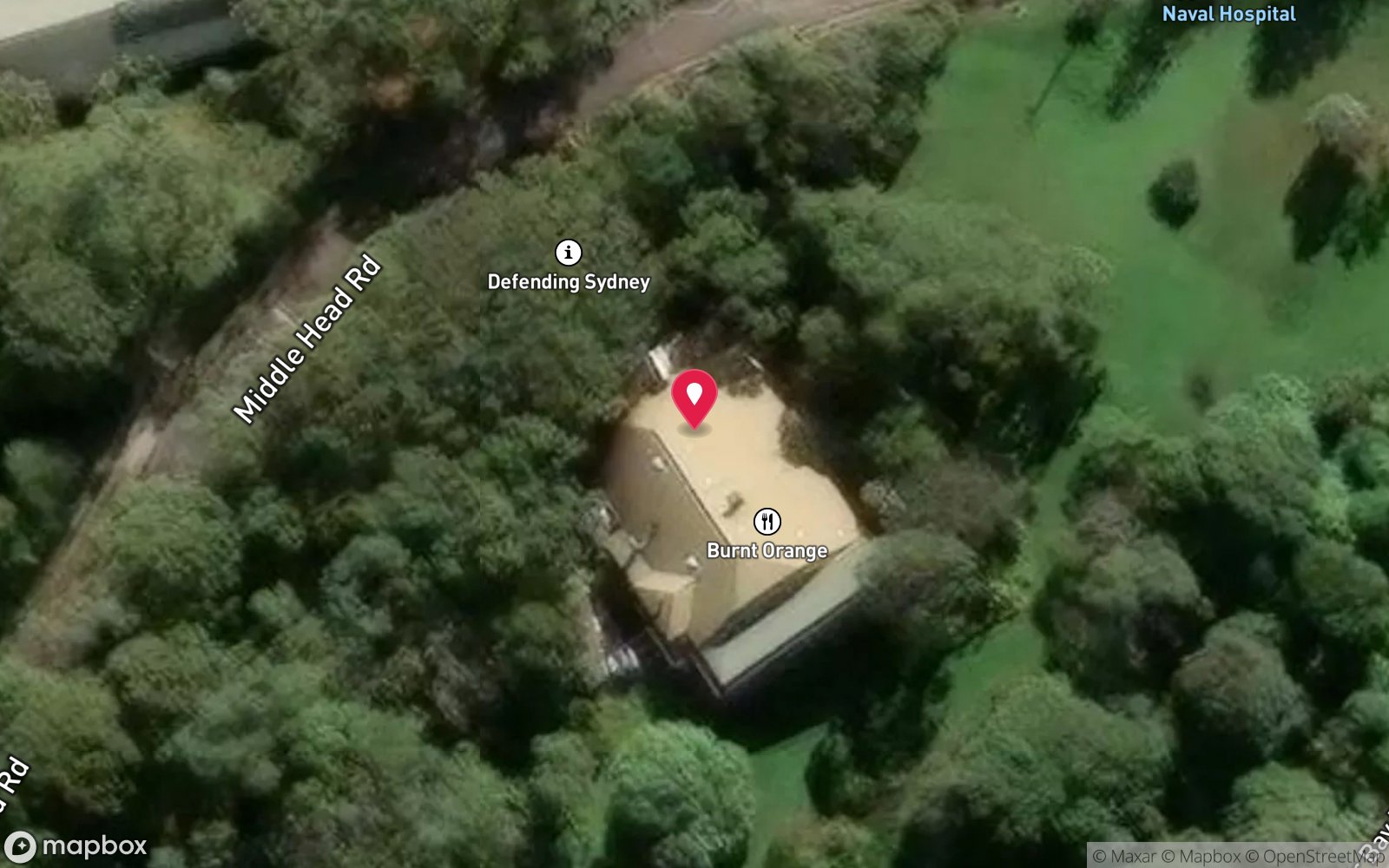
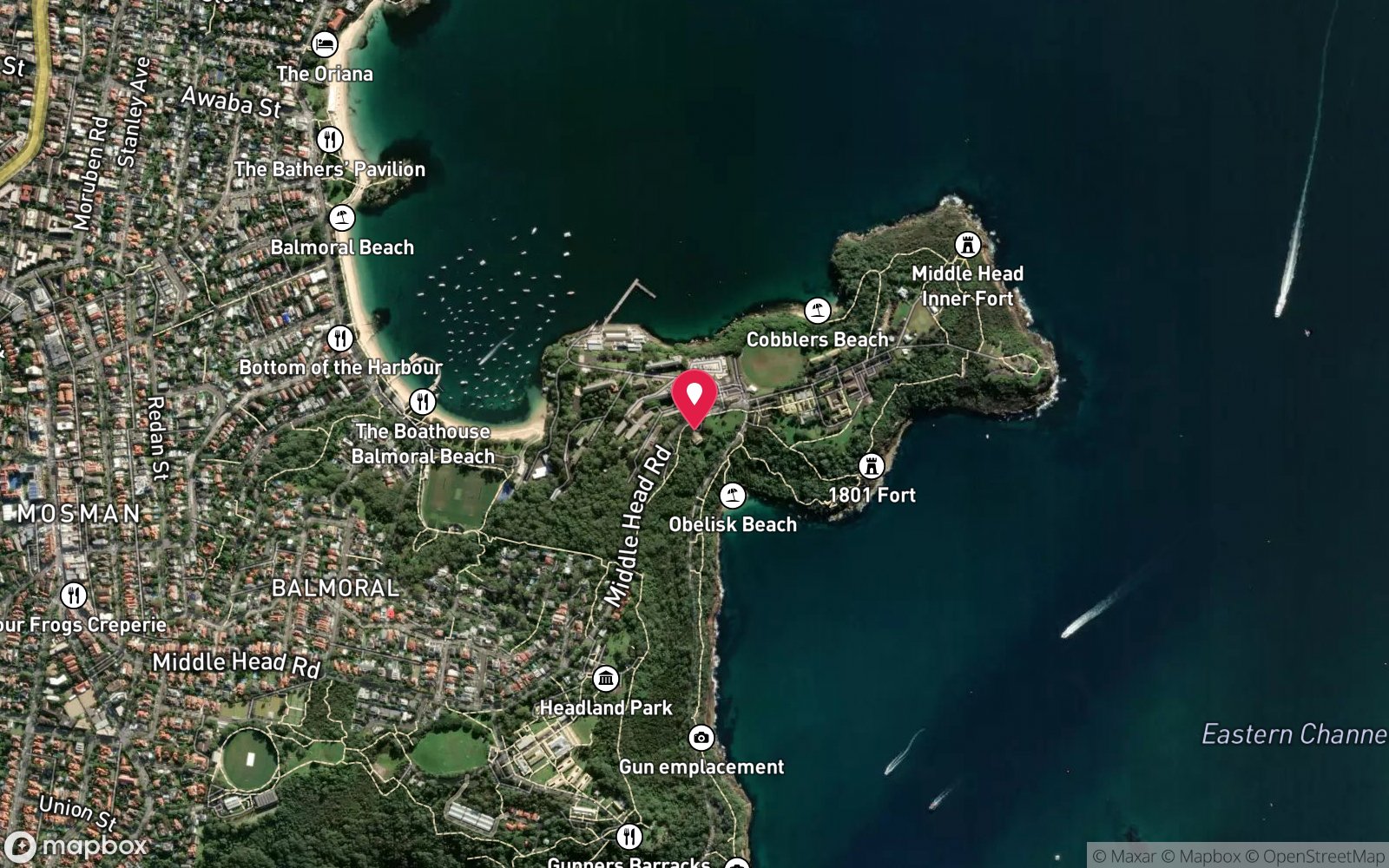
Beehive Casemate Tunnel (Middle Head): frequently asked questions
How deep is Beehive Casemate Tunnel (Middle Head)?
Beehive Casemate Tunnel (Middle Head) reaches a maximum depth of 5 m, with the shallowest part at about 1 m; most of the dive is spent around 3 m.
What certification do I need to dive Beehive Casemate Tunnel (Middle Head)?
Advanced Open Water is the recommended minimum. Rated advanced because of an overhead environment, surge on the entry or in the shallows, boat traffic overhead, cold water.
Can I shore dive Beehive Casemate Tunnel (Middle Head)?
Experienced divers do dive Beehive Casemate Tunnel (Middle Head) from the shore, but the entry or conditions make it unsuitable for newer divers without local guidance. Entry: Anchor a few tens of metres off and swim to the reef cutting; enter the tunnel at a few metres depth.
When is the best time to dive Beehive Casemate Tunnel (Middle Head)?
Calm days at mid to high tide, no southerly swell.
What marine life will I see at Beehive Casemate Tunnel (Middle Head)?
Regularly recorded: Kelp, wrasses, leatherjackets, octopus, sea urchins on the approach reef; little inside the tunnel.
What wetsuit do I need at Beehive Casemate Tunnel (Middle Head)?
5 mm full suit in summer; 7 mm semi-dry or drysuit May–October.
How cold is the water at Beehive Casemate Tunnel (Middle Head)?
Typically 21-24 °C in summer and 15-18 °C in winter.
What are the main hazards at Beehive Casemate Tunnel (Middle Head)?
Overhead environment with surge – only in flat seas; dark bend mid-tunnel; kelp obscures the entrance; high steps at low tide; boat traffic close to the cliff; heritage structure – do not damage. See the hazards section above for the full list.
Where is the nearest recompression chamber to Beehive Casemate Tunnel (Middle Head)?
Prince of Wales Hospital (Randwick, Sydney). In an emergency call 000, then DAN Asia-Pacific on 1800 088 200.
Diving in Sydney Harbour
Sydney Harbour has more marine species than the entire Mediterranean, and most of its dive sites are gentle shore dives inside the heads. Clifton Gardens (Chowder Bay) is the city's night-dive institution, with seahorses, pygmy pipehorses, frogfish and octopus under the wharf; Camp Cove, Fairlight and the Fairy Bower reef are easy day dives, and North Head's outside reefs are for experienced divers on calm days.
Getting there: All sites are within the city with public transport, parking and easy entries. Boat dives to the Harbour reefs and wrecks leave from Rose Bay and Mosman.
Sources
Data confidence: Medium · Being verified: Exact position of the cutting not published; approximate.. Last updated September 2026. Know this site better? How to send a correction
Nearby dive sites
More cave/cavern dives in New South Wales
Explore more
This region
Similar dives