Dive slate · divesites.com.au · printed 9 Nov 2026
Cervantes Wreck (Thirsty Point)
Turquoise Coast, Western Australia · near Cervantes
| Depth | 2–3 m |
|---|---|
| Minimum level | Snorkel/Any |
| Difficulty | Beginner |
| Access | Boat (day trip) |
| Entry | From small boat |
| Current | None |
| Visibility | 1-10 m |
| Water | summer 21-23 °C, winter 18-19 °C |
| Suit | 3-5 mm wetsuit |
| Best season | Calm summer mornings |
| Bottom time | 40 min |
| Position | -30.51340, 115.05000 (GPS) |
| Permit | Jurien Bay Marine Park – check zoning; protected historic shipwreck. |
| Nearest chamber | Fiona Stanley Hospital Hyperbaric Medicine Unit (Murdoch, Perth) – about 220-300 km by road; RFDS/ambulance transfer |
| Emergency | 000 · DAN Asia-Pacific diving emergency 1800 088 200 |
Cervantes Wreck (Thirsty Point)
Also known as Cervantes whaling barque
The timbers of the 1844 American whaler that gave the town of Cervantes its name.
Near Cervantes · Turquoise Coast, Western Australia
- Depth
- 2–3 m
- Minimum level
- Snorkel/Any
- Access
- Boat (day trip)
- Boat ride
- ~5 min
- Water
- 21-23 °C
- Visibility
- 1-10 m
Cervantes Wreck (Thirsty Point)2–3 m · Snorkel/Any
Dive factsDepths, conditions, location & safety
Season
Off-peak nowBest months: January, February, December.
Dive facts
- Depth
- 2–3 m
- Typical depth
- 3 m
- Certification
- Snorkel/Any
- Difficulty
- Beginner
- Depth tier
- Easy (0–10 m)
- Access
- Boat (day trip)
- Offshore
- 1.5 km
- Dive centre needed
- No – independently diveable
- Shore / independent
- No
- Boat ride
- ~5 min
- Current
- None
- Visibility
- 1-10 m
- Water temp (summer)
- 21-23 °C
- Water temp (winter)
- 18-19 °C
- Water
- Temperate
- Bottom time
- 40 min
- Dive traffic
- Rarely dived (private boat/club only)
- Night dive
- No
- Snorkel friendly
- Yes
Exposure suit
3-5 mm wetsuit
Location
Cervantes · Turquoise Coast – Jurien Bay
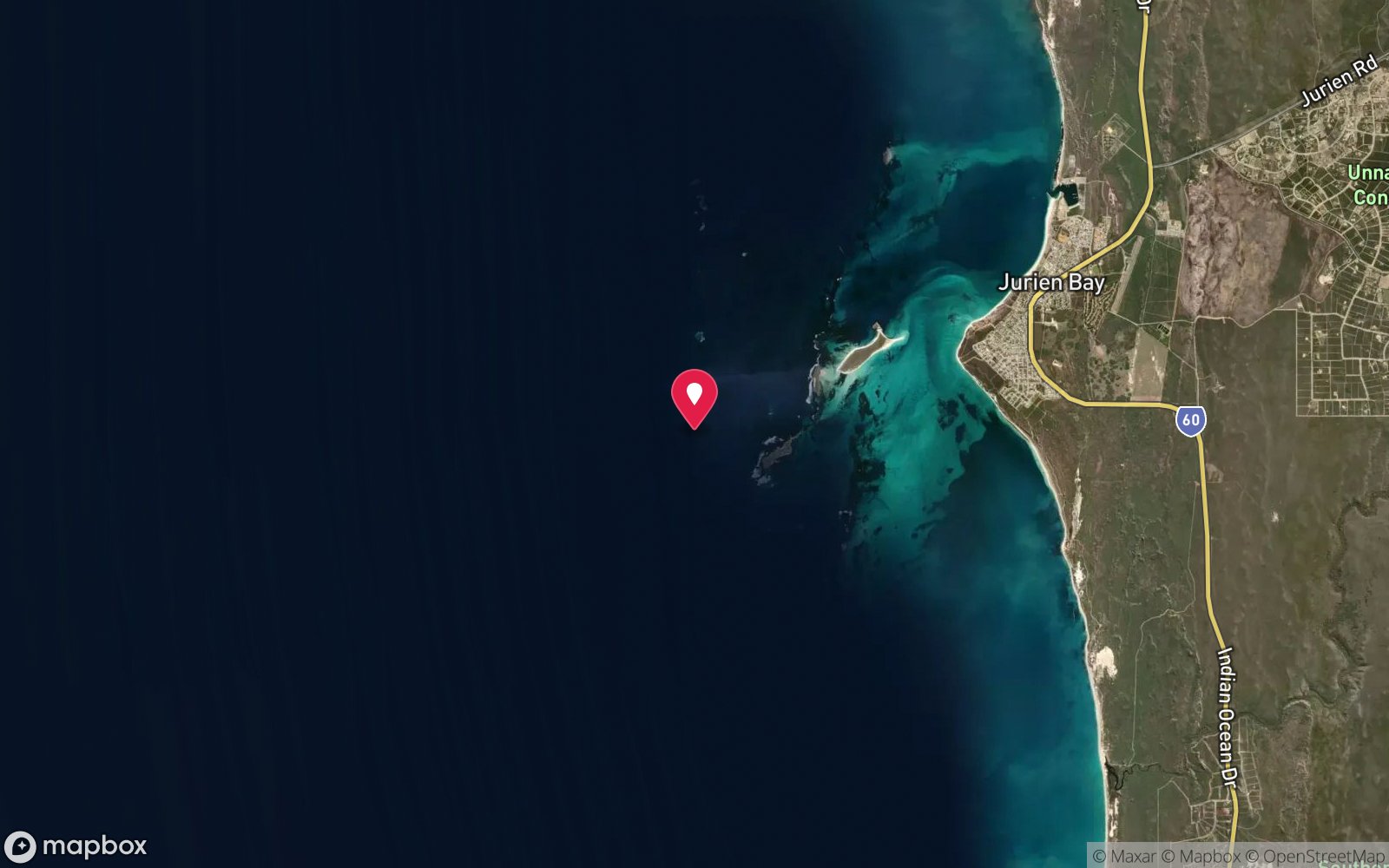
-30.51340, 115.05000
Published GPS position.
Open in Google MapsPrimary source: divingwawrecks.comMarine park & permits
Jurien Bay Marine Park – check zoning; protected historic shipwreck.
Nearest recompression chamber
Fiona Stanley Hospital Hyperbaric Medicine Unit (Murdoch, Perth) – about 220-300 km by road; RFDS/ambulance transfer
Diving emergency: call 000, then DAN AP 1800 088 200.
Trip planner
Build a trip around Cervantes Wreck (Thirsty Point) →
A day-by-day plan for Turquoise Coast with this site locked in.
This guide is a planning aid. Conditions change daily — confirm with a local dive centre and dive within your training. Data & safety notes.
Dive profile
How this site rates
Scores are computed from the recorded data, not opinions. How?
At a glance
Cervantes Wreck (Thirsty Point) is a wreck boat dive in Turquoise Coast, WA, 2–3 m, suitable for snorkellers and first-time divers, about 5 minutes by boat.
Rated beginner: sheltered, shallow and manageable for a newly certified diver on a normal day, though note boat traffic overhead.
Why dive here
- The timbers of the 1844 American whaler that gave the town of Cervantes its name.
- Sunk in 1844; protected as underwater cultural heritage, so look but do not touch.
- Snorkel-friendly, so non-diving companions can join at the surface.
- Rarely dived: expect to have the site to yourself, and plan your own logistics.
About Cervantes Wreck (Thirsty Point)
The town of Cervantes takes its name from this wreck. The Cervantes was a 232-ton, 28 m whaling barque built in 1836 in Bath, Maine, and registered in New London. On her second voyage to Western Australia she whaled in Geographe Bay, and in 1844, while anchored off the mid-west coast with her crew fishing, she was caught by a gale; before the crew could get her to sea she went aground on a sandbar near what is now Cervantes Island.
divingwawrecks describes the lower hull section still upright on the sand in about 3 m, with the timber keel and structural members spread across the site and copper nails protruding from well-preserved timber in places. Sand worms seasonally colonise the surrounding flats.
It is a shallow, sheltered and easy snorkel that suits families and history enthusiasts with access to a small boat. Visibility is variable. The wreck is protected historic material – nothing may be removed. Cervantes is also the gateway to the Pinnacles Desert in Nambung National Park and the Cervantes Islands sanctuary zone of the Jurien Bay Marine Park.
Practical notes: a small tinny or kayak is adequate for the short trip from the foreshore, but check the forecast for the sea breeze, which arrives by late morning in summer and makes the return run choppy. Because the remains are low-lying timber on sand, polarised sunglasses help spot the site from the surface on a bright day. The wreck is one of the earliest American whaling losses on the Western Australian coast, and a good example of the many foreign whalers that worked these waters in the 1840s.
Wreck details
Wooden whaling barque, 28 m, 232 tons, built Bath, Maine 1836 · Sunk 1844 · Protected historic shipwreck
Era: early colonial. Oldest wrecks · Wartime wrecks · Scuttled warships
Other wrecks of the same era
- Duck Rock & Transit Plinth · Max 6 m · Rottnest Island
- Arpenteur Wreck (Hassell Beach, Cheyne Bay) · Max 3 m · Albany & Great Southern
- Eglinton Wreck · Max 8 m · Perth
- Cataraqui · Max 7 m · King Island
- Socrates · Max 3 m · Shipwreck Coast & Warrnambool
- Kellys Rocks (Recherche Bay) · Max 15 m · Huon & Far South
Getting there & entry
Lower hull of the American whaling barque Cervantes, lost in a gale in 1844, lying upright in 3 m on sand about 900 m north-north-east of Cervantes Island.
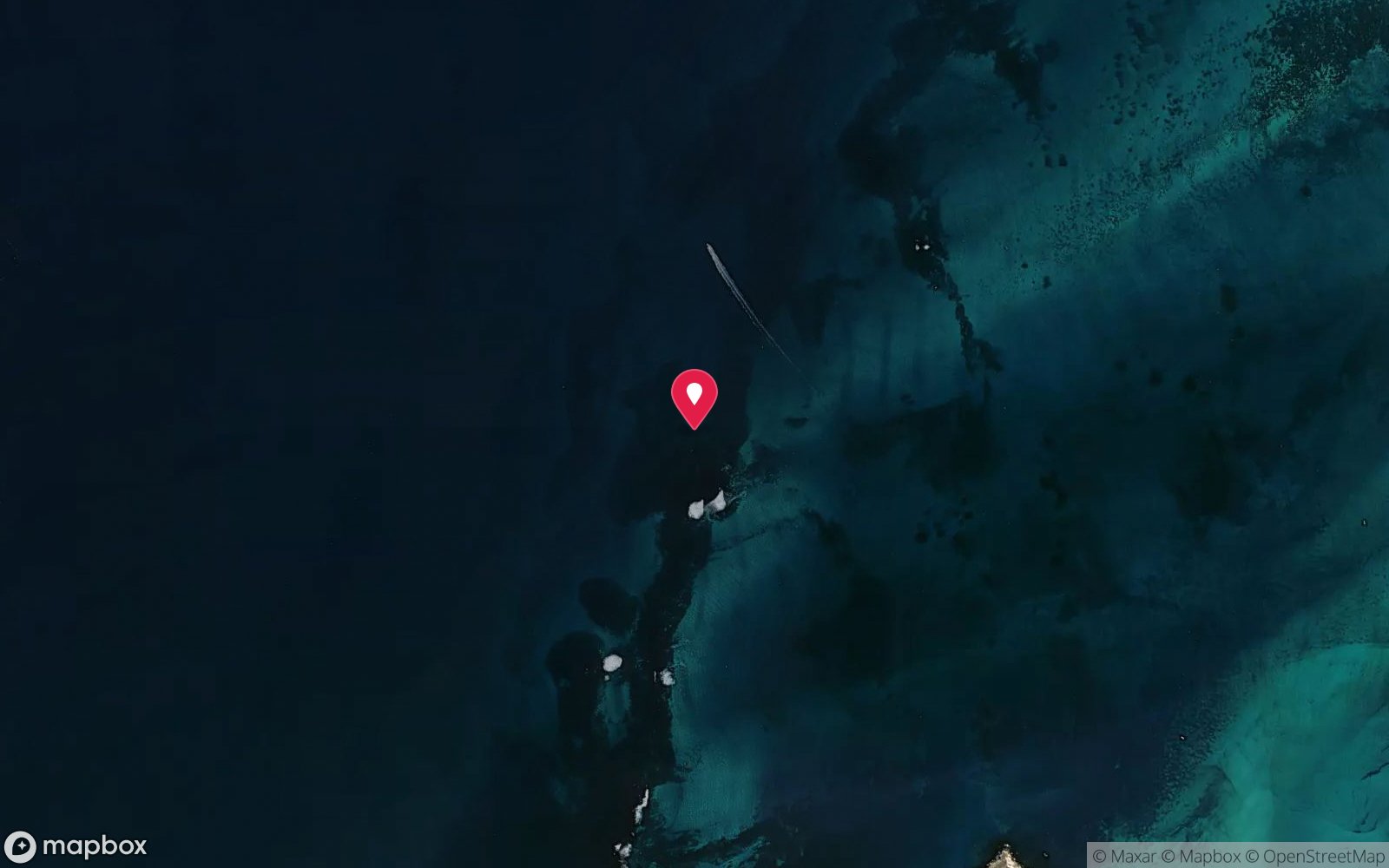
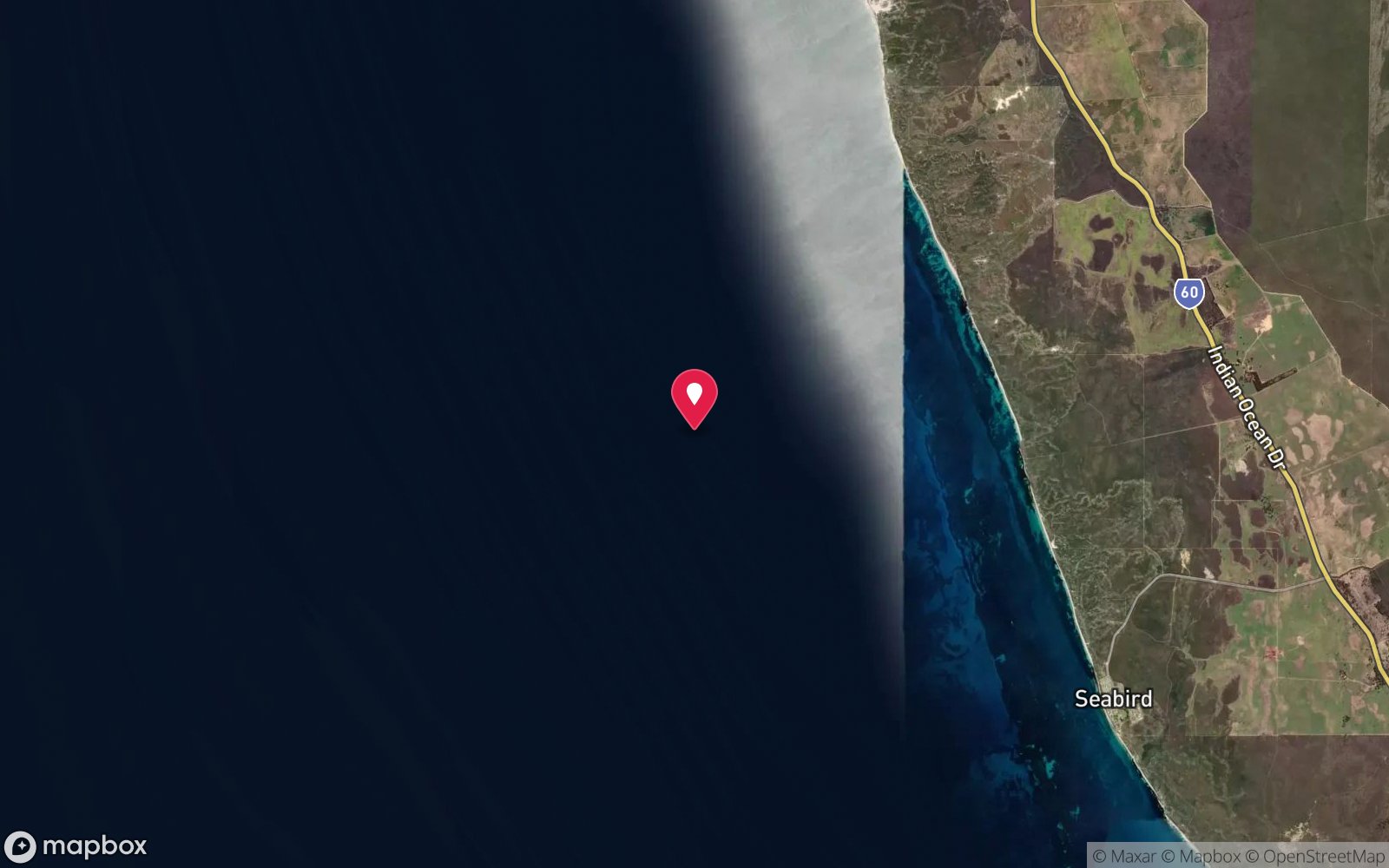
Cervantes is about 200 km (2 hours 15 minutes) north of Perth via the Indian Ocean Drive. Launch small boats from the Cervantes foreshore beach on the north side of Thirsty Point; the wreck lies a few minutes away, about 900 m north-north-east of Cervantes Island at S 30° 30.802', E 115° 03.000'. Anchor in sand beside the site.
Entry: From small boat
Facilities: Cervantes foreshore beach launch; town shops, toilets and fuel nearby.
Weather, swell & tides
The Turquoise Coast is protected by a line of offshore limestone reefs and islands that break the prevailing south-westerly swell, creating a lagoon of calm, clear water inshore. The main enemy is wind: the strong southerly sea breeze ('Fremantle Doctor') blows most summer afternoons from about 11 am, and winter north-westerly fronts bring storms and poor visibility. Mornings from October to April are best. divingwawrecks notes the site is protected from swell and best dived in light winds; visibility ranges from 1 to 10 m and drops quickly when the sea breeze stirs the sand.
Best season: Calm summer mornings
If it's blown out
Sheltered or shore sites within 25 km that often work when Cervantes Wreck (Thirsty Point) doesn't.
- Essex Rocks Sea Lions (Jurien Bay) · 22 km · Max 8 m
- Boullanger Island & Jurien Bay Lagoon Reefs · 22 km · Max 10 m
- Hangover Bay (Nambung) · 6 km · Max 5 m
- Jurien Bay Jetty & Underwater Snorkel Trail · 23 km · Max 6 m
How the dive is usually run
Anchor in sand beside the wreck, snorkel or dive along the exposed keel and lower hull, noting the copper nails in the timbers, then circle the debris on the sand.
Marine life
- Seagrass fish
- whiting
- herring
- sand worms
- crabs
Linked species have their own page listing every site where they are recorded. All marine life →
Training required
Shallow enough for snorkellers and for a first dive under supervision. Any certified diver can dive it.
Courses that help here
- Peak Performance Buoyancy – Silt and low visibility punish poor trim.
Depth tiers: 0–10 m easy · to 18 m Open Water · 18–30 m Advanced (25 m+ is a deep dive) · 30–40 m Deep specialty · 40 m+ technical. All courses
Hazards & warnings
Boat traffic; low visibility; protected historic wreck – do not disturb.
Dive centres that go here
No operator – private boats; suitable for snorkelling.
Operators recorded for Cervantes Wreck (Thirsty Point)
Other dive centres in Turquoise Coast
Map
7 pinned sites. Pins marked approximate on their pages show the general area only; not for navigation.
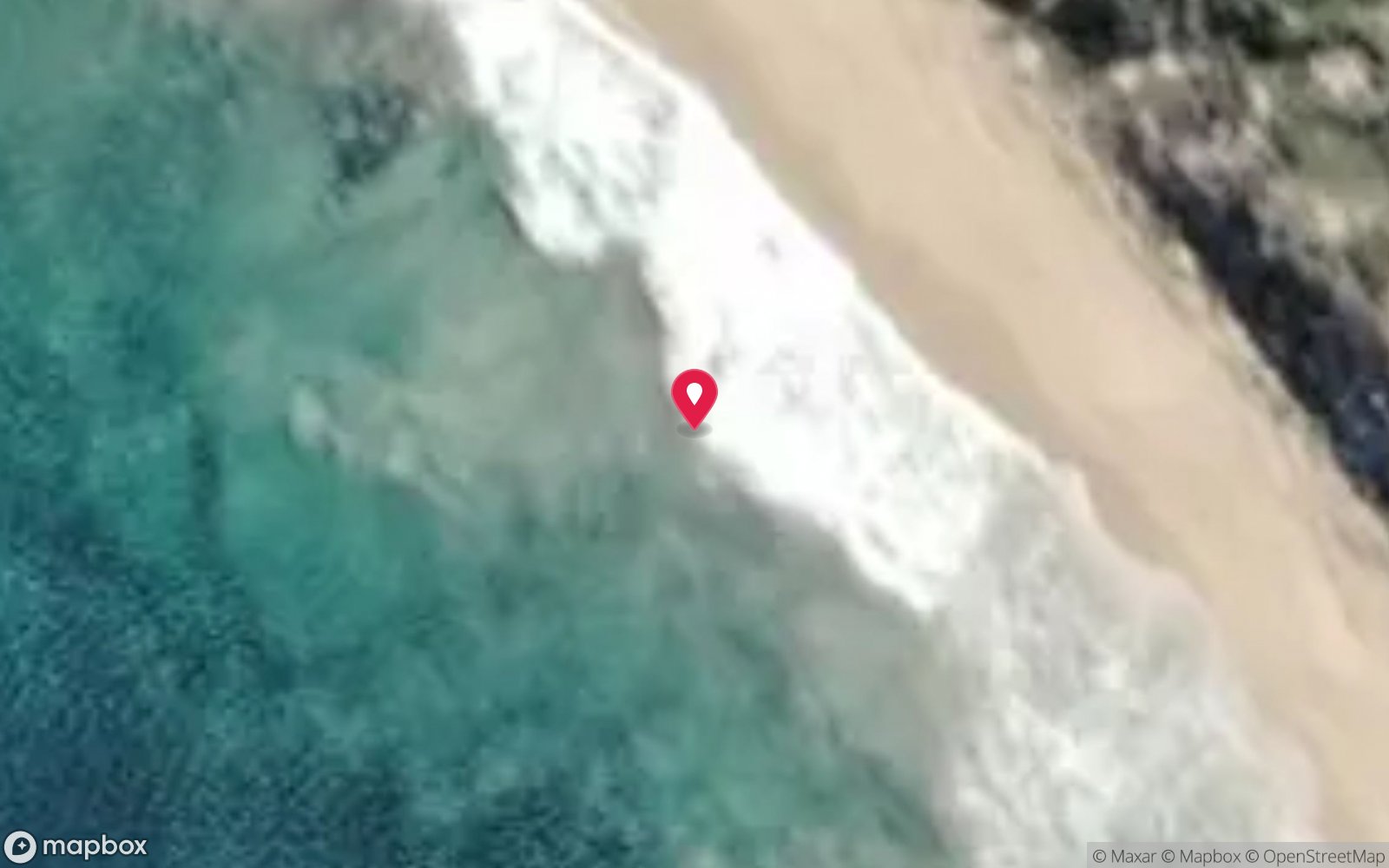
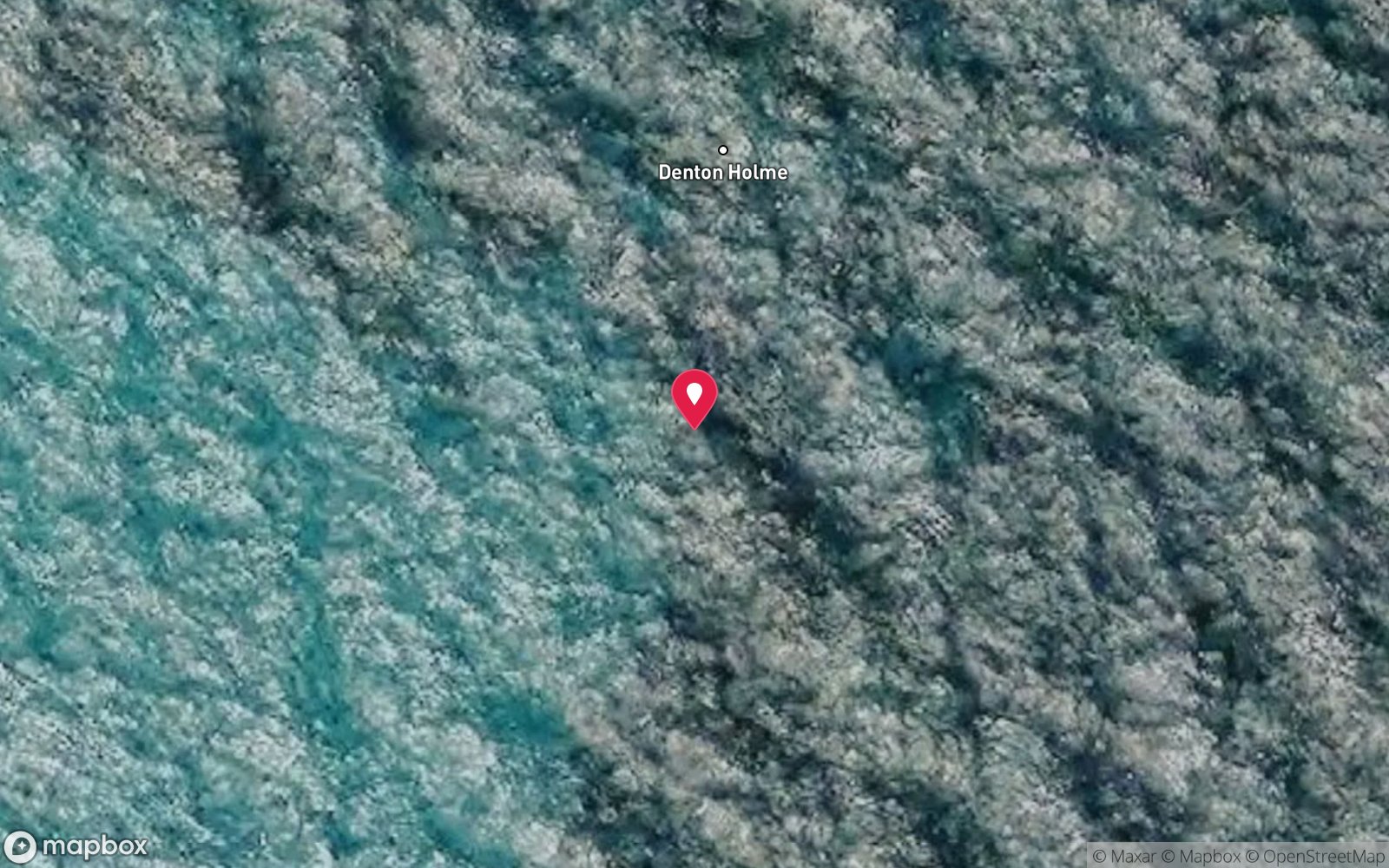
Satellite views
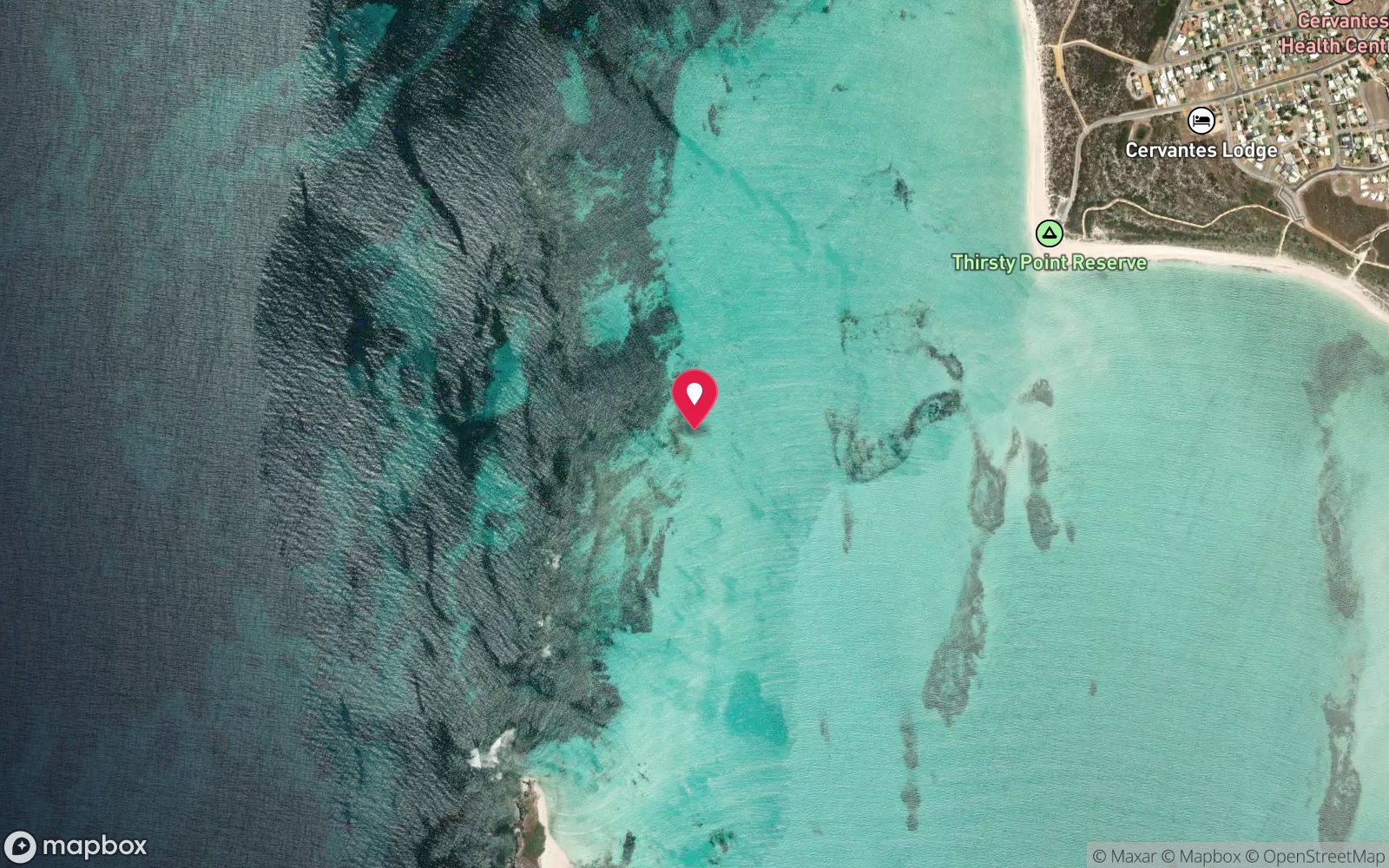
Cervantes Wreck (Thirsty Point): frequently asked questions
How deep is Cervantes Wreck (Thirsty Point)?
Cervantes Wreck (Thirsty Point) reaches a maximum depth of 3 m, with the shallowest part at about 2 m; most of the dive is spent around 3 m.
What certification do I need to dive Cervantes Wreck (Thirsty Point)?
No certification is needed to snorkel it, and it suits introductory dives. Rated beginner: sheltered, shallow and manageable for a newly certified diver on a normal day, though note boat traffic overhead.
Can I shore dive Cervantes Wreck (Thirsty Point)?
No, it is reached by boat (about 5 minutes).
When is the best time to dive Cervantes Wreck (Thirsty Point)?
Calm summer mornings.
What marine life will I see at Cervantes Wreck (Thirsty Point)?
Regularly recorded: Seagrass fish, whiting, herring, sand worms, crabs.
What wetsuit do I need at Cervantes Wreck (Thirsty Point)?
3-5 mm wetsuit.
How cold is the water at Cervantes Wreck (Thirsty Point)?
Typically 21-23 °C in summer and 18-19 °C in winter.
What are the main hazards at Cervantes Wreck (Thirsty Point)?
Boat traffic; low visibility; protected historic wreck – do not disturb. See the hazards section above for the full list.
Where is the nearest recompression chamber to Cervantes Wreck (Thirsty Point)?
Fiona Stanley Hospital Hyperbaric Medicine Unit (Murdoch, Perth) – about 220-300 km by road; RFDS/ambulance transfer. In an emergency call 000, then DAN Asia-Pacific on 1800 088 200.
Diving in Turquoise Coast
Jurien Bay and the Turquoise Coast between Perth and Geraldton have sea lion colonies (Jurien's swims are among the best in Australia), limestone reefs, the wreck-strewn Cervantes coast and the Beagle Islands.
Getting there: Two to three hours north of Perth. Sea lion tours and dives from Jurien Bay; shore dives at Jurien and Green Head.
Sources
Data confidence: High. Last updated September 2026. Know this site better? How to send a correction
Nearby dive sites
More wrecks in Western Australia
Explore more
This region
Similar dives