Dive slate · divesites.com.au · printed 9 Nov 2026
Villalta Wreck (Seabird)
Turquoise Coast, Western Australia · near Seabird
| Depth | 0.5–3 m |
|---|---|
| Minimum level | Snorkel/Any |
| Difficulty | Beginner |
| Access | Shore |
| Entry | Beach entry and 40 m swim |
| Current | Mild |
| Visibility | 1-10 m |
| Water | summer 21-23 °C, winter 17-19 °C |
| Suit | 5 mm wetsuit |
| Best season | Summer mornings with easterly winds and swell under 0.5 m |
| Bottom time | 40 min |
| Position | -31.29830, 115.45650 (GPS) |
| Permit | Protected historic shipwreck. |
| Nearest chamber | Fiona Stanley Hospital Hyperbaric Medicine Unit (Murdoch, Perth) – about 110 km by road |
| Emergency | 000 · DAN Asia-Pacific diving emergency 1800 088 200 |
Villalta Wreck (Seabird)
Also known as Villalta
Winch, bollards and framing of an 1897 steel barque 40 m off the beach, with the bow breaking the surface at low tide.
Near Seabird · Turquoise Coast, Western Australia
- Depth
- 0.5–3 m
- Minimum level
- Snorkel/Any
- Access
- Shore
- Boat ride
- Shore entry
- Water
- 21-23 °C
- Visibility
- 1-10 m
Villalta Wreck (Seabird)0.5–3 m · Snorkel/Any · Shore
Dive factsDepths, conditions, location & safety
Season
Off-peak nowBest months: January, February, December.
Summer mornings with easterly winds and swell under 0.5 m
- Best months
- Now (November)
Dive facts
- Depth
- 0.5–3 m
- Typical depth
- 2 m
- Certification
- Snorkel/Any
- Difficulty
- Beginner
- Depth tier
- Easy (0–10 m)
- Access
- Shore
- Offshore
- 0.04 km
- Dive centre needed
- No – independently diveable
- Shore / independent
- Yes
- Current
- Mild
- Visibility
- 1-10 m
- Water temp (summer)
- 21-23 °C
- Water temp (winter)
- 17-19 °C
- Water
- Temperate
- Bottom time
- 40 min
- Dive traffic
- Rarely dived (private boat/club only)
- Night dive
- No
- Snorkel friendly
- Yes
Exposure suit
5 mm wetsuit
Location
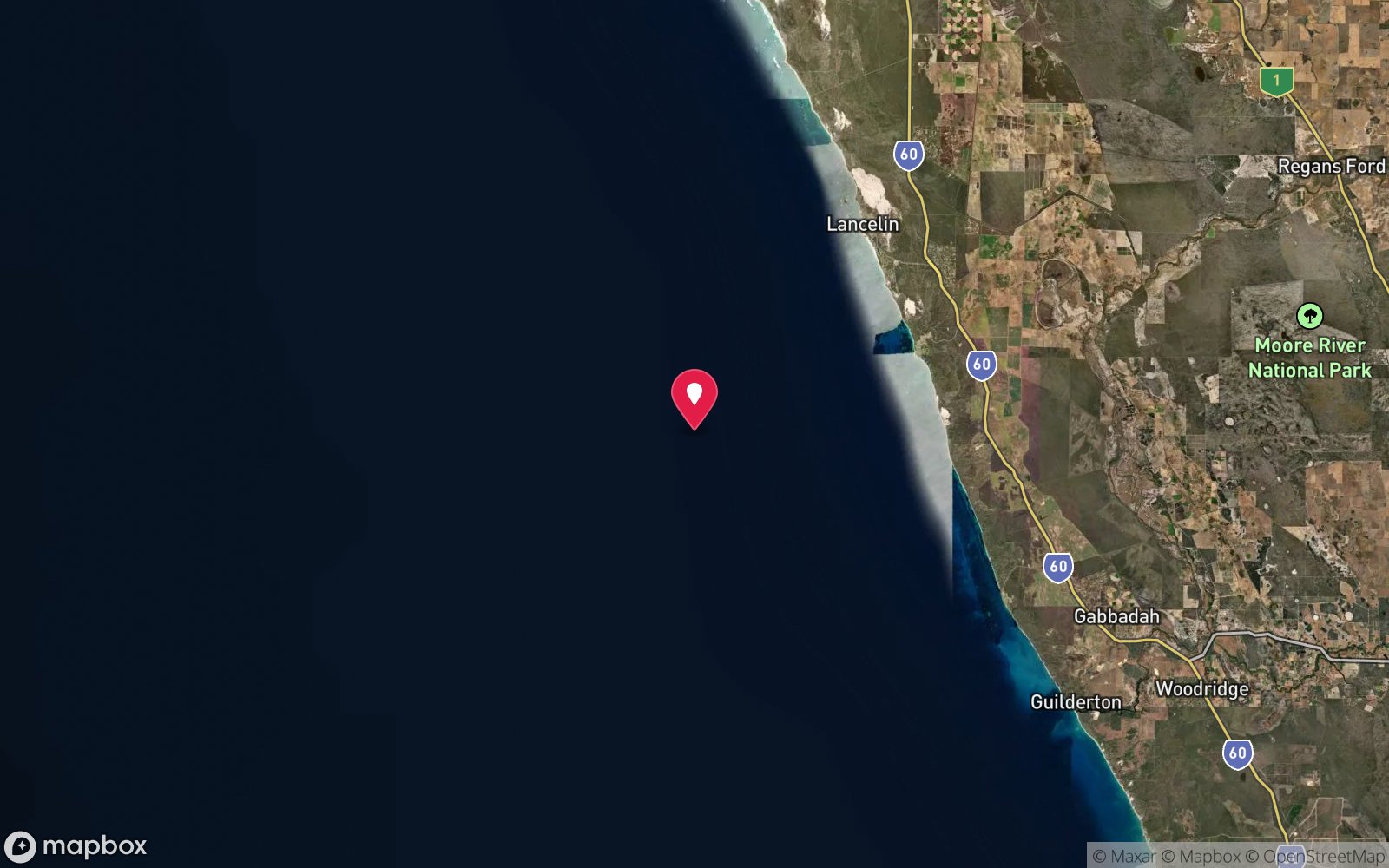
Seabird · Turquoise Coast – Lancelin & Ledge Point
-31.29830, 115.45650
Published GPS position.
Open in Google MapsPrimary source: divingwawrecks.comMarine park & permits
Protected historic shipwreck.
Nearest recompression chamber
Fiona Stanley Hospital Hyperbaric Medicine Unit (Murdoch, Perth) – about 110 km by road
Diving emergency: call 000, then DAN AP 1800 088 200.
Trip planner
Build a trip around Villalta Wreck (Seabird) →
A day-by-day plan for Turquoise Coast with this site locked in.
This guide is a planning aid. Conditions change daily — confirm with a local dive centre and dive within your training. Data & safety notes.
Dive profile
How this site rates
Scores are computed from the recorded data, not opinions. How?
At a glance
Villalta Wreck (Seabird) is a wreck shore dive you can do independently in Turquoise Coast, WA, 0.5–3 m, suitable for snorkellers and first-time divers.
Rated beginner: sheltered, shallow and manageable for a newly certified diver on a normal day, though note surge on the entry or in the shallows.
Why dive here
- Winch, bollards and framing of an 1897 steel barque 40 m off the beach, with the bow breaking the surface at low tide.
- Sunk in 1897 (Steel three-masted barque, about 50 m, 860 tons); protected as underwater cultural heritage, so look but do not touch.
- Snorkel-friendly, so non-diving companions can join at the surface.
- Rarely dived: expect to have the site to yourself, and plan your own logistics.
About Villalta Wreck (Seabird)
The Villalta was a steel three-masted barque of 860 tons and about 50 m length, bound for Fremantle, that struck a reef in near-gale conditions in February 1897. Her crew of 14 tried to launch the lifeboat, but it overturned in the breaking surf and two men, including the captain, died. The ship broke apart on the reef and her remains eventually drifted ashore near what is now Seabird.
Today the wreck lies in about 3 m of water only 40 m off the beach south of Seabird, reached by a short 4WD track. divingwawrecks describes a winch, bollards and sections of deck supports and iron framing, with part of the bow protruding above the water at low tide. The amount visible depends on sand movement.
The site is an easy snorkel on the right day and a fine example of the many late-19th-century sailing ships lost on this coast. The ironwork hosts weed, sponges and small fish such as buffalo bream, herring and wrasse. The key constraint is swell: this is an exposed beach, and even modest swell makes the water murky and surgy.
Nearby, the more famous Vergulde Draeck (1656) lies offshore between Seabird and Ledge Point, and the J P Webb hopper barge and the Key Biscayne oil rig lie off Ledge Point.
Practical notes: the 4WD track south of Seabird runs through soft dune sand, so lower tyre pressures and carry recovery gear, and check that the track is open – coastal erosion at Seabird has affected access in recent years. Because the wreck is so close to shore, it can also be snorkelled at high tide in flat conditions without scuba. Bring a torch to look under the iron frames, where small crayfish and juvenile fish shelter.
Wreck details
Steel three-masted barque, about 50 m, 860 tons · Sunk 1897 · Protected historic shipwreck
Era: colonial sail and steam. Oldest wrecks · Wartime wrecks · Scuttled warships
Other wrecks of the same era
- Europa Wreck (Three Breaks Reef) · Max 14 m · Turquoise Coast
- Lubra Wreck (Jurien Bay) · Max 4 m · Turquoise Coast
- Sepia Wreck · Max 15 m · Perth
- Carlisle Castle Wreck · Max 12 m · Perth
- City of York Wreck · Max 10 m · Rottnest Island
- Mayhill Wreck (Geraldton) · Max 6 m · Geraldton & Abrolhos Islands
Getting there & entry
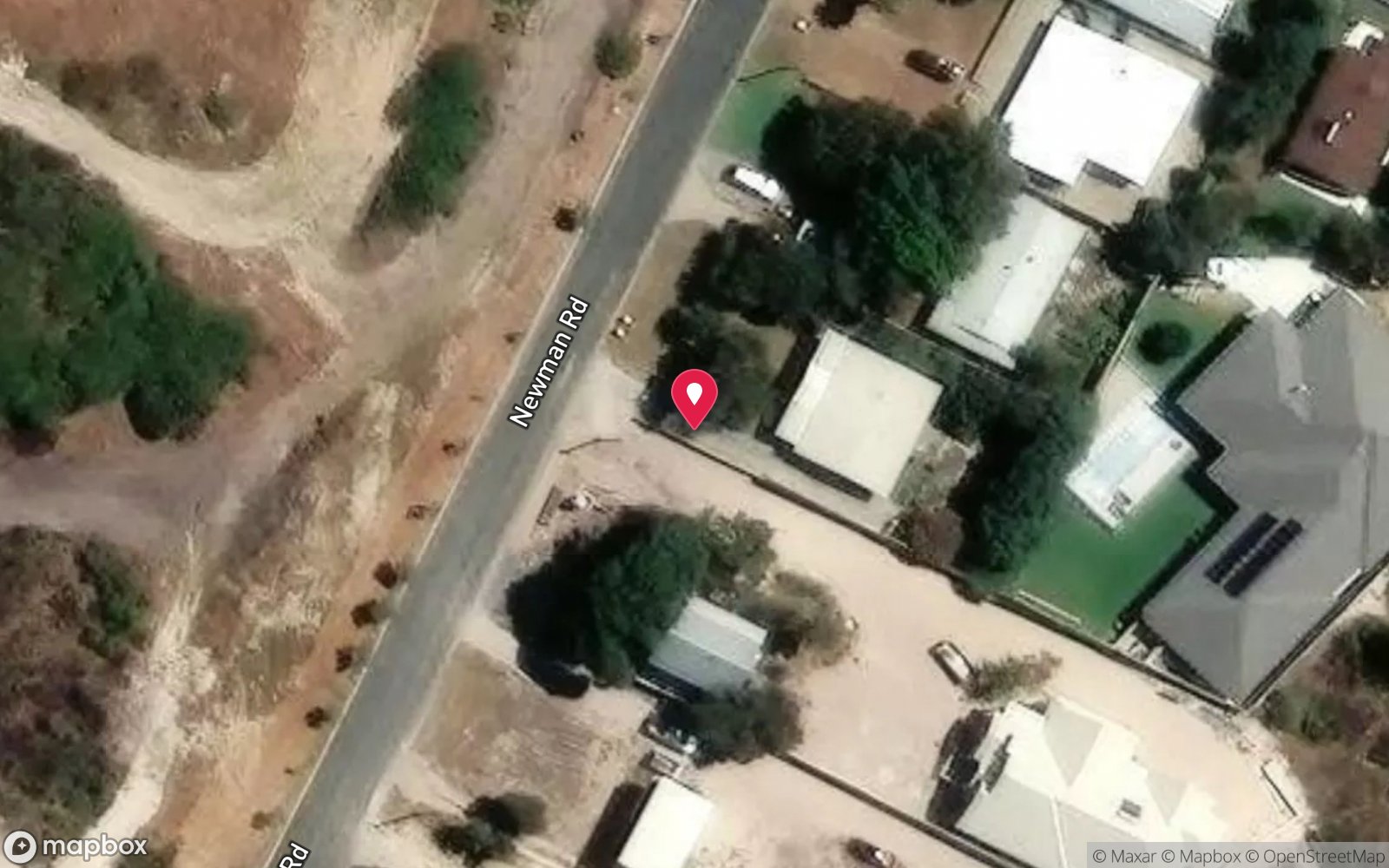
Remains of a steel three-masted barque wrecked in 1897, lying in 3 m about 40 m off the beach 2.5-3 km south of Seabird.
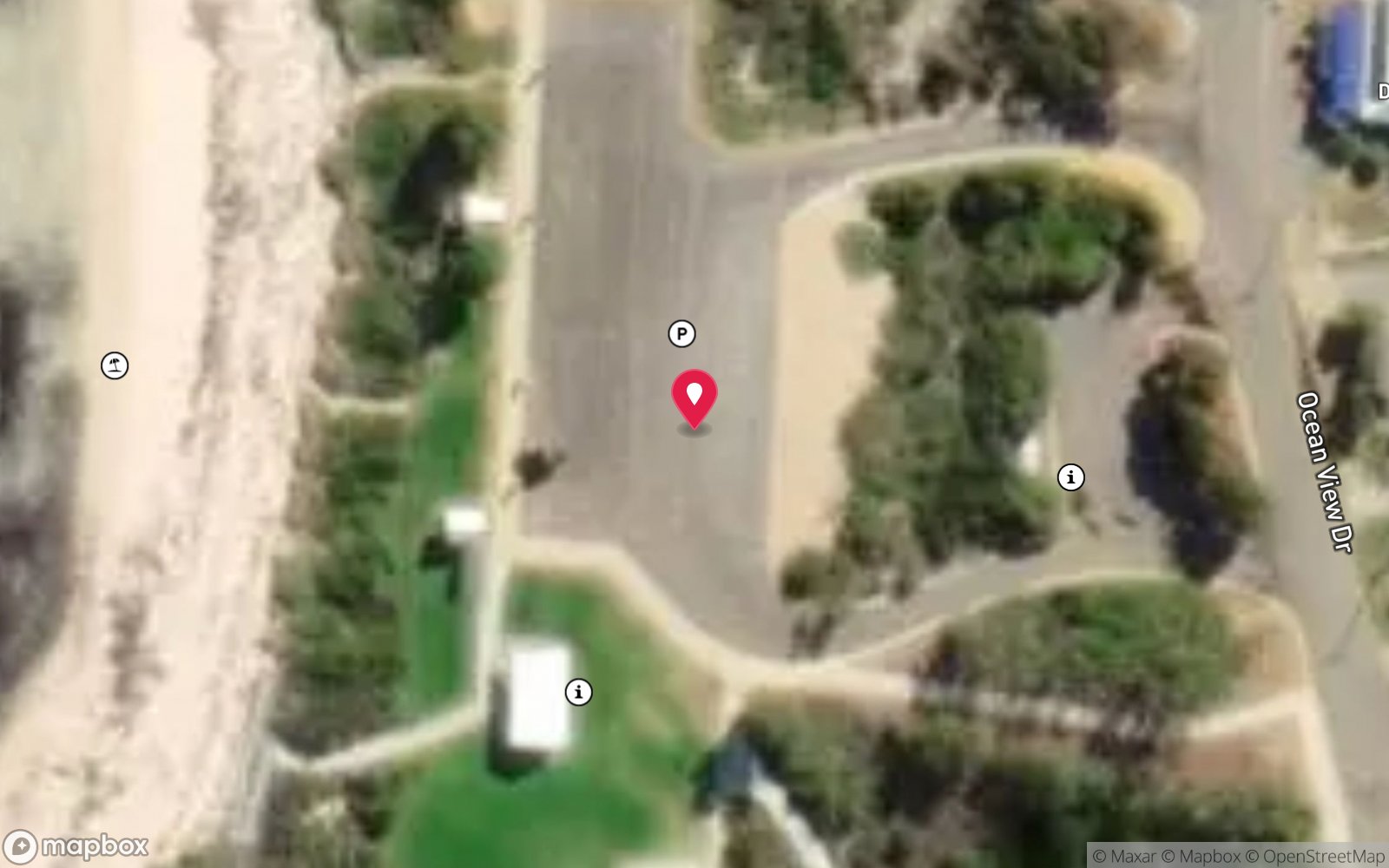
Seabird is about 110 km (1 hour 20 minutes) north of Perth off the Indian Ocean Drive. From McCormick Street in Seabird, follow the 4WD track south along the dunes for about 2.5-3 km. The wreck lies directly off a small parking area on top of the first line of dunes, only about 40 m from shore; carry gear down the dune to the beach and swim out.
Entry: Beach entry and 40 m swim
Facilities: None at the site; shop and toilets in Seabird.
Weather, swell & tides
divingwawrecks warns that any swell over about half a metre turns the site into a churning mess of sand and weed with near-zero visibility. Dive only in swell under 0.5 m, ideally on a morning easterly before the sea breeze. The wreck is variably buried by sand.
Best season: Summer mornings with easterly winds and swell under 0.5 m
If it's blown out
Sheltered or shore sites within 25 km that often work when Villalta Wreck (Seabird) doesn't.
- Ville de Rouen Wreck · 7 km · Max 9 m
- Vergulde Draeck Wreck (Gilt Dragon) · 12 km · Max 8 m
- J P Webb Wreck (Ledge Point) · 24 km · Max 4 m
How the dive is usually run
Swim out 40 m from the parking area to the bow section (visible at low tide), then explore the winch, bollards and iron framing on the sand before returning to the beach.
Marine life
- Buffalo bream
- herring
- wrasse
- sweep
- weed and sponges on ironwork
Linked species have their own page listing every site where they are recorded. All marine life →
Training required
Shallow enough for snorkellers and for a first dive under supervision. Any certified diver can dive it.
Depth tiers: 0–10 m easy · to 18 m Open Water · 18–30 m Advanced (25 m+ is a deep dive) · 30–40 m Deep specialty · 40 m+ technical. All courses
Hazards & warnings
Surge and near-zero visibility in any swell; sharp ironwork; 4WD access; protected historic wreck – do not disturb.
Dive centres that go here
No operator – independent snorkel/shore dive.
Other dive centres in Turquoise Coast
Jurien Bay Oceanic Experience
Named by sitesJurien Bay · Turquoise Coast · WA
jurienbayoceanic.com.au · 0432 806 234
Sea Lion Charters
Named by sitesJurien Bay · Turquoise Coast · WA
Sea lion swim tours; postal address only (PO Box 838, Jurien Bay WA 6516).
sealioncharters.com.au · 1300 732 546
All dive centres in Western Australia →
Operators mentioned: Perth dive shops (no local operator)
Map
7 pinned sites. Pins marked approximate on their pages show the general area only; not for navigation.
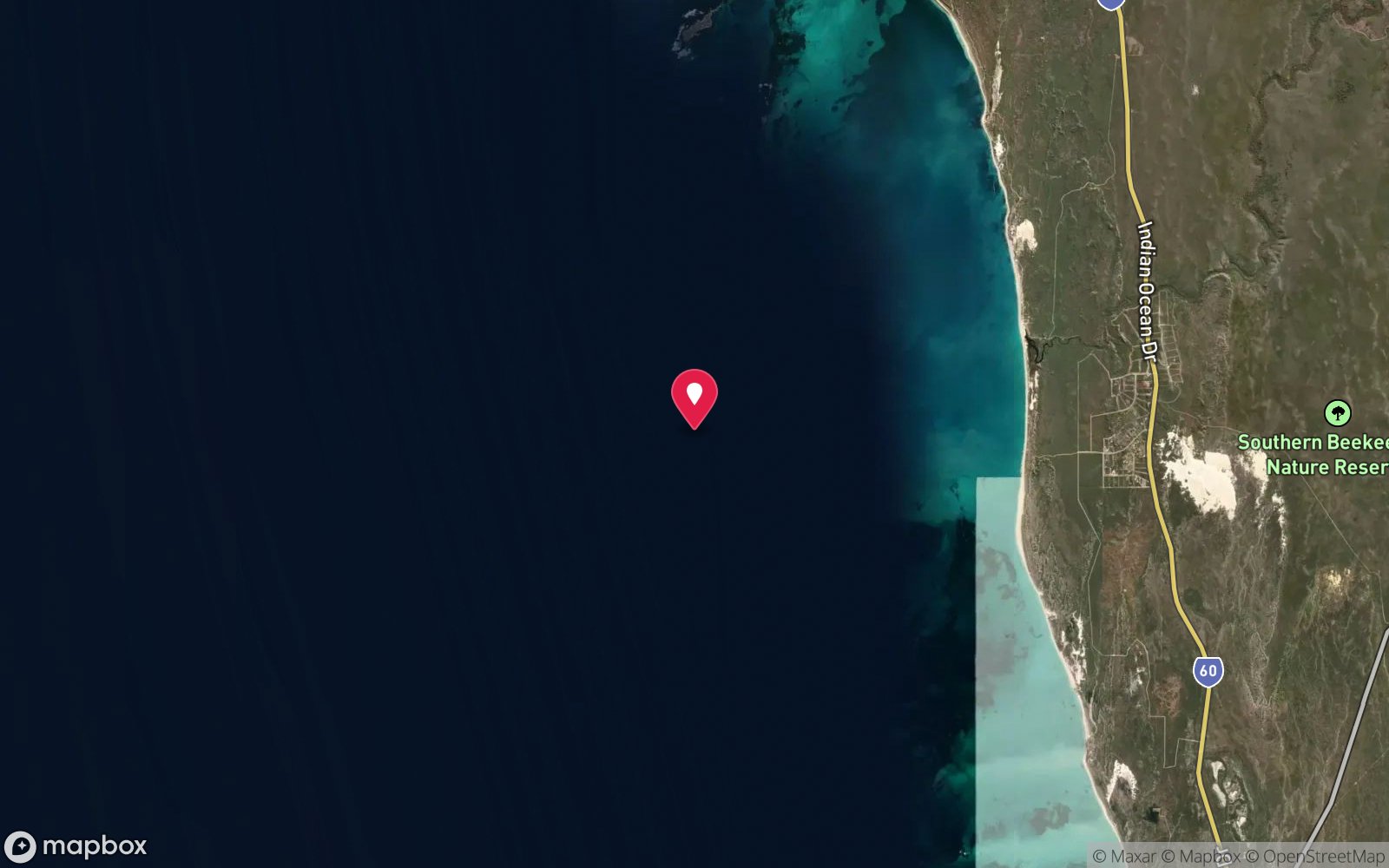
Satellite views
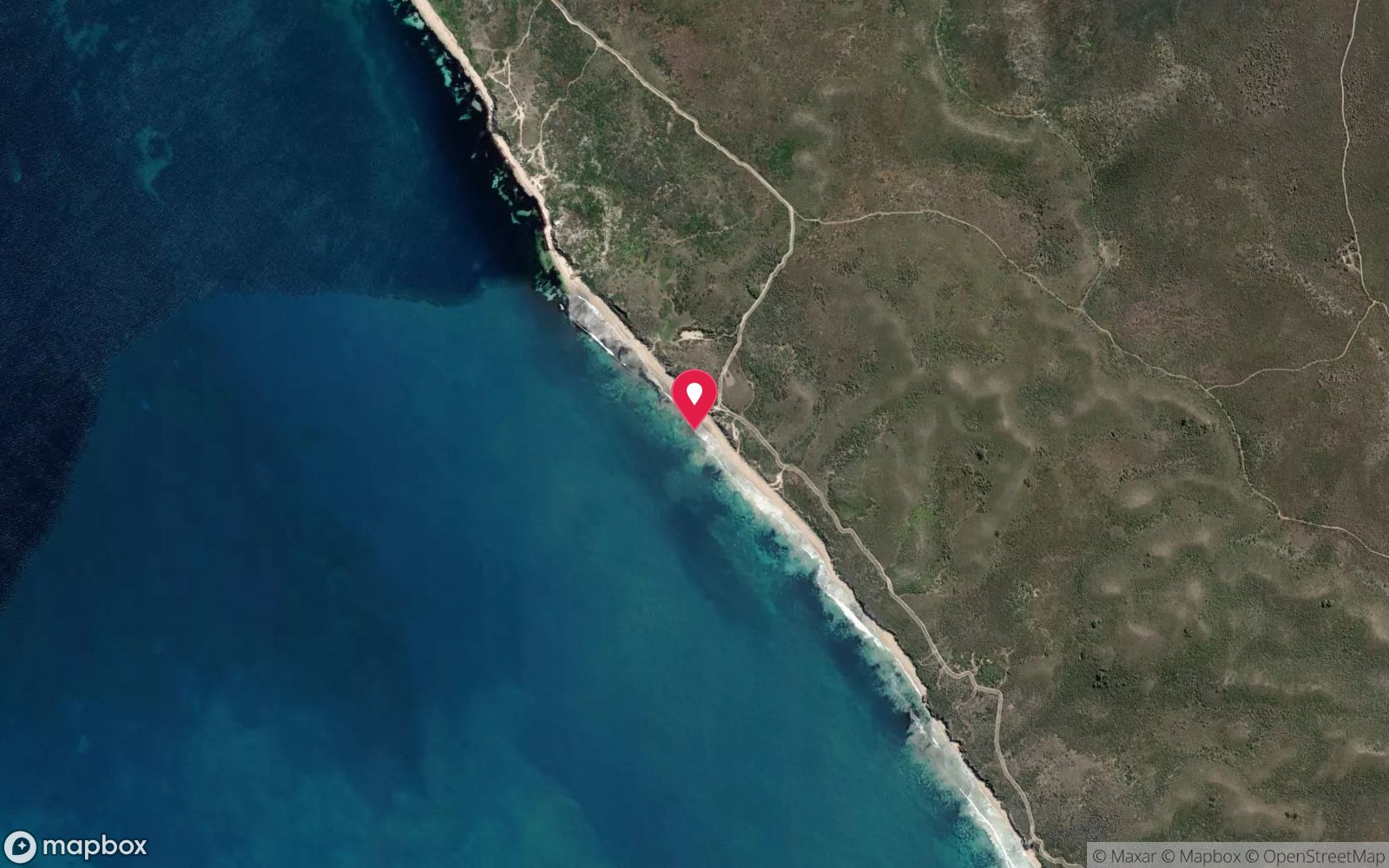
Villalta Wreck (Seabird): frequently asked questions
How deep is Villalta Wreck (Seabird)?
Villalta Wreck (Seabird) reaches a maximum depth of 3 m, with the shallowest part at about 0.5 m; most of the dive is spent around 2 m.
What certification do I need to dive Villalta Wreck (Seabird)?
No certification is needed to snorkel it, and it suits introductory dives. Rated beginner: sheltered, shallow and manageable for a newly certified diver on a normal day, though note surge on the entry or in the shallows.
Can I shore dive Villalta Wreck (Seabird)?
Yes. Villalta Wreck (Seabird) is a shore dive that can be done independently: beach entry and 40 m swim.
When is the best time to dive Villalta Wreck (Seabird)?
Summer mornings with easterly winds and swell under 0.5 m.
What marine life will I see at Villalta Wreck (Seabird)?
Regularly recorded: Buffalo bream, herring, wrasse, sweep, weed and sponges on ironwork.
What wetsuit do I need at Villalta Wreck (Seabird)?
5 mm wetsuit.
How cold is the water at Villalta Wreck (Seabird)?
Typically 21-23 °C in summer and 17-19 °C in winter.
What are the main hazards at Villalta Wreck (Seabird)?
Surge and near-zero visibility in any swell; sharp ironwork; 4WD access; protected historic wreck – do not disturb. See the hazards section above for the full list.
Where is the nearest recompression chamber to Villalta Wreck (Seabird)?
Fiona Stanley Hospital Hyperbaric Medicine Unit (Murdoch, Perth) – about 110 km by road. In an emergency call 000, then DAN Asia-Pacific on 1800 088 200.
Diving in Turquoise Coast
Jurien Bay and the Turquoise Coast between Perth and Geraldton have sea lion colonies (Jurien's swims are among the best in Australia), limestone reefs, the wreck-strewn Cervantes coast and the Beagle Islands.
Getting there: Two to three hours north of Perth. Sea lion tours and dives from Jurien Bay; shore dives at Jurien and Green Head.
Sources
Data confidence: High. Last updated September 2026. Know this site better? How to send a correction
Nearby dive sites
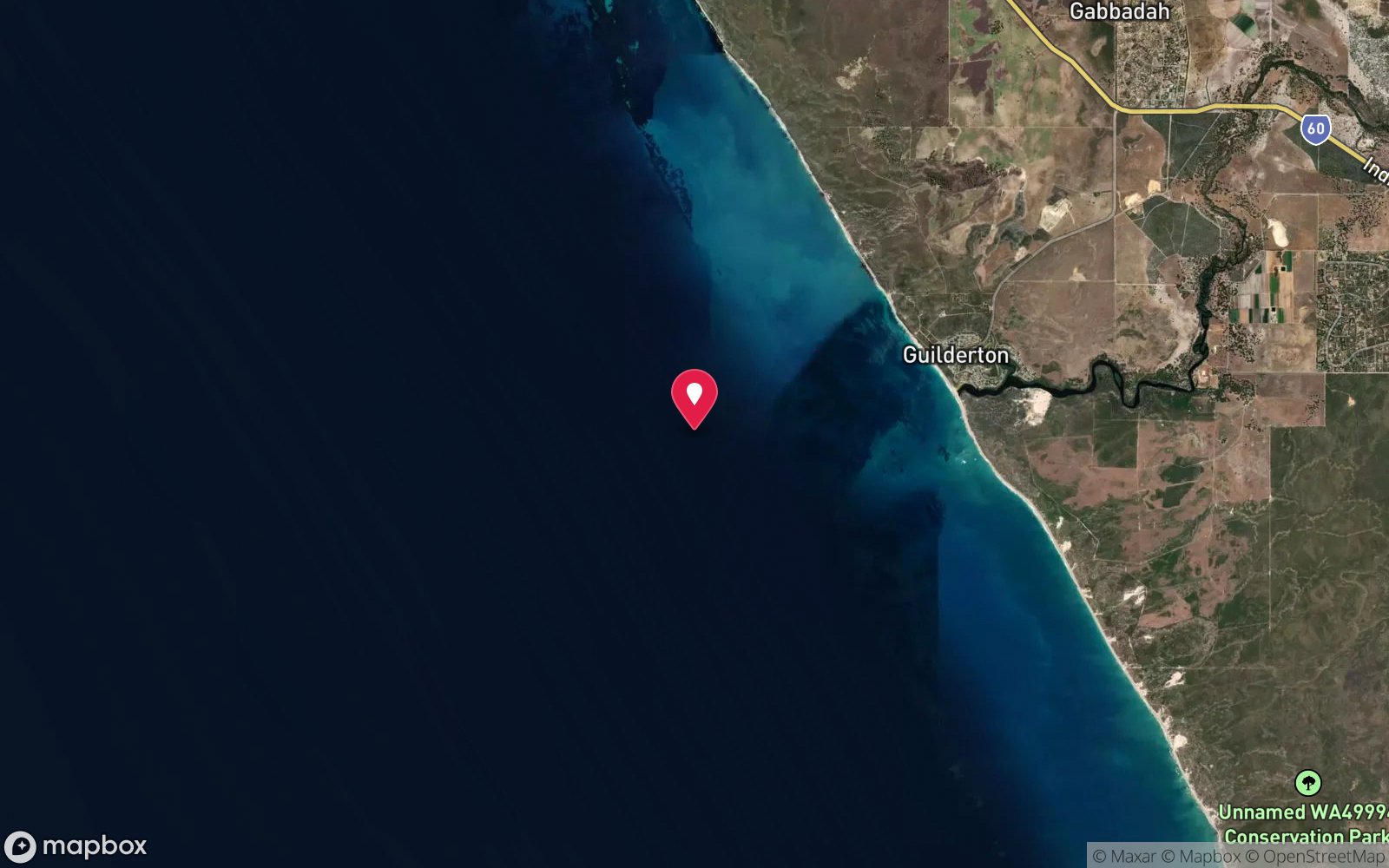
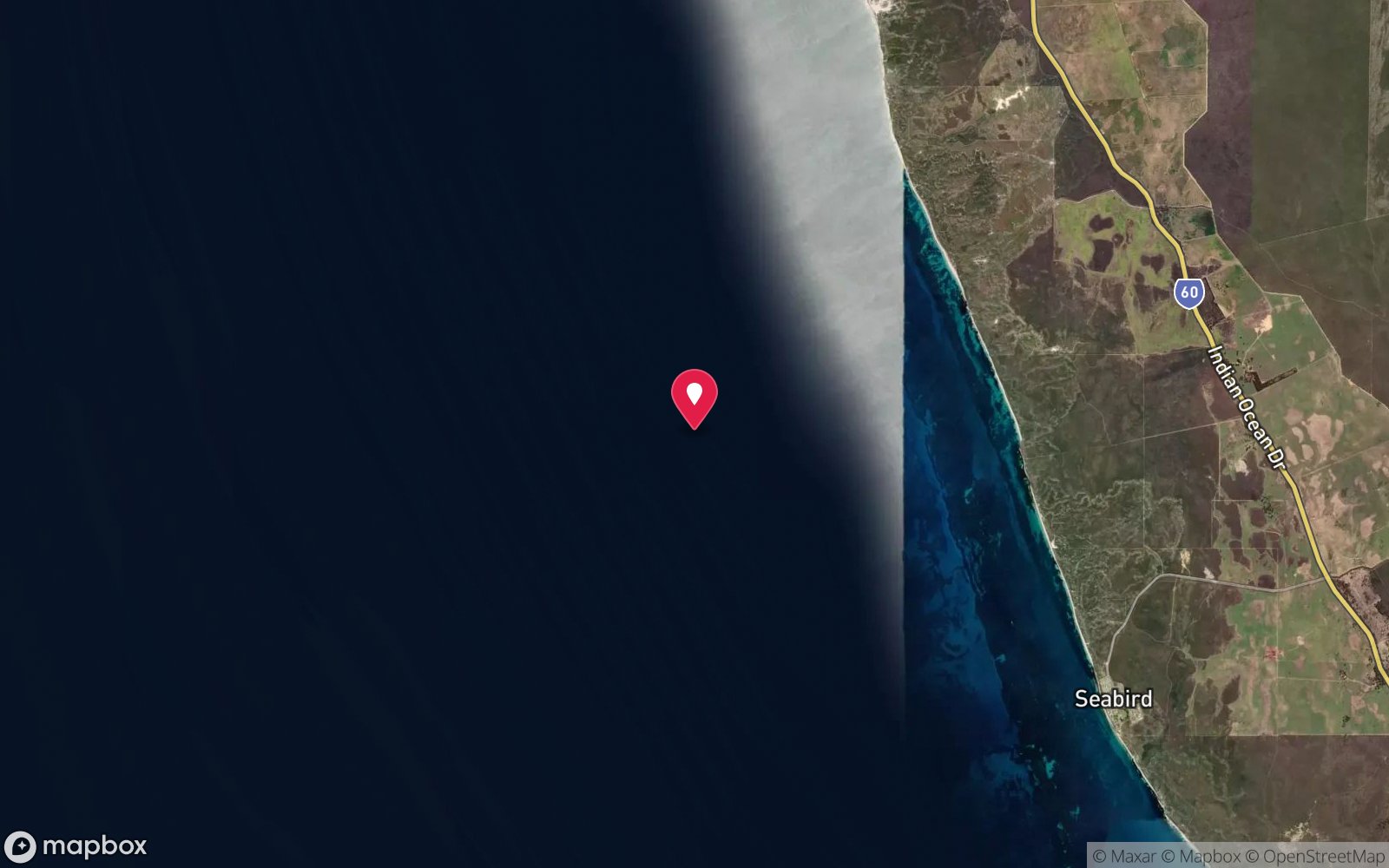
More wrecks in Western Australia
Explore more
This region
Similar dives