Dive slate · divesites.com.au · printed 7 Nov 2026
Dack Reef
Batemans Bay, New South Wales · near Batemans Bay
| Depth | 30–45 m |
|---|---|
| Minimum level | Technical (decompression) |
| Difficulty | Advanced |
| Access | Boat |
| Entry | Giant stride from anchored boat; descend the anchor line |
| Current | Moderate |
| Visibility | 10–20 m m |
| Water | summer 20–22 °C °C, winter 13–15 °C °C |
| Suit | 7 mm wetsuit with hood most of the year (5 mm adequate Feb–Apr); semi-dry or drysuit and gloves Jul–Oct |
| Best season | Autumn and early winter for visibility |
| Bottom time | 12 min |
| Position | not published |
| Permit | Batemans Marine Park – sanctuary zone (no take); check current zoning map |
| Nearest chamber | Prince of Wales Hospital Hyperbaric Unit (Randwick, Sydney) |
| Emergency | 000 · DAN Asia-Pacific diving emergency 1800 088 200 |
Dack Reef
Also known as Dack's Reef
Deep sea-fan and soft-coral reef at 40 m+ inside a sanctuary zone, used for deep and technical training.
Near Batemans Bay · Batemans Bay, New South Wales
- Depth
- 30–45 m
- Minimum level
- Technical (decompression)
- Access
- Boat
- Boat ride
- —
- Water
- 20–22 °C
- Visibility
- 10–20 m
Dack Reef30–45 m · Technical (decompression)
Dive factsDepths, conditions, location & safety
Season
Off-peak nowBest months: March, April, May, June, July, August.
Dive facts
- Depth
- 30–45 m
- Typical depth
- 38 m
- Certification
- Technical (decompression)
- Difficulty
- Advanced
- Depth tier
- Technical (40 m +)
- Access
- Boat
- Dive centre needed
- Yes – boat access only
- Shore / independent
- No
- Current
- Moderate
- Visibility
- 10–20 m
- Water temp (summer)
- 20–22 °C
- Water temp (winter)
- 13–15 °C
- Water
- Temperate
- Bottom time
- 12 min
- Dive traffic
- Rarely dived (private boat/club only)
- Night dive
- No
- Snorkel friendly
- No
Exposure suit
7 mm wetsuit with hood most of the year (5 mm adequate Feb–Apr); semi-dry or drysuit and gloves Jul–Oct
Location
Batemans Bay offshore · Batemans Bay – Eurobodalla
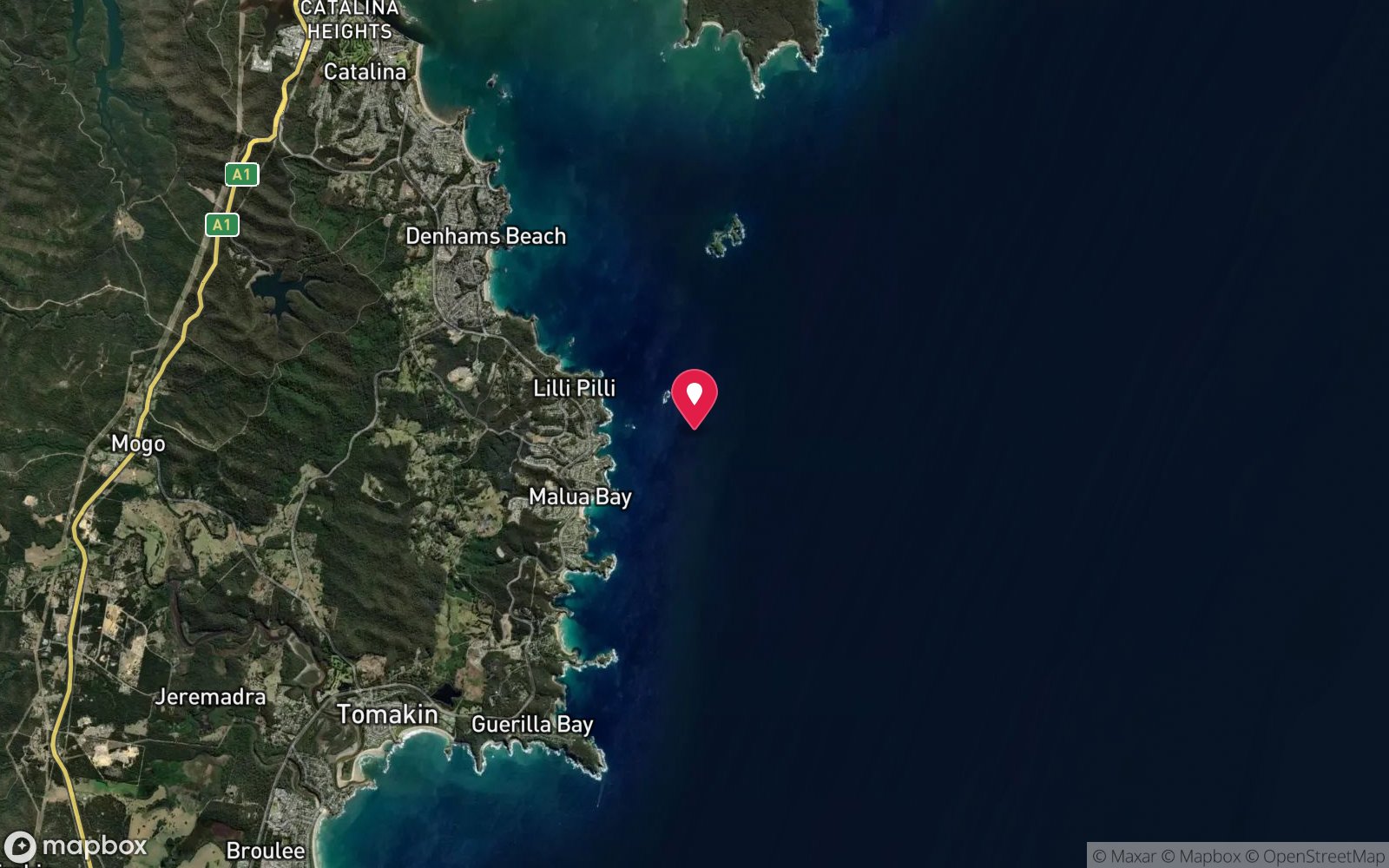
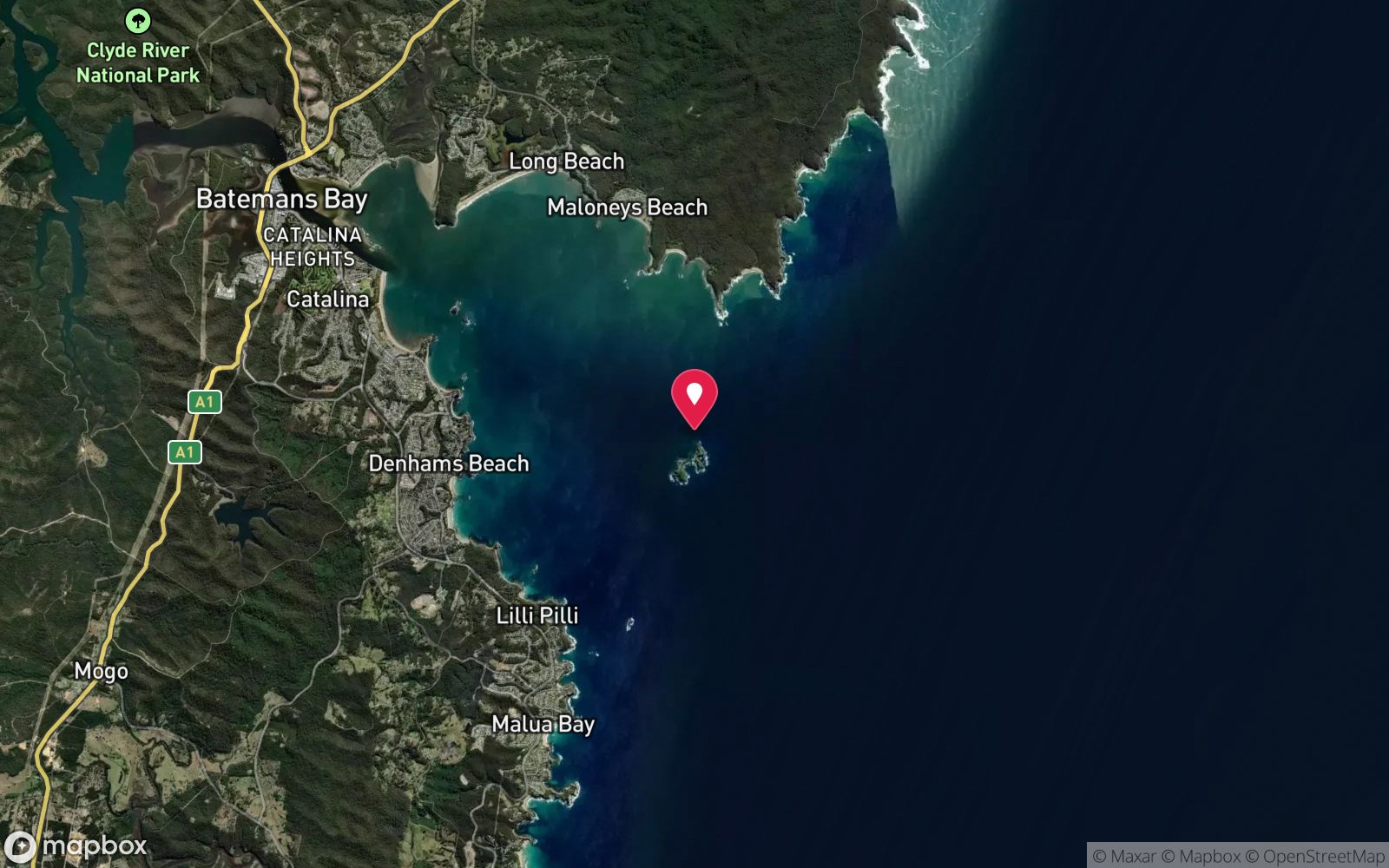
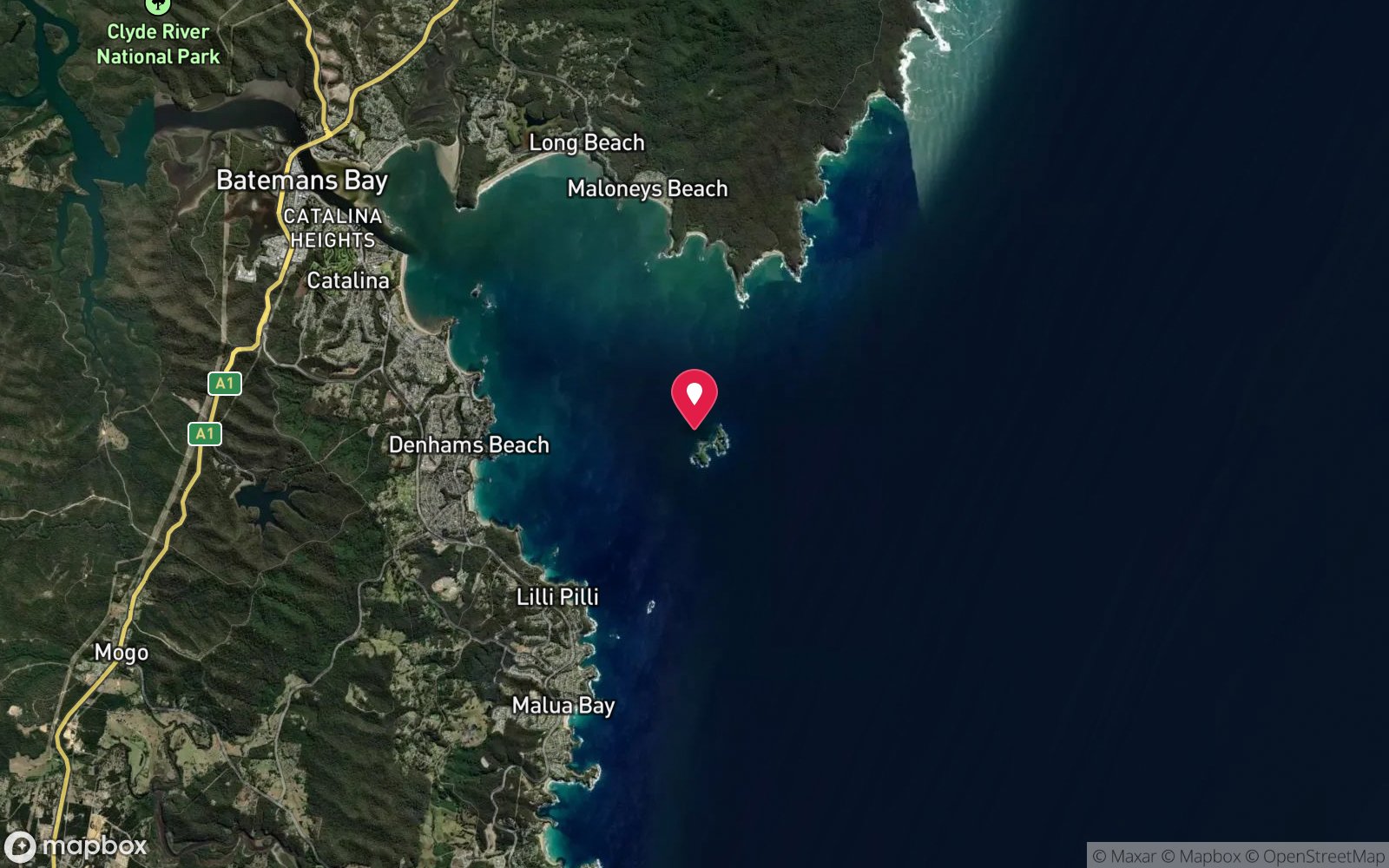
No published coordinates. The map above shows the general area, estimated from other documented sites near Batemans Bay.
Primary source: spiritdiversdotcomdotau.wordpress.comMarine park & permits
Batemans Marine Park – sanctuary zone (no take); check current zoning map
Nearest recompression chamber
Prince of Wales Hospital Hyperbaric Unit (Randwick, Sydney)
Diving emergency: call 000, then DAN AP 1800 088 200.
Trip planner
Build a trip around Dack Reef →
A day-by-day plan for Batemans Bay with this site locked in.
This guide is a planning aid. Conditions change daily — confirm with a local dive centre and dive within your training. Data & safety notes.
Dive profile
How this site rates
Scores are computed from the recorded data, not opinions. How?
At a glance
Dack Reef is a reef boat dive in Batemans Bay, NSW, 30–45 m, suited to Technical (decompression) divers, moderate current.
Rated advanced because of depth to 45 m, cold water.
Why dive here
- Deep sea-fan and soft-coral reef at 40 m+ inside a sanctuary zone, used for deep and technical training.
- Rarely dived: expect to have the site to yourself, and plan your own logistics.
- Visibility often reaches 10–20 m.
Conditions to avoid
- Outgoing tide or run-off after rain (poor visibility)
About Dack Reef
Dack Reef is the deep site of the Batemans Bay area. Spirit Divers described it as a deep dive and a nice site to complete a Deep Diver course or technical training, with a maximum depth of 40 m or more. The Marine Life Network lists it at 40 m for experienced divers and notes that it sits inside a Batemans Bay Marine Park sanctuary zone, with large underwater rock formations packed with sea fans and soft corals and good fish life.
At this depth the reef is below the kelp line and dominated by filter-feeding animals: gorgonian sea fans, soft corals, sponges, sea whips and ascidians. Fish include schools of yellowtail and sweep, red morwong, nannygai, bastard trumpeter and larger pelagic visitors. The sanctuary zone status means fishing is prohibited, which helps preserve fish numbers.
This is not a recreational dive for Open Water divers. On air, the no-decompression time at 40 m is very short and narcosis is significant, so it suits Deep-certified divers with experience or technical divers using appropriate gases. No detailed layout or GPS has been published, and the site is best done with a local operator who knows the reef and can provide appropriate support. Divers wanting to experience the deeper reefs of Batemans Bay without technical training could consider Burrewarra Point or The Maze at around 30 m, which are better documented and within recreational limits for Advanced divers.
Getting there & entry
Deep reef in Batemans Bay at 40 m or more, inside a Batemans Marine Park sanctuary zone, with large rock formations covered in sea fans and soft corals.
Boat access only, with a local operator. Launch at the Hanging Rock ramp in Batemans Bay; the reef lies offshore within the Batemans Marine Park and no public GPS has been published. It is used for deep and technical training, so trips are organised with the operator; the run is probably 15–20 minutes from Hanging Rock depending on sea state.
Entry: Giant stride from anchored boat; descend the anchor line
Facilities: Hanging Rock boat ramp; air and nitrox fills in Batemans Bay (check trimix availability).
Weather, swell & tides
Offshore and deep: surface conditions matter more than surge. Anchoring and recovering divers from 40 m requires light winds and small seas, generally swell under 1.5 m and winds under 15 knots. Current is more likely than inshore; divers must be able to ascend on the line or with a reel and SMB.
Visibility is usually better than inside the bay but can be reduced by runoff after heavy rain.
Best season: Autumn and early winter for visibility
How the dive is usually run
Descend the line directly to the reef, stay close to the anchor, and plan a short bottom time (about 8–12 minutes on air, longer on trimix with planned decompression). Ascend on the line with the planned stops.
Marine life
- Gorgonian sea fans
- soft corals
- sponges
- sea whips
- ascidians
- yellowtail
- sweep
- red morwong
- nannygai
- bastard trumpeter
- pelagics
Linked species have their own page listing every site where they are recorded. All marine life →
Training required
Beyond recreational limits: decompression, mixed gas or full cave/wreck training is required.
Operators often quote Deep/Advanced + experience, but the site reaches 45 m, which is beyond that level's depth limit; Technical (decompression) is the appropriate minimum for the full dive.
Operators' own listing: Deep/Advanced + experience.
Courses that help here
- Enriched Air Nitrox – Longer no-decompression time at 25 m and deeper.
- Drysuit Diver – Cold water; locals dive dry for much of the year.
Depth tiers: 0–10 m easy · to 18 m Open Water · 18–30 m Advanced (25 m+ is a deep dive) · 30–40 m Deep specialty · 40 m+ technical. All courses
Hazards & warnings
Depth 40 m+: narcosis, very short no-decompression limits on air, gas planning and decompression discipline essential. Current possible. Long evacuation to recompression in Sydney.
Technical notes
Beyond recreational air limits for much of the reef; trimix (e.g. 21/35) or at least EAN/air with strict limits recommended. Plan decompression and carry redundant gas.
Dive centres that go here
Spirit Divers used Dack Reef for PADI Deep Diver courses and technical training (40 m+, daytime only). The Marine Life Network lists it for experienced divers. Check current availability with Beneath the Bay.
Operators recorded for Dack Reef
Other dive centres in Batemans Bay
Indepth Scuba
ProfiledBelconnen · Jervis Bay · NSW
A Canberra operation that functions as both a training school and a life-support service facility, with cylinder testing and a full range of gas fills.
indepthscuba.com.au · (02) 6251 1070
Lady of the Sea Diving Academy
ProfiledTuggeranong (Canberra, ACT) · Jervis Bay · NSW
A Canberra operation with an unusually complete set of facilities for an inland centre, including an onsite pool, classroom, retail shop and dive boat.
ladyofthesea.com.au · +61 407 487 735
General area
No position has been published for Dack Reef. The circle shows where it is likely to be, worked out from other documented sites near Batemans Bay. Ask a local operator for the exact site.
Dashed circle: general area (about 3 km), from other documented sites near Batemans Bay. 6 pinned sites. Pins marked approximate on their pages show the general area only; not for navigation.
Dack Reef: frequently asked questions
How deep is Dack Reef?
Dack Reef reaches a maximum depth of 45 m, with the shallowest part at about 30 m; most of the dive is spent around 38 m.
What certification do I need to dive Dack Reef?
Technical (decompression) is the recommended minimum. Operators often quote Deep/Advanced + experience, but the site reaches 45 m, which is beyond that level's depth limit; Technical (decompression) is the appropriate minimum for the full dive. Rated advanced because of depth to 45 m, cold water.
Can I shore dive Dack Reef?
No, it is reached by boat. A dive centre is required: boat access only.
When is the best time to dive Dack Reef?
Autumn and early winter for visibility.
What marine life will I see at Dack Reef?
Regularly recorded: Gorgonian sea fans, soft corals, sponges, sea whips, ascidians, yellowtail, sweep, red morwong, nannygai, bastard trumpeter, pelagics.
What wetsuit do I need at Dack Reef?
7 mm wetsuit with hood most of the year (5 mm adequate Feb–Apr); semi-dry or drysuit and gloves Jul–Oct.
How cold is the water at Dack Reef?
Typically 20–22 °C in summer and 13–15 °C in winter.
What are the main hazards at Dack Reef?
Depth 40 m+: narcosis, very short no-decompression limits on air, gas planning and decompression discipline essential. See the hazards section above for the full list.
Where is the nearest recompression chamber to Dack Reef?
Prince of Wales Hospital Hyperbaric Unit (Randwick, Sydney). In an emergency call 000, then DAN Asia-Pacific on 1800 088 200.
Diving in Batemans Bay
Batemans Bay sits at the centre of the Batemans Marine Park, with the Tollgate Islands just outside the bay and a run of headlands and islands to the south. The Tollgates have caves, grey nurse sharks and fur seals; Burrewarra Point and Broulee Island are shore-accessible reefs; Guerilla Bay and Maloneys Beach are sheltered beginner sites.
Getting there: Four hours south of Sydney or two from Canberra. Charters from Batemans Bay run the Tollgates and Montague Island on longer days; shore sites have beach or rock entries.
Sources
Data confidence: Low · Being verified: Location unpublished; v1 coordinates dropped as unverified. Confirm depth.. Last updated September 2026. Know this site better? How to send a correction