Dive slate · divesites.com.au · printed 8 Nov 2026
Eagle Bluff (Shark Bay)
Kalbarri & Shark Bay, Western Australia · near Denham
| Depth | 1–5 m |
|---|---|
| Minimum level | Snorkel/Any |
| Difficulty | Beginner |
| Access | Shore |
| Entry | Beach entry from the eastern beach |
| Current | Mild |
| Visibility | 5-15 m |
| Water | summer 22-25 °C, winter 18-20 °C |
| Suit | 3 mm wetsuit |
| Best season | April-June calm mornings |
| Bottom time | 50 min |
| Position | -26.07000, 113.56000 (approximate) |
| Permit | Shark Bay Marine Park (DBCA) – sanctuary zones are no-take; Shark Bay World Heritage Area. |
| Nearest chamber | Fiona Stanley Hospital Hyperbaric Medicine Unit (Murdoch, Perth) – about 830 km; RFDS aeromedical evacuation from Denham/Carnarvon |
| Emergency | 000 · DAN Asia-Pacific diving emergency 1800 088 200 |
Eagle Bluff (Shark Bay)
Also known as Eagle Bluff
Shallow snorkel below a famous wildlife lookout, with coral patches and passing rays and turtles.
Near Denham · Kalbarri & Shark Bay, Western Australia
- Depth
- 1–5 m
- Minimum level
- Snorkel/Any
- Access
- Shore
- Boat ride
- Shore entry
- Water
- 22-25 °C
- Visibility
- 5-15 m
Eagle Bluff (Shark Bay)1–5 m · Snorkel/Any · Shore
Dive factsDepths, conditions, location & safety
Season
Off-peak nowBest months: April, May, June.
Dive facts
- Depth
- 1–5 m
- Typical depth
- 3 m
- Certification
- Snorkel/Any
- Difficulty
- Beginner
- Depth tier
- Easy (0–10 m)
- Access
- Shore
- Dive centre needed
- No – independently diveable
- Shore / independent
- Yes
- Current
- Mild
- Visibility
- 5-15 m
- Water temp (summer)
- 22-25 °C
- Water temp (winter)
- 18-20 °C
- Water
- Subtropical
- Bottom time
- 50 min
- Dive traffic
- Rarely dived (private boat/club only)
- Night dive
- No
- Snorkel friendly
- Yes
Exposure suit
3 mm wetsuit
Location
Denham – Freycinet Reach · Gascoyne – Shark Bay
-26.07000, 113.56000
Approximate position — not for navigation.
Open in Google MapsPrimary source: sharkbay.orgMarine park & permits
Shark Bay Marine Park (DBCA) – sanctuary zones are no-take; Shark Bay World Heritage Area.
Nearest recompression chamber
Fiona Stanley Hospital Hyperbaric Medicine Unit (Murdoch, Perth) – about 830 km; RFDS aeromedical evacuation from Denham/Carnarvon
Diving emergency: call 000, then DAN AP 1800 088 200.
Trip planner
Build a trip around Eagle Bluff (Shark Bay) →
A day-by-day plan for Kalbarri & Shark Bay with this site locked in.
This guide is a planning aid. Conditions change daily — confirm with a local dive centre and dive within your training. Data & safety notes.
Dive profile
How this site rates
Scores are computed from the recorded data, not opinions. How?
At a glance
Eagle Bluff (Shark Bay) is a shore / rock platform shore dive you can do independently in Kalbarri & Shark Bay, WA, 1–5 m, suitable for snorkellers and first-time divers.
Rated beginner: sheltered, shallow and manageable for a newly certified diver on a normal day.
Why dive here
- Shallow snorkel below a famous wildlife lookout, with coral patches and passing rays and turtles.
- Snorkel-friendly, so non-diving companions can join at the surface.
- Rarely dived: expect to have the site to yourself, and plan your own logistics.
About Eagle Bluff (Shark Bay)
Eagle Bluff is a clifftop lookout south of Denham where a boardwalk overlooks shallow, clear water in which sharks, rays, turtles and dugongs are often seen from above. The Shark Bay tourism guide notes that snorkellers can explore clear shallow water of 1-5 m around the base of the bluff, entering from the eastern beach, with a sand patch with coral formations about 100 m south-south-east.
The inner bay's seagrass and sand habitat hosts rays, small sharks, turtles and fish such as whiting and trevally; the coral patches add reef fish. It is a pleasant, easy snorkel for visitors staying in Denham. Keep a respectful distance from marine wildlife and be aware that sharks are common in Shark Bay.
Getting there & entry
Clear, shallow water (1-5 m) around the base of Eagle Bluff south of Denham, with a coral-formation sand patch about 100 m south-south-east of the eastern beach.
Eagle Bluff is about 20 km south of Denham off the Shark Bay Road; a gravel road leads to the car park and clifftop boardwalk (known for views of sharks, rays and dugongs below). Walk down to the eastern beach and enter from the sand.
Entry: Beach entry from the eastern beach
Facilities: Car park and boardwalk; no toilets reported. Services in Denham.
Weather, swell & tides
Shark Bay is dominated by strong southerly winds, which blow most days from about October to March and often exceed 20 knots by late morning; the calmest conditions are in April-June and on early mornings. The inner bay is shallow and well protected from ocean swell, but the western shores of Dirk Hartog Island and Steep Point face the full Indian Ocean. Water is 17-19°C in winter and 23-26°C in summer.
Eagle Bluff is in the sheltered inner bay, but the southerly wind creates chop and stirs up sediment.
Best season: April-June calm mornings
How the dive is usually run
Enter from the eastern beach, snorkel around the base of the bluff, then swim about 100 m south-south-east to the sand patch with coral formations.
Marine life
Linked species have their own page listing every site where they are recorded. All marine life →
Training required
Shallow enough for snorkellers and for a first dive under supervision. Any certified diver can dive it.
Depth tiers: 0–10 m easy · to 18 m Open Water · 18–30 m Advanced (25 m+ is a deep dive) · 30–40 m Deep specialty · 40 m+ technical. All courses
Hazards & warnings
Sharks and rays common; southerly winds; unpatrolled; sun exposure.
Dive centres that go here
No operator – independent snorkelling.
Other dive centres in Kalbarri & Shark Bay
All dive centres in Western Australia →
Operators mentioned: None local
Map
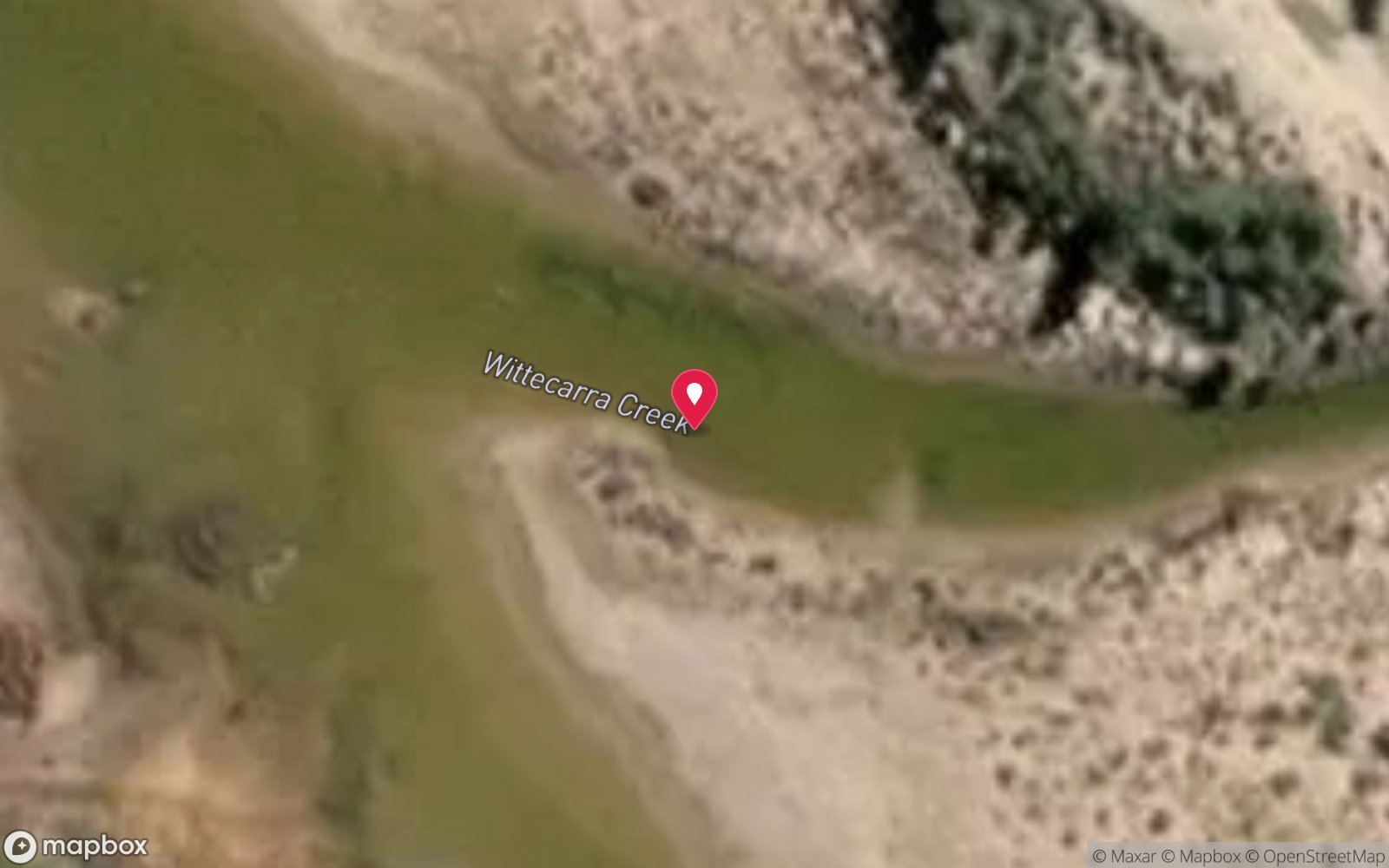
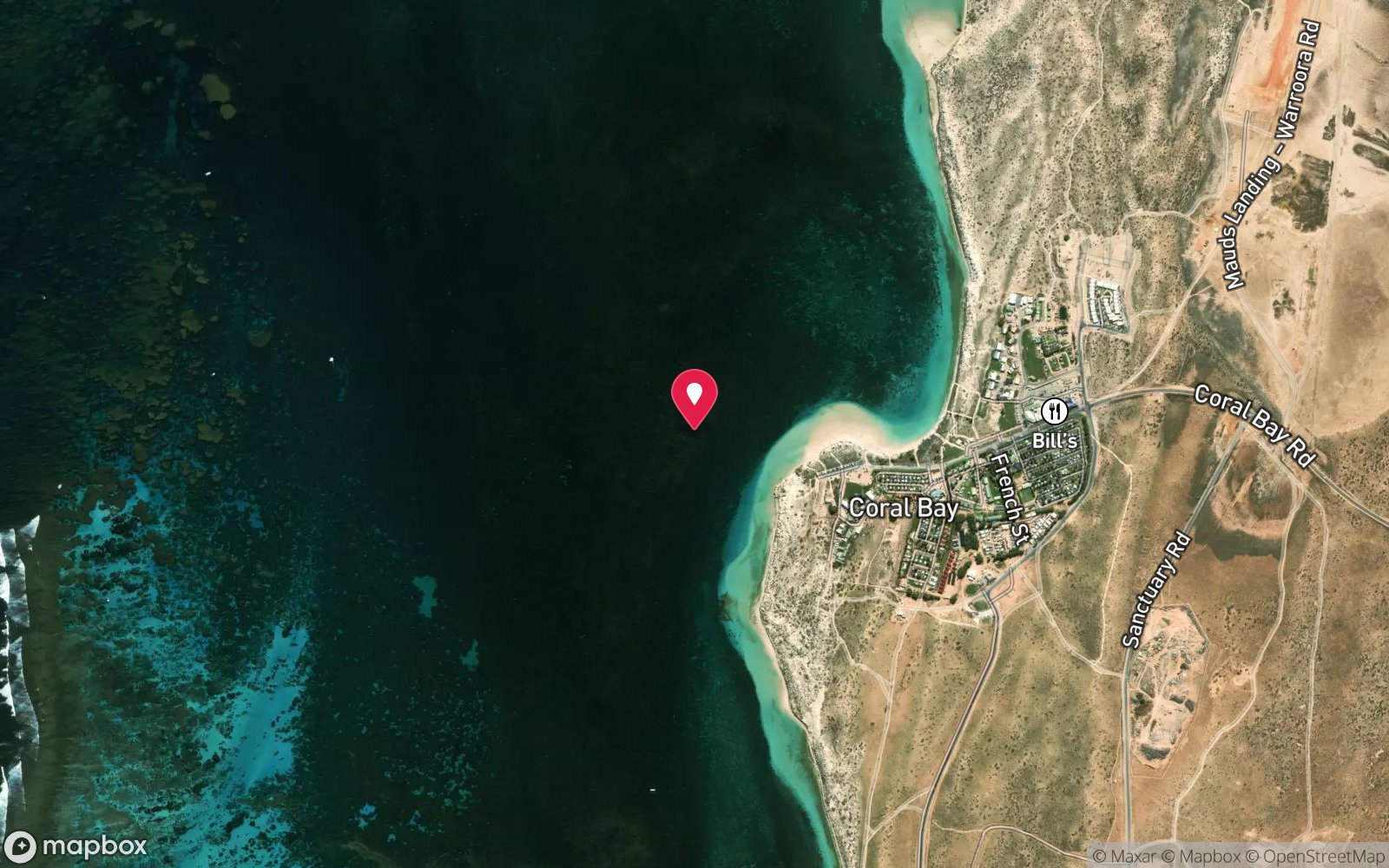
7 pinned sites. Pins marked approximate on their pages show the general area only; not for navigation.
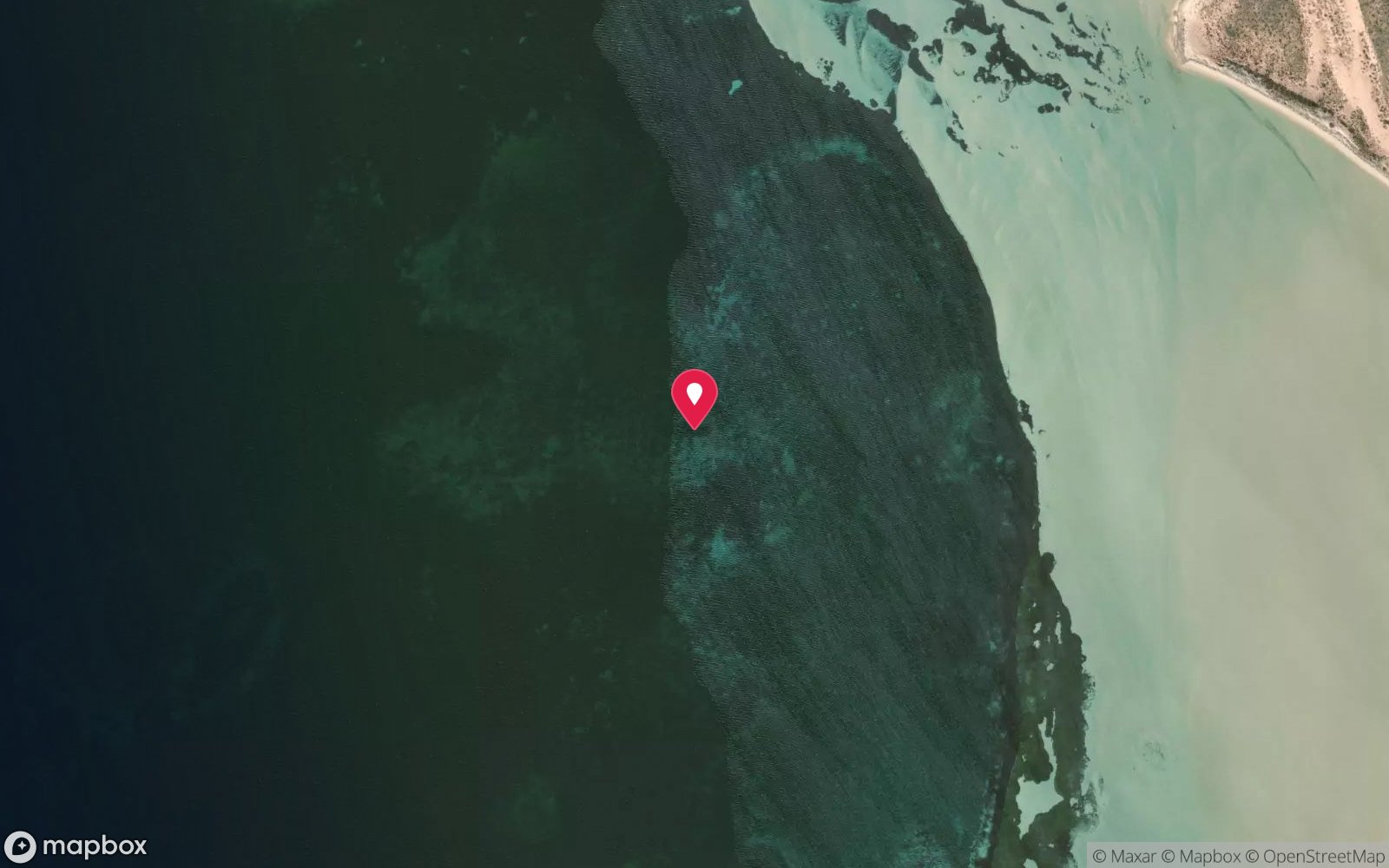
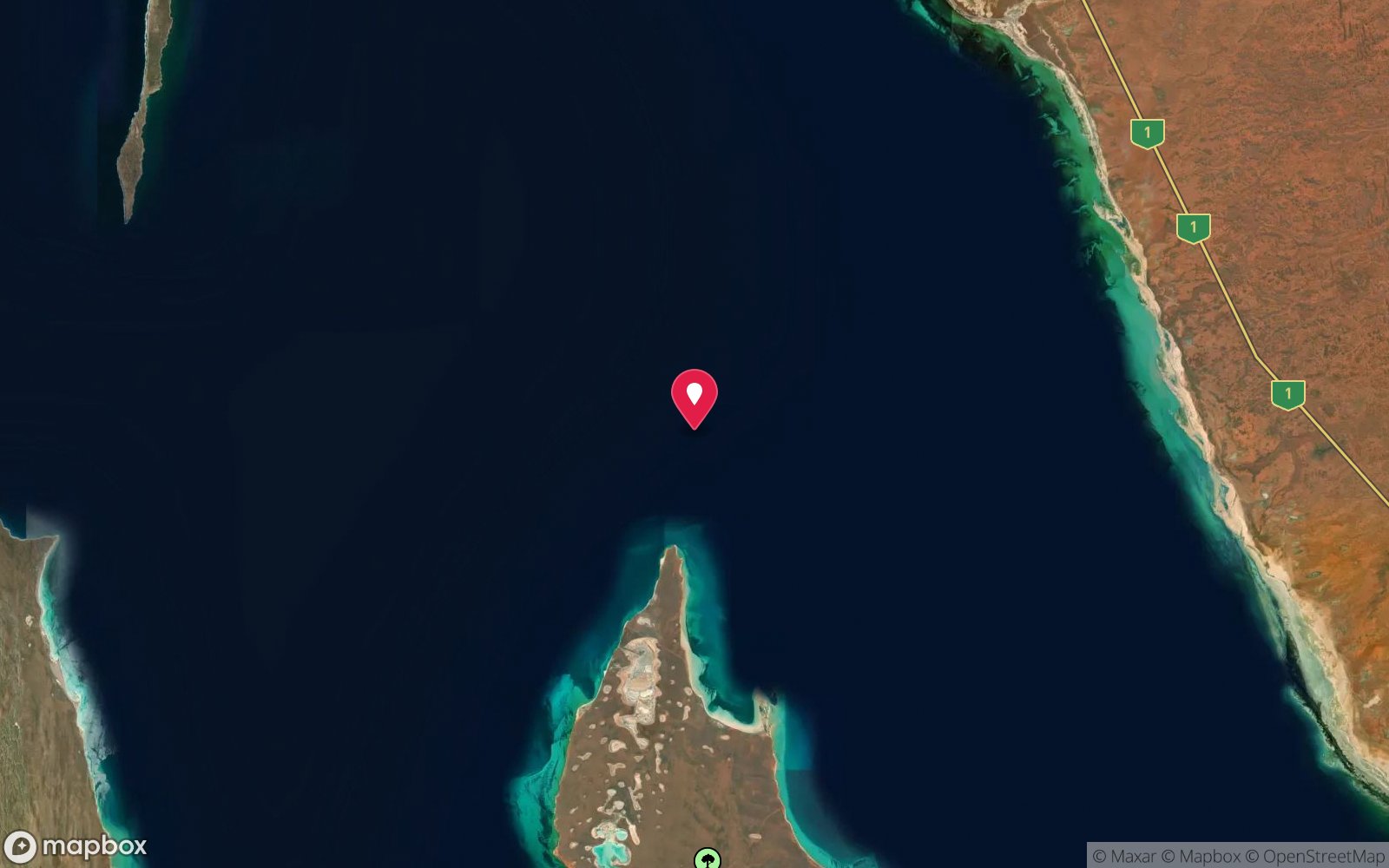
Satellite views
Eagle Bluff (Shark Bay): frequently asked questions
How deep is Eagle Bluff (Shark Bay)?
Eagle Bluff (Shark Bay) reaches a maximum depth of 5 m, with the shallowest part at about 1 m; most of the dive is spent around 3 m.
What certification do I need to dive Eagle Bluff (Shark Bay)?
No certification is needed to snorkel it, and it suits introductory dives. Rated beginner: sheltered, shallow and manageable for a newly certified diver on a normal day.
Can I shore dive Eagle Bluff (Shark Bay)?
Yes. Eagle Bluff (Shark Bay) is a shore dive that can be done independently: beach entry from the eastern beach.
When is the best time to dive Eagle Bluff (Shark Bay)?
April-June calm mornings.
What marine life will I see at Eagle Bluff (Shark Bay)?
Regularly recorded: Rays, small sharks, turtles, dugongs, whiting, trevally, reef fish, corals, seagrass.
What wetsuit do I need at Eagle Bluff (Shark Bay)?
3 mm wetsuit.
How cold is the water at Eagle Bluff (Shark Bay)?
Typically 22-25 °C in summer and 18-20 °C in winter.
What are the main hazards at Eagle Bluff (Shark Bay)?
Sharks and rays common; southerly winds; unpatrolled; sun exposure. See the hazards section above for the full list.
Where is the nearest recompression chamber to Eagle Bluff (Shark Bay)?
Fiona Stanley Hospital Hyperbaric Medicine Unit (Murdoch, Perth) – about 830 km; RFDS aeromedical evacuation from Denham/Carnarvon. In an emergency call 000, then DAN Asia-Pacific on 1800 088 200.
Diving in Kalbarri & Shark Bay
Kalbarri's Blue Holes shore snorkel and the reefs off the river mouth, and Shark Bay's Steep Point and Dirk Hartog Island reefs and wrecks, are warm-water diving on the transition to the tropics, with dugongs in the bay and pelagics at the point.
Getting there: Six to nine hours north of Perth. Limited dive services; mostly private boats and shore entries.
All Kalbarri & Shark Bay dive sites and a suggested itinerary →
Sources
Data confidence: Low · Being verified: Coordinates approximate. Description under 250 words.. Last updated September 2026. Know this site better? How to send a correction
Nearby dive sites
More shore dives in Western Australia
Explore more
This region
Similar dives