Dive slate · divesites.com.au · printed 9 Nov 2026
Red Bluff (Kalbarri)
Kalbarri & Shark Bay, Western Australia · near Kalbarri
| Depth | 0.5–5 m |
|---|---|
| Minimum level | Snorkel/Any |
| Difficulty | Intermediate |
| Access | Shore |
| Entry | Beach entry via 1.4 km beach trail or from Red Bluff car park |
| Current | Moderate |
| Visibility | 3-10 m |
| Water | summer 22-24 °C, winter 19-20 °C |
| Suit | 3-5 mm wetsuit |
| Best season | Calm mornings, March-May |
| Bottom time | 40 min |
| Position | -27.77200, 114.13700 (approximate) |
| Permit | Kalbarri National Park (coastal section) – DBCA fees may apply. |
| Nearest chamber | Fiona Stanley Hospital Hyperbaric Medicine Unit (Murdoch, Perth) – about 570 km by road; RFDS aeromedical evacuation from Kalbarri |
| Emergency | 000 · DAN Asia-Pacific diving emergency 1800 088 200 |
Red Bluff (Kalbarri)
Also known as Red Bluff Beach
A turquoise cove beneath red sandstone cliffs at the gateway to Kalbarri's coastal national park.
Near Kalbarri · Kalbarri & Shark Bay, Western Australia
- Depth
- 0.5–5 m
- Minimum level
- Snorkel/Any
- Access
- Shore
- Boat ride
- —
- Water
- 22-24 °C
- Visibility
- 3-10 m
Red Bluff (Kalbarri)0.5–5 m · Snorkel/Any · Shore
Dive factsDepths, conditions, location & safety
Season
Off-peak nowBest months: March, April, May.
Dive facts
- Depth
- 0.5–5 m
- Typical depth
- 2 m
- Certification
- Snorkel/Any
- Difficulty
- Intermediate
- Depth tier
- Easy (0–10 m)
- Access
- Shore
- Dive centre needed
- No – independently diveable
- Shore / independent
- Possible (experienced only)
- Current
- Moderate
- Visibility
- 3-10 m
- Water temp (summer)
- 22-24 °C
- Water temp (winter)
- 19-20 °C
- Water
- Subtropical
- Bottom time
- 40 min
- Dive traffic
- Rarely dived (private boat/club only)
- Night dive
- No
- Snorkel friendly
- Partial
Exposure suit
3-5 mm wetsuit
Location
Kalbarri National Park coast · Mid West – Kalbarri
-27.77200, 114.13700
Approximate position — not for navigation.
Open in Google MapsPrimary source: kalbarri.org.auMarine park & permits
Kalbarri National Park (coastal section) – DBCA fees may apply.
Nearest recompression chamber
Fiona Stanley Hospital Hyperbaric Medicine Unit (Murdoch, Perth) – about 570 km by road; RFDS aeromedical evacuation from Kalbarri
Diving emergency: call 000, then DAN AP 1800 088 200.
Trip planner
Build a trip around Red Bluff (Kalbarri) →
A day-by-day plan for Kalbarri & Shark Bay with this site locked in.
This guide is a planning aid. Conditions change daily — confirm with a local dive centre and dive within your training. Data & safety notes.
Dive profile
How this site rates
Scores are computed from the recorded data, not opinions. How?
At a glance
Red Bluff (Kalbarri) is a shore / rock platform shore dive for experienced divers in Kalbarri & Shark Bay, WA, 0.5–5 m, suitable for snorkellers and first-time divers, moderate current.
Rated intermediate because of surge on the entry or in the shallows.
Why dive here
- A turquoise cove beneath red sandstone cliffs at the gateway to Kalbarri's coastal national park.
- Rarely dived: expect to have the site to yourself, and plan your own logistics.
About Red Bluff (Kalbarri)
Red Bluff is a striking headland of red Tumblagooda sandstone at the northern end of Kalbarri National Park's coastal cliffs, about 4 km south of town. Below it is a sheltered cove with turquoise water, a shade shelter and toilets, reached by a marked beach trail. The visitor centre describes it as swimmable when calm.
Marine Life Network groups Red Bluff with Kalbarri's shallow shore snorkelling in 1-5 m, among crevices and ledges, but warns that the area is relatively exposed, with very strong surge and poorer visibility when swell is running. Marine life resembles Blue Holes – wrasse, damselfish, herring, butterflyfish and crays in the ledges – but with less shelter and no fishing protection. Jakes Point, just south, is a world-class surf break rather than a swim spot.
For most visitors, Red Bluff is a scenic stop and beach walk; snorkellers get better and safer conditions at Blue Holes.
Getting there & entry
Sheltered cove beneath the red sandstone bluff at the start of Kalbarri National Park's coastal cliffs, about 4 km south of town; swimmable and snorkellable only when calm.
Drive about 4 km south of Kalbarri along Red Bluff Road to the Red Bluff car park (5 minutes). A marked 1.4 km beach trail and short paths lead down to the sheltered cove. Enter from the sand in calm conditions.
Entry: Beach entry via 1.4 km beach trail or from Red Bluff car park
Facilities: Car park, shade shelter, toilets; park entry fees may apply for the coastal section of Kalbarri National Park.
Weather, swell & tides
Kalbarri's coast faces the open Indian Ocean. Offshore easterly winds in the morning give the calmest water, and the southerly sea breeze turns onshore and strengthens most afternoons from October to April. Swell from the south-west is the main limit: Marine Life Network notes surge is very strong and visibility poorer when swell is running.
The Red Bluff cove is sheltered in calm conditions but exposed to south-westerly swell; Marine Life Network describes the Red Bluff area as relatively exposed with very strong surge and poor visibility when swell runs.
Best season: Calm mornings, March-May
If it's blown out
Sheltered or shore sites within 25 km that often work when Red Bluff (Kalbarri) doesn't.
- Blue Holes (Kalbarri) · 4 km · Max 5 m
How the dive is usually run
On a calm morning, snorkel along the rocks at the edges of the cove, exploring crevices and ledges, and stay out of the surge zone near the bluff.
Marine life
- Wrasse
- damselfish
- herring
- butterflyfish
- western rock lobster
- sponges
Linked species have their own page listing every site where they are recorded. All marine life →
Training required
Shallow enough for snorkellers and for a first dive under supervision. Any certified diver can dive it.
Courses that help here
- Peak Performance Buoyancy – Silt and low visibility punish poor trim.
Depth tiers: 0–10 m easy · to 18 m Open Water · 18–30 m Advanced (25 m+ is a deep dive) · 30–40 m Deep specialty · 40 m+ technical. All courses
Hazards & warnings
Strong surge and swell exposure; sharp rocks; unpatrolled; cliff edges above.
Dive centres that go here
No operator – occasional independent snorkelling.
Operators recorded for Red Bluff (Kalbarri)
Map
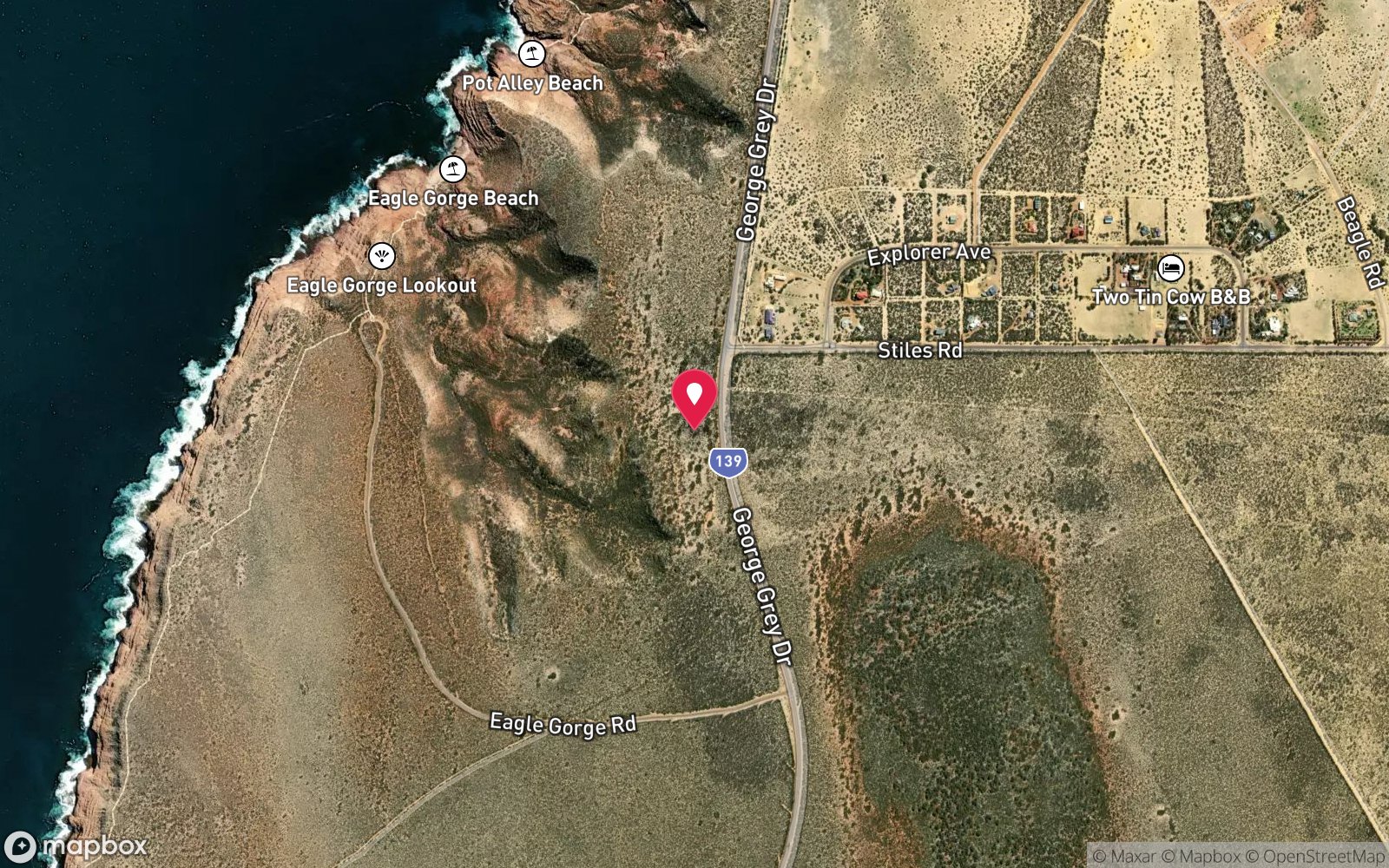
7 pinned sites. Pins marked approximate on their pages show the general area only; not for navigation.
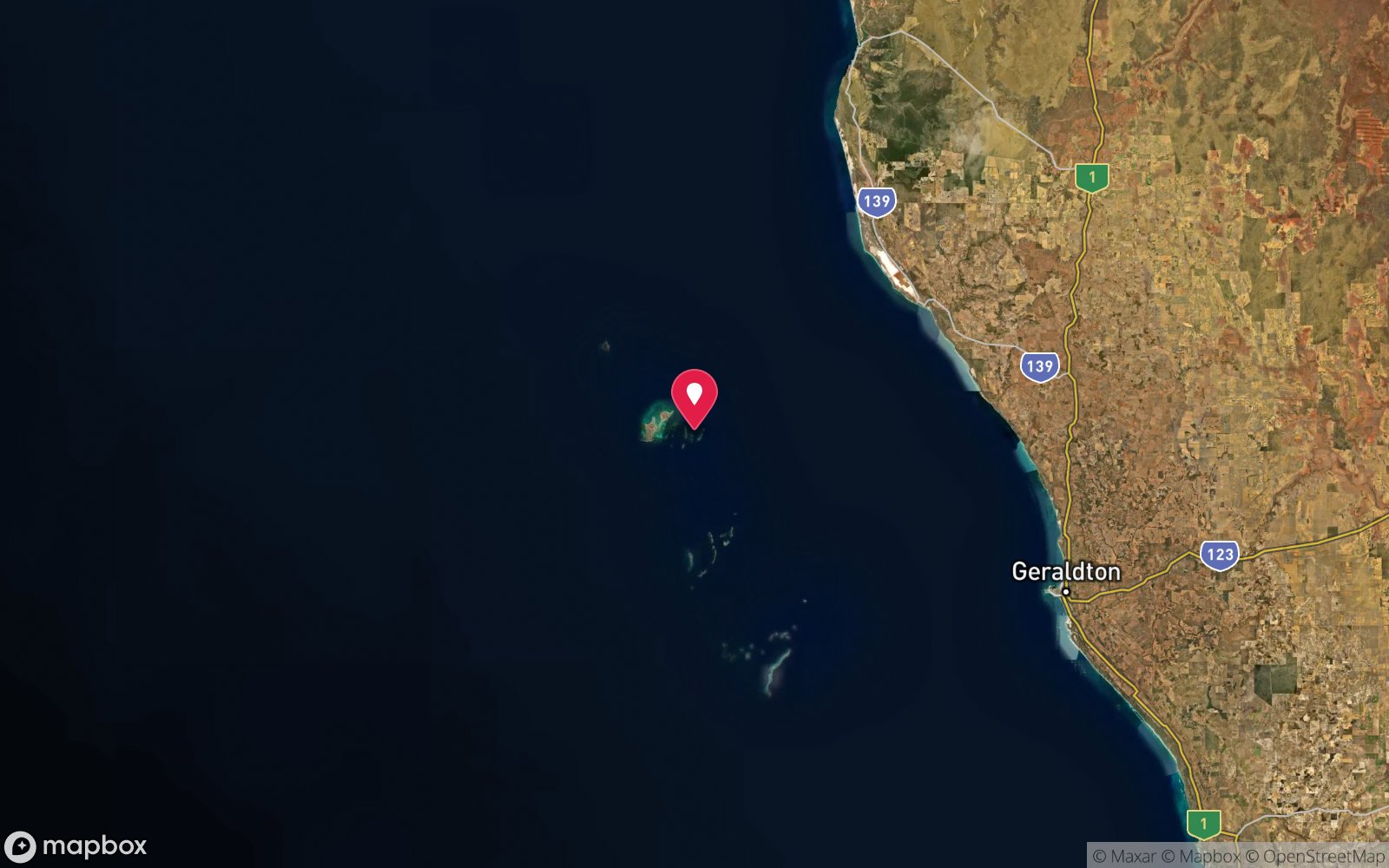
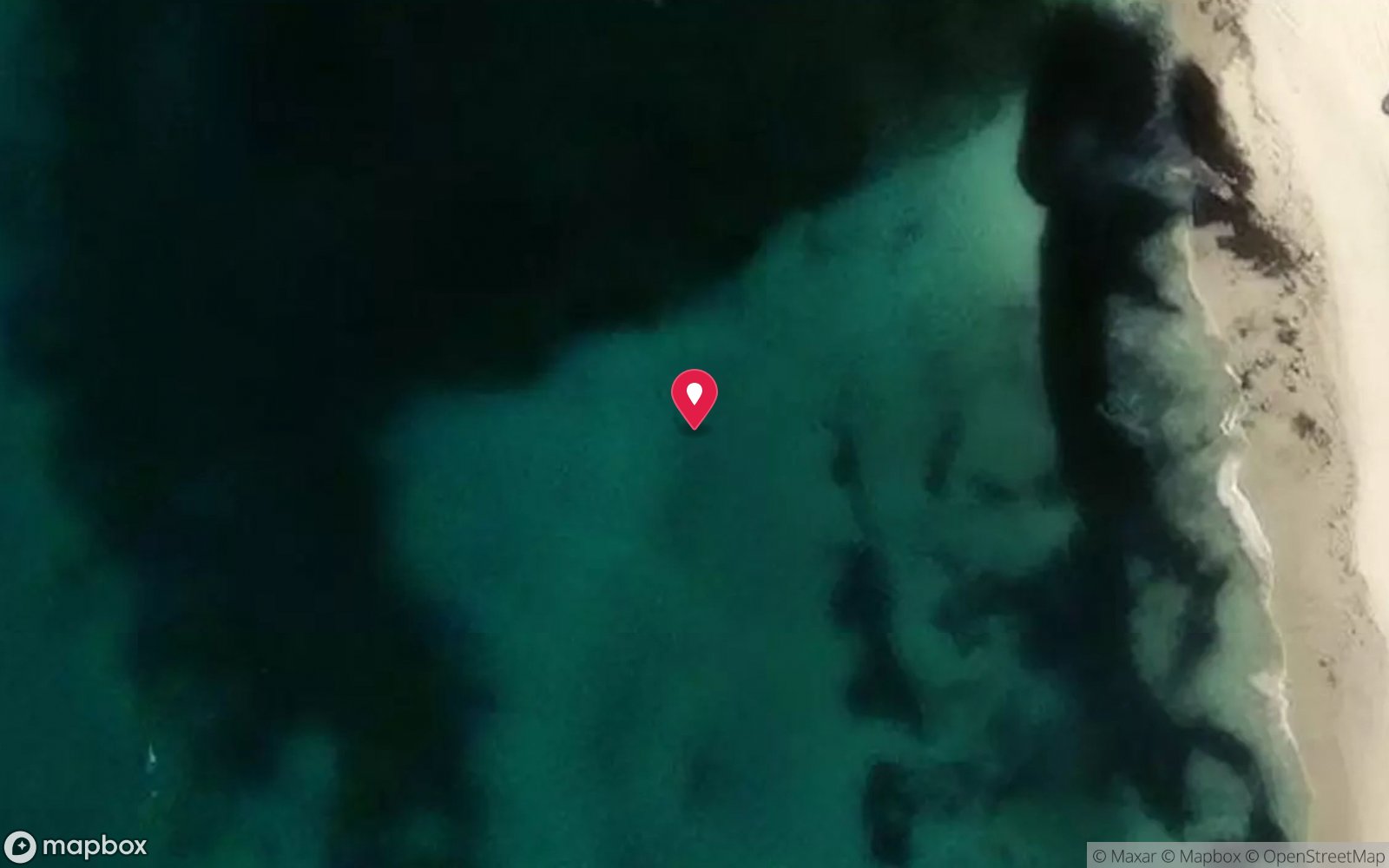
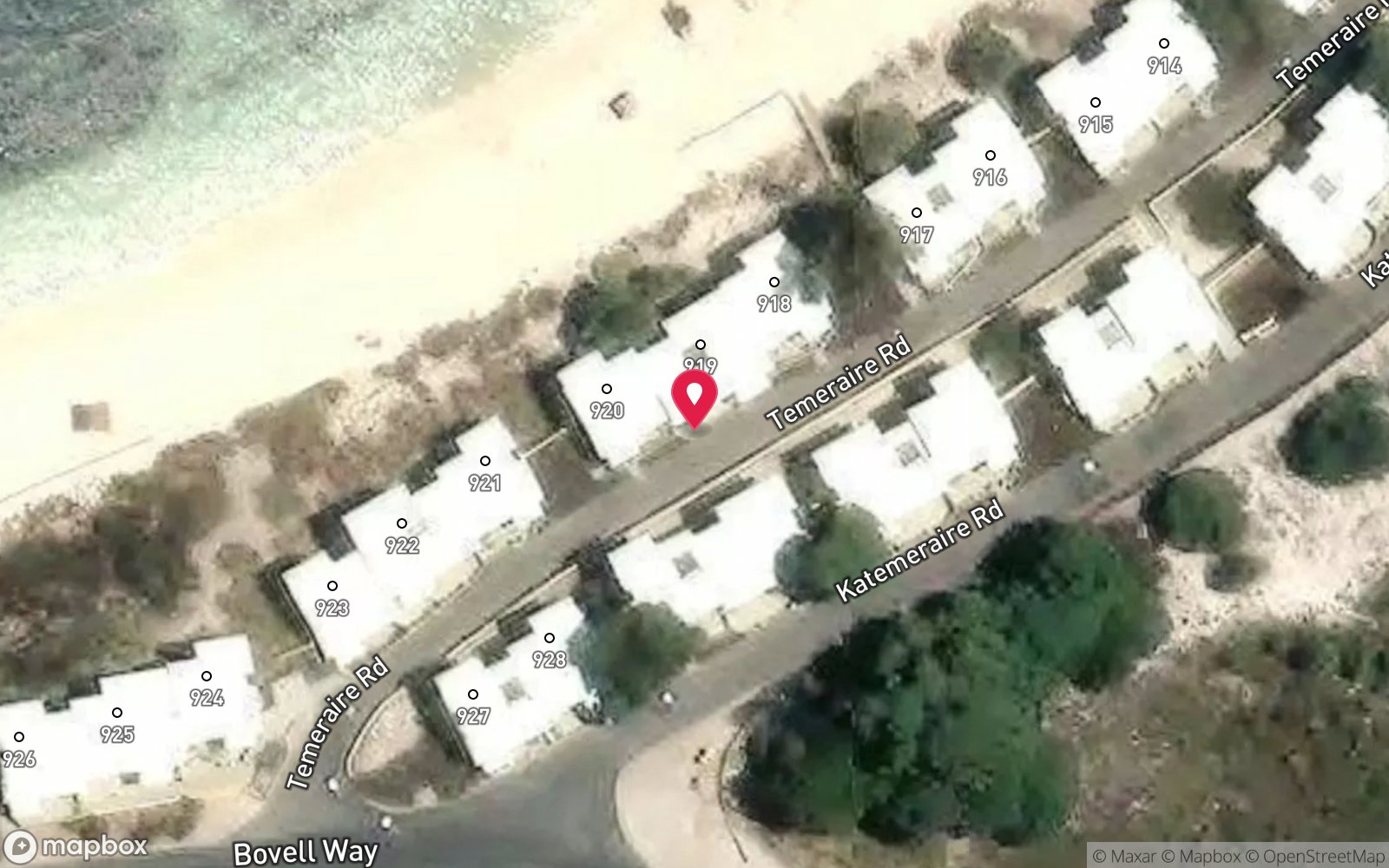
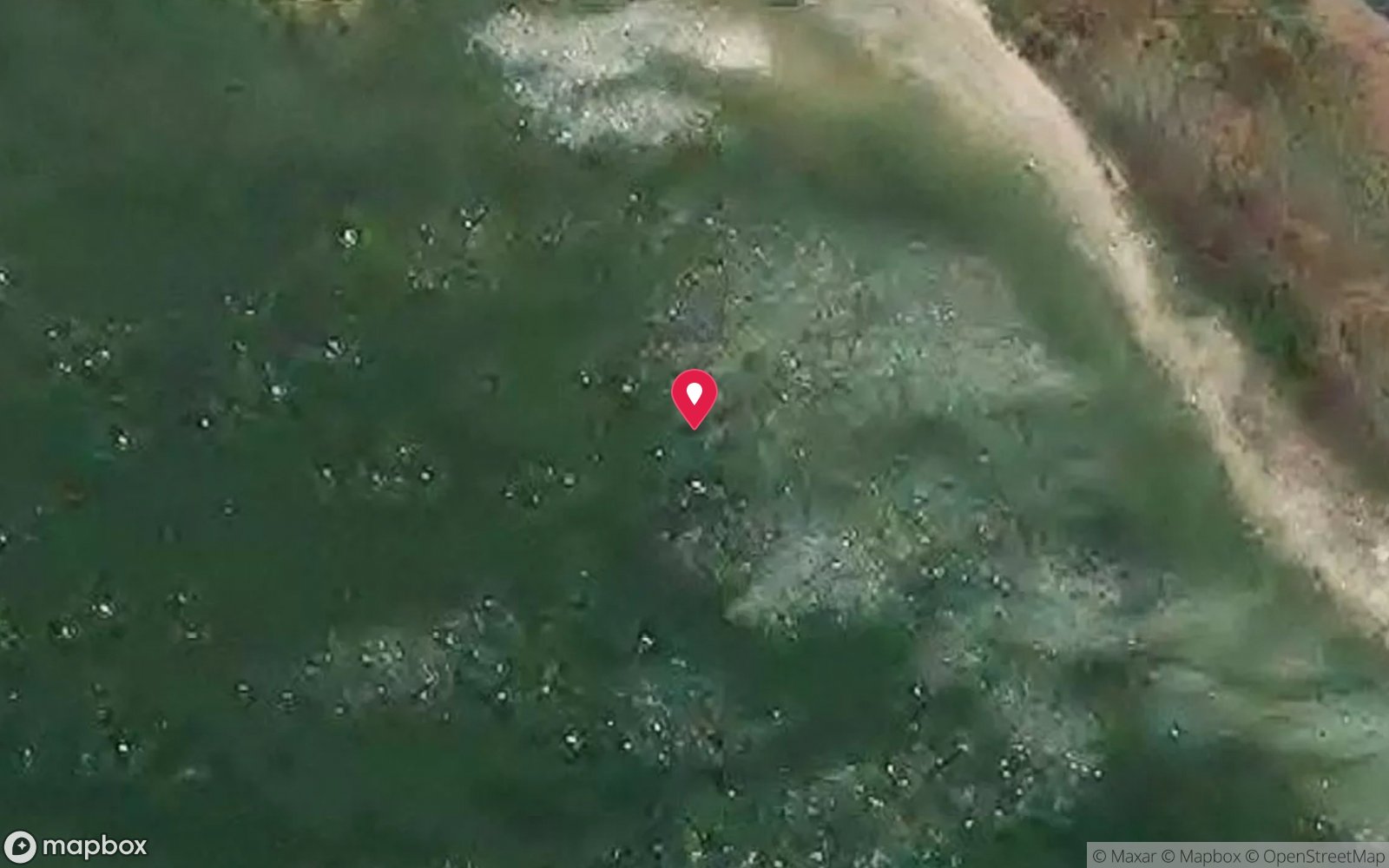
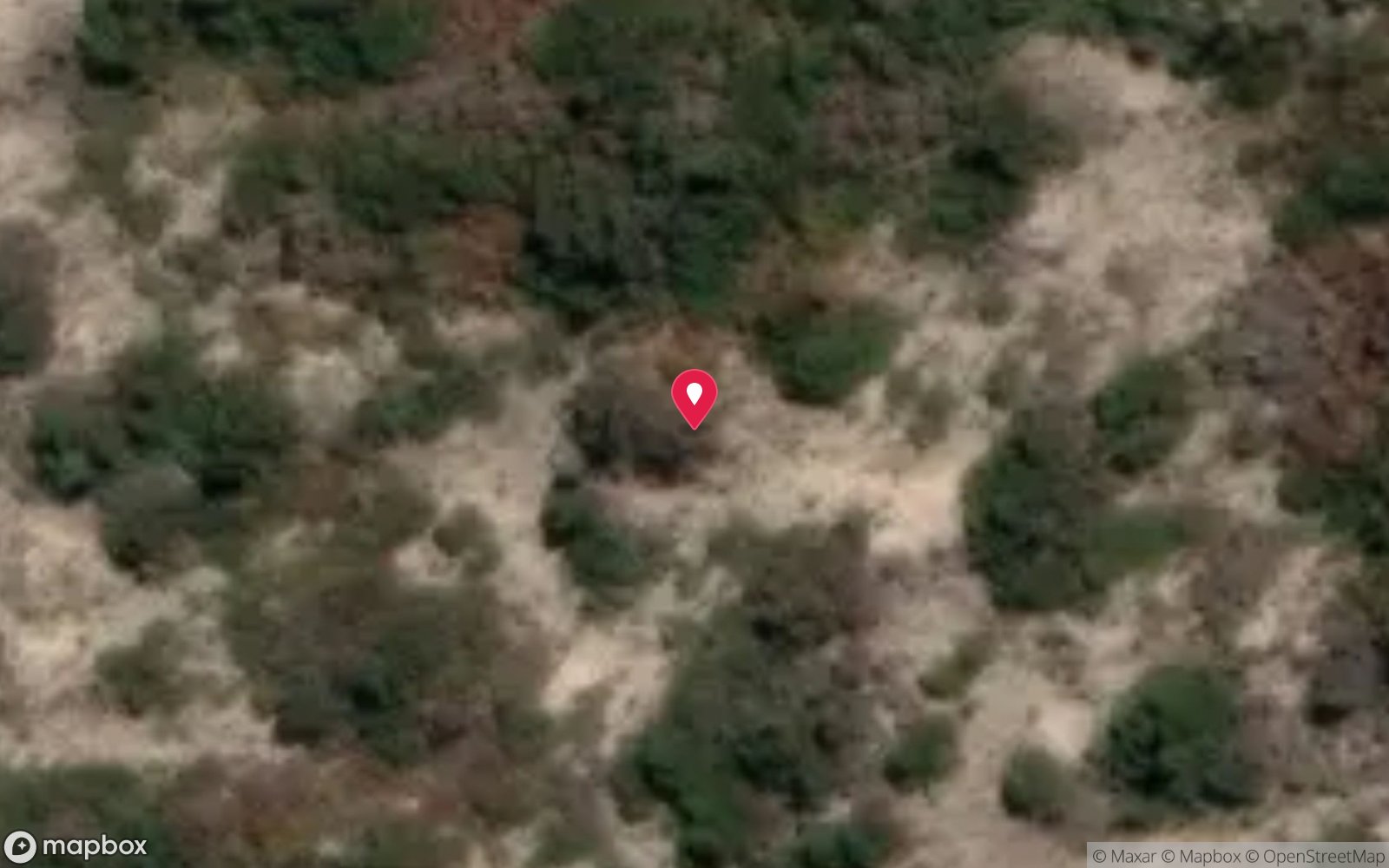
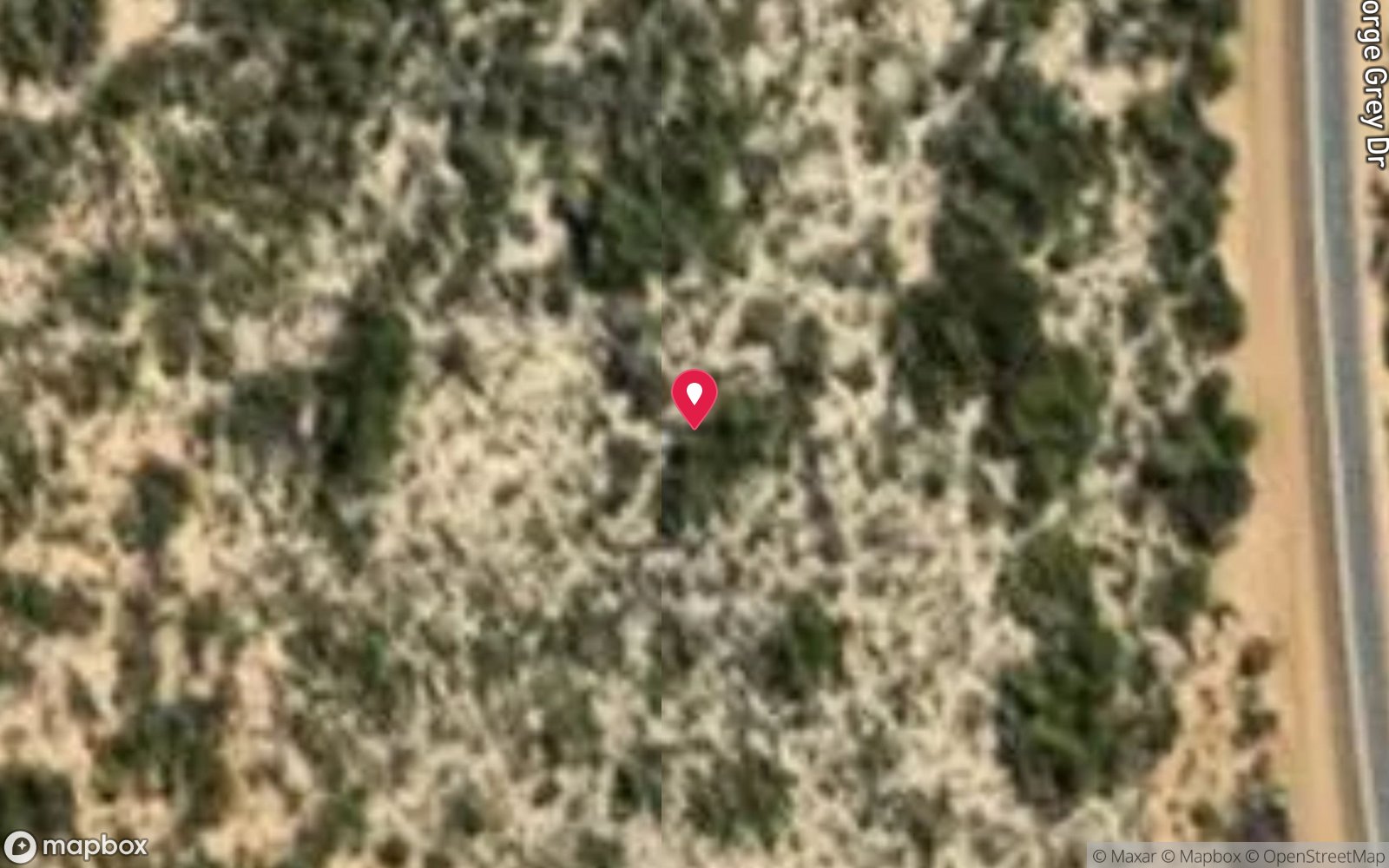
Satellite views
Red Bluff (Kalbarri): frequently asked questions
How deep is Red Bluff (Kalbarri)?
Red Bluff (Kalbarri) reaches a maximum depth of 5 m, with the shallowest part at about 0.5 m; most of the dive is spent around 2 m.
What certification do I need to dive Red Bluff (Kalbarri)?
No certification is needed to snorkel it, and it suits introductory dives. Rated intermediate because of surge on the entry or in the shallows.
Can I shore dive Red Bluff (Kalbarri)?
Experienced divers do dive Red Bluff (Kalbarri) from the shore, but the entry or conditions make it unsuitable for newer divers without local guidance. Entry: Beach entry via 1.4 km beach trail or from Red Bluff car park.
When is the best time to dive Red Bluff (Kalbarri)?
Calm mornings, March-May.
What marine life will I see at Red Bluff (Kalbarri)?
Regularly recorded: Wrasse, damselfish, herring, butterflyfish, western rock lobster, sponges.
What wetsuit do I need at Red Bluff (Kalbarri)?
3-5 mm wetsuit.
How cold is the water at Red Bluff (Kalbarri)?
Typically 22-24 °C in summer and 19-20 °C in winter.
What are the main hazards at Red Bluff (Kalbarri)?
Strong surge and swell exposure; sharp rocks; unpatrolled; cliff edges above. See the hazards section above for the full list.
Where is the nearest recompression chamber to Red Bluff (Kalbarri)?
Fiona Stanley Hospital Hyperbaric Medicine Unit (Murdoch, Perth) – about 570 km by road; RFDS aeromedical evacuation from Kalbarri. In an emergency call 000, then DAN Asia-Pacific on 1800 088 200.
Diving in Kalbarri & Shark Bay
Kalbarri's Blue Holes shore snorkel and the reefs off the river mouth, and Shark Bay's Steep Point and Dirk Hartog Island reefs and wrecks, are warm-water diving on the transition to the tropics, with dugongs in the bay and pelagics at the point.
Getting there: Six to nine hours north of Perth. Limited dive services; mostly private boats and shore entries.
All Kalbarri & Shark Bay dive sites and a suggested itinerary →
Sources
Data confidence: Low · Being verified: Coordinates approximate. Description under 250 words.. Last updated September 2026. Know this site better? How to send a correction