Dive slate · divesites.com.au · printed 9 Nov 2026
Turtle Bay (East Wallabi Island)
Geraldton & Abrolhos Islands, Western Australia · near Geraldton
| Depth | 1–5 m |
|---|---|
| Minimum level | Snorkel/Any |
| Difficulty | Beginner |
| Access | Boat (multi-day/liveaboard) |
| Entry | Beach entry (from island) or from boat |
| Current | Mild |
| Visibility | 10-25 m |
| Water | summer 22-24 °C, winter 20-21 °C |
| Suit | 3 mm wetsuit or rash vest in summer |
| Best season | September-May |
| Bottom time | 60 min |
| Position | -28.43000, 113.73000 (approximate) |
| Permit | Houtman Abrolhos Islands National Park (declared 2019) and Fish Habitat Protection Area – visitor rules, Reef Observation Areas (no fishing) and public moorings apply; no camping; check DPIRD/DBCA Abrolhos visitor guide. |
| Nearest chamber | Fiona Stanley Hospital Hyperbaric Medicine Unit (Murdoch, Perth) – requires aeromedical evacuation (RFDS) from this remote site |
| Emergency | 000 · DAN Asia-Pacific diving emergency 1800 088 200 |
Turtle Bay (East Wallabi Island)
Also known as Turtle Bay, East Wallabi Island, Wallabi Group sea lion sites
Pristine shallow coral a short swim from the beach – the Abrolhos's most accessible snorkel via fly-in day tours.
Near Geraldton · Geraldton & Abrolhos Islands, Western Australia
- Depth
- 1–5 m
- Minimum level
- Snorkel/Any
- Access
- Boat (multi-day/liveaboard)
- Boat ride
- ~210 min
- Water
- 22-24 °C
- Visibility
- 10-25 m
Turtle Bay (East Wallabi Island)1–5 m · Snorkel/Any
Dive factsDepths, conditions, location & safety
Season
In season nowBest months: January, February, March, April, May, September, October, November, December.
Dive facts
- Depth
- 1–5 m
- Typical depth
- 3 m
- Certification
- Snorkel/Any
- Difficulty
- Beginner
- Depth tier
- Easy (0–10 m)
- Access
- Boat (multi-day/liveaboard)
- Offshore
- 65 km
- Dive centre needed
- Yes – boat access only
- Shore / independent
- No
- Boat ride
- ~210 min
- Current
- Mild
- Visibility
- 10-25 m
- Water temp (summer)
- 22-24 °C
- Water temp (winter)
- 20-21 °C
- Water
- Subtropical
- Bottom time
- 60 min
- Dive traffic
- Popular (weekly charters)
- Night dive
- Possible
- Snorkel friendly
- Yes
Exposure suit
3 mm wetsuit or rash vest in summer
Location
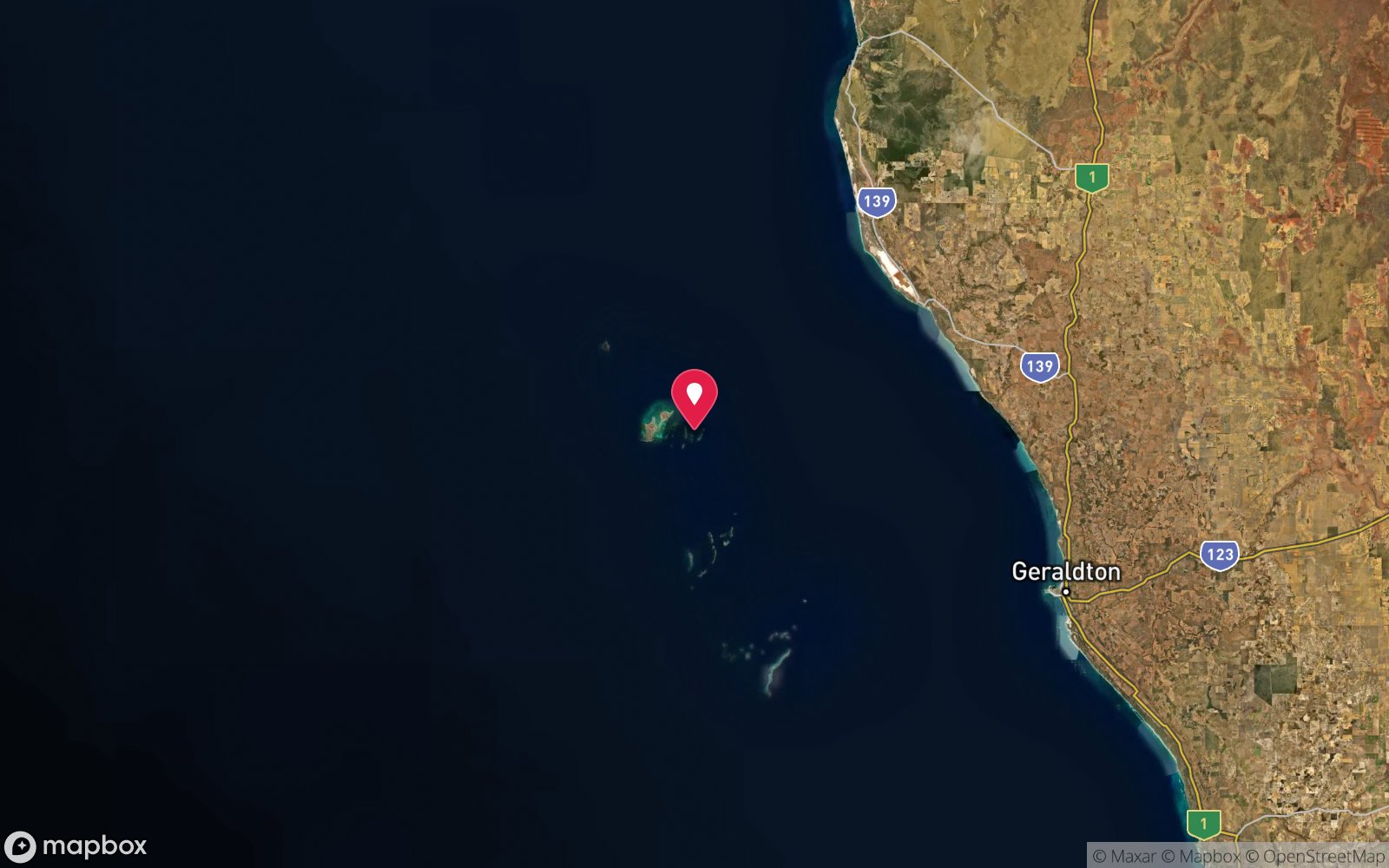
Wallabi Group – East Wallabi Island · Mid West – Houtman Abrolhos
-28.43000, 113.73000
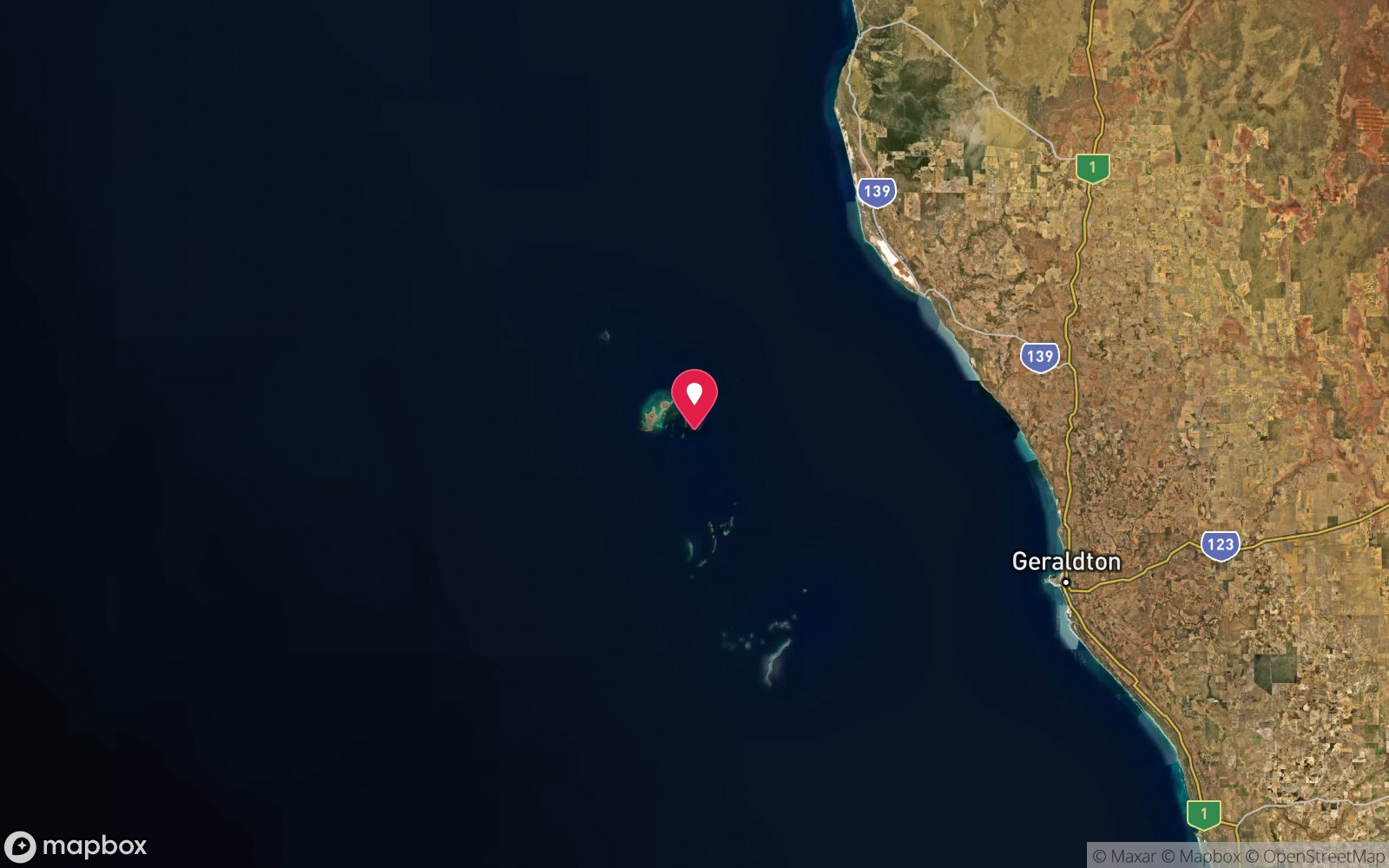
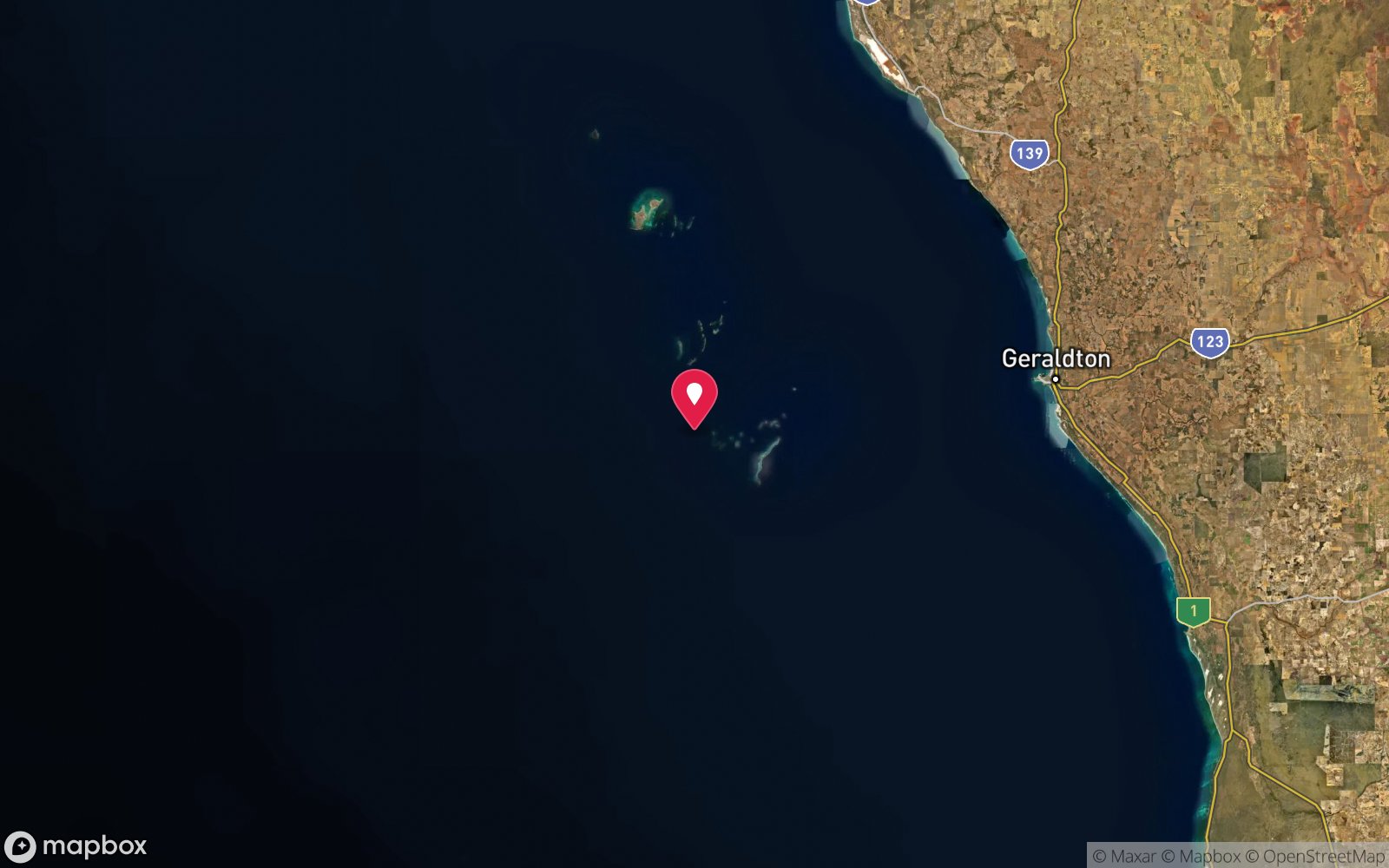
Approximate position — not for navigation.
Open in Google MapsPrimary source: marinelife.org.auMarine park & permits
Houtman Abrolhos Islands National Park (declared 2019) and Fish Habitat Protection Area – visitor rules, Reef Observation Areas (no fishing) and public moorings apply; no camping; check DPIRD/DBCA Abrolhos visitor guide.
Nearest recompression chamber
Fiona Stanley Hospital Hyperbaric Medicine Unit (Murdoch, Perth) – requires aeromedical evacuation (RFDS) from this remote site
Diving emergency: call 000, then DAN AP 1800 088 200.
Trip planner
Build a trip around Turtle Bay (East Wallabi Island) →
A day-by-day plan for Geraldton & Abrolhos Islands with this site locked in.
This guide is a planning aid. Conditions change daily — confirm with a local dive centre and dive within your training. Data & safety notes.
Dive profile
How this site rates
Scores are computed from the recorded data, not opinions. How?
At a glance
Turtle Bay (East Wallabi Island) is a shore / rock platform liveaboard-only site in Geraldton & Abrolhos Islands, WA, 1–5 m, suitable for snorkellers and first-time divers, about 210 minutes by boat.
Rated beginner: sheltered, shallow and manageable for a newly certified diver on a normal day.
Why dive here
- Pristine shallow coral a short swim from the beach – the Abrolhos's most accessible snorkel via fly-in day tours.
- Snorkel-friendly, so non-diving companions can join at the surface.
- Visibility often reaches 10-25 m.
Conditions to avoid
- Strong southerly or south-east swell and wind
- Afternoon north-easterlies
About Turtle Bay (East Wallabi Island)
Turtle Bay, at the north-east corner of East Wallabi Island, is the most visited snorkelling spot in the Abrolhos because it is the destination for fly-in day tours from Geraldton that land on the island's airstrip. Marine Life Network calls it brilliant, with conditions ranging from a shallow swim to pristine coral reef: blue staghorn corals, plate and finger corals, buffalo bream, sergeant majors and other reef fish in 2-5 m.
The bay is sheltered from the afternoon southerly, the water is clear and warm thanks to the Leeuwin Current, and the reef starts close to the beach, making it ideal for snorkellers of all ages. East Wallabi Island also has walking trails, tammar wallabies and nesting seabirds, and neighbouring West Wallabi holds the Wiebbe Hayes forts from the Batavia story.
For divers on liveaboard trips, Turtle Bay makes a relaxed shallow dive or a night snorkel. Anchoring must be in sand, clear of the coral.
Fly-in day tours usually allow an hour or two in the water, so arrive with a well-fitting mask and a rash vest or thin wetsuit for sun protection. Liveaboard divers get the bay to themselves in the early morning or evening, when turtles and rays are most often seen over the seagrass fringe. Take all rubbish off the island. Reef shoes help on the beach rubble.
Getting there & entry
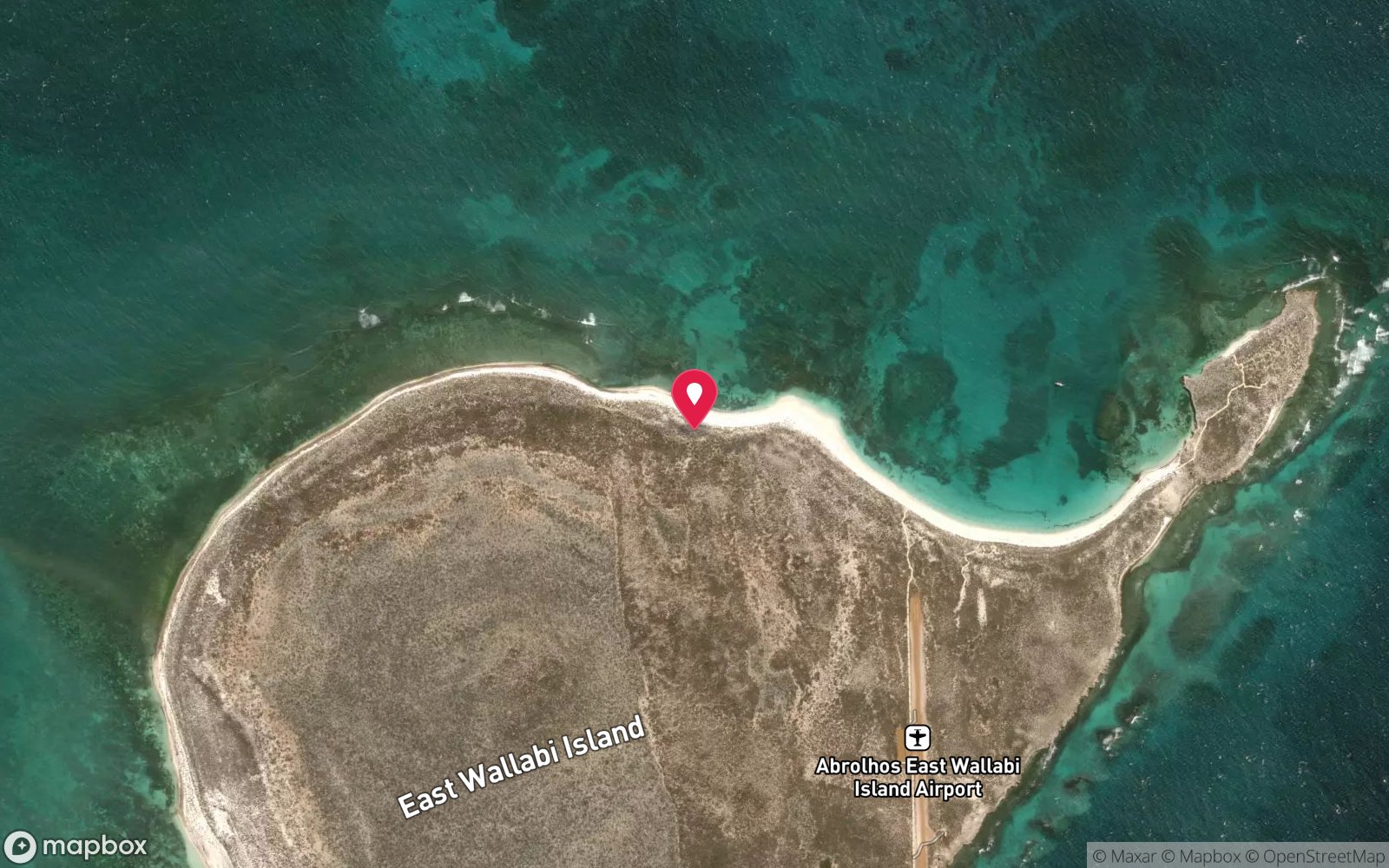
Sheltered bay at the north-east corner of East Wallabi Island with shallow coral reef (2-5 m) of blue staghorn, plate and finger corals; the snorkel stop for fly-in day tours.
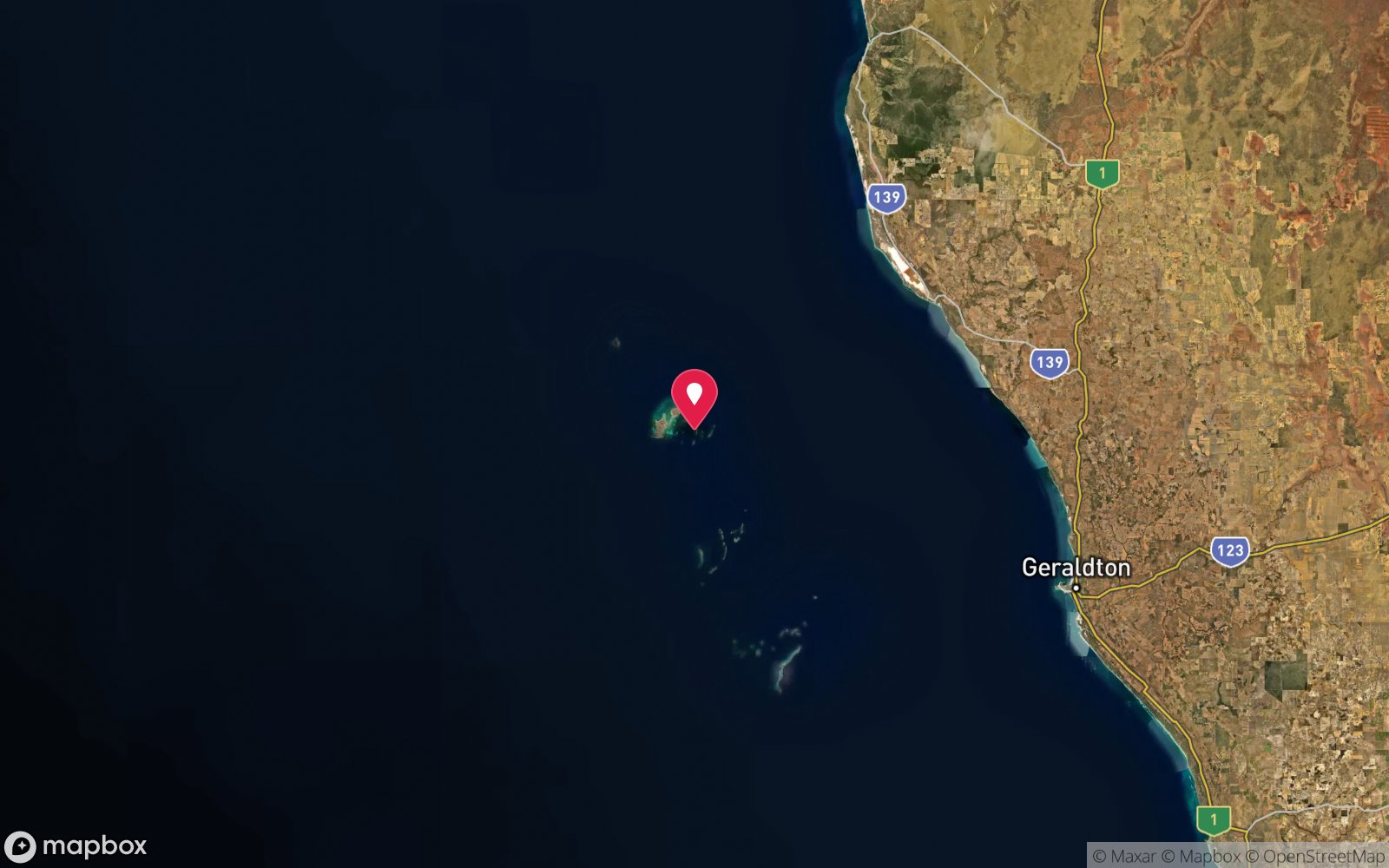
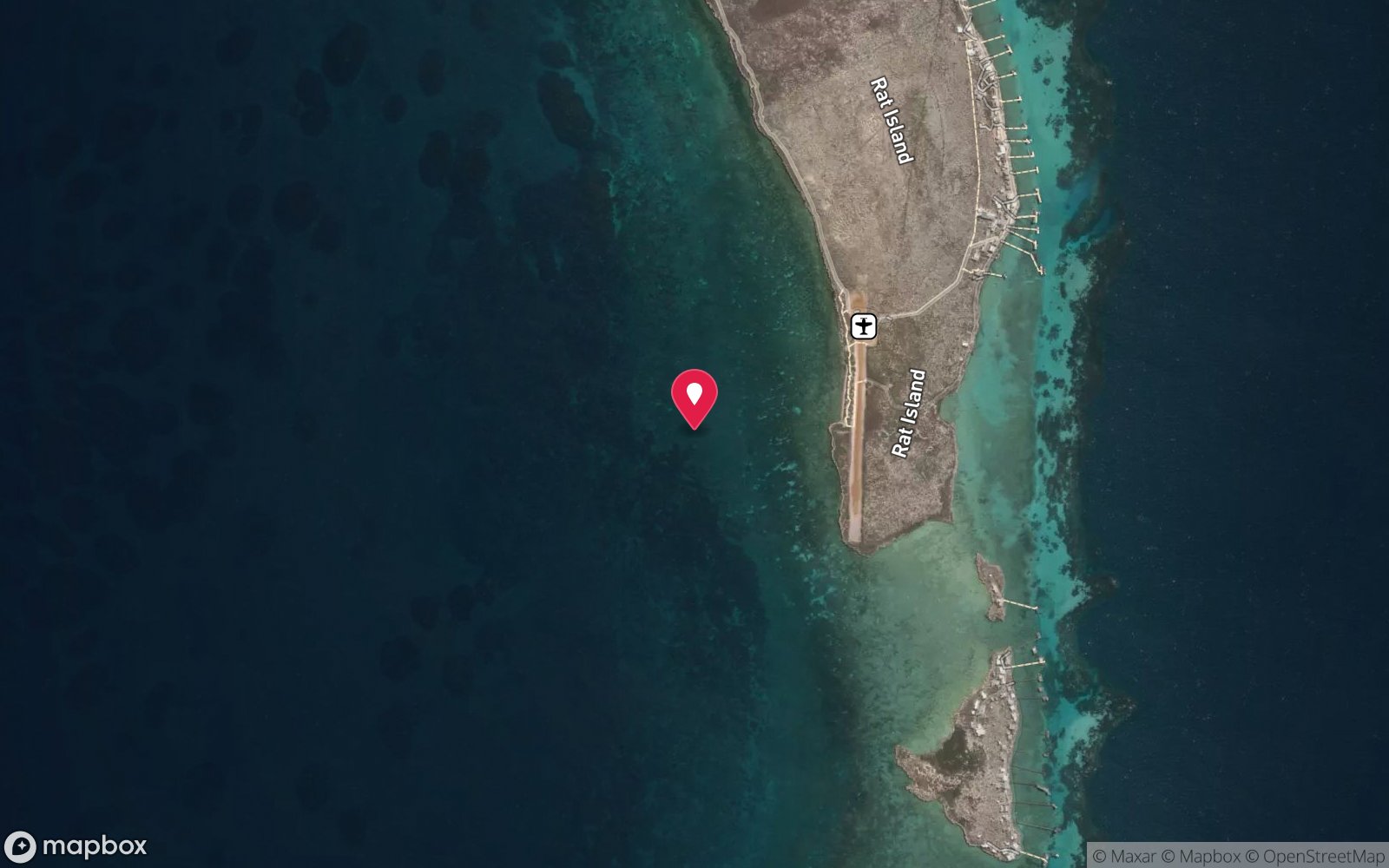
The Houtman Abrolhos lie 60-80 km west of Geraldton (about 420 km north of Perth). There is no public accommodation or camping on the islands, so divers visit on liveaboard trips departing Geraldton (a 3-5 hour crossing), on private vessels using the public moorings, or – for snorkelling only – on scenic-flight day tours that land on East Wallabi Island. East Wallabi Island has an airstrip used by Geraldton scenic flight operators for day tours that include a walk to Turtle Bay and a snorkel on the reef.
Liveaboards and private boats anchor in the bay. The beach is at the island's north-east corner.
Entry: Beach entry (from island) or from boat
Facilities: Airstrip and walking trails on East Wallabi Island; no shops, water or toilets beyond what tour operators provide; day use only.
Weather, swell & tides
The Abrolhos sit on the edge of the continental shelf in the path of the warm Leeuwin Current, which keeps water at 20-24°C and supports the world's southernmost major coral reefs. The islands are exposed to the south-west swell and to strong southerly winds that blow most afternoons from October to March; the crossing from Geraldton is often rough. Marine Life Network recommends March-May and September-November; late summer-autumn highs give the calmest seas.
Western rock lobster season (15 March-30 June) brings fishing camps and boat traffic. Turtle Bay faces north-east and is sheltered from the prevailing southerly winds and south-westerly swell, which is why it is the day-tour snorkel stop.
Best season: September-May
If it's blown out
Sheltered or shore sites within 25 km that often work when Turtle Bay (East Wallabi Island) doesn't.
- Hadda Wreck (Beacon Island) · 8 km · Max 6 m
- Batavia Wreck Site (Morning Reef) · 9 km · Max 7 m
How the dive is usually run
Enter from the beach, snorkel out over the seagrass to the coral reef edge and follow it along the bay, returning to the beach.
Marine life
- Blue staghorn
- plate and finger corals
- buffalo bream
- sergeant majors
- wrasse
- parrotfish
- turtles →
- Australian sea lions (occasional) →
Linked species have their own page listing every site where they are recorded. All marine life →
Training required
Shallow enough for snorkellers and for a first dive under supervision. Any certified diver can dive it.
Depth tiers: 0–10 m easy · to 18 m Open Water · 18–30 m Advanced (25 m+ is a deep dive) · 30–40 m Deep specialty · 40 m+ technical. All courses
Hazards & warnings
Sunburn and coral cuts; boats anchoring; remote – limited medical support; stay on marked trails ashore.
Dive centres that go here
Liveaboard only for diving: Image Dive – 'Southern Image', the only dedicated dive boat at the Abrolhos (4 days/4 nights from Geraldton, max 8 divers, 3-4 dives a day); Eco Abrolhos Cruises – 5-day small-group cruises from Geraldton with snorkelling and diving; occasional Perth club charters. Batavia Coast Dive & Watersports (Geraldton) runs Abrolhos trips when boats are available. Scenic-flight day tours from Geraldton land on East Wallabi Island and include snorkelling at Turtle Bay (snorkel gear provided; no scuba).
Operators recorded for Turtle Bay (East Wallabi Island)
Image Dive & Charters
Named by sitesHillarys · Perth · WA
Image Dive Pty Ltd trading as Image Dive and Charters; boat dive charters from Hillarys.
imagedive.com.au · 0417 957 870
Eco Abrolhos Cruises
Named by sitesGeraldton · Geraldton & Abrolhos Islands · WA
Liveaboard cruise operator to the Abrolhos Islands.
ecoabrolhos.com.au · (08) 9964 5101
Other dive centres in Geraldton & Abrolhos Islands
Map
7 pinned sites. Pins marked approximate on their pages show the general area only; not for navigation.
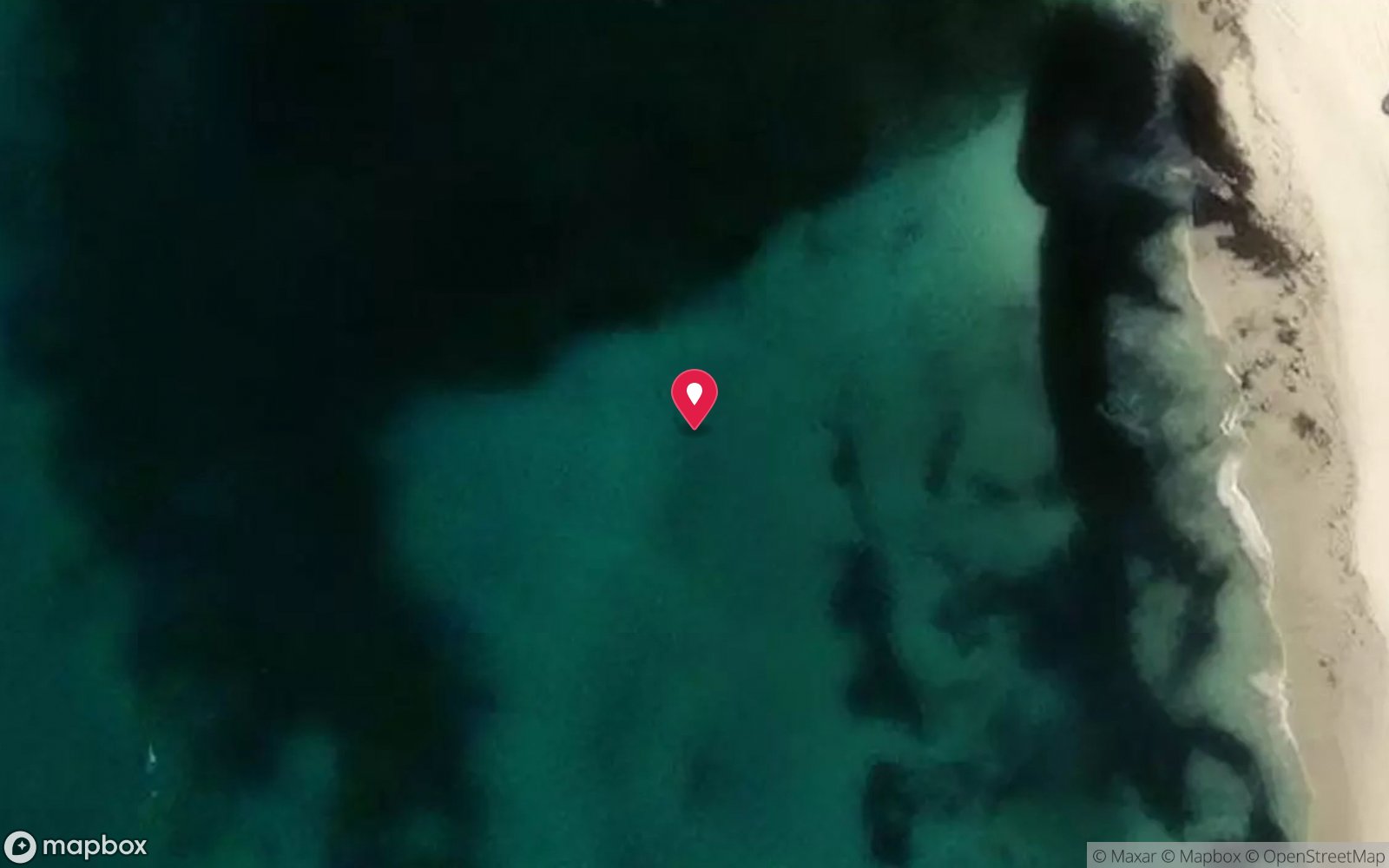
Satellite views
Turtle Bay (East Wallabi Island): frequently asked questions
How deep is Turtle Bay (East Wallabi Island)?
Turtle Bay (East Wallabi Island) reaches a maximum depth of 5 m, with the shallowest part at about 1 m; most of the dive is spent around 3 m.
What certification do I need to dive Turtle Bay (East Wallabi Island)?
No certification is needed to snorkel it, and it suits introductory dives. Rated beginner: sheltered, shallow and manageable for a newly certified diver on a normal day.
Can I shore dive Turtle Bay (East Wallabi Island)?
No, it is reached by boat (about 210 minutes). A dive centre is required: boat access only.
When is the best time to dive Turtle Bay (East Wallabi Island)?
September-May.
What marine life will I see at Turtle Bay (East Wallabi Island)?
Regularly recorded: Blue staghorn, plate and finger corals, buffalo bream, sergeant majors, wrasse, parrotfish, turtles, Australian sea lions (occasional).
What wetsuit do I need at Turtle Bay (East Wallabi Island)?
3 mm wetsuit or rash vest in summer.
How cold is the water at Turtle Bay (East Wallabi Island)?
Typically 22-24 °C in summer and 20-21 °C in winter.
What are the main hazards at Turtle Bay (East Wallabi Island)?
Sunburn and coral cuts; boats anchoring; remote – limited medical support; stay on marked trails ashore. See the hazards section above for the full list.
Where is the nearest recompression chamber to Turtle Bay (East Wallabi Island)?
Fiona Stanley Hospital Hyperbaric Medicine Unit (Murdoch, Perth) – requires aeromedical evacuation (RFDS) from this remote site. In an emergency call 000, then DAN Asia-Pacific on 1800 088 200.
Diving in Geraldton & Abrolhos Islands
The Houtman Abrolhos, 60 km off Geraldton, are 122 islands with coral reefs, the Batavia (1629) wreck site and huge crayfish populations in water that mixes tropical and temperate species. Geraldton itself has the Point Moore reefs and the SS Sunbeam and other wrecks.
Getting there: Charters and short liveaboards from Geraldton, five hours north of Perth, mostly in spring and autumn.
All Geraldton & Abrolhos Islands dive sites and a suggested itinerary →
Sources
Data confidence: Medium · Being verified: Names of current fly-in tour operators (e.g. Shine Aviation, Geraldton Air Charter) not confirmed from sources read. Coordinates approximate. Description under 250 words – limited published documentation.. Last updated September 2026. Know this site better? How to send a correction
Nearby dive sites
More shore/rock platform dives in Western Australia
Explore more
This region