Dive slate · divesites.com.au · printed 7 Nov 2026
Batavia Wreck Site (Morning Reef)
Geraldton & Abrolhos Islands, Western Australia · near Geraldton
| Depth | 3–7 m |
|---|---|
| Minimum level | Open Water |
| Difficulty | Intermediate |
| Access | Boat (multi-day/liveaboard) |
| Entry | Giant stride or back roll from charter/private boat |
| Current | Moderate |
| Visibility | 10-20 m |
| Water | summer 22-24 °C, winter 20-21 °C |
| Suit | 3-5 mm wetsuit |
| Best season | March-May and September-November in very calm weather |
| Bottom time | 45 min |
| Position | -28.49180, 113.79200 (GPS) |
| Permit | Houtman Abrolhos Islands National Park (declared 2019) and Fish Habitat Protection Area – visitor rules, Reef Observation Areas (no fishing) and public moorings apply; no camping; check DPIRD/DBCA Abrolhos visitor guide. Protected historic shipwreck. |
| Nearest chamber | Fiona Stanley Hospital Hyperbaric Medicine Unit (Murdoch, Perth) – requires aeromedical evacuation (RFDS) from this remote site |
| Emergency | 000 · DAN Asia-Pacific diving emergency 1800 088 200 |
Batavia Wreck Site (Morning Reef)
Also known as Batavia 1629, Morning Reef, Beacon Island
Cannons and anchors of the 1629 Batavia – Australia's most notorious shipwreck and mutiny – in 7 m on Morning Reef.
Near Geraldton · Geraldton & Abrolhos Islands, Western Australia
- Depth
- 3–7 m
- Minimum level
- Open Water
- Access
- Boat (multi-day/liveaboard)
- Boat ride
- ~210 min
- Water
- 22-24 °C
- Visibility
- 10-20 m
Batavia Wreck Site (Morning Reef)3–7 m · Open Water
Dive factsDepths, conditions, location & safety
Season
In season nowBest months: March, April, May, September, October, November.
March-May and September-November in very calm weather
- Best months
- Now (November)
- Stinger suit Nov–May
Dive facts
- Depth
- 3–7 m
- Typical depth
- 6 m
- Certification
- Open Water
- Difficulty
- Intermediate
- Depth tier
- Easy (0–10 m)
- Access
- Boat (multi-day/liveaboard)
- Offshore
- 65 km
- Dive centre needed
- Yes – boat access only
- Shore / independent
- No
- Boat ride
- ~210 min
- Current
- Moderate
- Visibility
- 10-20 m
- Water temp (summer)
- 22-24 °C
- Water temp (winter)
- 20-21 °C
- Water
- Subtropical
- Bottom time
- 45 min
- Dive traffic
- Remote/expedition only
- Night dive
- No
- Snorkel friendly
- Partial
Exposure suit
3-5 mm wetsuit
Location
Wallabi Group – Morning Reef · Mid West – Houtman Abrolhos
-28.49180, 113.79200
Published GPS position.
Open in Google MapsPrimary source: divingwawrecks.comMarine park & permits
Houtman Abrolhos Islands National Park (declared 2019) and Fish Habitat Protection Area – visitor rules, Reef Observation Areas (no fishing) and public moorings apply; no camping; check DPIRD/DBCA Abrolhos visitor guide. Protected historic shipwreck.
Nearest recompression chamber
Fiona Stanley Hospital Hyperbaric Medicine Unit (Murdoch, Perth) – requires aeromedical evacuation (RFDS) from this remote site
Diving emergency: call 000, then DAN AP 1800 088 200.
Trip planner
Build a trip around Batavia Wreck Site (Morning Reef) →
A day-by-day plan for Geraldton & Abrolhos Islands with this site locked in.
This guide is a planning aid. Conditions change daily — confirm with a local dive centre and dive within your training. Data & safety notes.
Dive profile
How this site rates
Scores are computed from the recorded data, not opinions. How?
At a glance
Batavia Wreck Site (Morning Reef) is a wreck liveaboard-only site in Geraldton & Abrolhos Islands, WA, 3–7 m, suited to Open Water divers, moderate current, about 210 minutes by boat.
Rated intermediate because of surge on the entry or in the shallows.
Why dive here
- Cannons and anchors of the 1629 Batavia – Australia's most notorious shipwreck and mutiny – in 7 m on Morning Reef.
- Sunk in 1629 (VOC retourschip, 56 m, 650 tons); protected as underwater cultural heritage, so look but do not touch.
- Rarely dived: expect to have the site to yourself, and plan your own logistics.
- Visibility often reaches 10-20 m.
About Batavia Wreck Site (Morning Reef)
The Batavia is Australia's most infamous shipwreck. The flagship of the Dutch East India Company (VOC) return fleet, a 650-ton, 56 m retourschip carrying about 322 people and a fortune in silver, struck Morning Reef in the Wallabi Group on 4 June 1629 – the second recorded shipwreck in Australian history. Most of those aboard reached nearby islands. Commander Francisco Pelsaert and others sailed a longboat to Java for help, and in their absence the under-merchant Jeronimus Cornelisz led a mutiny that murdered about 110-125 men, women and children on the islands, with women forced into sexual slavery. A group of soldiers under Wiebbe Hayes held out on West Wallabi Island, where their improvised stone forts survive as Australia's oldest European structures. When Pelsaert returned in the Sardam on 17 September, fewer than 150 remained alive. The mutineers were tried; most were hanged on Long Island, and two young men, Wouter Loos and Jan Pelgrom, were marooned on the mainland near present-day Kalbarri – the first Europeans known to have been left on the Australian continent.
The wreck was located in 1963 and excavated by the WA Museum from the 1970s; much of the surviving hull and a stone portico destined for Batavia are displayed at the Shipwreck Galleries in Fremantle and the Geraldton museum. At the site today, on the seaward side of Morning Reef in about 7 m, many cannons and anchors remain around a large sand hole where the stern lay, set among coral and reef fish.
It is a short, shallow dive with enormous historical weight, but it is exposed and can only be visited in very calm conditions. Divers typically combine it with the Hadda wreck, the Beacon Island trail and a visit to the Wiebbe Hayes forts on West Wallabi.
Wreck details
VOC retourschip, 56 m, 650 tons · Sunk 1629 · Protected historic shipwreck
Era: early colonial. Oldest wrecks · Wartime wrecks · Scuttled warships
Other wrecks of the same era
- Tryall Wreck (Tryal Rocks) · Max 8 m · Pilbara & Dampier
Getting there & entry
Site of the VOC flagship Batavia, wrecked on 4 June 1629 on the seaward side of Morning Reef near Beacon Island in the Wallabi Group; cannons and anchors lie around a sand hole in about 7 m.
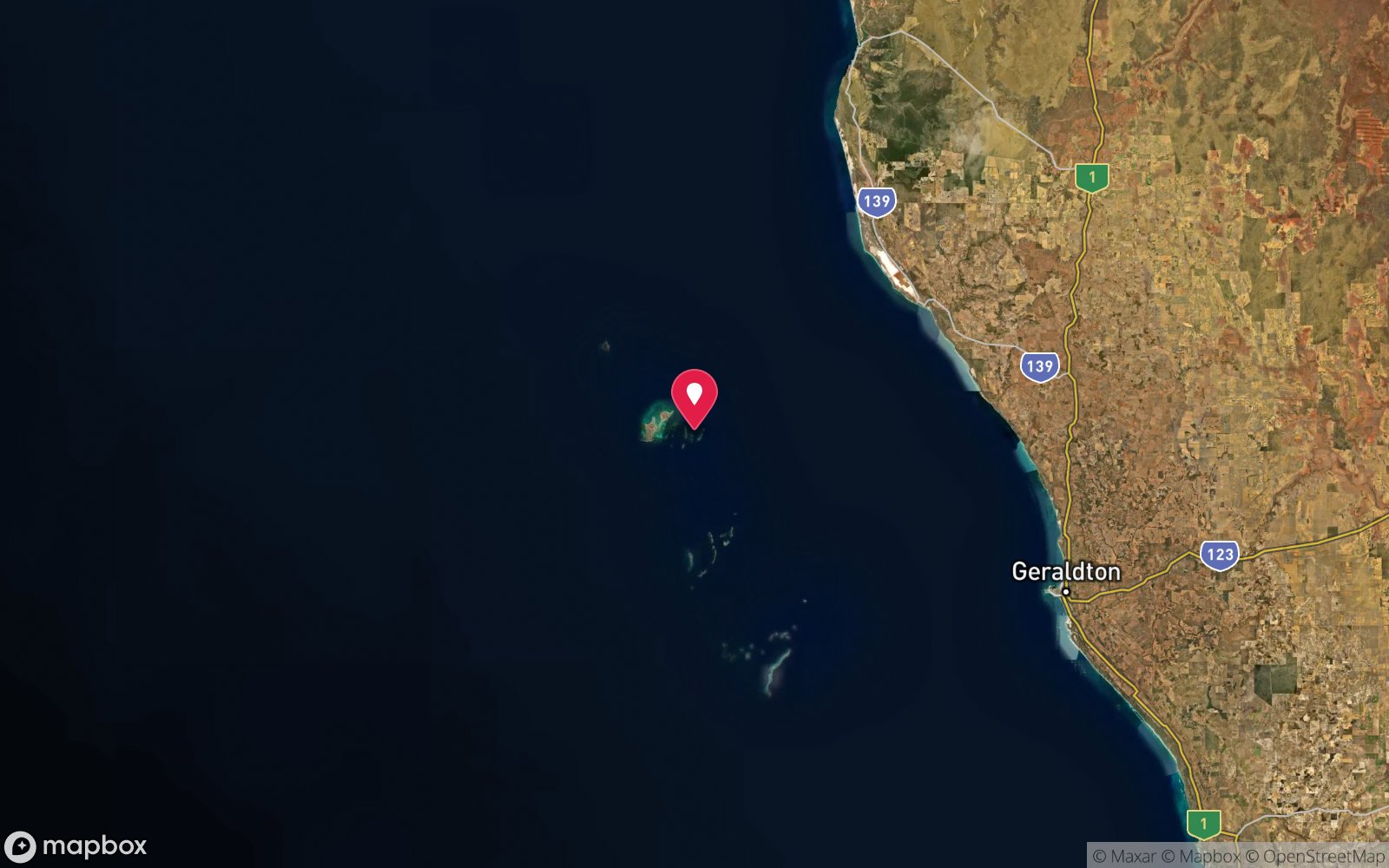
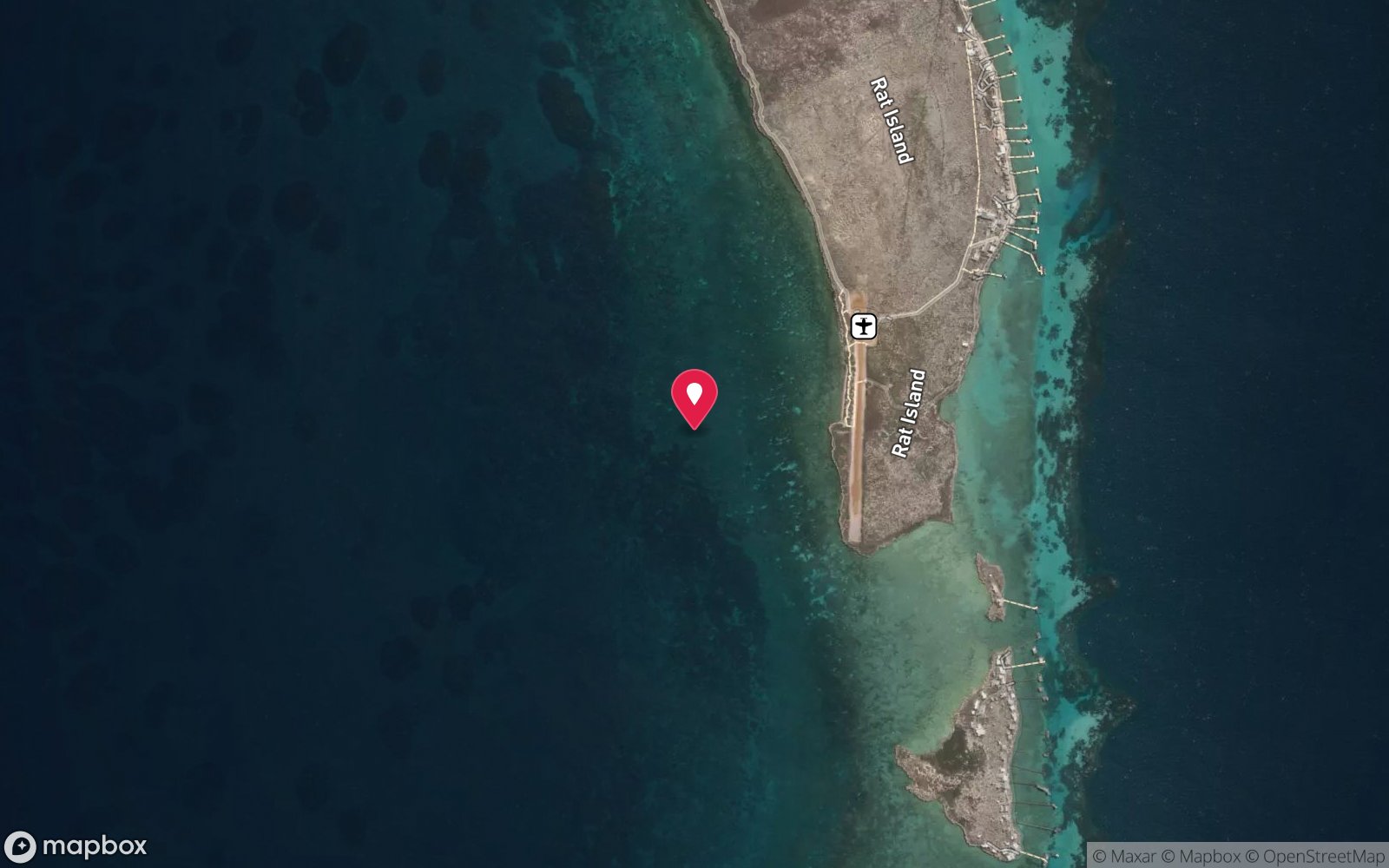
The Houtman Abrolhos lie 60-80 km west of Geraldton (about 420 km north of Perth). There is no public accommodation or camping on the islands, so divers visit on liveaboard trips departing Geraldton (a 3-5 hour crossing), on private vessels using the public moorings, or – for snorkelling only – on scenic-flight day tours that land on East Wallabi Island. The Batavia site is on the seaward (western) side of Morning Reef, close to Beacon Island in the Wallabi Group, about 60-70 km (3-4 hours) from Geraldton, at S 28° 29.506', E 113° 47.518'.
Liveaboards and private boats anchor in the lee near Beacon Island and run in by tender only when the swell is very small.
Entry: Giant stride or back roll from charter/private boat
Weather, swell & tides
The Abrolhos sit on the edge of the continental shelf in the path of the warm Leeuwin Current, which keeps water at 20-24°C and supports the world's southernmost major coral reefs. The islands are exposed to the south-west swell and to strong southerly winds that blow most afternoons from October to March; the crossing from Geraldton is often rough. Marine Life Network recommends March-May and September-November; late summer-autumn highs give the calmest seas.
Western rock lobster season (15 March-30 June) brings fishing camps and boat traffic. The Batavia site faces the open ocean on the seaward side of Morning Reef; divingwawrecks lists under 1 m of swell as diveable, and Marine Life Network describes it as an easy snorkel only in very calm weather. Surge and breaking waves on the reef edge quickly make it unsafe.
Best season: March-May and September-November in very calm weather
If it's blown out
Sheltered or shore sites within 25 km that often work when Batavia Wreck Site (Morning Reef) doesn't.
- Turtle Bay (East Wallabi Island) · 9 km · Max 5 m
- Hadda Wreck (Beacon Island) · 2 km · Max 6 m
How the dive is usually run
From the tender, drop in near the sand hole that marks the stern position, snorkel or dive around it at 5-7 m to find the cannons and anchors, and stay away from the breaking reef edge. Do not touch or move anything.
Marine life
- Coral (staghorn, plate)
- buffalo bream
- baldchin groper
- coral trout
- sergeant majors
- wrasse
- western rock lobster
Linked species have their own page listing every site where they are recorded. All marine life →
Training required
Shallow enough for snorkellers and for a first dive under supervision. Any certified diver can dive it.
Depth tiers: 0–10 m easy · to 18 m Open Water · 18–30 m Advanced (25 m+ is a deep dive) · 30–40 m Deep specialty · 40 m+ technical. All courses
Hazards & warnings
Surge and breaking waves on the seaward reef; remote – hours from medical help; protected historic wreck – do not disturb; coral cuts.
Technical notes
Protected under the Underwater Cultural Heritage Act 2018; a protected zone may apply – check with the WA Museum.
Dive centres that go here
Liveaboard only for diving: Image Dive – 'Southern Image', the only dedicated dive boat at the Abrolhos (4 days/4 nights from Geraldton, max 8 divers, 3-4 dives a day); Eco Abrolhos Cruises – 5-day small-group cruises from Geraldton with snorkelling and diving; occasional Perth club charters. Batavia Coast Dive & Watersports (Geraldton) runs Abrolhos trips when boats are available.
Operators recorded for Batavia Wreck Site (Morning Reef)
Batavia Coast Dive & Watersports
ListedGeraldton · Geraldton & Abrolhos Islands · WA
A Geraldton business providing equipment, training and support for divers heading to the Abrolhos Islands.
bataviacoastdive.com.au · (08) 9921 4229
Image Dive & Charters
Named by sitesHillarys · Perth · WA
Image Dive Pty Ltd trading as Image Dive and Charters; boat dive charters from Hillarys.
imagedive.com.au · 0417 957 870
Eco Abrolhos Cruises
Named by sitesGeraldton · Geraldton & Abrolhos Islands · WA
Liveaboard cruise operator to the Abrolhos Islands.
ecoabrolhos.com.au · (08) 9964 5101
Map
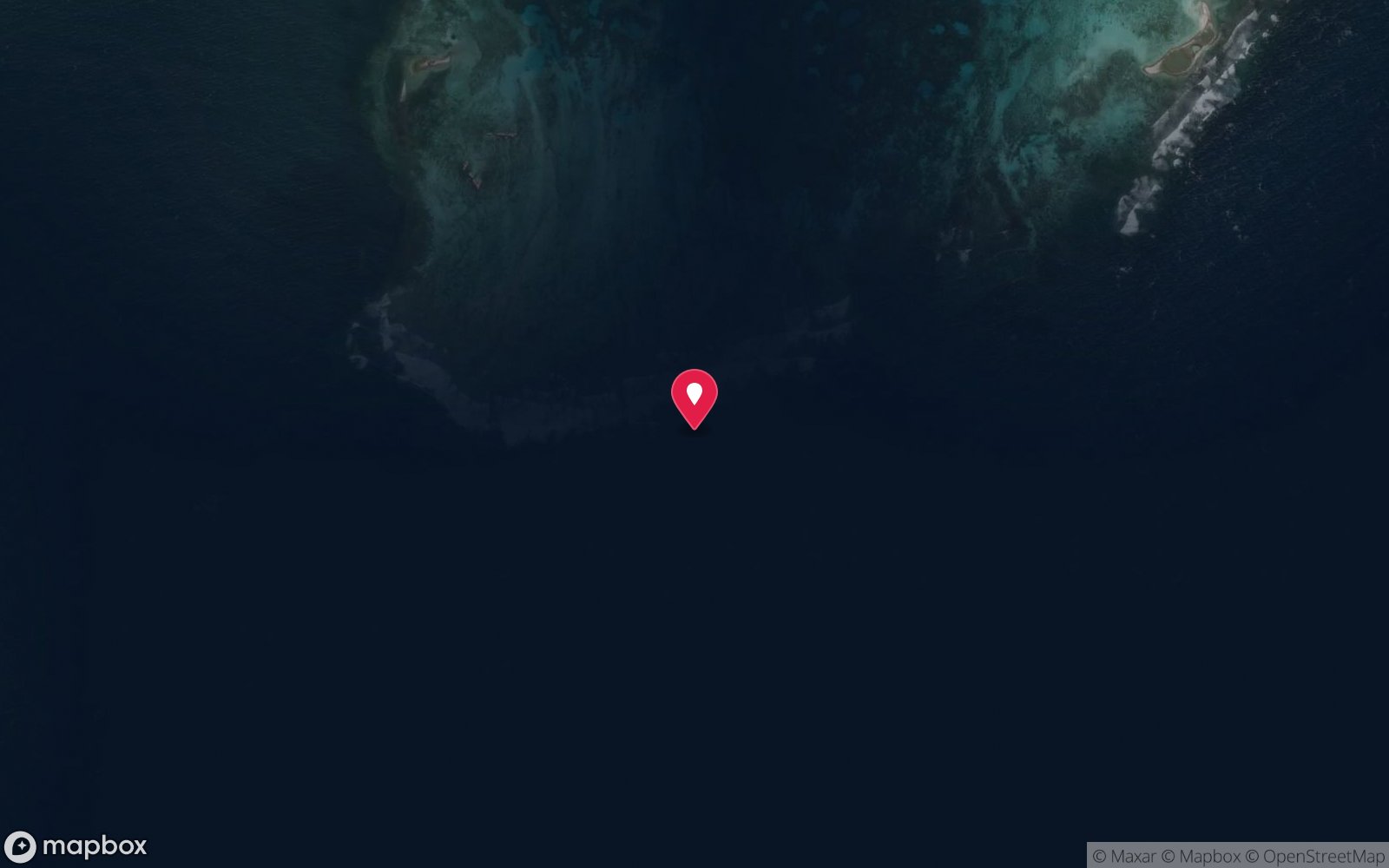
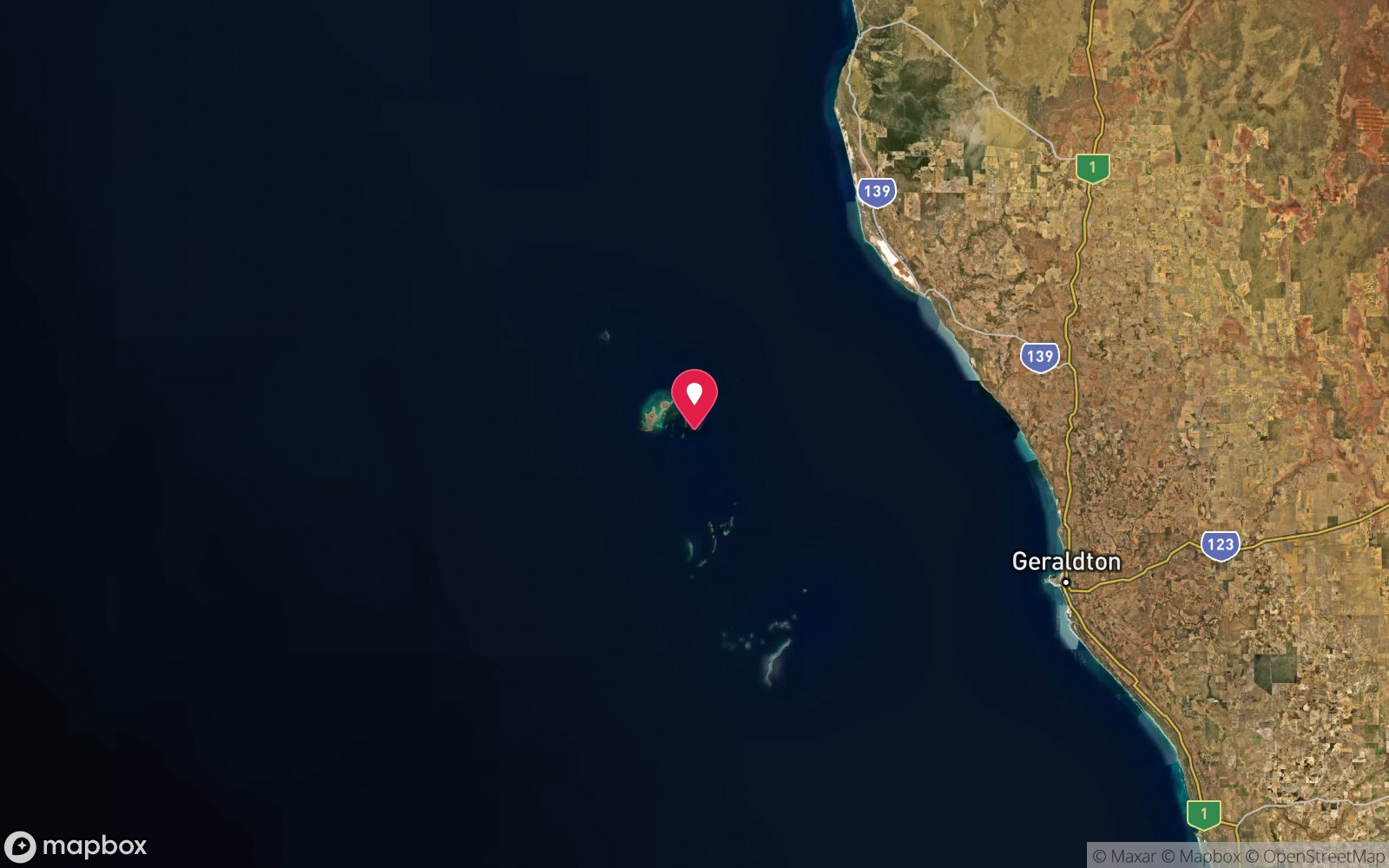
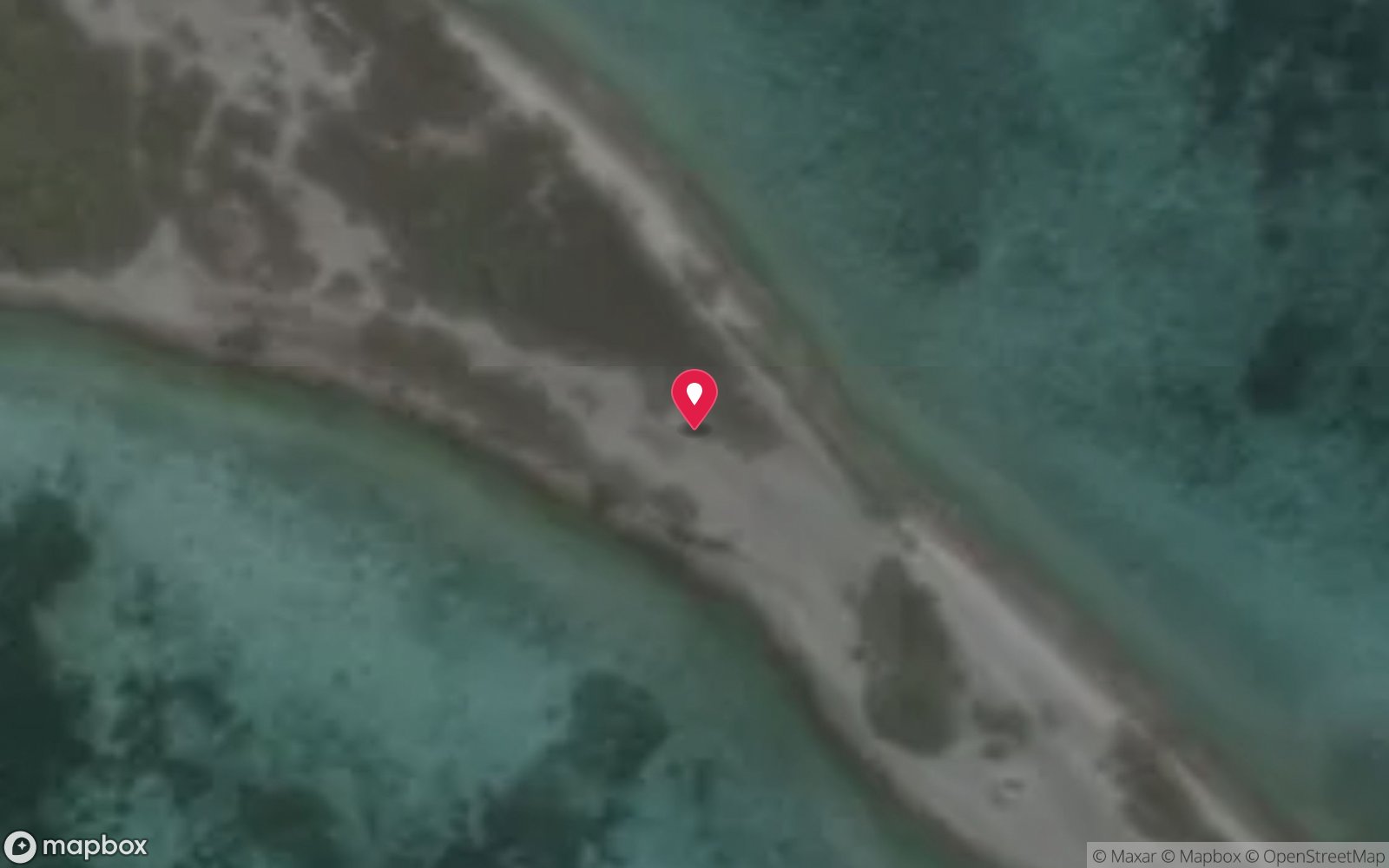
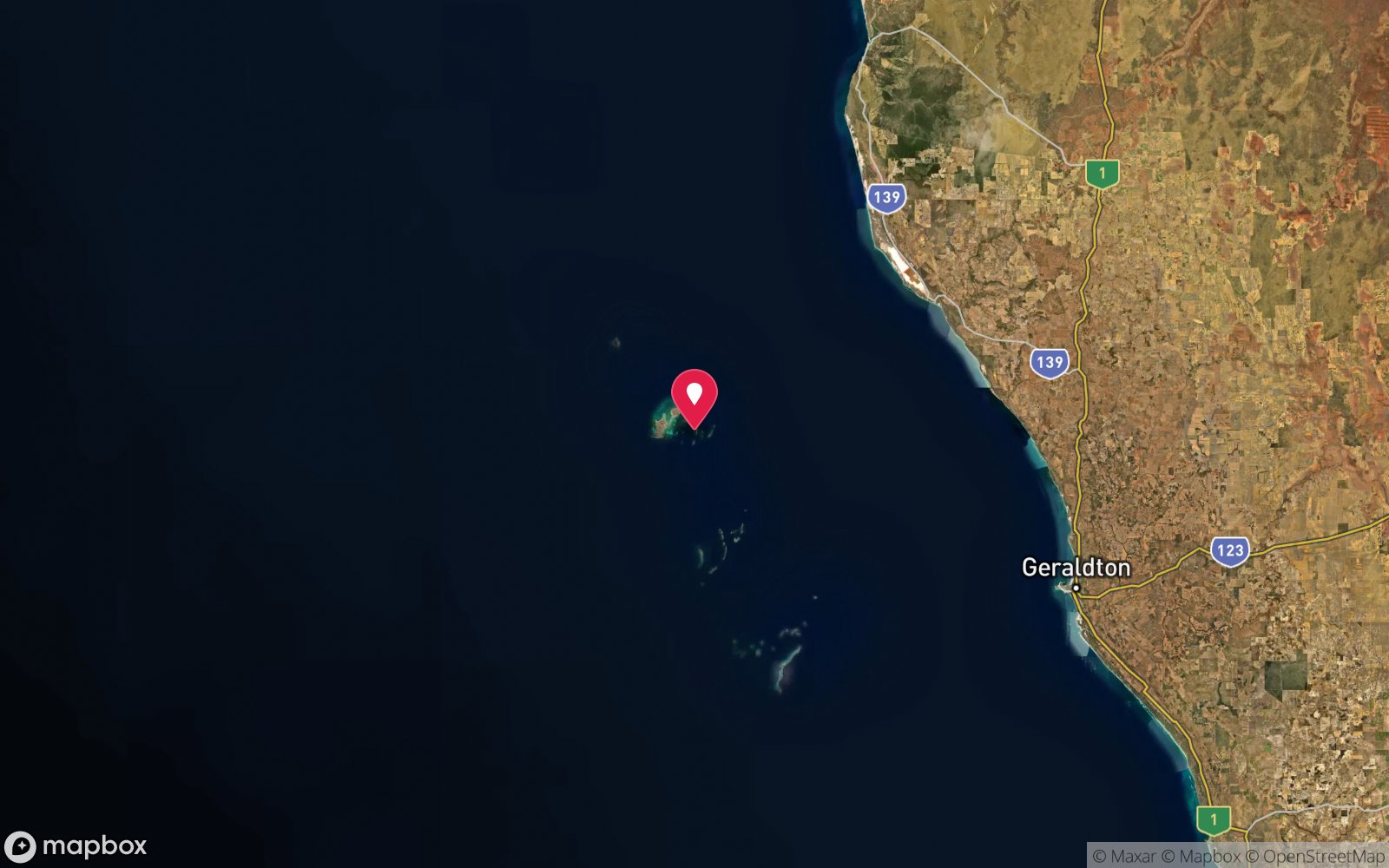
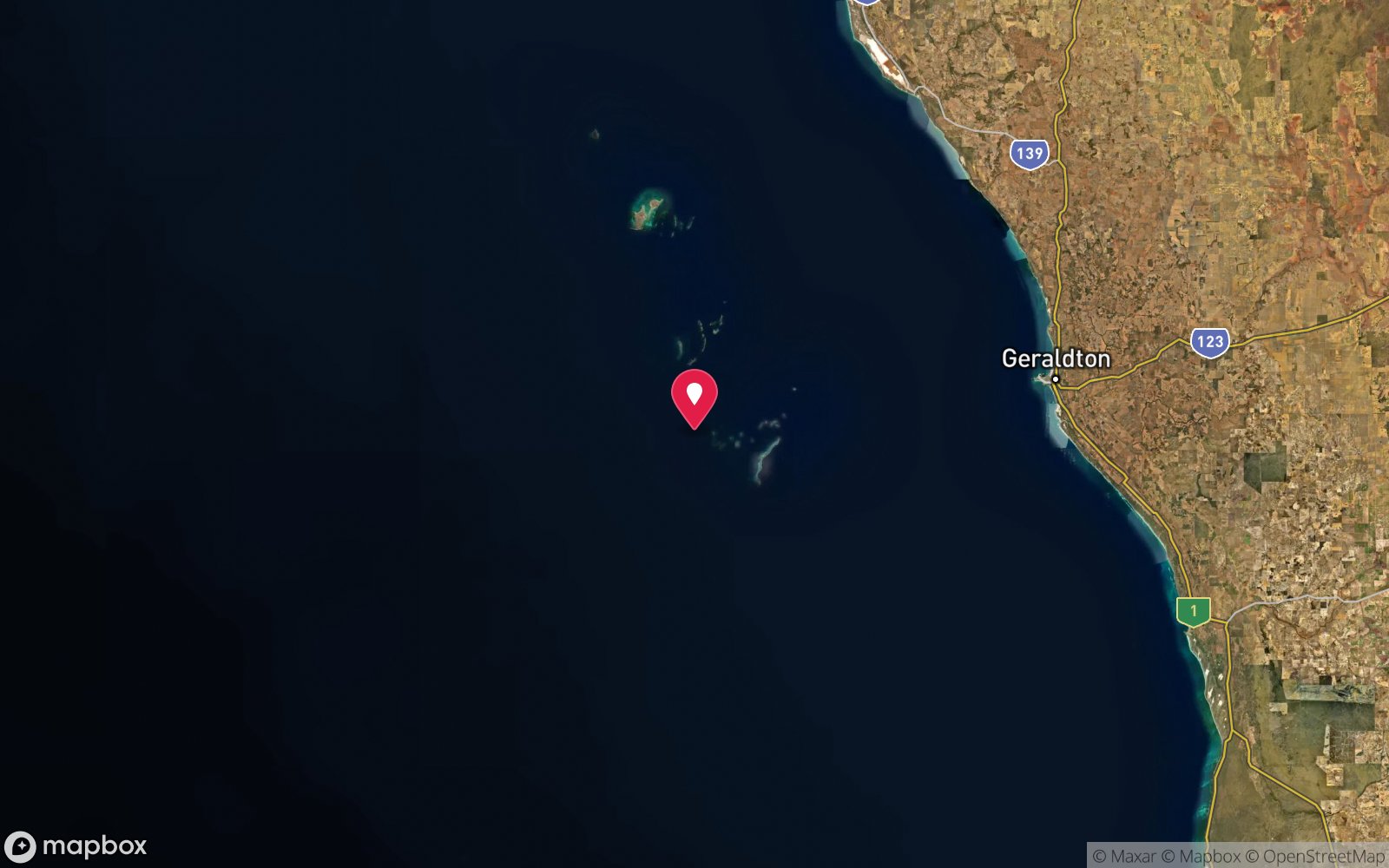
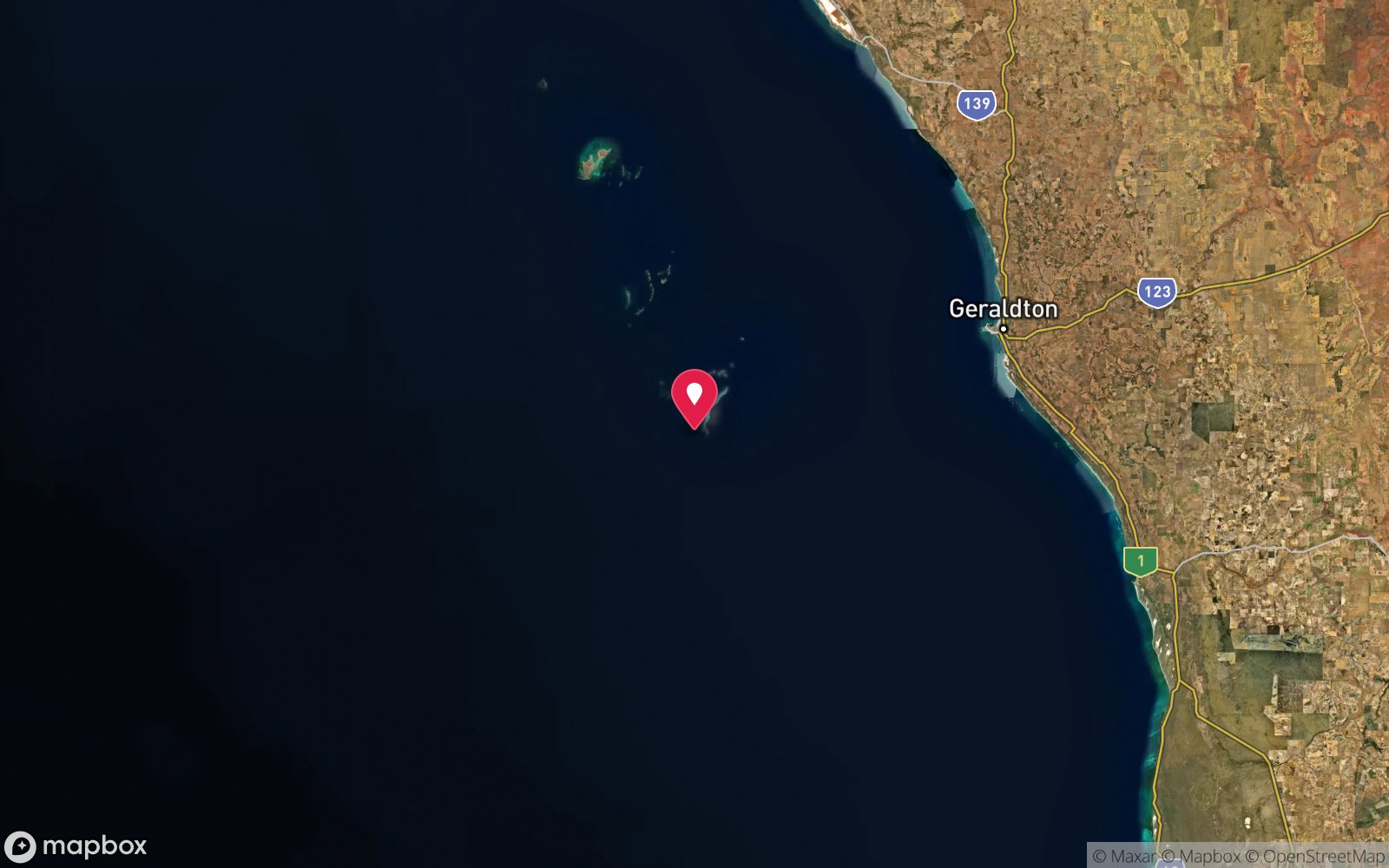
7 pinned sites. Pins marked approximate on their pages show the general area only; not for navigation.
Satellite views
Batavia Wreck Site (Morning Reef): frequently asked questions
How deep is Batavia Wreck Site (Morning Reef)?
Batavia Wreck Site (Morning Reef) reaches a maximum depth of 7 m, with the shallowest part at about 3 m; most of the dive is spent around 6 m.
What certification do I need to dive Batavia Wreck Site (Morning Reef)?
Open Water is the recommended minimum. Rated intermediate because of surge on the entry or in the shallows.
Can I shore dive Batavia Wreck Site (Morning Reef)?
No, it is reached by boat (about 210 minutes). A dive centre is required: boat access only.
When is the best time to dive Batavia Wreck Site (Morning Reef)?
March-May and September-November in very calm weather.
What marine life will I see at Batavia Wreck Site (Morning Reef)?
Regularly recorded: Coral (staghorn, plate), buffalo bream, baldchin groper, coral trout, sergeant majors, wrasse, western rock lobster.
What wetsuit do I need at Batavia Wreck Site (Morning Reef)?
3-5 mm wetsuit.
How cold is the water at Batavia Wreck Site (Morning Reef)?
Typically 22-24 °C in summer and 20-21 °C in winter.
What are the main hazards at Batavia Wreck Site (Morning Reef)?
Surge and breaking waves on the seaward reef; remote – hours from medical help; protected historic wreck – do not disturb; coral cuts. See the hazards section above for the full list.
Where is the nearest recompression chamber to Batavia Wreck Site (Morning Reef)?
Fiona Stanley Hospital Hyperbaric Medicine Unit (Murdoch, Perth) – requires aeromedical evacuation (RFDS) from this remote site. In an emergency call 000, then DAN Asia-Pacific on 1800 088 200.
Diving in Geraldton & Abrolhos Islands
The Houtman Abrolhos, 60 km off Geraldton, are 122 islands with coral reefs, the Batavia (1629) wreck site and huge crayfish populations in water that mixes tropical and temperate species. Geraldton itself has the Point Moore reefs and the SS Sunbeam and other wrecks.
Getting there: Charters and short liveaboards from Geraldton, five hours north of Perth, mostly in spring and autumn.
All Geraldton & Abrolhos Islands dive sites and a suggested itinerary →
Sources
- divingwawrecks.com/batavia-site
- marinelife.org.au/?page_id=1910
- en.wikipedia.org/wiki/Houtman_Abrolhos
- imagedive.com.au/scuba-diving/trips-and-tours/abrolhos-islands
Data confidence: High · Being verified: Death toll and discovery/excavation dates from general historical knowledge; confirm with WA Museum.. Last updated September 2026. Know this site better? How to send a correction
Nearby dive sites
More wrecks in Western Australia
Explore more