Dive slate · divesites.com.au · printed 8 Nov 2026
Point Moore (Geraldton)
Geraldton & Abrolhos Islands, Western Australia · near Geraldton
| Depth | 1–15 m |
|---|---|
| Minimum level | Open Water |
| Difficulty | Beginner |
| Access | Shore |
| Entry | Beach/rock entry |
| Current | Mild |
| Visibility | 5-12 m |
| Water | summer 22-24 °C, winter 19-20 °C |
| Suit | 5 mm wetsuit |
| Best season | March-May and September-November, early mornings |
| Bottom time | 55 min |
| Position | -28.78800, 114.58500 (approximate) |
| Permit | None known |
| Nearest chamber | Fiona Stanley Hospital Hyperbaric Medicine Unit (Murdoch, Perth) – about 420 km by road; RFDS aeromedical evacuation from Geraldton |
| Emergency | 000 · DAN Asia-Pacific diving emergency 1800 088 200 |
Point Moore (Geraldton)
Also known as Point Moore Lighthouse, Point Moore reef
A limestone reef packed with crayfish and a resident moray eel, a few minutes from central Geraldton.
Near Geraldton · Geraldton & Abrolhos Islands, Western Australia
- Depth
- 1–15 m
- Minimum level
- Open Water
- Access
- Shore
- Boat ride
- Shore entry
- Water
- 22-24 °C
- Visibility
- 5-12 m
Point Moore (Geraldton)1–15 m · Open Water · Shore
Dive factsDepths, conditions, location & safety
Season
In season nowBest months: March, April, May, September, October, November.
March-May and September-November, early mornings
- Best months
- Now (November)
- Stinger suit Nov–May
Dive facts
- Depth
- 1–15 m
- Typical depth
- 6 m
- Certification
- Open Water
- Difficulty
- Beginner
- Depth tier
- Open Water (10–18 m)
- Access
- Shore
- Dive centre needed
- No – independently diveable
- Shore / independent
- Yes
- Current
- Mild
- Visibility
- 5-12 m
- Water temp (summer)
- 22-24 °C
- Water temp (winter)
- 19-20 °C
- Water
- Subtropical
- Bottom time
- 55 min
- Dive traffic
- Moderate (occasional charters/club dives)
- Night dive
- Possible
- Snorkel friendly
- Partial
Exposure suit
5 mm wetsuit
Location
Point Moore · Mid West – Geraldton
-28.78800, 114.58500
Approximate position — not for navigation.
Open in Google MapsPrimary source: underwater.com.auMarine park & permits
None known
Nearest recompression chamber
Fiona Stanley Hospital Hyperbaric Medicine Unit (Murdoch, Perth) – about 420 km by road; RFDS aeromedical evacuation from Geraldton
Diving emergency: call 000, then DAN AP 1800 088 200.
Trip planner
Build a trip around Point Moore (Geraldton) →
A day-by-day plan for Geraldton & Abrolhos Islands with this site locked in.
This guide is a planning aid. Conditions change daily — confirm with a local dive centre and dive within your training. Data & safety notes.
Dive profile
How this site rates
Scores are computed from the recorded data, not opinions. How?
At a glance
Point Moore (Geraldton) is a shore / rock platform shore dive you can do independently in Geraldton & Abrolhos Islands, WA, 1–15 m, suited to Open Water divers.
Rated beginner: sheltered, shallow and manageable for a newly certified diver on a normal day, though note surge on the entry or in the shallows and boat traffic overhead.
Why dive here
- A limestone reef packed with crayfish and a resident moray eel, a few minutes from central Geraldton.
About Point Moore (Geraldton)
Point Moore is Geraldton's best-known shore dive: a limestone reef off the town's south-western point, beside the 1878 Point Moore lighthouse, with ledges, overhangs, caves and crevices in 1-15 m. It sits at the southern edge of the transition zone where the warm Leeuwin Current mixes tropical and temperate species.
The standout feature is the number of western rock lobsters – one visiting diver described every crevice and hole as packed tight with crays, a result of the reef's protection from fishing close to town and of Geraldton being the heart of the rock lobster industry. A well-known local moray eel lives on the reef. Marine Life Network lists moray eels, stingrays, shrimp, nudibranchs, butterflyfish and coral trout, and visiting divers have recorded margined coralfish, schools of striped fish and pufferfish, along with buffalo bream, western king wrasse and sweep.
The dive is shallow and easy, suitable for Open Water divers and training, and a good introduction to the Mid West's subtropical-temperate mix before a trip to the Abrolhos. The catch is the weather: Geraldton's relentless afternoon southerly and exposure to swell limit diving to perhaps 60 days a year, mostly early mornings in autumn and spring.
There is no charter needed, and the local dive shop is a few minutes' drive away. Note that taking crays requires a fishing licence and is subject to seasons, sizes and bag limits. Bring a torch even in daylight: the best life is under the ledges, and the moray and crays are easiest to find with a light.
Getting there & entry
Limestone reef with ledges, caves and crevices off Point Moore, the south-western point of Geraldton by the red-and-white lighthouse; Geraldton's main shore dive (1-15 m).
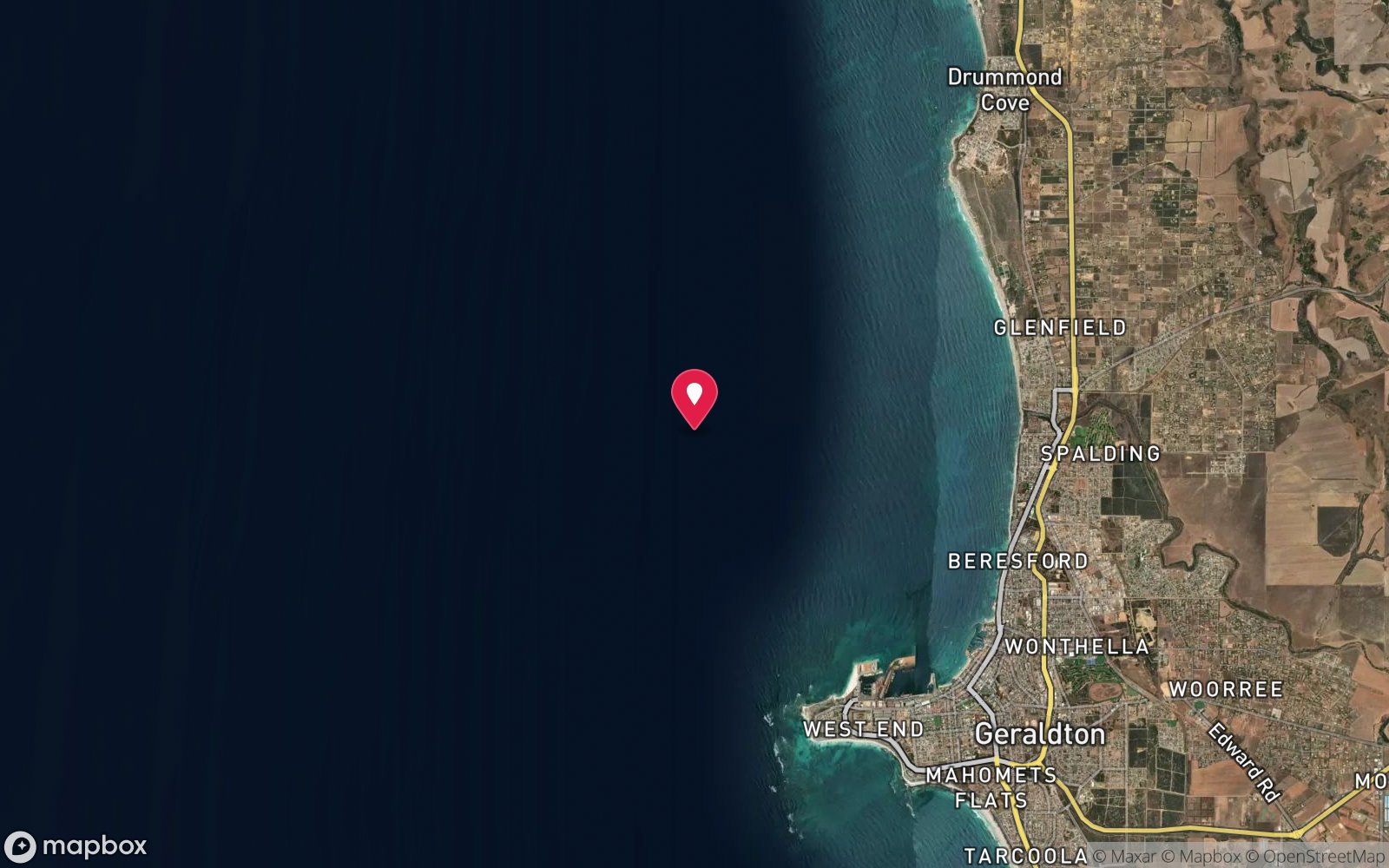
From central Geraldton drive south-west along Willcock Drive and Hacking Street to Point Moore (about 4 km, 8 minutes), near the historic Point Moore lighthouse. Park on the foreshore near the beach and carry gear a short distance to the water; enter from the sand beside the limestone reef. Batavia Coast Dive & Watersports on Chapman Road can advise on the best entry and guide dives.
Entry: Beach/rock entry
Facilities: Foreshore parking; toilets and picnic areas along the Point Moore/Pages Beach foreshore; air fills at Batavia Coast Dive & Watersports.
Weather, swell & tides
Geraldton is one of the windiest towns in Australia: a strong southerly sea breeze blows most afternoons from October to April, often 20-30 knots, and winter brings north-westerly fronts. Marine Life Network estimates Point Moore is diveable only about 60 days a year, with the best windows in March-May and September-November, typically on early mornings or on rare days of easterly land breeze. Point Moore faces the open ocean to the south-west and is protected only by offshore reef, so any swell over about 1 m or the afternoon southerly makes it rough and murky.
Best season: March-May and September-November, early mornings
If it's blown out
Sheltered or shore sites within 25 km that often work when Point Moore (Geraldton) doesn't.
- Geraldton Harbour Breakwater & Jetties · 2 km · Max 8 m
- Mayhill Wreck (Geraldton) · 3 km · Max 6 m
- Drummond Cove · 13 km · Max 10 m
How the dive is usually run
Enter from the beach, follow the limestone reef edge out to 6-10 m and explore the ledges and crevices, checking every hole for crayfish and the resident moray; return along the shallower reef.
Marine life
- Western rock lobster (abundant)
- moray eels
- stingrays
- shrimp
- nudibranchs →
- butterflyfish
- margined coralfish
- coral trout
- pufferfish
- buffalo bream
- western king wrasse
- sweep
Linked species have their own page listing every site where they are recorded. All marine life →
Training required
Within the 18 m limit of an entry-level certification.
Depth tiers: 0–10 m easy · to 18 m Open Water · 18–30 m Advanced (25 m+ is a deep dive) · 30–40 m Deep specialty · 40 m+ technical. All courses
Hazards & warnings
Frequent strong winds and swell; surge in ledges; boat traffic near the port; unpatrolled.
Dive centres that go here
Batavia Coast Dive & Watersports (148 Chapman Road, Geraldton; formerly Batavia Coast Dive Academy) – Geraldton's PADI dive centre; air fills, hire, courses and local boat/shore dives on demand – guided shore dives at Point Moore.
Operators recorded for Point Moore (Geraldton)
Other dive centres in Geraldton & Abrolhos Islands
Map
7 pinned sites. Pins marked approximate on their pages show the general area only; not for navigation.
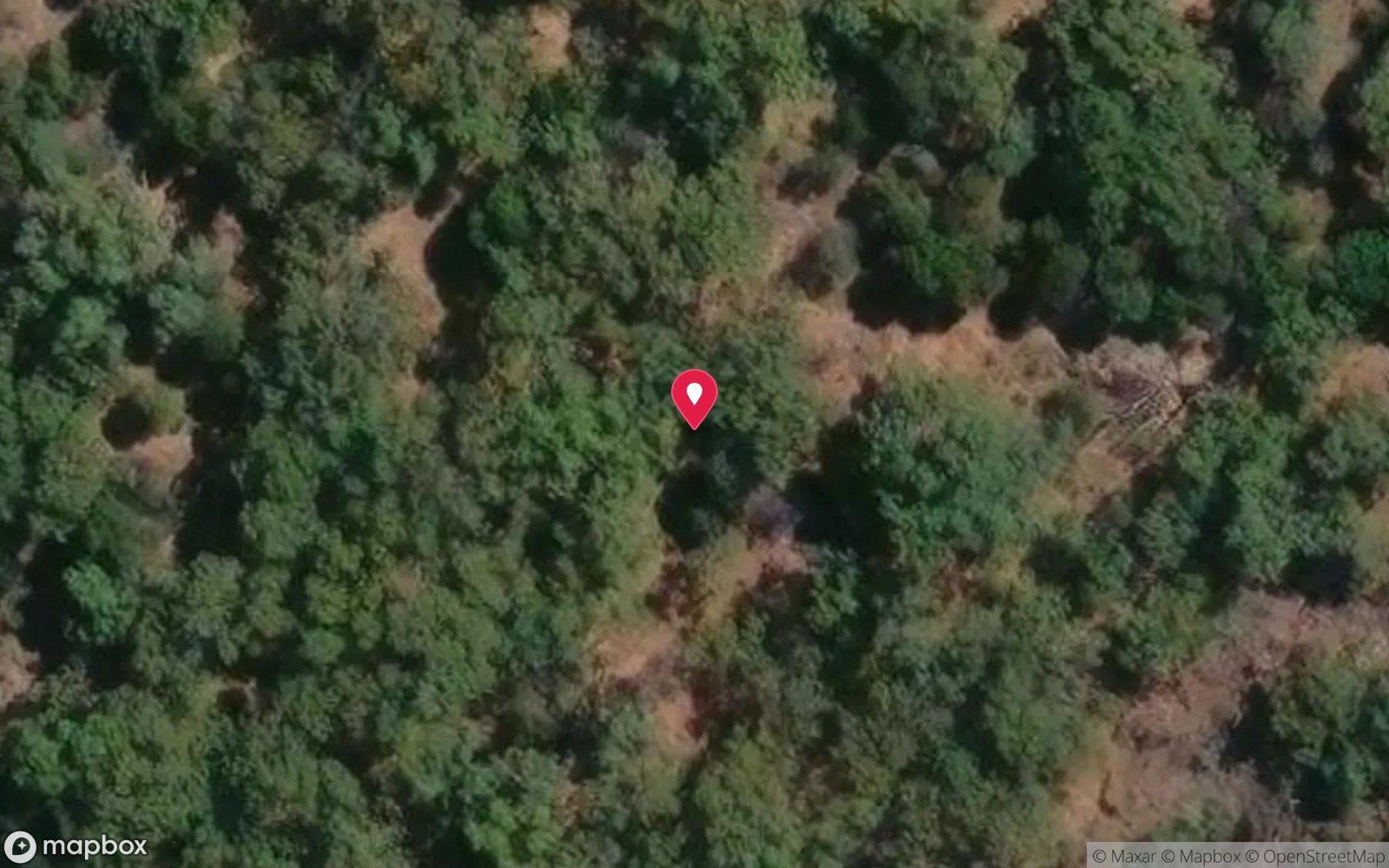
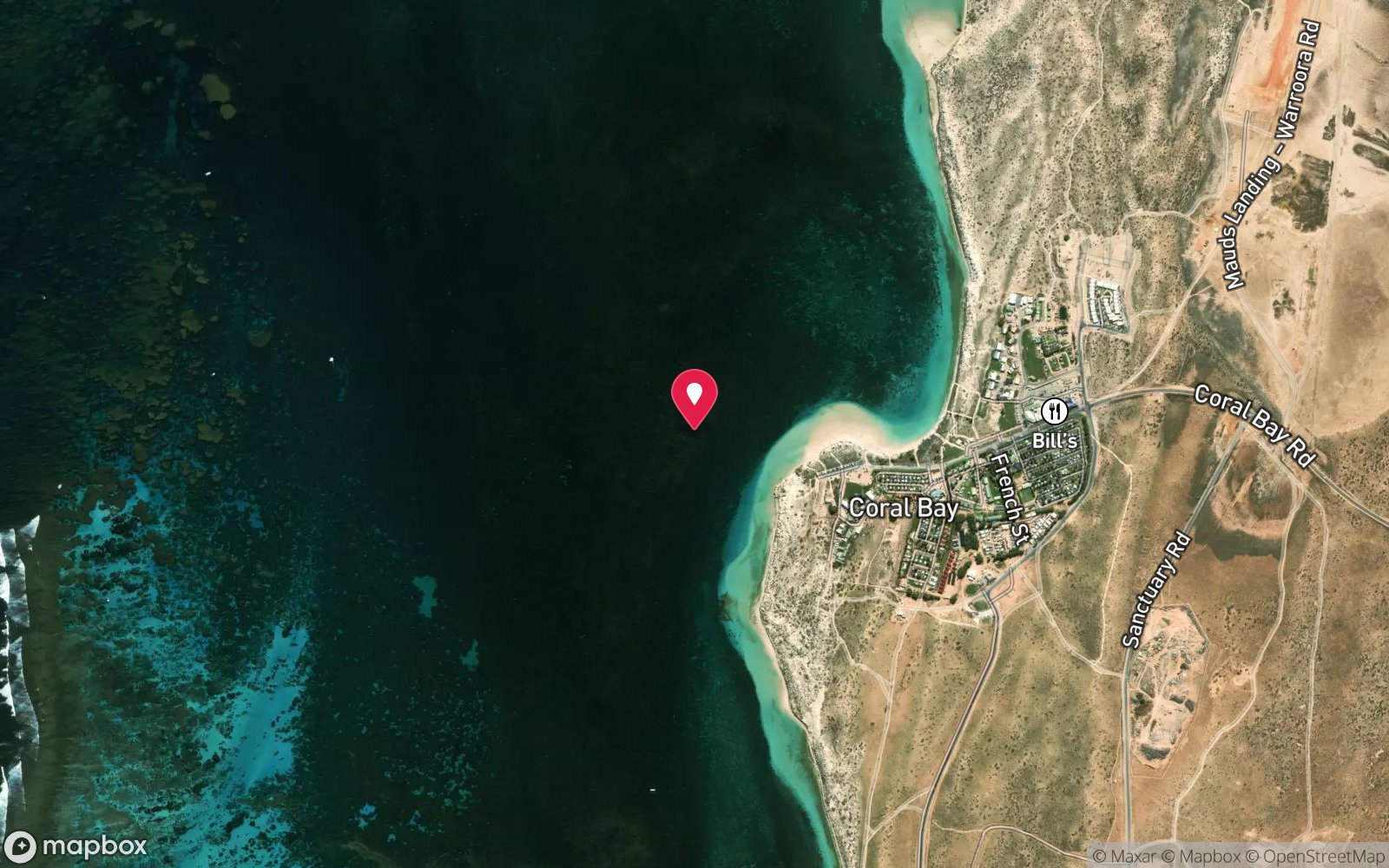
Satellite views
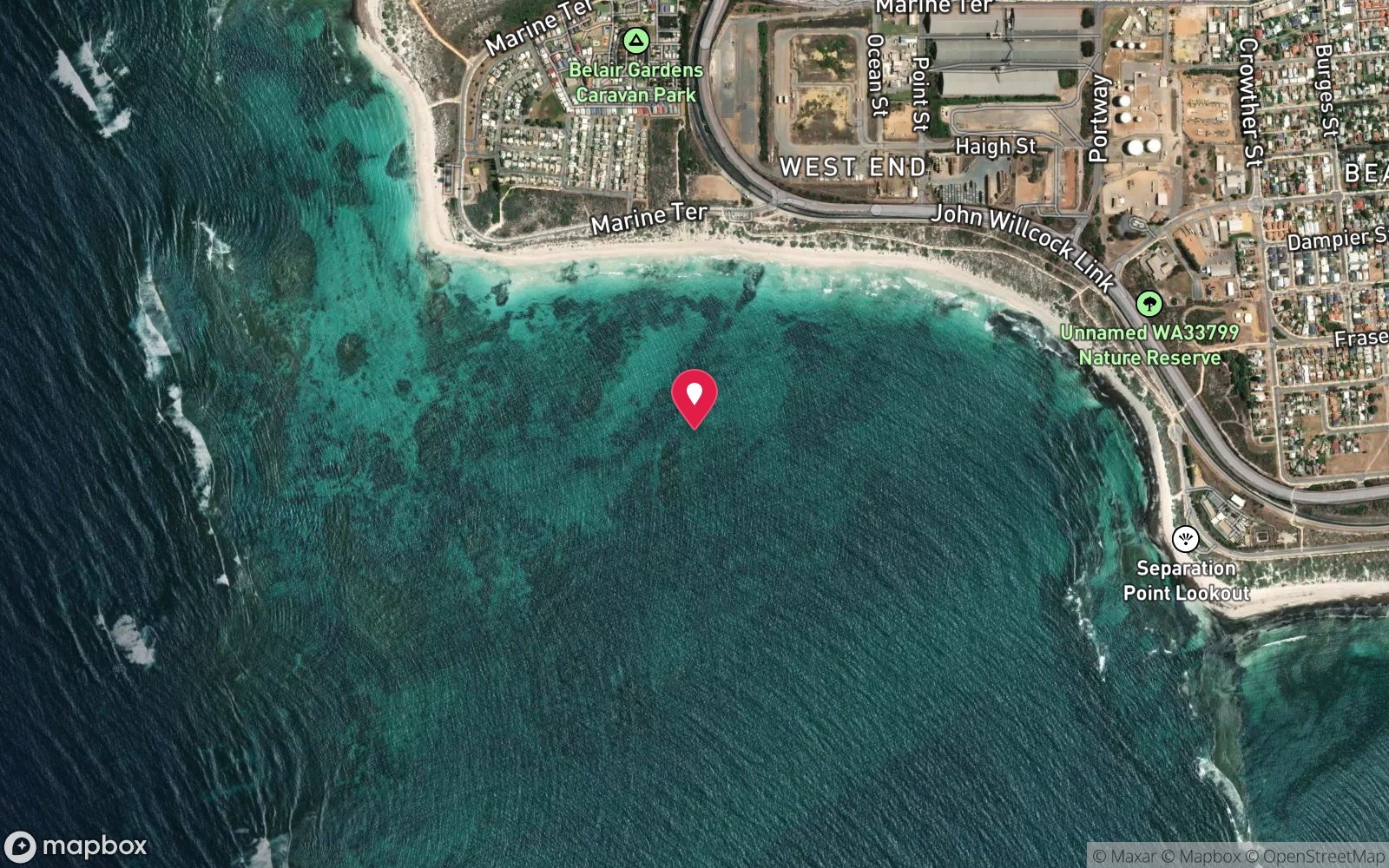
Point Moore (Geraldton): frequently asked questions
How deep is Point Moore (Geraldton)?
Point Moore (Geraldton) reaches a maximum depth of 15 m, with the shallowest part at about 1 m; most of the dive is spent around 6 m.
What certification do I need to dive Point Moore (Geraldton)?
Open Water is the recommended minimum. Rated beginner: sheltered, shallow and manageable for a newly certified diver on a normal day, though note surge on the entry or in the shallows and boat traffic overhead.
Can I shore dive Point Moore (Geraldton)?
Yes. Point Moore (Geraldton) is a shore dive that can be done independently: beach/rock entry.
When is the best time to dive Point Moore (Geraldton)?
March-May and September-November, early mornings.
What marine life will I see at Point Moore (Geraldton)?
Regularly recorded: Western rock lobster (abundant), moray eels, stingrays, shrimp, nudibranchs, butterflyfish, margined coralfish, coral trout, pufferfish, buffalo bream, western king wrasse, sweep.
What wetsuit do I need at Point Moore (Geraldton)?
5 mm wetsuit.
How cold is the water at Point Moore (Geraldton)?
Typically 22-24 °C in summer and 19-20 °C in winter.
What are the main hazards at Point Moore (Geraldton)?
Frequent strong winds and swell; surge in ledges; boat traffic near the port; unpatrolled. See the hazards section above for the full list.
Where is the nearest recompression chamber to Point Moore (Geraldton)?
Fiona Stanley Hospital Hyperbaric Medicine Unit (Murdoch, Perth) – about 420 km by road; RFDS aeromedical evacuation from Geraldton. In an emergency call 000, then DAN Asia-Pacific on 1800 088 200.
Diving in Geraldton & Abrolhos Islands
The Houtman Abrolhos, 60 km off Geraldton, are 122 islands with coral reefs, the Batavia (1629) wreck site and huge crayfish populations in water that mixes tropical and temperate species. Geraldton itself has the Point Moore reefs and the SS Sunbeam and other wrecks.
Getting there: Charters and short liveaboards from Geraldton, five hours north of Perth, mostly in spring and autumn.
All Geraldton & Abrolhos Islands dive sites and a suggested itinerary →
Sources
Data confidence: Medium · Being verified: Coordinates approximate; lighthouse year from general knowledge.. Last updated September 2026. Know this site better? How to send a correction
Nearby dive sites
More shore dives in Western Australia
Explore more
This region
Marine life