Dive slate · divesites.com.au · printed 8 Nov 2026
Eddystone Point
Tasmania North-East, Tasmania · near Gladstone
| Depth | 4–15 m |
|---|---|
| Minimum level | Open Water |
| Difficulty | Intermediate |
| Access | Shore or Boat |
| Entry | Shore entry at the point in exceptional calm, or boat from the Eddystone gulch |
| Current | Moderate |
| Visibility | 8-15 m |
| Water | summer 15-18 °C, winter 11-13 °C |
| Suit | 7 mm wetsuit with hood, gloves and boots (or semi-dry); drysuit common, especially May-October |
| Best season | Late summer-autumn (February-April) in settled weather |
| Bottom time | 45 min |
| Position | -40.99500, 148.34800 (approximate) |
| Permit | No permit required |
| Nearest chamber | Royal Hobart Hospital Hyperbaric Medicine Unit (Hobart) - the only chamber in Tasmania; Launceston has none. DAN emergency hotline 1800 088 200 |
| Emergency | 000 · DAN Asia-Pacific diving emergency 1800 088 200 |
Eddystone Point
Also known as Eddystone Point reef
Fringing granite reef below the historic Eddystone Point lighthouse.
Near Gladstone · Tasmania North-East, Tasmania
- Depth
- 4–15 m
- Minimum level
- Open Water
- Access
- Shore or Boat
- Boat ride
- ~5 min
- Water
- 15-18 °C
- Visibility
- 8-15 m
Eddystone Point4–15 m · Open Water · Shore
Dive factsDepths, conditions, location & safety
Season
Off-peak nowBest months: January, February, March, April, May, December.
Late summer-autumn (February-April) in settled weather
- Best months
- Now (November)
Dive facts
- Depth
- 4–15 m
- Typical depth
- 10 m
- Certification
- Open Water
- Difficulty
- Intermediate
- Depth tier
- Open Water (10–18 m)
- Access
- Shore or Boat
- Offshore
- 0.1 km
- Dive centre needed
- No – independently diveable
- Shore / independent
- Possible (experienced only)
- Boat ride
- ~5 min
- Current
- Moderate
- Visibility
- 8-15 m
- Water temp (summer)
- 15-18 °C
- Water temp (winter)
- 11-13 °C
- Water
- Cold Temperate
- Bottom time
- 45 min
- Dive traffic
- Rarely dived (private boat/club only)
- Night dive
- No
- Snorkel friendly
- No
Exposure suit
7 mm wetsuit with hood, gloves and boots (or semi-dry); drysuit common, especially May-October
Location
Eddystone Point & Deep Creek
-40.99500, 148.34800
Approximate position — not for navigation.
Open in Google MapsPrimary source: marinelife.org.auMarine park & permits
No permit required
Nearest recompression chamber
Royal Hobart Hospital Hyperbaric Medicine Unit (Hobart) - the only chamber in Tasmania; Launceston has none. DAN emergency hotline 1800 088 200
Diving emergency: call 000, then DAN AP 1800 088 200.
Trip planner
Build a trip around Eddystone Point →
A day-by-day plan for Tasmania North-East with this site locked in.
This guide is a planning aid. Conditions change daily — confirm with a local dive centre and dive within your training. Data & safety notes.
Dive profile
How this site rates
Scores are computed from the recorded data, not opinions. How?
At a glance
Eddystone Point is a shore / rock platform shore dive for experienced divers in Tasmania North-East, TAS, 4–15 m, suited to Open Water divers, moderate current, about 5 minutes by boat.
Rated intermediate because of cold water.
Why dive here
- Fringing granite reef below the historic Eddystone Point lighthouse.
- Rarely dived: expect to have the site to yourself, and plan your own logistics.
About Eddystone Point
Eddystone Point, with its granite lighthouse built in 1889, marks the north-eastern corner of the Bay of Fires. The Marine Life Network guide rates the reef around the point 6 out of 10, describing convenient 2WD access, fringing granite reef that provides shelter, and depths of 4-15 m. Crayfish, banded morwong, herring cale, kelpies, bullseyes and crabs are listed. The guide notes a current, possible park admission charges and fishing restrictions.
The area is now part of the wukalina/larapuna lands returned to Aboriginal management, so check current access arrangements. The point is dived either from the shore in exceptional calm or from small boats launched at the gulch beside the lighthouse. Treat the depths, positions and conditions given here as a starting point, and confirm them with local divers and a depth sounder before committing to a dive.
The far north-east corner of Tasmania, from Eddystone Point to Cape Portland and Swan Island, is one of the most remote stretches of the state's coast. Roads north of St Helens and around Gladstone are partly gravel, the nearest shops are at Gladstone, Derby or Bridport, and there are no dive services at all. The Marine Life Network guide, written from the experience of Launceston divers, is still the only detailed published account of most of these sites.
Where Bass Strait meets the Tasman Sea around Cape Portland and the Swan Island group, tidal streams run hard, and the guide repeatedly stresses slack water, safety lines and experienced boat handlers for the wreck sites. The Royal Hobart Hospital chamber is five hours or more away by road, so any diving here should be conservative and planned with an evacuation route in mind.
Getting there & entry
Fringing granite reef around Eddystone Point and its lighthouse at the north-eastern tip of the Bay of Fires.
Eddystone Point is at the northern end of the Bay of Fires, about 1 hr 15 min from St Helens via the gravel Ansons Bay Road or 40 km from Gladstone via the Eddystone Point Road (partly gravel), and about 2 hr 45 min from Launceston. The lighthouse reserve has a small gulch used as a boat 'ramp' for launching small boats. The point itself can be shore-dived only in exceptional calm, entering from the rocks near the lighthouse; otherwise launch a small boat from the gulch and drop on the fringing reef.
The site is accessible by 2WD, though the final roads are gravel. There are no marinas or fuel on this coast apart from the towns named, so carry spare fuel, a VHF radio and an EPIRB, leave a trip plan ashore, and check MAST boating advice; many north-coast ramps are shallow at low tide, and a 4WD tow vehicle is a real advantage.
Entry: Shore entry at the point in exceptional calm, or boat from the Eddystone gulch
Facilities: Eddystone Point (larapuna, Bay of Fires/wukalina area): lighthouse reserve, campground at Deep Creek, pit toilets; no shops - Gladstone (40 km) has a store and fuel. Nearest air fills Launceston.
Weather, swell & tides
Eddystone Point faces east into the Tasman Sea and is exposed to any easterly or north-easterly swell and the summer sea breeze. Westerly and south-westerly winds give the calmest conditions. After rough weather or plankton blooms visibility can be poor.
A current runs around the point; shore entries need a flat sea. Use the Bureau of Meteorology coastal forecast for the North East Coast and Banks Strait, and check tide times for the nearest standard port before planning the run.
Best season: Late summer-autumn (February-April) in settled weather
If it's blown out
Sheltered or shore sites within 25 km that often work when Eddystone Point doesn't.
- Eddystone Boat Ramp · 0 km · Max 10 m
- Picnic Rocks (Deep Creek) · 5 km · Max 12 m
- Sloop Rock (Bay of Fires) · 25 km · Max 10 m
How the dive is usually run
Drop or enter on the sheltered side of the point, follow the fringing granite reef out to 10-15 m, and return with the current. Keep close to the reef. Turn the dive at half gas (thirds where current or overhead sections are involved), deploy an SMB before surfacing for the live-boat pick-up, and complete a 3-minute safety stop at about 5 m where depth allows.
Marine life
- Crayfish
- banded morwong
- herring cale
- kelpies
- bullseyes
- crabs
- wrasse
- leatherjackets
Linked species have their own page listing every site where they are recorded. All marine life →
Training required
Within the 18 m limit of an entry-level certification.
Courses that help here
- Drysuit Diver – Cold water; locals dive dry for much of the year.
- Peak Performance Buoyancy – Silt and low visibility punish poor trim.
Depth tiers: 0–10 m easy · to 18 m Open Water · 18–30 m Advanced (25 m+ is a deep dive) · 30–40 m Deep specialty · 40 m+ technical. All courses
Hazards & warnings
Current around the point; shore entry only in exceptional calm; very remote.
Dive centres that go here
No commercial operator. Dived occasionally by Launceston clubs and Tasmanian Divers (Launceston) groups, and by private boats and cray divers. Remote - full self-sufficiency required.
Operators recorded for Eddystone Point
Tasmanian Divers North
ListedLaunceston · Tasmania North & North-West · TAS
A northern Tasmanian operation serving the Bass Strait coastline and local diving community.
tasdivers.com.au · (03) 6229 1020
Tas Uni Dive Club
Named by sitesMount Nelson · Tasmania East Coast · TAS
University dive club, not a shop; gear hire Thursdays 6-6:30pm.
tudc.org.au
Other dive centres in Tasmania North-East
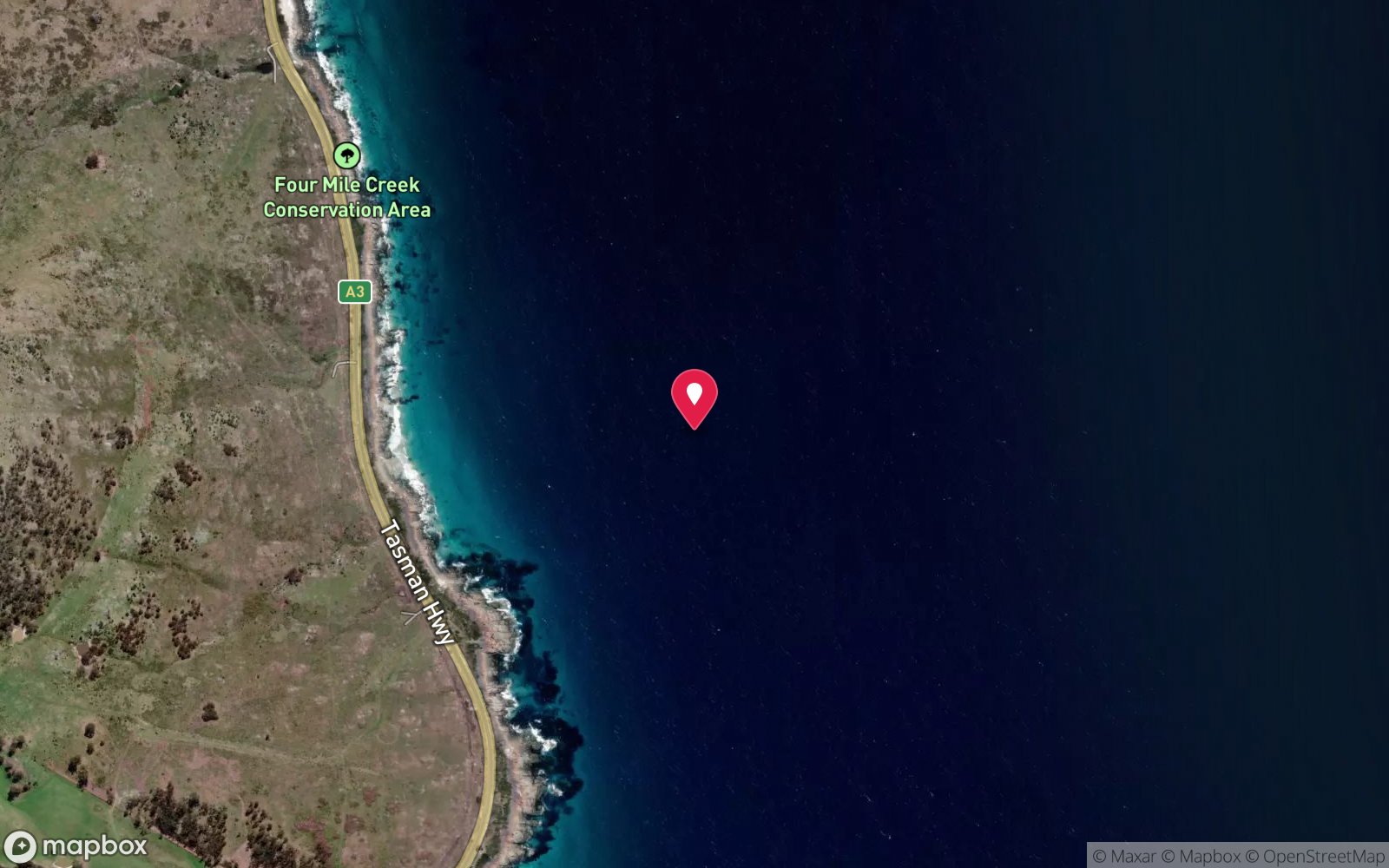
Map
7 pinned sites. Pins marked approximate on their pages show the general area only; not for navigation.
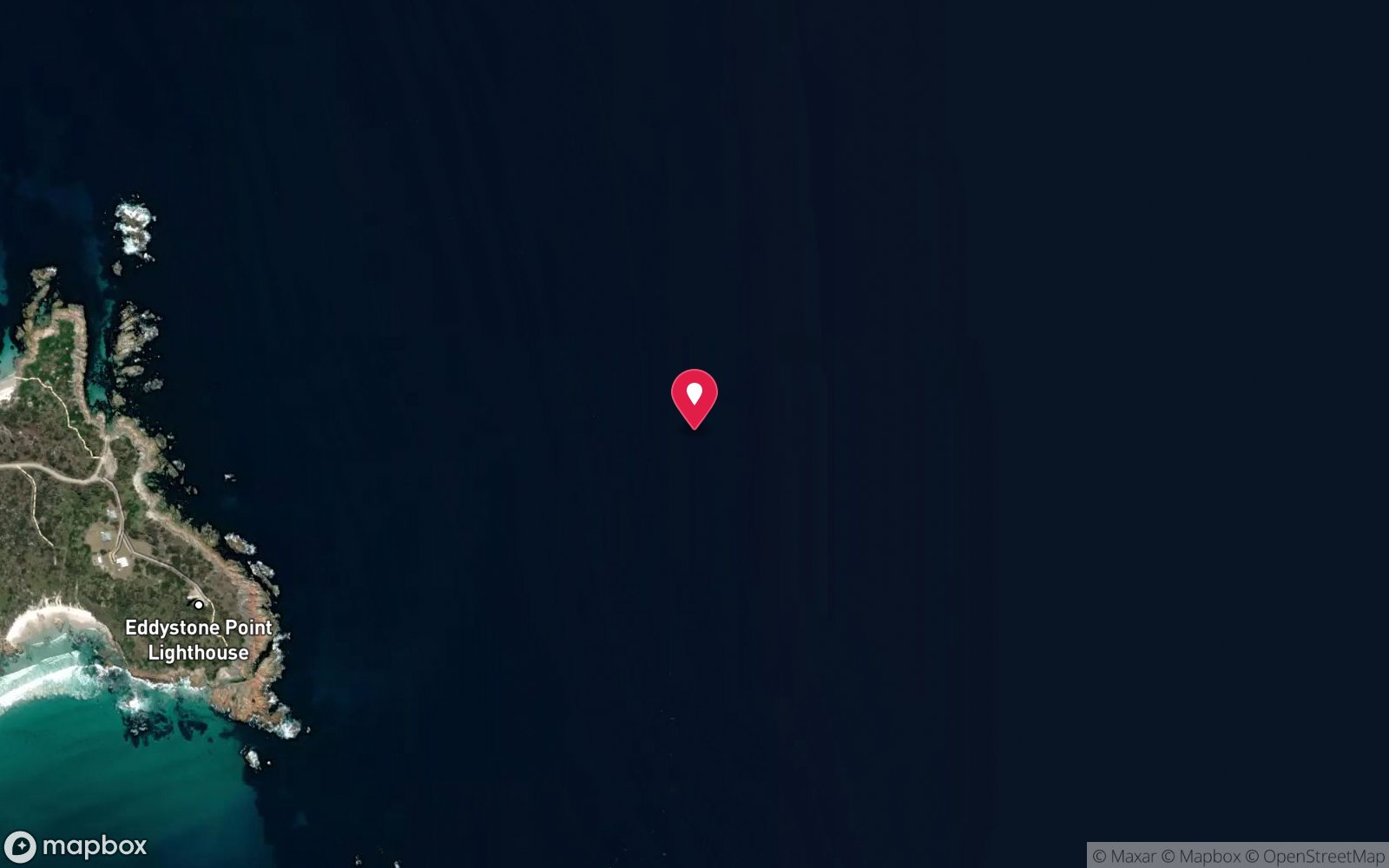
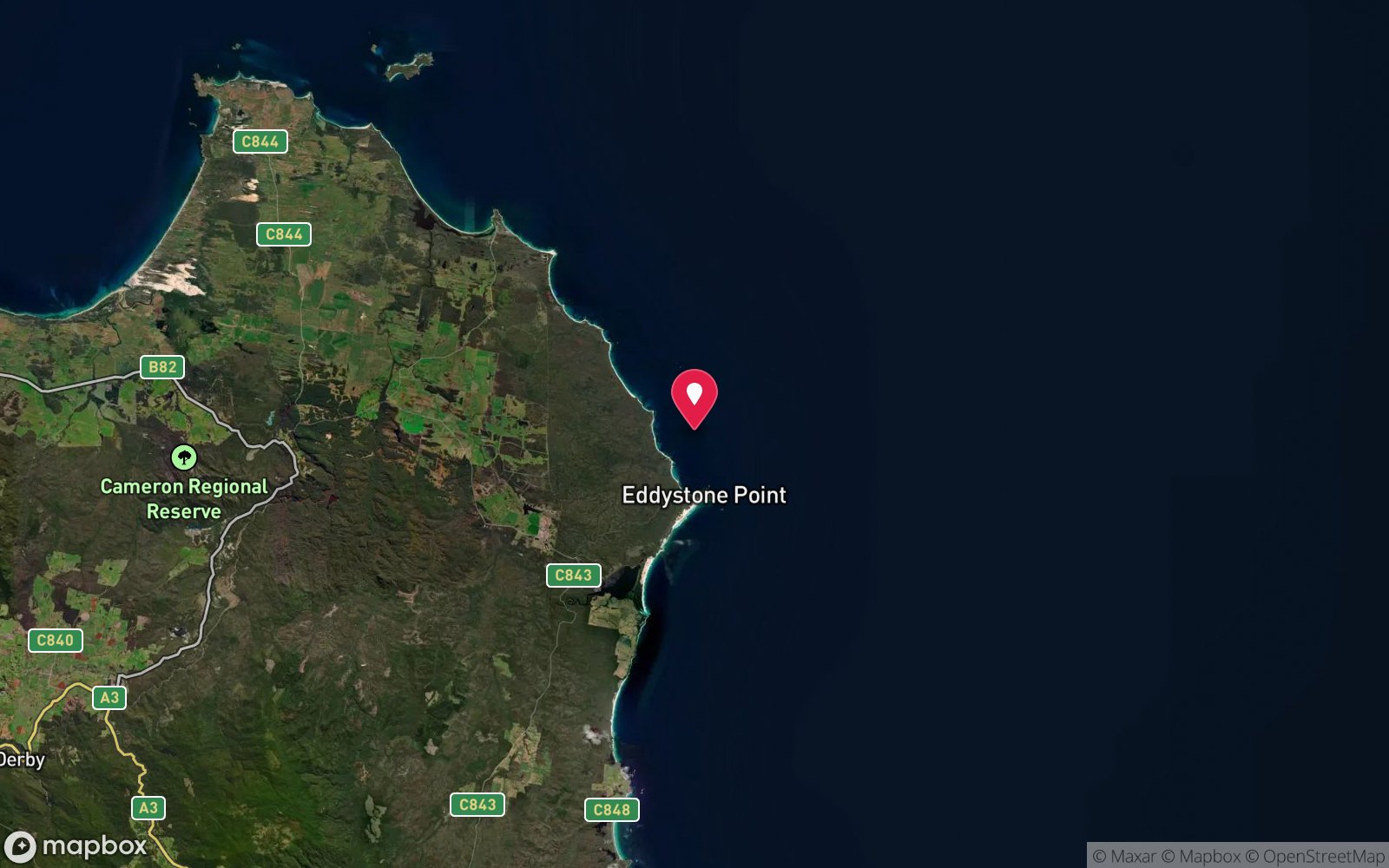
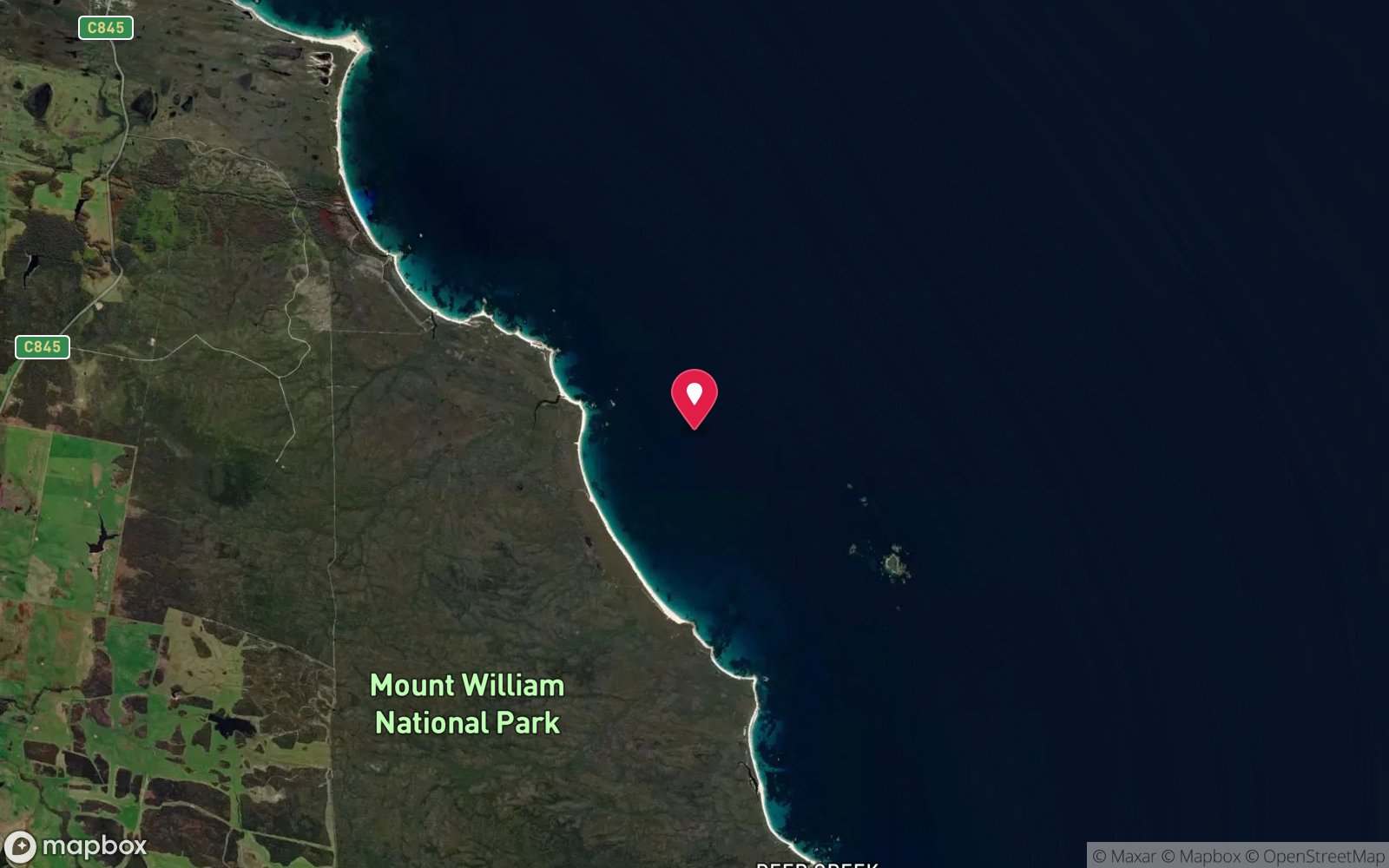
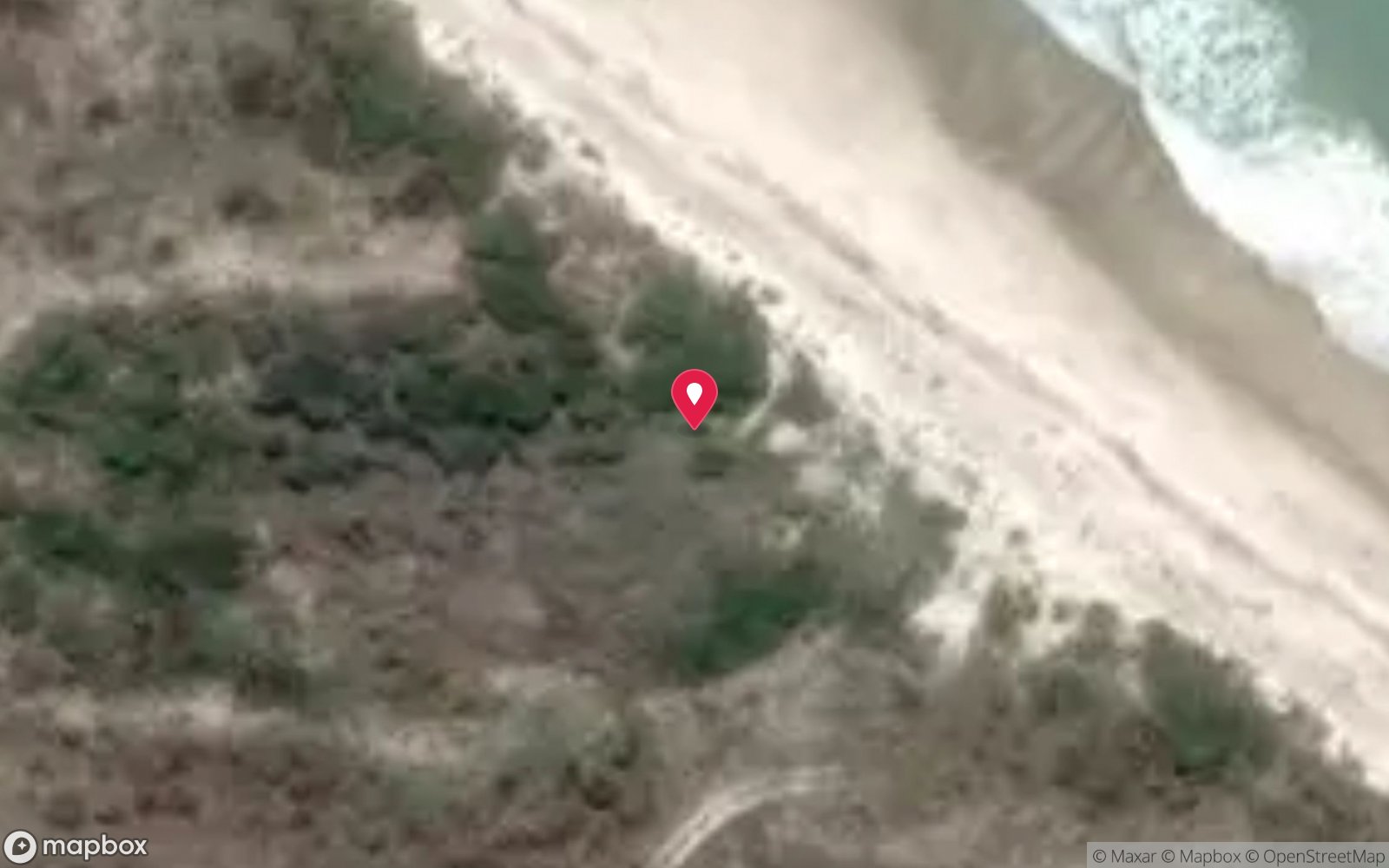
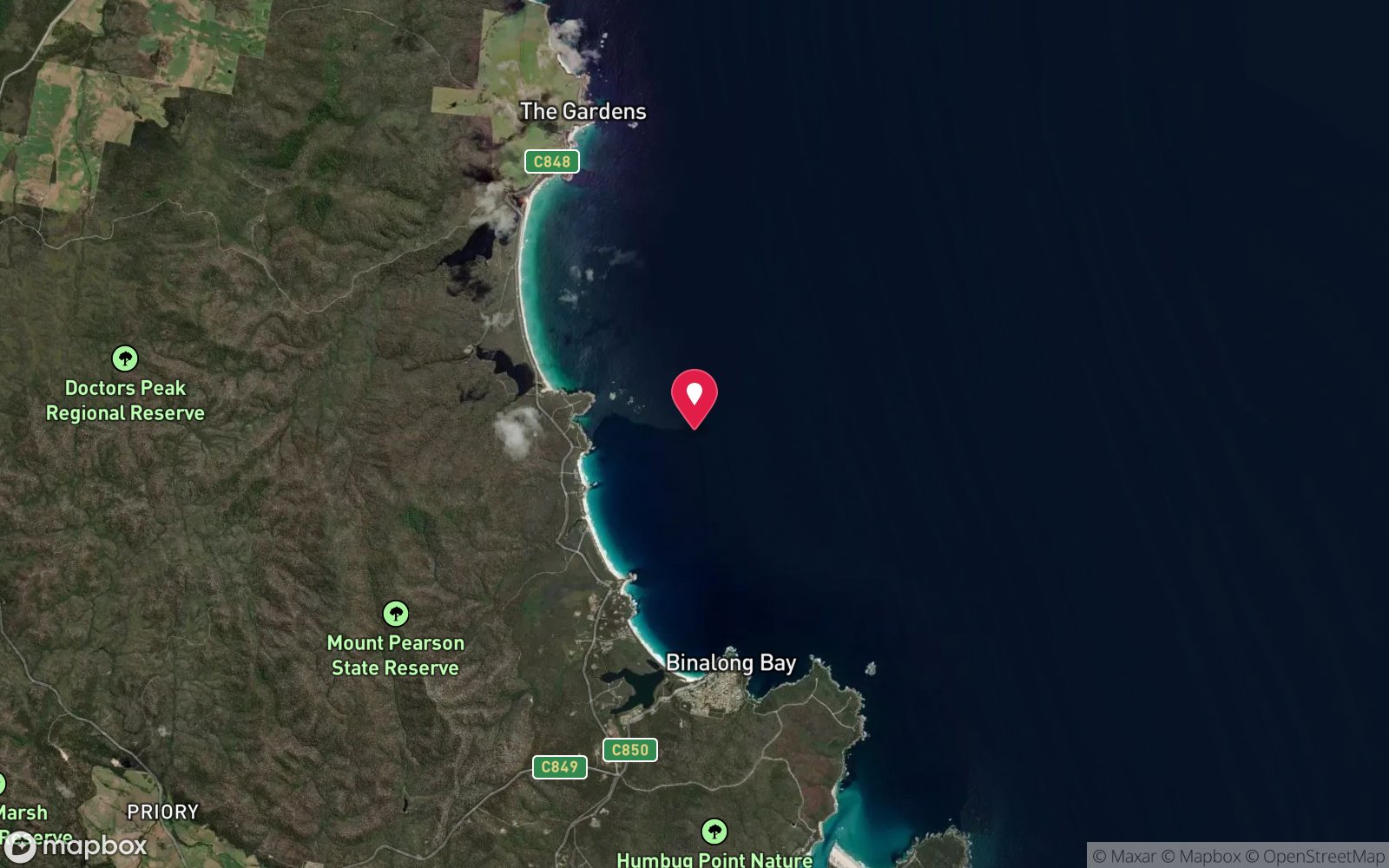
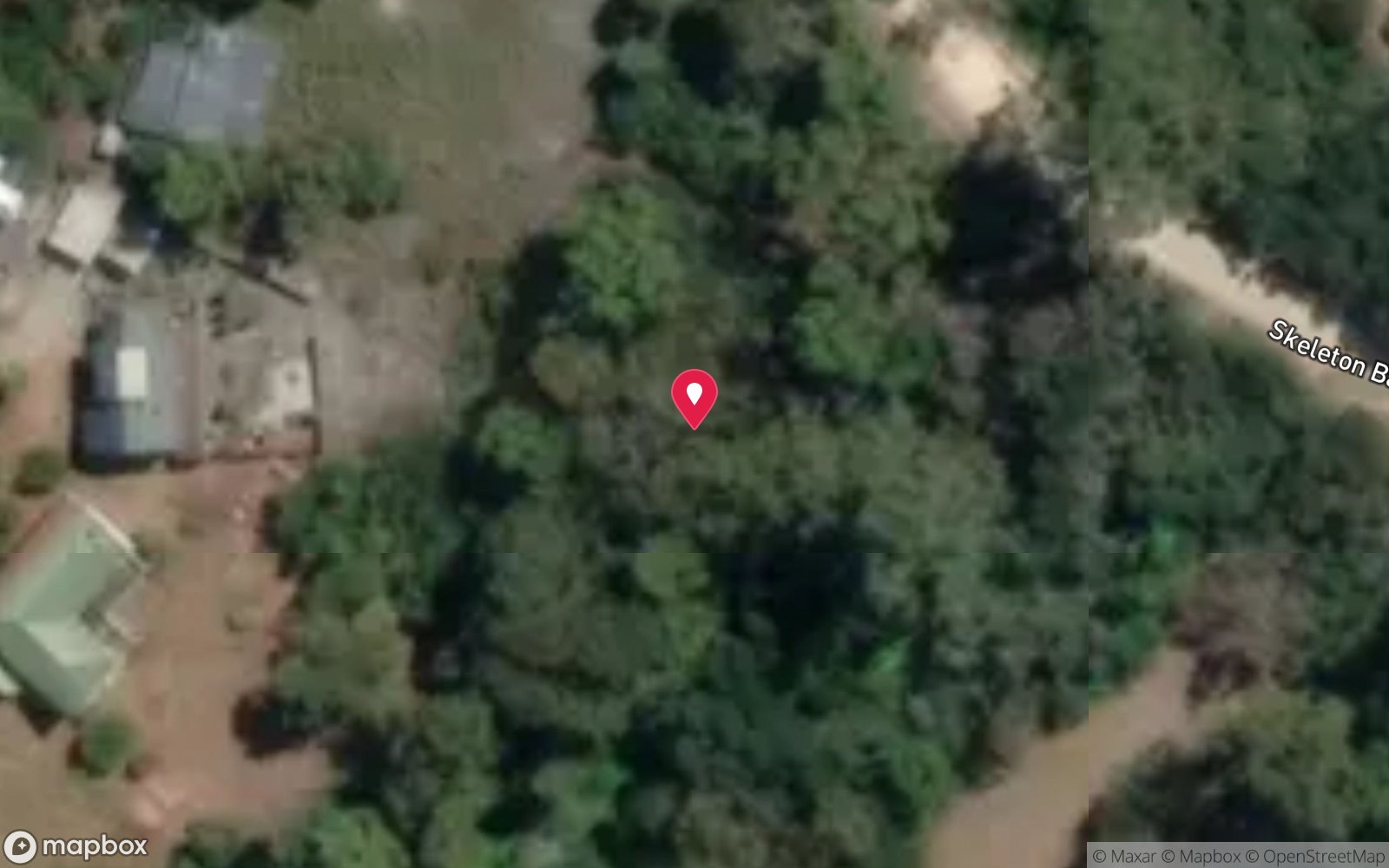
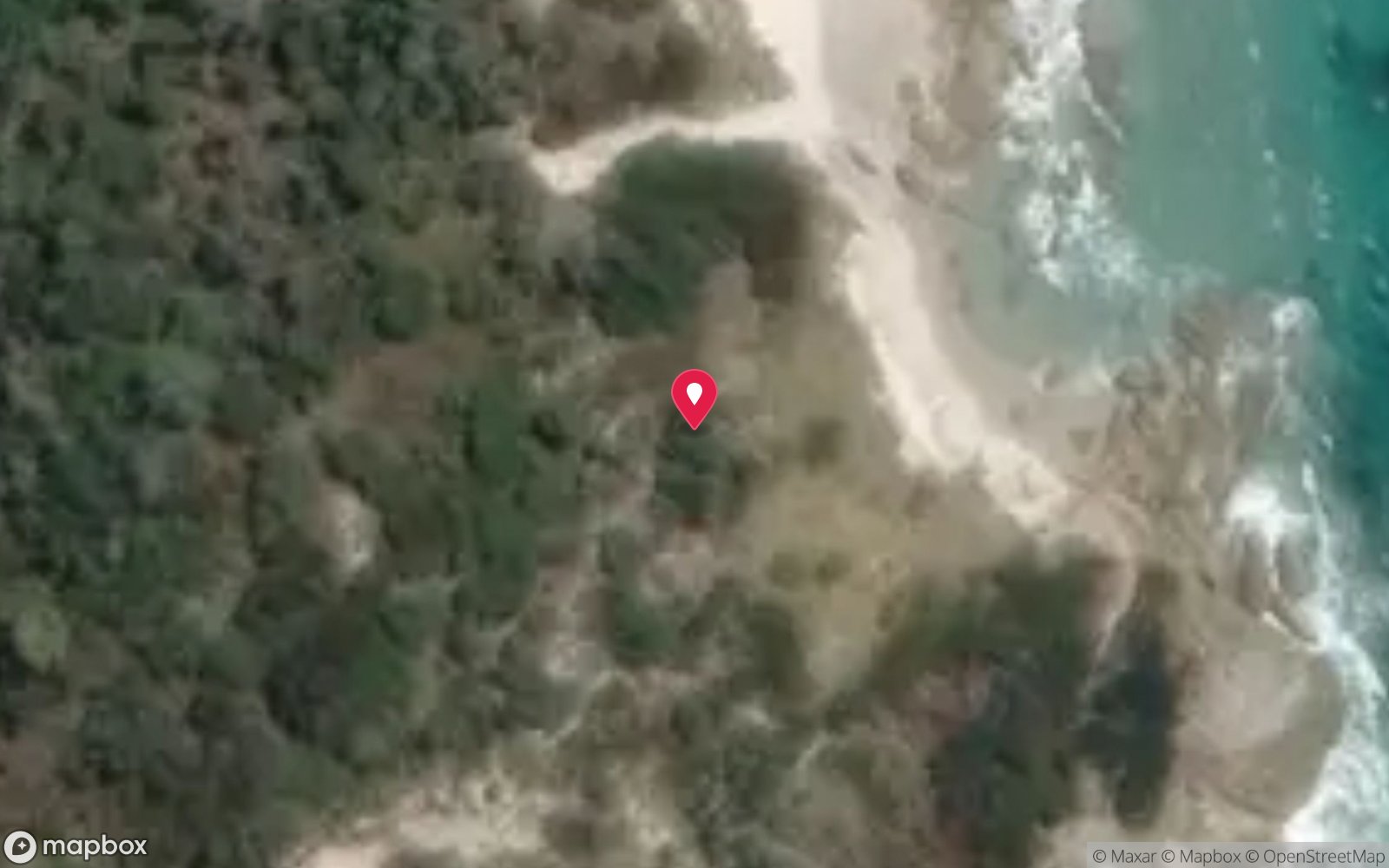
Satellite views
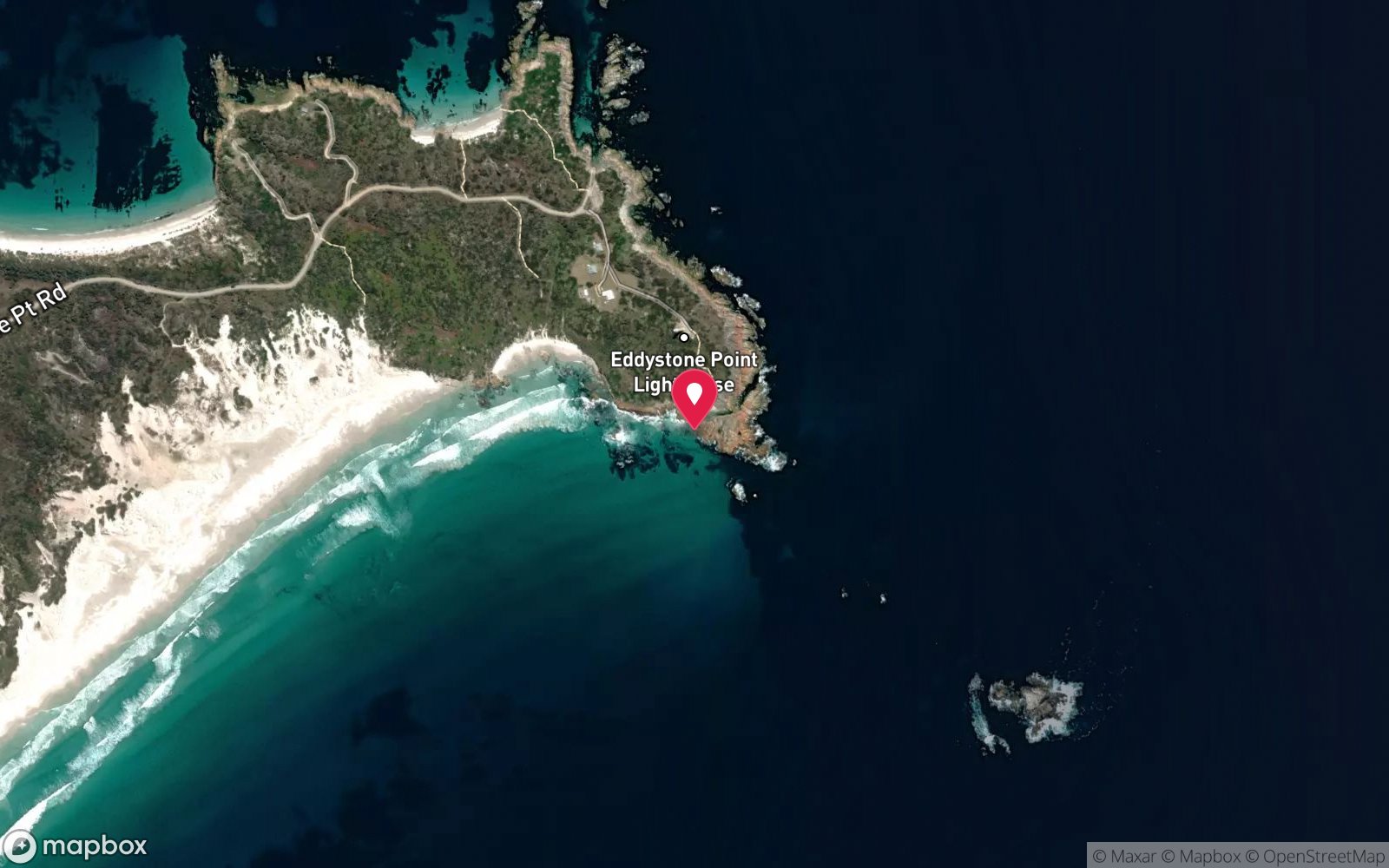
Eddystone Point: frequently asked questions
How deep is Eddystone Point?
Eddystone Point reaches a maximum depth of 15 m, with the shallowest part at about 4 m; most of the dive is spent around 10 m.
What certification do I need to dive Eddystone Point?
Open Water is the recommended minimum. Rated intermediate because of cold water.
Can I shore dive Eddystone Point?
Experienced divers do dive Eddystone Point from the shore, but the entry or conditions make it unsuitable for newer divers without local guidance. Entry: Shore entry at the point in exceptional calm, or boat from the Eddystone gulch.
When is the best time to dive Eddystone Point?
Late summer-autumn (February-April) in settled weather.
What marine life will I see at Eddystone Point?
Regularly recorded: Crayfish, banded morwong, herring cale, kelpies, bullseyes, crabs, wrasse, leatherjackets.
What wetsuit do I need at Eddystone Point?
7 mm wetsuit with hood, gloves and boots (or semi-dry); drysuit common, especially May-October.
How cold is the water at Eddystone Point?
Typically 15-18 °C in summer and 11-13 °C in winter.
What are the main hazards at Eddystone Point?
Current around the point; shore entry only in exceptional calm; very remote. See the hazards section above for the full list.
Where is the nearest recompression chamber to Eddystone Point?
Royal Hobart Hospital Hyperbaric Medicine Unit (Hobart) - the only chamber in Tasmania; Launceston has none. DAN emergency hotline 1800 088 200. In an emergency call 000, then DAN Asia-Pacific on 1800 088 200.
Diving in Tasmania North-East
The north-east corner around St Helens, Binalong Bay and the Bay of Fires has orange lichen-covered granite above water and kelp, sponge and sea whips below, with the wrecks of the Blencathra and others around Georges Bay. The area has been hit hard by long-spined urchins, but the deeper reefs remain rich.
Getting there: Two and a half hours from Launceston. Shore dives from the Bay of Fires beaches; occasional charters from St Helens.
All Tasmania North-East dive sites and a suggested itinerary →
Sources
Data confidence: Low · Being verified: Single older source; coordinates approximate.. Last updated September 2026. Know this site better? How to send a correction