Dive slate · divesites.com.au · printed 9 Nov 2026
Grants Point Cove (Humbug Point)
Tasmania North-East, Tasmania · near St Helens
| Depth | 2–6 m |
|---|---|
| Minimum level | Open Water |
| Difficulty | Beginner |
| Access | Shore |
| Entry | Shore entry after a walk over granite boulders |
| Current | None |
| Visibility | 6-12 m |
| Water | summer 15-18 °C, winter 11-13 °C |
| Suit | 7 mm wetsuit with hood, gloves and boots (or semi-dry); drysuit common, especially May-October |
| Best season | Late summer-autumn (February-May) for calm mornings; winter westerlies give clear water but cold |
| Bottom time | 45 min |
| Position | -41.27500, 148.33000 (approximate) |
| Permit | No permit required |
| Nearest chamber | Royal Hobart Hospital Hyperbaric Medicine Unit (Hobart) - the only chamber in Tasmania; Launceston has none. DAN emergency hotline 1800 088 200 |
| Emergency | 000 · DAN Asia-Pacific diving emergency 1800 088 200 |
Grants Point Cove (Humbug Point)
Also known as Grant's Point Cove, Grants Point
An easy cove with picnic facilities near Binalong Bay.
Near St Helens · Tasmania North-East, Tasmania
- Depth
- 2–6 m
- Minimum level
- Open Water
- Access
- Shore
- Boat ride
- Shore entry
- Water
- 15-18 °C
- Visibility
- 6-12 m
Grants Point Cove (Humbug Point)2–6 m · Open Water · Shore
Dive factsDepths, conditions, location & safety
Season
Off-peak nowBest months: January, February, March, April, May, June, July, August, December.
Late summer-autumn (February-May) for calm mornings; winter westerlies give clear water but cold
- Best months
- Now (November)
Dive facts
- Depth
- 2–6 m
- Typical depth
- 4 m
- Certification
- Open Water
- Difficulty
- Beginner
- Depth tier
- Easy (0–10 m)
- Access
- Shore
- Dive centre needed
- No – independently diveable
- Shore / independent
- Yes
- Current
- None
- Visibility
- 6-12 m
- Water temp (summer)
- 15-18 °C
- Water temp (winter)
- 11-13 °C
- Water
- Cold Temperate
- Bottom time
- 45 min
- Dive traffic
- Rarely dived (private boat/club only)
- Night dive
- Possible
- Snorkel friendly
- Yes
Exposure suit
7 mm wetsuit with hood, gloves and boots (or semi-dry); drysuit common, especially May-October
Location
St Helens & Bay of Fires
-41.27500, 148.33000
Approximate position — not for navigation.
Open in Google MapsPrimary source: marinelife.org.auMarine park & permits
No permit required
Nearest recompression chamber
Royal Hobart Hospital Hyperbaric Medicine Unit (Hobart) - the only chamber in Tasmania; Launceston has none. DAN emergency hotline 1800 088 200
Diving emergency: call 000, then DAN AP 1800 088 200.
Trip planner
Build a trip around Grants Point Cove (Humbug Point) →
A day-by-day plan for Tasmania North-East with this site locked in.
This guide is a planning aid. Conditions change daily — confirm with a local dive centre and dive within your training. Data & safety notes.
Dive profile
How this site rates
Scores are computed from the recorded data, not opinions. How?
At a glance
Grants Point Cove (Humbug Point) is a shore / rock platform shore dive you can do independently in Tasmania North-East, TAS, 2–6 m, suited to Open Water divers.
Rated beginner: sheltered, shallow and manageable for a newly certified diver on a normal day, though note cold water.
Why dive here
- An easy cove with picnic facilities near Binalong Bay.
- Snorkel-friendly, so non-diving companions can join at the surface.
- Rarely dived: expect to have the site to yourself, and plan your own logistics.
Conditions to avoid
- Swell above about 1.5 m
- Strong southerly or south-east swell and wind
- Afternoon north-easterlies
- Strong westerlies
- Outgoing tide or run-off after rain (poor visibility)
About Grants Point Cove (Humbug Point)
Grants Point Cove is a shallow shore dive in the Humbug Point Nature Recreation Area near Binalong Bay, rated 5 out of 10 by the Marine Life Network guide. It offers a sheltered entry and exit when winds run parallel to the coast, with rocky headland fauna in about 4 m of water.
There are picnic facilities at the point, making it a convenient family stop, and snorkellers can enjoy the cove on calm days. The guide warns of large swell 'lifters' - sudden surges that can knock divers off the rocks - so the exit needs care.
It suits new divers and snorkellers looking for an easy shore option close to St Helens.
The north-east coast from St Helens to the Bay of Fires is built of the same orange-lichen granite as Freycinet, and under water it forms rounded boulders, cracks and swim-throughs. The regional guide notes damage from the long-spined black sea urchin (Centrostephanus rodgersii) on several sites; this urchin has spread south with the warming East Australian Current and grazes kelp and weed down to bare 'barrens', so expect patches of bare rock among the weed.
The north-east sees far fewer divers than Bicheno or the Tasman Peninsula. There is no regular charter boat, so most diving is done by Launceston club members and visitors towing their own boats, and conditions are checked on the morning rather than booked in advance. The nearest hyperbaric chamber is the Royal Hobart Hospital, more than three hours' drive away; Launceston General Hospital has no chamber, so evacuation planning and oxygen on board matter here.
Getting there & entry
A cove at Grants Point in the Humbug Point Nature Recreation Area near Binalong Bay, sheltered when winds blow parallel to the coast.
From St Helens take Binalong Bay Road north, then the Humbug Point road into the Humbug Point Nature Recreation Area to the Grants Point picnic area (about 15 minutes). Walk over the granite boulders to the cove - a short but awkward carry with scuba gear. Allow about 2 hours' drive from Launceston via Scottsdale or the Tasman Highway through St Marys.
Park close to the water where possible and check the exit before entering; the granite is slippery when wet and swell surges can be deceptive.
Entry: Shore entry after a walk over granite boulders
Facilities: Grants Point picnic area (tables, toilets - verify). St Helens: boat ramps, toilets, supermarket, cafes, fuel and accommodation. Binalong Bay: ramp, toilets, cafe. Air fills unconfirmed locally - nearest reliable fills in Launceston.
Weather, swell & tides
The St Helens and Bay of Fires coast faces east and north-east into the Tasman Sea, so easterly and north-easterly swell over about 1.5 m, and the common summer NE sea breeze, make it rough; the Georges Bay bar breaks in easterly swell. Westerly and south-westerly winds blow offshore and give the flattest seas and clearest water. Southerly swell wraps around St Helens Point.
Visibility falls after rain when Georges Bay drains tannin-stained water on the ebb. The cove gives shelter when the wind blows parallel to the coast (north-easterly or southerly), but large swell brings 'lifters' - unexpected surges.
Best season: Late summer-autumn (February-May) for calm mornings; winter westerlies give clear water but cold
If it's blown out
Sheltered or shore sites within 25 km that often work when Grants Point Cove (Humbug Point) doesn't.
- Binalong Bay / Skeleton Bay · 3 km · Max 15 m
- Sloop Rock (Bay of Fires) · 7 km · Max 10 m
How the dive is usually run
Enter from the boulders into the cove, explore the headland reef at 2-6 m, and return before the tide or swell changes. Watch for surge on the exit. Turn at a third of gas to allow for the swim back and a possibly harder exit, finish with a 3-minute safety stop at about 5 m if the depth allows, and exit where you entered unless an alternative exit has been checked beforehand.
Marine life
- Wrasse
- leatherjackets
- magpie perch
- brown algae
- sea stars
Linked species have their own page listing every site where they are recorded. All marine life →
Training required
Shallow enough for snorkellers and for a first dive under supervision. Any certified diver can dive it.
Courses that help here
- Drysuit Diver – Cold water; locals dive dry for much of the year.
Depth tiers: 0–10 m easy · to 18 m Open Water · 18–30 m Advanced (25 m+ is a deep dive) · 30–40 m Deep specialty · 40 m+ technical. All courses
Hazards & warnings
Swell 'lifters' on the rocks; awkward boulder walk with gear.
Dive centres that go here
East Coast Scuba Centre (124 Binalong Bay Road, St Helens) is listed by Wikivoyage as offering dive and snorkel equipment hire - current trading status and whether it runs boat dives are unconfirmed. Otherwise sites are dived from private boats and by Launceston clubs and Tasmanian Divers (Launceston) on occasional trips.
Operators recorded for Grants Point Cove (Humbug Point)
Tasmanian Divers North
ListedLaunceston · Tasmania North & North-West · TAS
A northern Tasmanian operation serving the Bass Strait coastline and local diving community.
tasdivers.com.au · (03) 6229 1020
Tas Uni Dive Club
Named by sitesMount Nelson · Tasmania East Coast · TAS
University dive club, not a shop; gear hire Thursdays 6-6:30pm.
tudc.org.au
East Coast Scuba Centre
Named by sitesBinalong Bay · Tasmania North-East · TAS
Only directory listings (124 Binalong Bay Rd, NAUI-affiliated); no website, socials or dated 2025–26 reviews found.
(03) 6376 8368
Map
7 pinned sites. Pins marked approximate on their pages show the general area only; not for navigation.
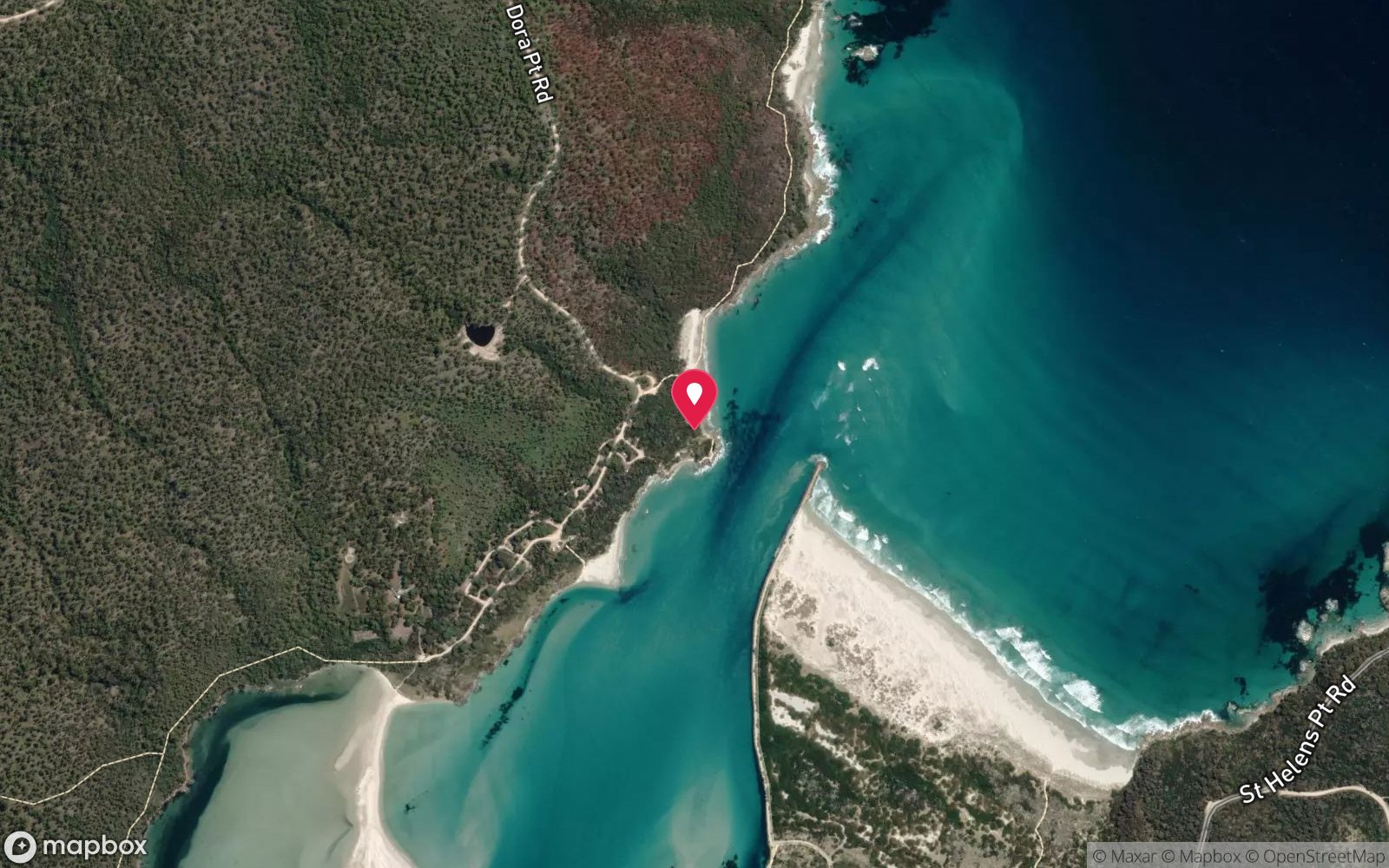
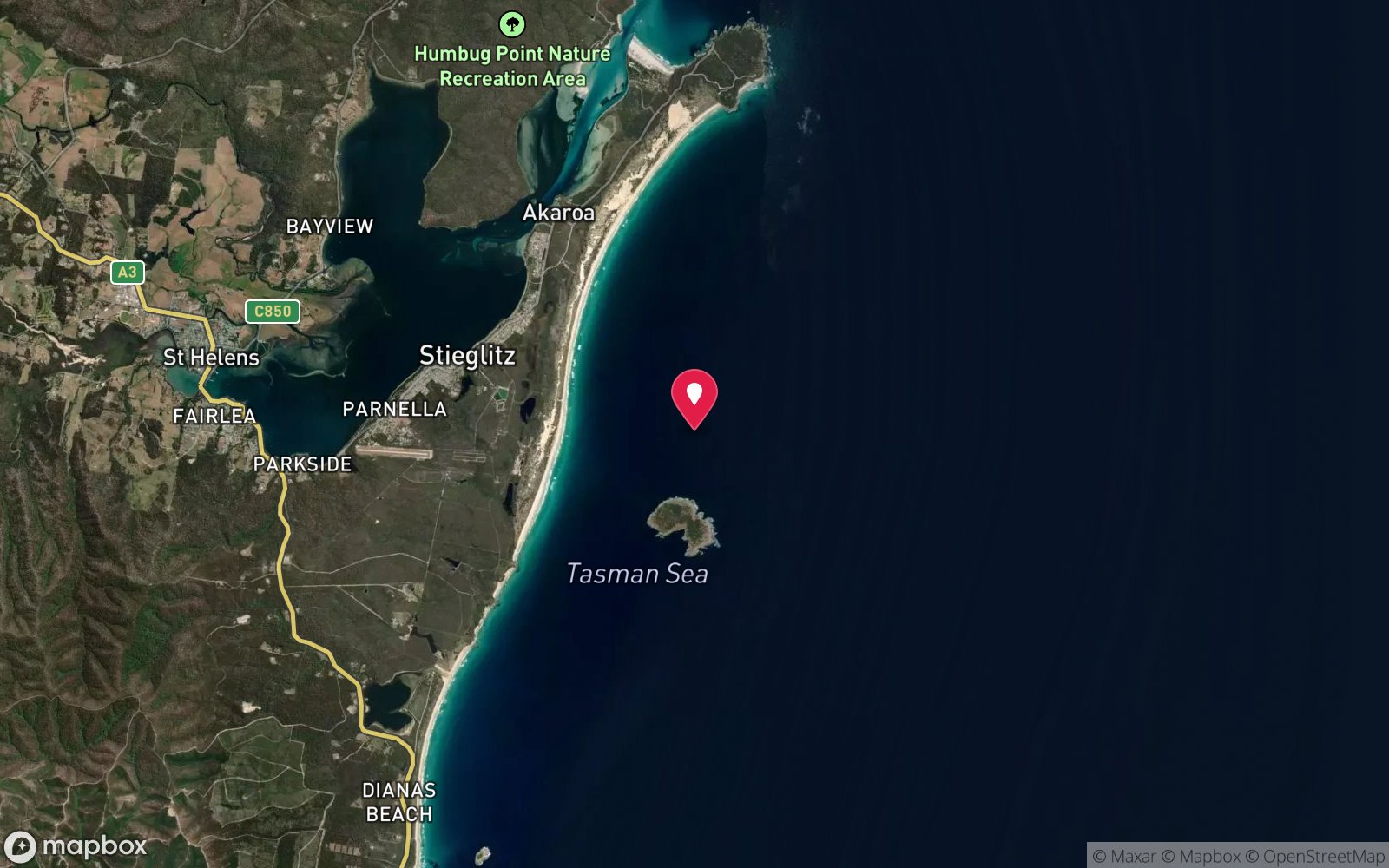
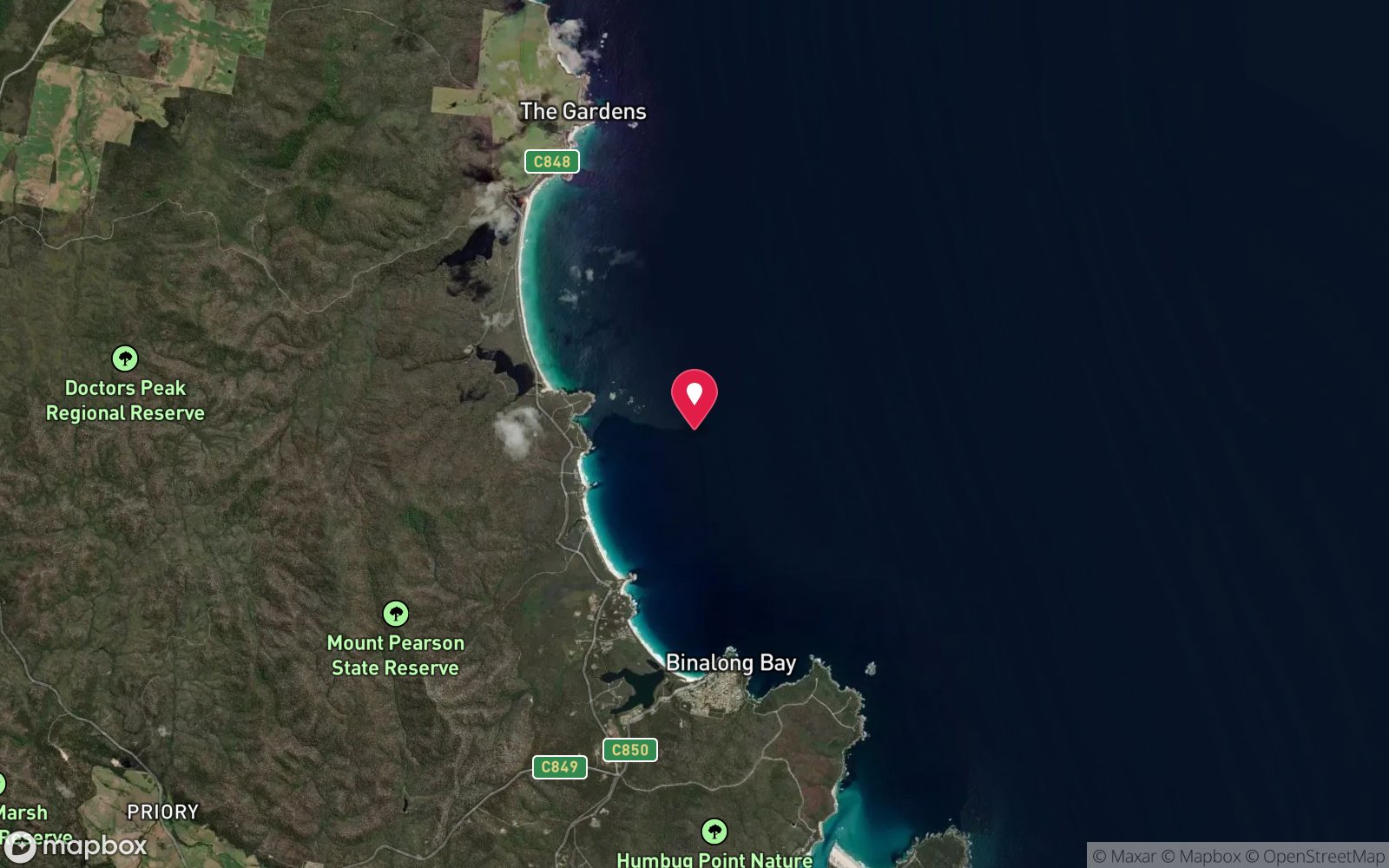
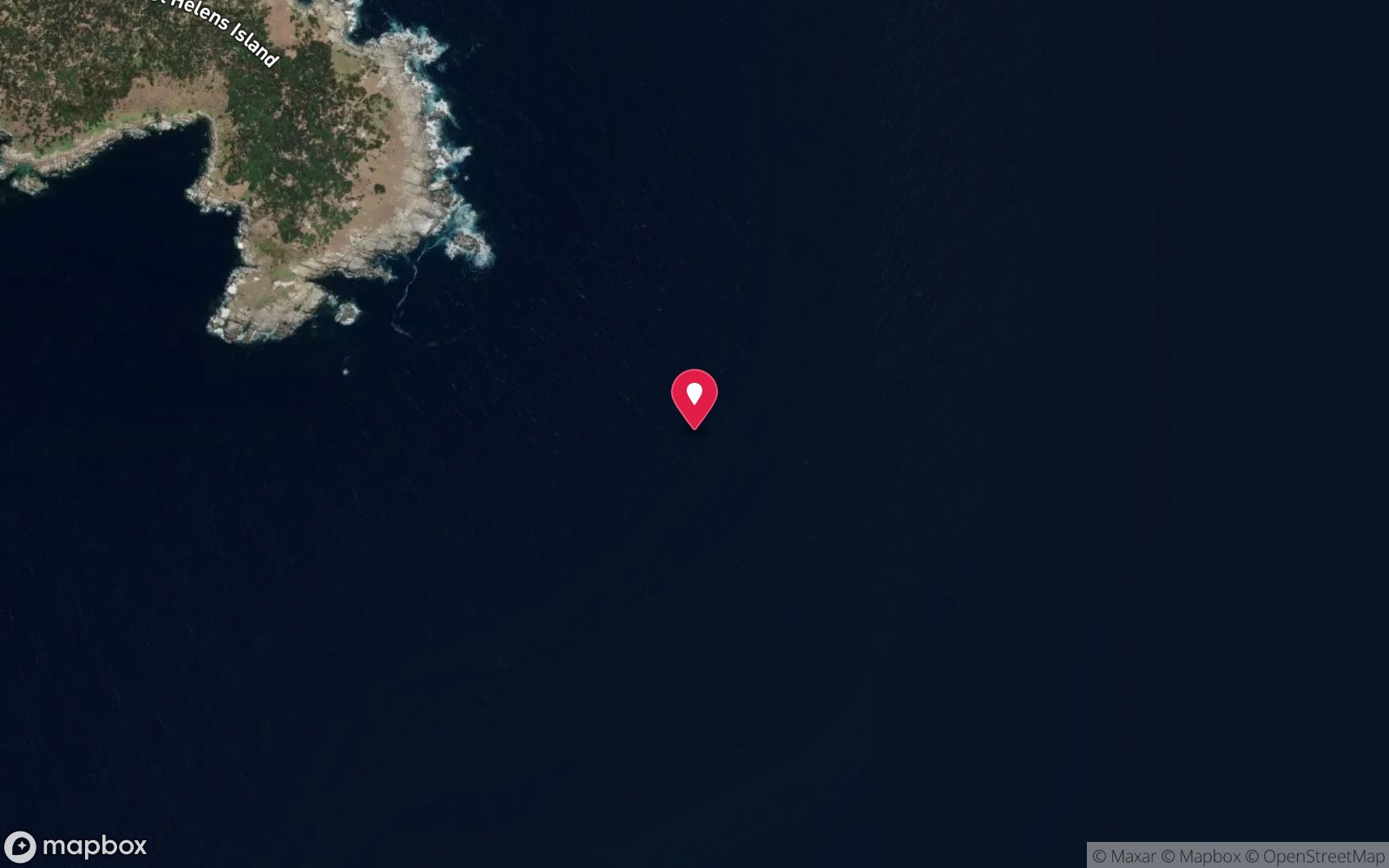
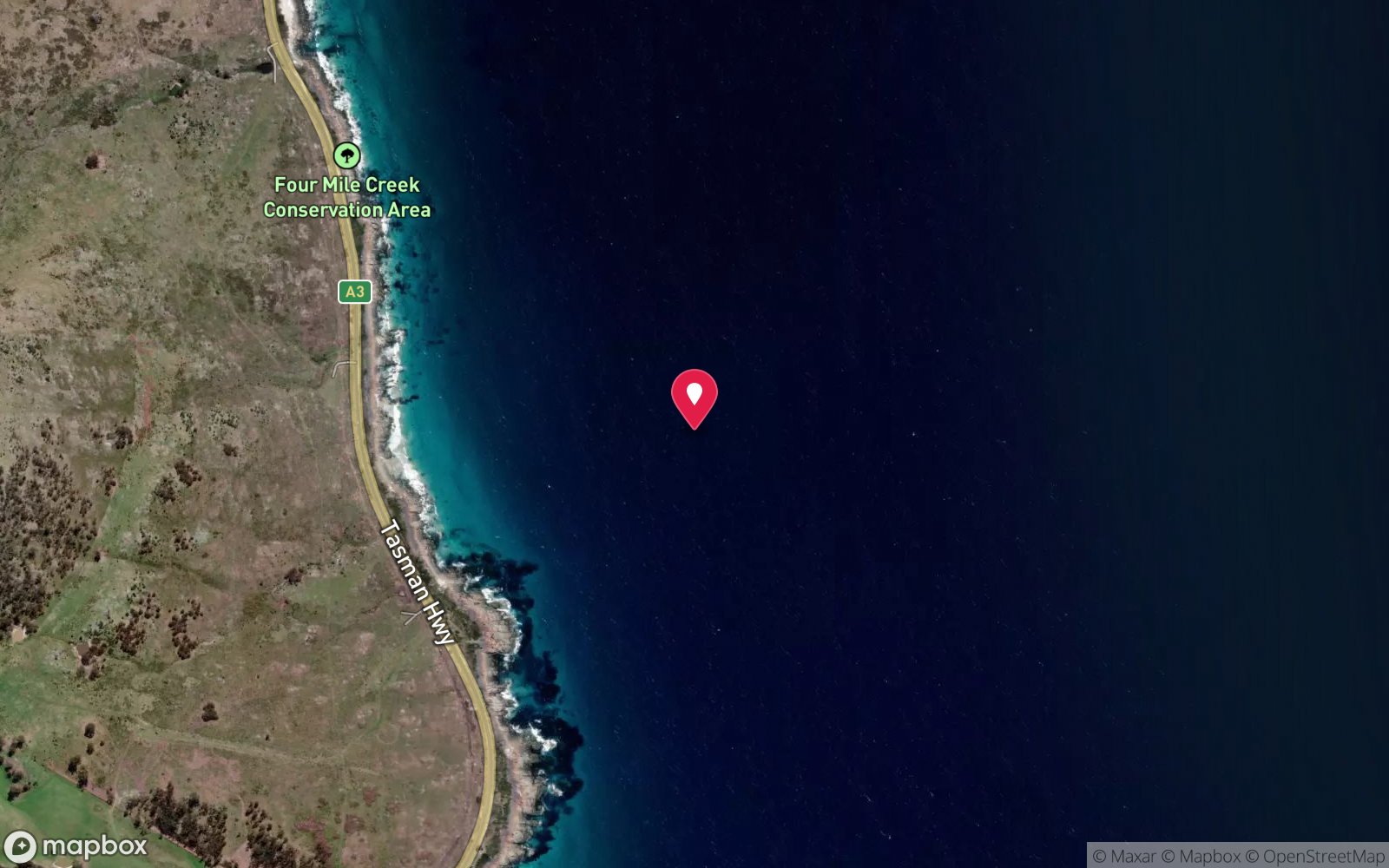
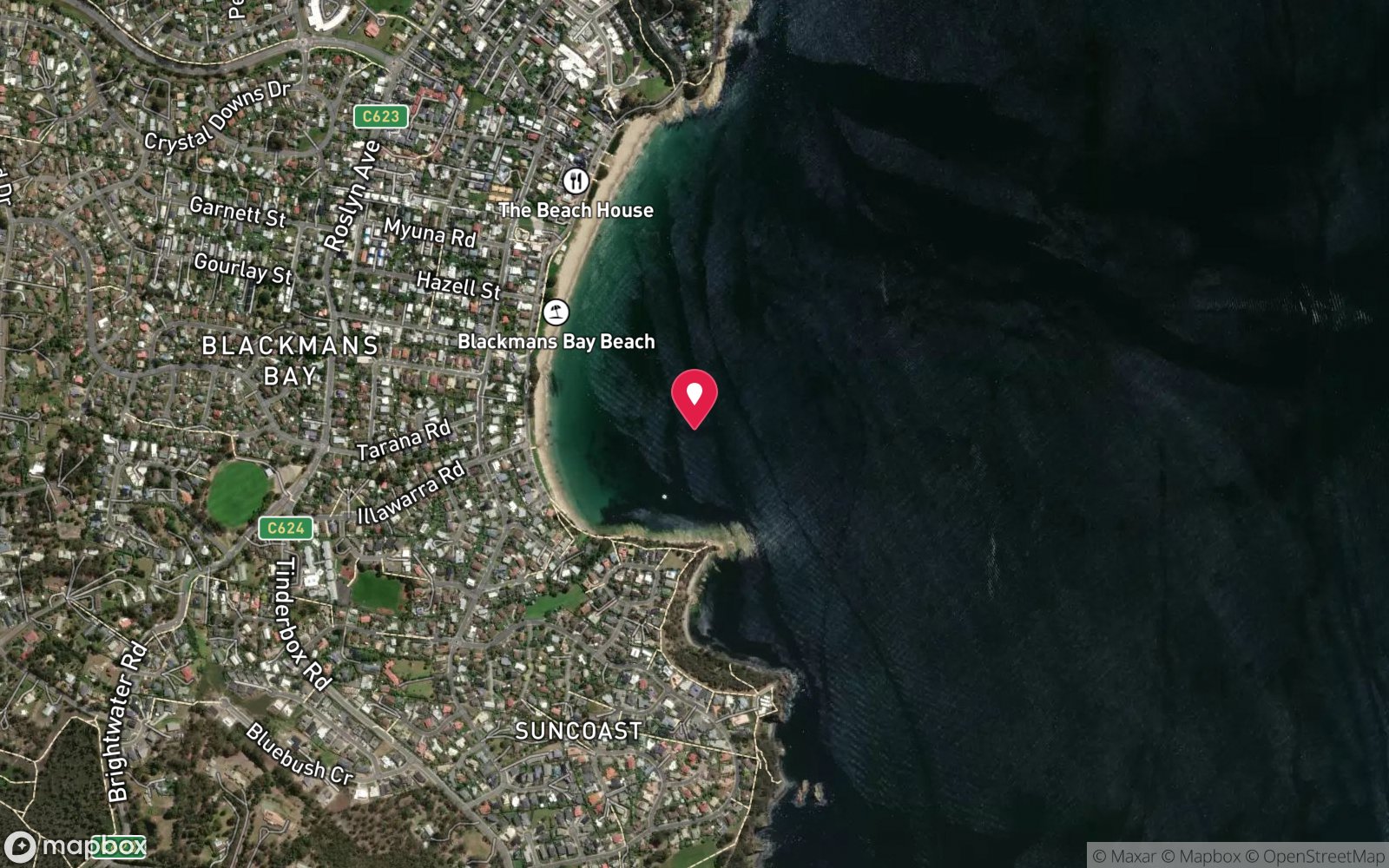
Satellite views
Grants Point Cove (Humbug Point): frequently asked questions
How deep is Grants Point Cove (Humbug Point)?
Grants Point Cove (Humbug Point) reaches a maximum depth of 6 m, with the shallowest part at about 2 m; most of the dive is spent around 4 m.
What certification do I need to dive Grants Point Cove (Humbug Point)?
Open Water is the recommended minimum. Rated beginner: sheltered, shallow and manageable for a newly certified diver on a normal day, though note cold water.
Can I shore dive Grants Point Cove (Humbug Point)?
Yes. Grants Point Cove (Humbug Point) is a shore dive that can be done independently: shore entry after a walk over granite boulders.
When is the best time to dive Grants Point Cove (Humbug Point)?
Late summer-autumn (February-May) for calm mornings; winter westerlies give clear water but cold.
What marine life will I see at Grants Point Cove (Humbug Point)?
Regularly recorded: Wrasse, leatherjackets, magpie perch, brown algae, sea stars.
What wetsuit do I need at Grants Point Cove (Humbug Point)?
7 mm wetsuit with hood, gloves and boots (or semi-dry); drysuit common, especially May-October.
How cold is the water at Grants Point Cove (Humbug Point)?
Typically 15-18 °C in summer and 11-13 °C in winter.
What are the main hazards at Grants Point Cove (Humbug Point)?
Swell 'lifters' on the rocks; awkward boulder walk with gear. See the hazards section above for the full list.
Where is the nearest recompression chamber to Grants Point Cove (Humbug Point)?
Royal Hobart Hospital Hyperbaric Medicine Unit (Hobart) - the only chamber in Tasmania; Launceston has none. DAN emergency hotline 1800 088 200. In an emergency call 000, then DAN Asia-Pacific on 1800 088 200.
Diving in Tasmania North-East
The north-east corner around St Helens, Binalong Bay and the Bay of Fires has orange lichen-covered granite above water and kelp, sponge and sea whips below, with the wrecks of the Blencathra and others around Georges Bay. The area has been hit hard by long-spined urchins, but the deeper reefs remain rich.
Getting there: Two and a half hours from Launceston. Shore dives from the Bay of Fires beaches; occasional charters from St Helens.
All Tasmania North-East dive sites and a suggested itinerary →
Sources
Data confidence: Low · Being verified: Coordinates approximate; single older source.. Last updated September 2026. Know this site better? How to send a correction
Nearby dive sites
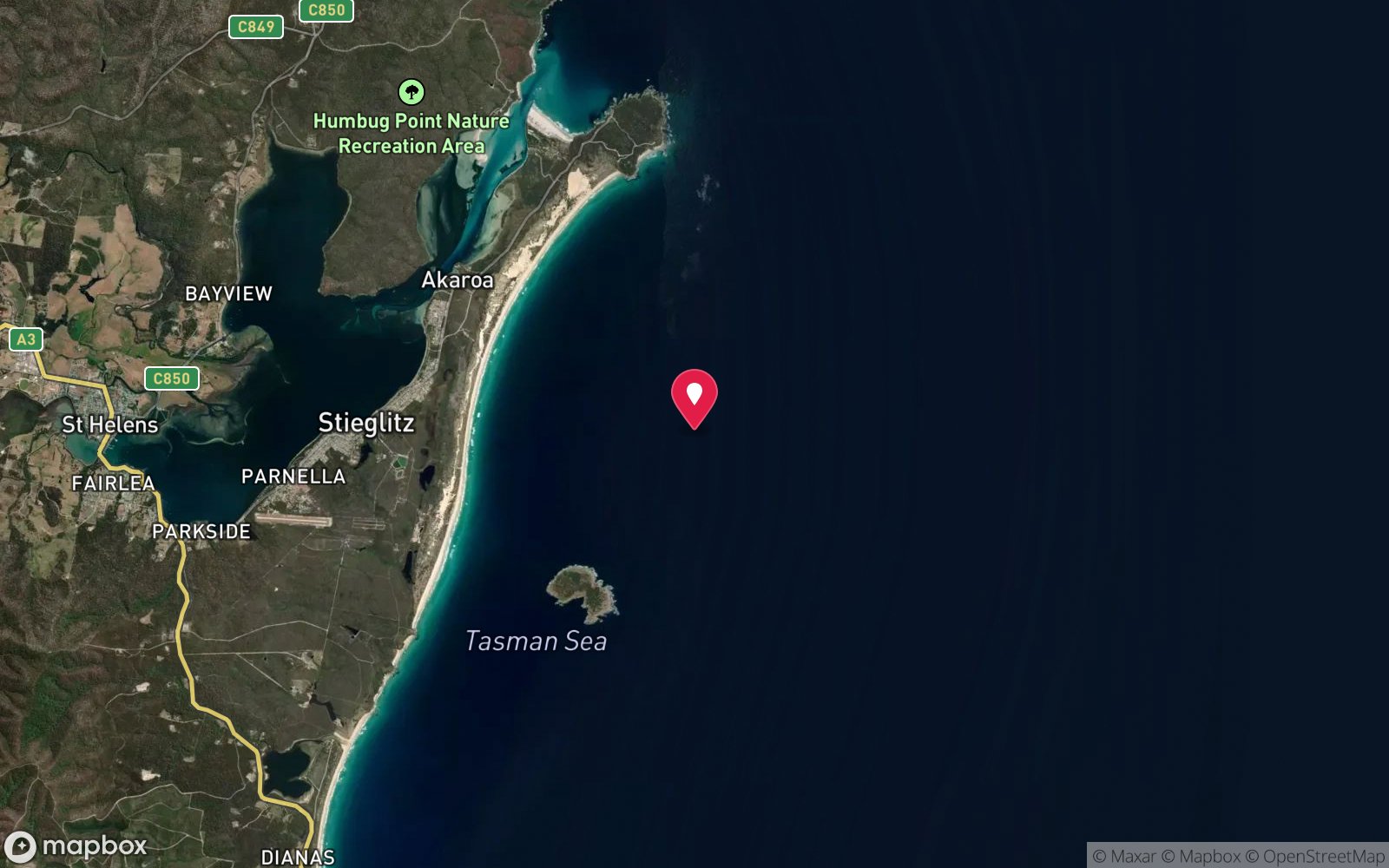
More shore dives in Tasmania
Explore more